Christmas Cookie Exchange Ideas: Host the Best Swap
There is a special kind of December magic that happens when a group of friends each walks through the door carrying a tray of homemade cookies and walks out with an assortment of everyone else’s best baking. That is the joy of a Christmas cookie exchange — one of the most beloved holiday traditions, and honestly one of the smartest. Instead of spending a whole weekend baking six different cookie recipes yourself, you bake one big batch of your signature cookie and trade your way to a spectacular holiday cookie platter.
A cookie exchange (also called a cookie swap) is beautifully simple at its core: each guest bakes several dozen of one cookie recipe, everyone samples, and then each person fills a container with an assortment to take home. You leave the party with a dozen different kinds of cookies having only baked one. It is efficient, it is delicious, and it is one of the most genuinely fun holiday parties you can throw or attend.

But a truly great cookie exchange does not happen by accident. The difference between a chaotic free-for-all and a smooth, memorable party comes down to a little planning: clear rules, good invitations, smart cookie choices, and thoughtful packaging. Get those right, and your guests will be talking about your swap all season — and asking when next year’s is.
In this complete guide, you will find everything you need to host (or attend) the perfect Christmas cookie exchange: what a cookie swap is and how it works, step-by-step hosting instructions, rules that keep things fair, how many cookies everyone should bring, the best cookie recipes for swapping (and which ones to avoid), creative packaging ideas, party food and drink suggestions, fun games to play, printable ideas, and answers to every frequently asked question. Let the swapping begin.
What Is a Christmas Cookie Exchange?
A Christmas cookie exchange is a holiday party where each guest bakes a large batch of one type of cookie and trades with the other guests so everyone goes home with a mixed assortment. The traditional format goes like this: every participant brings, say, six dozen of their chosen cookie, plus an empty container. Guests display their cookies on a central table, everyone samples and socializes, and then the swap begins — each person takes a set number of cookies from every other baker until containers are full.
The tradition has been around for decades and has only grown more popular, partly because it solves a real December problem. Most of us want a beautiful variety of holiday cookies for gifting, parties, and family nibbling, but very few of us have time to bake eight different recipes from scratch. The exchange lets a group of friends divide the labor: you master one recipe, your friends master theirs, and everybody wins.
Cookie exchanges work for all kinds of groups — friends, coworkers, neighbors, book clubs, church groups, extended family. They can be as casual as five friends in a living room or as elaborate as a thirty-person catered event. The format scales beautifully, which is why it has endured while other party trends have come and gone.
Why Host a Cookie Exchange This Christmas?
First, the math is unbeatable. Bake one recipe in bulk, and come home with ten or twelve different kinds of cookies. If you are gifting cookie plates to neighbors or teachers, a single swap can stock your entire gift list. No marathon baking weekend required.
Second, it is a genuinely wonderful party. Cookie exchanges are low-pressure and high-joy — there is no complicated dinner to cook, no seating chart, no entertainment to arrange. The cookies are the entertainment. Guests mingle naturally around the cookie table, swapping baking stories and recipe tips, and the tasting element gives everyone something to talk about.
Third, you will discover new favorite recipes. Every swap I have attended has introduced me to at least one cookie I had never tried before — and several that became permanent additions to my own holiday baking rotation. It is like a delicious recipe exchange disguised as a party.
Finally, hosting a cookie exchange is far easier than hosting almost any other kind of holiday party. You provide the venue, some drinks, and a few savory snacks; your guests provide the star attraction. It is the rare party where the guests do most of the “catering,” and everyone is happy about it.

How to Host a Christmas Cookie Exchange: Step by Step
Hosting is straightforward if you break it into steps. Here is the timeline that works, starting about three weeks before the party.
Step 1: Set the Date and Guest List
Pick a date in early to mid-December — the first two weekends of December are prime cookie-exchange season, before calendars fill up completely. Aim for 8 to 12 guests; that is the sweet spot where you get great variety without logistical chaos. Fewer than 6 feels thin, and more than 15 gets hard to manage around one table. Send a save-the-date as early as possible, since December fills up fast.
Step 2: Send Invitations with Clear Details
Your invitation should include everything guests need: the date, time, and address; how many dozen cookies to bring; the rule that cookies must be homemade (not store-bought); a request to bring copies of their recipe to share; and a reminder to bring a container for taking cookies home. Ask guests to RSVP with which cookie they plan to bring so you can avoid duplicates — two people bringing identical sugar cookies is the most common swap pitfall, and it is easily prevented.

Step 3: Set the Rules and Share Them Upfront
Clear rules prevent awkwardness. Decide the essentials in advance: how many dozen each person brings (usually 4 to 6 dozen), how many cookies each person takes from each baker, whether cookies should be nut-free or labeled for allergens, and whether bars, candies, or other treats are allowed or if it is cookies only. Put the rules in the invitation so everyone arrives on the same page. A dedicated rules section later in this guide covers the details.
Step 4: Plan the Party Setup
You will need one large table (or several) for the cookie display, with each baker’s cookies arranged on their own platter or tray with a little label card naming the cookie and the baker. Provide small plates and napkins for tasting, plus savory snacks and drinks to balance all the sugar — more on the menu below. Set up a separate swapping station with extra containers or bags in case anyone forgets theirs. Festive decorations make it feel special, but keep the cookie table itself uncluttered so the cookies shine.
Step 5: Run the Swap
Let guests mingle and taste for the first 30 to 45 minutes — this is the social heart of the party. Then announce the swap: a common method is to have everyone take turns, going around the table so each person takes their share from each tray in an orderly rotation. Alternatively, let it be a friendly free-for-all once you give the signal. Either way, the host should gently keep things moving so no single tray gets emptied before everyone has had a turn. End with recipe sharing — many hosts ask each baker to email their recipe to the group afterward.
Cookie Exchange Rules That Actually Work
Good rules are the backbone of a fair, fun swap. Here are the rules experienced hosts swear by. Rule one: cookies must be homemade. This is the whole point — anyone can buy a tin of cookies, but the exchange is about sharing your baking. Rule two: bring the agreed quantity, usually 4 to 6 dozen, and arrive with them already arranged on a tray or platter ready for display.

Rule three: each baker takes the same number from every tray, so everyone goes home with an equal assortment — typically half a dozen to a dozen per baker, depending on the total. Rule four: label for allergens. Ask bakers to note whether their cookies contain nuts, dairy, gluten, or eggs, either on the display card or verbally. With food allergies so common, this is not optional politeness; it is essential.
Rule five: no duplicates — coordinate cookie choices in advance via a group chat or signup sheet. Rule six: bring your recipe to share, printed or digital. Guests always want the recipes for their favorites, and having them ready avoids a flurry of follow-up texts. Rule seven: bring your own take-home container, though the host should keep spares. And rule eight, the golden rule: taste everything, compliment generously, and never criticize someone’s baking at their own swap.
How Many Cookies Should Everyone Bring?
The standard is 4 to 6 dozen per person, and the right number depends on your guest count. Here is the math: if you have 10 guests and each brings 5 dozen (60 cookies), each person takes 6 cookies from each of the other 9 bakers, going home with 54 cookies plus their own remaining batch. That is a generous haul without anyone having to bake an unreasonable amount.
For smaller groups of 6 to 8, lean toward 6 dozen each so the take-home assortment feels substantial. For larger groups of 12 to 15, 4 dozen each is plenty — the variety itself is the prize, and nobody wants to bake 8 dozen cookies. Always confirm the number in the invitation, and remind guests that “dozen” means baked, full-size cookies, not tiny tasting bites. One more tip: ask everyone to bring a few extra for the tasting table, since sampling inevitably dents the swap supply.
The Best Cookies for a Cookie Exchange
Not all cookies are created equal when it comes to swapping. The best exchange cookies share a few traits: they are sturdy enough to survive transport and handling, they stay fresh for several days, they look festive, and they taste great at room temperature. Here are the tried-and-true winners.
1. Decorated Sugar Cookies
The quintessential Christmas cookie. Cut into festive shapes and decorated with royal icing, sugar cookies are sturdy, keep well for a week, and look absolutely stunning on a swap table. They are the cookie everyone photographs. Bake them a day or two ahead so the icing fully hardens before transport — stack them with parchment between layers.

2. Gingerbread Men
Spicy, sturdy, and adorable, gingerbread cookies are swap gold. They hold their shape beautifully, stay fresh for over a week, and the decorating possibilities are endless. Pipe simple white icing details or go all out with outfits and faces. Kids especially love spotting the gingerbread tray at a swap.
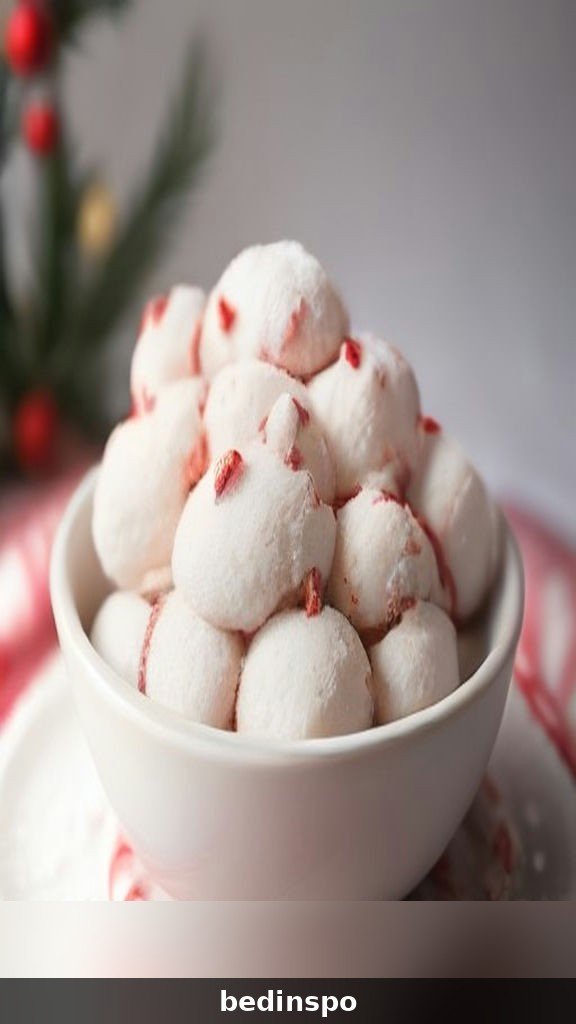
3. Snowball Cookies
Buttery, nutty, and coated in powdered sugar, snowballs (also called Mexican wedding cookies or Russian tea cakes) practically melt in your mouth. They are naturally festive-looking, keep beautifully, and travel well since there is no icing to smudge. Make them small — two-bite size is perfect for an assortment box.
4. Thumbprint Cookies
Buttery shortbread rounds filled with jam or chocolate, thumbprints add gorgeous color to any assortment — ruby red raspberry, deep green mint, or rich chocolate centers. They are sturdy, they stack reasonably well with parchment, and they look far fancier than the effort they require. Use seedless jam for the prettiest centers.

5. Peanut Butter Blossoms
The beloved peanut butter cookie crowned with a chocolate kiss is a universal crowd-pleaser and a swap workhorse. They are quick to make in big batches, they hold up perfectly in transport, and that chocolate kiss makes them instantly recognizable. Press the kisses in right after baking so they set as the cookies cool.
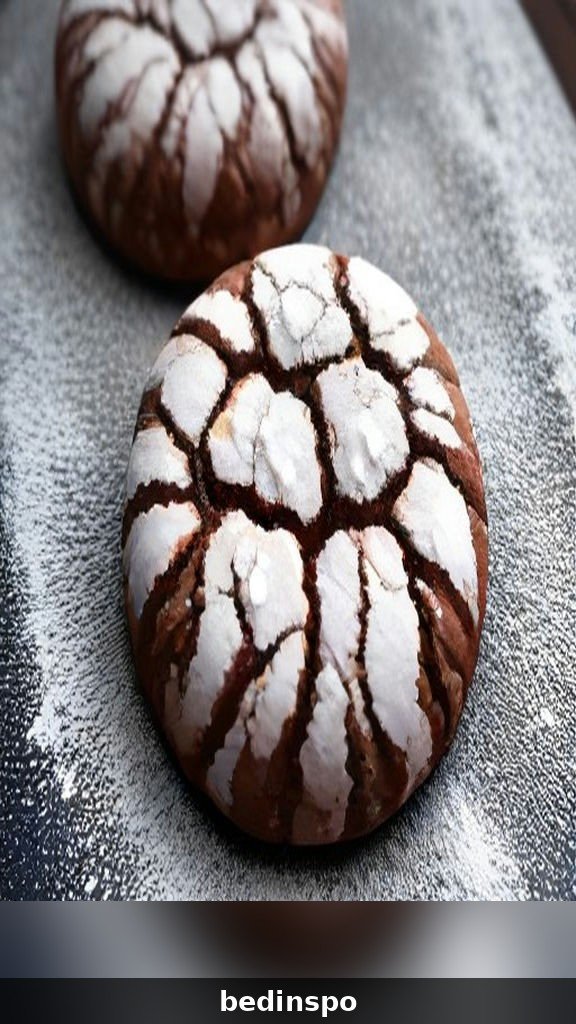
6. Chocolate Crinkle Cookies
With their dramatic crackled tops dusted in powdered sugar, crinkles look like snow-covered chocolate mountains. They are fudgy, rich, and sturdy, and they stay soft for days. Roll the dough balls generously in powdered sugar twice — once before chilling and once before baking — for the boldest crackle effect.
7. Linzer Cookies
For an elegant addition, Linzer cookies — buttery almond sandwich cookies with jam peeking through a cutout top, dusted with powdered sugar — are unmatched. They look like they came from a European bakery. They are a bit more work, which makes them impressive, and they keep well for several days in an airtight container.

8. Biscotti
The dark horse of cookie exchanges. Biscotti are twice-baked, incredibly sturdy, and stay fresh for weeks — they are practically designed for swapping. Cranberry-pistachio biscotti in particular looks festive and tastes wonderful dunked in coffee. If any of your guests are coffee lovers, biscotti will be the first tray emptied.
Cookies to Avoid Bringing to a Swap
Just as important as knowing the winners is knowing what does not work. Avoid anything fragile or frosted with soft buttercream that will smudge in transport — delicate sandwich cookies and frosted cupcakes are beautiful but impractical. Skip cookies that go stale within a day, like thin tuiles or anything meant to be eaten warm.
Very crumbly cookies that shed everywhere will annoy everyone at the swapping table. Anything requiring refrigeration is a logistical headache — the swap table sits at room temperature for hours. And think twice about strong flavors like heavy anise or intense spice blends; in a mixed box, potent flavors can perfume the other cookies. When in doubt, choose sturdy, classic, crowd-pleasing cookies that taste as good on day four as on day one.

Creative Packaging Ideas for Take-Home Cookies
Half the fun of a cookie exchange is the beautiful box of assorted cookies everyone takes home, so packaging matters. Remind guests to bring a sturdy container — a shirt-sized gift box, a large tin, or a divided bakery box works best. Flimsy paper plates covered in foil are a recipe for crushed cookies.
For the host, having a packaging station is a thoughtful touch: cellophane bags, tissue paper, ribbon, gift tags, and a few spare boxes or tins for anyone who forgot. Line containers with tissue or parchment, arrange cookies in neat rows or standing upright like files, and tuck a handwritten recipe card for your own cookie into each box as a parting gift. Some hosts set up a “decorate your box” corner with stickers and markers so kids can personalize their take-home containers — a huge hit with families.
If you want to go the extra mile, assemble small bonus gifts: a bag of homemade hot cocoa mix, a cookie cutter tied with ribbon, or a printed booklet of all the swap recipes collected after the party. These little touches turn a fun party into a cherished tradition people look forward to all year.
What Food and Drinks to Serve
With dozens of cookies on the table, guests need savory balance and drinks to wash it all down. Keep the menu simple: a cheese and charcuterie board, a warm savory dip with crackers or bread, and maybe a simple soup like tomato or butternut squash served in mugs. These are easy, filling, and provide a welcome break from the sugar.

For drinks, coffee and tea are non-negotiable — cookie tasting demands them. A hot cocoa bar with marshmallows, whipped cream, and candy cane stirrers doubles as both beverage and activity. For adult gatherings, mulled wine or a festive punch adds holiday cheer. Sparkling water with cranberry and rosemary sprigs looks beautiful and keeps things refreshing. Avoid serving a full dinner; the cookies are the main event, and heavy food before the tasting dulls everyone’s palate.
Fun Cookie Exchange Games and Activities
While tasting and swapping are entertainment enough, a light game or two keeps the energy up. The classic is a blind taste test: number the cookies, have guests vote for their favorites in categories like “most festive,” “most creative,” and “best overall,” and award small prizes like a festive spatula or a jar of sprinkles. It is friendly, funny, and everyone loves a little recognition.
Other crowd-pleasers: a cookie decorating station where guests ice a few plain sugar cookies to take home (great for kids), holiday bingo or trivia while people mingle, and a “guess the secret ingredient” challenge for adventurous bakers. A photo backdrop with a fun holiday banner gives guests a reason to capture the memory — and those photos inevitably end up on Pinterest, which is free advertising for next year’s swap.
Cookie Exchange Printables and Recipe Cards
Little printed touches make your swap feel polished and professional. Design simple tent cards for the cookie table — each baker’s name, cookie name, and allergen notes — using any free template or even handwritten calligraphy on kraft paper. Printable recipe cards (4×6 inches) that guests fill out for their cookie become treasured keepsakes; provide blank cards and pens at the party.
Other useful printables: a sign-in sheet where guests write their name and cookie for your records, voting ballots for the taste-test contest, “tips for transporting your cookies” cards tucked into take-home boxes, and a cute “thank you for swapping” tag. None of this requires graphic design skills — clean, simple printables from free online templates look fantastic and pull the whole party together.
How to Host a Virtual Cookie Exchange
When friends are scattered across the country, a virtual cookie exchange keeps the tradition alive. Each participant bakes their batch, packages assortments, and mails them to everyone else a few days before a video call party. Use flat-rate shipping boxes, pack cookies snugly with plenty of padding, and choose sturdy recipes like biscotti, shortbread, and gingerbread that survive shipping.
On party day, gather on video with your box of assorted cookies, taste together, share the stories behind your recipes, and vote on favorites just like an in-person swap. Mail recipe cards along with the cookies so everyone has the full collection. It is not quite the same as being elbow-to-elbow around a cookie table, but for long-distance friends and family, it is a genuinely lovely way to share the season.

Make-Ahead Timeline for Swap Cookies
Smart timing takes the stress out of baking for a swap. Most sturdy cookie doughs can be made and refrigerated for up to 3 days or frozen for up to 3 months before baking — scoop drop-cookie dough into balls and freeze them on a tray, then bake from frozen adding a couple of minutes. Cutout doughs like sugar cookie and gingerbread freeze beautifully as flat discs.
Baked cookies generally keep 5 to 7 days in airtight containers at room temperature, so baking 2 to 3 days before the party is ideal — you avoid a last-minute crunch and the flavors actually meld and improve. Decorated sugar cookies need their icing to harden fully, so give them a full 24 hours after decorating before stacking. Never freeze decorated cookies; condensation ruins royal icing. With a freezer stash of dough, you can bake fresh for the swap with just an evening’s effort.
Christmas Cookie Exchange FAQs
How does a Christmas cookie exchange work?
Each guest bakes several dozen of one cookie recipe and brings them to the party along with an empty take-home container. After a tasting and mingling period, everyone takes a set number of cookies from each baker’s tray, filling their container with a mixed assortment. You arrive with one kind of cookie and leave with a dozen varieties — plus all the recipes.

How many cookies do you bring to a cookie exchange?
The standard is 4 to 6 dozen per person. For 8 to 12 guests, 5 dozen each is the sweet spot — enough that everyone takes home a generous assortment without anyone facing an unreasonable baking load. Smaller groups should lean toward 6 dozen each; larger groups can drop to 4 dozen since the variety itself is the reward.
What are the best cookies to bring to a cookie exchange?
Choose cookies that are sturdy, stay fresh for several days, and look festive: decorated sugar cookies, gingerbread men, snowball cookies, thumbprint cookies, peanut butter blossoms, chocolate crinkles, Linzer cookies, and biscotti are all proven winners. Avoid fragile, heavily frosted, or refrigeration-dependent cookies that will not survive the swap table.
Do cookie exchanges have to be in person?
Not at all. Virtual cookie exchanges work wonderfully for long-distance friends and family: everyone bakes, packages, and mails assortments to each other, then gathers on a video call to taste together and share recipes. Choose shipping-friendly cookies like biscotti, shortbread, and gingerbread, pack them snugly, and use flat-rate boxes.

Should I bring the recipe for my cookies?
Yes — bringing your recipe to share is one of the core traditions of a cookie exchange. Guests will inevitably fall in love with someone else’s cookie and want to make it themselves. Bring printed recipe cards to hand out at the party, or email your recipe to the group afterward. It is the gift that keeps the swap going all season.
What if someone has a nut allergy?
Ask every baker to label their cookies clearly for common allergens — nuts, dairy, gluten, and eggs at minimum. Some hosts designate the swap as nut-free and ask everyone to bake accordingly, which simplifies things enormously. When in doubt, over-communicate: a quick group message about allergies before the party prevents problems on the day.
Can I host a cookie exchange with kids?
Absolutely, and kids love them. Add a cookie decorating station with plain sugar cookies, icing, and sprinkles so little ones have their own activity, and let them help fill the take-home boxes. Keep the rules simple, expect some chaos around the cookie table, and consider a morning or early afternoon time slot. A kids’ swap is pure holiday joy.

What should the host provide at a cookie exchange?
The host provides the venue, the cookie display setup (tables, platters, label cards), tasting plates and napkins, drinks (coffee, tea, cocoa, and something festive), a few savory snacks to balance the sugar, take-home packaging spares, and recipe cards. Guests provide the cookies — that is the beauty of the format. Festive decorations are a bonus, not a requirement.
Conclusion
A Christmas cookie exchange is one of those rare traditions that is simultaneously practical, delicious, and deeply joyful. You bake one recipe, spend an evening laughing with people you love, and go home with a treasure box of assorted cookies and a stack of new recipes. It turns the December baking marathon into a shared celebration instead of a solo slog.

Whether you are hosting your first swap or attending your tenth, the formula for success is simple: clear rules, coordinated cookie choices, sturdy crowd-pleasing recipes, and thoughtful packaging. Add a warm drink, a few savory snacks, and maybe a friendly tasting contest, and you have a party people will ask about all year.

So send those invitations, pick your signature cookie, and get ready for the sweetest party of the season. Your future self — the one relaxing in mid-December with a full cookie tin and zero baking stress — will thank you. Happy swapping, and happy holidays.
Looking for more holiday baking inspiration? Try these reader favorites:
- Snowball Cookies Recipe — buttery pecan snowballs, a perfect swap cookie
- Hot Cocoa Bombs Recipe — pair your cookie box with DIY cocoa bombs for gifting
- Sugared Cranberries Recipe — sparkling sugared cranberries for decorating your cookie table
- Puff Pastry Christmas Tree Recipe — a showstopping savory-sweet centerpiece for your party