Christmas Prime Rib Recipe: 15 Tips for a Perfect Holiday Roast
Christmas Prime Rib Recipe: 15 Tips for a Perfect Holiday Roast
There is a reason prime rib is the centerpiece of so many Christmas dinners. When it comes out of the oven — burnished, crackling, and impossibly juicy — the whole table goes quiet for a second. Then someone asks for the recipe. A great Christmas prime rib recipe is not complicated, but it does reward a little planning: the right cut, a good seasoning, a reliable cooking method, and above all, patience while it rests.
If you have never cooked a prime rib before, do not be intimidated. This is one of the most forgiving roasts you can make, because the meat itself does most of the work. In this guide, you will find everything you need for a perfect holiday roast: how to choose and season the beef, two foolproof cooking methods, exact times and temperatures, how to carve it like a pro, and the sauces and sides that turn it into a full Christmas feast. Whether this is your first prime rib or your fifteenth, these 15 tips will help you serve the best one yet.
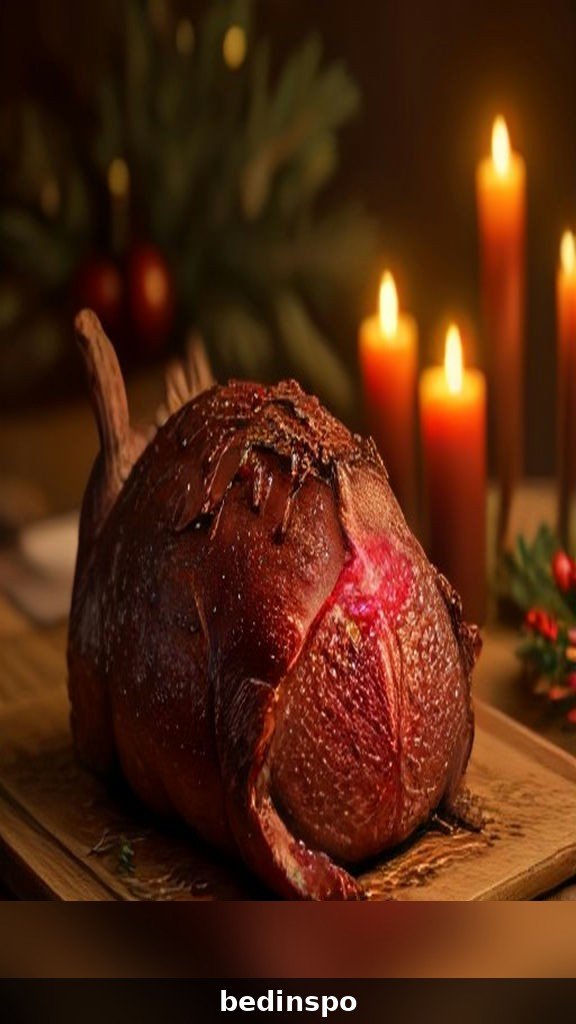
1. The Classic Christmas Prime Rib Recipe
At its heart, a Christmas prime rib recipe is beautifully simple: a well-marbled standing rib roast, generously salted, rubbed with garlic and herbs, and roasted low and slow until the center is rosy pink. Start with a bone-in roast, let it come to room temperature for about two hours, and pat it completely dry. Rub it all over with a paste of softened butter, minced garlic, fresh rosemary, thyme, coarse salt, and cracked black pepper. Roast it bone-side down in a shallow pan, and you have the foundation of a legendary holiday dinner.
The magic is in the details, and the rest of this guide covers every one of them: which cut to buy, how much you need, how to season it the night before, and the two cooking methods that never fail. Follow the classic recipe here and the tips below, and you will carve a roast with a crispy, salty crust and a center so juicy it barely needs the knife. This is the roast your family will ask for again next Christmas.
2. Choosing the Right Cut: Prime vs Choice
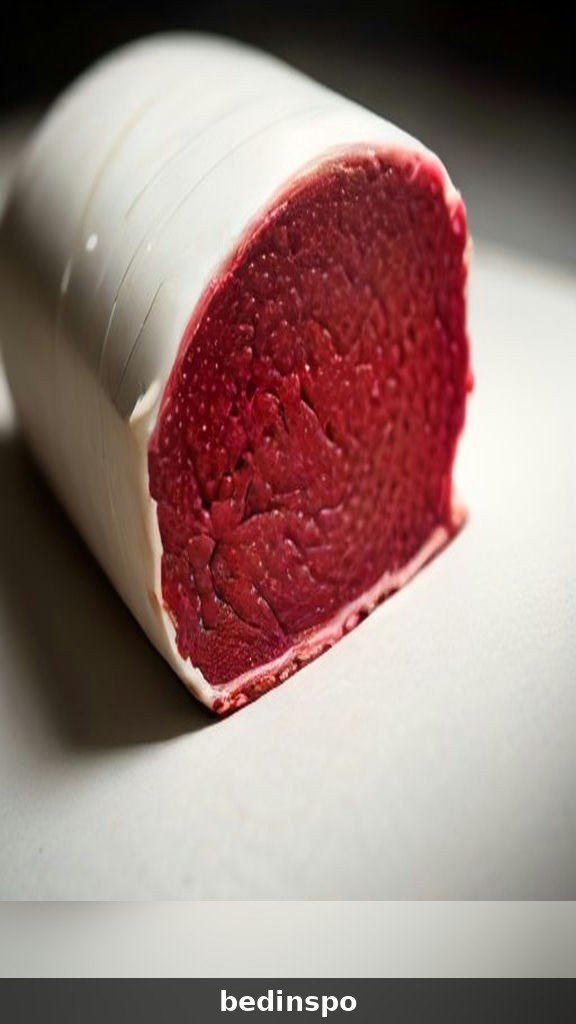
When you stand at the butcher counter, you will usually see two grades: Prime and Choice. Prime is the top grade, with the most marbling — those thin ribbons of fat running through the meat that melt during cooking and keep the roast juicy and flavorful. Choice is a step below but still excellent, and it is what most home cooks buy. A well-marbled Choice roast, cooked properly, will still be tender, juicy, and deeply beefy.
If your budget allows, Prime is a wonderful Christmas splurge, especially for a special occasion. But do not feel you must buy Prime to succeed. What matters more is even marbling throughout the roast and a nice, thick fat cap on top. Ask your butcher for a roast from the small end (sometimes called the loin end), which is leaner and more evenly shaped than the large end, and you will get beautiful, uniform slices for the whole table.
3. Bone-In or Boneless: Which Roast Is Better?
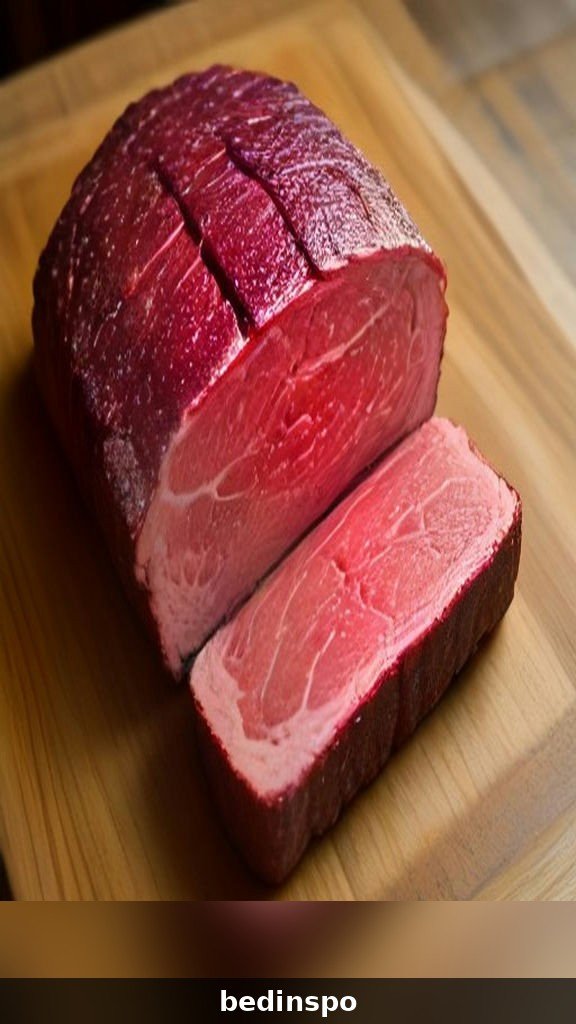
Bone-in prime rib — also called a standing rib roast — is the classic Christmas choice, and for good reason. The bones act like a natural roasting rack, lifting the meat off the pan so hot air circulates underneath, and they insulate the meat so it cooks more gently and evenly. The meat closest to the bone is also the most flavorful part of the roast, and the bones themselves make incredible leftovers for soup or stock.
Boneless prime rib, sometimes sold as a ribeye roast, is easier to carve and cooks a little faster, which can be a real advantage if you are short on time or oven space. The trade-off is that it can cook slightly less evenly without the bones to protect it. If you go boneless, tie it firmly with kitchen twine so it holds a compact shape. Either way, you will get a delicious roast — but for the full Christmas showstopper effect, bone-in wins.
4. How Much Prime Rib Per Person
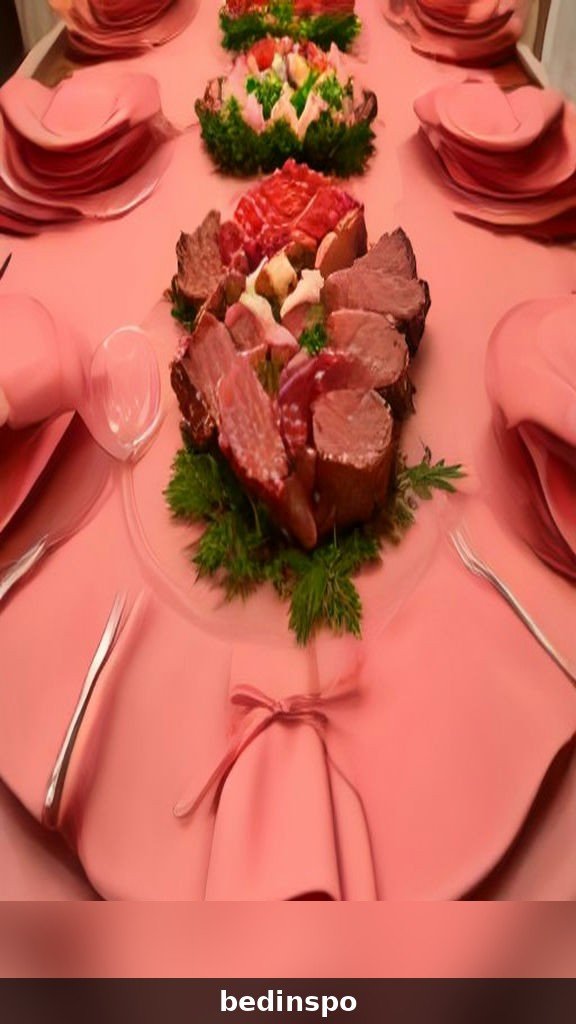
Nothing ruins Christmas dinner faster than running out of roast, so buy generously. For a bone-in prime rib, plan on about one pound per person — that accounts for the weight of the bones and gives everyone a hearty slice with a little left over. For a boneless roast, three-quarters of a pound per person is plenty. If you love leftovers (and you should — prime rib sandwiches are legendary), round up to the next whole rib.
A standard rib roast has one rib per roughly two pounds, so a three-rib roast feeds about six people, and a four-rib roast feeds about eight. When you order, tell your butcher how many people you are feeding and whether you want leftovers, and let them pick the right size. And remember: a slightly bigger roast is never a problem. It just means better sandwiches the next day, and nobody has ever complained about that.
5. The Overnight Dry Brine
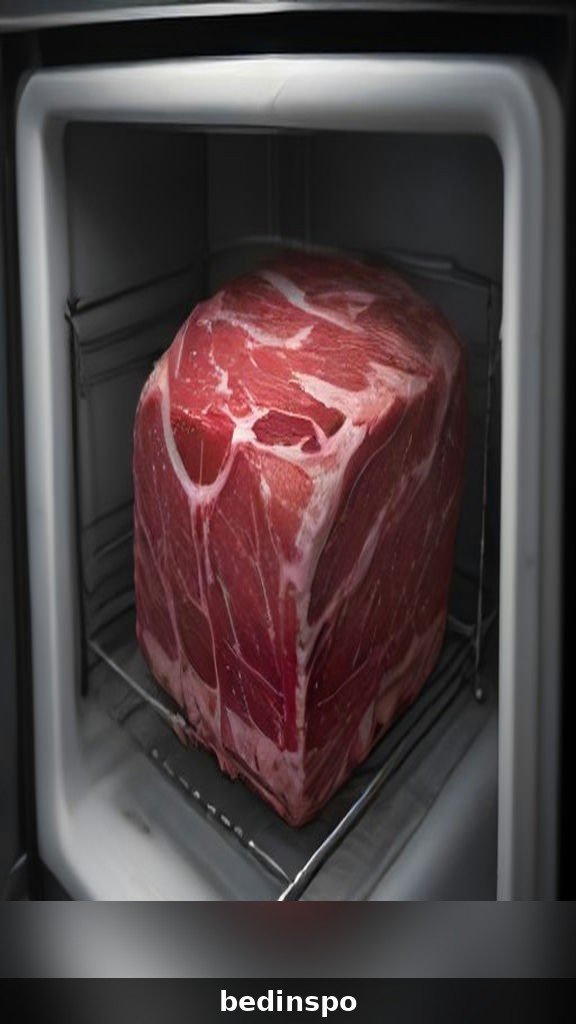
The single easiest upgrade to your Christmas prime rib recipe is a dry brine — and it costs nothing but a night in the fridge. A day or two before cooking, pat the roast dry and rub it all over with coarse kosher salt, about one teaspoon per pound. Set it on a rack over a tray, uncovered, in the refrigerator. The salt draws moisture out, dissolves into it, and then soaks back in, seasoning the meat deeply instead of just on the surface.
The uncovered rest does a second job, too: it dries out the surface of the meat, and a dry surface is what gives you that dark, crispy, salty crust in the oven. If you only have a few hours, even a morning salt is better than none — but the overnight version is noticeably better. Just remember to add your garlic and herb rub on cooking day, after the brine has done its work, so the fresh herbs do not burn or dry out in the fridge.
6. Garlic Herb Butter Rub
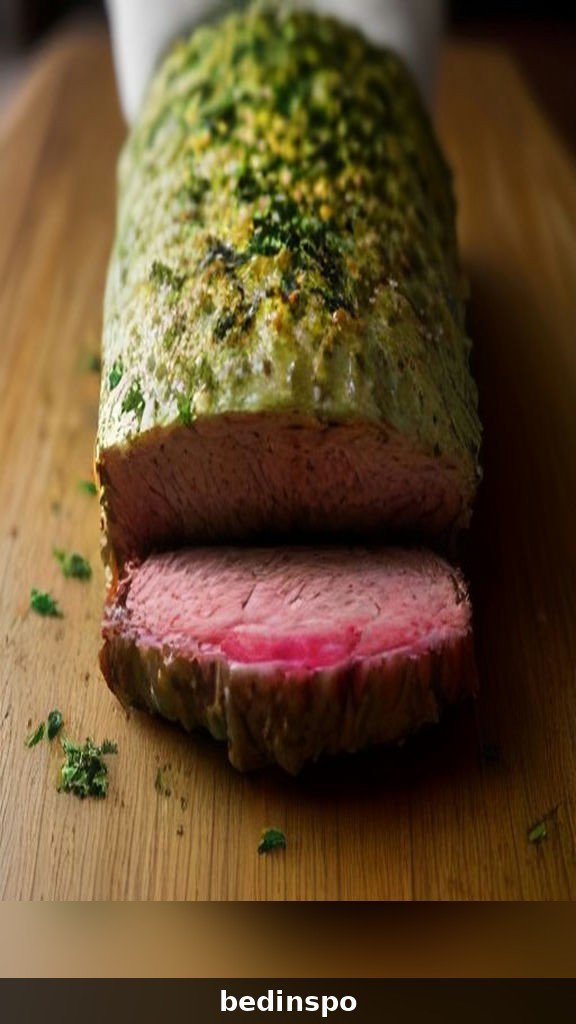
A garlic herb butter rub is what turns a good roast into a great one. Mash together softened butter, four or five cloves of minced garlic, a tablespoon each of chopped fresh rosemary and thyme, coarse salt, and plenty of cracked black pepper. Spread it thickly over the top and sides of the roast, pressing it into every crevice. As it roasts, the butter bastes the meat, the garlic turns sweet and nutty, and the herbs perfume the whole kitchen.
Keep the rub simple and let the beef shine — this is not the place for a dozen competing flavors. If you love a little extra depth, a teaspoon of Dijon mustard or a pinch of smoked paprika in the butter adds warmth without stealing the show. Make the rub while the roast comes to room temperature, and spread it on right before it goes into the oven so the butter stays put and forms that gorgeous golden crust.
7. The Reverse Sear Method
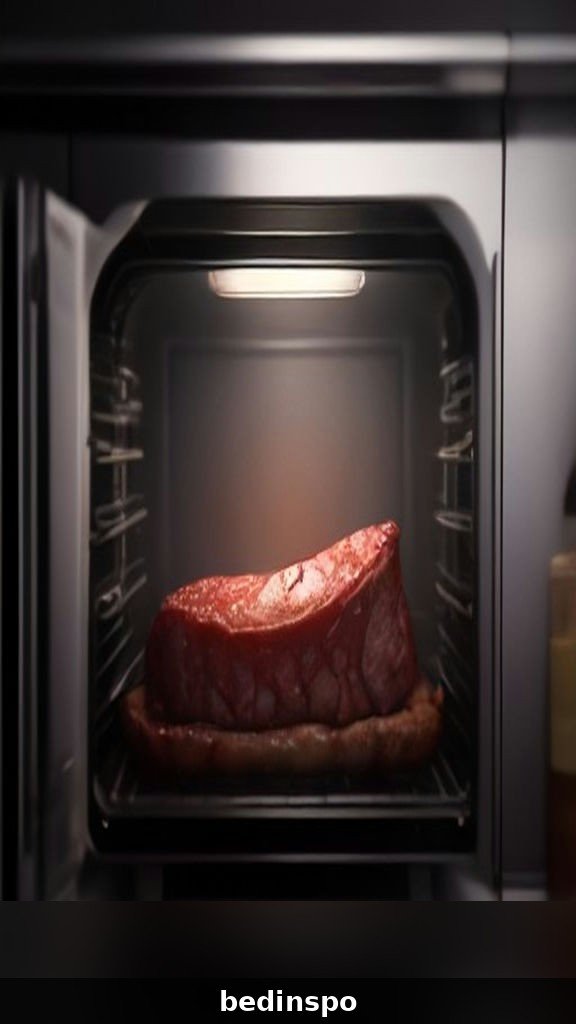
The reverse sear is the most foolproof way to cook prime rib, and it is the method most chefs recommend for a holiday roast. Instead of starting hot, you roast low and slow — around 225 to 250 degrees — until the center reaches about 10 degrees below your target temperature. Then you rest the roast, crank the oven to its highest setting, and blast it for 10 to 15 minutes to build a deep, crispy crust.
Why does it work so well? The gentle heat cooks the roast evenly from edge to center, so you get a wide band of rosy pink meat instead of a gray ring around a small pink middle. The final blast gives you the crust without overcooking the interior. It takes longer — roughly 3 to 4 hours for a four-rib roast — but almost all of that time is hands-off. On Christmas Day, when the oven is already busy, that gentle, forgiving timeline is a gift in itself.
8. The High-Heat Blast Method
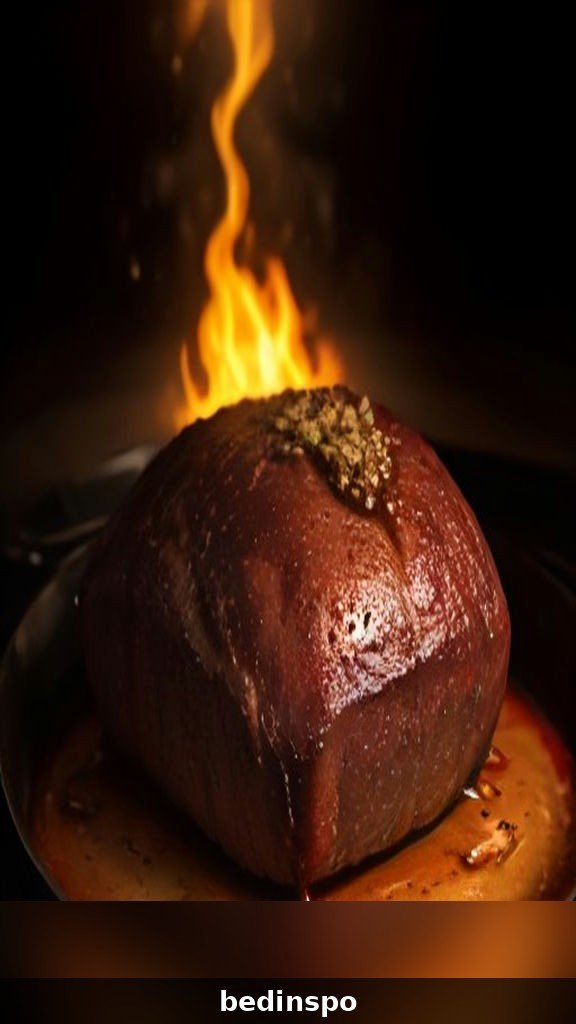
If you are short on time, the classic high-heat blast method still delivers a beautiful roast. Start the oven at 450 to 500 degrees and roast for 15 to 20 minutes to brown the outside, then drop the temperature to 325 degrees and continue roasting until the center hits your target. The initial blast builds a dark, crackly crust fast, and the lower heat finishes the job gently.
The trade-off is a slightly thicker gray band around the edges and a bit more attention required, since the high-heat start can smoke if your oven has drippings from earlier cooking. Keep a close eye on it, and make sure your roasting pan is not too shallow. Both methods make excellent prime rib — reverse sear for the most even pink center, high-heat blast when you need dinner on the table sooner. Either way, a meat thermometer is non-negotiable.
9. Cooking Times and Temperatures Chart
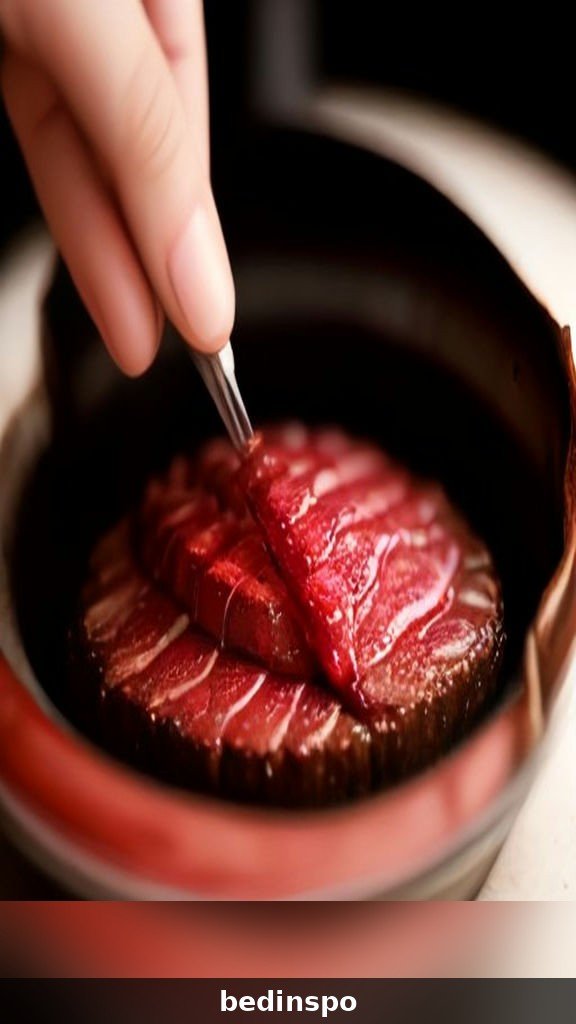
Forget the clock and trust your thermometer — it is the only way to guarantee your roast comes out exactly how you like it. For medium-rare, the sweet spot for prime rib, pull the roast when the center reads 120 to 125 degrees; it will climb to 130 to 135 as it rests. For medium, pull at 130 to 135 and expect a final temperature around 140 to 145. Rare lovers should pull at 110 to 115.
As a rough guide, at 250 degrees a bone-in roast takes about 25 to 30 minutes per pound to reach medium-rare, while at 325 degrees it takes about 15 to 20 minutes per pound. Always insert the thermometer into the thickest part of the meat, away from bone and fat, and check in two spots if you are unsure. Ovens vary, roasts vary, and the thermometer never lies — it is the cheapest insurance for a Christmas roast you will be proud of.
10. Resting: The Most Important Step
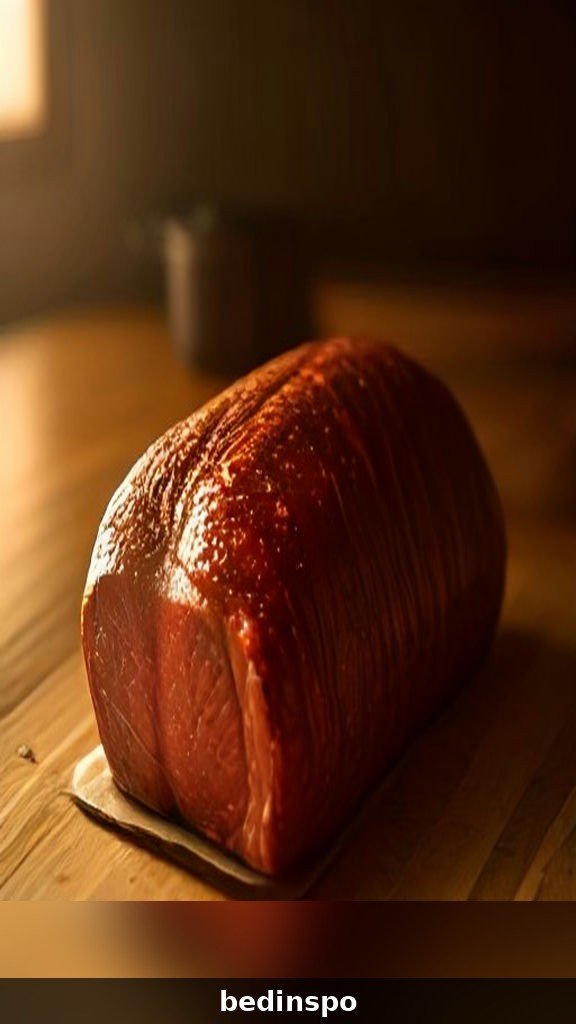
If there is one step home cooks skip too often, it is the rest — and it is the step that matters most. When prime rib comes out of the oven, the juices are churning and concentrated in the center. Slice it right away and those juices run all over the cutting board instead of staying in the meat. Rest the roast, tented loosely with foil, for at least 20 to 30 minutes (40 minutes for a large roast), and the juices redistribute through every slice.
Resting also finishes the cooking: carryover heat will raise the internal temperature by 5 to 10 degrees, which is why you pull the roast before it hits your target. Do not tent it tightly or wrap it in foil, or the crust will steam and soften — a loose tent is perfect. Use the resting time to make the au jus, warm the sides, and set the table. Your patience will be rewarded with the juiciest slices on the table.
11. How to Carve Like a Pro

Carving a prime rib looks impressive, and it is easier than it seems. Start by standing the roast on its end with the bones facing up, or lay it bone-side down and slice along the bones to remove the whole rack in one piece — that rack is the cook’s bonus, by the way, and makes a wonderful meal on its own. Then slice the eye of the roast across the grain into slices about half an inch thick for generous servings, or a full inch thick for showstopper portions.
Use a long, sharp carving knife and long, smooth strokes rather than sawing back and forth, which tears the meat. Cut only what you need and leave the rest whole — sliced meat dries out fast, while an unsliced roast stays warm and juicy for second helpings. Arrange the slices overlapping on a warmed platter, spoon a little au jus over the top, and let everyone admire your work before they dig in.
12. Au Jus from Scratch
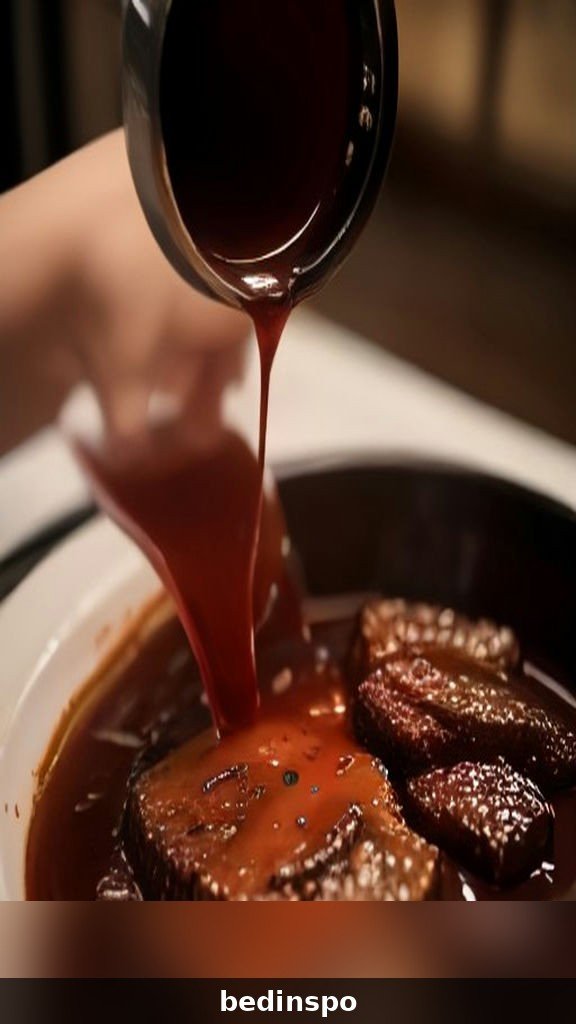
Real au jus is just the pan drippings, elevated — and it takes about ten minutes while the roast rests. Pour off most of the fat from the roasting pan, leaving the browned bits stuck to the bottom. Set the pan over medium heat, splash in a cup of beef stock and a splash of red wine, and scrape up all those caramelized bits with a wooden spoon. Simmer for a few minutes until it tastes rich and beefy, then strain it into a warm gravy boat.
Do not thicken au jus like gravy — it should stay thin and glossy, more like a savory broth that makes each bite of beef taste even beefier. Taste and season with salt and a crack of pepper, and add a splash of Worcestershire sauce if it needs more depth. If your pan has very little fond because you used a rack, a good store-bought beef stock reduced with a little wine and a pinch of garlic will still make a lovely jus.
13. Creamy Horseradish Sauce
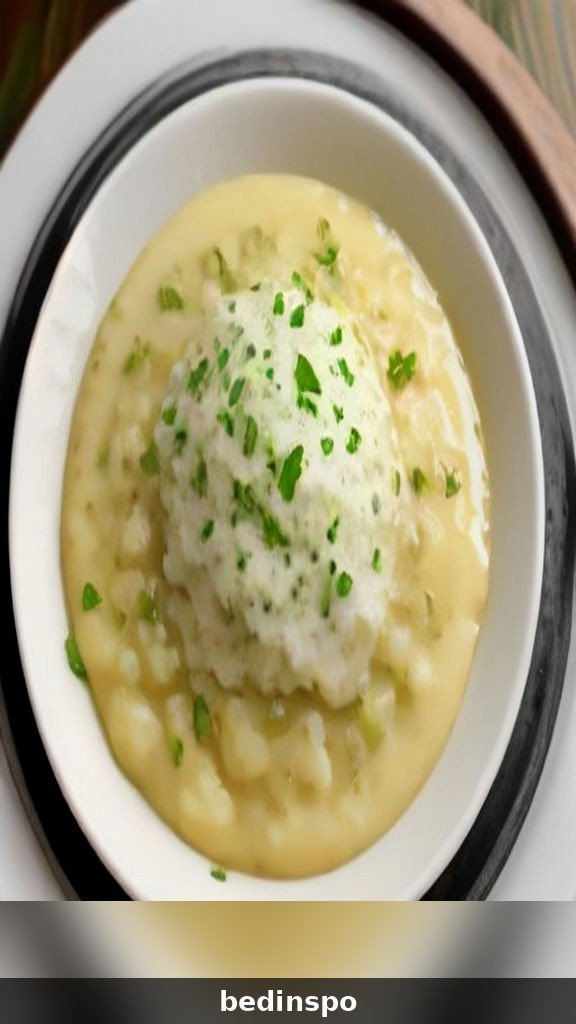
Prime rib and horseradish sauce are a classic pairing for a reason: the cool, sharp cream cuts through the richness of the beef perfectly. Stir together sour cream, a generous spoonful of prepared horseradish, a squeeze of lemon juice, a pinch of salt, and a little chopped chive. Taste and adjust — some people like it fiery, others just a gentle warmth — and let it chill for at least an hour so the flavors marry.
Make the sauce a day ahead if you can; it keeps beautifully in the fridge and tastes even better the next day. Serve it in a small bowl beside the roast, not poured over it, so everyone can take as much or as little as they like. For a lighter version, swap half the sour cream for Greek yogurt. And if you have guests who do not love horseradish, a simple Dijon mustard on the table covers everyone happily.
14. Best Side Dishes for Prime Rib
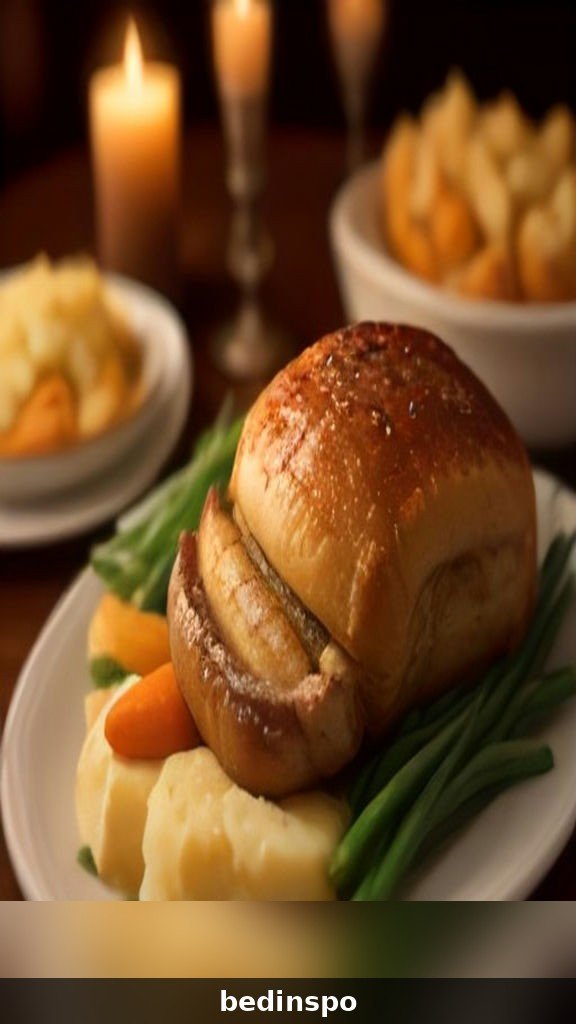
A great roast deserves great company on the plate. Creamy mashed potatoes are non-negotiable — they are the perfect vehicle for au jus — and a classic Yorkshire pudding, baked in the beef drippings if you can manage it, is the traditional partner. Add something green and bright to cut the richness: roasted Brussels sprouts with bacon, garlicky green beans, or a simple arugula salad with lemon and Parmesan.
For the rest of the table, think comfort and color: glazed carrots, a wild mushroom medley, or a rich macaroni and cheese if you are feeding a crowd with kids. Keep the sides simple and make as many ahead as you can — mashed potatoes reheat beautifully, and most vegetables can be prepped the day before. That way, when the roast comes out of the oven, you are relaxed, the table is set, and dinner feels like a celebration instead of a scramble.
15. Leftover Prime Rib Ideas
Some cooks say leftovers are the best part of prime rib, and they are not wrong. Slice the cold roast thin for French dip sandwiches with warm au jus for dunking, or pile it on crusty rolls with horseradish sauce and caramelized onions. Chop it into cubes for a hearty beef and barley soup, or slice it thick and reheat it gently in a buttered skillet for steak and eggs the morning after Christmas.
The key to great leftovers is gentle reheating — never microwave prime rib until it turns gray and tough. Warm slices in a low oven wrapped in foil with a splash of au jus, or flash them in a hot skillet for just a minute per side. Store the roast unsliced in the fridge for up to four days, or freeze slices in au jus for up to three months. A little planning turns one Christmas roast into three more meals your family will love.
How to Plan Your Christmas Prime Rib Timeline
A stress-free prime rib dinner is all about working backwards from serving time. Two days before, buy the roast and start the dry brine. The day before, make the horseradish sauce, prep the vegetables, and set the table. On Christmas Day, take the roast out of the fridge two hours before cooking, make the herb butter rub, and get it in the oven with plenty of time to spare. Build in an extra 30 minutes of buffer — a roast that finishes early just rests longer and stays delicious, while a roast that finishes late makes everyone hungry and stressed.
While the roast rests, finish the sides, make the au jus, and warm the plates in a low oven. Warm plates make a real difference: prime rib cools quickly on a cold plate, and a warm plate keeps every slice at its best. Write your timeline on a sticky note on the fridge, and check off each step as you go. Christmas dinner should feel joyful, not frantic, and a simple plan is what makes that possible.
Prime Rib on a Budget: Smart Ways to Save
Prime rib is a splurge, but there are smart ways to keep the cost down without sacrificing quality. Buy a Choice-grade roast instead of Prime — with a good dry brine and proper cooking, most guests will never know the difference. Watch for holiday sales in the weeks before Christmas, when supermarkets often discount standing rib roasts, and buy early and freeze it if you find a great price. A smaller roast with generous, beautiful sides also stretches further than you think.
Another trick: ask your butcher about the large end of the rib, which is often cheaper per pound and more heavily marbled — it just needs a little more trimming and cooks a bit less evenly. And remember that prime rib leftovers are meals in themselves, so the cost per serving drops fast when you count the French dips and soups that follow. A Christmas prime rib is an investment in a memorable meal, and with a little planning, it is one that pays off all week.
Frequently Asked Questions
Should prime rib be cooked covered or uncovered?
Always uncovered. A covered roast steams instead of roasting, and you will lose the crispy, salty crust that makes prime rib special. If the top browns too fast, tent it loosely with foil for the last part of cooking, but never cover it from the start.
Can I cook prime rib the day before Christmas?
You can, but it is better fresh. If you must cook ahead, roast it to rare, cool it quickly, and refrigerate it unsliced. On serving day, bring it to room temperature and warm it gently in a 250-degree oven until it reaches your target temperature, then blast it briefly for the crust.
What is the best internal temperature for prime rib?
For medium-rare, pull the roast at 120 to 125 degrees and let it rest to 130 to 135. That rosy pink center with a crispy crust is the classic prime rib experience, and it is what most guests hope for at Christmas dinner.
Do I need a roasting rack for prime rib?
Not if you buy bone-in — the bones are a built-in rack. For a boneless roast, a simple rack helps air circulate and the crust form evenly, but you can also rest the roast on a bed of chopped onions, carrots, and celery, which doubles as a base for your au jus.
Conclusion
A Christmas prime rib is more than a recipe — it is the centerpiece of the whole holiday. Choose a well-marbled roast, salt it the night before, rub it with garlic and herbs, cook it gently, and let it rest. That is really all there is to it, and the result is a roast with a crackling crust, a rosy center, and a flavor that no other holiday main dish can match.
This Christmas, give yourself the gift of a relaxed, confident roast. Plan your timeline, trust your thermometer, and do not rush the rest. When you carry that platter to the table and watch everyone’s faces light up, you will understand why prime rib has earned its place at the head of the Christmas table — and why your family will ask for it again next year. Merry Christmas, and happy roasting.