Winter Flower Arrangement Ideas: 15 Stunning Looks for the Coldest Months
Winter Flower Arrangement Ideas: 15 Stunning Looks for the Coldest Months
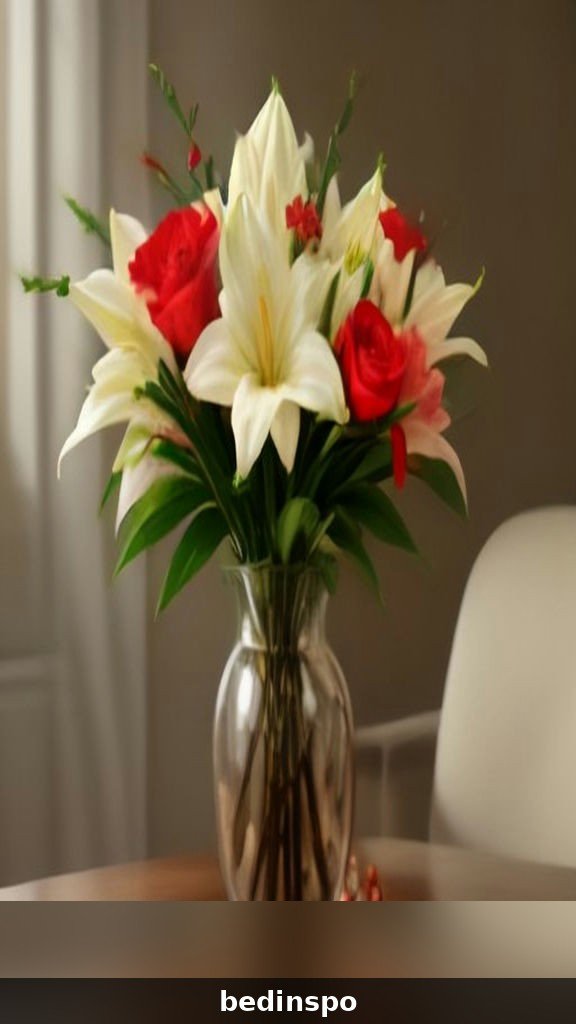
Winter is the most underrated season for flowers. Yes, the garden is asleep, but the arrangements we build indoors in December, January, and February can be the most dramatic of the whole year. Think deep evergreens, velvety red amaryllis, crisp white blooms against dark foliage, and the soft shimmer of frosted branches. A winter arrangement does not just decorate a room — it warms it, giving you something alive and beautiful to look at on the darkest, coldest days.
The best part is that winter flowers are surprisingly forgiving. Evergreens last for weeks, dried flowers last for months, and grocery-store bouquets can be transformed with a few clever additions. Whether you want a show-stopping holiday centerpiece, a simple jar of winter greens for the kitchen table, or a budget-friendly bouquet that looks far more expensive than it was, this list has you covered. Here are 15 winter flower arrangement ideas to try this season, plus tips for choosing blooms, stretching your budget, and keeping everything fresh.
1. Classic Evergreen Centerpiece

Nothing says winter quite like a lush evergreen centerpiece. Start with a low, wide container — a wooden box, a ceramic bowl, or a simple tray — and fill it with floral foam soaked in water. Then layer in fresh-cut pine, cedar, and fir branches, letting them spill naturally over the edges. Tuck in a few pinecones, a handful of red berries, and three or four pillar candles in different heights, and you have a centerpiece that looks like it came straight from a winter forest.
The secret to a great evergreen arrangement is variety in texture. Mix soft, feathery cedar with stiffer pine needles and a few sprigs of fir for depth. If your branches start to dry out, mist them lightly every few days and keep the arrangement away from radiators and fireplaces. A well-made evergreen centerpiece can easily last three to four weeks, taking you from the first week of December right through the New Year with barely any upkeep.
2. White Winter Blooms
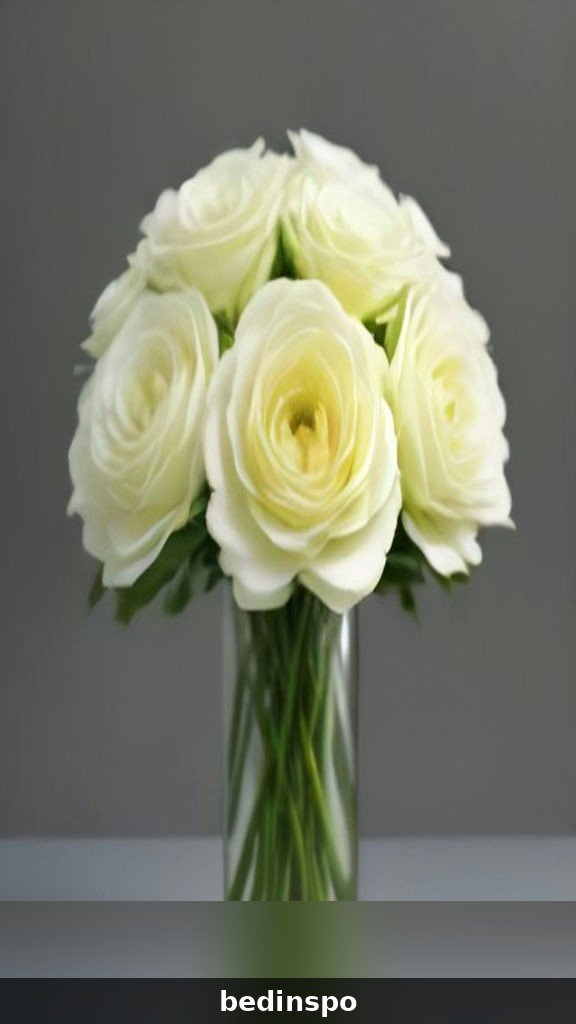
White flowers in winter feel like fresh snowfall indoors. White roses, ranunculus, anemones, and paperwhites all shine against dark green foliage, and a monochromatic white arrangement looks effortlessly elegant on a dining table or entryway console. Keep the container simple — clear glass, white ceramic, or brushed silver — so the blooms themselves stay the star of the show.
For extra winter magic, add a few frosted branches or sprigs of dusty miller, whose silvery leaves echo the pale palette. White arrangements also photograph beautifully, which is a bonus if you love sharing your home on Pinterest or Instagram. Change the water every two days and trim the stems at an angle, and your white winter blooms will stay crisp and lovely for a week or more.
3. Red Amaryllis Statement

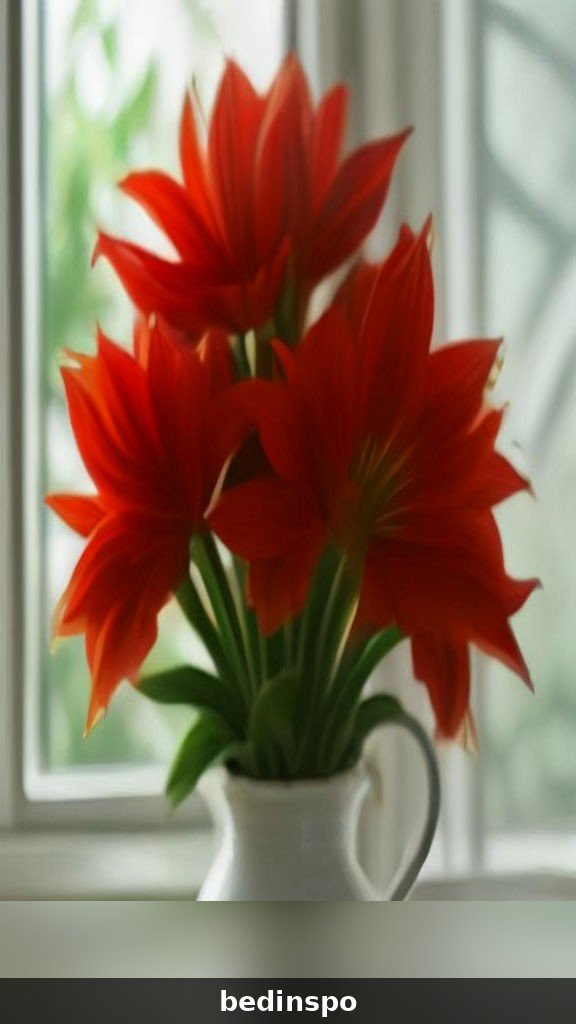
If you want one arrangement that stops people in their tracks, make it red amaryllis. These bold, trumpet-shaped blooms grow on tall, dramatic stems and open into flowers the size of a dessert plate. A single amaryllis stem in a tall glass vase looks sculptural and modern, while three stems grouped together in a low bowl create a lush, full display that anchors an entire room.
Amaryllis bulbs are easy to find in late autumn, and you can even grow your own — pot the bulb, water sparingly, and watch the stem shoot up within weeks. Pair the red blooms with dark greenery or gold accents for a classic holiday look, or let them stand alone for a cleaner, contemporary feel. Either way, amaryllis delivers maximum drama with minimum effort.
4. Dried Flower Winter Bouquet
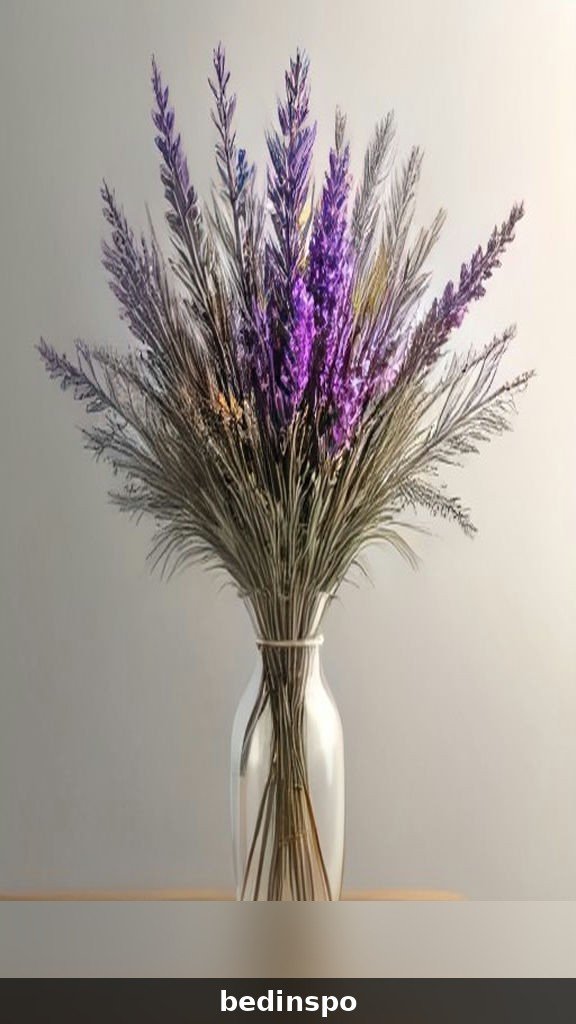
Dried flowers are winter’s best-kept secret. Strawflowers, lavender, dried grasses, and preserved eucalyptus bring soft texture and muted color to a room, and unlike fresh blooms, they never wilt. Arrange them in a tall vase with no water needed, and you have a display that looks beautiful from December all the way into spring.
The key to a good dried bouquet is mixing shapes: tall grasses for height, round strawflowers for focal points, and trailing preserved foliage to soften the edges. Dried arrangements also make wonderful gifts, since the recipient never has to worry about watering them. Keep them out of direct sunlight and humid bathrooms, and dust them gently with a hair dryer on a cool setting every few weeks to keep them looking fresh.
5. Frosted Eucalyptus Arrangement
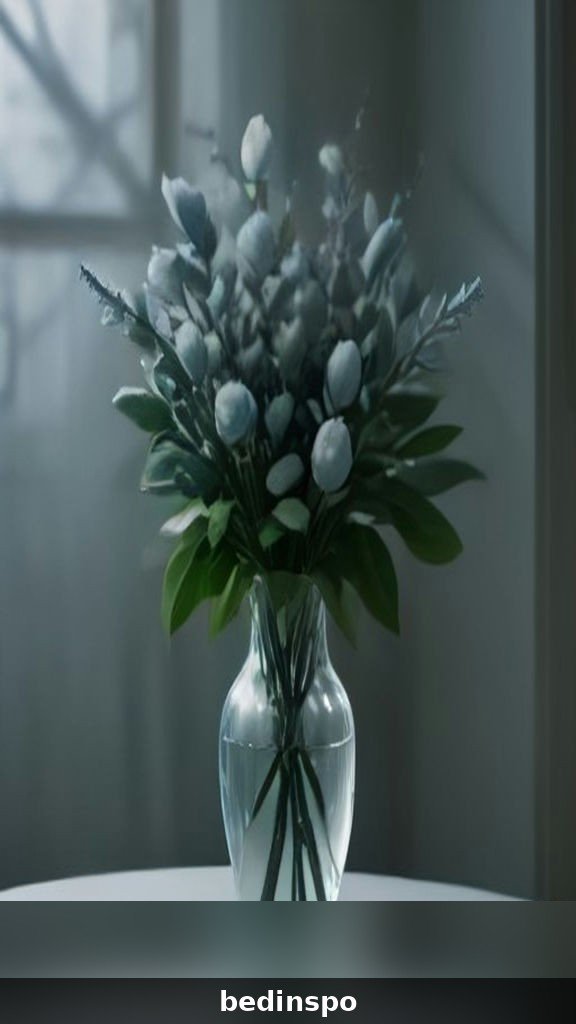
Eucalyptus is the cool, calming cousin of the holiday evergreen, and a frosted eucalyptus arrangement feels like a breath of cold winter air. The round, silvery-blue leaves are beautiful on their own, but a light dusting of faux snow or frost spray turns them into something truly magical. Pair the eucalyptus with white roses or pale lisianthus for a soft, romantic look that works just as well in January as it does at Christmas.
Eucalyptus also smells wonderful, releasing a fresh, clean scent every time you brush past it. It dries gracefully too, so even as the arrangement ages, it keeps its shape and color. Use a tall, narrow vase to show off the long, arching stems, and let a few branches spill over the side for a relaxed, gathered-from-the-garden feel.
6. Pinecone and Berry Centerpiece
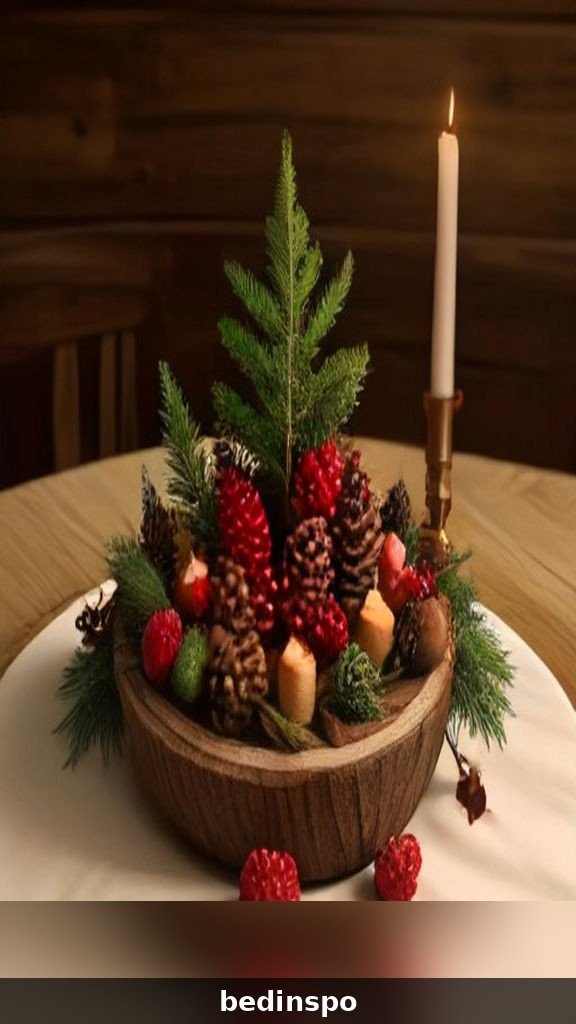
For a centerpiece that costs almost nothing, gather pinecones and berries. Pinecones are free if you collect them on a winter walk, and a bag of faux red berries from the craft store costs just a few dollars. Pile them into a wooden bowl or a glass hurricane vase, add a candle in the center, and surround the base with a few evergreen sprigs for a rustic, woodland look.
This arrangement is also wonderfully kid-friendly — little hands love helping to place the pinecones, and nothing in it is fragile enough to worry about. For a more polished version, spray a few pinecones gold or silver and mix them in with the natural ones. The metallic accents catch candlelight beautifully on a winter evening, making a simple bowl of pinecones feel like a special occasion.
7. Winter Mantel Garland
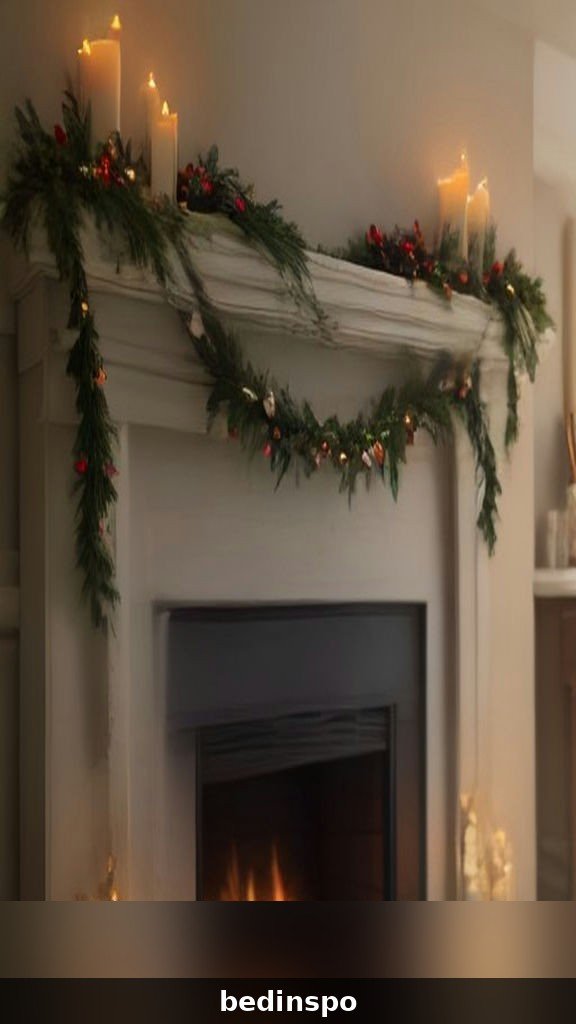
Your mantel is prime real estate for winter flowers, and a garland gives you the most impact for the effort. Drape a fresh evergreen garland along the mantel, then weave in clusters of white roses, red berries, and a few dried orange slices for color. Add fairy lights — warm white, not blue — and the whole display glows softly in the evening.
If a real garland feels like too much work, cheat a little: buy a plain faux evergreen garland and tuck fresh flower stems into it every few days. You get the lush, full look without the daily shedding, and swapping the flowers lets you change the color scheme whenever you like. A mantel garland also frames family photos and stockings beautifully, pulling the whole room together.
8. Rustic Mason Jar Posies

Sometimes the simplest arrangements are the most charming. A few mason jars filled with winter greens, a single white rose, and a sprig of berries make delightful posies for a kitchen windowsill, a bathroom shelf, or a row down the center of a casual dining table. Tie a bit of twine or plaid ribbon around each jar neck for a rustic finishing touch.
Mason jar posies are perfect for using up leftover stems from a bigger arrangement — never throw away a short stem when it can star in its own little jar. They also make sweet, affordable gifts: fill a jar, tie on a handwritten tag, and you have a hostess gift that feels personal and handmade. Group three jars of different heights together for a display that looks intentional rather than improvised.
9. Elegant White and Gold Table Arrangement
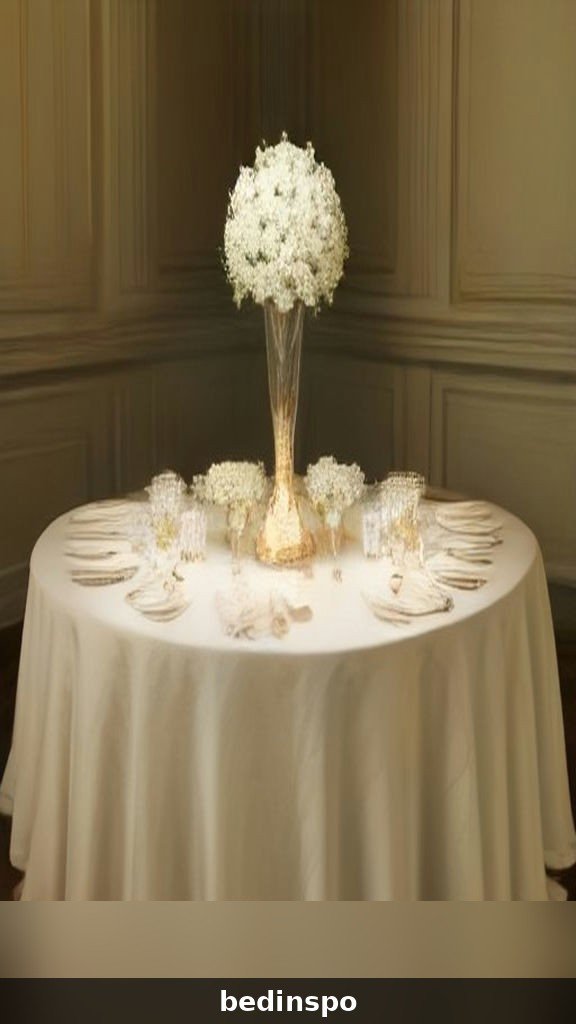
For a formal winter dinner, nothing beats white and gold. Start with a low gold tray or a pair of gold candleholders, then arrange white roses, white ranunculus, and white stock flowers in a tight, low mound so guests can still see each other across the table. Tuck in a few gold-painted leaves or gold berries, and finish with slim taper candles in gold holders.
The trick to an elegant table arrangement is keeping it low — no more than about twelve inches tall — so conversation flows easily. White and gold also pairs beautifully with almost any table setting, from classic china to modern minimal plates. If you want to stretch the look, use fewer roses and more affordable white carnations or chrysanthemums, which look just as lush in a tight arrangement.
10. Cozy Cabin Fireplace Arrangement
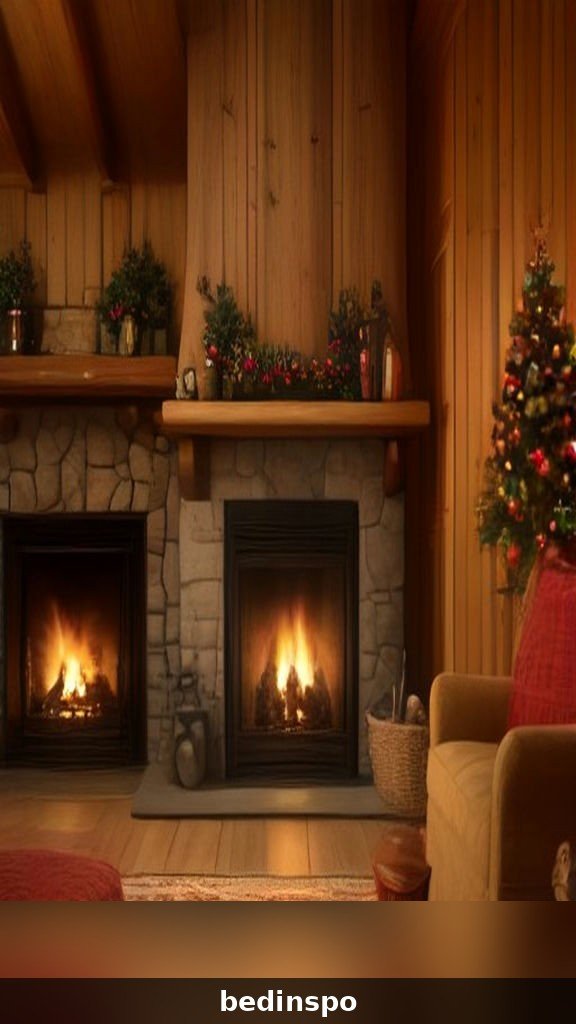
A fireplace arrangement should feel like it grew there naturally. Fill a large basket or an old wooden crate with tall evergreen branches, birch logs, pinecones, and a few stems of red winterberry. Place it beside the fireplace — never inside an active firebox — and let the branches lean casually against the wall for a gathered, woodland look.
This is a great use for branches trimmed from your own Christmas tree or pruned from garden evergreens, so it can cost literally nothing. Add a plaid throw and a few candles nearby, and the whole corner of the room feels like a cozy cabin retreat. The arrangement also hides an unused fireplace beautifully in homes where the fire is rarely lit, turning a dark opening into a seasonal focal point.
11. Winter Window Box Display
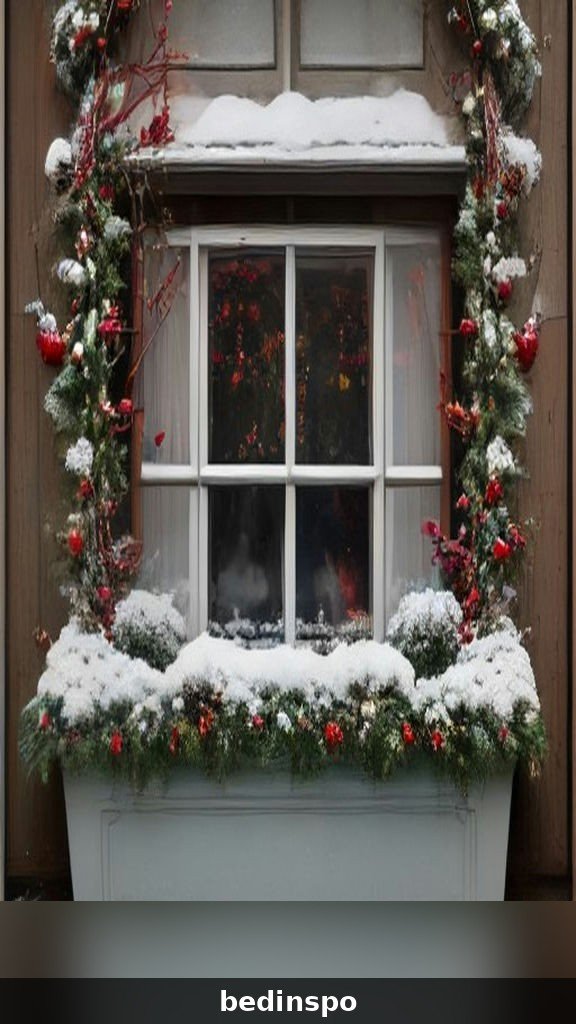
Do not forget the outside of your home. A winter window box filled with evergreen boughs, red berries, pinecones, and a few weatherproof ornaments looks welcoming from the street and cheerful from inside the house. Unlike summer flowers, a winter window box needs no watering and survives frost, snow, and wind without complaint.
Build the display in layers: start with evergreen branches pushed into the soil or foam as a base, then add taller birch stems or curly willow for height, and finish with berries and ornaments tucked into the front. If your window box gets harsh wind, wire the branches in place so nothing blows away. A well-dressed winter window box makes the whole facade of your home feel festive, even before guests reach the front door.
12. Budget Grocery Store Bouquet Upgrade
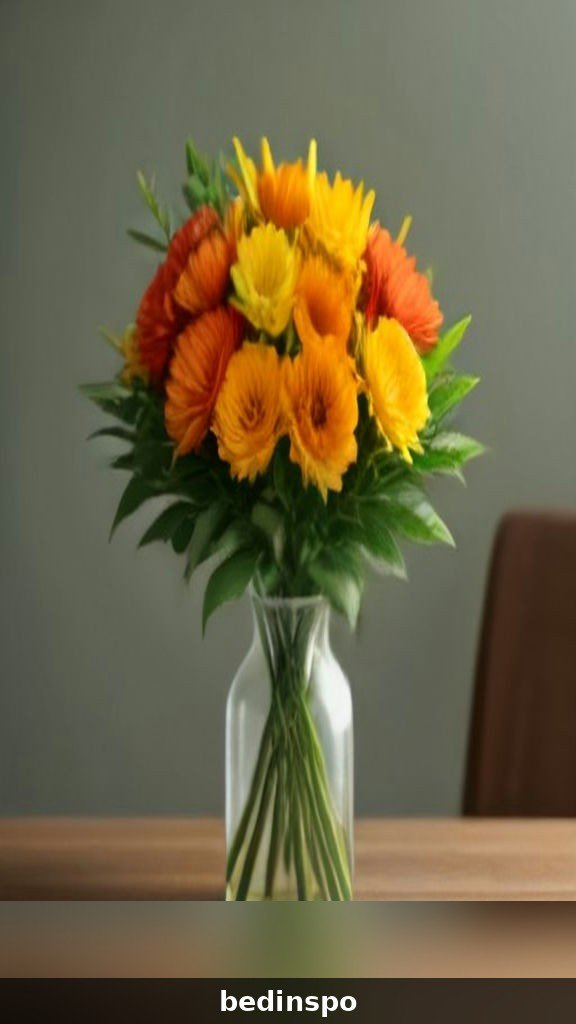
Here is the arrangement trick every flower lover should know: a ten-dollar grocery store bouquet can look like a fifty-dollar florist arrangement with a little editing. Start by removing any filler you do not love, then cut the stems to different lengths and arrange them in a simple glass vase. Add a few sprigs of fresh evergreen or eucalyptus from your yard, and suddenly the bouquet looks custom and intentional.
The other secret is the vase. A grocery bouquet in its plastic sleeve looks cheap, but the same flowers in a clean glass cylinder or a thrifted ceramic vase look expensive. Change the water daily, trim the stems every two days, and add the flower food packet that comes with the bouquet. With this upgrade routine, a budget bouquet can look beautiful for a full week, proving that winter flowers do not require a florist budget.
13. Long-Lasting Winter Arrangement
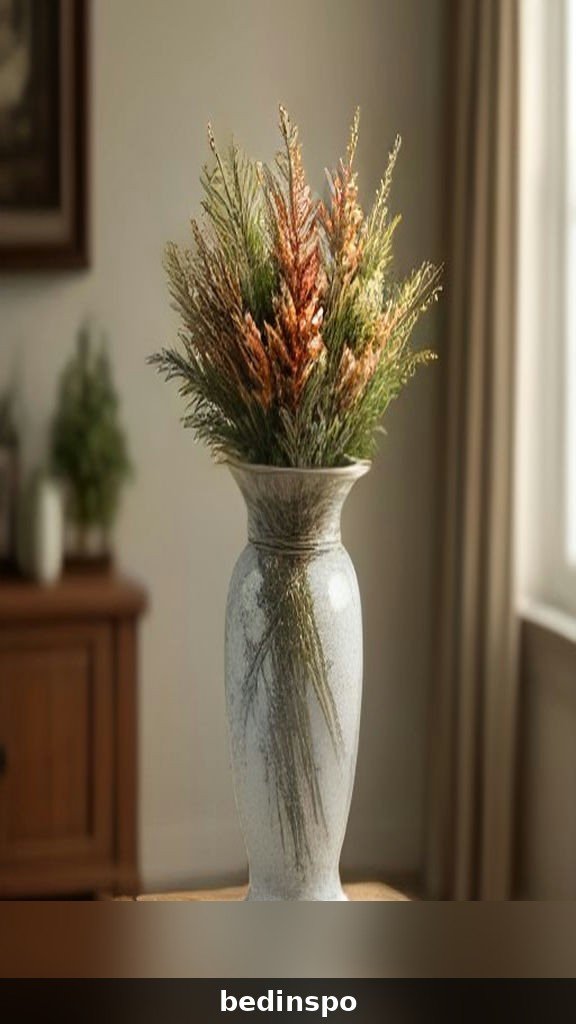
If you hate watching flowers fade, build an arrangement designed to last. Combine fresh evergreens, which hold up for weeks, with dried flowers, pinecones, and berries, which hold up for months. The fresh greens give the arrangement life and scent, while the dried elements keep it looking full even as the greens slowly dry out. By the time the evergreens need replacing, the dried backbone still looks intentional.
To maximize longevity, keep the arrangement in a cool room away from heating vents, and mist the evergreens every few days. Avoid placing it right next to a fruit bowl, since ripening fruit releases ethylene gas that shortens the life of fresh blooms. With these simple habits, a long-lasting winter arrangement can carry you from early December well into February, making it one of the best-value decorations in your home.
14. Winter Wedding Table Arrangement
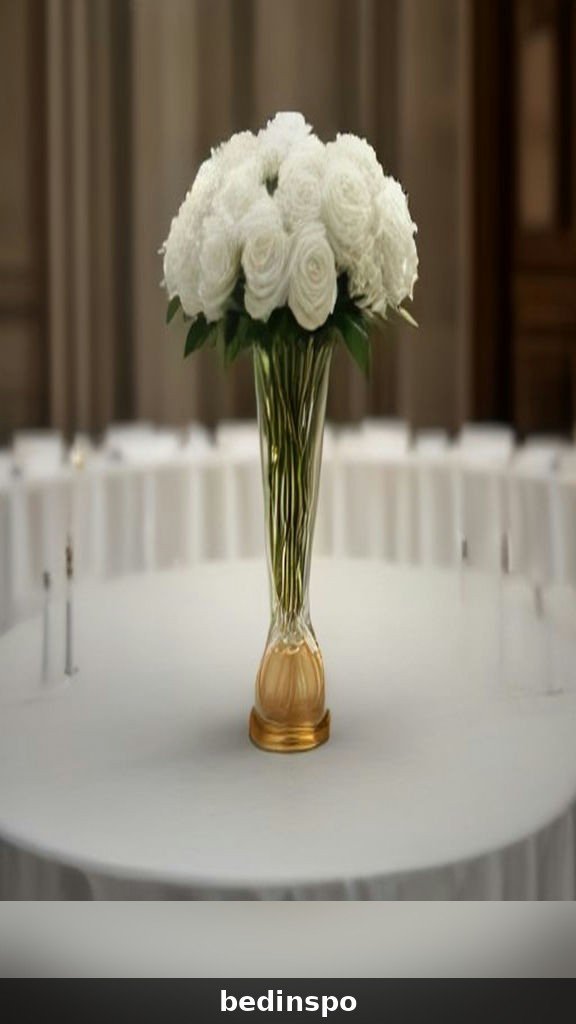
Winter weddings have a romance all their own, and the flowers should match. Low, lush arrangements of white roses, ranunculus, and anemones, mixed with silver-dusted eucalyptus and a few sprigs of fir, look stunning against candlelight. Keep the arrangements low so guests can talk across the table, and repeat the same design down the length of a long banquet table for a cohesive, elegant look.
For a more budget-friendly wedding, mix in plenty of greenery and use fewer premium blooms — a little ranunculus goes a long way when surrounded by lush eucalyptus and fir. Add gold or silver candleholders and a scattering of faux snow or glittered leaves, and the tables feel like a winter wonderland. Winter wedding flowers also photograph beautifully, with the white and green palette looking timeless in photos for years to come.
15. Small-Space Winter Arrangement

No room for a big centerpiece? A small-space winter arrangement proves that tiny can still be beautiful. A single bud vase with one white rose and a sprig of evergreen brightens a desk, a nightstand, or a bathroom shelf. A tiny potted paperwhite on a windowsill fills a whole room with fragrance as it blooms. Even a shot glass with a few berries and a pine sprig counts as an arrangement.
The trick in small spaces is choosing one focal point rather than cramming in too much. One perfect bloom, one interesting branch, or one tiny cluster of berries, displayed with a little breathing room around it, looks far more elegant than a crowded jumble. Small arrangements are also easy to move around, so you can enjoy your winter flowers in the kitchen in the morning and beside your bed at night.
How to Choose Winter Flowers
Choosing winter flowers starts with deciding what you want the arrangement to do. For a holiday centerpiece, go bold with evergreens, berries, and amaryllis. For everyday beauty, choose long-lasting options like carnations, chrysanthemums, and eucalyptus that forgive a few days of neglect. For fragrance, paperwhites, hyacinths, and fresh fir are unbeatable. And for a gift, dried flowers or a potted amaryllis last far longer than a cut bouquet.
Also consider your home’s conditions. If your house runs warm and dry, evergreens and dried flowers will outperform delicate fresh blooms. If you have pets, check that your choices are safe — lilies, for example, are toxic to cats, so skip them in a cat household. Finally, buy local when you can: many winter greens and forced bulbs are grown nearby, and local stems are fresher, cheaper, and longer-lasting than flowers shipped across the country.
Winter Flower Arrangements on a Budget
Beautiful winter flowers do not require a big budget. Start with free materials: evergreen branches from your own yard or a friendly neighbor’s pruning pile, pinecones from a walk, and berries from garden shrubs. Add one grocery-store bouquet as your color source, and a simple glass vase you already own. That combination alone can produce an arrangement that looks far more expensive than it was.
Other budget tricks include reusing containers — mason jars, tin cans wrapped in ribbon, and thrifted vases all work beautifully — and arranging in odd numbers, which looks more natural and lets you use fewer stems. Buy flowers on sale midweek, when grocery stores mark down bouquets, and split one large bouquet across several small jars instead of making a single big arrangement. With a little creativity, you can fill your whole home with winter flowers for less than the cost of one florist delivery.
Frequently Asked Questions
What flowers are in season in winter?
Amaryllis, paperwhites, and forced hyacinths are classic winter blooms, along with roses, ranunculus, anemones, and carnations available year-round from growers. Evergreens, winterberry, and eucalyptus provide foliage, while dried flowers like strawflower and lavender add texture. Together, these give you plenty of options for winter arrangements without relying on summer flowers.
How long do winter flower arrangements last?
Fresh flower arrangements typically last five to ten days with regular water changes and stem trims, while evergreen arrangements last three to four weeks. Dried flower arrangements last for months with minimal care. Keeping arrangements in a cool room away from heat sources and ripening fruit will extend the life of any winter display.
Can I use branches from my yard in arrangements?
Absolutely — pine, cedar, fir, and spruce branches from your yard make excellent arrangement material, and they are free. Cut branches in the morning, soak the cut ends in water for a few hours, and arrange them as you would store-bought greenery. Just avoid branches from trees treated with pesticides, and check for insects before bringing them indoors.
What is the easiest winter arrangement for beginners?
The easiest beginner arrangement is a mason jar posy: a few evergreen sprigs, one or two grocery-store blooms, and a berry stem, tied with twine. It requires no floral foam, no special tools, and no arranging experience, yet it looks charming anywhere in the home. Once you are comfortable, you can graduate to larger centerpieces and garlands.
Conclusion
Winter flowers remind us that beauty does not hibernate. From a grand evergreen centerpiece to a single rose in a bud vase, a winter arrangement brings life, color, and fragrance into the darkest months of the year — and most of these ideas cost little, last long, and require no special skill. Start with one arrangement this week, whether it is a grocery-store bouquet upgrade or a handful of evergreen branches in a jar, and see how much warmer your home feels.
The best winter arrangement is the one that makes you smile every time you walk past it. So gather your greens, pick your blooms, and fill your home with a little winter magic. Your rooms — and everyone who visits them — will be glad you did.