Winter Skincare Routine: 15 Steps for Soft, Glowy Skin All Winter
Winter Skincare Routine: 15 Steps for Soft, Glowy Skin All Winter

Winter is hard on your skin. Cold air outside, dry heated air inside, and hot showers that feel amazing but strip away moisture — it is no wonder your face feels tight, flaky, or dull by January. The good news? You do not need a shelf full of expensive products or a complicated ten-step routine. A smart winter skincare routine is really about three things: being gentle, layering hydration, and sealing it all in.
Think of winter skincare like dressing for the cold. You would not go out in a thin t-shirt in January, and your skin should not face winter without layers either. In this guide, you will find 15 practical steps that work for real life — from the cleanser you should switch to, to the lip care that actually works, to the morning and night routines you can follow without thinking. Whether your skin is dry, oily, combination, or sensitive, these tips will help you keep your glow all season long.
1. Switch to a Gentle Cream Cleanser

The first thing to change in winter is your cleanser. Foaming cleansers and gel washes that felt refreshing in summer can leave winter skin squeaky, tight, and irritated. That tight feeling is not cleanliness — it is your skin barrier crying for help. A gentle cream or milky cleanser removes dirt, sunscreen, and makeup without stripping the natural oils your skin desperately needs in cold weather.
Look for words like “hydrating,” “gentle,” “cream,” or “milk” on the label, and ingredients like glycerin, ceramides, or squalane. Wash with lukewarm water, massage the cleanser in for about thirty seconds, and pat dry with a soft towel instead of rubbing. If your skin still feels tight after washing, your cleanser is too harsh — switch to something creamier and you will notice the difference within a week.
2. Layer a Hydrating Toner or Essence
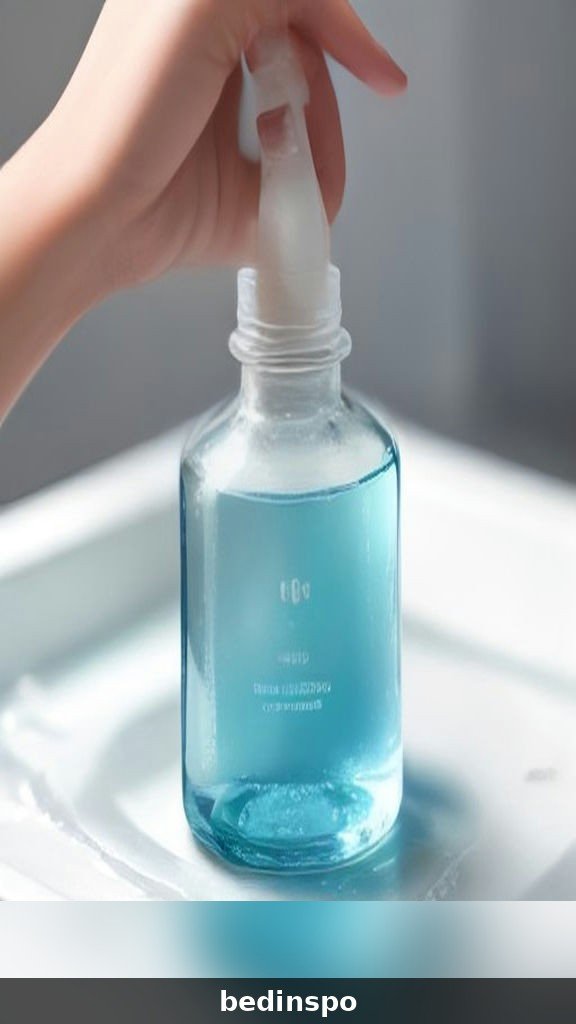
Toner has come a long way from the stinging astringents of the past. A modern hydrating toner or essence is basically a watery layer of moisture that preps your skin to absorb everything you put on after it. Think of it as a drink of water for your face before the main meal of serums and creams.
After cleansing, press a hydrating toner into damp skin with your palms — no cotton pad needed, which also saves product. Look for glycerin, hyaluronic acid, panthenol, or rose water. If your skin is very dry, you can even layer it twice, a trick Korean skincare fans call the “7-skin method” (though two or three layers is plenty). This simple step makes every product after it work better, and it takes about ten seconds.
3. Add a Hyaluronic Acid Serum

If there is one hero ingredient for winter, it is hyaluronic acid. This humectant can hold up to a thousand times its weight in water, pulling moisture into your skin and plumping it from within. A few drops after toner can transform dull, dehydrated skin into skin that looks bouncy and fresh.
Here is the trick most people miss: hyaluronic acid needs moisture to work with. Apply it to slightly damp skin, then follow with a cream to lock it in — otherwise, in very dry indoor air, it can actually pull moisture out of your skin instead. If your home is extremely dry, run a humidifier or apply your serum right after a shower when the air is steamy. Used correctly, this one product is the fastest way to fake eight hours of sleep and a tall glass of water.
4. Seal It In with a Rich Cream

Lightweight gel moisturizers are wonderful in July, but winter calls for something richer. A cream with ceramides, shea butter, or squalane acts like a cozy coat for your skin, sealing in all the hydrating layers underneath and protecting your barrier from cold wind and dry air.
You do not need to spend a fortune — many drugstore creams with ceramides outperform luxury jars. Apply your cream while your skin is still slightly damp from serum, and do not forget your neck and ears, which get just as cold and chapped as your face. If your skin is oily, try a rich cream only at night and a lighter lotion in the morning. The rule is simple: if your skin feels tight by lunchtime, your cream is not rich enough for winter.
5. Don’t Skip SPF, Even in Winter

Yes, you still need sunscreen in winter. UV rays do not take a holiday when the temperature drops, and snow reflects up to 80 percent of UV light right back at your face — which is why skiers get sunburned. Daily SPF is the single best anti-aging habit you can keep, all year round.
Choose a broad-spectrum SPF 30 or higher, and look for a hydrating formula that doubles as a light moisturizer so it does not feel like an extra chore. Apply it as the last step of your morning routine, including your neck, ears, and the backs of your hands. If you wear makeup, many tinted moisturizers and foundations now include SPF, but a dedicated sunscreen underneath is still the safest bet. Your future self will thank you every single day.
6. Treat Your Lips Like Skin
Chapped lips are the most annoying part of winter, and most lip balms make the problem worse. Many contain menthol, camphor, or fragrances that feel tingly at first but dry your lips out over time, trapping you in a cycle of reapplying all day.
Instead, treat your lips like the rest of your skin: gently exfoliate once a week with a soft toothbrush or a sugar scrub, then seal with a thick, fragrance-free balm or a lanolin-based ointment at night. During the day, use a balm with SPF — lips burn too. Keep one by your bed, one in your bag, and one at your desk, and apply before your lips feel dry, not after. A thick overnight lip mask once or twice a week will keep them soft even through the coldest weeks.
7. Body Care: Don’t Forget Neck to Toes

Your face is not the only skin suffering in winter. Shins get itchy, elbows get rough, hands crack, and feet get dry enough to snag your socks. Body skin is thicker than facial skin, but it still needs the same gentle, hydrating approach.
Swap harsh bar soaps for a creamy body wash or cleansing oil, and apply body lotion or body butter within a few minutes of showering, while your skin is still damp — this locks in far more moisture than lotioning hours later. For hands, keep a rich hand cream by every sink and wear gloves outdoors; cracked knuckles heal much faster when protected. For feet, a thick cream plus cotton socks overnight once a week works like a mini spa treatment. Your whole body will feel the difference.
8. Weekly Hydrating Face Masks

A weekly hydrating mask is the easiest luxury you can add to your winter routine. Sheet masks soaked in essence, creamy wash-off masks, or gel masks all deliver a concentrated dose of moisture in ten to twenty minutes — perfect for a Sunday evening reset after a cold week.
Choose masks with hyaluronic acid, honey, aloe, ceramides, or colloidal oatmeal, and skip anything with strong fragrance or drying clays in winter. Apply after cleansing and toning, relax, then press any leftover essence into your skin instead of rinsing it away. If your skin is very dry, you can mask twice a week. It is a small ritual that makes a visible difference, and it feels like a treat rather than a chore.
9. Overnight Repair: Sleep Masks and Facial Oils

Nighttime is when your skin does its repair work, and winter nights are the perfect time to go richer. An overnight sleep mask — a thicker cream you leave on while you sleep — or a few drops of facial oil pressed over your moisturizer can wake you up to noticeably softer, calmer skin.
Facial oils like squalane, rosehip, or jojoba are wonderful sealers for dry winter skin, and they do not clog pores the way heavy mineral oils can. Use two to three drops, warm them between your palms, and press them in as your final step. If you are oily or acne-prone, try oil only two or three nights a week, or just on your driest areas. Either way, waking up to plump, comfortable skin is a great way to start a cold morning.
10. Gentle Exfoliation, Once a Week

Flaky winter skin tempts you to scrub harder, but harsh scrubs create tiny tears and more irritation. The goal of exfoliation is to gently remove the dull, dead layer so your hydrating products can actually reach living skin — not to sand your face down.
Once a week is enough in winter. Use a gentle chemical exfoliant with lactic acid or PHA, or a very soft physical scrub, and always follow with a rich moisturizer. Skip exfoliation entirely on days when your skin is red, windburned, or irritated, and never exfoliate right before going out into harsh cold. Done gently, this step reveals the glow hiding under winter dullness without any of the damage.
11. Humidifier: Your Skin’s Best Friend

Here is a skincare step that has nothing to do with products: indoor air in winter can drop below 20 percent humidity, drier than many deserts. No cream in the world can fully fight air that dry. A humidifier in your bedroom, aiming for 40 to 60 percent humidity, helps your skin, your lips, your sinuses, and even your sleep.
Run it at night while you sleep, when your skin is repairing itself, and clean it regularly according to the instructions so it does not grow mold. If you do not want to buy one, even a bowl of water near a radiator or drying laundry indoors adds a little moisture to the air. Pair a humidifier with your hyaluronic serum, and both will work dramatically better.
12. Shower Smarter: Lukewarm and Short

A long, steaming-hot shower is winter’s greatest temptation — and one of the worst things for your skin. Hot water strips the natural oils from your skin barrier, leaving you itchy and dry no matter how much lotion you apply afterward.
Keep showers lukewarm and under ten minutes, use a gentle creamy body wash instead of harsh soap, and skip the loofah scrubbing on dry areas. When you step out, pat dry gently instead of rubbing, and moisturize within three minutes while your skin is still damp. This one habit change alone can fix winter itchiness for many people, and your skin barrier will stay strong all season.
13. Your Winter Morning Routine, Step by Step
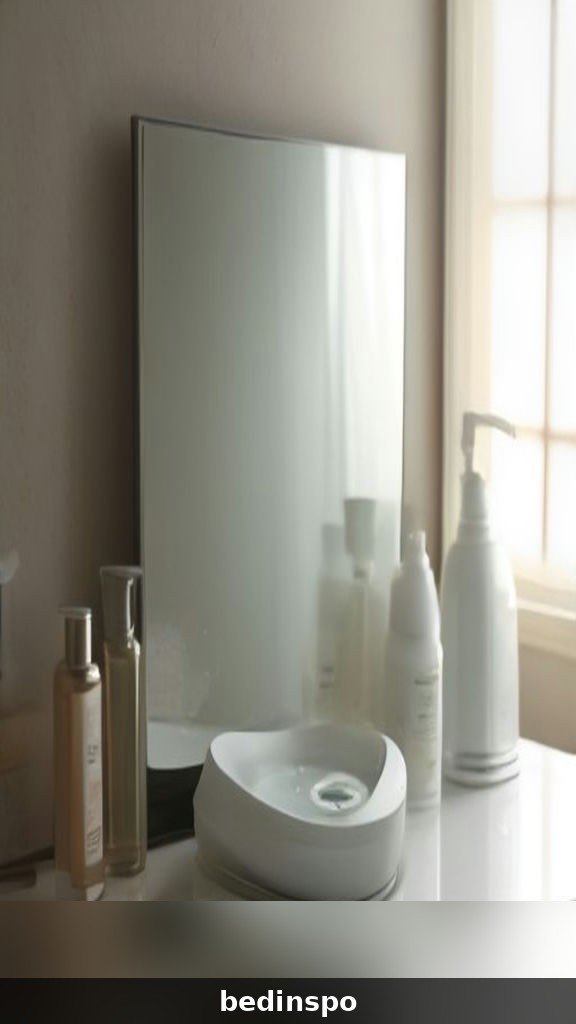
Putting it all together, here is a simple morning routine that takes about five minutes. First, rinse with lukewarm water or use a gentle cream cleanser if you need it. Second, press a hydrating toner into damp skin. Third, apply your hyaluronic serum. Fourth, follow with your moisturizer. Fifth, finish with SPF 30 or higher. That is it — five steps, five minutes, done.
On mornings when you are in a rush, you can skip the toner and serum and just do cleanser, moisturizer, and SPF. The non-negotiables in winter mornings are moisture and sun protection; everything else is a bonus. Keep your products lined up in order on your vanity so the routine becomes automatic, even before coffee.
14. Your Winter Night Routine, Step by Step

Evenings are when you can afford to go richer. Start by removing makeup and sunscreen with a gentle cleansing balm or micellar water, then follow with your cream cleanser. Next, apply toner and any treatment serums — this is the best time for richer actives like retinol or peptides if you use them, but keep them to a few nights a week in winter.
Then apply your rich night cream, and two to three nights a week, add a facial oil or sleep mask on top. Finish with lip balm and hand cream. The whole routine takes under ten minutes, and it turns your bedtime into a small act of self-care. Consistency beats complexity: doing this simple routine every night matters far more than owning a dozen products you use once.
15. Winter Skin SOS: Redness and Flaking Fixes

Sometimes, despite your best efforts, winter wins a round. Windburn, redness, flaking patches, or that raw feeling after a cold day out — here is your emergency plan. First, simplify: drop all actives, exfoliants, and fragranced products for a few days. Go back to the gentlest cleanser, a plain hydrating toner, and a thick barrier cream with ceramides.
For flaky patches, a thin layer of petroleum jelly or a healing ointment overnight works wonders as a spot treatment. For redness, cool compresses, colloidal oatmeal masks, and centella-based products calm things down quickly. Protect the area from wind with a scarf, and resist the urge to pick at flakes — it only creates more irritation. If redness, cracking, or itching lasts more than two weeks, or if skin is bleeding, see a dermatologist. Most winter flare-ups calm within a few days of gentle, simple care.
How to Build Your Winter Routine on a Budget
You do not need luxury prices to get winter skin right. In fact, some of the best winter skincare comes from the drugstore. A gentle cream cleanser, a basic hyaluronic serum, a ceramide-rich cream, a fragrance-free lip balm, and a daily SPF will cover almost everything in this guide for well under the cost of one luxury jar.
Prioritize in this order: a good moisturizer first, then a gentle cleanser, then SPF, then a serum. Skip fancy tools and ten-step routines until the basics are solid. Buy the bigger value sizes of your everyday products, watch for sales on your staples, and remember that the most expensive product is the one you never finish. Simple, consistent, and affordable beats complicated and pricey every single winter.
Frequently Asked Questions
Should I change my whole skincare routine in winter?
Not necessarily — just adjust it. Keep the products that work for you, but switch to gentler cleansers, richer moisturizers, and add one hydrating layer like a serum or toner. Small seasonal tweaks usually beat a complete overhaul.
Can oily skin get dry in winter?
Absolutely. Oily skin can become dehydrated in winter, which often makes it produce even more oil to compensate. Use a gentle cleanser, a lightweight hydrating serum, and a gel-cream moisturizer rather than skipping moisturizer altogether.
How often should I exfoliate in winter?
Once a week is plenty for most people in winter. Over-exfoliating damages your skin barrier and makes dryness worse, so be gentle and skip it entirely when your skin feels irritated or windburned.
Is hot water really that bad for winter skin?
Yes. Hot water strips protective oils from your skin barrier, leading to dryness and itching. Lukewarm water, shorter showers, and moisturizing within minutes of drying off make a real difference.
Conclusion
Winter skincare does not have to be complicated or expensive. Be gentle with your cleanser, layer hydration with a toner and serum, seal it in with a rich cream, never skip SPF, and take care of your lips and body too. Add a humidifier, shorten your hot showers, and give your skin a little extra love at night — and you will make it through the coldest months with soft, calm, glowing skin.
Start with just one or two changes this week, like switching to a cream cleanser or adding a hyaluronic serum, and build from there. Your skin will tell you what it needs if you listen: tightness means more moisture, redness means more gentleness, and glow means you are doing it right. Here is to a winter of comfortable, happy skin — no matter how cold it gets outside.