Poinsettia Care Tips: How to Keep Yours Alive All Season — and Blooming Next Year
Poinsettia Care Tips: How to Keep Yours Alive All Season — and Blooming Next Year
Every December, millions of poinsettias come home from the store looking glorious — and by New Year’s, most of them are dropping leaves like they are being paid to do it. Here’s the thing nobody tells you: poinsettias are not fragile plants. They are actually tough tropical shrubs that can live for years. They die young because of a handful of simple, fixable mistakes — most of which happen before you even get yours home.
This guide walks you through the whole life of a poinsettia: how to pick a healthy one at the store, how to get it home without cold damage, the light-water-temperature routine that keeps it lush through the holidays, and the troubleshooting fixes for every sad symptom. Then, for the truly committed, there’s the famous part: how to care for it all year and make it bloom red again next Christmas.
Whether you want your plant to survive until January or become a multi-year family tradition, these poinsettia care tips will get you there. Let’s start with why they drop their leaves in the first place.
Meet the Poinsettia: A Tropical Plant in a Winter Job
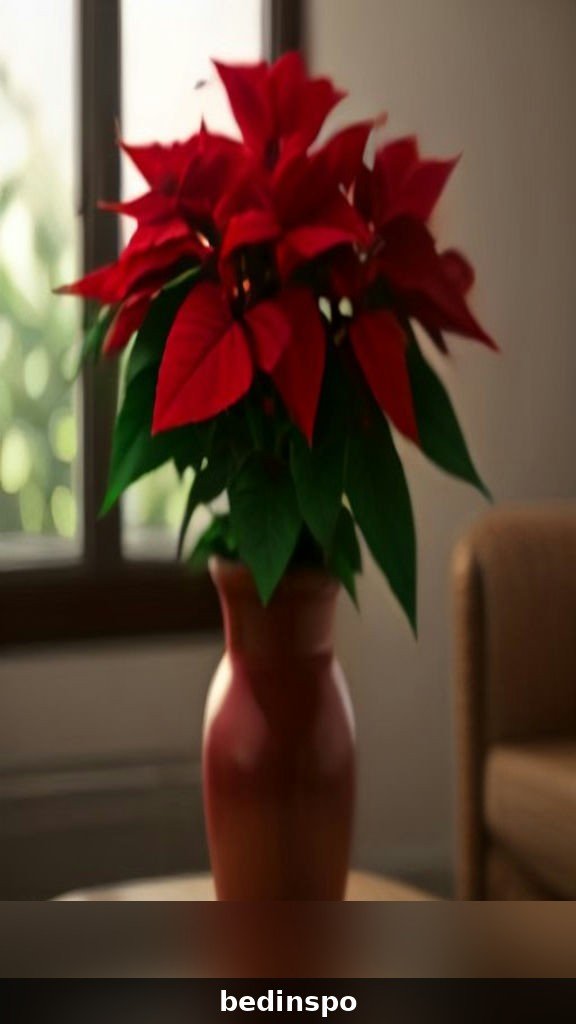
The poinsettia (Euphorbia pulcherrima) is native to Mexico, where it grows as a leggy shrub up to ten feet tall. The red “flowers” aren’t flowers at all — they’re colored leaves called bracts. The actual flowers are the tiny yellow buds (cyathia) in the center of each bract cluster. Understanding this changes how you care for the plant: it’s a warm-climate shrub that wants bright light, steady moisture, and absolutely no chilling.
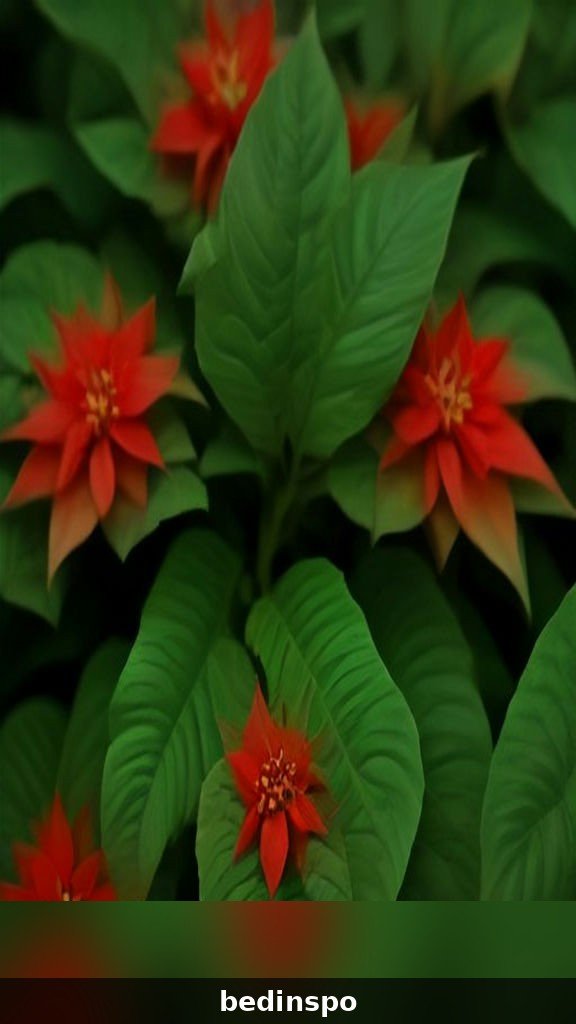
Almost every case of sudden leaf drop is the plant reacting to stress — cold air, a dry heating vent, soggy roots, or a dark store corner. The good news is that a poinsettia that drops leaves from a single stress event usually recovers with steady care. The plant isn’t being dramatic; it’s telling you exactly what went wrong.
How to Choose a Healthy Poinsettia at the Store

Your plant’s lifespan is largely decided in the store. Choose a plant with dark green leaves right down to the soil line — a plant that has already lost its lower leaves was stressed before you met it. Check the center: the tiny yellow flowers should be tight, with little or no pollen showing. Fully open, pollen-shedding flowers mean the plant is already mid-life.
Look the plant over for white cottony patches (mealybugs), sticky leaves, or tiny flies — skip any plant that has them. Avoid plants displayed near store doors where they catch cold blasts, and be suspicious of plants in bone-dry or swampy pots. Finally, check the color selection with fresh eyes: white, pink, cream, and marbled varieties are just as easy to keep as classic red and can suit homes where red clashes.
Getting It Home Without Cold Damage

This is the step that quietly kills more poinsettias than any other. Poinsettias are damaged by temperatures below 50°F — even a few minutes in a freezing car or a walk across a windy parking lot can trigger a full leaf drop two days later. If the store doesn’t bag your plant, ask for a paper sleeve or bag; the insulation genuinely matters.
Transport it in the heated cabin of the car, never the trunk, and make it the last stop of your shopping trip — not the first purchase that sits freezing while you run five more errands. Once home, unwrap it promptly (the sleeve blocks light and airflow) and give it a day in bright, indirect light to settle before you judge its mood.
Light: Bright, Indirect, and Generous
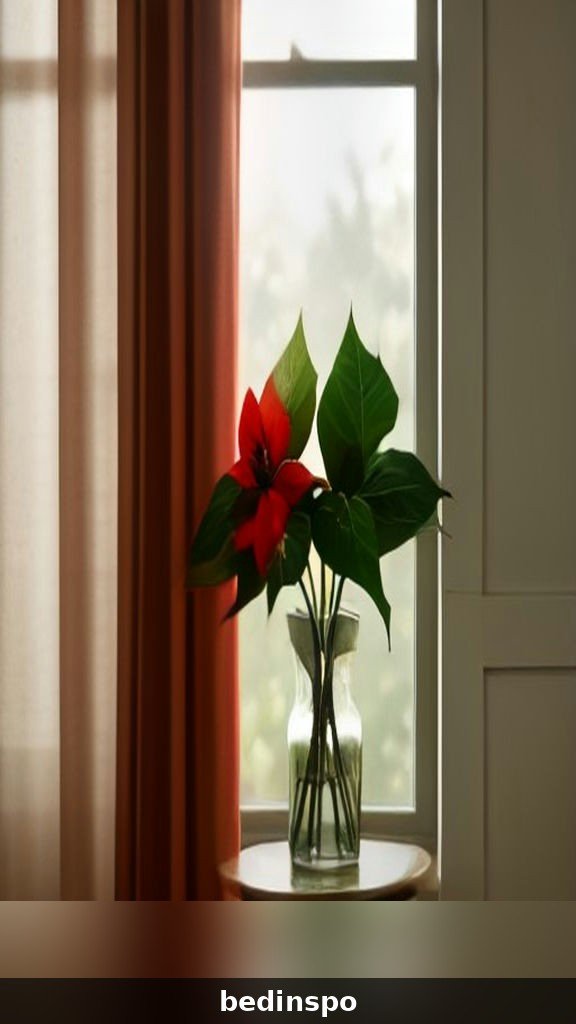
Poinsettias want the brightest spot in your home that doesn’t involve direct midday sun blasting through glass — a south or west window with a sheer curtain, or a bright east window, is ideal. Six hours of bright light a day is the target during the holiday season. Too little light is a slow, silent problem: the plant gradually drops lower leaves and fades.
Rotate the pot a quarter turn every few days so all sides get light and the plant grows evenly. If your home is dim in winter (most northern homes are), a few hours under a regular LED lamp helps more than you’d expect — poinsettias aren’t picky about the source, only the brightness.
Watering: The #1 Thing People Get Wrong
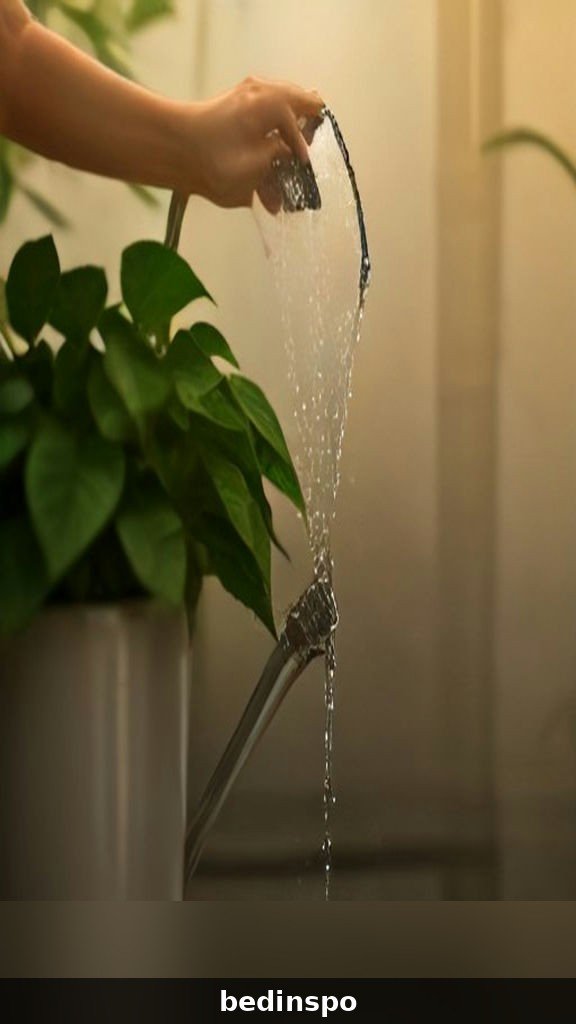
More poinsettias die of kindness — overwatering — than of neglect. The rule is simple: water only when the soil surface is dry to the touch, then water thoroughly until it runs out of the drainage holes, and empty the saucer or cache pot afterward. Roots sitting in standing water rot quietly, and the plant above collapses fast.
The classic poinsettia trap is the decorative foil wrapper: it holds a hidden puddle against the pot. Either punch drainage holes in the foil and empty it after every watering, take the plant to the sink for watering (let it drain fully before re-wrapping), or remove the foil entirely and use a pretty saucer. Check moisture with your finger, not a schedule — homes vary too much for “water every Tuesday” to work.
Temperature and Drafts: The Comfort Zone
Poinsettias are happiest at normal room temperature — roughly 65–70°F in the day, and a little cooler at night is fine. What they can’t tolerate is extremes and moving air. Keep them away from heating vents, radiators, fireplaces, exterior doors that open all day, and cold window glass on freezing nights (pull them back a few inches after dark).
If your plant drops leaves suddenly, a draft is the prime suspect — think back over the previous 48 hours. Was it beside the front door during a party? Next to a vent that kicked on? Move it to a stable spot, resume normal watering, and give it two weeks before writing it off; poinsettias routinely leaf back out in spring from what looks like a bare-stem disaster.
Humidity: The Quiet Preference
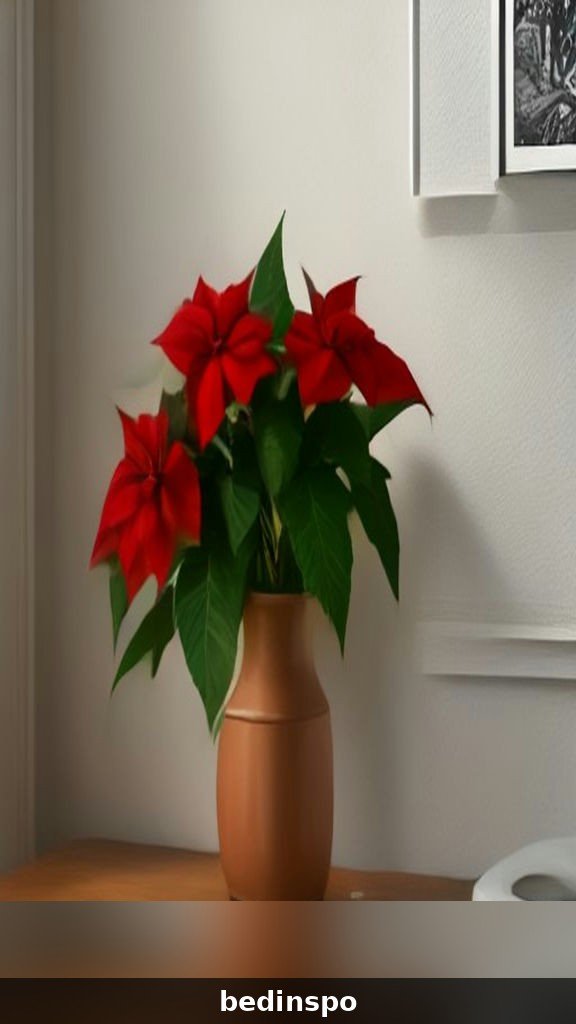
Indoor winter air is dry — often under 30% humidity from heating — and while poinsettias tolerate it, they prefer 40–50%. Signs of very dry air include crispy leaf edges. The fix is easy: group plants together (they humidify each other), set the pot on a tray of pebbles with water just below the pot’s base, or run a small humidifier nearby.
Misting is fine as a small boost but is no substitute for ambient humidity, and it shouldn’t be done in the evening when leaves stay wet overnight. Honestly, for a plant you only need to keep gorgeous for six weeks, a pebble tray is all you’ll ever need.
Do You Need to Fertilize a Poinsettia?
During the holiday season, no — your plant came from the greenhouse fully fed, and feeding a plant in full color can actually shorten the display by pushing it into growth mode. If you’re keeping the plant long-term, start fertilizing after the holidays: a balanced houseplant fertilizer at half strength, once a month in spring and summer while it’s actively growing.
Stop fertilizing in fall when you begin the rebloom routine (more on that below). Never fertilize a dry or struggling plant — water first, feed a week later. Think of fertilizer as food for a plant that’s already healthy and growing, not medicine for one that’s failing.
The Foil Wrapper Problem and Repotting
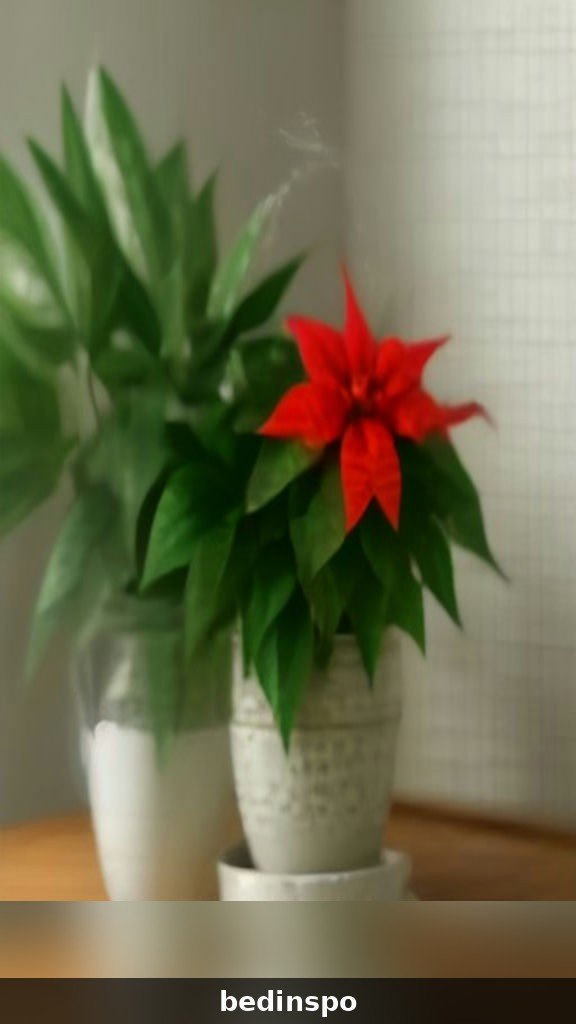
It deserves its own section because it causes so much trouble: the shiny foil pot cover traps water with nowhere to go. Every poinsettia death spiral that starts with “but I barely watered it!” usually ends at a foil wrapper hiding an inch of stagnant water. Make drainage your religion — holes in the foil, empty the saucer, or ditch the foil for a decorative pot with a saucer underneath.
If you’re keeping your poinsettia past the holidays, repot it in late spring into a pot one size up with fresh, well-draining houseplant soil. This is also when you can prune it back (see below). A plant that survives to its second December will almost certainly need that bigger pot — roots circling the drainage holes are your signal.
Troubleshooting: What Your Plant Is Telling You
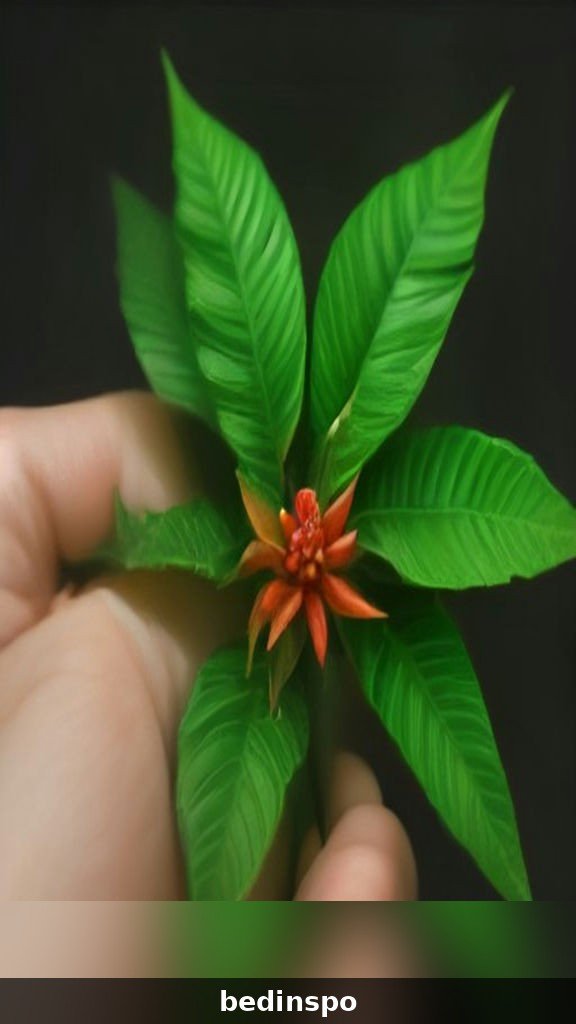
Leaves dropping while still green: a stress event — cold, a draft, or a sudden move. Move the plant to a stable, bright spot and keep the routine steady; this is the most recoverable problem. Yellow lower leaves: usually overwatering or low light (or both) over time — check the soil and the foil wrapper first, then improve the light. Wilting even though the soil is wet: root rot from sitting in water — let the soil dry well, improve drainage, and trim any mushy roots if you repot.
Wilting with dry soil: simply thirst — a thorough soak usually perks the plant up within hours. Leggy, stretched growth: not enough light; move it brighter and plan to prune in spring. White cottony clusters or sticky leaves: mealybugs — isolate the plant, dab pests with a cotton swab dipped in rubbing alcohol, and repeat weekly until they’re gone.
Poinsettias and Pets: The Honest Truth
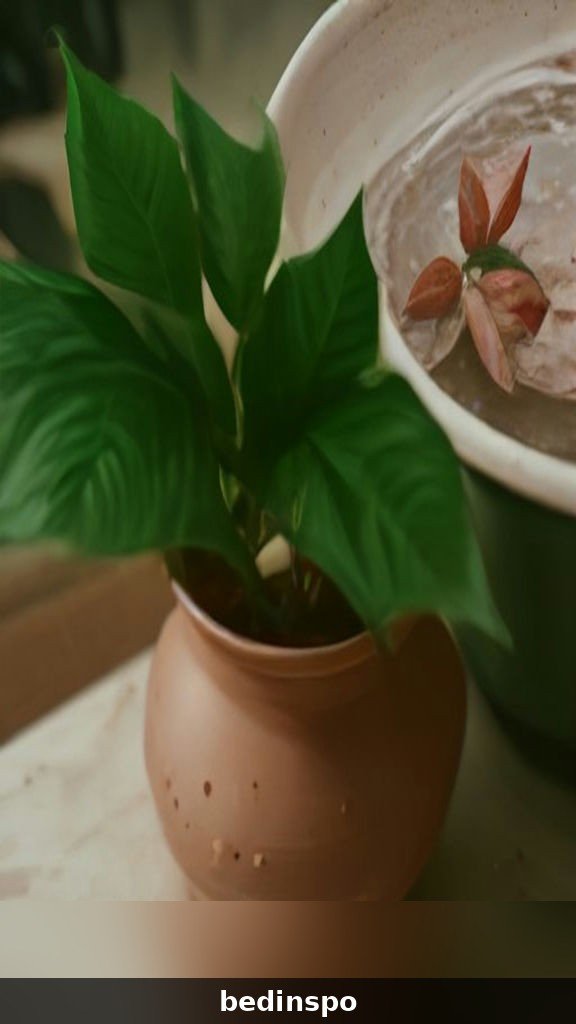
You’ve probably heard poinsettias are deadly poisonous. The reality, according to veterinary and poison-control sources, is much milder: poinsettias are only mildly toxic. The milky sap can irritate the mouth and stomach, and a pet that chews the leaves may drool, vomit, or have an upset stomach — unpleasant, but not the lethal danger of legend (the myth traces back to a single unverified report from 1919).
That said, “mildly toxic” still means keep it out of reach. Place plants on high shelves or tables pets don’t climb, keep fallen leaves swept up, and call your vet if your pet eats a substantial amount or seems unwell. Lilies, by contrast, are genuinely dangerous to cats — if you have cats, your poinsettia is one of the safer holiday plants you can choose.
Keeping Your Poinsettia After Christmas
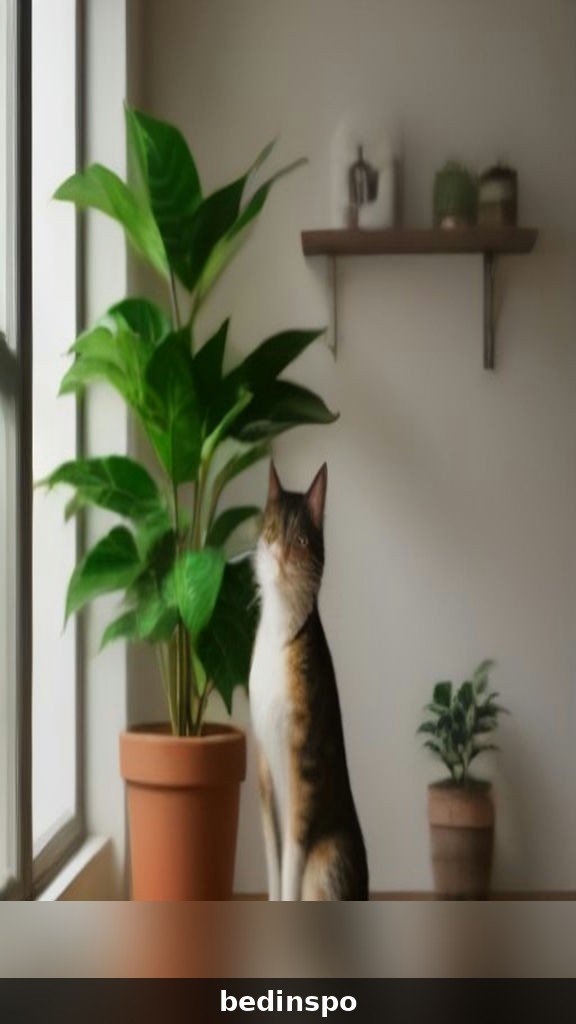

When the holidays end, your poinsettia becomes a pleasant green houseplant — and this is where most people throw it away unnecessarily. Keep watering and giving it bright light. In late March or April, when the colored bracts fade, prune the stems back to about 4–6 inches, leaving a few leaves on each. New growth will push out quickly.
In late spring, repot into fresh soil, start monthly half-strength feeding, and once nights are reliably above 55°F you can move it outside into bright shade, gradually introducing stronger light. Pinch the growing tips in June and again in July (never after early August) to create a bushy, full plant instead of a tall, leggy one. Bring it back inside before the first cool nights of fall.
How to Make a Poinsettia Rebloom Next Year
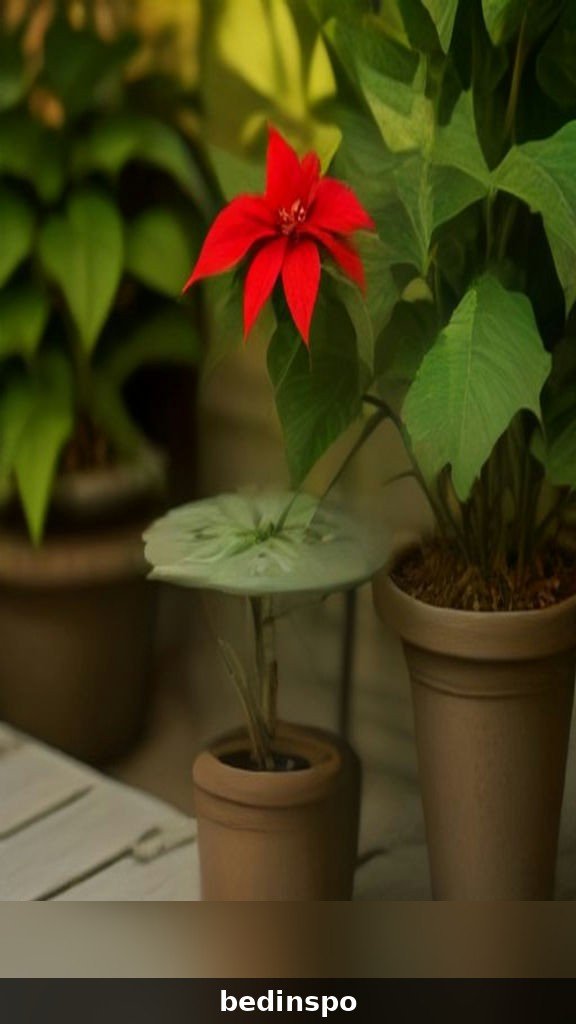
The famous trick: poinsettias are “short-day” plants — they set buds only when nights are long. Starting around October 1, your plant needs about 12–14 hours of complete, uninterrupted darkness every night for 8–10 weeks, with bright light all day. Even a hallway light or TV glow during the dark period can reset the clock, so be strict.
The classic method: at the same time every evening (say 5 p.m.), move the plant into a dark closet or cover it with an opaque box; bring it back out every morning (7 a.m.) to its sunny spot. Use a timer mindset — consistency matters more than perfection. By late November, the top leaves will begin coloring; by Christmas, your second-year poinsettia is in full bract again. Stop the darkness routine once color shows well, and stop fertilizing during this period.
Decorating with Poinsettias Beyond Red

Modern poinsettias come in white, cream, pink, burgundy, marbled “jingle bells” patterns, and even speckled varieties — an arrangement of three colors together on a mantel or as a centerpiece looks designed, not defaulted. White poinsettias in silver pots suit a winter-white scheme; pink ones are stunning in spring-adjacent, blush-toned homes.
Cut poinsettia stems also work in arrangements: sear the cut end briefly with a flame or dip it in hot water to stop the milky sap, and the bracts last surprisingly well in a vase. Sold as cut flowers in some regions, they’re a beautiful, unexpected addition to a Christmas bouquet.
A Simple Poinsettia Routine That Takes Two Minutes a Week
If all of this feels like a lot, here is the whole holiday-season routine distilled: Monday and Thursday, touch the soil — if it’s dry an inch down, take the plant to the sink, water it thoroughly, let it drain completely, and put it back. Once a week, turn the pot a quarter turn and snip off any yellowed leaf so the plant puts energy into healthy foliage. Every day, do nothing except make sure nobody has parked it in front of a heating vent or left it pressed against a freezing window overnight.
That’s genuinely it. Two scheduled checks a week, no fertilizer, no special products, no plant spa days. Poinsettias ask for consistency, not intensity — the same light, the same corner, the same watering rhythm — and they repay boring, steady care with months of color. If you can keep a goldfish alive through December, you can keep a poinsettia gorgeous through it too.
Frequently Asked Questions
How long can a poinsettia live?
As a houseplant, years — with the annual prune-and-rebloom cycle, gardeners keep them for many seasons, and in frost-free climates they become large garden shrubs. Even without reblooming efforts, a well-kept poinsettia makes a handsome green plant indefinitely.
How often should I water my poinsettia?
Whenever the soil surface feels dry — typically every few days in a heated home, but always check rather than following a schedule. Water thoroughly until it drains, then empty the saucer or wrapper. Soggy soil is the fastest route to a dying plant.
Why is my poinsettia dropping leaves?
Most often: a cold blast or draft, sitting in water (check the foil wrapper), or too little light. Move it to a bright, draft-free spot, fix the drainage, and keep care steady — plants frequently recover and leaf back out.
Are poinsettias poisonous to cats and dogs?
Only mildly. The sap can irritate the mouth and stomach and may cause drooling or vomiting if eaten, but poinsettias are not the deadly plant of legend. Still, place them out of pets’ reach and check with your vet if your pet eats a lot or seems ill.
Conclusion

Your poinsettia isn’t disposable, and it isn’t difficult — it’s a tropical plant asking for four simple things: protection from cold, bright light, water only when it’s thirsty, and a pot that drains. Give it those, and the plant that arrives in December will still be making you happy long after the decorations are packed away.
Save these tips to your plant care board before you buy this year’s plant — and if you’re feeling ambitious, try the rebloom routine. There’s no Christmas flex quite like saying, “Oh, that one? I’ve had it since last year.”