Short Hairstyles for Women Over 50: 16 Chic Cuts That Take Years Off
Short Hairstyles for Women Over 50: 16 Chic Cuts That Take Years Off
There comes a moment — maybe at 50, maybe at 55 — when a woman looks at her long hair in the mirror and thinks: this isn’t me anymore. The hair has changed (finer, drier, more grey), the face has changed, and the hairstyle that worked at 35 is suddenly adding years instead of taking them off. That moment is not a loss. It’s an invitation — and short hair is usually the answer.
Short hairstyles for women over 50 are having a well-deserved moment, because modern short cuts are nothing like the stiff, helmet-like styles of decades past. Today’s bobs, pixies, and crops are textured, soft, and full of movement. They lift the face, show off bone structure, free up your mornings, and — when chosen well — genuinely take five to ten years off your look.
This guide walks through sixteen of the most flattering short cuts for women over 50, organized by hair type and lifestyle, plus the styling rules that keep short hair modern. Find yours below — then book the appointment you’ve been thinking about.
Why Short Hair Is So Flattering After 50
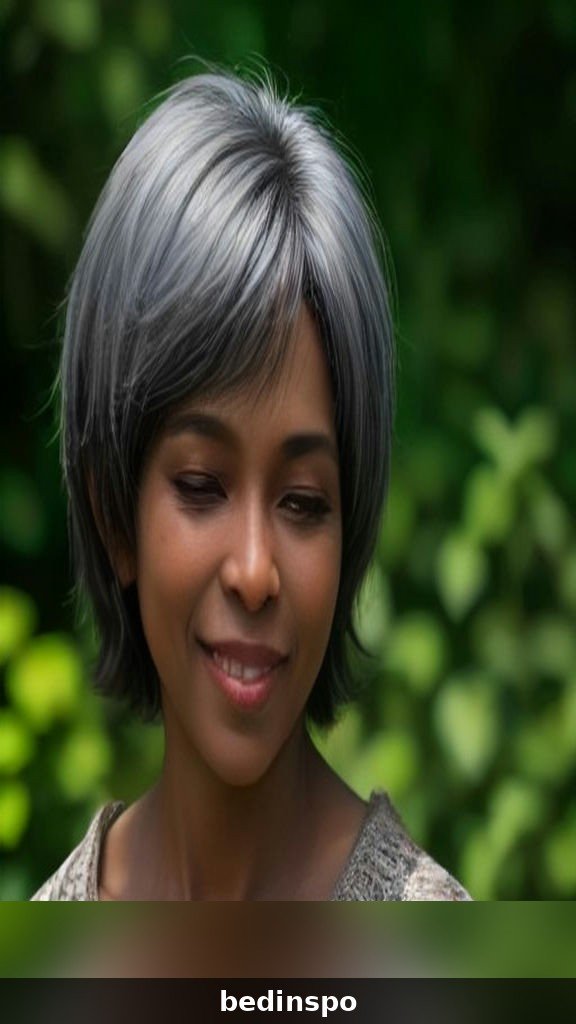
There’s real logic behind the magic. As we age, hair typically becomes finer and loses density, and long fine hair separates into strings that emphasize thinning. Short hair removes that problem entirely: cropped strands stand together, look thicker, and move as one. Short cuts also redirect the eye upward to your cheekbones and eyes — nature’s facelift — instead of dragging the gaze (and the face) downward.
Practically, short hair means less heat damage, faster styling, and healthier ends because you’re trimming more often relative to length. And psychologically? A great short cut reads as confidence. It says you know exactly who you are. The key is choosing a cut with softness and texture — hard lines and over-styled finishes are what age a short cut, not the length itself.
One more myth to retire before we start: short hair is not “giving up.” Look at any red carpet over the last decade — the most striking women over 50 are overwhelmingly wearing their hair above the shoulders. Join them.
The Classic Bob: Timeless for a Reason

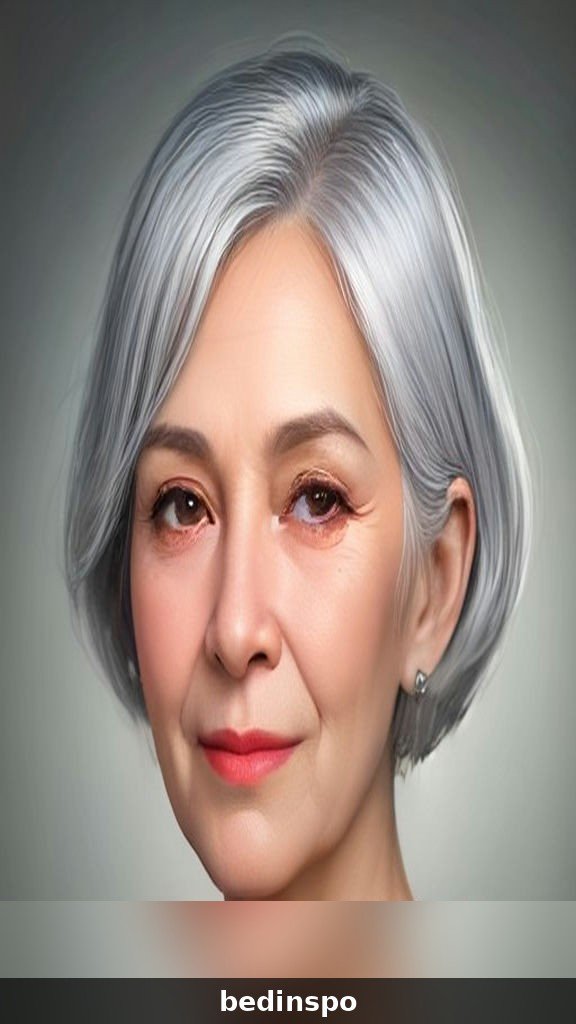
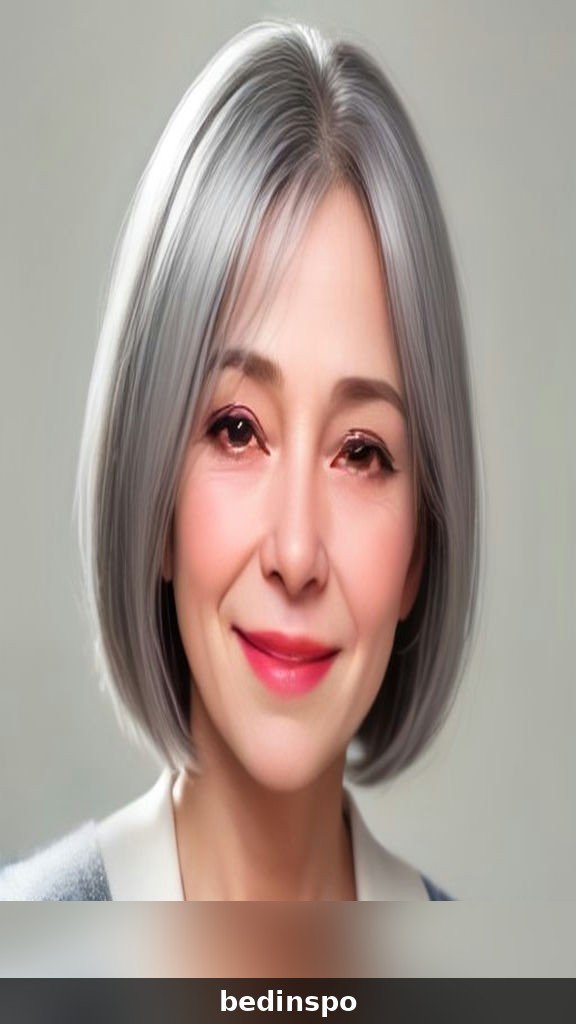
The chin-length bob is the little black dress of hairstyles after 50 — it has never once been wrong. Cut at or just below the jaw with soft layering through the ends, it frames the face, creates a clean jawline illusion, and moves beautifully. It suits every face shape with small adjustments: longer in front for round faces, more volume at the crown for longer faces.
Wear it with a deep side part for softness and glamour, or a center part for modern polish. A slight bend with a flat iron — not curls, just movement — keeps it current. The classic bob also grows out gracefully and transitions easily into a lob if you want a change later.
Best for: straight to wavy hair, all densities. Maintenance: trim every 6–8 weeks. Ask for: jaw-length bob, soft layers, no harsh blunt line at the back.
The Textured Pixie Cut: Playful, Modern, Unmistakable
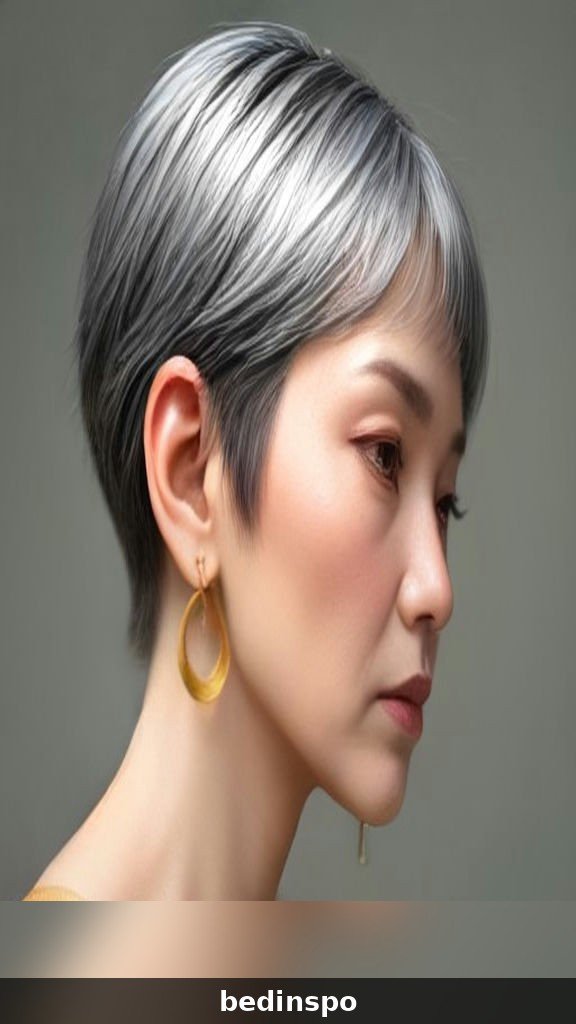
If the bob is the classic, the textured pixie is the statement. Cropped close at the sides and back with longer, choppy length on top, the pixie is the most youthful short cut there is — it exposes the cheekbones, lifts the eyes, and has an energy no long style can match.
The word “textured” is what separates a 2026 pixie from a dated one. Ask for piecey, feathered ends rather than a smooth cap, and keep the top long enough to sweep forward, back, or to the side — three hairstyles in one cut. Style with a pea-size of matte paste, pinching the ends for definition. Silver pixies are especially striking: the texture makes grey hair look like platinum on purpose.
The pixie does need commitment — trims every 4–6 weeks to keep its shape — but daily styling takes under five minutes, and the confidence payoff is enormous.
The Layered Crop: Softness Everywhere
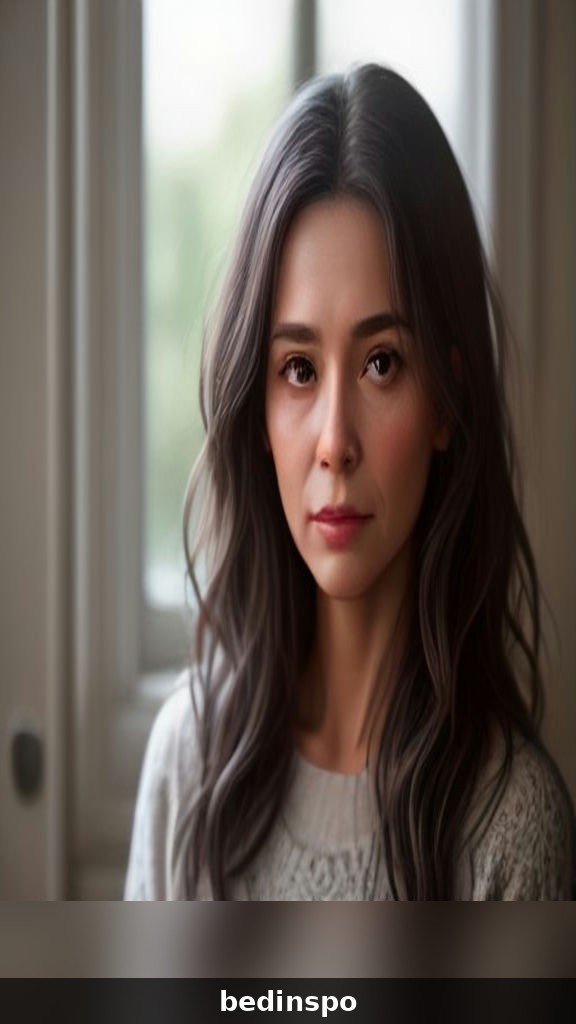
Between the bob and the pixie lives the layered crop: short all over, but soft, with graduated layers that create gentle volume at the crown and feathered edges around the ears and neckline. It’s the most forgiving short cut for women who want to go short without going severe.
The layered crop works beautifully on wavy hair, because the layers let natural texture do the styling — a little mousse, a scrunch, and you’re done. On straight hair it gives that coveted “wash, shake, go” ease while still looking deliberate. Because the edges are soft rather than blunt, it’s also the kindest short cut for fine hair at the hairline and for women easing into short hair for the first time.
It photographs wonderfully, too — all that texture catches light and movement in a way flat styles never do.
The Short Shag with Fringe: The Cool-Girl Cut at Any Age
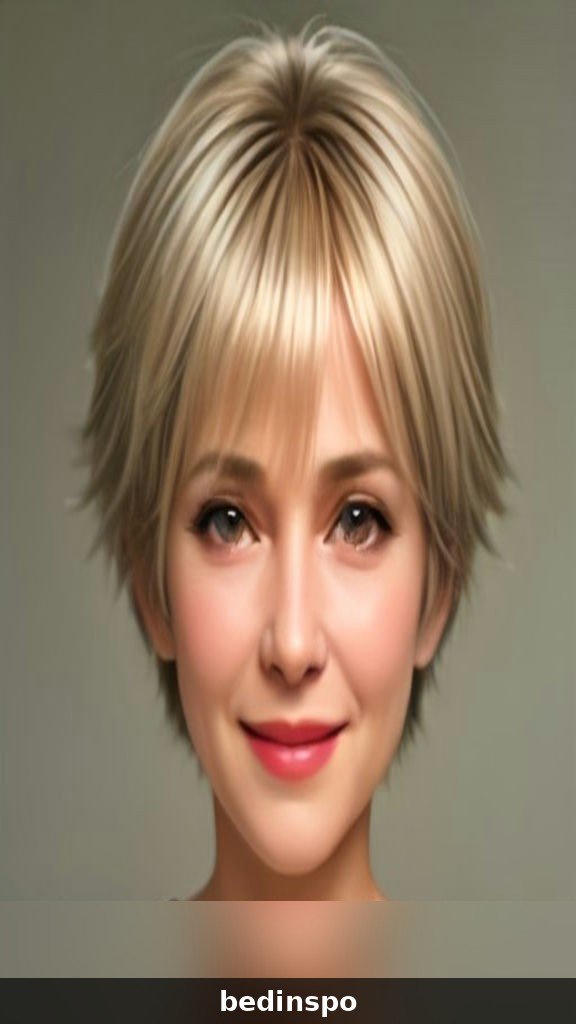
Yes, the shag is back — and its soft, layered, fringe-forward modern version is spectacular on women over 50. The short shag combines choppy layers throughout with wispy bangs, creating volume at the crown (where thinning shows most) and softness around the face (where lines show most). It’s a strategic cut disguised as a rock-and-roll one.
Wispy, see-through bangs are the secret weapon here: they soften the forehead, hide a sparse hairline, and draw attention to the eyes. The shag’s undone texture also means it never looks “done” in the dated sense — it looks effortless. Style with a light texturizing spray and your fingers. If your hair has any natural wave, the shag will make it look like you have twice as much of it.
Ask your stylist for a “modern shag, soft layers, wispy fringe — nothing too rock-and-roll,” and bring photos. This cut lives and dies by the reference picture.
The Sleek Jaw-Length Bob: Polished and Powerful

For the woman whose style is tailored blazers and clean lines, the sleek jaw-length bob is perfection. Shorter and sharper than the classic bob, it sits right at the jaw, often with a subtle A-line angle (shorter at the back, longer at the front) that creates a striking silhouette.
This is the cut of editors and executives, and on women over 50 it reads as pure authority — in the best way. It works best on straight or relaxed hair that can hold the smooth finish; a flat iron pass and a shine serum are the whole routine. Silver hair in a sleek bob looks like poured metal — genuinely stunning.
One caution: the sleek bob shows everything, including thin ends, so it’s best for women with medium to thick density. If your hair is fine, choose the classic or layered bob instead and keep the polish, skip the severity.
Short Curly Hairstyles: Work With Your Texture, Not Against It
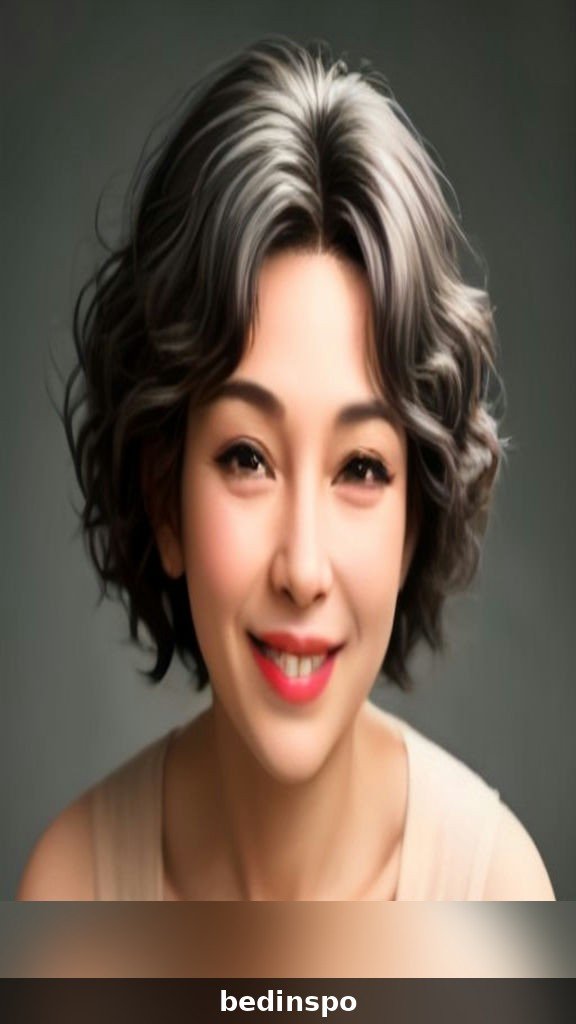
Curly hair over 50 has a superpower: natural volume. A short curly cut — rounded shape, layers cut curl-by-curl, length somewhere between pixie and bob — lets curls spring up into a soft, full halo that fine straight hair can only dream of.
The rules for short curls: cut them dry (or at least shaped dry) so the shape is honest; keep layers long enough that curls form full loops rather than frizz; and moisturize relentlessly, because grey curls are thirsty curls. A curly pixie with a longer, curly fringe is playful and modern; a curly bob at jaw length is romantic and soft. Both need far less daily effort than straightened styles — scrunch in curl cream, air-dry or diffuse, done.
If you’ve spent decades fighting your curls with heat, a great short curly cut is often a genuine homecoming. Your texture was never the problem; the length was.
Silver and Grey Short Hairstyles: Own the Color
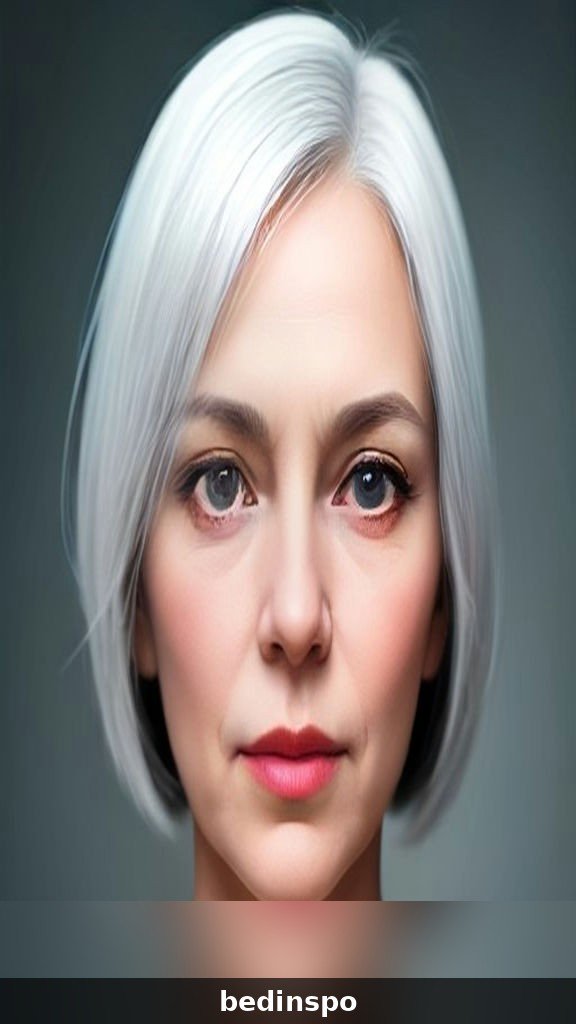
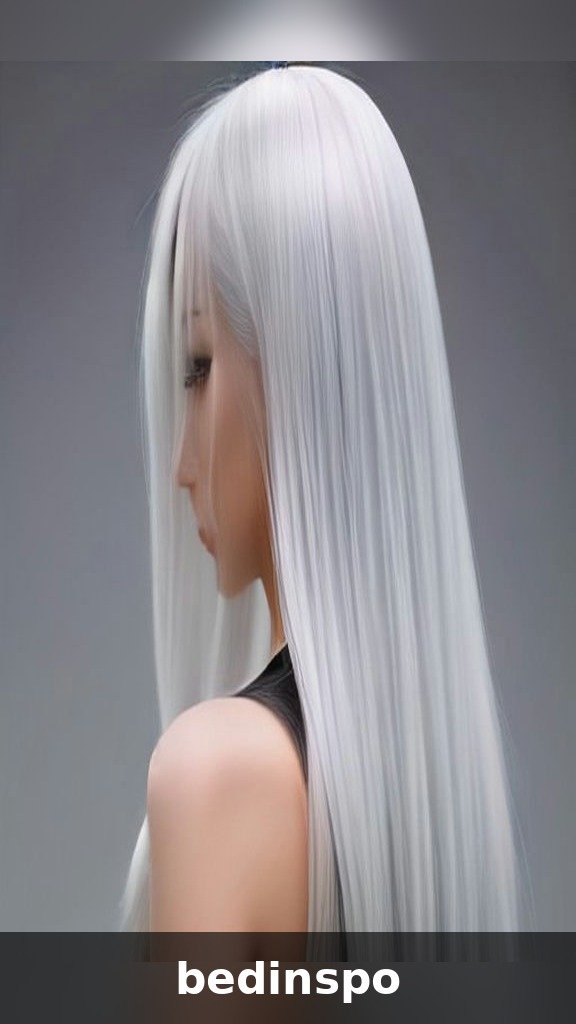
Short hair and silver hair are a legendary pairing. Silver strands are naturally coarser and more light-reflective than pigmented hair, and short cuts show off that dimension like jewelry. A textured pixie in full silver, a sleek silver bob, a silver crop with a long fringe — these aren’t “letting yourself go,” they’re the most fashion-forward looks in this entire guide.
If you’re transitioning to grey, short hair speeds the process dramatically: every trim removes more of the old color, and many women complete the transition in months instead of years with a pixie. During transition, ask for lowlights or a gloss to blend the line of demarcation, and use a purple shampoo weekly to keep silver bright and icy rather than yellow.
The confidence rule applies double here: silver short hair looks intentional when the cut is sharp and the styling is deliberate. Keep trims regular and shine high.
Short Hairstyles with Glasses: The Frame-and-Face Formula
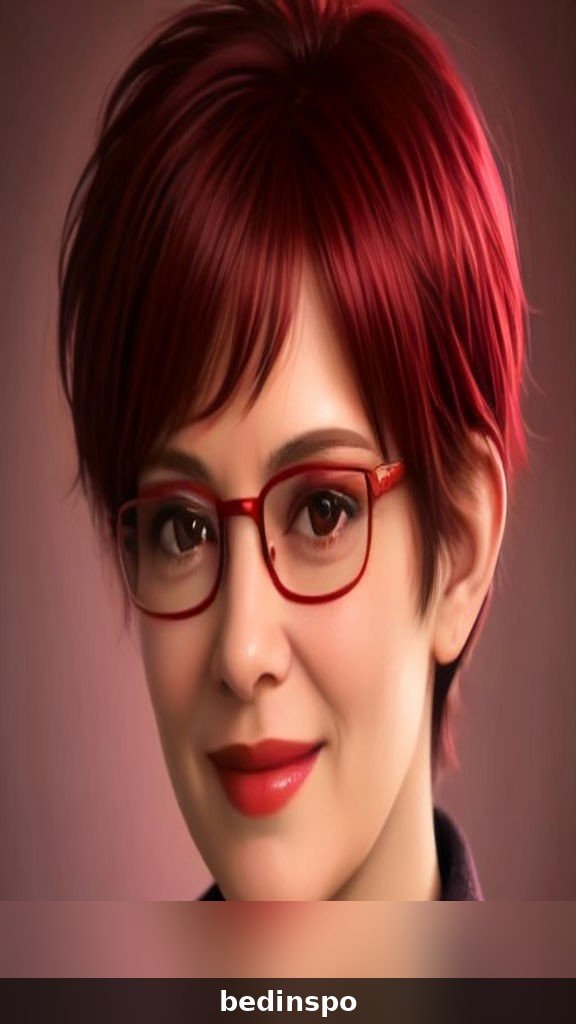
Most women over 50 wear glasses at least part-time, and the best short cuts treat frames as part of the hairstyle. The formula: keep hair off the frames at the sides (tucked, tapered, or swept back) so the two don’t tangle and fight, and choose lengths that balance your frames’ weight.
Bold, chunky frames pair beautifully with a sleek bob or a pixie with a long top — the hair provides a calm canvas that lets the frames shine. Delicate wire frames can handle more hair volume and texture around the face, like a layered crop or shag. Side-swept fringes are universally glasses-friendly, while straight-across bangs can collide with frames — if you love bangs and glasses, keep the fringe slightly above the frame line or go wispy.
Bring your glasses to the salon and put them on during the consultation. A stylist who cuts around your actual frames is worth keeping forever.
The Bixie: When You Can’t Decide Between Bob and Pixie
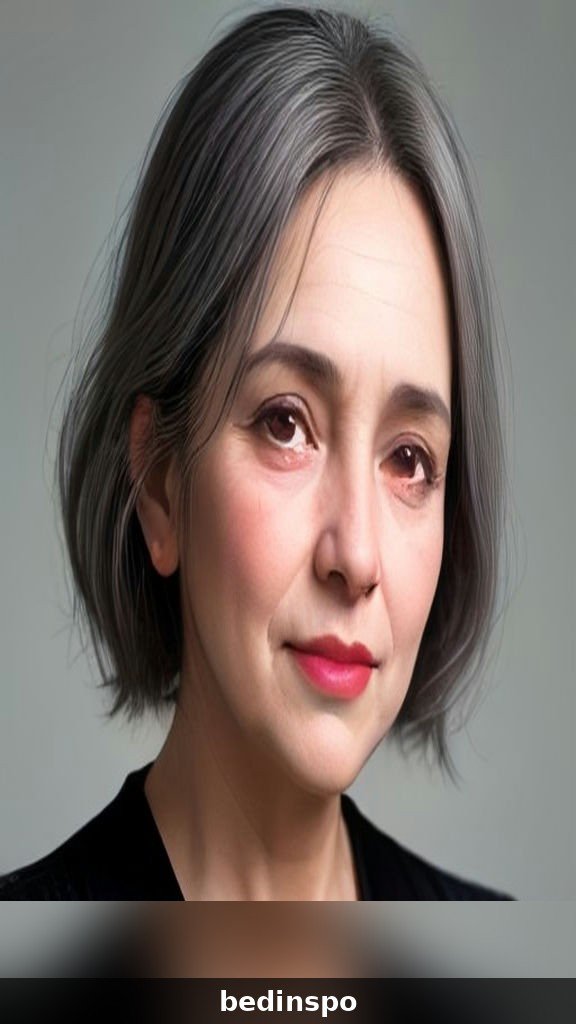
The bixie — bob meets pixie — is the trend cut that women over 50 have claimed as their own. It’s cropped like a pixie at the back and nape, but keeps bob-like length and layering around the face and top. The result: the lift and ease of a pixie with the softness and coverage of a bob.
The bixie is the perfect first short cut if you’re anxious, because it keeps familiar length where you see it in the mirror — around your face — while removing the bulk and time of styling from everywhere else. It suits straight, wavy, and fine hair beautifully, and its layers create volume exactly at the crown.
Style it tucked for polish or tousled for edge. Grow it out and it becomes a bob; trim it tighter and it’s a pixie. No cut on this list gives you more options per inch.
Short Hairstyles for Thick Hair Over 50

Thick hair over 50 has the opposite problem from fine hair: too much bulk, which can look heavy and dated when short if it’s not shaped well. The answer is internal layering and weight removal — your stylist should carve out the bulk from inside the cut while keeping the surface smooth, so the silhouette stays sleek instead of triangular.
The best thick-hair short cuts: a graduated bob (stacked at the back, which removes weight exactly where thick hair poofs), a pixie with tapered, thinned sides and a longer top, and an undercut crop for women who love an edgier look — the hidden undercut eliminates a shocking amount of bulk and drying time. Avoid one-length short cuts on thick hair; without internal shaping, they grow into a helmet within three weeks.
Thick silver hair, shaped well, is genuinely magnificent — it’s the hair younger women pay for extensions to imitate. Own it with a strong shape.
Short Hairstyles for Fine and Thinning Hair Over 50

For fine or thinning hair, short cuts work best when they concentrate what you have. The champions here: the blunt-ish classic bob (ends together look thicker), the long pixie with a full fringe (covers the hairline, creates a thick-looking front), and the layered crop with crown texture (disguises a thinning part).
Avoid very short, tight pixies if your scalp shows through on the sides — a little length is camouflage. Avoid heavy layering, which removes scarce bulk. Do embrace a slightly deeper side part, which piles hair up for crown coverage, and dimensional color with a shadow root, which makes the scalp less visible along the part.
Styling matters more than the cut at this density: volumizing mousse at the roots, blow-drying upward, and dry shampoo for grit will take any of these cuts from fine to full-looking. Scalp-colored root touch-up powders are a legitimate, stylist-approved cheat for thinner areas in photos.
Low-Maintenance Short Cuts for Women Who Hate Styling
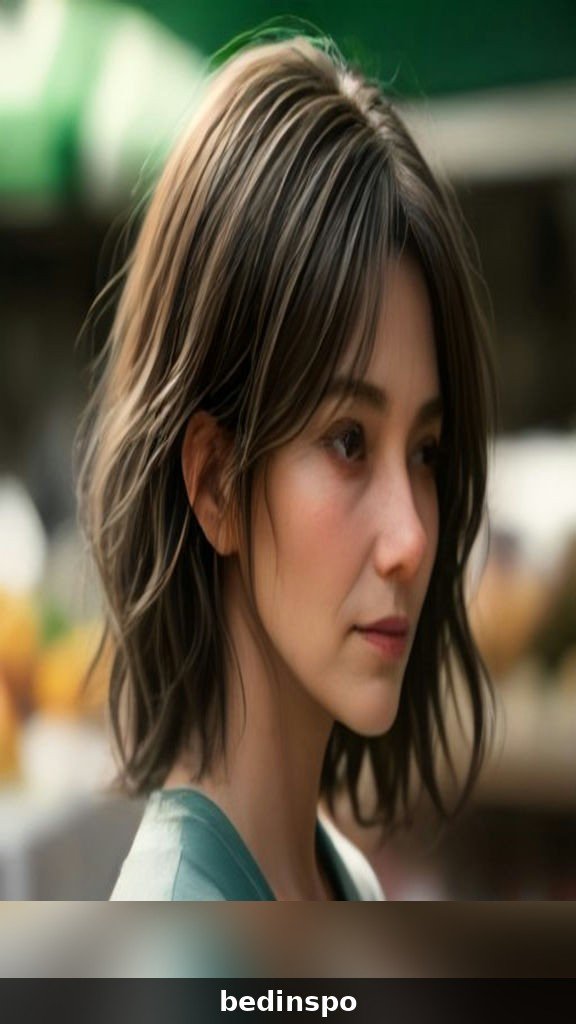
Short does not automatically mean easy — some pixies need daily paste and precision. But the right short cuts genuinely wash and go. The layered crop tops the list: its texture is built into the cut, so air-drying looks intentional. The curly bob or curly pixie, if you have natural curl, needs only cream and a scrunch. The classic bob in a natural wave pattern dries into shape with a little mousse.
When consulting your stylist, say the magic words: “I air-dry and I won’t use more than one product.” A good stylist will steer you away from cuts that only work heat-styled (looking at you, sleek bob) and toward texture-driven cuts matched to your natural pattern. The honest test: a low-maintenance cut should look good on the days you do nothing — because those days are most days.
Plan trims every 6–8 weeks; low daily effort, modest salon rhythm. That’s the real deal of a great short cut.
Styling Tips That Keep Short Hair Looking Youthful

Volume at the crown, always. Flat-at-the-top short hair reads older; even half an inch of lift at the roots changes the whole face. Dry with roots going up and back, and finish with a light root spray. Softness over stiffness. If your hair doesn’t move when you do, the style is dated — skip hard hairsprays and heavy gels in favor of flexible products. Shine is youth. Grey and mature hair is naturally drier and duller; a weekly gloss treatment and a drop of serum make short hair look expensive. Mind the neckline. A clean, tapered nape makes a short cut look salon-fresh; a scruffy one gives it away — many salons offer quick neckline clean-ups between cuts. Update something yearly. A new part, a fringe, a slightly different length — small evolutions keep a signature cut from becoming a time capsule.
Frequently Asked Questions
What is the most flattering short hairstyle for women over 50?
The chin-length layered bob flatters the widest range of face shapes and hair types, which is why stylists recommend it first. If you want something bolder, the textured pixie is the most youthful-looking short cut when it suits your features and lifestyle.
Does short hair make you look older or younger?
Younger — when the cut has softness, texture, and crown volume. Short hair looks older only when it’s over-styled, flat, or cut with harsh lines. A modern textured short cut lifts the face and reads as confident and current at any age.
How often do short hairstyles need trimming?
Pixies and precision bobs need a trim every 4–6 weeks to hold their shape; softer crops and shags can stretch to 6–8 weeks. Short hair trades daily styling time for regular salon visits — most women find that a happy bargain.
Can I wear short hair if my hair is thinning?
Yes — short hair is often the best strategy for thinning hair, because shorter strands look fuller and layer over thin areas. Choose a bob or long pixie with a full fringe, keep ends blunt rather than heavily layered, and use root-lifting products and a shadow root color for coverage.
Conclusion
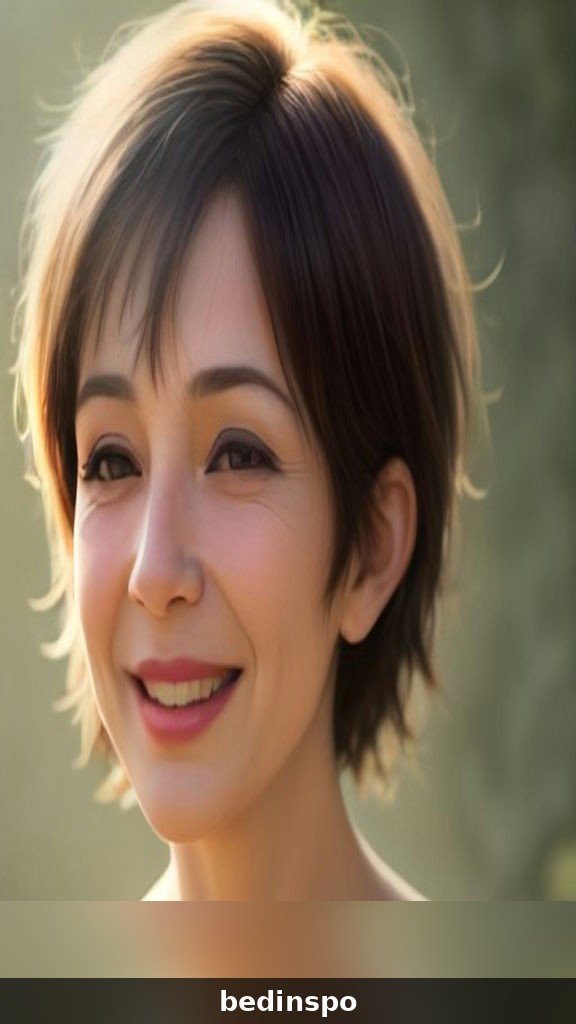
Short hair after 50 isn’t a compromise — it’s an upgrade. The right cut gives you back your cheekbones, your mornings, and that feeling of catching your reflection and smiling. Whether you choose the timeless bob, a playful textured pixie, a soft layered crop, or a silver statement cut, the formula is the same: texture, softness, crown volume, and a shape matched to your hair — not to a rule about your age.
Save this guide, pick your top three photos, and show them to your stylist. Then enjoy the best part: shaking your head, feeling how light it is, and wondering why you waited so long.