Hairstyles for Thin Fine Hair: 15 Cuts and Styles That Add Real Volume
Hairstyles for Thin Fine Hair: 15 Cuts and Styles That Add Real Volume
If you have thin, fine hair, you know the frustration: a ponytail the width of a pencil, styles that fall flat by 10 a.m., and ends that seem to disappear. But here’s the truth stylists know — fine hair is not a life sentence of limp hair. With the right cut, the right length, and a few smart styling moves, fine hair can look genuinely thick, bouncy, and full of life.
First, a quick vocabulary lesson, because it changes everything: “fine” describes the diameter of each individual strand, while “thin” describes how many strands you have. You can have fine hair that’s dense, or coarse hair that’s thin. Most women who say “thin fine hair” have both — delicate strands and fewer of them — which means the goal is twofold: protect the fragile strands you have, and choose shapes that create the illusion of more.
Below are the fifteen cuts and styles that do exactly that, plus the color tricks, product rules, and mistakes that make all the difference. Bring this guide to your next appointment — your stylist will know exactly what to do.
What Thin Fine Hair Needs from a Haircut
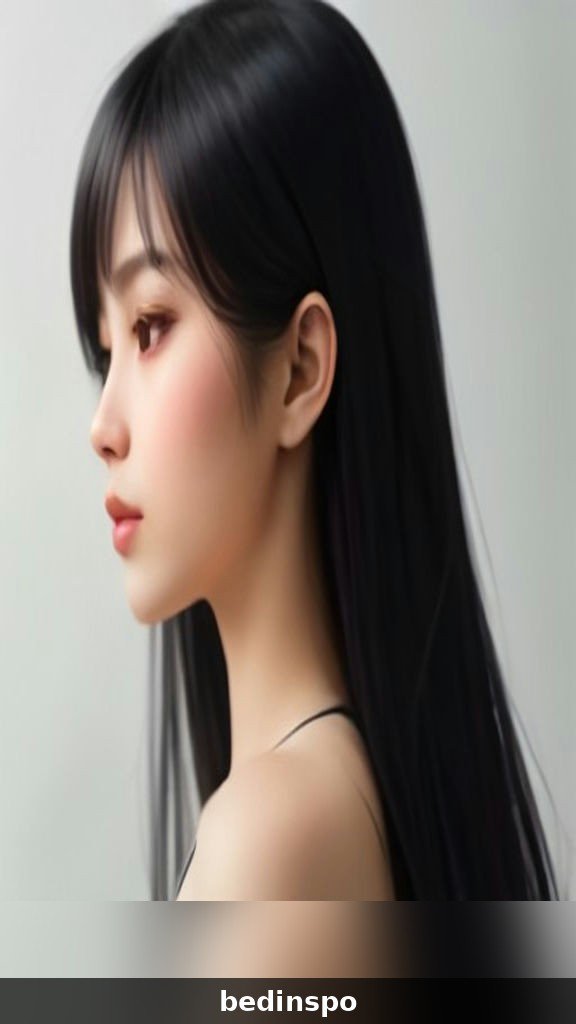
Every great fine-hair haircut follows three principles. Blunt ends: when the ends of fine hair are cut straight across instead of feathered, each strand ends at full thickness, and thousands of full-thickness ends read as “thick hair” to the eye. Shorter lengths: gravity is fine hair’s enemy — the longer it grows, the more its own weight pulls it flat and separates it into strings. Most fine hair looks its fullest between chin and collarbone. Strategic, minimal layering: a few internal layers can lift the crown, but heavy layering removes exactly the bulk fine hair can’t spare.
Ask your stylist for “blunt ends with soft internal movement” — that’s the professional shorthand for full-looking fine hair. And schedule trims every six to eight weeks; fine ends split and thin out fast, and even a quarter-inch trim restores the blunt line that makes the whole cut look thicker.
The Blunt Bob: The Undisputed Champion of Fine Hair

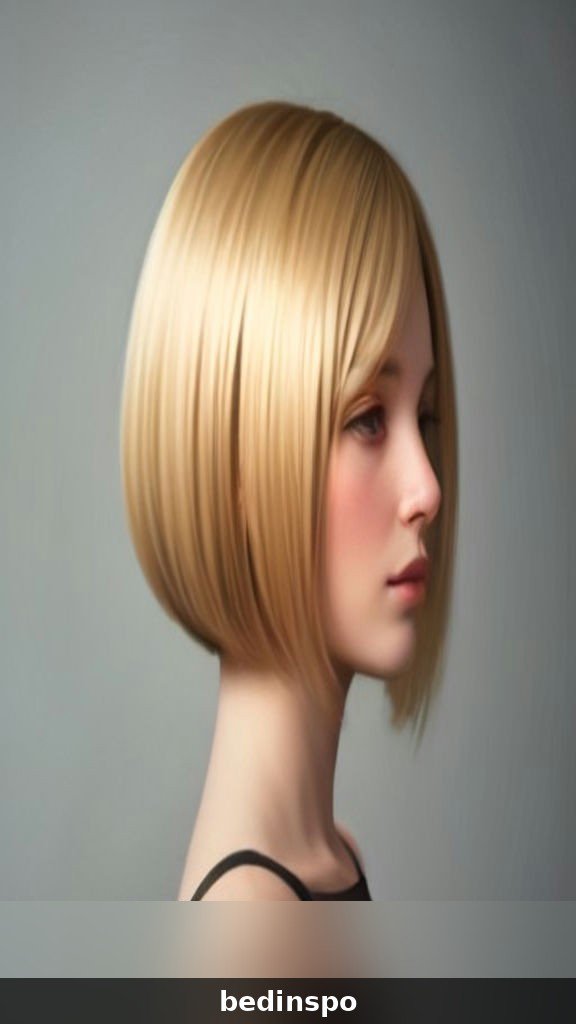
If there’s one haircut every fine-haired woman should try once, it’s the blunt bob. Cut at one length — chin, jaw, or just below — with a crisp, straight-across perimeter, the blunt bob concentrates every strand at the bottom edge, creating a dense “curtain” effect that makes hair look dramatically thicker.
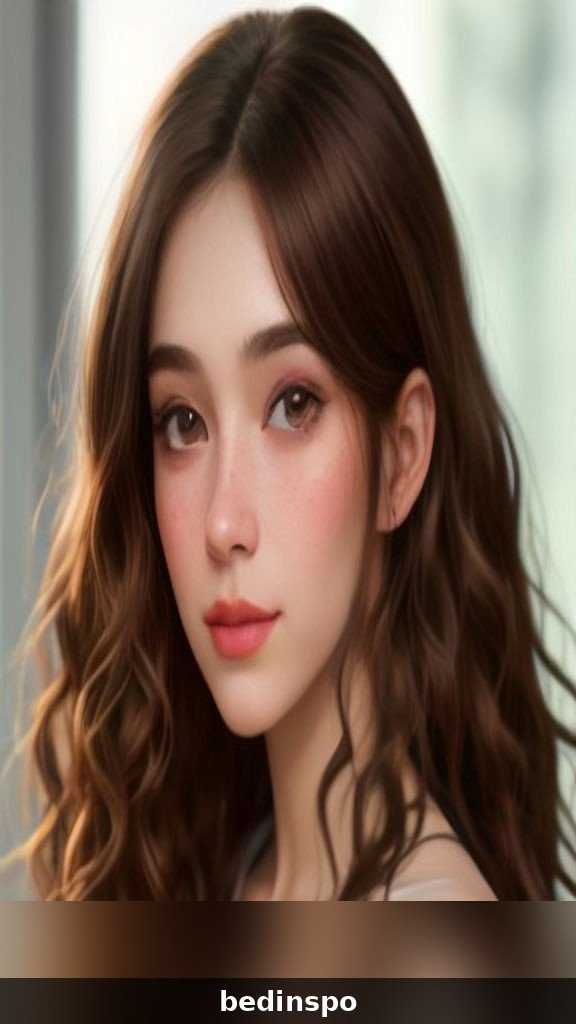
Wear it sleek and center-parted for a polished, fashion-forward look, or add loose waves for softness and even more visual volume. The blunt bob works on straight, wavy, and relaxed hair, and it’s endlessly versatile: tuck it behind the ears, clip one side back, or flip the part for instant crown lift. Ask for the ends to be cut with the shears held vertically just slightly — “point-cut ends” soften the line by a hair without sacrificing fullness.
Best length: jaw to collarbone. Ask for: one-length cut, blunt perimeter, minimal layering.
The Layered Lob (Long Bob) for Movement Without Losing Fullness

Not ready to go short? The lob — a long bob grazing the collarbone or shoulders — is fine hair’s favorite longer option. The secret is how it’s layered: long, sparse layers only in the last two inches and around the face, keeping the perimeter blunt and full.
This cut gives you the best of both worlds. You keep enough length to pull up, curl, and style, while the soft layering stops fine hair from hanging in flat, separated panels. Styled with a round brush or loose waves, a layered lob swings and bounces in a way that reads as thick, healthy hair. It’s also the most forgiving grow-out cut if you’re transitioning from shorter styles.
The lob is where fine hair should max out its length for most women. Past the shoulders, even the best lob starts losing the fullness battle to gravity.
Pixie Cuts That Create Instant Fullness
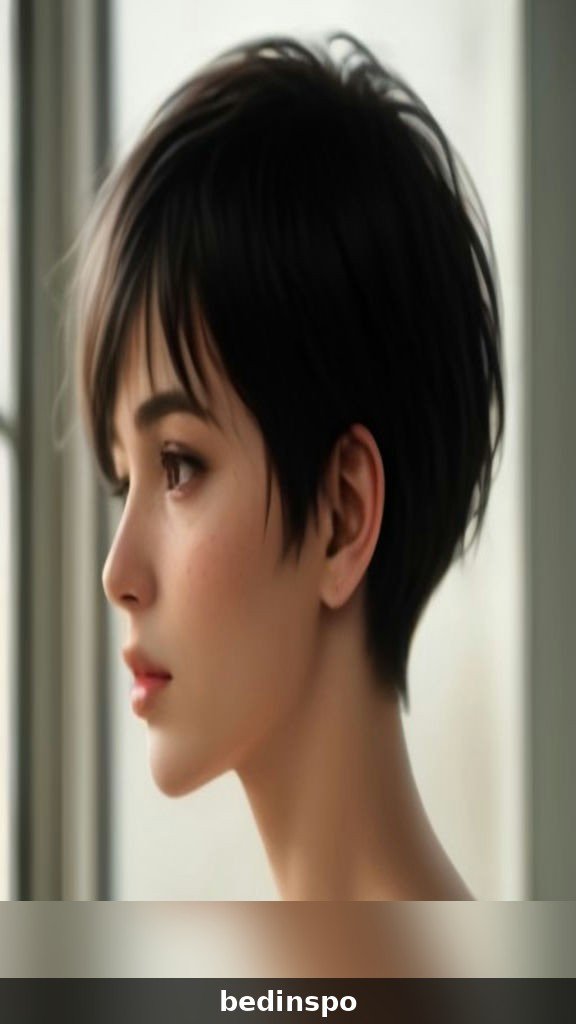
Short hair is fine hair’s superpower, and the pixie is its boldest expression. When hair is cropped close, every strand stands up with its neighbors instead of lying flat under its own weight — the result is texture, lift, and a crown that looks naturally full.
The most flattering fine-hair pixies keep length and texture on top with soft, tapered sides. A longer, piecey fringe swept to the side creates the illusion of a thick hairline. A textured pixie with choppy layers through the crown can be tousled with a pea-size of matte paste for that effortless, thicker-looking finish. If you’re nervous, start with a “long pixie” or bixie (bob-pixie hybrid) — you get the lift with a safety net of length around the face.
Bonus: pixies dry in minutes, use a fraction of the product, and make fine hair look intentional and chic rather than sparse.
Curtain Bangs: The Face-Framing Trick That Adds Fullness

Bangs on fine hair sound risky — won’t they look wispy? Not curtain bangs. Because curtain bangs are parted in the middle and sweep back into the rest of the hair, they borrow fullness from the lengths instead of standing alone as a thin fringe. They frame the face, soften the hairline (where fine hair often looks sparsest), and add movement that makes the whole style look more abundant.
Ask for curtain bangs that start around the cheekbones and blend into long face-framing layers. Style with a round brush, rolling away from the face, and that signature swoop will make your hair look like it has twice the body. If you’ve been hiding a high forehead or thinning temples, curtain bangs are the kindest, most camouflaging fringe that exists.
Skip heavy, blunt straight-across bangs unless your hairline is dense — they demand a lot of hair and expose a sparse front.
The French Bob: Chic, Blunt, and Born for Fine Hair

The French bob — jaw-length, blunt, often worn with a soft fringe and natural texture — is practically engineered for fine hair. The short length keeps ends full, the blunt perimeter maximizes density, and the slightly undone styling hides any thinness behind movement and shape.
Wear it air-dried with a touch of salt spray for that Parisian nonchalance, or smooth it under with a round brush for polish. The French bob sits at the jaw or just above, which lifts the whole face and draws the eye to your features rather than your hair’s density. It pairs beautifully with a bold lip and simple earrings — a whole look in one haircut.
Because it’s short and one-length, it grows out gracefully for about eight weeks, then needs its blunt line restored. Fine-haired Francophiles, this is your sign.
Shoulder-Length Cuts with Feathery, Face-Framing Layers

If your heart is set on shoulder length, the way to make it work is feathery layering concentrated around the face, with the back kept as full and blunt as possible. Think of it as a mullet’s polite cousin: movement in front, density in back.
The face-framing layers create the impression of thick, styled hair where people actually look — around your face — while the preserved weight at the back keeps the silhouette full. Style the front pieces with a round brush or a large-barrel iron, flipping them outward for that bouncy, salon finish. This cut is especially flattering in your 40s and 50s, when a little softness around the face is more youthful than a severe one-length line.
One warning: “feathery” should describe the front only. If your stylist feathers the whole head, you’ll lose the fullness you’re protecting.
Long Fine Hair: How to Make It Work (If You Refuse to Cut)
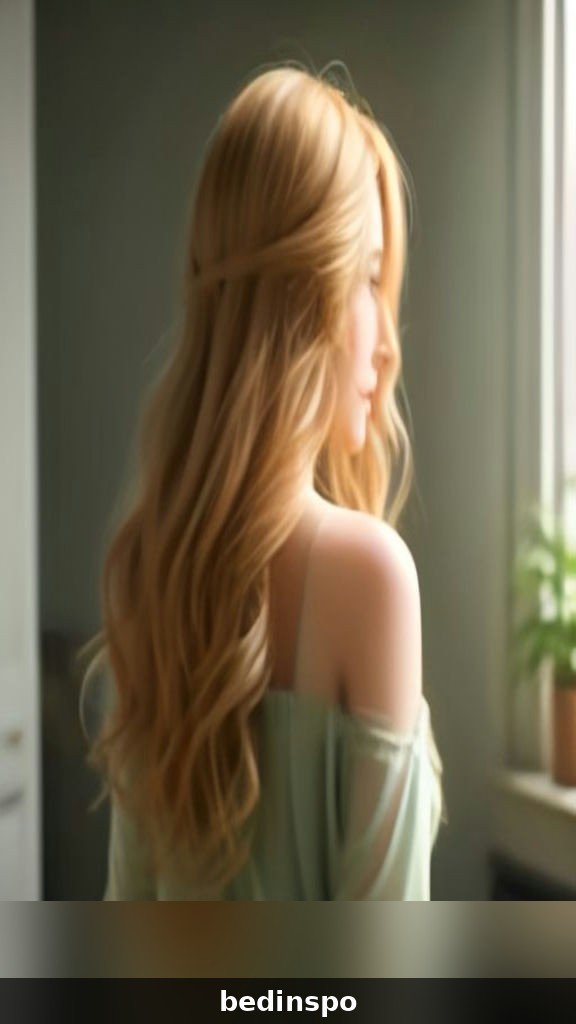
Some women love their long hair and no article will talk them out of it — fair enough. Long fine hair can work if you follow the rules. Keep it at or above the bra strap; beyond that, fine ends become transparent. Keep the perimeter blunt — no V-cuts, no heavy tapering, which thin the ends into a wisp. Add only the lightest face-framing layers.
Then cheat volume daily: dry shampoo at the roots before bed (it absorbs oil overnight and adds grit), blow-dry upside down, and wear it in waves rather than pin-straight, because waves visually double fine hair’s volume. Be honest with yourself in the mirror, though — if you can see through the last three inches, those inches are making your hair look thinner, not longer. A two-inch trim often makes long fine hair look four inches thicker.
Updos and Ponytails That Make Fine Hair Look Thicker
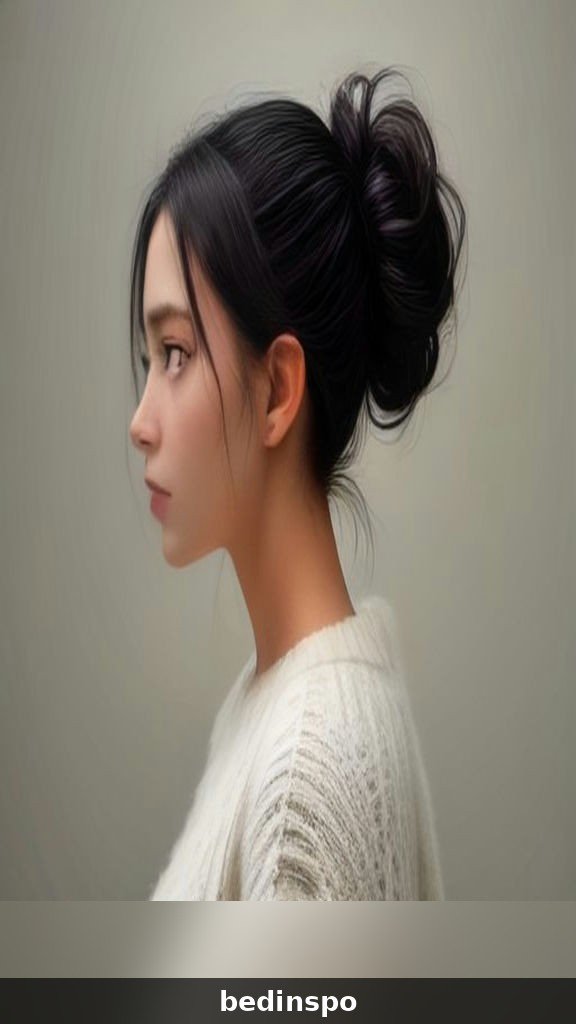
Fine hair’s updo enemy is the tight, sleek pull-back, which exposes the scalp and shrinks your ponytail to a ribbon. The fix is texture and looseness. Before any updo, add waves or curls — textured hair takes up more space and grips better. Tease the crown gently, pull hair back loosely with your fingers (not a brush), and let pieces fall around the face.
The best fine-hair updos: a messy top knot with the base wrapped in a scrunchie for bulk; a low, loose chignon with the front pieces waved; a “double ponytail” — one hidden underneath another — that doubles apparent ponytail volume; and braid styles like a loose Dutch braid, which pancake (pull gently apart) into gloriously thick-looking plaits. A donut bun maker in your hair color is a five-dollar cheat that creates a full, glossy bun from almost nothing.
Skip tight ballerina buns and slick snatched ponytails — they’re the two styles that broadcast thinness.
Waves and Curls That Build Body on Fine Hair

Straight fine hair lies flat and reveals everything; waved fine hair creates shadows, movement, and the illusion of depth. This is why the single best “style” for fine hair is a loose wave. Use a 1–1.25 inch curling iron or wand, take large sections, curl away from the face, leave the ends out, and — critically — let curls cool completely before touching them.
Once cool, flip your head, shake at the roots, and finish with texturizing spray rather than hairspray; texture spray adds matte grit that keeps fine strands separated and full-looking instead of clumped. If you prefer no heat, overnight braids or a silk curling rod on fine hair create soft waves that hold surprisingly well with a mousse prep.
The goal is never tight ringlets — it’s undone, airy bends. Think “expensive blowout,” not “prom 2009.”
Hair Colors That Make Thin Hair Look Fuller

Color is fine hair’s secret weapon. A flat, single-process color can make hair look thinner, because there’s no depth to catch the eye. Multi-dimensional color — a slightly deeper root with lighter pieces woven through — creates the visual illusion of density and movement.
The best strategies: a shadow root or root smudge (darker at the scalp makes hair look like there’s more of it and hides regrowth), fine babylights rather than chunky highlights (chunky stripes can expose scalp contrast), and rich, slightly darker overall tones if your hair is very sparse — platinum and very pale blonde shades tend to make fine hair look finer. If you cover grey, a demi-permanent gloss adds shine and slightly swells the strand, a small but real bonus.
Avoid harsh part-line regrowth: visible scalp contrast along the part is the number-one color giveaway of thin hair, so keep appointments regular or choose a blended, low-maintenance placement.
Styling Secrets: The Products and Techniques That Change Everything

Volumizing Mousse Is Non-Negotiable
Apply a golf-ball-sized amount to damp roots before drying. Mousse coats each strand and dries into a scaffold that holds lift for hours — no other product class does this job as well for fine hair. Skip heavy oils and butters on the lengths; they collapse everything.
Blow-Dry Upside Down, Finish with a Cool Shot
Dry with your head flipped until hair is 90% dry, lifting roots with your fingers, then finish with a round brush. The cool shot at the end sets the root direction upward. Root direction is volume: hair dried flat will live flat.
Dry Shampoo Before You Need It
Oil is fine hair’s kryptonite — it clumps strands and exposes scalp by midday. Apply dry shampoo at night or first thing in the morning, before hair looks greasy, at the roots only. Tinted formulas in your hair color double as scalp camouflage along the part.
The Flip Part
The cheapest volume trick in existence: wear your part on the opposite side. Hair trained to lie one way gains instant lift when flipped, because the roots stand up against their habit. Change your part weekly for permanently better crown volume.
Fine Hair Mistakes That Make Everything Look Thinner

Growing it too long. Length past the collarbone is borrowed fullness from the ends. Over-layering. Every layer is hair removed from somewhere; fine hair can’t afford the donation. Heavy conditioners and oils. If it says “intense moisture” or “butter,” it’s for someone else’s hair — use lightweight, volumizing formulas and condition only the ends. Skipping trims. Split, tapered ends are see-through ends. Slick, tight styles. They showcase the scalp. Dark, flat color on a pale scalp (or pale color on a dark scalp) — contrast is the enemy. Brushing wet hair aggressively — fine strands snap easily; use a wide-tooth comb and patience. Fix even two of these and your hair will look noticeably fuller within one haircut cycle.
Hairstyles for Thin Fine Hair Over 50
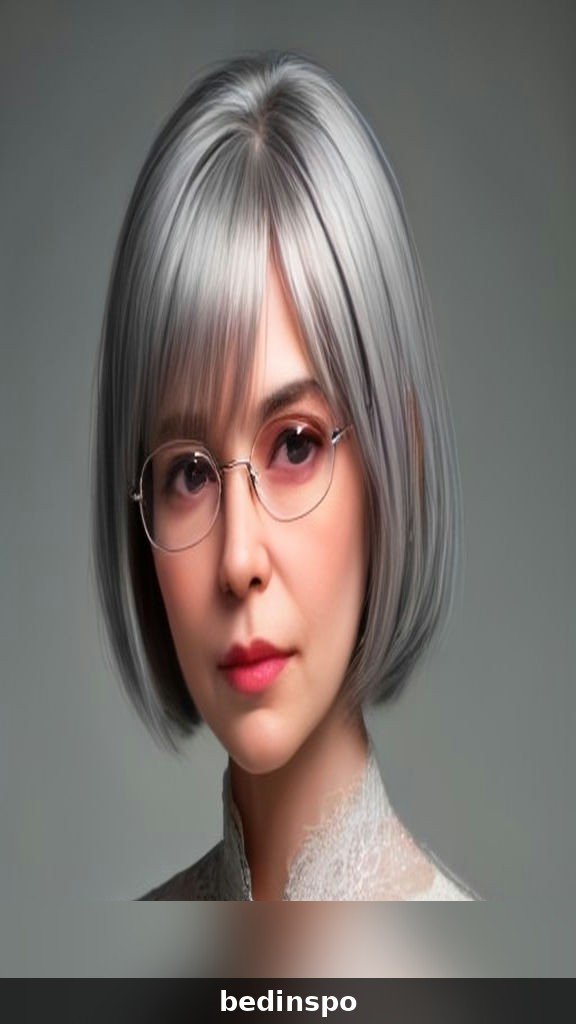
After 50, most women notice hair becoming finer and thinner as hormones shift — which is exactly when the cuts in this guide shine brightest. The most flattering choices after 50 are the chin-length blunt bob (polished, face-lifting), the textured long pixie (playful, modern, and incredibly low-maintenance), and the layered lob with curtain bangs (soft around the face, forgiving at the hairline).
Silver and grey hair is naturally coarser in texture, which is a hidden advantage: grey strands often stand up with more body than pigmented fine hair. Embrace it with a glossy finish and a purple shampoo once a week to keep silver bright, not yellow. Keep styles at or above the shoulders, keep ends blunt, and keep a little height at the crown — that combination reads as elegant and youthful at any age, and it makes fine hair a non-issue.
Frequently Asked Questions
What is the best haircut for very thin fine hair?
The blunt bob at chin to collarbone length is the most consistently flattering choice, because the one-length perimeter concentrates fullness at the ends and the shorter length defeats gravity. A textured pixie is a close second and the best option if your hair is thin at the crown.
Are layers good or bad for fine hair?
Both — it depends on placement. Light layers around the face and a few internal layers for crown lift are helpful. Heavy layering throughout, especially short layers at the back, removes bulk and makes fine hair look thinner. Always specify “minimal, long layers, blunt ends.”
How can I make my fine hair look thicker instantly?
Flip your part to the opposite side, add dry shampoo at the roots, and wear loose waves instead of straight hair. Those three zero-cost moves can double the apparent volume of fine hair in under ten minutes.
Does fine hair grow thicker with certain products?
No product can change the diameter your follicles produce, but volumizing mousses, root-lift sprays, and texturizers coat strands and dramatically change how thick hair looks and behaves. Scalp care and minimizing breakage help you keep the hair you grow, which matters just as much.
Conclusion

Thin fine hair isn’t a problem to fix — it’s a texture to dress correctly. Blunt ends, smart lengths between chin and collarbone, layers only where they help, waves over sleekness, and dimension in your color: that’s the whole formula, and it works on every head of fine hair. Pick your favorite cut from this list, book the trim you’ve been postponing, and watch how quickly “thin” stops being the word you use for your hair.
Save this guide to your hair board before your next salon visit — and flip that part today. Instant volume is already on your head; it just needs pointing in the right direction.