Golden Toffee Hair Color: The Warm Fall 2026 Trend
There is a hair color that looks like the best part of autumn poured into a bottle, and this year it has a name everyone is searching for: golden toffee hair color. Imagine warm caramel melting into honey, with ribbons of golden sand catching the light every time you move. It is sweet without being sugary, rich without being dark, and glowing without ever looking brassy. No wonder it has become one of the most pinned warm shades of fall 2026, the color people save when they are tired of cool, ashy blondes and want something that actually makes their skin look alive.
Golden toffee hair color sits in that perfect middle ground between brunette and blonde. It is not a flat, one-note color, and that is exactly the point. The magic is in the blend: a warm toffee base, caramel ribbons through the mid-lengths, and honey-gold brightness around the face and ends. Done well, it looks dimensional from every angle, glossy in every light, and expensive in a quiet, effortless way. Whether you wear it as a soft balayage, a full glossy color, or just a few face-framing highlights, this guide covers everything you need to know — what it is, how it differs from caramel and honey, the best techniques, who it suits, the cuts that show it off, salon versus at-home color, upkeep, styling, and the mistakes to avoid before you book that appointment.

What Is Golden Toffee Hair Color?
Golden toffee hair color is a warm, multi-dimensional shade built from three tones working together: toffee, caramel, and honey gold. The base is a warm medium brown with golden undertones — think of the color of toffee candy, rich and amber-toned rather than flat or chocolate-dark. Through that base, a colorist weaves caramel ribbons that are a shade or two lighter, and honey-gold pieces that are lighter still, usually concentrated around the face and toward the ends. The result is hair that looks sun-kissed even in November, with depth at the roots and light that seems to move as you turn your head.
What makes golden toffee different from a plain warm brown is the golden, almost luminous quality of the lighter pieces. They are not platinum, not ash, and not orange — they are the color of honey held up to sunlight, or sand on a warm beach. The overall effect is soft, glossy, and incredibly wearable. It reads as natural, even when it is entirely created in the salon, because the tones mimic the way hair lightens naturally in summer sun: darker underneath, lighter on the pieces that catch the most light. That sun-kissed logic is why it photographs so beautifully and why it looks good on so many different people.
Golden toffee also has a secret superpower: shine. Warm, golden tones reflect light more visibly than cool or ashy tones, so hair colored in this palette tends to look glossier and healthier even before you add a drop of serum. A gloss or glaze over golden toffee takes the shine to another level entirely, giving the hair that lit-from-within, expensive glow that defines the best fall 2026 hair. If your hair has ever looked dull or flat in winter light, golden toffee is one of the fastest ways to bring the glow back.
Caramel vs Honey vs Toffee: What Is the Difference?
Caramel, honey, and toffee get used almost interchangeably in salons and on Pinterest, but they are actually three distinct tones — and golden toffee hair color is what happens when you combine all three. Toffee is the deepest of the trio: a warm, amber-brown with a rich, almost candy-like depth. It is the anchor tone, the one that gives the color its warmth and its staying power. Caramel is a step lighter and a touch more golden-red, the color of caramel sauce, smooth and warm. Honey is the lightest of the three, a pale golden blonde with a sunny, almost translucent glow.
On their own, each tone creates a different look. All-over caramel hair reads as a warm, mid-brown with golden ribbons. Honey hair leans blonde and bright, especially around the face. Toffee on its own is the richest and darkest, a deep warm brunette with amber light. Golden toffee combines them strategically: toffee at the roots and underneath for depth, caramel through the mid-lengths for warmth, and honey on the pieces that frame the face and catch the sun. The blend is what makes the color look dimensional rather than flat, and it is also what makes it so forgiving as it grows out — the different tones blur the line between colored hair and natural regrowth.
When you talk to your colorist, it helps to know which tone you want to lead. If you love a darker, richer result, ask for toffee-forward color with just a touch of caramel. If you want brightness, ask for honey-forward pieces around the face with a toffee base underneath. Bringing photos helps enormously, because one person’s caramel is another person’s honey. Save three or four reference photos that show the exact balance you love, and point out what you like in each one — the root depth, the brightness around the face, the warmth of the ends. That conversation is the difference between a color you love and a color that is almost right.
Why Golden Toffee Is the Warm Shade of Fall 2026
Every fall, hair color swings a little warmer as the light changes and the wardrobes change with it, but fall 2026 has gone all in on golden warmth. After several years of cool, ashy blondes and icy tones dominating the trends, the pendulum has swung hard toward golden, honeyed, sun-warmed color. Golden toffee is the shade that captures the shift perfectly: it is warm without being red, bright without being blonde, and rich without being dark. It fits the season’s mood — cozy, golden, glowing — and it pairs beautifully with everything fall brings, from camel coats and cream knits to burgundy lipstick and gold jewelry.
The trend has been building all year. Celebrity colorists started talking about a move away from ash and toward gold in early 2026, and by autumn the runways and the red carpets were full of warm, dimensional brunettes with honey-gold ribbons. Pinterest searches for warm fall hair colors climbed through the summer, and golden toffee emerged as the name people attached to the look: specific enough to search for, warm enough to feel new, and wearable enough that real people — not just models — could actually pull it off. It is the rare trend shade that flatters a huge range of skin tones and base colors, which is why it spread so fast.
There is also a practical reason golden toffee works so well in fall. Cool blondes can look washed out under grey autumn light and against pale winter skin, while golden tones add instant warmth to the face. Golden toffee lifts your complexion the way a good bronzer does, adding a healthy glow that flatters even on the darkest, shortest days. And because it is a dimensional color rather than a single flat shade, it holds up beautifully as it grows out — no harsh lines, no obvious roots, just a soft, sun-kissed blend that still looks intentional weeks later.

The Best Techniques for Golden Toffee Hair
Golden toffee is not a single technique — it is a color palette, and the technique you choose decides how the palette shows up on your hair. A soft balayage gives you sun-kissed ribbons with a natural grow-out, while babylights give you fine, all-over brightness. Airtouch creates the softest, most seamless blend of all, and face-framing pieces give you maximum impact with minimum commitment. Most great golden toffee colors actually combine two techniques: a balayage or airtouch base for overall dimension, plus brighter face-framing pieces to light up the features. Here is how each technique works and which one fits your goal.
Balayage: The Sun-Kissed Classic
Balayage is the most popular way to wear golden toffee, and for good reason. The colorist hand-paints caramel and honey ribbons onto the surface of the hair, concentrating the lightest pieces toward the ends and around the face while leaving the roots deeper and more natural. The result looks like hair that spent a summer in the sun: lighter on top, warmer underneath, with a soft, diffused transition instead of a hard line. Because the roots stay close to your natural color, balayage grows out beautifully — you can easily go three or four months between appointments, with just a gloss in between to keep the tones fresh.
Balayage suits almost every length, but it shines brightest on medium to long hair, where the ribbons have room to show their movement. On wavy or curly hair, balayage looks especially dimensional, because the bends and curves catch different tones at different angles. If you want golden toffee with a relaxed, low-maintenance feel, ask for a warm balayage with a toffee base, caramel ribbons through the mid-lengths, and honey brightness on the ends. It is the version of the trend that looks the most natural and the most expensive at the same time.
Airtouch: The Softest, Most Seamless Blend
Airtouch is the technique behind the most seamless, airbrushed-looking golden toffee you see online. Instead of painting or foiling large sections, the colorist uses a hairdryer to blow away the shorter, finer hairs from each section, leaving only the longer strands to be lightened. The result is an incredibly soft, diffused blend with no visible lines at all — the color seems to melt from dark to light like watercolor. For golden toffee, airtouch creates the most natural-looking gradient, with honey gold appearing gradually rather than in distinct ribbons.
The tradeoff is time and price: airtouch takes longer than balayage and usually costs more, because the sectioning is so meticulous. But if you love the look of hair that seems to have been lightened by the sun itself, with zero trace of a salon visit, airtouch is worth it. It is also the best choice if you have fine hair, because the technique naturally creates a soft, feathered effect that adds the illusion of fullness. Pair an airtouch base with a golden gloss, and the result is the glossiest, most seamless golden toffee imaginable.
Babylights: Fine, All-Over Brightness
Babylights are ultra-fine, delicate highlights woven through the hair in tiny sections, mimicking the way a child’s hair lightens naturally in the sun. In golden toffee, babylights add a fine, shimmering brightness throughout the hair rather than bold ribbons. The effect is subtle from a distance — hair just looks lighter, brighter, and more golden overall — but up close, the fine woven dimension is gorgeous. Babylights are the right choice if you want golden toffee that reads as an all-over glow rather than a contrast color.
Babylights work beautifully as a complement to balayage: the balayage gives you the bold ribbons and the sun-kissed ends, while babylights woven through the top layers add sparkle and prevent the color from looking flat. They are also a great first step if you are nervous about going lighter, because the change is gradual and soft. The maintenance is easy — a gloss every six to eight weeks keeps the golden tones fresh, and the fine highlights grow out without any harsh line.
Face-Framing Highlights: Maximum Impact, Minimum Commitment
If you want to try golden toffee without committing to a full color, start with face-framing highlights. A few honey-gold ribbons around the hairline — sometimes called a money piece — instantly brighten your whole face, warm up your complexion, and give you the golden toffee feeling in a single appointment. It is the lowest-commitment, highest-impact way into the trend, and it pairs beautifully with your natural color, whatever it is.
Face-framing pieces work on every length and every texture, from a sleek bob to long waves. On dark hair, a bold golden money piece creates a striking, modern contrast. On lighter hair, soft honey framing blends seamlessly and just adds glow. Ask your colorist to keep the framing soft and blended rather than chunky — a diffused, feathered edge looks modern and expensive, while a hard block of blonde can look dated. Face-framing is also the easiest golden toffee to maintain, since a quick touch-up of just the front pieces is fast and affordable.

Who Does Golden Toffee Suit Best?
The honest answer is: almost everyone. Golden toffee is one of the most universally flattering warm shades, because it is a blend rather than a single tone, and a good colorist can shift the balance of toffee, caramel, and honey to suit your coloring. The key is getting the balance right for your skin tone and your natural base color. Warm skin tones glow with golden toffee almost effortlessly, but cool skin tones can wear it beautifully too, as long as the golden pieces are balanced with enough toffee depth to keep the color from looking too yellow against the skin.
Golden Toffee for Warm Skin Tones
If your skin has golden, peachy, or olive undertones — you tan easily, gold jewelry looks better on you than silver, and your veins look greenish — golden toffee is practically made for you. The warm tones in the hair echo the warmth in your skin, creating a harmonious, glowing effect that makes you look healthy and sun-kissed all year. Go for a honey-forward blend with plenty of golden ribbons around the face, and do not be afraid of brightness: warm skin can carry a lot of golden light without looking washed out.
Olive skin in particular loves golden toffee, because the warmth in the hair balances the greenish undertone that can make olive complexions look sallow with cool or ashy hair. The caramel and honey tones add a golden glow that flatters olive skin beautifully. If you have warm skin and dark eyes, a toffee-forward blend with honey ends is stunning — the depth keeps the look rich while the golden ends add light and movement.
Golden Toffee for Cool and Neutral Skin Tones
Cool skin tones — pink or rosy undertones, you burn before you tan, silver jewelry suits you best — can absolutely wear golden toffee, but the balance matters more. Ask your colorist for a toffee-forward blend with the honey pieces kept softer and more diffused, rather than a bright, brassy gold. The toffee depth grounds the color and keeps it from clashing with your skin, while the caramel ribbons add warmth without overwhelming your cool undertones.
Neutral skin tones have the easiest time of all: you can wear almost any balance of golden toffee, from deep and toffee-rich to bright and honey-forward. If you are neutral and unsure, start in the middle — a balanced blend with caramel ribbons and honey face-framing — and adjust from there at your next appointment. The beauty of golden toffee is that it is adjustable: a gloss can warm it up or cool it down slightly, so you are never locked into a balance that does not suit you.
Golden Toffee on Different Base Colors
Your natural base color decides how your colorist builds the golden toffee. On dark brown or black hair, golden toffee usually starts as a rich balayage or airtouch, lifting the ribbons to caramel and honey while the base stays deep. The contrast is gorgeous and dimensional, and because the roots stay dark, the grow-out is seamless. On medium brown hair, golden toffee is the easiest transformation of all — the base is already close to toffee, so the colorist mainly adds caramel and honey ribbons for dimension.
On light brown or dark blonde hair, golden toffee adds warmth and depth, turning a flat or ashy base into a rich, golden glow. And on already-blonde hair, golden toffee works as a lowlighting technique: toffee and caramel lowlights woven through blonde hair add depth and dimension, creating a golden toffee blonde that is richer and warmer than plain blonde. Whatever your starting point, there is a version of golden toffee that works — the technique just changes.

The Best Haircuts for Golden Toffee Hair
Golden toffee is a dimensional color, so it looks best on cuts that show off movement and layers. Long layers are the classic pairing: the layers create movement that catches the caramel and honey ribbons at different angles, so the color looks different every time you move. A long layered cut with soft, face-framing layers is the single best haircut for showing off golden toffee balayage, because the layers around the face display the brightest pieces exactly where they flatter most.
But golden toffee is not just a long-hair color. A textured lob with golden toffee balayage is one of the chicest fall looks — the shorter length keeps the color looking fresh and modern, and the texture shows off the dimension beautifully. A blunt bob with honey face-framing pieces is equally striking, especially with a glossy finish: the clean line of the bob contrasts with the soft warmth of the color in a way that looks polished and deliberate. Even a pixie can wear golden toffee, with caramel and honey pieces on top adding dimension and glow to a short cut.
Curls deserve a special mention, because golden toffee on curly hair is extraordinary. The curls catch the different tones at every bend, creating a multi-dimensional effect that straight hair cannot match. If you have curls, ask your colorist to paint the ribbons following your curl pattern rather than in straight sections — the color will sit exactly where the light hits each curl, and the result is pure magic. Whatever your length or texture, the rule is simple: movement shows off dimension, so choose a cut with layers, texture, or waves.

Golden Toffee on Dark Hair vs Blonde Hair
On dark hair, golden toffee is a transformation: deep roots melting into caramel and honey ends, with a contrast that looks rich, dimensional, and expensive. The key is a gradual transition — the darkest part at the roots, the lightest at the ends — so the color looks like a natural sun-kissed gradient rather than a two-tone dye job. Dark hair needs to be lifted carefully to reach caramel and honey without going orange, which is why this version is best done in the salon, ideally in two sessions if your hair is very dark. The result is worth the patience: dark golden toffee balayage is one of the most pinned hair looks of the season.
On blonde hair, golden toffee plays a different role. Instead of lifting, it adds depth: toffee and caramel lowlights woven through blonde hair create a golden toffee blonde that is warmer, richer, and more dimensional than flat blonde. It is the perfect fix for blonde that has gone too ashy or too flat, because the warm lowlights restore the golden glow while keeping the overall brightness. Blondes can also wear golden toffee as a root melt — a toffee-toned root that blends into honey-gold lengths — which adds depth at the crown and makes the grow-out beautifully soft.
Both versions share the same maintenance secret: gloss. A golden gloss every six to eight weeks keeps the warm tones rich and the shine high, whether your golden toffee is built on a dark base or a blonde one. And both versions look best with a little wave or texture, which shows off the dimension far better than pin-straight styling.
Salon vs At-Home: How to Get Golden Toffee Hair
The salon is the best route to golden toffee for most people, especially if your hair is dark, previously colored, or you want balayage or airtouch. Those techniques require a trained eye — knowing exactly where to place the light, how long to process, and how to tone the result to golden rather than brassy. A good colorist will also customize the balance of toffee, caramel, and honey for your skin tone and base color, which is something a box dye simply cannot do. Expect to pay more for balayage or airtouch than for a single-process color, and expect the appointment to take two to four hours, but the result — dimensional, seamless, custom — is worth it.
At-home golden toffee is possible, but it works best as a gloss or a subtle enhancement rather than a full transformation. If your hair is already light brown or dark blonde, an at-home warm caramel gloss or a golden demi-permanent color can add beautiful golden toffee warmth with minimal risk. Foil-free balayage kits exist, but they are tricky to apply evenly on your own head, and the back of the hair is almost impossible to paint well without help. If you do go the at-home route, choose a shade labeled warm or golden, do a strand test first, and keep the processing time conservative — you can always go warmer next time, but you cannot easily undo over-processed color.
A smart middle path is the salon for the initial transformation, then at-home gloss treatments to maintain it. That gives you the professional placement and custom blend up front, with affordable, low-risk upkeep in between. Whatever route you choose, bring reference photos, be honest about your hair history — previous color, bleach, keratin treatments — and listen to your colorist if they suggest a two-step process. Hair that is lifted gradually stays healthier and looks better than hair that is pushed too far in one session.

Upkeep, Fading, and the Golden Gloss
Golden toffee is a relatively low-maintenance color, especially as a balayage, because the roots stay close to your natural shade and the grow-out is soft. Most people need a full color appointment only every three to four months, with a gloss in between. But warm tones do fade, and golden toffee is no exception: the honey pieces lighten and the caramel can go a little dull over time, especially with frequent washing, sun exposure, or heat styling. The good news is that fading in golden toffee looks soft and natural rather than harsh — the color simply becomes a little softer and more sun-kissed, which many people actually prefer.
The single most important upkeep step is a golden gloss every six to eight weeks. A gloss — also called a glaze — deposits a sheer layer of warm golden tone over the hair, refreshing the color, sealing the cuticle, and adding serious shine, all without any damage. Many salons offer a quick gloss appointment that takes under an hour and costs far less than a full color. At home, golden glossing treatments and color-depositing conditioners can stretch the time between salon glosses, keeping the warm tones rich and the brassiness at bay.
Daily care matters too. Wash with sulfate-free shampoo in lukewarm water — hot water strips warm tones faster — and wash less often if you can, using dry shampoo between washes. Always use heat protectant before styling, because heat is one of the fastest ways to dull warm color. A weekly deep-conditioning mask keeps the hair healthy and glossy, and a purple shampoo used sparingly — once every couple of weeks, not every wash — can keep any brassiness in check without cooling the golden tones too far. With this routine, your golden toffee will stay rich, warm, and glossy for months.
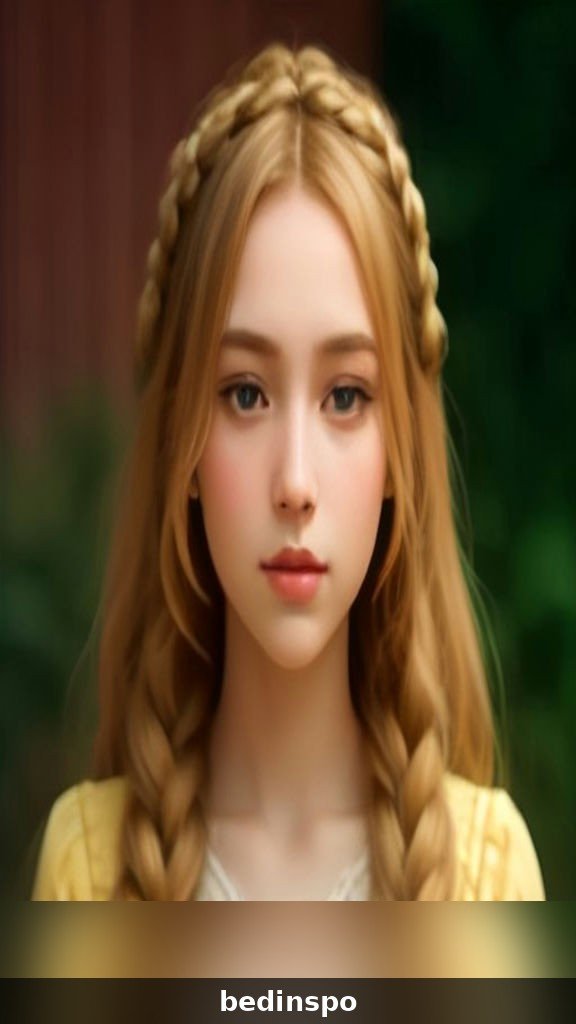
Styling Ideas for Golden Toffee Hair
Golden toffee was made to move, so styling that adds wave and texture shows it off best. Loose, soft waves are the classic choice: the bends catch the caramel and honey ribbons at every angle, making the dimension impossible to miss. Use a large-barrel curling iron or a flat iron to create loose, brushed-out waves, then run your fingers through them for a soft, lived-in finish. A texturizing spray adds grip and separation without stiffness, letting the different tones show through.
For a polished look, a smooth blowout with a slight bend at the ends is stunning on golden toffee — the glossy, sleek finish makes the golden tones look almost liquid. A high ponytail or a messy bun also shows off the dimension, because pulling the hair up reveals the darker underneath and the lighter pieces around the face. Braids are another beautiful option: a braided crown or a loose side braid weaves the caramel and honey tones together into a pattern that looks intricate and expensive. And for a special occasion, soft Hollywood waves with a deep side part give golden toffee a red-carpet glow that photographs beautifully.
Accessories pair naturally with this shade. Gold hair clips, tortoiseshell barrettes, and velvet bows all echo the warm, golden tones in the hair. A silk scarf in a warm autumn print looks gorgeous tied around a low ponytail. And do not underestimate the power of a good shine serum: a pea-sized amount pressed through the mid-lengths and ends after styling makes the golden tones gleam, turning a good style into a great one.

Golden Toffee vs Mocha Balayage vs Caramel Brown
Golden toffee, mocha balayage, and caramel brown are three of the most-searched warm hair colors, and they can look similar in photos — but they are distinct shades, and knowing the difference helps you ask for the right one. Golden toffee is the warmest and brightest of the three: golden, honeyed, sun-kissed, with a luminous glow. Mocha balayage is cooler and deeper, built on chocolate-brown tones with soft, muted ribbons rather than bright gold — it reads as rich and sophisticated, with less visible warmth. Caramel brown sits in between: warmer than mocha, but deeper and less golden than toffee, with caramel tones that are smooth and even rather than honey-bright.
The choice comes down to the feeling you want. Choose golden toffee if you want warmth, brightness, and glow — the sun-kissed, golden look that lights up your face. Choose mocha balayage if you want depth, richness, and a cooler, more understated elegance. Choose caramel brown if you want a warm brunette that is rich but not too bright, a safe middle ground that flatters almost everyone. Your skin tone can guide you too: warm skin glows in golden toffee, cool skin often prefers mocha, and neutral skin can wear any of the three beautifully.
It is also worth knowing that these shades can be blended. A colorist can build a mocha base with golden toffee ribbons, or a caramel brown with honey face-framing, giving you a custom color that borrows the best of each. If you are torn between two, bring photos of both and ask your colorist which elements of each you can combine. The best hair color is rarely a single named shade — it is a custom blend built for you.

Mistakes to Avoid with Golden Toffee Hair
The biggest mistake with golden toffee is going too brassy. Warm color that tips over into orange looks cheap and harsh, and it usually happens when hair is lifted too fast or toned incorrectly. Avoid this by choosing a skilled colorist, lifting gradually if your hair is dark, and always finishing with a golden gloss that refines the tone rather than leaving raw, lifted color exposed. If your color does go brassy, do not panic — a toner or a gloss can correct it in a single appointment, and a blue or purple shampoo used carefully can help in the meantime.
The second mistake is choosing a shade that is too dark or too light for your coloring. Golden toffee that is too dark on fair skin can look heavy and wash you out, while golden toffee that is too light on deep skin can look washed out in the opposite direction. The fix is balance: fair skin usually suits a brighter, honey-forward golden toffee, while deeper skin tones glow with a richer, toffee-forward blend. Bring photos, trust your colorist’s eye, and remember that you can always adjust the balance at your next appointment.
Other mistakes to avoid: skipping the strand test before at-home color, washing with hot water and harsh shampoo that strips warm tones, overusing purple shampoo until the golden warmth turns ashy and grey, and neglecting trims — split ends scatter light and make even the glossiest color look dull. Finally, do not expect a single-process box dye to deliver dimensional golden toffee. Dimension requires multiple tones placed strategically, and that is a salon skill. Invest in the professional color, maintain it with gloss, and your golden toffee will look expensive for months.

Frequently Asked Questions
Is golden toffee hair color warm or cool?
Golden toffee is a warm shade through and through. It is built on golden, honey, and caramel tones with warm undertones, which is what gives it that glowing, sun-kissed quality. If you love cool or ashy hair, golden toffee is not the shade for you — but if you want warmth, glow, and a color that flatters your complexion, it is one of the warmest, most flattering options available.
Does golden toffee hair color suit dark skin?
Yes, beautifully. Golden toffee is stunning on deep skin tones, especially in a toffee-forward blend with caramel ribbons and honey brightness around the face. The warm golden tones echo the warmth in deep skin and create a radiant, glowing effect. On dark skin, the contrast between the deep base and the golden ribbons is especially striking, and the color looks rich and dimensional rather than flat.
How long does golden toffee hair color last?
As a balayage, golden toffee lasts three to four months between full color appointments, with a gloss every six to eight weeks to keep the tones fresh. The grow-out is soft because the roots stay close to your natural color. As an all-over color, it needs root touch-ups every four to six weeks. With sulfate-free shampoo, lukewarm water, and heat protectant, the warm tones stay rich much longer.
Can I get golden toffee hair color at home?
You can add golden toffee warmth at home if your hair is already light brown or dark blonde, using a warm caramel gloss or a golden demi-permanent color. A full balayage or airtouch transformation is best left to a salon, because the placement and toning require professional skill. At-home gloss treatments are the safest and most effective way to maintain salon golden toffee between appointments.
Will golden toffee hair turn brassy?
Any warm blonde or light brown can go brassy if it is lifted too fast or maintained poorly, but golden toffee is actually one of the most brass-resistant warm shades, because its golden tones are intentional — a little warmth is part of the look. A golden gloss every six to eight weeks keeps the tone refined, and a purple shampoo used once every couple of weeks controls any brassiness without cooling the gold away.
What is the difference between golden toffee and caramel hair color?
Caramel is a single tone — a warm, golden-brown — while golden toffee is a blend of three tones: toffee, caramel, and honey gold. Golden toffee has more depth at the roots, more brightness around the face, and more overall dimension than plain caramel. Think of caramel as one ingredient and golden toffee as the full recipe.

Conclusion: Your Golden Toffee Era Starts Now
Golden toffee hair color is more than a trend — it is the warm, glowing, dimensional shade that fall 2026 has been waiting for. It blends toffee depth, caramel warmth, and honey brightness into a color that flatters almost everyone, grows out gracefully, and shines in every light. Whether you wear it as a soft balayage, a seamless airtouch, delicate babylights, or just a few face-framing pieces, it brings instant warmth to your face and instant glow to your hair. It is low-maintenance, endlessly versatile, and it pairs with everything from cozy knits to holiday sparkle.
So save your favorite photos, book a consultation with a colorist you trust, and ask for golden toffee by name — toffee at the roots, caramel through the lengths, honey around the face, finished with a golden gloss. Then style it with soft waves, a little shine serum, and the confidence that comes with hair that looks this good. Your golden toffee era is waiting, and it is going to look gorgeous on you.


Related Reads
If you loved this golden toffee guide, keep exploring these Bedinspo hair favorites:
- 25 Gorgeous Mocha Balayage Hair Ideas for 2026 — rich, dimensional brunette color with soft, muted ribbons.
- 25 Glossy Glazed Brunette Hair Ideas for 2026 — glossy brunette shades that shine just as beautifully as golden toffee.
- 25 Dreamy Vanilla Latte Blonde Hair Ideas for 2026 — soft, creamy blonde tones that pair perfectly with warm golden color.
- 25 Blonde Hair Color Ideas You’ll Love in 2026 — the full blonde guide, from honey to platinum.