25 Gorgeous Mocha Balayage Hair Ideas You’ll Love in 2026
25 Gorgeous Mocha Balayage Hair Ideas You’ll Love in 2026
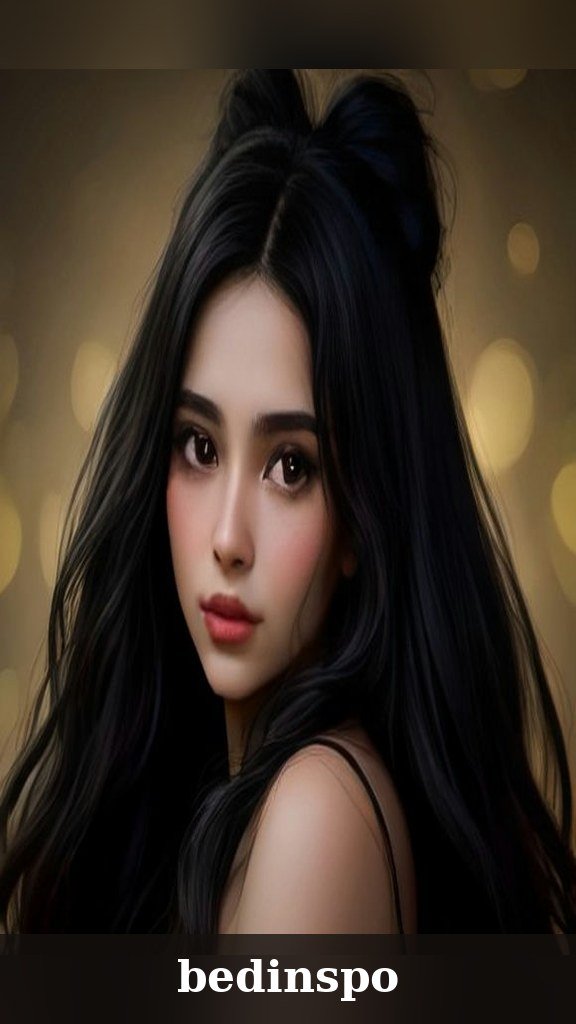
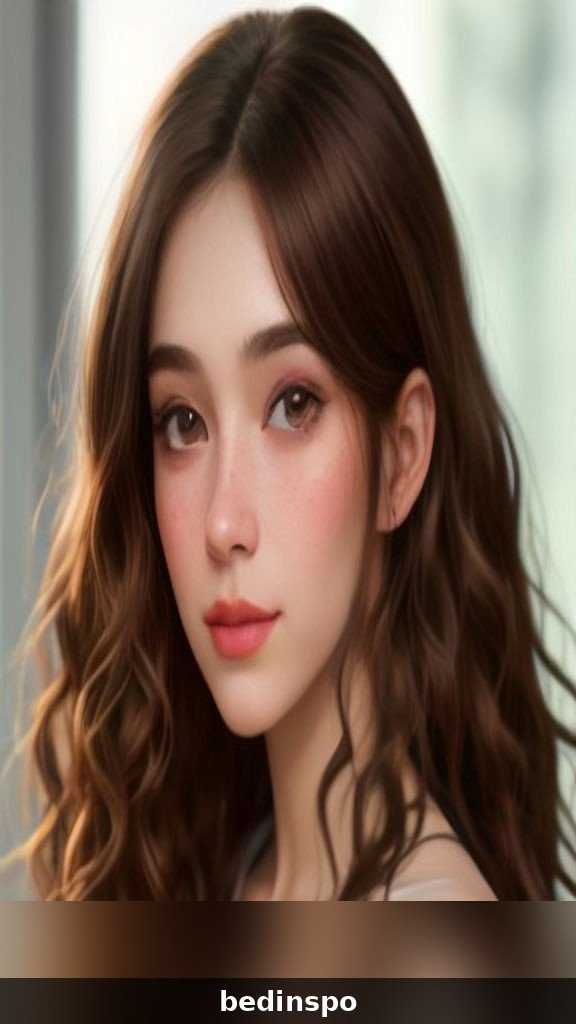
If you’ve been scrolling Pinterest lately, you’ve probably noticed that mocha balayage hair is absolutely everywhere right now — and for good reason. This rich, coffee-inspired color blend delivers the kind of expensive-looking dimension that turns heads without demanding constant salon visits. Think deep chocolate roots melting into warm caramel-mocha ribbons, all hand-painted to catch the light every time you move. Whether you’re a long-time brunette looking to add warmth and life to your color, or you’re finally ready to leave flat, one-dimensional brown behind, mocha balayage hair might just be the perfect change for 2026.
What makes mocha balayage hair so universally flattering is its incredible versatility. The shade sits in that sweet spot between warm and neutral, which means it works beautifully across fair, medium, olive, and deep skin tones with just a few tweaks to the formula. It’s low-maintenance by design, grows out softly without harsh lines, and looks just as stunning on pin-straight strands as it does on bouncy curls. In this guide, we’re breaking down everything you need to know: what mocha balayage actually is, which skin tones it flatters most, 25 gorgeous style ideas to show your colorist, plus the maintenance routine and salon tips that will keep your color looking fresh for months.
What Is Mocha Balayage Hair?
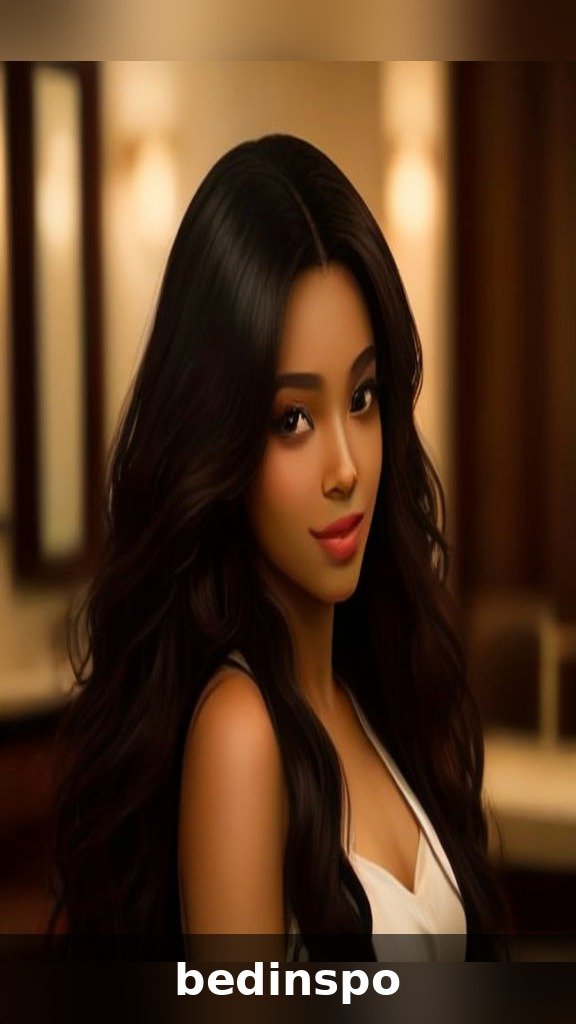
Mocha balayage hair is a hand-painted highlighting technique that blends deep espresso or chocolate-brown roots into warm, coffee-with-cream mid-lengths and ends. The word “balayage” comes from the French term meaning “to sweep,” which describes exactly how colorists apply the lightener — swept onto the surface of the hair in soft, feathered strokes rather than saturated through foils. The “mocha” part refers to the specific color palette: rich browns with warm undertones, like a freshly poured mocha latte. Together, they create a dimensional, sun-kissed effect that looks completely natural, as if your hair just happened to lighten beautifully over a summer spent outdoors.
Unlike traditional highlights that start at the root and create obvious regrowth lines, mocha balayage hair is painted to begin a few inches down from the scalp, blending seamlessly from your natural base. This soft grow-out is one of the biggest reasons the technique has stayed popular for years — you can go three to four months between appointments without anyone noticing your roots. The mocha tones themselves are achieved by toning the lightened pieces with warm brown glosses, which adds that signature coffee-chocolate richness and an incredible shine. Colorists often customize the formula by adding hints of caramel, toffee, or even a whisper of copper depending on your skin tone and personal style.
The result is hair that looks thicker, more textured, and endlessly touchable. Because the light and dark pieces are woven throughout, mocha balayage hair creates the illusion of depth and movement even in fine hair. It’s also one of the most forgiving color services out there: if your appointment runs long or your budget only allows a partial application, a skilled colorist can focus the brightness around your face and through the ends for maximum impact with less time in the chair.

Why Mocha Balayage Hair Is Trending in 2026
Every few years, hair color swings between extremes — icy platinum one season, jet black the next — but 2026 is firmly the year of wearable, lived-in luxury. Mocha balayage hair sits at the center of this movement because it delivers that coveted “expensive brunette” look that celebrities and influencers can’t stop wearing. The trend is partly a reaction to years of high-maintenance blonding; people are craving color that looks rich and intentional but doesn’t chain them to the salon every six weeks. Mocha balayage answers that perfectly, offering multi-dimensional warmth with a grow-out so graceful it almost looks deliberate.
Social media has supercharged the trend, too. Pinterest searches for mocha balayage hair have climbed steadily as users save pin after pin of glossy, chocolate-toned transformations. The shade photographs beautifully — those warm brown ribbons catch golden-hour light in a way that makes every selfie look professionally lit. It’s also incredibly versatile for the content-creator era: the color reads rich on camera, complements every filter, and looks polished even in a messy bun or a quick claw-clip updo.
Beyond aesthetics, the 2026 version of mocha balayage hair leans healthier than past iterations. Salons are pairing the service with bond-building treatments and glossing services that leave hair shinier than before it was colored. Many colorists are also working with lower-volume developers and lived-in placement to preserve the integrity of the hair, which means the trend is as much about hair health as it is about color. If you’ve been waiting for a sign to refresh your brunette, this is it.
Mocha Balayage Hair vs. Traditional Balayage: What’s the Difference?
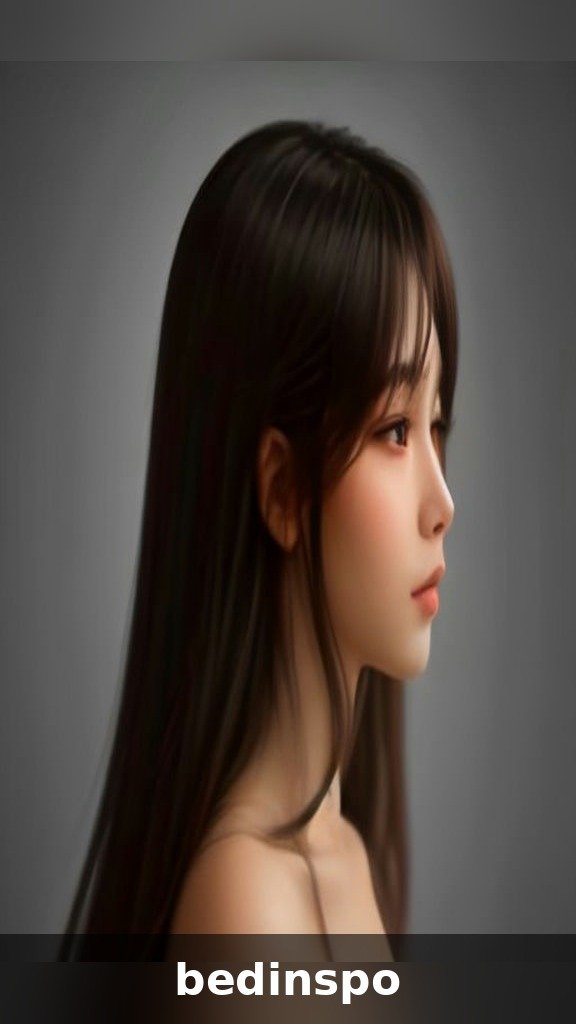
It helps to think of “balayage” as the technique and “mocha” as the recipe. Traditional balayage can be done in any color — blonde, caramel, copper, even fashion shades — while mocha balayage hair specifically uses a palette of warm coffee and chocolate browns. The placement philosophy is similar: hand-painted, soft at the root, brighter through the mid-lengths and ends. But the toning is where mocha balayage really distinguishes itself, leaning into rich, warm brunette tones instead of the ashy or golden blondes you might associate with classic balayage.
Traditional blonde balayage often requires lifting the hair several levels, which can mean more time, more bleach, and more maintenance to keep brassiness at bay. Mocha balayage hair, by contrast, typically only lifts one to three levels from a dark brown base, so it’s gentler on the hair and the grow-out is even softer. That makes it an ideal entry point if you’ve never colored your hair before, or if you’re growing out old highlights and want a more forgiving transition. The warm tones also tend to fade more gracefully than cool blondes, which can turn dull or ashy between appointments.
Another key difference is how the color interacts with your natural base. Traditional balayage on dark hair sometimes creates a stark contrast between the dark root and light ends. Mocha balayage hair is designed to melt those zones together with intermediate “bridge” tones — think of it as a gradient rather than a two-tone. Your colorist will likely use a root melt or color melt technique alongside the balayage to blur every line, leaving you with color that looks like it grew that way.
The Best Skin Tones for Mocha Balayage Hair
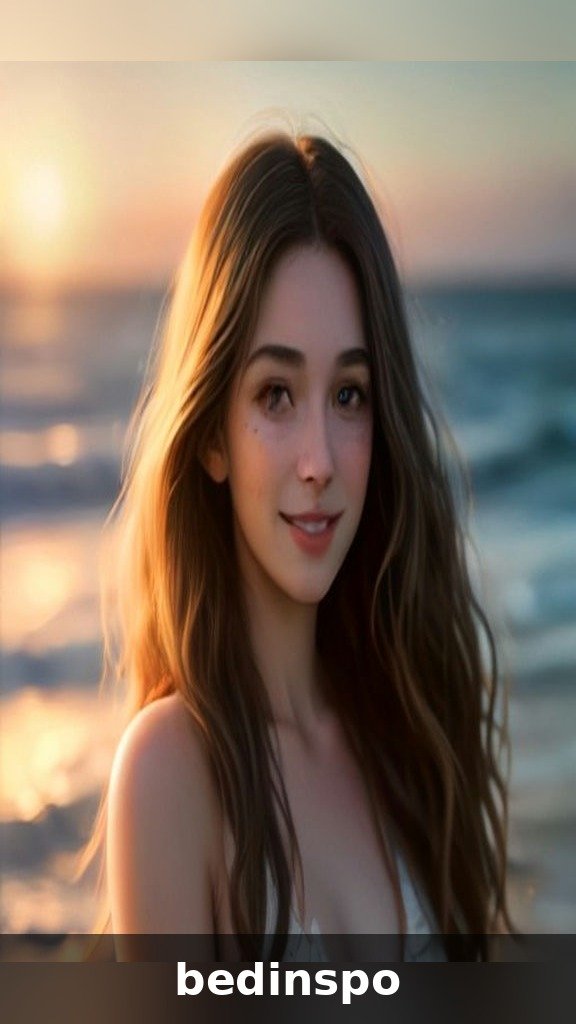
Here’s the great news: mocha balayage hair is one of the most universally flattering color options out there. Because mocha sits between warm and neutral on the spectrum, it can be adjusted to complement just about every skin tone. For fair skin with warm undertones, a golden mocha with caramel ribbons brings out a healthy glow and keeps the complexion from looking washed out. Fair skin with cool undertones does beautifully with a slightly deeper, more neutral mocha — the chocolate depth adds contrast that makes eyes pop without overwhelming delicate features.
Medium and olive skin tones are practically made for mocha balayage hair. The warm coffee tones echo the natural warmth in the skin, creating a harmonious, sun-kissed effect that looks effortless. If your skin tans easily, ask your colorist to weave in some toffee or honeyed mocha pieces around the face — they’ll mimic the way your hair naturally lightens in summer. For olive undertones that can sometimes pull greenish against the wrong color, a rich, warm mocha is a safe bet because it adds golden warmth that balances everything out.
Deep skin tones glow with mocha balayage hair, especially when the contrast is kept rich rather than stark. Espresso roots melting into milk-chocolate and warm caramel ribbons create stunning dimension against deep complexions. The key is keeping the lightest pieces within a few shades of the natural base so the blend looks luminous rather than striped. A skilled colorist will also consider your eye color — warm brown and hazel eyes sing against mocha tones, while the richness of the color makes green eyes look even more striking.

1. Long Layered Mocha Balayage Waves
If there’s one style that defines mocha balayage hair, it’s long layers with soft, tousled waves. This is the Pinterest-perfect look — miles of glossy, chocolate-toned hair with lighter mocha ribbons woven through every layer. The layering is essential here: it breaks up the density of long hair so the balayage has room to show, and it gives those waves their bouncy, piece-y texture. Ask your stylist for long, face-framing layers starting at the collarbone, with the lightest mocha pieces concentrated through the mid-lengths and ends where the waves catch the most light.
Styling this look at home is easier than it looks. After rough-drying with a heat protectant, wrap one-inch sections around a curling wand, alternating the direction of each curl for that undone, beachy finish. Once cool, rake through with your fingers and finish with a light texturizing spray — never a brush, which would collapse the wave pattern. The beauty of mocha balayage hair in this style is that even second-day hair looks intentional, because the dimensional color does half the styling work for you.
To keep the waves looking expensive between washes, sleep with your hair in a loose topknot or a silk bonnet to preserve the pattern, and refresh the ends with a drop of hair oil in the morning. A gloss treatment every six to eight weeks will keep the mocha tones vibrant and the shine at maximum. This style works on virtually every hair texture — on naturally wavy hair it’s wash-and-go, on straight hair it’s a fifteen-minute curl session, and on curly hair the layers help the balayage peek through the curl pattern beautifully.

2. The Mocha Balayage Lob
The lob — that chic, collarbone-grazing cut — might be the perfect canvas for mocha balayage hair. On shorter lengths, every hand-painted ribbon is visible, which means the dimension reads even stronger than on long hair. A mocha balayage lob feels modern, polished, and endlessly versatile: wear it sleek and straight for the office, tousled for the weekend, or tucked behind one ear to show off the face-framing brightness. The cut itself does a lot of heavy lifting, so the color can be slightly more subtle and still make a statement.
Ask your colorist for a lived-in placement with extra brightness around the face — on a lob, those front pieces frame everything, so they’re worth the investment. The back can stay a touch deeper, which creates a beautiful gradient effect when the hair moves. Because there’s less hair to paint, a mocha balayage lob is also one of the more affordable ways to try the trend, and the grow-out is practically invisible. Many stylists recommend a blunt or slightly textured lob to maximize the way the mocha tones reflect light.
Maintenance is a breeze: the shape holds for ten to twelve weeks, and the color can go three to four months before it needs refreshing. For daily styling, a flat iron wave — bending the iron at the mid-lengths and flicking the ends — gives that coveted lived-in texture in under ten minutes. Finish with a shine spray to make the mocha dimension pop. If you’re growing out a bob or transitioning from a longer cut, the mocha balayage lob is the ideal in-between that never looks awkward.
3. Curly Mocha Balayage Hair
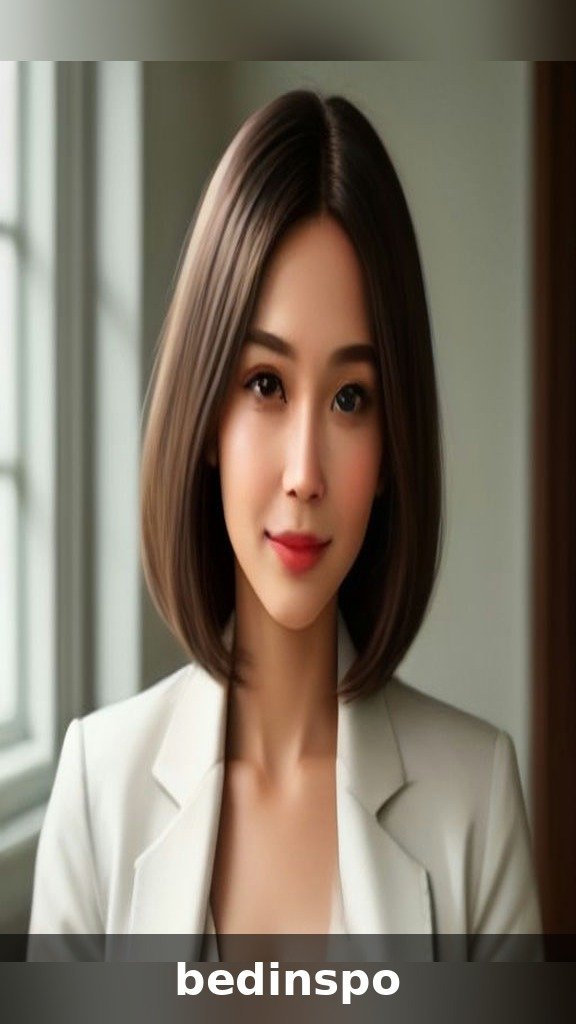
Curly hair and mocha balayage are a match made in heaven. Curls naturally create dimension through their twists and turns, and hand-painted mocha ribbons amplify that effect a hundredfold — every curl catches the light differently, revealing new shades of coffee, caramel, and chocolate with every movement. The key to great curly mocha balayage hair is placement: your colorist should paint with your curl pattern in mind, placing lighter pieces on the outer curves of curls where the sun would naturally hit, and keeping the interior deeper for contrast.
Technique matters enormously for curly hair. Look for a colorist experienced with curly balayage who paints on dry, styled hair so they can see exactly where each curl falls — painting wet curls is guesswork, since shrinkage changes everything. Foil-free, open-air balayage is gentler and gives that soft, diffused brightness curls need. The mocha palette is ideal for curls because warm tones enhance the natural richness of textured hair, while ashy colors can make curls look dull and dry even when they’re healthy.
Aftercare for curly mocha balayage hair focuses on moisture above all. Lightened curls are thirstier than virgin curls, so a weekly deep-conditioning mask is non-negotiable, and a leave-in conditioner with heat protection should be part of every wash day. Diffuse on low heat to protect the color, and refresh second-day curls with a water-based curl cream rather than re-wetting completely. With the right routine, curly mocha balayage hair stays vibrant for months — and the grow-out on curls is the most forgiving of any texture.
4. Mocha Balayage With Curtain Bangs
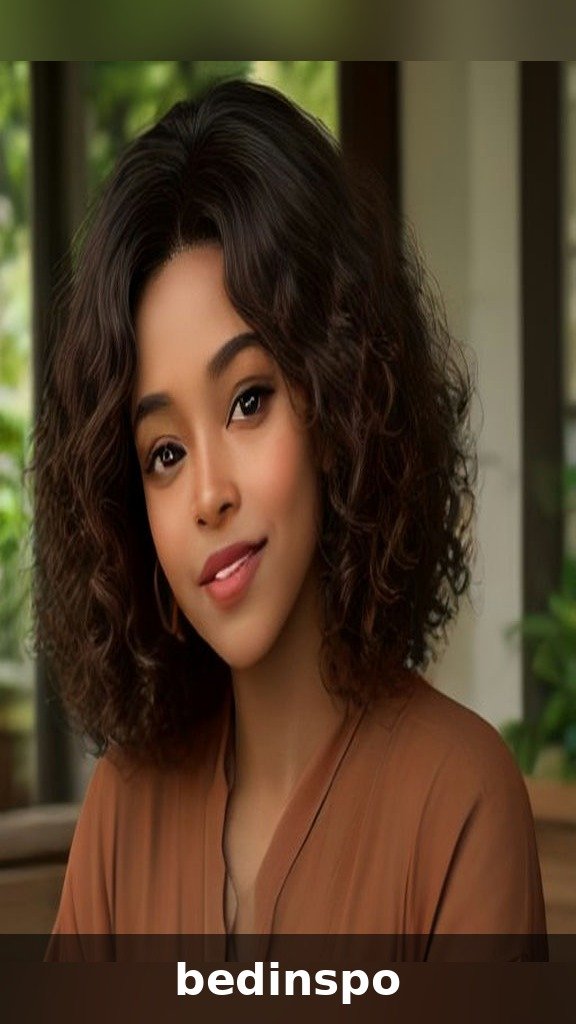
Curtain bangs might be the most requested fringe of the decade, and paired with mocha balayage hair they’re pure magic. The bangs themselves become a showcase for the colorist’s blending skills — soft mocha ribbons swept through the fringe draw attention to the eyes and cheekbones while the longer curtain pieces melt into the face-framing layers. It’s a combination that feels romantic and French-girl effortless, but it’s also surprisingly practical: curtain bangs grow out gracefully and can be pinned back on days you don’t feel like styling them.
The trick to this pairing is keeping the bangs themselves slightly deeper than the brightest face-framing pieces. Too much lightness right at the forehead can look harsh, while a soft, shadowed root through the bangs keeps everything blended. Your colorist will likely paint the curtain bangs last, using a feather-light hand so the color diffuses rather than stripes. The result is bangs that look naturally sun-kissed, as if you spent a week at the beach rather than three hours in a salon chair.
Styling curtain bangs takes about ninety seconds: a round brush and a blow dryer, rolling the bangs away from the face to create that signature swoop. A spritz of dry shampoo at the roots keeps them fresh between washes, since bangs tend to get oily faster than the rest of your hair. If you’re nervous about committing to bangs, ask for longer curtain pieces that start at the cheekbones — they’re the most forgiving length and they show off mocha balayage hair’s face-framing dimension perfectly.
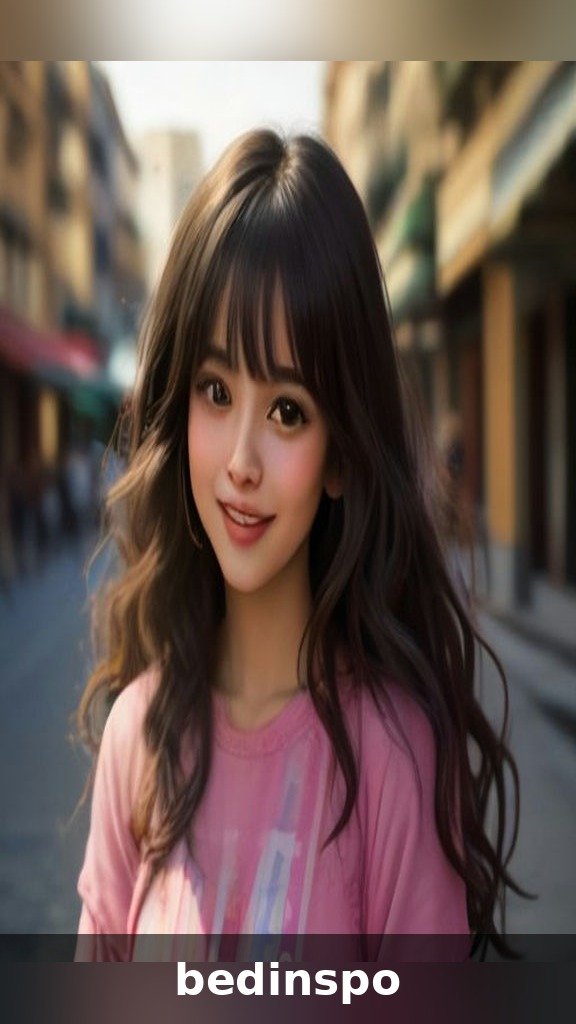
5. Dark Mocha Root Melt Balayage
For brunettes who want maximum grow-out and minimum maintenance, the dark mocha root melt is the ultimate version of mocha balayage hair. In this technique, your colorist applies a deep espresso or dark chocolate gloss at the roots and literally melts it into the lighter mocha mid-lengths, erasing any hint of a line. The effect is seamless — your hair looks like it was born with this gradient. It’s especially brilliant for anyone growing out old color, because the root melt camouflages regrowth while the balayage adds fresh dimension through the ends.
What sets the root melt apart from standard balayage is how intentional the depth at the crown is. Rather than simply leaving your natural root alone, the colorist enhances it with a rich, cool-to-neutral dark brown gloss that makes the mocha pieces look even brighter by contrast. This contrast is what gives the style its expensive, editorial feel. The melt itself is usually processed for just ten to fifteen minutes — long enough to deposit tone and blur lines, short enough to keep the root looking natural rather than dyed.
This is the lowest-maintenance way to wear mocha balayage hair, full stop. Most people can stretch appointments to four or even five months, coming in only for a gloss refresh in between. It’s also the kindest option for fine or fragile hair, since the root area — the healthiest part of your hair — stays untouched by lightener. If your goal is hair that looks incredible with the least possible upkeep, show your stylist photos of dark mocha root melts and prepare to become a convert.
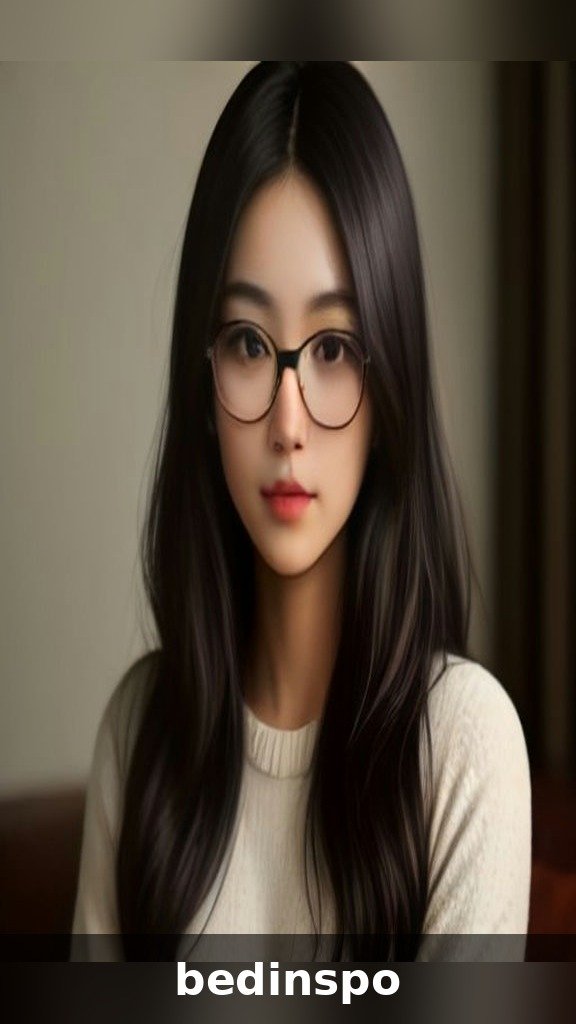
6. The Mocha Balayage Bob
Short hair doesn’t mean sacrificing dimension — the mocha balayage bob proves that rich color can be just as impactful on a chin-length cut. On a bob, mocha balayage hair reads as sophisticated and intentional, with hand-painted ribbons adding movement to a cut that can otherwise fall flat. The most flattering version keeps the nape slightly deeper and brings the brightness up around the face and through the ends, so the bob swings with light-catching dimension. A textured, slightly undone bob shows off the color best, but even a sleek, polished bob glows with mocha tones.
Placement on a bob requires a skilled hand, because there’s less hair to blend and mistakes are harder to hide. Ask for a colorist who specializes in short-hair balayage — they’ll use finer weaves and a softer touch at the root to keep everything seamless. The grow-out on a mocha balayage bob is actually easier than on long hair, since regular trims (every six to eight weeks to maintain the shape) gradually remove the lightened ends while fresh regrowth blends in naturally.
Styling a mocha balayage bob is delightfully low-effort. Air-dry with a wave-enhancing cream for texture, or smooth it with a flat iron and tuck one side behind the ear for instant polish. Because the cut is precise, the color does the talking — and mocha tones make even the simplest bob look expensive. This is a fantastic option if you’re considering a big chop but worried short hair will feel boring; the balayage guarantees it won’t.
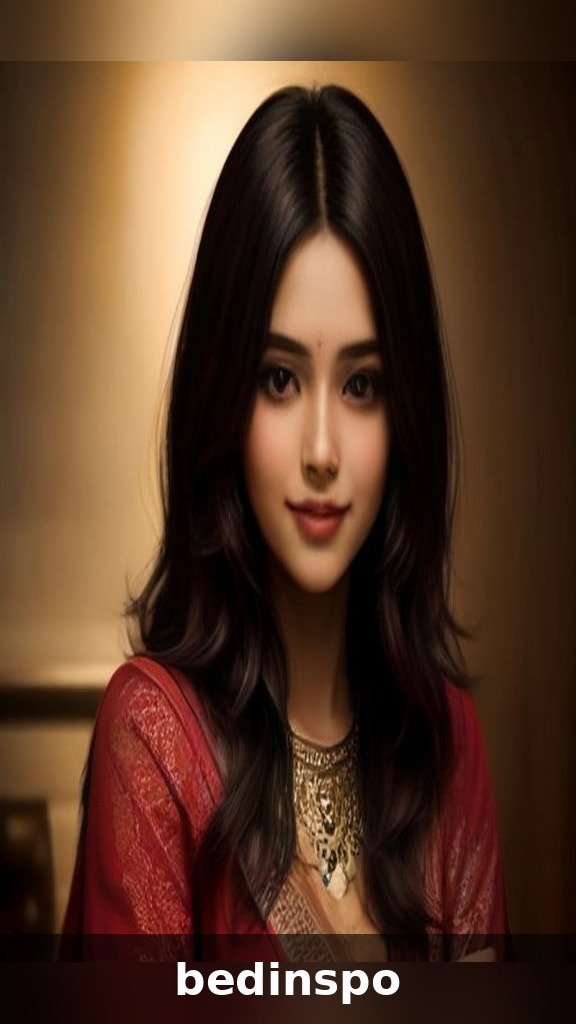
7. Face-Framing Mocha Balayage Highlights
Sometimes called the “money piece,” face-framing highlights are the brightest ribbons of mocha balayage hair, placed right around the face to brighten your complexion and draw light to your features. Even if the rest of your balayage is subtle, strong face-framing pieces make the whole color look intentional and fresh. The mocha version keeps these pieces warm and rich — think caramel-mocha ribbons that start near the temples and cascade past the cheekbones — rather than the stark blonde money pieces of years past.
The beauty of face-framing mocha balayage is how customizable it is. Want a bold statement? Ask for thicker, brighter ribbons that start higher at the part. Prefer something softer? A fine, diffused brightness that begins below the cheekbones gives glow without drama. Your colorist can also tailor the tone: golden mocha flatters warm complexions, while a more neutral milk-chocolate brightness suits cooler skin. Either way, these front pieces are what people notice first, so they’re worth prioritizing in your appointment.
Face-framing pieces are also the fastest part of the color to refresh — many salons offer a “mini balayage” or “face frame refresh” service that takes under an hour and costs a fraction of a full appointment. Between visits, protect these pieces from heat styling since they’re the most visible and the most prone to fading. A quick pass of heat protectant before curling the front sections keeps them glossy and vibrant. If you wear your hair up often, these highlights ensure your ponytail or bun never looks flat.
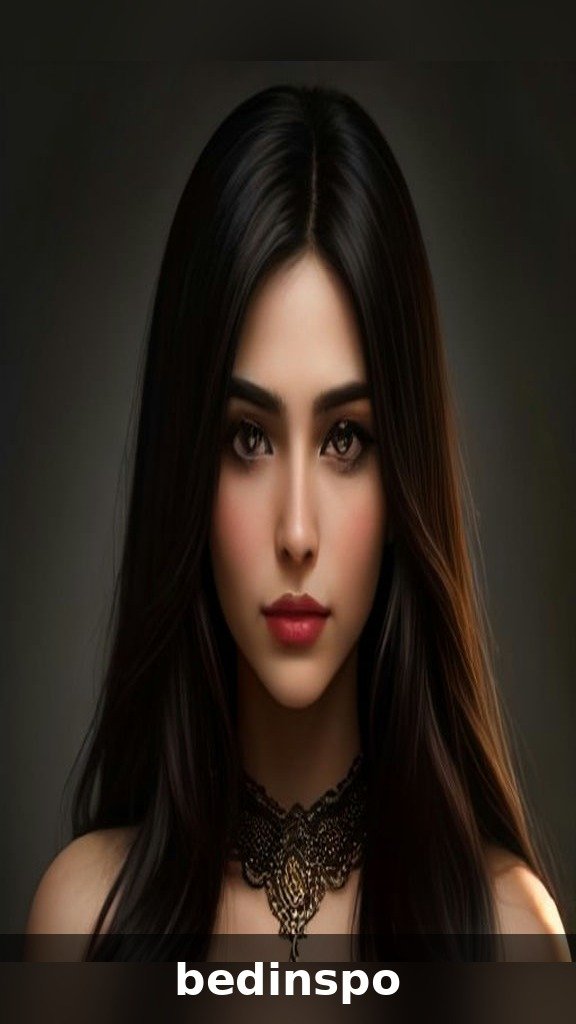
8. Warm Caramel Mocha Balayage
If you love warmth, the caramel-leaning version of mocha balayage hair is your shade. This variation pushes the mocha palette toward golden caramel and toffee tones, creating a sun-drenched effect that’s pure glow. It’s the version of mocha balayage you see all over Pinterest in fall — rich, cozy, and luminous, like golden hour captured in hair. The warmth is incredibly flattering on medium and olive skin tones, and it gives fine hair the appearance of extra thickness because warm tones reflect more light.
Achieving this look usually means lifting slightly lighter than a classic mocha balayage and toning with a golden caramel gloss. Your colorist might combine balayage with a few strategically placed foils through the interior for extra brightness — the hybrid approach gives you the softness of balayage with the pop of traditional highlights. The key is keeping the root deep and rich so the caramel pieces have contrast to shine against; without that depth, warm balayage can look flat.
Warm tones do fade faster than neutral ones, so this variation needs a little more upkeep — expect a gloss refresh every six to eight weeks to keep the caramel from turning brassy or dull. At home, a color-depositing conditioner in a warm brown shade once a week works wonders for maintaining that golden glow. Pair this color with loose waves or a bouncy blowout to maximize the way the caramel ribbons catch the light, and prepare for compliments.

9. Cool-Toned Mocha Balayage
Not everyone wants warmth — and cool-toned mocha balayage hair proves that chocolate browns can be just as stunning with an ashier, more neutral finish. This variation tones the lightened pieces with cool brown and mushroom-mocha glosses, creating a sophisticated, smoky dimension that flatters cool and neutral skin tones beautifully. It’s the modern answer to the ashy balayage trend, but softer and more wearable: instead of flat gray-brown, you get rich mocha with the golden edges muted.
Cool-toned mocha is particularly gorgeous on fair skin with pink undertones, where warm colors can sometimes clash. The neutral chocolate ribbons add depth without competing with the complexion, and the overall effect is polished and expensive. It’s also a smart choice if your hair tends to pull warm or brassy — starting with a cooler formula means the inevitable fade lands in a pretty neutral brown rather than orange.
To keep cool tones from going dull, use a sulfate-free shampoo and consider a blue or green-tinted toning conditioner every couple of weeks to neutralize warmth as it creeps in. Cool mocha balayage hair looks incredible worn straight — the sleek finish shows off the smoky dimension — but it also photographs beautifully in soft waves. If you’ve always thought balayage was “too warm” for you, this cooler take on mocha might change your mind completely.
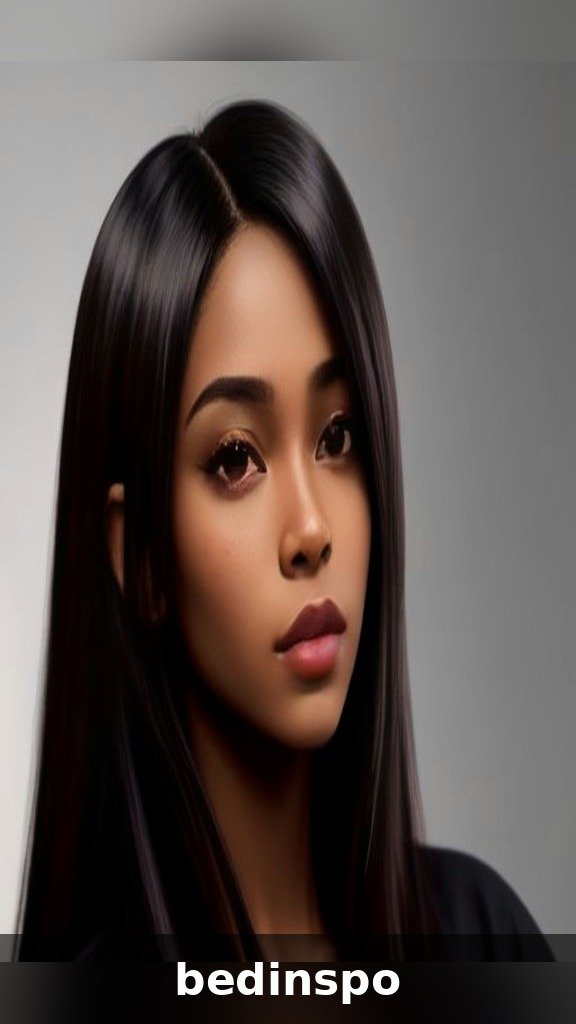
10. Mocha Balayage on Dark Brown and Black Hair
One of the biggest myths about balayage is that you need light hair to pull it off — mocha balayage hair on dark brown and black hair is actually one of the most striking combinations. Because the contrast between the deep base and the mocha ribbons is naturally dramatic, the dimension reads beautifully even with minimal lifting. Your colorist only needs to lift one to two levels to create gorgeous milk-chocolate and warm caramel ribbons against an espresso base, which means less damage and a faster appointment.
The secret to this pairing is restraint. On very dark hair, the most elegant mocha balayage keeps the lightest pieces within the brown family — no blonde — so the blend stays rich and cohesive. Think of it as adding candlelight to dark hair rather than painting stripes. Concentrating the brightness through the mid-lengths and ends, with just a whisper of face-framing lightness, gives that coveted lit-from-within effect that looks incredible in person and on camera.
This is also the most forgiving version of mocha balayage hair for first-time color clients, since the grow-out is nearly invisible against a dark natural base. Many people with dark hair find they can go five to six months between full appointments with just a gloss in between. If you’ve been hesitant to color your dark hair because you fear damage or obvious roots, mocha balayage is the gentle, gorgeous entry point you’ve been waiting for.
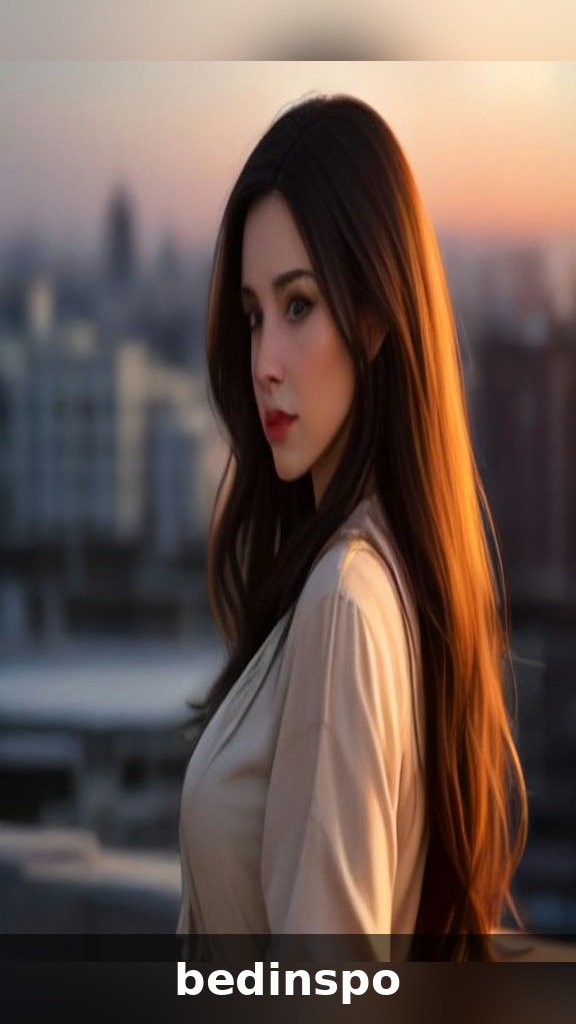
11. How to Maintain Mocha Balayage Hair at Home
Great color doesn’t end when you leave the salon — how you care for mocha balayage hair at home determines whether it still looks fresh at week twelve or faded by week six. The golden rule is gentleness: sulfate-free shampoo, lukewarm water, and washing just two to three times per week. Sulfates strip the toner that gives mocha balayage its rich coffee-chocolate depth, and hot water opens the cuticle and lets color escape faster. When you do wash, focus shampoo on the scalp and let the suds rinse through the ends rather than scrubbing the lengths. Between washes, a little dry shampoo at the roots keeps things fresh without stripping color, and sleeping on a silk or satin pillowcase reduces friction that roughs up the cuticle overnight. These small habits compound over weeks, and they’re the difference between color that fades gracefully and color that needs rescuing. Treat your balayage like the investment it is, and it will pay you back with months of shine.
Build a Color-Safe Routine
Invest in a shampoo and conditioner formulated for color-treated hair, and add a weekly deep-conditioning mask to replace the moisture that lightening removes. Once a week, swap your regular conditioner for a color-depositing mask in a warm chocolate or mocha shade — it refreshes the toner and adds shine in a single step. Always use a heat protectant before blow-drying or styling with hot tools, since heat is one of the fastest ways to fade warm brown tones. And if you swim regularly, wet your hair with clean water and apply a leave-in conditioner before getting in the pool; saturated hair absorbs far less chlorine. For extra insurance, ask your stylist which drugstore color-depositing conditioner matches your toner formula — using the right shade weekly can easily double the time between gloss appointments. Pay special attention to your ends, which are the most porous and lose color fastest; a pea-sized amount of hair oil on damp ends after every wash seals the cuticle and locks in both moisture and tone.
Protect Your Color From the Sun
UV rays fade mocha balayage hair just like they fade everything else, turning rich chocolate tones brassy and dull. If you spend lots of time outdoors, use a UV-protectant hair spray or wear a hat during peak sun hours. This matters doubly in summer, when the combination of sun, salt water, and chlorine can strip toner in a matter of weeks. A little prevention keeps your mocha ribbons glossy and true-to-tone all season long. Think of sun protection as sunscreen for your hair — a lightweight UV mist takes ten seconds to apply and prevents the kind of fading that no conditioner can reverse. Beach days deserve extra caution: braid your hair or wear it in a bun to minimize exposed surface area, and rinse with fresh water as soon as you’re out of the ocean. Your colorist will thank you, and your mocha tones will stay rich instead of turning brassy by August.
12. How Often Should You Touch Up Mocha Balayage Hair?
One of the biggest selling points of mocha balayage hair is how infrequently it needs attention. Most people can go twelve to sixteen weeks between full balayage appointments — nearly twice as long as traditional foil highlights. That’s because the hand-painted placement starts away from the root and blends so softly that regrowth just looks like more dimension. Your natural root growing in actually enhances the lived-in effect rather than ruining it.
Between full appointments, plan on a gloss or toner refresh every six to eight weeks. This quick salon visit (usually under an hour) revives the mocha tones, seals the cuticle for extra shine, and neutralizes any brassiness that’s crept in — it’s the secret to color that always looks freshly done. Many salons offer express gloss services at a fraction of the cost of a full balayage, and some clients alternate: full balayage in spring, gloss refreshes through summer and fall, full balayage again before the holidays.
Your hair’s condition also plays a role in timing. If your ends start feeling dry or the color looks dull despite at-home care, it’s time for a refresh even if the grow-out still looks fine. Regular trims every eight to ten weeks keep the ends healthy, which makes the color look better — split, frayed ends scatter light and make even the prettiest mocha balayage look lackluster. Healthy hair holds color longer, so don’t skip those dustings.
13. Salon Tips: What to Ask Your Colorist
Walking into your appointment prepared makes all the difference between mocha balayage hair you love and color that’s just okay. Start by bringing reference photos — three to five images that show the exact depth, warmth, and placement you want. Photos eliminate the guesswork of color vocabulary; what you call “caramel” might be what your stylist calls “honey.” Save pins of mocha balayage hair in different lighting too, since indoor and outdoor photos can look dramatically different.
Have an honest conversation about your natural base, your hair history, and your maintenance budget. Tell your colorist about any previous color, keratin treatments, or box dye — even from years ago — because old color affects how hair lifts. Discuss how often you’re willing to come in and what you’re comfortable spending; a good colorist will design the placement around your real life, not an idealized routine. Ask whether they recommend a root melt or shadow root for your grow-out goals, and whether a bond-building treatment should be added to protect your hair during lightening.
Finally, ask about the toner formula and take a photo of it (or ask them to save it in your client notes) so future refreshes match perfectly. Ask what at-home products they recommend for your specific shade — warm mochas and cool mochas need different maintenance. And don’t be shy about speaking up during the appointment if the placement feels too high, too chunky, or too light; it’s infinitely easier to adjust wet color than to fix it two weeks later.
14. DIY vs. Salon: Should You Try Mocha Balayage at Home?
The honest answer: mocha balayage hair is one of the hardest color techniques to DIY well. Balayage is literally a freehand painting technique that professionals train for years to master — the angle of the brush, the saturation, the feathering at the root all affect the final blend. Box “balayage kits” exist, but they can’t replicate the customized placement and toning that make salon mocha balayage look seamless. Most at-home attempts end up with harsh lines, uneven lift, or brassy orange tones that cost more to fix than the salon visit would have.
That said, there are safe ways to experiment at home. If you’re naturally light brown and want a subtle mocha effect, a demi-permanent gloss in a warm chocolate shade can add richness and shine with zero damage and no commitment — it fades gracefully over six to eight weeks. Color-depositing conditioners are another low-risk way to play with mocha tones. And if you’re growing out old balayage, an at-home root shadow with demi-permanent color can beautifully blend the line while you save for a professional refresh.
For the real hand-painted dimension that defines mocha balayage hair, though, the salon is worth it. You’re paying for expertise, professional lightener and toner, bond builders that protect your hair, and placement designed for your specific cut, texture, and features. Think of it as an investment you make three or four times a year rather than a monthly expense — when you break down the cost per month of wear, salon mocha balayage is surprisingly economical.
15. How Much Does Mocha Balayage Hair Cost?
Pricing for mocha balayage hair varies widely by location, salon prestige, and hair length, but expect to pay between $150 and $400 for a full balayage in most US markets. Major cities and celebrity colorists can charge $400 to $600+, while smaller markets might start around $120. Partial balayage — focusing on the face-framing pieces and top layers — typically runs $100 to $250 and is a great option for maintenance appointments or first-timers who want to test the waters.
Remember to budget for the add-ons that make the service shine: a bond-building treatment ($25–$50), a root melt or shadow ($40–$75 if not included), and a gloss refresh between appointments ($50–$100). Many salons offer new-client consultations for free — take advantage of them to get an exact quote for your hair. When comparing prices, ask what’s included: a $200 balayage that includes toner, treatment, and a blowout is a better value than a $150 service with everything added à la carte.
To make your color last and protect your investment, the at-home products matter too. Budget around $40–$60 for a quality sulfate-free shampoo and conditioner duo, plus $15–$25 for a color-depositing mask. Spread over three to four months of wear, the monthly cost of gorgeous mocha balayage hair is comparable to a couple of takeout dinners — a small price for hair that makes you feel amazing every single day.

Final Thoughts
Mocha balayage hair earned its place as 2026’s most-loved brunette trend by being everything modern hair color should be: rich, dimensional, flattering on everyone, and genuinely low-maintenance. Whether you choose long layered waves, a chic lob, bouncy curls, or a sleek bob, the coffee-chocolate palette brings warmth and life to your hair in a way that flat, single-process color never could. The hand-painted technique means your color is one of one — designed for your base, your skin tone, and your lifestyle.
If you’re ready to take the plunge, start by saving your favorite ideas from this guide and booking a consultation with a colorist who specializes in balayage. Bring photos, be honest about your routine and budget, and trust the process — great mocha balayage hair is a collaboration between you and your stylist. With the right placement, the right toner, and the simple maintenance routine we’ve outlined, you’ll enjoy months of glossy, head-turning color. Don’t forget to pin your favorite looks for inspiration — and tag us when you get the chop. Your mocha era starts now.
SEO Title
25 Gorgeous Mocha Balayage Hair Ideas for 2026
Meta Description
Discover 25 mocha balayage hair ideas — rich coffee-chocolate dimension, skin-tone tips, maintenance guide and salon advice for 2026.
Pinterest Pin Title
25 Mocha Balayage Hair Ideas That Are Pure Coffee-Chocolate Perfection
Pinterest Pin Description
Obsessed with mocha balayage hair? These 25 rich coffee-chocolate balayage ideas work on every skin tone and hair type — plus maintenance tips, cost guide and salon advice to keep your color flawless. Save this for your next appointment! #mochabalayage #balayagehair #brunettehair #haircolorideas #hairtrends2026