DIY Christmas Crafts to Sell: 20 Ideas That Sell Fast
Every December, shoppers are hunting for something a store shelf cannot give them: a handmade Christmas gift with a story behind it. That is exactly why DIY Christmas crafts to sell are one of the best side hustles of the holiday season. A basket of ornaments, a table of hand-poured candles, or a stall full of rustic wooden signs can turn a few weekends of crafting into real holiday income — and buyers love knowing their purchase was made by a real person, not a factory.
This guide covers twenty Christmas craft ideas that buyers actually want, from quick ornaments you can batch in an evening to statement pieces that command higher prices. You will also find honest, practical guidance on pricing your work, where to sell it, how to package it so it looks like a boutique product, and how to photograph it so it sells online. No hype, no income promises — just the craft ideas and the business basics that help handmade sellers have a great season.
1. Handmade Ornaments That Sell Out Every Year
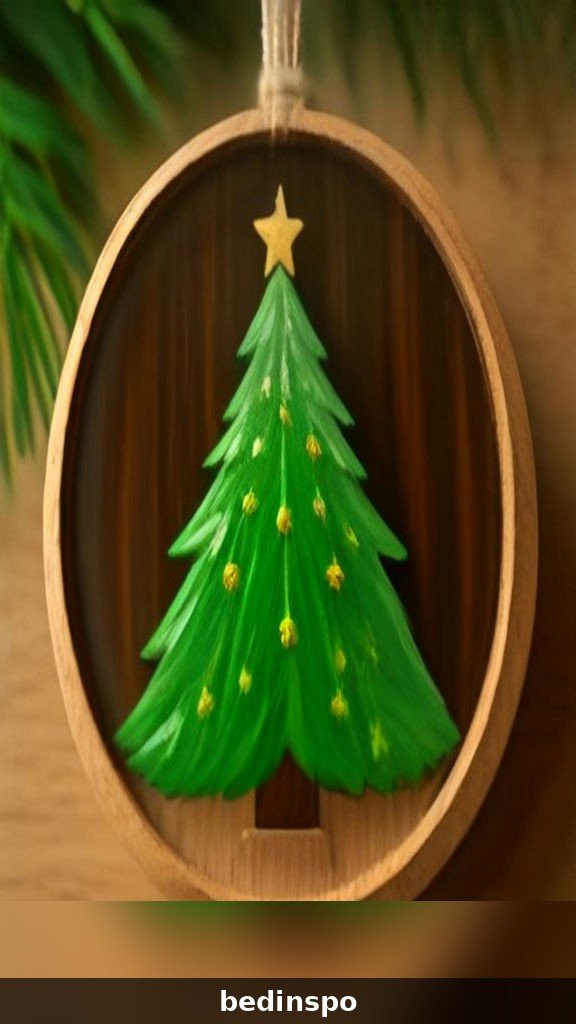
Ornaments are the undisputed bestsellers of the Christmas craft world, and for good reason: they are affordable for buyers, easy to ship, and people buy them in sets of three, five, or ten. The trick is to make ornaments that feel special rather than generic. Hand-painted wooden slices, glitter-dusted baubles with a personal touch, clear ornaments filled with faux snow and tiny bottle-brush trees, and embroidered felt ornaments all sell beautifully. Offer personalization — a family name, a year, a pet’s name — and you can charge more for the exact same ornament, because buyers are paying for the meaning, not just the materials.
Batch your ornaments in an assembly line. Paint all the wood slices on Monday, seal them on Tuesday, add the ribbon and personalization on Wednesday. Making twenty at once takes barely more time than making five, and a full basket of ornaments looks far more inviting at a craft fair than a half-empty table. Price ornaments in sets as well as singles: a single ornament might sell for a few dollars, but a matching set of four in a kraft gift box feels like a ready-made gift and sells faster.

2. Mini Christmas Wreaths and Swags
Full-size wreaths are gorgeous, but mini wreaths are the real sellers: they cost less to make, ship easily, and buyers pick them up as gifts, cabinet decorations, and candle rings. A six-inch grapevine wreath dressed with pine sprigs, red berries, and a small bow takes minutes to make and looks like a boutique find. Make them in a few color stories — classic red and green, snowy white and silver, rustic burlap and pinecone — so shoppers can match their own decor.
Swags are the wreath’s easygoing cousin and they sell just as well. A simple bundle of greenery tied at the top with ribbon, hung on a door or above a mantel, has that effortless farmhouse charm buyers love. Offer a matching set — a mini wreath and a swag in the same style — and you have an instant gift bundle. Because greenery is the main material, buy it in bulk or forage responsibly, and keep a few finished pieces on display at different heights so your stall looks full and festive.
3. Rustic Wooden Christmas Signs
Wooden signs are the craft fair heavyweights: they draw the eye from across the room and they carry the highest price tags of any item on this list. A reclaimed wood plank stenciled with “Merry Christmas,” “Let It Snow,” or a family name becomes instant farmhouse decor. You do not need fancy tools to start — a pine board from the hardware store, sandpaper, chalk paint, and a reusable stencil will get you there. Distress the edges lightly with sandpaper for that weathered, lived-in look buyers adore.
The secret to selling signs is offering sizes. A small six-inch sign is an impulse buy; a two-foot porch sign is a statement purchase. Make a handful of each and let shoppers choose. Personalized family-name signs are your premium product — take orders at the fair with a simple order form and a deposit, then deliver or ship them the following week. That turns one fair into two sales: the sign on the table and the custom order in your notebook.

4. Hand-Poured Candles and Wax Melts
Candles are the gift everyone needs and nobody can resist, which makes them a perfect Christmas craft to sell. Hand-poured soy candles in Christmas scents — pine forest, cinnamon spice, cranberry, peppermint, and vanilla sugar cookie — sell themselves the moment someone lifts the lid and smells them. Start with small batches in simple jars or tins, and label them cleanly with the scent name and a short description. A well-designed label turns a four-dollar candle into a twelve-dollar candle.
Safety and consistency matter more with candles than with any other craft on this list. Use proper candle-making supplies, follow the wax manufacturer’s instructions for fragrance load and pouring temperature, and test every scent yourself before selling it. Wax melts are a great lower-cost companion product: they need no wick, cure faster, and let shoppers try your scents for a smaller price. Sell a candle and a matching wax melt together as a gift set and watch your average sale climb.
5. Christmas Stockings, Sewn to Sell
A handmade Christmas stocking is one of those items shoppers cannot find in a big-box store in quite the same way — the fabrics, the lining, the little cuff with a name embroidered on it. Sew stockings in classic red and green plaid, cozy buffalo check, snowy white faux fur, or modern linen, and offer personalization with iron-on letters or simple embroidery. Stockings are also wonderfully forgiving for newer sewers: the pattern is simple, the seams are straight, and a good cuff hides a multitude of sins.
Sell stockings in matching family sets — two, four, or six — because families want a coordinated mantel. Display one full set hanging from a small mantel or a length of twine so buyers can picture them in their own home. If sewing is not your thing, no-sew stockings from felt and fabric glue work beautifully too, and they are a great project for crafting with older kids who want to help with the family business.

6. Dried Orange and Wooden Bead Garlands
Garlands are having a real moment, and two of the most popular styles are also two of the cheapest to make. Dried orange slices strung on twine with cinnamon sticks and star anise look like a magazine spread and smell like Christmas itself. Wooden bead garlands — plain or painted in festive colors, finished with a tassel — drape beautifully over mantels, trees, and shelves. Both are lightweight, easy to ship, and photograph wonderfully, which makes them ideal for online shops.
The beauty of garlands is that the materials cost very little, so your margin is generous even at a friendly price. Dry your orange slices in the oven a week ahead, string them while watching a holiday movie, and package each garland rolled in tissue inside a kraft tube or a simple paper bag. Offer two lengths — a four-foot and a six-foot — and show them styled on a mantel in your photos so buyers can see exactly how they will look at home.
7. Personalized Gift Tags and Gift Wrap Sets
Gift tags are the ultimate low-cost, high-volume Christmas craft. A pack of twenty hand-stamped or hand-lettered gift tags, tied with twine and tucked into a kraft envelope, costs pennies to make and sells as a sweet add-on all season long. Buyers grab them as impulse purchases, stocking stuffers, and last-minute gifts. Use kraft card, watercolor paper, or even slices of brown paper bags for a rustic look, and stamp or hand-letter simple messages: “Merry Christmas,” “With Love,” “For You.”
Bundle tags with matching wrapping paper and ribbon to create a complete gift wrap kit — that is where the real money is. A kit with ten sheets of paper, twenty tags, and a spool of ribbon feels like a thoughtful, ready-to-go purchase and sells for several times what the tags alone would. Offer a personalization option for family names on the tags, and you have a product that no mass-market wrap kit can match.

8. Felt Ornaments and Plush Christmas Decor
Felt is the friendliest craft material there is: it does not fray, it comes in every color, and it forgives wobbly stitches. Felt ornaments — little trees, stars, gingerbread men, and snowmen stitched with a simple running stitch and stuffed with a pinch of filling — are charming, durable, and safe for homes with small children and pets. They are also perfect for batching: cut twenty shapes in one sitting, then stitch them in front of the television over a few evenings.
Beyond ornaments, felt makes adorable plush decor: mini Christmas trees in a row, a felt garland of stars and trees, or a soft Santa and reindeer set for a child’s room. Because felt pieces are light and unbreakable, they ship cheaply and arrive safely, which makes them ideal for an online shop. Package them in sets with a simple tag that says “handmade with love” and buyers will happily pay boutique prices for something that cost you very little in materials.
9. Christmas Table Centerpieces and Candle Holders
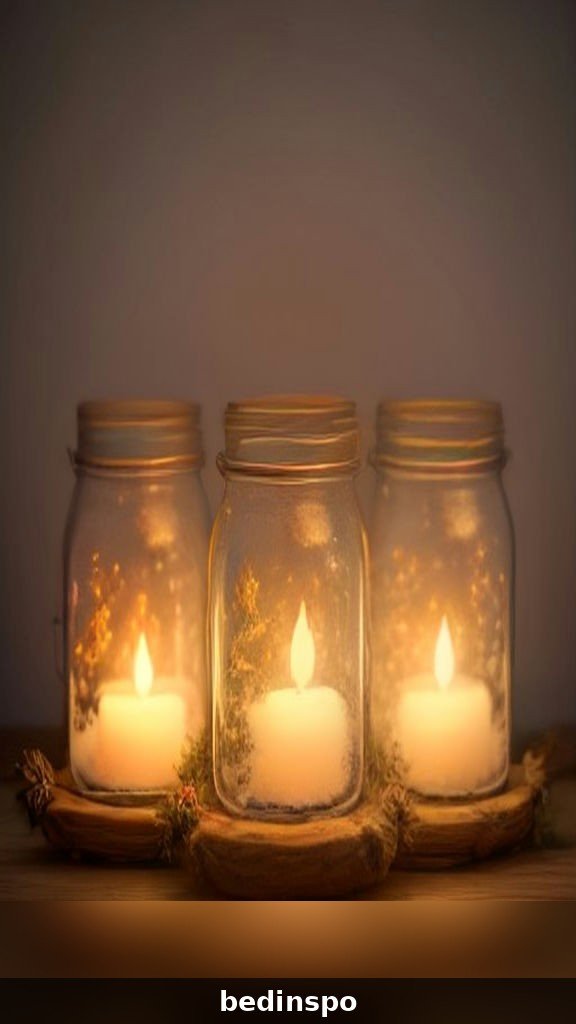
Every holiday host wants a beautiful table, and a handmade centerpiece is the easiest way to deliver it. Fill a wooden box or a dough bowl with greenery, pinecones, and a few pillar candles, and you have a centerpiece that looks like it came from a high-end home store. Mason jar candle holders wrapped in burlap and twine, or painted with chalk paint and dusted with faux snow, are simpler still and sell in sets of three.
The trick with centerpieces is to make them feel complete and ready to place on the table — buyers should not have to add anything. Include the candles, tie the bow, and add the finishing touches before you photograph or display them. Sell a centerpiece with a matching pair of candle holders as a table set, and price the set as a whole rather than by the piece. A styled photo of the set on an actual dining table will do more selling than any description you write.

10. DIY Advent Calendars
Advent calendars are the craft that sells before December even starts, which makes them perfect for early-season sales. A reusable advent calendar — twenty-four little kraft bags hung on a string, small wooden drawers, or fabric pockets sewn onto a hanging panel — is a product families use year after year, and buyers are happy to pay for quality. Fill the pockets with a mix of treats and tiny activities, or sell the calendar empty so families can fill it their own way.
Start making advent calendars early — October at the latest — because shoppers buy them in November. Offer two versions: a simple paper-bag calendar for budget buyers and a sturdier wooden or fabric version for buyers who want a keepsake. If you sell online, list advent calendars first and photograph them with a few pockets open to show the surprises inside. A calendar that sells in November buys you the whole month of December to focus on your other crafts.
11. Snow Globes and Mason Jar Scenes
Snow globes never lose their magic, and a handmade version beats a store-bought one every time. Build a winter scene inside a mason jar — a tiny bottle-brush tree, a miniature house, a dusting of faux snow — glue it to the lid, fill the jar with water and a little glycerin, and seal it tight. Shake it and the snow swirls. Kids love them, grandparents love them, and they make wonderful teacher and hostess gifts.
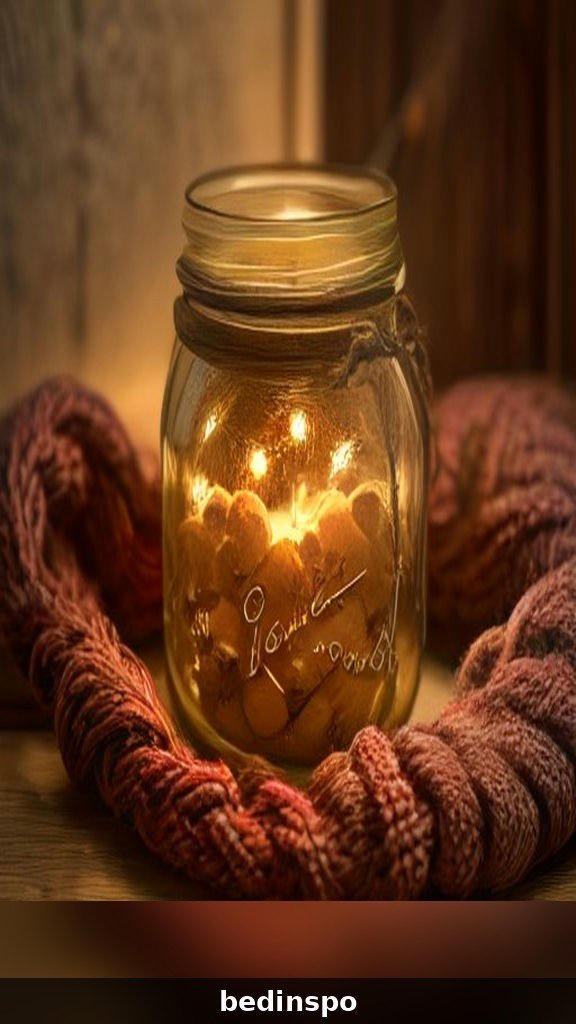
Mason jars also make beautiful dry scenes that never leak: layer faux snow at the bottom, add a tree and a tiny deer, tie a ribbon around the rim, and pop a battery tea light inside for a glowing winter night scene. These are faster to make than water globes and ship without worry. Display them lit at your craft fair table — a glowing jar catches the eye from across the room and pulls shoppers straight to your stall.

12. Knitted and Crocheted Christmas Gifts
If you knit or crochet, Christmas is your season. Handmade scarves, hats, and mittens in festive colors sell steadily, but the real bestsellers are the small, quick projects: crocheted snowflakes that double as ornaments, knitted Christmas stockings, amigurumi reindeer and snowmen, and chunky knit tree skirts. Small items let buyers afford handmade quality without a big price tag, and they are the perfect stocking stuffers.
Start your knitting and crochet projects in September or October — handmade yarn goods take real time, and you cannot rush a scarf the week before a fair. Choose washable yarns and say so on your tag; buyers worry about caring for handmade knits, and “machine washable” removes the worry. Photograph your pieces being worn or held rather than lying flat, because a hat on a real head sells far better than a hat on a table.
13. Christmas Porch Signs and Door Hangers
Porch signs are the tall, eye-catching cousins of the wooden signs in section three, and they deserve their own spot because they sell at a higher price point. A five-foot vertical sign reading “Merry Christmas,” “Welcome,” or “Let It Snow” leaning by the front door is the first thing guests see, and buyers pay happily for that first impression. Use lightweight pine boards so the signs are easy to carry home and easy to ship.
Door hangers — round wooden signs that hang from a wreath hook — are the smaller, faster version and they sell in volume. Paint them in classic red and green, snowy white and gold, or a modern black and white, and add a simple bow at the top. Offer a porch sign and a matching door hanger as a set, and display them together at your fair: the tall sign draws shoppers in, and the smaller hanger is the purchase they actually carry away.

14. Holiday Potpourri and Simmer Pot Kits
Holiday potpourri is one of the easiest crafts to sell because it engages the sense shoppers cannot ignore: smell. A cellophane bag of dried orange slices, cinnamon sticks, star anise, cloves, and pinecones looks beautiful on a table and fills a room with Christmas. Simmer pot kits are the modern version: a jar of the same ingredients with a tag that says “simmer on the stove with water for a house that smells like Christmas,” and buyers love them as hostess gifts.
These kits cost almost nothing to make if you dry your own oranges and buy spices in bulk, which means your profit margin is excellent even at a modest price. Package them in clear bags or jars so the colors show through, tie them with twine and a sprig of greenery, and set one open bag on your table so shoppers can smell it. A simmer pot kit tucked into a gift basket with a candle and a mug makes a ready-made gift set that sells itself.
15. Reindeer, Gnome, and Santa Figures
Whimsical figures are the personality pieces of a Christmas craft stall. Scandinavian gnomes — a cone body, a fluffy beard, a tall hat, and no face at all — are wildly popular and surprisingly simple to sew or glue together. Twig reindeer made from gathered branches, bottle-brush trees in a row, and plush Santa figures all have the same appeal: they feel handmade in the best way, a little imperfect and completely charming.
Make figures in a few sizes: a tiny gnome is a stocking stuffer, a medium one sits on a mantel, and a large one guards the front door. Display them in a group so shoppers see a little family rather than a single lonely figure. Because these are decorative rather than functional, buyers choose them purely because they make them smile — and a smiling shopper is a buying shopper.

16. How to Price Your Crafts: Materials + Time + Profit
Pricing is where many talented crafters stumble, usually by charging too little. The simple formula that keeps you in business is this: materials cost, plus your time at a fair hourly rate, plus a small profit margin, equals your price. Add up everything — the wood, the paint, the ribbon, the jar, the label, even the tissue paper — because small costs add up fast. Then multiply your time honestly: if a wreath takes an hour and your time is worth fifteen dollars an hour, that hour belongs in the price.
Research what similar handmade items sell for on Etsy and at local fairs, and do not be afraid to sit at the higher end of the range if your quality justifies it. Shoppers who buy handmade expect to pay more than mass-produced prices, and underpricing actually worries them — a suspiciously cheap handmade candle makes buyers wonder what is wrong with it. Round your prices to friendly numbers, offer a small discount for buying two or three, and revisit your prices after your first fair: if everything sold out by noon, your prices were too low.
17. Where to Sell: Etsy, Craft Fairs, and Local Markets
There is no single best place to sell Christmas crafts — the smart move is to use more than one. Etsy is the obvious online home for handmade goods: it brings you buyers who are already searching for handmade Christmas decor, and its search tools reward good photos and clear titles. The trade-off is fees and competition, so treat Etsy as your online storefront and drive traffic to it from Pinterest, where your craft photos can reach shoppers planning their holidays months ahead.
Craft fairs and local holiday markets are where the magic happens in person. Shoppers can touch your work, smell your candles, and meet the maker — and that connection is why handmade sells. Apply to fairs early, since the good ones fill up by September, and start small: a single table at a school fair teaches you more about what sells than a month of guessing. Local shops and boutiques are a third option: many will stock your crafts on consignment, putting your work in front of buyers all season while you stay home and make more.

18. Packaging That Makes Your Crafts Look Professional
Packaging is not an extra — it is part of the product. A beautiful craft in a plain plastic bag feels like a flea market find; the same craft in a kraft box with tissue paper, a ribbon, and a small thank-you tag feels like a boutique purchase. Buy kraft boxes, tissue paper, and ribbon in bulk so the cost per item stays low, and keep your packaging consistent across everything you sell. Consistency is what makes a table of crafts look like a brand instead of a yard sale.
Include a small business card or a tag with your shop name and where to find you online — every sale is a chance at a repeat customer, but only if they can find you again. For fragile items like ornaments and snow globes, wrap each piece in tissue and nestle it in shredded paper so it survives the trip home. And if you sell online, your packaging is your customer’s first impression when the box opens: a neat, pretty package earns five-star reviews and repeat orders.
19. Photography Tips That Sell Your Crafts Online
On Etsy and Pinterest, your photo is your salesperson, and it has about two seconds to do its job. Photograph your crafts in natural daylight, near a window, on a clean, uncluttered background — a white sheet, a wooden table, or a linen cloth. Show the item from several angles, include a photo of it styled in a real home setting, and add one close-up that shows the texture and detail. A candle photographed on a mantel with greenery sells better than a candle photographed on a bare table.
Keep your photos consistent: same lighting, same background, same style across your whole shop. That consistency makes your shop look professional and makes your pins recognizable on Pinterest. Use your phone if that is what you have — modern phones take excellent photos — but wipe the lens, turn off the flash, and take far more shots than you need so you can choose the best. A clear, bright, honest photo builds trust, and trust is what turns a browser into a buyer.

20. Time Management: Making 50 Crafts Without Burning Out
The difference between a fun holiday hobby and a profitable craft season is a plan. Start in September: choose your five best-selling craft types, not fifteen, and focus your energy there. Make a production calendar — materials in week one, batching in weeks two and three, packaging in week four — and stick to it. Batching is the secret weapon: cut all your felt shapes in one session, paint all your signs in another, pour all your candles on the same day. Every time you switch tasks you lose time; every time you batch, you gain it.
Set a daily making limit and protect it. Two focused hours beats six exhausted ones, and a tired crafter makes mistakes that cost materials and money. Keep a simple notebook of what sold, what did not, and what people asked for — that is your market research for next year. And remember why you started: handmade Christmas crafts are supposed to be joyful. If a craft stops being fun, drop it and make more of the one that is. Your buyers will feel the difference.
Frequently Asked Questions
What are the easiest Christmas crafts to sell for beginners?
Ornaments, gift tags, dried orange garlands, and simmer pot kits are the easiest places to start. They need few supplies, little skill, and almost no special tools, and they sell well because they are affordable for buyers. Start with one or two of these, learn what your customers like, and add more complex crafts like candles and wooden signs once you are comfortable.

How much money can I make selling Christmas crafts?
That depends on what you make, where you sell, and how many hours you put in, so there is no honest fixed number to promise. Many sellers find that a good craft fair day covers their materials several times over, and an Etsy shop with strong photos can bring in steady orders through November and December. Treat your first season as a learning season: track every cost, track every sale, and let the real numbers guide your second year.
Do I need a business license to sell Christmas crafts?
Rules vary by location, so check your city and state requirements before you start selling. Many places allow small-scale handmade sales with minimal paperwork, while others require a business license or a seller’s permit, especially for craft fairs. If you sell candles or anything scented, check labeling rules too. A quick search on your local government website will tell you what applies to you.
When should I start making Christmas crafts to sell?
Start making in September and start selling in October. Shoppers begin buying Christmas decor surprisingly early, and craft fairs book up months ahead. Advent calendars and early gift items sell best in October and November, while ornaments, stockings, and last-minute gifts keep selling right up to Christmas week. Starting early also means you are not crafting at midnight in December.

How do I price handmade Christmas crafts?
Add up your materials cost, add the value of your time at a fair hourly rate, and add a small profit margin on top. Then compare your price with similar handmade items on Etsy and at local fairs. If your price is far below everyone else’s, you are probably undercharging — handmade buyers expect to pay more than mass-produced prices, and a price that is too low can make them question the quality.
What sells best at Christmas craft fairs?
Affordable items in the impulse-buy range — ornaments, gift tags, small candles, and garlands — usually sell the fastest, because shoppers buy several at once. Statement pieces like wooden signs and centerpieces sell fewer units but bring in more money per sale. The best tables offer both: plenty of affordable items to draw people in and a few higher-priced showpieces to lift the day’s total.

Can I sell Christmas crafts on Etsy as a beginner?
Yes. Etsy is built for handmade sellers, and a new shop can start with just a handful of listings. Focus on clear photos, honest descriptions, and good keywords in your titles so buyers can find you. Ship carefully, respond to messages quickly, and ask happy customers for reviews — those first few reviews make a real difference to future buyers.
How do I protect fragile crafts when shipping them?
Wrap each piece individually in tissue paper, nestle it in shredded paper or bubble wrap, and use a sturdy box with no empty space for items to slide around. Mark the box fragile, and for ornaments and snow globes, double-box when you can. Your packaging is part of your product, so a parcel that arrives safe and pretty earns repeat customers and great reviews.

What supplies should I buy in bulk?
Buy the things you use in every craft in bulk: kraft boxes, tissue paper, ribbon, twine, glue sticks, and paint. Bulk buying drops your cost per item, which directly raises your profit on every sale. Buy seasonal materials like greenery, pinecones, and dried oranges in bulk too, but only after you know which crafts actually sell for you — bulk supplies for a craft nobody buys are just expensive clutter.
Conclusion
Selling DIY Christmas crafts is one of the most rewarding ways to spend the holiday season: you get to make beautiful things with your hands, meet the people who love them, and earn real money doing work you enjoy. Start with a few crafts you genuinely love making, price them honestly, package them beautifully, and show them off with clear, bright photos. Whether you sell at a single local fair or run a busy online shop all season, the formula stays the same — make it well, make it personal, and make it easy for buyers to say yes. Save this guide to your Christmas board, pick your first craft, and start making.


Related Reads
- DIY Christmas Wreath Ideas — wreaths that pair perfectly with your craft stall
- Wooden Bead Christmas Garland DIY — a best-selling garland to add to your range
- Dried Orange Garland Christmas — fragrant, affordable garlands buyers love
- DIY Parol Christmas Lantern — a beautiful lantern craft for your holiday table