Christmas Cactus Care Tips: 15 Ways to Get Blooms Every Year
Christmas Cactus Care Tips: 15 Ways to Get Blooms Every Year
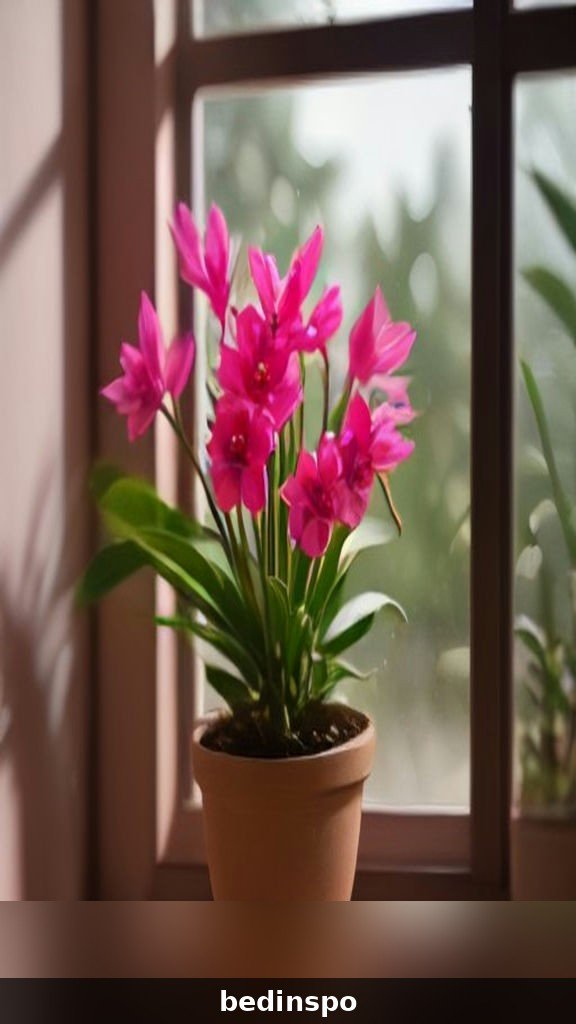
Few holiday plants are as magical as a Christmas cactus in full bloom. Those cascading segments tipped with jewel-toned flowers — hot pink, scarlet, white, salmon, fuchsia — can turn a plain windowsill into the centerpiece of your whole Christmas decor. And unlike a poinsettia that gets tossed in January, a Christmas cactus is a long-lived companion: with good care, the same plant can bloom every single holiday season for twenty, thirty, even fifty years. Many families have Christmas cacti passed down from a grandparent, still flowering faithfully each December.
Here is the catch: getting that plant to bloom again is where most people get stuck. The Christmas cactus in the store was forced into bloom under perfect greenhouse conditions, and your living room is not a greenhouse. But the secret to reblooming is surprisingly simple once you understand what the plant actually wants. A Christmas cactus is not a true desert cactus — it is a tropical forest plant from the mountains of Brazil, where it grows on tree branches in dappled light and humid air. Treat it like a tropical plant, not a desert one, and it will reward you.
These 15 Christmas cactus care tips cover the whole journey: choosing a healthy plant, the right soil and pot, watering the tropical way, light, feeding, the famous darkness trick that triggers buds, summer care, propagation from cuttings, and fixes for the most common problems like dropping buds or limp segments. Follow along and your Christmas cactus can become the holiday heirloom your grandchildren inherit.
1. Start With a Healthy, Bud-Filled Plant
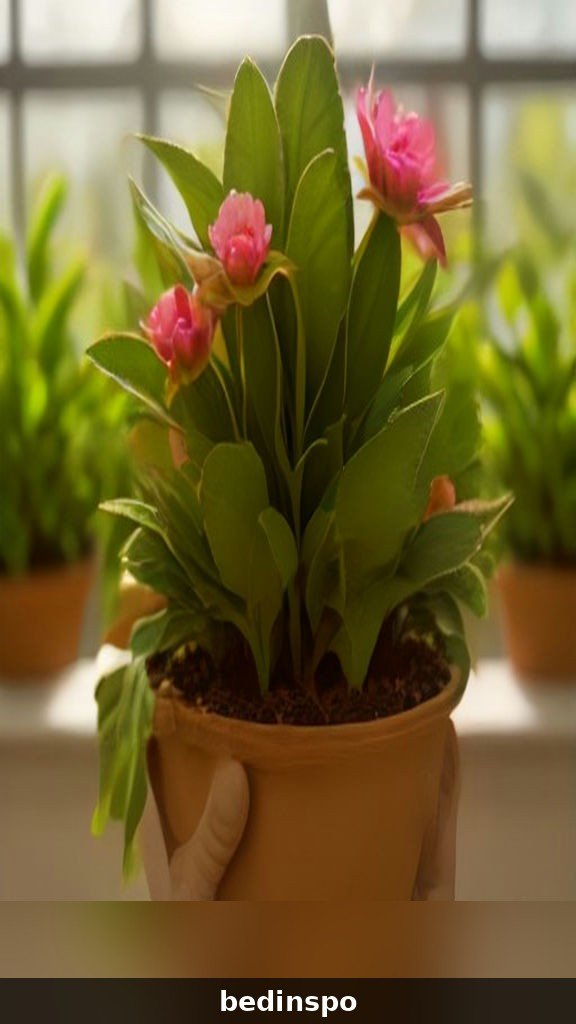
When you are choosing a Christmas cactus at the store, look past the pretty flowers and check the plant itself. The segments (botanists call them cladodes) should be plump, firm, and a rich green — not pale, yellowed, or wrinkled. Give the pot a gentle lift: a well-rooted plant feels solid and heavy, while a newly stuck cutting that has not rooted yet will wobble. And here is the best trick: pick a plant covered in buds, not open flowers. Buds will open in your home over the coming weeks, giving you a much longer display.
Also check the buds themselves. They should be firm and colorful, not soft or dropping at a touch. Avoid plants sitting in soggy soil or with leaves that look limp — that is a sign of overwatering at the store, which is the number one killer of Christmas cacti. A healthy start makes everything that follows ten times easier, so take an extra two minutes to inspect before you buy.
2. Give It the Right Soil Mix
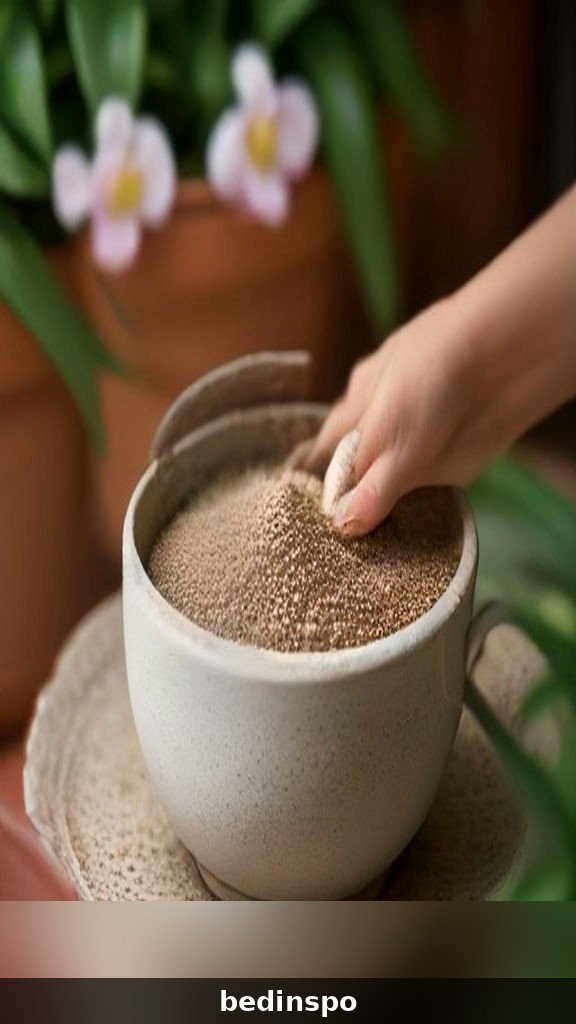
Regular garden soil or heavy potting mix is too dense for a Christmas cactus. Remember, this plant grows on tree branches in the wild, where its roots get plenty of air. The ideal mix is light, airy, and fast-draining but still able to hold a little moisture — think a good succulent or cactus mix with extra perlite stirred in, or two parts regular potting soil mixed with one part perlite and one part orchid bark or coarse sand.
Good drainage is non-negotiable because soggy roots rot fast. If you are repotting a store-bought plant (which often arrives in dense peat), gently shake off the old mix and settle the roots into your airy blend. Press the soil lightly — never pack it down hard — and leave about an inch of space between the soil surface and the pot rim so watering is easy and tidy.
3. Choose a Pot With Drainage Holes
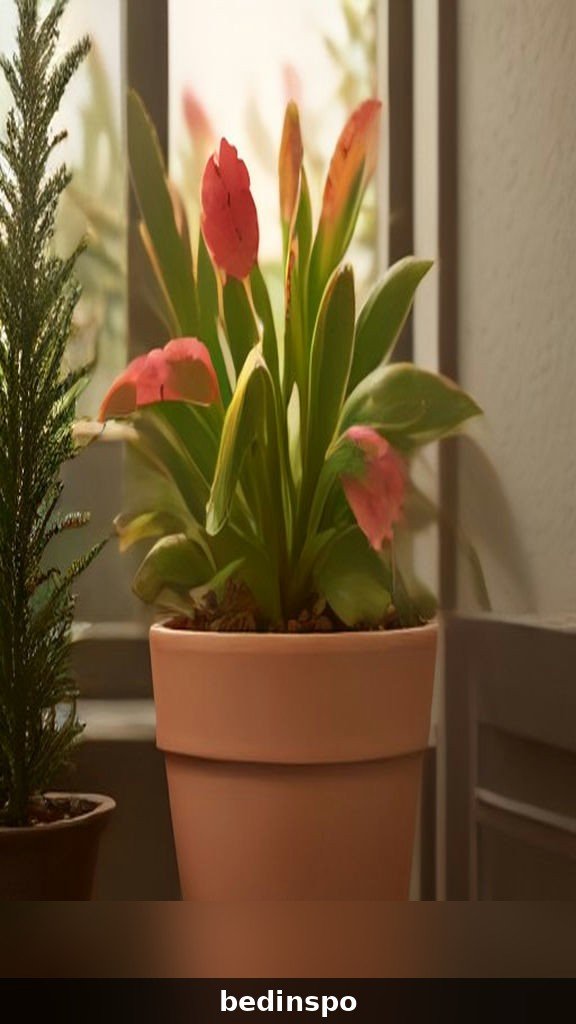
It sounds obvious, but the number of Christmas cacti drowning in pretty cache pots with no drainage is staggering. Your plant’s pot must have drainage holes, full stop. A slightly snug pot is actually better than a huge one — Christmas cacti bloom best when they are a little root-bound, and a big pot holds extra soil that stays wet too long. Aim for a pot only an inch or two wider than the root ball.
Terracotta is a great choice because it breathes and wicks away excess moisture, though plastic works fine too as long as you water carefully. If you fall in love with a decorative pot that has no holes, use it as an outer cover: keep the plant in a plain nursery pot inside it, and lift the inner pot out to water and drain. Never let the plant sit in a puddle of water in the saucer or cover pot.
4. Water Like a Tropical Plant, Not a Desert Cactus
This is the tip that changes everything. A Christmas cactus wants evenly moist soil during its growing and blooming season — not the drought-and-deluge cycle of a true desert cactus. Water thoroughly when the top inch or two of soil feels dry to the touch, letting water run out the drainage holes. Then wait until the top dries again before watering. In a warm room that might mean once a week; in a cool room, less.
The classic mistake is loving the plant to death with daily sips of water that keep the soil permanently soggy, or the opposite — forgetting it for a month until the segments go limp and wrinkled. Get in the habit of the finger test: stick your finger an inch into the soil. Dry? Water deeply. Still damp? Walk away. During blooming, keep the soil a touch more consistently moist, because bud drop is the plant’s protest against drought stress.
5. Bright, Indirect Light Is the Sweet Spot

A Christmas cactus wants bright light but not harsh direct sun, which scorches the segments and turns them reddish or pale. An east-facing window is ideal — gentle morning sun, bright light the rest of the day. A north window works in summer, and a south or west window is fine if you filter the light with a sheer curtain. The plant will tell you how it feels: deep green segments mean it is happy, while reddish-purple tinges mean too much direct sun.
Light also matters for blooming in a sneaky way. In autumn, the plant needs long nights to set buds — and a bright porch light or lamp shining on it at night can actually prevent blooming. If your plant lives near an outdoor security light or under a lamp you leave on all evening, move it somewhere it gets true darkness after sunset from September onward. That simple change alone fixes more non-blooming plants than any fertilizer ever will.
6. Keep the Humidity Up
Coming from humid Brazilian forests, a Christmas cactus appreciates moisture in the air, especially when your winter heating is running and indoor air turns bone-dry. Dry air will not kill the plant, but it can cause buds to dry up and drop before they open — heartbreaking when you have waited all year. Grouping plants together, setting the pot on a tray of pebbles with water (keeping the pot bottom above the water line), or running a small humidifier nearby all help.
A light misting now and then does no harm, though it is less effective than a pebble tray for real humidity. The key sign of humidity trouble is buds that shrivel instead of opening, or segment tips that look dry and papery. If you see that, boost the moisture around the plant and keep it away from heating vents and fireplaces, which blast hot dry air.
7. Mind the Temperature
Christmas cacti like the same temperatures you do: roughly 60 to 70 degrees Fahrenheit during the day, a bit cooler at night. What they hate is sudden change. A plant that was happily blooming can drop every bud overnight if it gets blasted by a cold draft from an open door or the hot dry air of a heating vent. Keep it away from drafty entryways, radiators, and fireplaces.
Here is the useful part: cool nights are actually the trigger for blooming. When autumn nights drop into the 50s, the plant gets the message that it is time to set buds. Many growers get reliable blooms simply by moving the plant to a cool room or a sheltered porch (above 50 degrees) in September and October. Once buds are set and starting to open, bring it into normal room temperatures to enjoy the show — but still no drafts.
8. Feed It During the Growing Season

A Christmas cactus is not a heavy feeder, but it does appreciate regular meals while it is actively growing — roughly April through September. Use a balanced houseplant fertilizer (something like a 20-20-20) at half strength every two to four weeks, or a fertilizer made for succulents and cacti. Consistent light feeding builds the strong, plump segments that carry next winter’s flowers.
Stop fertilizing in early autumn when you start the bud-setting routine, and do not feed at all while the plant is in bloom — fertilizer during flowering can actually encourage bud drop. Resume feeding in spring when you see new segment growth. One more tip: if your tap water is very hard or salty, the white crust on the soil surface is a sign to flush the pot with plain water occasionally or switch to rainwater or distilled water.
9. The Darkness Trick: How to Trigger Buds

This is the famous secret, and it really works. A Christmas cactus sets buds when it gets 12 to 14 hours of uninterrupted darkness every night for about six weeks, combined with cool night temperatures in the 50s to low 60s. Starting around mid-September to early October, give your plant long nights: move it to a room that stays dark after sunset, or cover it with a box or dark cloth each evening and uncover it in the morning. No peeking with a flashlight — even brief light can reset the clock.
After three to six weeks of this treatment, you will see tiny buds forming at the segment tips. Once buds are about a quarter inch long, you can stop the darkness routine and move the plant to its display spot. Keep watering steady and do not move or rotate the plant once buds form — Christmas cacti are notorious for dropping buds if their orientation to the light changes. Pick the display spot and commit.
10. Deadhead Spent Blooms Gently
When individual flowers fade, you can simply let them fall off on their own — the plant handles it fine. But gently twisting off spent blooms keeps the plant looking tidy and lets you spot new buds forming underneath. Never yank: the flower should detach with a light twist at its base. If it resists, leave it; it will release when it is ready.
After the main bloom finishes, the plant often pushes a second, lighter flush of flowers a few weeks later if conditions stay good. Keep watering normally and enjoy the encore. Once all blooming is truly done, usually by late January or February, the plant enters a short rest — ease back on water slightly for a month, then resume normal care as spring growth begins.
11. Let It Rest After Blooming
After weeks of spectacular flowering, your Christmas cactus earns a nap. From late winter into early spring, give it a rest period: water a little less often (let the top two inches dry out), stop fertilizing entirely, and keep it in bright indirect light at normal room temperature. This rest mimics the dry season of its native habitat and helps the plant reset for the next cycle.
Do not panic if the plant looks a bit tired during this rest — slightly duller segments are normal. What you do not want to see is shriveled, limp segments, which mean it is too dry, or yellowing, mushy segments, which mean too wet. After about four to six weeks of rest, when you notice fresh light-green growth at the segment tips, it is time to resume regular watering and start spring feeding.
12. Summer Vacation Outdoors
If you have a shady porch, patio, or balcony, your Christmas cactus will love a summer vacation outside once night temperatures stay above 50 degrees. The fresh air, natural humidity, and gentle rain do wonders for growth — many growers report their plants double in size over one summer outdoors. Place it in bright shade, never direct midday sun, and check the soil more often since outdoor pots dry faster.
Bring the plant back inside in early fall, well before the first frost, and give it a good inspection for hitchhiking pests. That autumn return indoors is the perfect moment to start the darkness-and-cool-nights routine for bud set. Just remember: no sudden moves into harsh sun, and keep up the watering — a actively growing summer plant is thirstier than its winter self.
13. Propagate New Plants From Cuttings
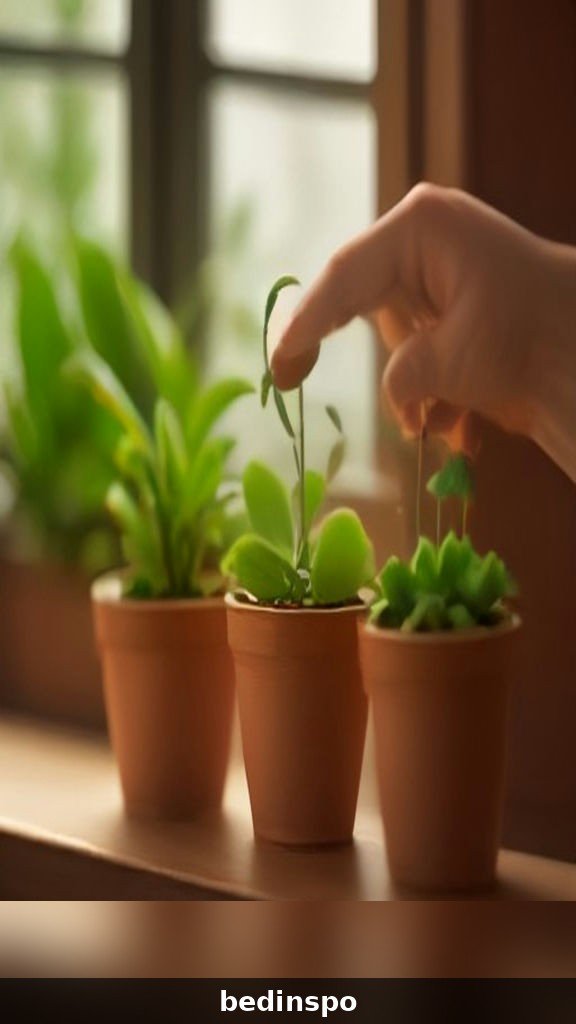
One of the joys of a Christmas cactus is how easy it is to share. In spring or early summer, twist off a healthy segment section two to four segments long — it should separate cleanly at the joint with a gentle twist. Let the cutting sit out for a day or two until the broken end calluses over; this prevents rot. Then insert the bottom segment about half an inch into moist (not soggy) potting mix.
Keep the cutting in bright indirect light and the soil lightly moist. Roots usually form within three to four weeks — you will know it worked when the cutting resists a gentle tug and starts pushing new growth. A small cutting will not bloom the first year, but by its second or third holiday season it can flower. Rooted cuttings make wonderful gifts: a piece of grandma’s fifty-year-old plant, potted up for the next generation.
14. Repot Only When Truly Needed
Christmas cacti bloom best when slightly root-bound, so resist the urge to repot every year. Every two to three years is plenty, and the best time is spring, just as new growth starts — never repot while the plant is budding or blooming, or you will likely lose the flowers. Signs it is time: roots circling out of the drainage holes, soil that dries out within a day of watering, or a plant that has become top-heavy and tips over.
Move up only one pot size — about an inch wider in diameter — and use that fresh, airy soil mix. After repotting, water well and keep the plant out of direct sun for a week while it settles. A freshly repotted plant may skip blooming that first holiday while it focuses on roots, which is completely normal; it will come back stronger the following year.
15. Style It as Holiday Decor
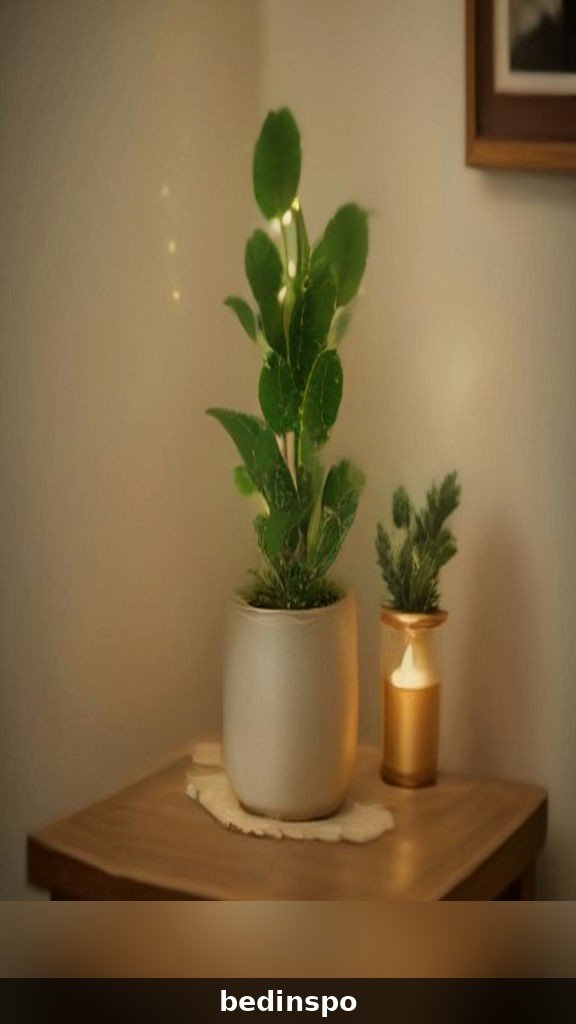
Do not hide your Christmas cactus in a corner — it deserves a starring role in your holiday decor. A blooming plant in a beautiful pot is a living centerpiece: try a vintage brass planter, a classic red ceramic pot, or a woven basket with a plastic liner. Elevate it on a plant stand so the cascading segments and flowers drape dramatically, or hang it in a macrame hanger near a bright window where the blooms glow in the light.
Pair it with complementary decor — the hot pink blooms look stunning against deep green garlands and warm white fairy lights, while white-flowered varieties shine next to gold and champagne ornaments. Just keep the display spot practical: bright indirect light, away from the fireplace’s heat and the front door’s cold blasts, and where you will remember to water it. Beautiful and thriving beats beautiful and neglected every time.
Troubleshooting: Fixing Common Christmas Cactus Problems
Even with good care, things go wrong. The good news is that most Christmas cactus problems have simple fixes once you know what to look for. Here are the complaints growers report most often, and what to do about each one.
Buds Dropping Before They Open
This is the number one heartbreak, and it is almost always caused by stress: a sudden move, a cold draft, dry soil during bud formation, or rotating the plant after buds set. Once buds appear, keep everything stable — same spot, same orientation, steady watering. If buds are dropping, check for drafts and heating vents first, then review your watering.
Limp, Wrinkled Segments
Limp segments mean the roots are not delivering water, which sounds like underwatering but is just as often overwatering: rotted roots cannot absorb anything. Check the soil. Bone dry? Water deeply and the plant should perk up within a day. Soggy and smelly? You have root rot — unpot the plant, trim away black mushy roots, let it dry for a day, and repot in fresh airy mix.
No Blooms This Year
A healthy plant that refuses to bloom is almost always missing one of the two triggers: long dark nights or cool temperatures in autumn. Next September, commit to the darkness routine — 13 hours of uninterrupted dark nightly for six weeks — plus nights in the 50s. Also check that the plant is not root-bound to the point of exhaustion; a plant that has not been repotted or fed in years may simply lack the energy to flower.
Red or Purple Segments
Reddish segment edges usually mean too much direct sun or, less commonly, a phosphorus deficiency or cold stress. Move the plant out of harsh sun first and see if new growth comes in green. If the whole plant is pale and reddish and has not been fed in ages, a round of balanced fertilizer in spring should help.
Your Year-Round Christmas Cactus Calendar
Keep this simple calendar on your fridge and you will never wonder what your plant needs. It distills everything above into a seasonal rhythm.
Winter (December to February): Bloom Season
Enjoy the flowers. Keep soil lightly moist, display away from drafts and heat, do not fertilize, and do not move the plant once buds form. Deadhead spent blooms and ease off water after flowering ends.
Spring (March to May): Rest and Wake-Up
Give the plant a four-to-six-week rest with reduced water and no fertilizer. When new growth appears, resume normal watering and begin half-strength fertilizer every few weeks. This is the best window for repotting and taking cuttings.
Summer (June to August): Growth Season
Water when the top inch dries, feed regularly, and consider a shady outdoor vacation. This is when the plant builds the segments that will carry winter buds, so good summer care equals good winter flowers.
Fall (September to November): Bud-Set Season
The critical window. Provide 12 to 14 hours of uninterrupted darkness nightly for six weeks, keep nights cool (50s to low 60s), stop fertilizing, and water a bit less. Once buds are set, move to the display spot and keep everything stable until bloom.
Frequently Asked Questions
Is a Christmas cactus actually a cactus?
Yes, botanically it is a true cactus (Schlumbergera), but it grows in tropical forests rather than deserts, so its care is closer to an orchid or African violet than to a prickly pear. That is why it wants more water and less sun than most people expect.
How long do Christmas cacti live?
Decades, easily. Well-cared-for plants commonly live 20 to 30 years, and heirloom plants over 50 years old still blooming every Christmas are not rare. They are one of the longest-lived houseplants you can own.
Are Christmas cacti toxic to pets?
Good news for pet owners: Christmas cacti are non-toxic to cats and dogs according to the ASPCA. The flowers and segments will not poison a curious pet, though you still might not want Fluffy batting the buds off.
What is the difference between a Christmas cactus and a Thanksgiving cactus?
They are close cousins. Thanksgiving cacti (Schlumbergera truncata) have pointed, claw-like segment edges and usually bloom in November; true Christmas cacti (Schlumbergera buckleyi) have rounded, smooth segment edges and bloom in December. Most plants sold as “Christmas cactus” are actually Thanksgiving cacti or hybrids — the care is identical either way.
Conclusion
A Christmas cactus asks for so little and gives so much: a few minutes of attention each week, a dark bedroom in autumn, and in return, weeks of spectacular blooms every holiday season for decades. The two habits that matter most are watering by the finger test instead of a schedule, and giving the plant those long, dark, cool autumn nights that trigger buds. Master those, and the rest is fine-tuning.
Start where you are. If your plant is blooming now, enjoy it and keep things stable. If it skipped blooming this year, mark September on your calendar for the darkness routine. Take a cutting in spring and pot it up for someone you love — there is no better gift than a piece of a plant with a story. Happy growing, and may your Christmas cactus bloom bigger and brighter every single year.