Christmas Flower Centerpiece Ideas: 12 Stunning Arrangements for Your Holiday Table
Christmas Flower Centerpiece Ideas: 12 Stunning Arrangements for Your Holiday Table
Every memorable Christmas dinner has a moment when the candles are lit, the food is coming out of the kitchen, and everyone looks down the table and says, “It looks beautiful in here.” Nine times out of ten, that moment belongs to the centerpiece. Fresh flowers do something no other decoration can: they make the table feel alive, generous, and like this meal — this one, with these people — actually matters.
This guide has 12 Christmas flower centerpiece ideas for every style and budget: the classic red-rose-and-evergreen arrangement, an all-white winter look, poinsettias used properly, dramatic amaryllis, a garland runner with candles, rustic and glam versions, and even a floating-candle bowl you can assemble in ten minutes. There’s also a budget arrangement made entirely from grocery-store flowers, because a beautiful table should never require a florist’s invoice.
Along the way you’ll learn the three rules professionals use — height, odd numbers, and candle safety — plus how to condition your flowers so they still look fresh when the New Year’s guests arrive. Let’s build a table worth gathering around.
The 3 Rules Every Great Centerpiece Follows
Rule one: mind the height. A centerpiece should be under 12 inches tall (so guests can see each other over it) or dramatically tall on a raised stand that lifts the flowers above eye level. The awkward middle — flowers right at face height — is where conversations go to die. Low and lush is the safest, most elegant default for a dinner table.
Rule two: odd numbers look natural. Florists arrange in threes and fives because the eye reads odd groupings as organic rather than staged. Cluster candles in threes, use five main blooms, and vary the heights slightly. Rule three: candles and flowers need a safety plan. Keep open flames in glass hurricanes or floating in water, never nestled against dry evergreen or ribbon, and never leave them burning unattended — battery candles have become so realistic that even florists use them for crowded tables.
1. Classic Red Roses and Evergreen
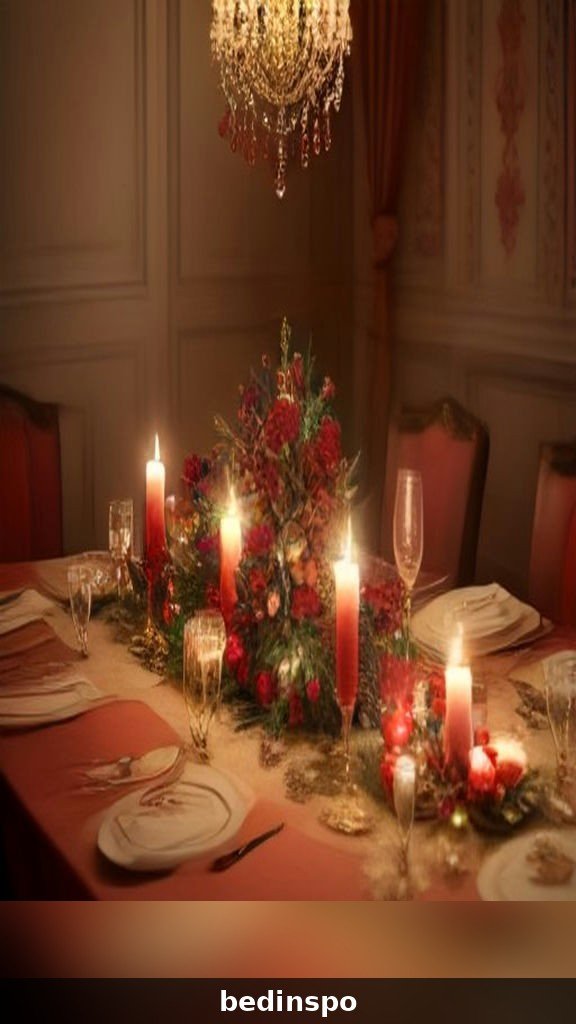
The arrangement that never misses: deep red roses tucked into a base of fresh evergreen — cedar, pine, and fir — with red berries and a few pinecones, in a gold or brass-toned vase. It’s lush, traditional, and smells like a tree farm. Use 10–12 roses for a standard low vase, cutting stems short so the blooms sit just above the greenery.
The secret to the professional look is the greenery base: build a full, mounded foundation of mixed evergreens first, then insert roses in a loose triangle pattern, then berries as the final sparkle. This centerpiece lasts beautifully — the evergreen stays handsome for two weeks, and you can swap in fresh roses before a second dinner.
2. Winter White: White Roses and Silver Eucalyptus

For a calm, snowy palette, go all white and silver: white roses or ranunculus, silver-dollar eucalyptus, dusty miller, and frosted pinecones in a white ceramic or mercury-glass vase. Against a white or natural linen tablecloth with silver candlesticks, it looks like the table is dusted with fresh snow.
This palette is wonderfully forgiving for beginners because everything matches everything. Add white taper candles at different heights and keep the rest of the table simple — the restraint is the luxury. It’s also the easiest centerpiece to transition into New Year’s Eve: swap the pinecones for silver ornaments and you’re done.
3. Poinsettia Cluster Centerpiece
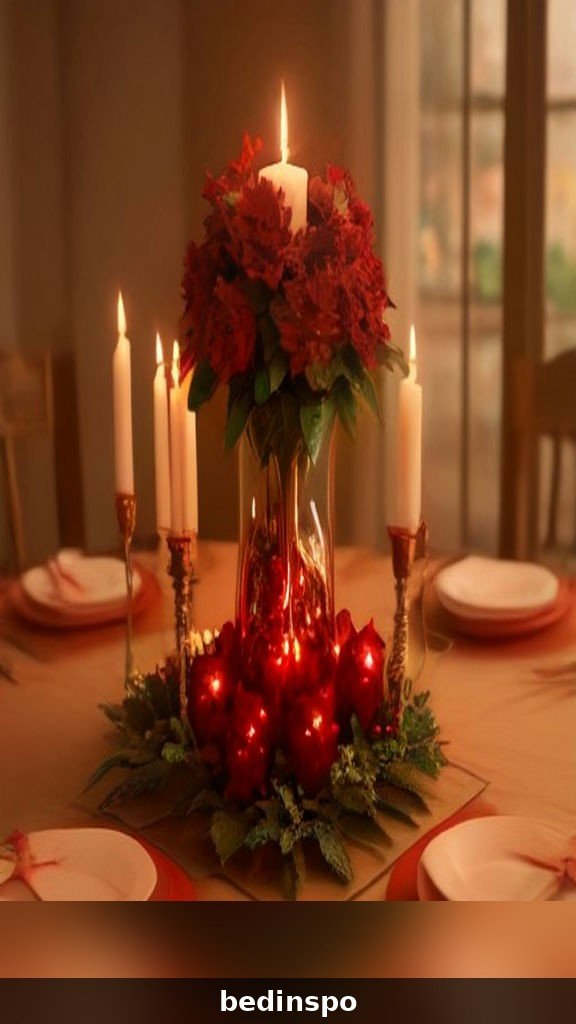
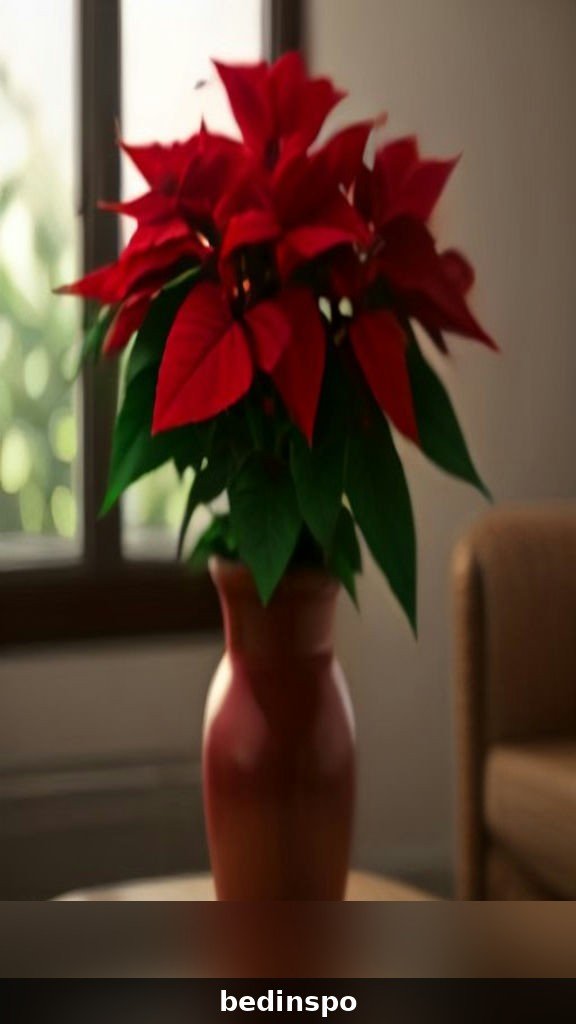
Poinsettias make a superb centerpiece when you treat them as a cluster rather than a single plant. Group three small potted poinsettias (red, or red mixed with white) down the center of the table in a tray or long box, tuck fresh evergreen and gold ornaments between the pots, and add taper candles in holders between them.
Because the plants stay in their pots, there’s no arranging skill required and they last the entire season — just water them lightly. Hide nursery pots with burlap, metallic wrap, or small baskets. After the holidays, your centerpiece becomes houseplants instead of compost, which makes this the most sustainable option on the list.
4. Dramatic Amaryllis Statement
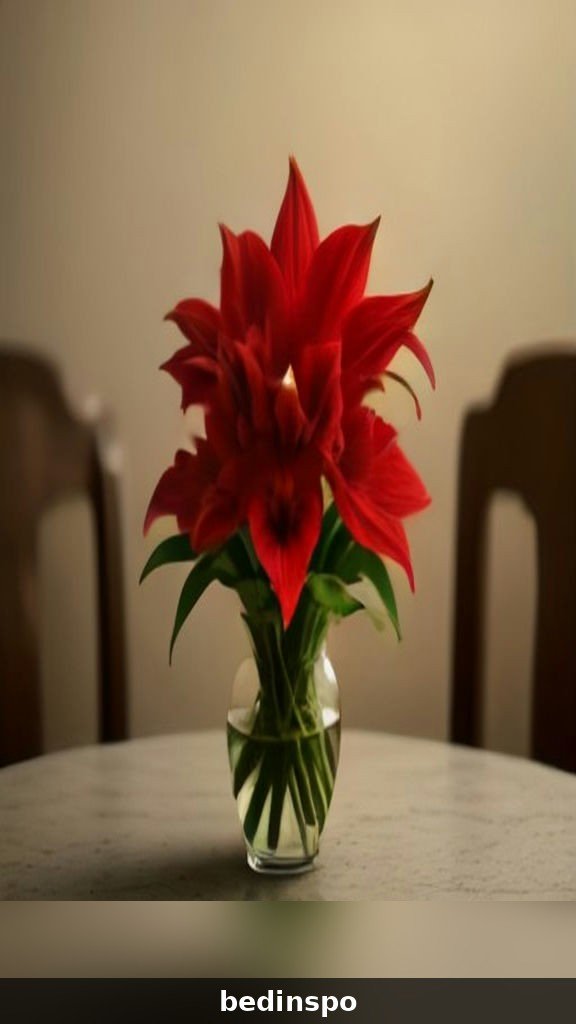
If you want one arrangement that makes the whole room gasp, it’s amaryllis. These enormous trumpet blooms — in red, white, or candy-striped — on tall sculptural stems need very little company: a glass vase, some bear grass or curly willow, and a base of greenery and ornaments to anchor the composition.
Buy amaryllis in bud and let them open over several days; each stem carries three or four blooms that open in sequence, so one arrangement can perform for two weeks. Support tall stems with a clear stake hidden among the greenery. This is the florist’s secret for holiday parties — maximum drama, minimum stems.
5. Candlelit Garland Runner with Fresh Flowers
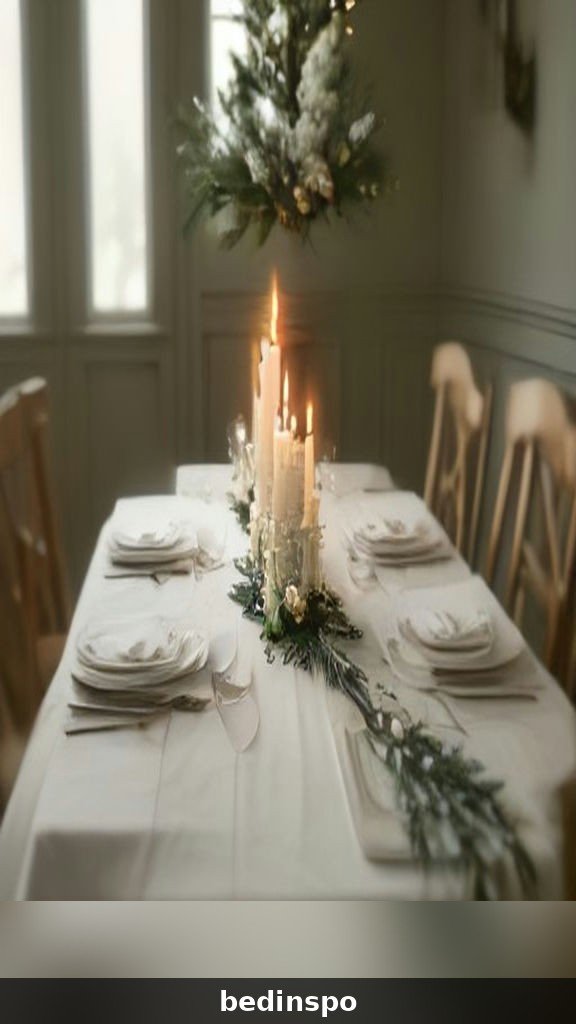
Instead of one centerpiece, run a loose garland of fresh evergreen down the entire table and tuck fresh flowers — roses, carnations, or ranunculus in short water tubes — along its length, with pillar candles in glass hurricanes spaced between. The effect is abundant and romantic, like a table in a holiday film.
Water tubes (available at any craft store) are the trick: they keep each bloom hydrated without vases, so the flowers last the whole meal and beyond. Keep blooms away from candle flames, and let the garland spill slightly over the table edges for that just-gathered look. This style seats conversation easily because nothing blocks the view.
6. Rustic Mason Jar and Wooden Box Centerpiece
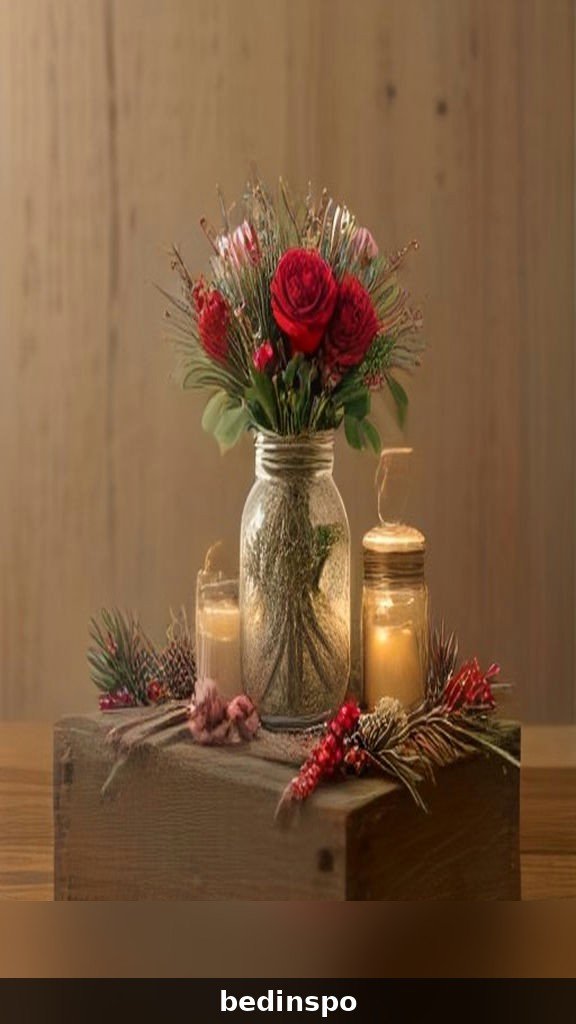
For farmhouse and casual family dinners: line up three or five mason jars in a wooden crate or long box, fill each with a simple mix — red or white flowers, baby’s breath, and pine sprigs — and finish with pinecones and a burlap runner. It takes fifteen minutes, costs very little, and feels like Christmas at a country house.
Odd numbers again: three jars for a small table, five for a long one. Vary the flowers slightly from jar to jar so it reads gathered rather than matched. This is also a brilliant option for a kids’ table or a buffet, where a formal arrangement would be overkill (and at risk).
7. Gold and Glam: Roses with Ornaments

For a candlelit, dressy Christmas Eve: a gold compote or footed vase filled with red roses, gold-sprayed leaves or eucalyptus, metallic ornaments nestled among the blooms, and taper candles in gold holders on either side. Everything warm, low, and glowing.
The trick is restraint in everything except shine — one flower color, one metal, lots of candlelight. Ornaments tucked into an arrangement should be small and wired or pinned in place so they don’t migrate into the gravy. This centerpiece transitions perfectly to a New Year’s table if you swap the red roses for white.
8. Floating Cranberry and Candle Bowl
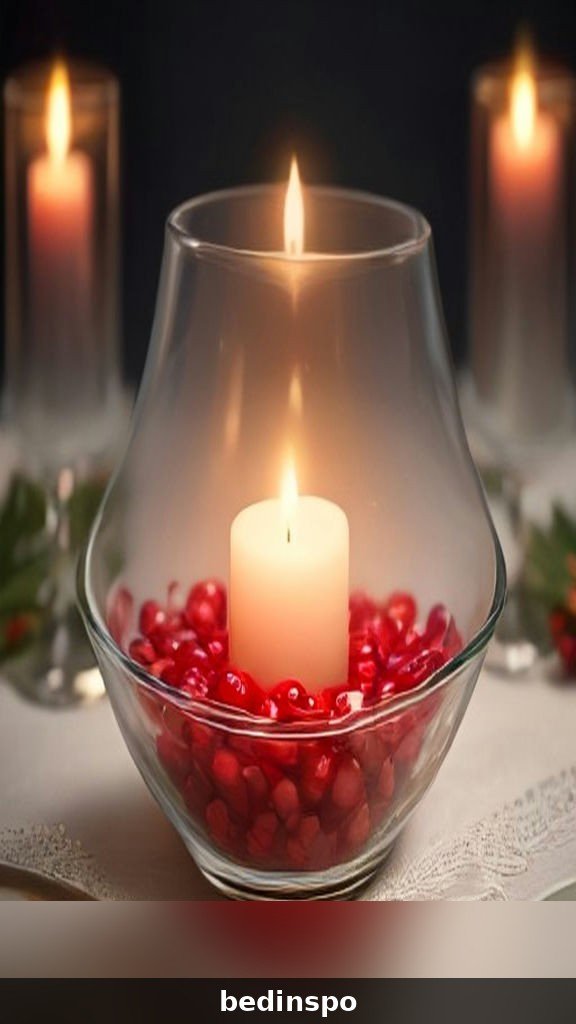
The fastest centerpiece on this list: a wide glass bowl filled with water, a layer of fresh cranberries floating on top, a few small white flowers (stephanotis, carnations, or roses) tucked among them, and two or three floating candles. Light them and the whole bowl glows ruby-red.
It takes ten minutes, costs a few dollars, and looks like a magazine. Make it the morning of the dinner; if you make it a day ahead, keep the cranberries and water separate and assemble before guests arrive. A ring of evergreen around the base of the bowl finishes it. This is also a lovely secondary arrangement for a sideboard or entry table.
9. Dried Orange and Cinnamon Rustic Centerpiece

Cream roses and fresh pine in a woven basket, decorated with dried orange slices, cinnamon sticks, and star anise tucked into the greenery — this centerpiece looks beautiful and perfumes the whole room without a single scented candle. It’s the farmhouse favorite, and half of it can be prepped weeks ahead.
Dry orange slices yourself (low oven, a few hours) or buy them; wire them to picks so they stay upright in the foam or greenery. Because the dried elements keep indefinitely, you can reuse this arrangement’s framework year after year and only refresh the fresh flowers and greens.
10. Mini Tree with a Floral Ring
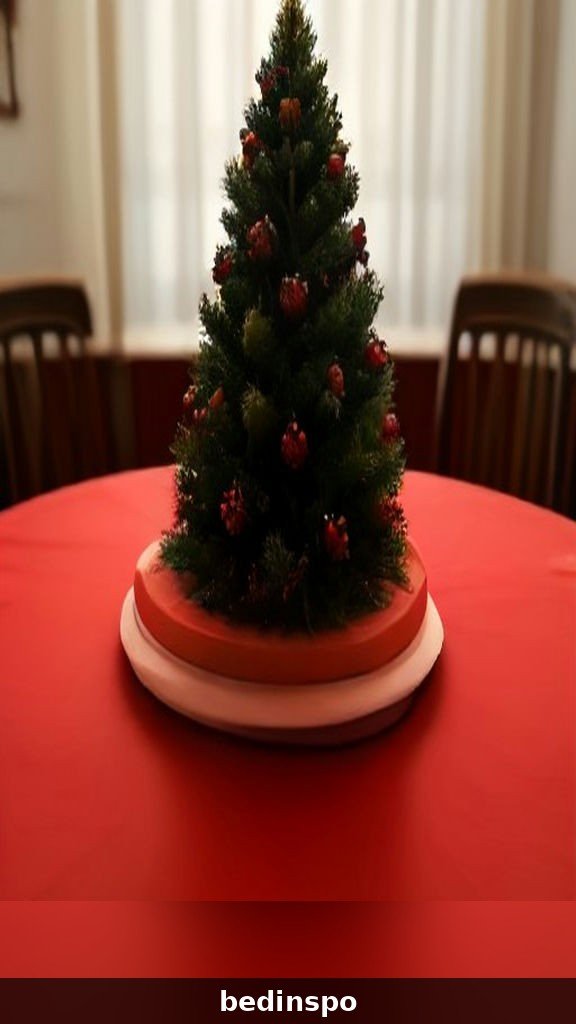
A small tabletop Christmas tree — real or faux, 18–24 inches — set in the center of a ring of fresh flowers and berries. The tree gives you height and instant Christmas identity; the floral ring at its base gives you the fresh, luxurious element. It works especially well on round tables where a long arrangement feels awkward.
Build the ring in a shallow wreath of floral foam or a circle of small jars, using roses, carnations, berries, and evergreen tips. Decorate the mini tree simply — tiny ornaments or just warm white lights — so it complements rather than competes with the flowers. Kids adore this one, and it leaves plenty of room for serving dishes.
11. Tulips and Paperwhites: The Fresh Spring-in-Winter Look

Not every Christmas table has to be red and green. Pink or white tulips with fragrant paperwhite narcissus in a silver or glass vase feel like a breath of spring in the middle of winter — light, elegant, and quietly luxurious. This is the Scandinavian-style Christmas table you’ll see all over Pinterest.
Paperwhites are famously easy to force in a bowl of pebbles and water, timed to bloom right at Christmas if you start them in mid-November. Tulips keep growing in the vase, so arrange them slightly shorter than you want and let them stretch gracefully. The fragrance alone will have guests asking what your secret is.
12. The Budget Grocery-Store Flower Centerpiece

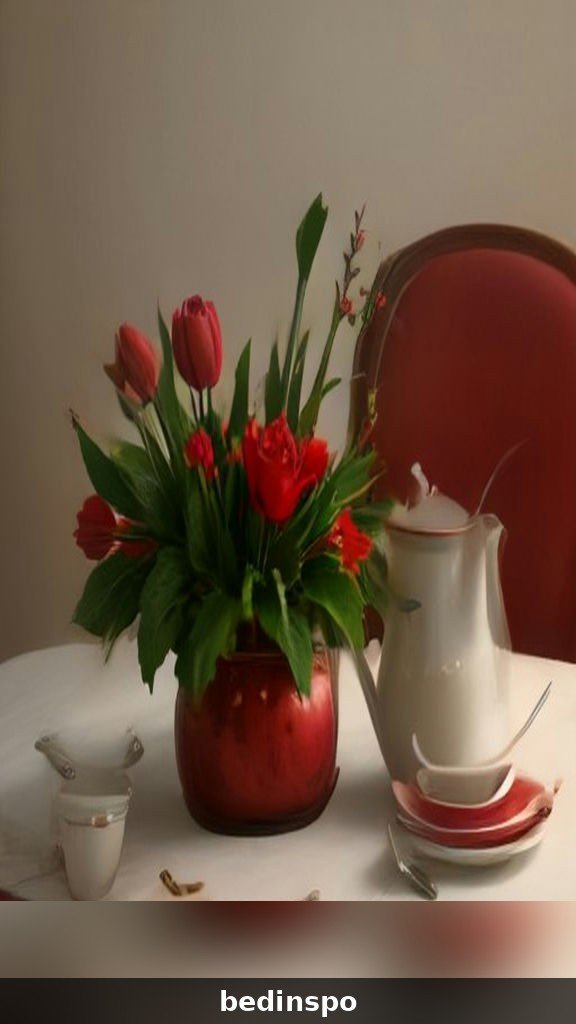
Here’s proof that a stunning centerpiece doesn’t require a florist: one or two mixed bouquets from the grocery store (usually $10–$15), a bundle of their seasonal greens, and a container you already own — a pitcher, a teapot, a soup tureen. The secret is not the flowers; it’s the editing.
Sort the bouquet by color and type. Choose one dominant color story (say, white and red), pull out anything that fights it, and arrange the keepers tightly in a smaller container than you’d think — abundance comes from density, not quantity. Tuck the greenery in first, then the biggest blooms, then the small fillers. Nobody will ever guess. With this method, a beautiful fresh centerpiece costs less than the wine.
Pro Tips for Arranging Like a Florist
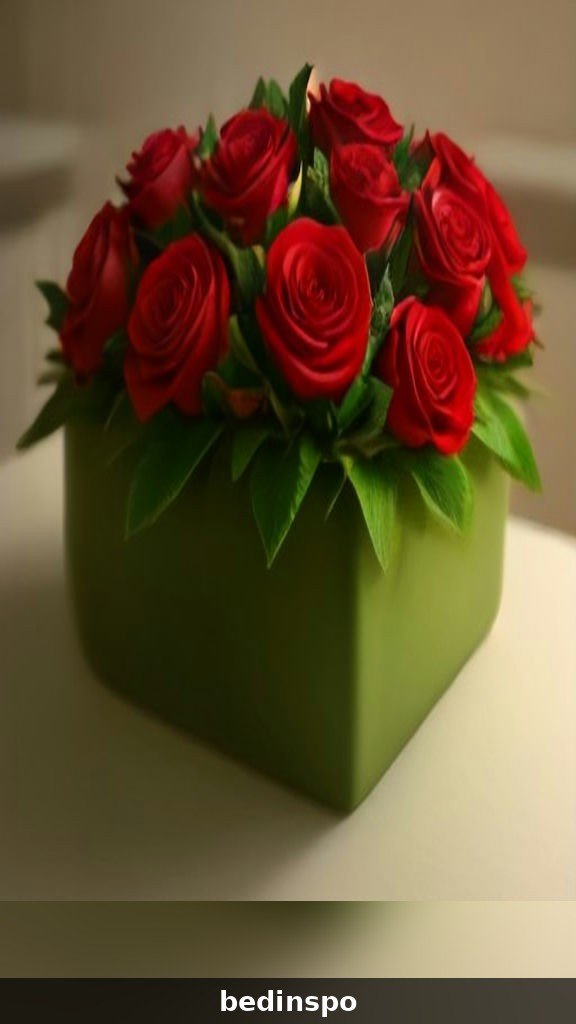
Start with greenery, always — it builds the shape and hides stems and foam. Cut stems at an angle under water, strip any leaves that would sit below the waterline, and arrange in a triangle: place your three largest blooms first to form a loose triangle, then fill in. Spin the vase as you work so the arrangement looks good from every seat.
Work with odd numbers, vary heights by an inch or two between blooms, and add your most delicate flowers last so they don’t get crushed. If an arrangement looks “off,” it usually needs one of three things: more greenery, one bloom moved lower, or something removed. Florists edit more than they add.
How to Make Your Centerpiece Last Through the Holidays

Fresh flowers can genuinely last 10–14 days with basic care. Condition them on arrival: fresh angled cut, straight into clean water with flower food, and a few hours in a cool spot before arranging. Change the water (or top up foam) every two days, keep arrangements away from heat vents, fireplaces, and the fruit bowl (ripening fruit releases gas that ages flowers fast).
Buy in stages for a long season: evergreen and berries last for weeks, so build the base early and refresh just the blooms before each event. Roses that open too fast can be slowed in the fridge overnight. And remove any fading flower immediately — one dying bloom releases the gases that take the rest down with it.
Choosing a Color Palette That Matches Your Table
The fastest way to make a centerpiece look intentional is to pick a palette of two main colors plus one metallic, and repeat those colors in your napkins, candles, or ornaments. The classic combinations: red and green with gold (traditional and warm), white and green with silver (fresh and wintry), burgundy and blush with gold (romantic and modern), or pink and white with silver (soft Scandinavian). If your dishes are patterned, pull one color from the pattern and let the flowers amplify it.
When in doubt, look at your tree. Your centerpiece and your tree are the two biggest decor statements in the house during the holidays, and when they share a palette the whole home feels designed rather than assembled. Take a photo of your tree to the flower shop — matching under real store lighting is much easier with a reference.
Centerpieces for Small Tables, Buffets, and Mantels
Small dining table? Think in miniature: a single low arrangement the size of a salad bowl, or three tiny bud vases in a row, each holding two or three blooms. Bud vases have a bonus — they can be scattered down a long table too, and at the end of the night each guest can take one home. For a buffet, where nobody sits facing the arrangement, you can go taller and more dramatic: this is the place for the amaryllis statement or a raised stand.
The same arrangements scale to a mantel or sideboard with one adjustment: make them one-sided. A centerpiece is viewed from 360 degrees, but a mantel arrangement only needs a beautiful front, which means fewer flowers for the same impact — build your table arrangement, then use the “leftover” budget method for the mantel with half the blooms and greenery filling the back.
Frequently Asked Questions
What flowers last longest in a Christmas centerpiece?
Carnations, chrysanthemums, alstroemeria, and amaryllis are the marathon runners — often 10–14 days. Roses typically give you 5–7 good days, and evergreen, eucalyptus, and berries last two weeks or more. Mixing long-lasting greens with mid-life blooms and refreshing the blooms is the pro strategy.
How far ahead can I make a fresh flower centerpiece?
One to two days ahead is ideal for most arrangements; store them somewhere cool and top up the water before the event. Garland runners and poinsettia clusters can be assembled earlier. Floating-candle bowls should be made the day of.
How do I keep a centerpiece from blocking guests’ view?
Keep arrangements under about 12 inches tall, or lift them on a tall stand so the flowers sit above eye level (roughly 24 inches or higher). Low, lush arrangements are the easiest and most popular choice for dinner tables.
Can I make a Christmas centerpiece without floral foam?
Absolutely. Use a grid of tape across the vase opening, a ball of chicken wire, a flower frog, or simply a dense base of greenery to hold stems. Many florists now prefer these mechanics — they’re reusable and work just as well with a little practice.
Conclusion
A Christmas centerpiece isn’t really about flowers. It’s about telling the people at your table: this meal mattered enough to make it beautiful. Whether you build the classic rose-and-evergreen arrangement, line up poinsettias, or float cranberries in a bowl ten minutes before guests arrive, the effort registers — and the photos will prove it for years.
Save this guide to your Christmas table board, buy your greens early, and let the flowers do what they do best. Merry Christmas, and happy arranging!