Best Sweet Potato Casserole Recipe (Easy, Creamy & Classic)
Best Sweet Potato Casserole Recipe (Easy, Creamy & Classic)
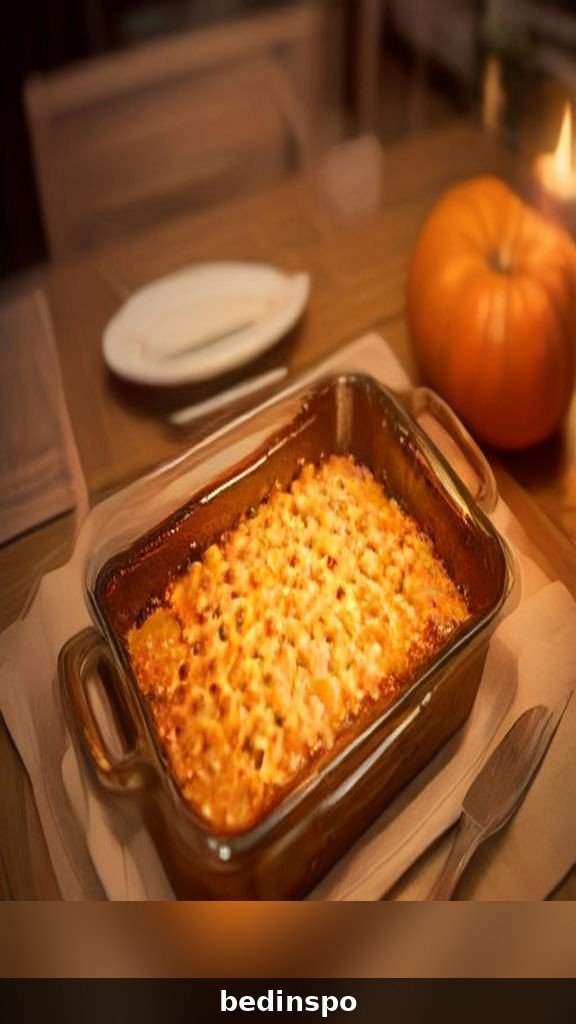
Is it a side dish or is it dessert? At Thanksgiving, nobody cares — sweet potato casserole is pure, cozy comfort, and it is always one of the first dishes to disappear. Silky, cinnamon-spiced sweet potato filling, rich with butter and brown sugar, hides under a layer of golden, toasted marshmallows or a buttery, crunchy pecan streusel. Every family has a strong opinion about which topping is correct, and in this recipe, you get both — plus the famous half-and-half trick that ends the debate forever.
The best part? This beloved classic is far easier than it looks. The filling comes together in one bowl, the toppings take five minutes each, and almost everything can be done a day or two ahead. Whether this is your first Thanksgiving hosting or your fifteenth, this is the sweet potato casserole recipe that gets requested, pinned, and passed down.
This is the version I’ve refined over years of holiday cooking — the one with the creamiest filling, marshmallows that toast instead of melt into soup, and a streusel that stays gloriously crunchy. Pin it now, because once you serve this sweet potato casserole, your family will ask for it at every Thanksgiving, Christmas, and Sunday dinner from here on out.
Why This Sweet Potato Casserole Belongs on Every Holiday Table

Sweet potato casserole has been a Southern holiday staple for generations, and it earned its place honestly. The filling is naturally sweet, warmly spiced, and impossibly creamy — a perfect contrast to all the savory, salty dishes around it. It’s the bite everyone sneaks while the turkey is still being carved, and the one the kids actually ask for seconds of.
So why does it endure? Because it hits every note a holiday side dish should. The filling is velvety and rich, the topping gives you either pillowy toasted sweetness (marshmallow) or deep, nutty crunch (pecan streusel), and the whole thing reheats like a dream — which matters when your oven is juggling six other dishes.
This version keeps everything people love about the original while fixing its few flaws. The sweet potatoes are baked, not boiled, so the filling tastes concentrated and never watery. The eggs are tempered in gently so the filling sets silky instead of dense. And the marshmallows go on at the very end, so they toast to a gorgeous golden top instead of dissolving. Small tweaks, huge difference.
Ingredients You’ll Need

Everything here is a simple, affordable pantry or fridge staple. Here’s the full list for the classic casserole — and remember, you only need ONE topping (or a half batch of each!).
The Sweet Potato Filling
- 4 pounds sweet potatoes (about 5–6 medium), cooked and peeled — you’ll need about 5 cups mashed
- 1/2 cup (1 stick) unsalted butter, melted
- 3/4 cup packed brown sugar (light or dark) — dark gives a deeper molasses flavor
- 2 large eggs, at room temperature
- 1/3 cup whole milk (or half-and-half for extra richness)
- 2 teaspoons vanilla extract
- 1 teaspoon ground cinnamon
- 1/4 teaspoon ground nutmeg
- 1/2 teaspoon fine salt — don’t skip it; salt is what makes the sweetness taste complete
The Marshmallow Topping
- 1 bag (10 oz) mini marshmallows (about 4 cups) — minis toast more evenly than large ones
The Pecan Streusel Topping
- 3/4 cup packed brown sugar
- 1/3 cup all-purpose flour
- 1 teaspoon ground cinnamon
- 1/4 teaspoon fine salt
- 4 tablespoons cold butter, cut into small cubes
- 1 1/4 cups pecans, roughly chopped
Yield: Serves 10–12 as a side dish. Prep time: 20 minutes (plus cooking the sweet potatoes). Cook time: 30 minutes. Total time: About 1 hour 30 minutes. You’ll need a 9×13-inch (3-quart) baking dish.
A quick word on the sweet potatoes, because this choice matters most. Look for medium, evenly shaped sweet potatoes with deep orange flesh — varieties labeled “garnet” or “jewel” are the classic pick, with moist, sweet flesh that mashes beautifully. Avoid the pale-fleshed types for this recipe; they’re drier and starchier. And skip canned sweet potatoes if you can — fresh ones taste brighter and give you full control over the sweetness.
How to Cook the Sweet Potatoes: 3 Easy Ways
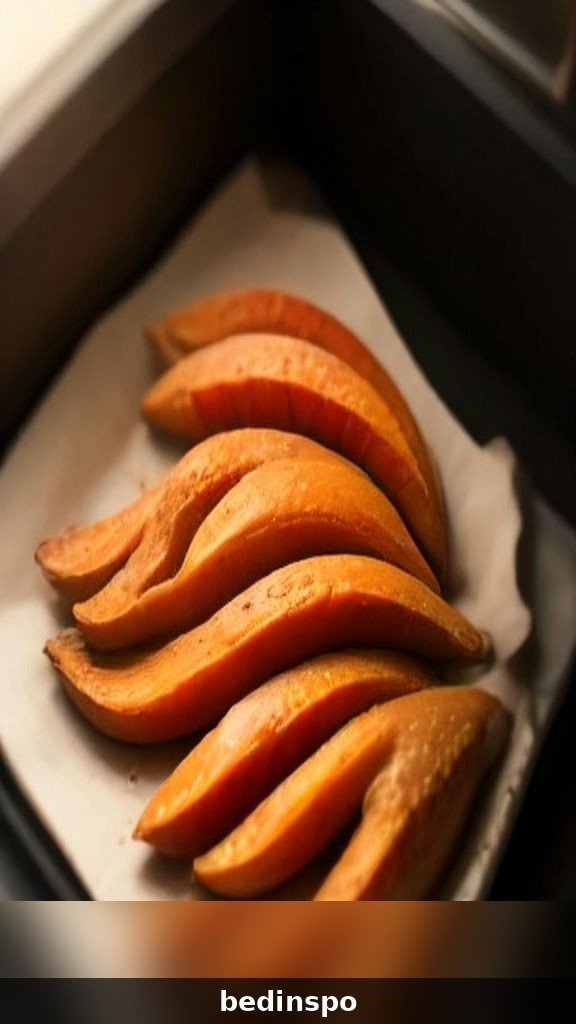
Before the casserole comes together, the sweet potatoes need to be cooked until completely tender and peeled. You have three good options — here’s how to choose.
Bake Them (Best Flavor)
This is my favorite method by a mile. Roasting concentrates the sugars and gives you the deepest, most caramelized flavor with zero extra water in your filling. Scrub the sweet potatoes, prick them a few times with a fork, and place them on a foil-lined baking sheet (they will ooze sweet syrup as they bake). Roast at 400°F (200°C) for 45–60 minutes, until they collapse slightly and a knife slides in with no resistance. Cool until you can handle them, then slip the skins right off.
Boil Them (The Classic Way)
Peel the sweet potatoes and cut them into 1-inch chunks. Cover with cold, salted water in a large pot, bring to a boil, and simmer for 15–20 minutes until fork-tender. Drain them VERY well — this is the step that makes or breaks a boiled-potato filling. Let them sit in the hot colander for a few minutes so extra steam escapes, or return them to the warm pot for a minute to dry out. Waterlogged potatoes are the number one cause of a runny casserole.
Microwave or Instant Pot (Fastest)
In a hurry? Microwave whole, pricked sweet potatoes on a plate for 5 minutes, flip, then continue in 2-minute bursts until soft — about 10–14 minutes total depending on size. For the Instant Pot, add 1 cup of water, set the potatoes on the trivet, and pressure cook on HIGH for 15–18 minutes (for medium potatoes) with a natural release. Both work beautifully; just drain any liquid well before mashing.
How to Make Sweet Potato Casserole (Step by Step)
Here’s the full classic recipe, start to finish. Read it through once before you begin and the whole thing will feel effortless.
- Cook the sweet potatoes. Bake, boil, or microwave the sweet potatoes using one of the methods above until completely tender. Peel and add the warm flesh to a large mixing bowl. You should have about 5 cups.
- Heat the oven. Preheat your oven to 350°F (175°C). Butter a 9×13-inch (3-quart) baking dish.
- Mash until smooth. Mash the warm sweet potatoes with a potato masher, or beat with a hand mixer for an ultra-silky texture. A few tiny lumps are charming; big lumps are not, so take your time here.
- Add the butter and sugar. Stir in the melted butter and brown sugar until fully combined. The warmth of the potatoes will melt everything into a glossy, fragrant mixture.
- Temper the eggs. In a small bowl, whisk the eggs with the milk and vanilla. Stir a spoonful of the warm potato mixture into the eggs to warm them gently, then pour the egg mixture into the big bowl and stir until just combined. This little step keeps the filling silky instead of eggy or dense.
- Season. Stir in the cinnamon, nutmeg, and salt. Taste it! This is your moment — it should taste like the filling of your dreams: warmly spiced, sweet but not cloying. Add a pinch more cinnamon or salt if it needs it.
- Fill the dish. Spread the filling evenly into your buttered baking dish and smooth the top with a spatula.
- Add your topping. Scatter the pecan streusel evenly over the top, OR hold off on marshmallows for now (they go on later — see the topping sections below). For half and half, cover one side with streusel and leave the other side bare for marshmallows.
- Bake. Bake uncovered for 25–30 minutes, until the filling is set around the edges, slightly puffed, and the streusel (if using) is golden and crisp. If you’re adding marshmallows, pull the casserole out 10 minutes early, cover with marshmallows, and return it to the oven for the final 8–10 minutes (details below).
- Rest and serve. Let the casserole rest for 10 minutes before serving. This sets the filling to the perfect scoopable consistency — and keeps anyone from burning their tongue on molten marshmallow. (A lesson learned the hard way in many families.)
That’s it! Ten simple steps between you and the most nostalgic dish on the holiday table. Now let’s settle the great topping debate — or better yet, win it with both.
Topping 1: The Classic Marshmallow Topping

For many families, sweet potato casserole without a blanket of toasted marshmallows simply isn’t sweet potato casserole. Done right, the top is pillowy, golden, and just a little crisp at the peaks — like the best campfire marshmallow you’ve ever had, stretched over every bite.
The secret is timing. Marshmallows added at the start of baking don’t toast — they melt, sink, and turn the top gummy. Instead, bake the filling (and the streusel side, if you’re doing half and half) first, then cover the hot casserole completely with mini marshmallows in an even layer, edge to edge. Return it to the 350°F oven for 8–10 minutes, watching closely through the door, until the marshmallows are puffed and deep golden in spots. They go from golden to too dark fast, so don’t walk away!
Two more marshmallow rules: use mini marshmallows (large ones toast unevenly and slide around), and serve the casserole within about 20 minutes of toasting for peak fluff. If it sits, the marshmallows settle into a chewy-soft layer — still delicious, just different. And if your oven runs hot on top, tent the dish loosely with foil for the first few marshmallow minutes, then uncover to finish the toast.
Topping 2: The Crunchy Pecan Streusel Topping
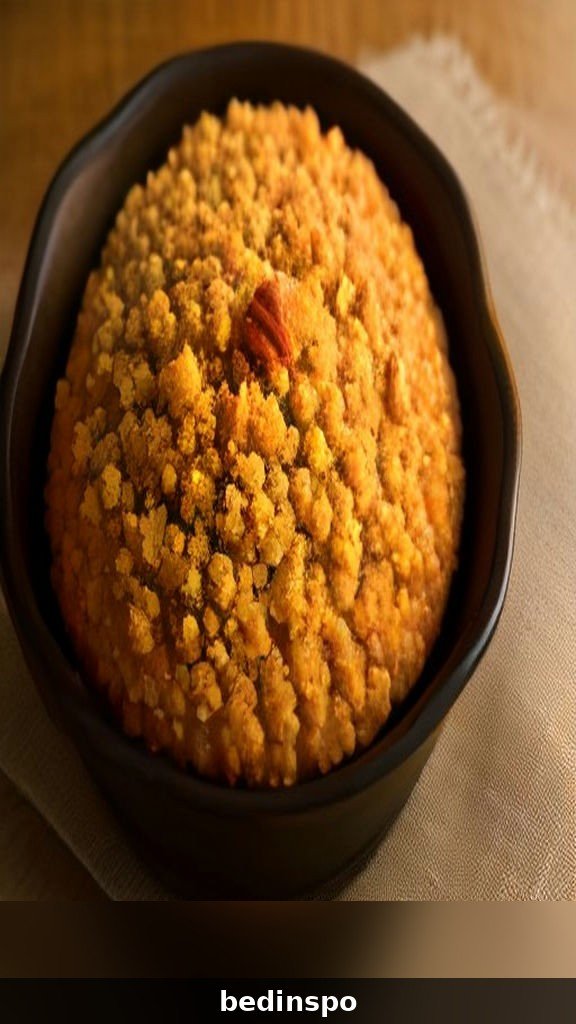
Team Streusel will tell you this is the only correct answer: a buttery, brown-sugar crumble loaded with toasted pecans that bakes into a crisp, praline-like lid. It’s less sweet than marshmallow, deeply nutty, and it gives the casserole a crunch that holds up beautifully — even in leftovers.
To make it, whisk the brown sugar, flour, cinnamon, and salt in a medium bowl. Rub the cold butter cubes in with your fingertips (or cut in with a pastry blender) until you have coarse, pea-sized crumbs. Stir in the chopped pecans. Scatter the mixture evenly over the filling before baking — it goes on from the very beginning, unlike the marshmallows. As the casserole bakes, the butter melts, the sugar caramelizes slightly, and the pecans toast into something that tastes like candied praline.
Streusel tips: keep the butter cold so the crumble stays crumbly instead of greasy, and chop the pecans roughly — a mix of small pieces and halves gives the best texture. Toasting the pecans for 5 minutes in a dry skillet before mixing them in deepens the flavor even more, but it’s optional on a busy holiday.
Can’t Decide? Do Half and Half!

Here’s the peace treaty that ends the great topping debate in households across America: cover one half of the dish with pecan streusel and the other half with marshmallows. Everyone gets their favorite, the table looks adorable, and your casserole becomes the one people photograph before serving.
It’s easy: spread the filling in the dish, scatter streusel over one half only, and bake as directed. Ten minutes before it’s done, pull it out and cover the bare half completely with mini marshmallows, then finish baking until they’re golden and puffed. A little tip for a clean dividing line: lay a long piece of folded foil or a row of marshmallows down the middle as a border before adding the streusel — it keeps the two teams on their own sides.
Tips for the Silkiest, Creamiest Filling

The difference between good sweet potato casserole and unforgettable sweet potato casserole is texture. Here’s how to nail it every time:
- Bake the potatoes if you can. Roasted sweet potatoes are drier and more concentrated than boiled, which means a thicker, richer filling that never turns soupy.
- Work while they’re warm. Warm potatoes mash smoother and absorb the butter evenly. Cold, leftover baked sweet potatoes work too — just warm them slightly before mixing.
- Use a hand mixer for silkiness. A masher gives you rustic charm; a hand mixer gives you that whipped, almost soufflé-like texture. Either is correct — just don’t use a food processor, which can make sweet potatoes gluey.
- Don’t skimp on the salt. Sweet dishes still need salt to taste balanced. That 1/2 teaspoon is what keeps the casserole tasting rich instead of flat and sugary.
- Room-temperature eggs. Cold eggs can seize slightly in the warm filling. Ten minutes in a bowl of warm water fixes that while the potatoes cook.
- Taste before you bake. The filling should taste slightly sweeter and more spiced than you think — flavors mellow a touch as it sets in the oven.
What to Serve With Sweet Potato Casserole
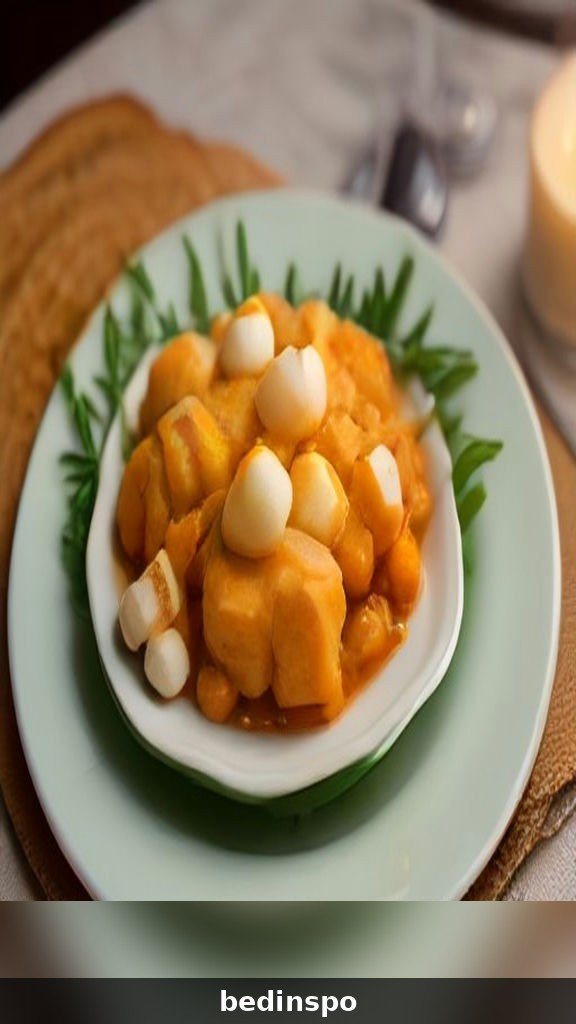
Sweet potato casserole is the great diplomat of the holiday table — it gets along with absolutely everything. On Thanksgiving it sits happily beside roast turkey and gravy, green bean casserole, cornbread stuffing, and homemade cranberry sauce. Its sweetness is the perfect balance to salty, savory dishes, and a little spoonful next to a bite of turkey is pure holiday harmony.
Beyond Thanksgiving, serve it with glazed ham at Christmas or Easter (a legendary pairing), alongside roasted chicken for a cozy Sunday dinner, or next to pork chops for a weeknight comfort-food upgrade. It’s also a potluck superstar — it travels well in its baking dish, reheats beautifully, and fits every menu. If you’re building a full holiday spread, think of this casserole as your sweet anchor: plan one green side, one starchy side, your main, and let the sweet potatoes bring the warm, spiced sweetness that ties the whole plate together.
Delicious Variations to Try

Once you’ve mastered the classic, the variations are endless. Here are the most-loved twists:
Bourbon Sweet Potato Casserole
Add 2 tablespoons of bourbon to the filling along with the vanilla, and use the pecan streusel topping. The bourbon cooks off, leaving a warm, caramelly depth that makes adults go quiet at the table. A tablespoon of orange zest stirred in alongside makes it taste like a holiday cocktail in casserole form.
Twice-Baked-Style Individual Casseroles
Divide the filling among buttered ramekins (about 8), top each with a tiny handful of streusel or a cluster of mini marshmallows, and bake at 350°F for 18–22 minutes. Individual servings look elegant at a dinner party, portion themselves, and give everyone their own crispy edges.
Vegan and Dairy-Free Sweet Potato Casserole
Swap the butter for vegan butter or melted coconut oil, use oat or almond milk, and replace the eggs with 2 tablespoons of cornstarch whisked into the milk (the filling will be a touch softer but still lovely). Top with pecan streusel made with vegan butter — or vegan marshmallows, which toast surprisingly well. Nobody at the table will feel like they’re missing out.
Slow Cooker Sweet Potato Casserole
Oven full? Spoon the filling into a greased slow cooker, add the streusel (save marshmallows for serving), cover, and cook on LOW for 3–4 hours or HIGH for 1 1/2–2 hours, until set at the edges. If you want marshmallows, scatter them on top for the last 15 minutes with the lid cracked so they puff instead of steam. It won’t have oven-crisp edges, but it’s wonderfully hands-off — and it stays warm for serving right in the crock.
Extra-Decadent Cream Cheese Swirl
Beat 4 ounces of softened cream cheese with 2 tablespoons of sugar and a splash of vanilla, dollop it over the filling, and swirl gently with a knife before adding your topping. The tangy ribbons cut the sweetness beautifully — think sweet potato cheesecake meets casserole.
Make-Ahead Instructions (Holiday Lifesaver!)
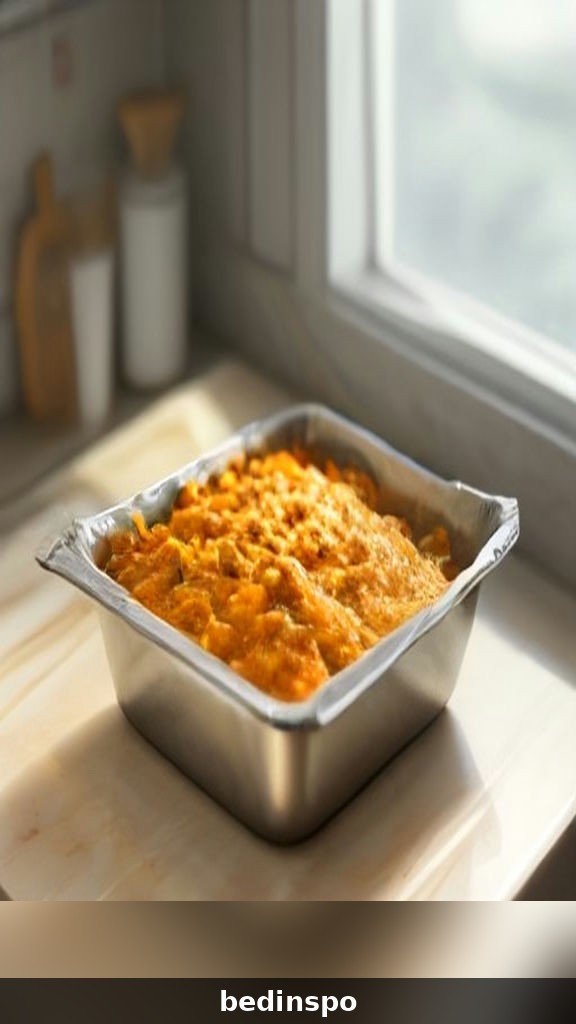
Here’s the gift this recipe gives you: almost all of it can be done before the big day, so Thanksgiving morning feels calm instead of chaotic. You have three easy make-ahead routes.
Option 1 — Assemble the filling ahead (best). Make the filling completely, spread it in the buttered dish, cover tightly with plastic wrap or foil, and refrigerate for up to 2 days. Mix the streusel (without baking it) and store it in a sealed container or zip bag in the fridge too. On serving day, let the dish sit on the counter for 30 minutes, add the streusel, and bake as directed, adding 5–10 minutes since you’re starting from cold. Add marshmallows in the final minutes as usual. Nobody — truly nobody — will know it wasn’t made that morning.
Option 2 — Cook the sweet potatoes ahead. Bake and peel the sweet potatoes up to 3 days ahead and refrigerate the flesh in an airtight container. Warm it gently before mixing the filling so the butter blends in smoothly. This splits the work into two short sessions and is perfect if your oven schedule is tight.
Option 3 — Freeze it. Assemble the casserole with streusel (no marshmallows — add those fresh), wrap the dish in a layer of plastic wrap and a layer of foil, and freeze for up to 3 months. Thaw overnight in the fridge, then bake as directed with the make-ahead timing. Baked leftovers also freeze beautifully — see below.
How to Store and Reheat Leftovers
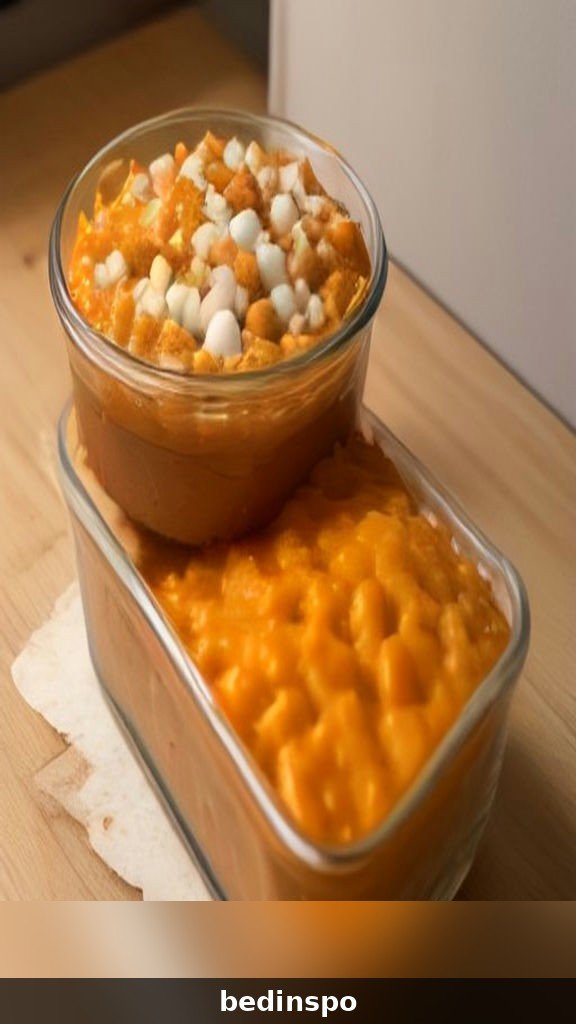
If you’re lucky enough to have leftovers, transfer them to an airtight container (or cover the baking dish tightly) and refrigerate for up to 4 days. Sweet potato casserole is famously one of those dishes that tastes even better on day two, once the spices have had time to mingle.
For reheating, the oven wins: cover with foil and warm at 350°F for 20–25 minutes (15 for a small portion), until heated through. Want to revive the toppings? Uncover for the last 5 minutes so the streusel crisps back up — and for the marshmallow version, a fresh sprinkle of mini marshmallows over the top before reheating makes it look and taste brand new. The microwave works fine for a single serving (1–2 minutes), though the toppings will be soft. The air fryer is a sleeper hit for individual ramekins — 350°F for about 5 minutes brings back the crispy edges.
Freezing leftovers: portion the baked casserole into freezer containers and freeze for up to 3 months. Thaw overnight in the fridge and reheat as above. One caution: the marshmallow topping softens after freezing, so the streusel version freezes and reheats the most beautifully.
Troubleshooting: Fixing Common Sweet Potato Casserole Problems

Even a simple casserole can throw you a curveball. Here’s how to fix the classics:
My filling is runny. Almost always, the sweet potatoes held too much water — the classic boiled-potato problem — or the casserole needed a few more minutes to set. Next time, drain boiled potatoes thoroughly and let them steam-dry, or bake the potatoes instead. This time, bake it 5–10 minutes longer and give it a full 10-minute rest; it firms up a surprising amount as it cools.
My marshmallows melted into a gummy layer. They went on too early. Marshmallows belong on a nearly finished casserole for just the last 8–10 minutes. If it happens, all is not lost — the flavor is still wonderful. Next time, set a timer and watch them like a hawk at the end.
My marshmallows burned. Your oven’s top heat is strong (or the dish sat too close to the broiler). Bake the casserole on a middle or lower-middle rack, and tent loosely with foil if the tops brown too fast. Golden in spots is the goal — a little color is flavor, so don’t panic over a few deep-golden peaks.
My streusel sank or turned greasy. The butter was probably too warm, or the pieces were too fine. Use cold butter, keep the crumbs coarse and pea-sized, and scatter — don’t press — the streusel over the filling.
My casserole tastes a little bland. It’s almost always salt. Sweet dishes need it just as much as savory ones. A pinch more salt (and an extra 1/4 teaspoon of cinnamon) wakes everything up. Stir it in before baking if you catch it early; if it’s already baked, a tiny sprinkle of flaky salt over each serving works wonders.
Sweet Potato Casserole FAQs

Can I use canned sweet potatoes instead of fresh?
You can — two 29-ounce cans of sweet potatoes in syrup, drained very well, will work in a pinch. Reduce the brown sugar in the filling to 1/2 cup since canned potatoes are packed in sweet syrup, and expect a slightly softer, sweeter filling. Fresh baked sweet potatoes still win on flavor and texture, but canned is a perfectly respectable weeknight (or sold-out-grocery-store) backup.
Why is my sweet potato casserole watery?
Watery casserole almost always traces back to the potatoes: boiled chunks that weren’t drained and dried, or canned potatoes added with their liquid. It can also happen if the casserole is underbaked. The fixes are simple — bake the potatoes when you can, drain boiled ones thoroughly, and bake until the edges are set and the center just barely jiggles.
Can I make sweet potato casserole without eggs?
Yes. The eggs add structure and richness, but you can leave them out or replace them with 2 tablespoons of cornstarch whisked into the milk. An eggless casserole will be a bit softer and more pudding-like — serve it warm and scoop generously, and no one will complain.
How do I keep the marshmallows from burning?
Add them only for the last 8–10 minutes of baking, keep the dish on a middle rack (never under the broiler unless you’re standing right there), and watch through the oven door in the final minutes. If they brown too quickly, tent the dish loosely with foil to finish. Mini marshmallows give you the most even, controlled toast.
Can I halve this recipe for a small group?
Absolutely. Halve everything and bake in an 8×8-inch or 2-quart dish for about 25 minutes (marshmallows still go on at the end). Or make the full batch and freeze half before baking — future you will be thrilled. Individual ramekins are another small-group winner; see the variations section.
How long does sweet potato casserole last in the fridge?
Up to 4 days in an airtight container. Reheat in a 350°F oven, covered with foil, until hot all the way through, and refresh the topping if you like. It also freezes well for up to 3 months — the streusel-topped version especially.
Conclusion
There you have it — the classic sweet potato casserole, perfected. Silky, cinnamon-spiced filling, your choice of pillowy toasted marshmallows, buttery pecan streusel, or the famous half-and-half compromise, all with a make-ahead plan that keeps your holiday calm. It’s a recipe with roots in generations of Southern holiday tables, and with the tips in this post — baked potatoes, tempered eggs, last-minute marshmallows — yours will be the best version on any table.
Whether you’re making it for Thanksgiving, Christmas, Easter ham, or just a cozy Tuesday that needed cheering up, this sweet potato casserole recipe never lets you down. Save it, pin it, and make it your own — try the bourbon version next time and watch it vanish. Happy cooking, and happy holidays! 🍠✨