Slow Cooker Prime Rib: Juicy, Tender, Foolproof
Prime rib has a reputation as the most intimidating roast on the holiday table — the expensive cut, the high stakes, the fear of overcooking a hundred-dollar piece of beef into shoe leather. But what if I told you the humble slow cooker, that trusty countertop workhorse, is actually one of the most foolproof ways to cook it? This slow cooker prime rib recipe takes all the anxiety out of the equation and delivers a roast that is juicy, tender, and blushing pink from edge to edge.
The magic is in the method. A slow cooker holds a low, steady temperature for hours, which is exactly what a thick rib roast wants: gentle, even heat that breaks down connective tissue without squeezing out the juices. There is no oven to babysit, no constant temperature checking, and — best of all on a busy holiday — your oven stays completely free for sides, rolls, and dessert. While the roast quietly does its thing, you get to actually enjoy your own party.
In this complete guide, you will learn how to choose the right roast, the simple garlic-herb rub that builds incredible flavor, the exact timing and temperatures for every level of doneness, the quick oven finish that gives you a gorgeous crust, plus recipes for silky au jus and creamy horseradish sauce. Whether this is your first prime rib or your fiftieth, the slow cooker method might just become your new holiday tradition.
Why the Slow Cooker Is Secretly Perfect for Prime Rib
Traditional prime rib recipes rely on precise oven work — searing at screaming heat, then dropping to low, then tenting, resting, and praying. It works, but it demands attention and oven real estate on the busiest cooking day of the year. The slow cooker flips the script entirely. Its gentle, moist heat environment is naturally forgiving: the roast cooks evenly, stays bathed in its own savory juices, and essentially cannot dry out the way an oven roast can.
There is another huge advantage nobody talks about enough: consistency. Ovens cycle on and off, run hot or cold, and get opened a dozen times on Christmas Day. A slow cooker just hums along at a steady low temperature for hours, which means edge-to-edge pink meat with almost no gray overcooked band. You will slice into the most evenly cooked prime rib you have ever made — and you barely had to think about it.
Choosing Your Roast: Bone-In vs. Boneless
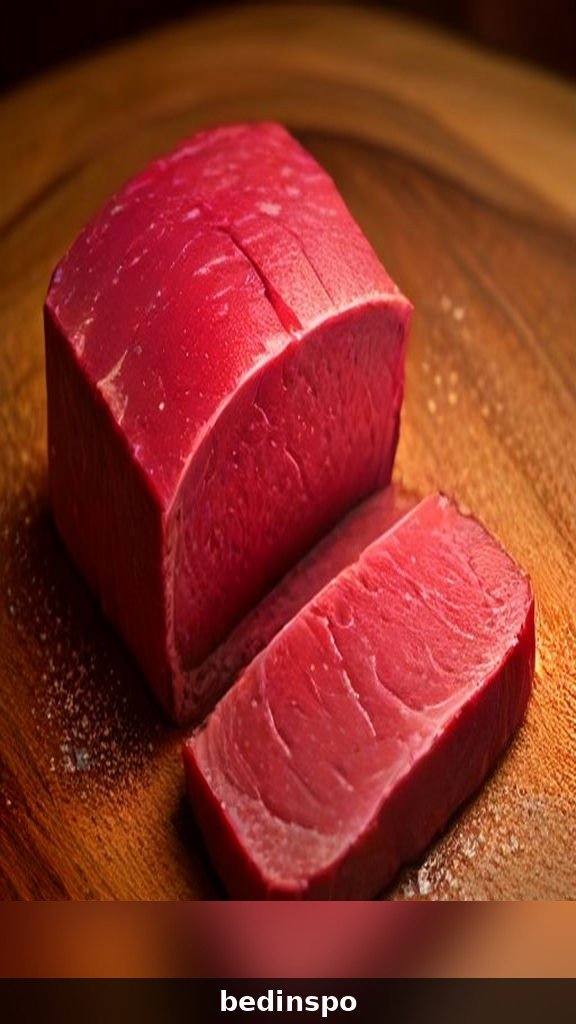
Start with the right cut and you are halfway to success. Look for a rib roast — sold as “prime rib” or “standing rib roast” — which comes from the rib primal and is prized for its marbling. Bone-in roasts have the most flavor (the bones insulate the meat and add richness to the drippings), and they make a stunning presentation. Boneless rib roasts, sometimes labeled “ribeye roast,” are easier to carve and fit better in smaller slow cookers.
For sizing, plan on about one pound of bone-in roast per person, or about three-quarters of a pound per person for boneless — prime rib is rich, and generous slices go a long way. A 4 to 5 pound roast feeds six to eight people and fits comfortably in a standard 6-quart oval slow cooker. Choose a roast with abundant white marbling throughout; that intramuscular fat is what keeps the meat juicy and flavorful during the long, slow cook.

The Simple Garlic-Herb Rub
Great prime rib does not need a complicated seasoning blend — it needs salt, plenty of it, applied generously and ahead of time. My go-to rub is beautifully simple: coarse kosher salt, cracked black pepper, minced fresh garlic, chopped fresh rosemary, thyme, and a little olive oil to bind it all into a fragrant paste. That is it. The beef itself is the star; the rub is the supporting cast.
The real secret is timing: salt the roast at least 12 hours before cooking, ideally a full 24. This dry-brine draws moisture out, then reabsorbs it along with the salt, seasoning the meat deeply and helping the exterior brown better. Apply the garlic-herb paste a few hours before cooking or right before it goes into the slow cooker. If you are short on time, even a 4-hour salt rest makes a noticeable difference — do not skip it if you can help it.
Upgrade: Garlic-Herb Butter Crust
Want to take things firmly into special-occasion territory? Slather the roast in a compound butter before cooking. Mash together softened butter with roasted garlic, rosemary, thyme, Dijon mustard, salt, and pepper, then coat the entire roast in a thick, even layer. As the roast slow-cooks, the butter melts into the meat and mingles with the beef juices, creating the most luxurious drippings for your au jus.
This version develops an especially gorgeous crust during the final oven finish — the butter solids caramelize into deep golden, crackly patches that contrast beautifully with the tender pink interior. It is a small extra step (five minutes to mash the butter) with an outsized payoff in flavor. If you are making this slow cooker prime rib for Christmas dinner, this is the version that earns the gasps when you bring it to the table.
Step-by-Step: Slow Cooker Prime Rib
Here is the full method, start to finish. First, take your salted, rubbed roast out of the refrigerator 1 to 2 hours before cooking so it loses its chill — a room-temperature roast cooks far more evenly. Pat it dry, apply the garlic-herb rub or butter, and let it sit while you prep the slow cooker.
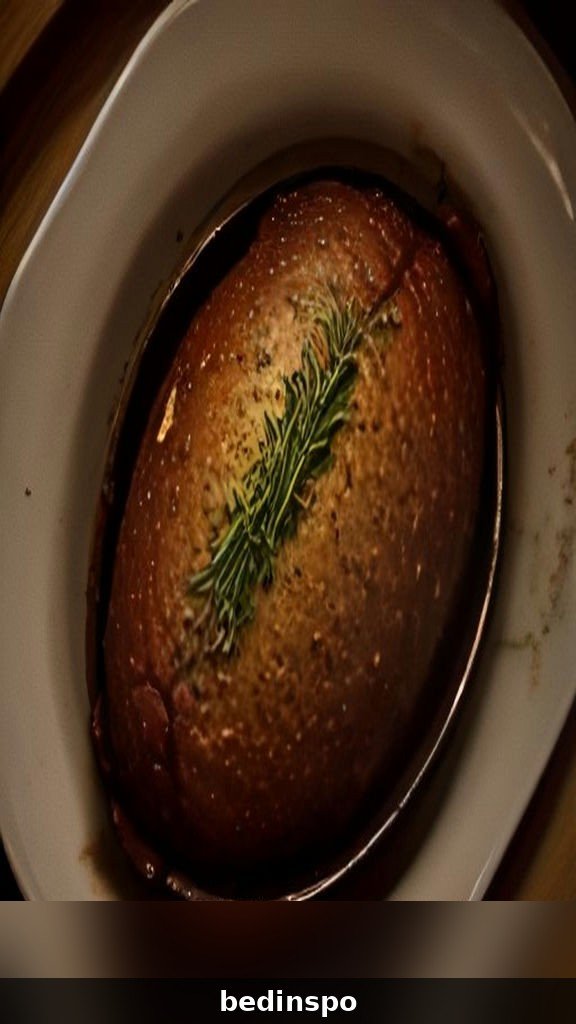
Scatter a bed of roughly chopped onion, carrots, and celery (plus a few smashed garlic cloves and herb sprigs) in the bottom of the slow cooker. This vegetable raft lifts the roast out of direct contact with the bottom, adds aromatic flavor to the drippings, and later becomes the base of an incredible au jus. Pour in about a cup of beef broth — just enough for moisture, not enough to submerge the meat. Nestle the roast on top, fat-cap up.
Cover and cook on LOW for 4 to 6 hours for a 4 to 5 pound roast, until an instant-read thermometer in the thickest part (away from bone) reads 120–125°F for medium-rare. Start checking early — every slow cooker runs a little differently, and carryover cooking plus the oven finish will add more heat. That is the whole active method: season, nestle, cover, wait. The slow cooker handles the rest.
Temperature Guide: Nail Your Doneness
An instant-read thermometer is the single most important tool for this recipe — it is the difference between guessing and knowing. Because the roast will rise 5 to 10 degrees during resting and pick up more heat in the final crust-forming blast, you want to pull it from the slow cooker BEFORE it hits your target temperature.
Aim for these pull temperatures: 120–125°F for rare, 125–130°F for medium-rare (the sweet spot for prime rib), 130–135°F for medium. After resting and the hot-oven finish, medium-rare will land around 135°F — warm, rosy, and juicy. I do not recommend cooking prime rib past medium; this beautiful cut deserves its pink center. Remember that carryover cooking is real and powerful in a thick roast, so trust the thermometer and pull early rather than late.

The Oven Finish: A Beautiful Crust
A slow cooker gives you tenderness, but it cannot give you a crackling brown crust — for that, you need a blast of dry heat. When the roast hits your pull temperature, transfer it to a roasting pan or sheet tray and slide it into a blazing 500°F oven for 10 to 15 minutes. This reverse-sear finish creates a deeply browned, savory crust while barely affecting the perfectly pink interior.
Watch it closely during this step — the line between gorgeously caramelized and scorched is thin at 500°F. You want deep mahogany color and sizzling edges. This two-stage approach (low-and-slow, then hot-and-fast) is the same technique behind the best oven prime rib recipes, and it works brilliantly here. The contrast between the crackly crust and the meltingly tender interior is what makes people close their eyes on the first bite.
Resting: The Step You Cannot Skip
After the oven finish, tent the roast loosely with foil and let it rest for 20 to 30 minutes. I know — the hardest part of any roast recipe is waiting while it smells incredible. But resting is non-negotiable: it lets the juices, which have been driven toward the center by the heat, redistribute evenly through the meat. Slice too early and those juices flood the cutting board instead of staying in your slices.
Use the resting time productively: strain the slow cooker drippings for the au jus, whisk together the horseradish sauce, warm the dinner plates, and finish any last-minute sides. The roast will stay plenty hot under its foil tent. When you finally carve — against the grain, in thick, generous slices — the interior will be evenly rosy and every bite will glisten with juice.

Easy Au Jus from the Slow Cooker Drippings
Do not throw away those glorious slow cooker drippings — they are liquid gold and the base of a restaurant-worthy au jus. Strain the cooking liquid through a fine-mesh sieve into a saucepan, skimming off excess fat (or use a fat separator). You should have intensely beefy, aromatic juices thanks to the hours the roast spent mingling with the vegetables and herbs.
Bring the strained liquid to a simmer and reduce it slightly to concentrate the flavor, tasting as you go. If you want a slightly richer jus, whisk in a teaspoon of cornstarch slurry or a knob of cold butter at the end. Season with salt and pepper. That is genuinely all it takes — no stockpots, no veal bones, no all-day simmering. Serve it warm in a pitcher alongside the carved roast for dipping and drizzling.
Creamy Horseradish Sauce
Prime rib and horseradish sauce are a match made in heaven — the cool, pungent cream cuts through the beef’s richness perfectly. Stir together sour cream (or a mix of sour cream and mayonnaise), prepared horseradish to taste, a squeeze of lemon juice, a pinch of salt, and some snipped chives. Start with two tablespoons of horseradish and add more until it makes your eyes water just a little — that is the sweet spot.
Make the sauce at least an hour ahead so the flavors meld, and keep it chilled until serving. It also doubles as a fantastic spread for leftover prime rib sandwiches the next day. For a milder version that kids might prefer, use less horseradish and a touch more sour cream; for the full sinus-clearing experience, grate fresh horseradish root if you can find it. Either way, put a generous bowl on the table — it will disappear.

What to Serve with Slow Cooker Prime Rib
The beauty of the slow cooker method is that your oven is free, so go big on the sides. Creamy mashed potatoes or a silky potato gratin are classic for a reason — they catch the au jus beautifully. Yorkshire pudding, those puffy, eggy, beef-dripping-loving vessels, is the traditional British partner and bakes in minutes while the roast rests.
Round out the plate with roasted green beans or asparagus, honey-glazed carrots, and a crisp winter salad with pomegranate and blue cheese to cut the richness. Warm, crusty dinner rolls are mandatory for sopping. For wine, a bold Cabernet Sauvignon or a silky Merlot stands up to the beef; a rich Pinot Noir works too if you prefer something softer. Keep dessert simple after such a decadent main — something light and bright is ideal.
Holiday Timing: Making Christmas Dinner Work
Here is how to fit slow cooker prime rib into a real Christmas Day. Work backward from dinner time: the roast needs 4 to 6 hours on LOW, plus 15 minutes for the oven finish and 25 minutes of rest. For a 6 p.m. dinner, get the roast into the slow cooker between 11 a.m. and noon. That leisurely morning timeline is the whole gift of this method — no 6 a.m. oven marathon.
While the roast cooks itself, your oven is free all afternoon for sides: assemble the potato gratin, prep the vegetables, bake the rolls, even bake dessert. About 45 minutes before dinner, pull the roast at temperature, crank the oven to 500°F for the crust finish, and slide in any sides that need a hot oven. Everything converges at the table with minimal chaos — which, on Christmas, is worth more than any recipe tweak.

Troubleshooting Your Prime Rib
Even a forgiving method has a few pitfalls, so here is how to handle them. If your roast is cooking faster than expected and hits temperature early, pull it, tent it, and hold it — a long rest (up to an hour, tented) is perfectly fine and will not hurt the texture. If it is cooking slowly, you can nudge the slow cooker to HIGH for the last hour, but watch the temperature closely.
Worried about the gray, overcooked outer band? The low slow-cooker heat minimizes it naturally, and pulling at the right temperature (not a degree later) is your best defense. If the crust is not browning in the oven finish, brush the roast lightly with oil or melted butter and give it a few more minutes — fat is what browns. And if anyone at your table prefers their beef more done, simply give their slices a quick sear in a hot skillet or a minute under the broiler. Everyone wins.
Brilliant Leftover Prime Rib Ideas
Leftovers are half the joy of a holiday roast, and prime rib leftovers are genuinely luxurious. The cardinal rule: reheat gently. Warm slices in a 250°F oven just until heated through, or flash-sear them — blasting leftover prime rib in the microwave turns that perfect pink interior gray and tough.
Turn slices into the ultimate French dip sandwiches on crusty baguettes with provolone and warm au jus for dipping. Chop leftovers into a hearty beef and barley soup, fold them into steak quesadillas, or slice thin for the best steak salad you have ever had. Thin-sliced cold prime rib on rye with horseradish sauce is a next-day lunch worth looking forward to. Store leftovers tightly wrapped in the refrigerator for 3 to 4 days, or freeze sliced portions for up to 3 months.

Slow Cooker Prime Rib FAQs
Can you really cook prime rib in a slow cooker?
Yes — and the results are fantastic. The slow cooker’s low, steady heat is ideal for a thick rib roast: it cooks the meat evenly, keeps it bathed in savory juices, and virtually eliminates the risk of drying it out. Finish with a blast in a hot oven for the browned crust, and you get edge-to-edge pink, juicy prime rib with a fraction of the usual stress.
How long does prime rib take in the slow cooker?
Plan on 4 to 6 hours on LOW for a 4 to 5 pound roast, but cook to temperature, not to the clock. Start checking with an instant-read thermometer at the 4-hour mark. Every slow cooker runs a little differently, and factors like the roast’s starting temperature and shape affect timing — the thermometer is the only reliable guide.

What temperature should slow cooker prime rib be?
Pull the roast at 125–130°F for medium-rare, 120–125°F for rare, or 130–135°F for medium, measured in the thickest part away from bone. Resting and the hot-oven crust finish will add another 5 to 10 degrees. Medium-rare (about 135°F after resting) is the classic sweet spot for prime rib — rosy, juicy, and tender.
Do I need to sear the roast before slow cooking?
No — and that is one of the beauties of this method. Instead of searing first, you do a reverse sear at the end: a 10 to 15 minute blast in a 500°F oven after slow cooking. This builds a deep, caramelized crust without overcooking the interior, and it is far easier than wrestling a huge roast in a ripping-hot skillet.

Can I use a frozen prime rib roast?
It is not recommended. For food safety, meat should not linger in the temperature danger zone, and a large frozen roast would take too long to heat through in a slow cooker. Always thaw your prime rib completely in the refrigerator (allow 24 hours per 4–5 pounds) before cooking, and bring it toward room temperature for an hour or two before it goes in.
How do I keep the bottom of the roast from overcooking?
Rest the roast on a thick bed of roughly chopped onion, carrots, and celery — the vegetable raft lifts the meat away from the direct heat at the bottom of the insert and flavors the drippings at the same time. Cooking on LOW (never HIGH for the full duration) and pulling at the right internal temperature also protect the bottom from overcooking.

Can I make slow cooker prime rib ahead of time?
You can cook it mostly ahead: slow-cook the roast earlier in the day, pull it at about 115–120°F (slightly under your target), tent and hold it at room temperature for up to 2 hours, then do the hot-oven finish and rest right before serving. The au jus and horseradish sauce can both be made a day ahead. This stagger is perfect for Christmas, when oven and schedule Tetris is real.
What size slow cooker do I need?
A 6-quart oval slow cooker comfortably fits a 4 to 5 pound rib roast, which serves 6 to 8 people. For larger roasts (6 to 8 pounds), you will want a 7 or 8 quart oval model — the roast should fit without being jammed against the lid, with a little room for the vegetable bed underneath. When in doubt, choose a boneless ribeye roast, which packs into the insert more easily than bone-in.

The Easiest Fancy Dinner You Will Ever Make
Prime rib earns its celebration status honestly — it is one of the great luxury cuts of beef, rich with marbling and deep flavor. But it has never been easier to cook than this. The slow cooker quietly handles the hard part while you handle the holiday, and the hot-oven finish delivers the crackling crust and rosy interior that make the whole table fall silent.

So this Christmas, give yourself the gift of a relaxed holiday kitchen. Salt the roast the night before, tuck it into the slow cooker in the late morning, and spend the afternoon doing literally anything else. When you carve those thick, glistening, perfectly pink slices and pass the warm au jus, nobody will believe how little effort it took. That can be our secret.
If you loved this slow cooker prime rib recipe, keep the holiday cooking going:
- Monkey Bread – pull-apart caramel bliss for Christmas morning
- Sugared Cranberries – sparkling sweet-tart gems for garnishing and snacking
- Pecan Pie Bark – all the pecan pie flavor in easy candy form
- Christmas Crack – the infamous saltine toffee everyone fights over