Honey Glazed Ham Recipe: Juicy, Easy Holiday Ham
There is something magical about a honey glazed ham sitting in the middle of a holiday table. The golden, sticky glaze catches the light, the sweet smell of honey and brown sugar fills the kitchen, and everyone suddenly appears “just to check on dinner.” If you have ever thought ham was too much work for a holiday meal, this honey glazed ham recipe is about to change your mind completely.
The truth is, ham is one of the easiest holiday main dishes you can make. Most hams you buy are already fully cooked, which means you are really just warming it through and building that gorgeous caramelized honey glaze on the outside. This recipe uses a simple four-ingredient glaze, one baking dish, and barely twenty minutes of hands-on time. The oven does the rest.
Whether this is your very first holiday ham or you are a seasoned Christmas dinner host looking for a better glaze, this guide has you covered. We will talk about which ham to buy, how to score and stud it with cloves, every step of the glazing process, slow cooker and oven methods, what to serve alongside, and all the delicious ways to use up leftovers. Let’s make the juiciest honey glazed ham of your life.
Why You’ll Love This Honey Glazed Ham Recipe
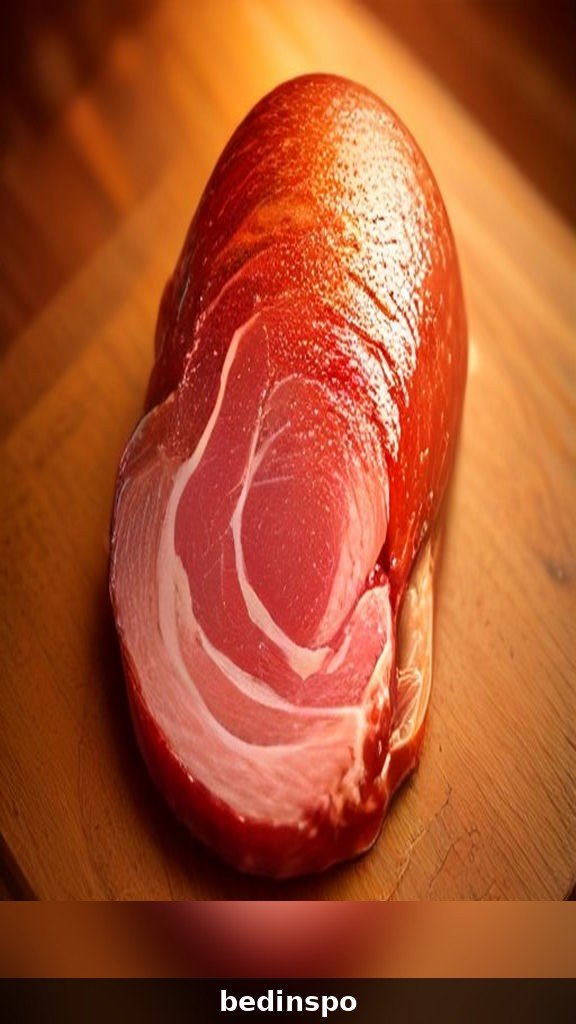
Some recipes earn a permanent spot in your holiday rotation, and this is one of them. First, it is nearly foolproof. Because the ham is already cooked, there is no scary raw-meat guessing game. You are simply heating it gently and painting on layers of sticky-sweet glaze until the outside turns a deep, burnished gold.
Second, the flavor is unbeatable. Real honey brings a floral sweetness that brown sugar deepens into caramel, Dijon mustard adds just enough tang to keep things balanced, and warm spices like cinnamon and clove make the whole house smell like the holidays. Each slice gets that irresistible sweet-savory crust with juicy meat underneath.
Third, it feeds a crowd without the stress of timing a turkey. Ham is forgiving. It reheats beautifully, it tastes wonderful at room temperature on a buffet, and leftovers are arguably even better than the main event. One ham can carry you through Christmas dinner, next-day sandwiches, a pot of soup, and a breakfast scramble. That is serious holiday value from a single roast.
Finally, this recipe is flexible. Cook it in the oven for that classic roasted finish, or set it in the slow cooker and free your oven for sides and pies. The glaze works on spiral-cut, bone-in, or boneless hams, and we will show you easy flavor twists like bourbon, pineapple, and maple so you can make it your own year after year.

The Best Ham to Buy for Honey Glazing
Walking down the ham aisle can feel overwhelming, so let’s simplify it. For this honey glazed ham recipe, a spiral-cut, bone-in ham is the gold standard. The spiral cut means every slice is pre-separated, so the glaze seeps down between the layers and each serving gets maximum flavor. The bone keeps the meat moist and flavorful during reheating, and you get a bonus ham bone for soup later.
If you prefer easier carving, a boneless ham works fine too, though it can be slightly less juicy. Shank-end hams have more connective tissue and flavor, while butt-end hams are leaner and more uniform in shape, which makes for prettier slices. Honestly, any fully cooked smoked ham in the 8 to 12 pound range is a great choice for a holiday crowd.
Check the label for “fully cooked” or “ready to eat.” Most supermarket hams are already cooked and smoked, which is exactly what you want for this recipe. Plan on about 3/4 pound of bone-in ham per person, or 1/2 pound per person for boneless. A 10-pound bone-in ham generously serves 12 to 14 people with leftovers, which is precisely the point.
Avoid “ham and water product” if you can, since those are pumped with extra liquid and can turn out watery. Look for “ham with natural juices” or a country-style smoked ham for the best texture and flavor. And whatever you do, do not buy a “cook before eating” fresh ham for this recipe, because the timing and method are completely different.
Ingredients for the Honey Glaze
The beauty of this glaze is its simplicity. You only need four pantry staples, and they whisk together in about two minutes. Here is what goes into the classic version:
- Honey (3/4 cup): the star of the show. Use a real, pourable honey, not honey-flavored syrup. A wildflower or clover honey gives a lovely floral note, while a darker buckwheat honey adds deeper caramel tones.
- Brown sugar (1/2 cup, packed): dark brown sugar adds molasses richness that helps the glaze caramelize into that gorgeous sticky crust. Light brown sugar works too, just with a milder flavor.
- Dijon mustard (2 tablespoons): this is the secret ingredient. It does not make the ham taste like mustard, it just adds a tangy sharpness that balances the sweetness and helps the glaze cling to the meat.
- Apple cider vinegar (1 tablespoon): a little acidity brightens the glaze and keeps it from being cloyingly sweet. Fresh lemon juice is a fine substitute.
- Warm spices (optional but lovely): 1/2 teaspoon ground cinnamon and 1/4 teaspoon ground cloves or allspice for that classic holiday warmth.
You will also want whole cloves for studding the ham if yours is not spiral-cut, plus pineapple rings and maraschino cherries if you love that retro holiday look. A little melted butter whisked into the glaze (about 2 tablespoons) makes it extra glossy and rich.
How to Make Honey Glazed Ham: Step by Step
Here is the full process from fridge to table. Read through once, then relax, because this is genuinely easy.
Step 1: Bring the Ham to Room Temperature
Take the ham out of the refrigerator about 1 to 2 hours before baking. A cold ham going into a hot oven heats unevenly, and the outside can overcook while the center stays chilly. Set it in its roasting pan on the counter, covered loosely, and let it lose the chill. Preheat your oven to 325°F (165°C) while you wait. This gentle temperature is key: too hot and the honey glaze burns before the ham warms through.
Step 2: Score and Stud the Ham
If your ham is not spiral-cut, score the fat cap in a diamond pattern. Use a sharp knife to cut shallow diagonal lines about 1/4 inch deep and 1 inch apart in one direction, then repeat in the opposite direction to make diamonds. Press a whole clove into the center of each diamond. This looks beautiful and perfumes the meat as it bakes. If your ham is spiral-cut, you can skip scoring entirely, the glaze will find its way into all those lovely layers.
Step 3: Add Liquid and Tent with Foil
Pour about 1 cup of water, apple juice, or chicken broth into the bottom of the roasting pan. This creates steam that keeps the ham moist. Place the ham cut-side down if spiral-cut, which protects the exposed slices from drying. Tent the whole thing loosely with aluminum foil, making sure the foil does not touch the glaze area too tightly, and slide it into the oven.
Step 4: Bake Low and Slow
Bake for about 12 to 15 minutes per pound, until the internal temperature reaches 130°F. For a 10-pound ham, that is roughly 2 to 2 1/2 hours. Use a meat thermometer inserted into the thickest part, avoiding the bone, because guessing is how holiday dinners go wrong. Patience here pays off in juiciness.
Step 5: Glaze, Glaze, and Glaze Again
About 30 to 40 minutes before the ham is done, remove the foil and brush on a generous layer of the honey glaze. Return it to the oven uncovered and brush on more glaze every 10 to 15 minutes. These repeated layers build up that thick, lacquered, caramelized crust. In the final 5 minutes, you can switch the oven to broil for a minute or two to char the edges slightly, but watch it like a hawk because honey burns fast.
Step 6: Rest Before Slicing
Transfer the ham to a cutting board and let it rest for 15 to 20 minutes, tented loosely with foil. The juices redistribute, the glaze sets into a shiny shell, and the meat slices cleanly instead of shredding. Drizzle any pan juices over the top before serving, and prepare for compliments.

Honey Glaze Variations to Try
Once you master the classic glaze, the fun begins. These variations all start from the same base of honey, brown sugar, Dijon, and vinegar, then take it in delicious new directions.
Brown Sugar and Spice Glaze
Double the brown sugar and add a teaspoon of cinnamon, half a teaspoon of ground ginger, and a pinch of nutmeg. This is the coziest, most Christmas-morning-tasting glaze of the bunch, and it caramelizes into an almost candy-like crust.
Bourbon Honey Glaze
Add 1/4 cup of bourbon to the glaze and simmer it for a few minutes so the alcohol cooks off. The bourbon adds smoky vanilla and oak notes that are incredible with smoked ham. This is the grown-up dinner party version, and guests always ask for the recipe.
Pineapple Honey Glaze
Swap the apple cider vinegar for pineapple juice and press pineapple rings onto the ham with toothpicks during the last 30 minutes. The tropical sweetness is nostalgic and gorgeous, and the caramelized pineapple edges are everyone’s favorite bite.
Maple Dijon Glaze
Replace half the honey with pure maple syrup and bump up the Dijon to 3 tablespoons. The result is less sweet, more savory, with a beautiful mahogany color. This one is perfect if your crowd prefers savory over sweet.
Spicy Hot Honey Glaze
Whisk in 2 tablespoons of hot sauce or a teaspoon of cayenne plus a tablespoon of extra honey. The gentle heat at the back of each bite is addictive and cuts the richness beautifully. A drizzle of store-bought hot honey over the finished slices works too.

Slow Cooker Honey Glazed Ham
Need your oven for rolls, casseroles, and pies? The slow cooker is your best friend. Choose a boneless or smaller spiral ham (5 to 7 pounds) that fits comfortably in your crockpot with the lid on. Line the bottom with a few thick onion slices or a folded piece of parchment to prevent sticking.
Whisk the glaze ingredients and pour about half over the ham in the slow cooker. Cover and cook on LOW for 4 to 5 hours or on HIGH for 2 1/2 to 3 hours, until the ham reaches 140°F internally. Baste with the cooking juices once or twice if you think of it, but no stress if you forget.
For that caramelized finish, transfer the ham to a baking sheet after slow cooking, brush with the reserved glaze, and broil for 3 to 5 minutes until bubbly and golden. Reduce the slow cooker juices on the stove into a syrup and spoon it over the sliced ham. You get all the flavor with zero oven juggling, which on Christmas Day is worth its weight in gold.
How to Keep Your Ham Moist and Juicy
Dry ham is the number one holiday fear, and it is almost always caused by the same few mistakes. First, do not overcook it. Remember, the ham is already cooked, so you are only reheating to 140°F. Every degree past that squeezes out moisture. A reliable meat thermometer is the single best investment for juicy ham.
Second, keep it covered for most of the bake. That foil tent traps steam and protects the surface. Only uncover for the final glazing stage when you want the outside to caramelize. Third, that cup of liquid in the pan matters more than you think, so do not skip it. Apple juice adds a whisper of sweetness, broth adds savoriness, and water works perfectly fine.
Fourth, slice only what you need and keep the rest whole. Exposed slices dry out fast, especially spiral-cut ones. If you are serving buffet-style, tent the sliced platter with foil until guests arrive. And finally, always rest the ham before carving. Those 15 to 20 minutes let the juices settle back into the meat instead of running all over the cutting board.

Ham Cooking Times and Temperatures
Bookmark this chart, because it takes all the guesswork out of timing. All times are for a fully cooked ham baked at 325°F, and the target internal temperature is 140°F.
- Bone-in, spiral-cut (8-10 lbs): 12-15 minutes per pound, about 2 to 2 1/2 hours
- Bone-in, whole (10-14 lbs): 15-18 minutes per pound, about 2 1/2 to 3 1/2 hours
- Boneless (5-7 lbs): 18-20 minutes per pound, about 1 1/2 to 2 hours
- Half ham, bone-in (5-7 lbs): 18-24 minutes per pound, about 2 to 2 3/4 hours
- Smoked shoulder picnic (5-8 lbs): 25-30 minutes per pound, about 2 1/2 to 4 hours
Start checking the temperature about 30 minutes before the low end of the range. Ovens vary, hams vary, and the thermometer never lies. Pull the ham at 135°F if you are about to broil the glaze, since carryover heat will nudge it up to 140°F while it rests.
How to Score and Stud a Ham with Cloves
Scoring is not just decorative, it is functional. Those shallow cuts let the glaze penetrate below the surface and help the fat render and crisp. Use a sharp paring or chef’s knife and cut through the fat cap but not deep into the meat, about 1/4 inch is perfect. Keep the lines roughly an inch apart for an even diamond pattern.
Whole cloves go right in the center of each diamond, pushed in just far enough to stay put. They release their warm, aromatic oils as the ham bakes, perfuming every slice. A word of caution: cloves are potent, so remind guests they are decorative, or pull them out before serving. Nobody wants to bite into a whole clove mid-conversation.
If you are short on time, skip the studding and just score. If your ham is spiral-cut, skip both and let those pre-cut layers do the work for you. The glaze will seep into every crevice and you will still get a stunning presentation.
What to Serve with Honey Glazed Ham
A great ham deserves great company on the table. Because the ham brings sweet and smoky flavors, the best sides offer contrast: something creamy, something green, something starchy, and something bright and acidic to cut the richness.
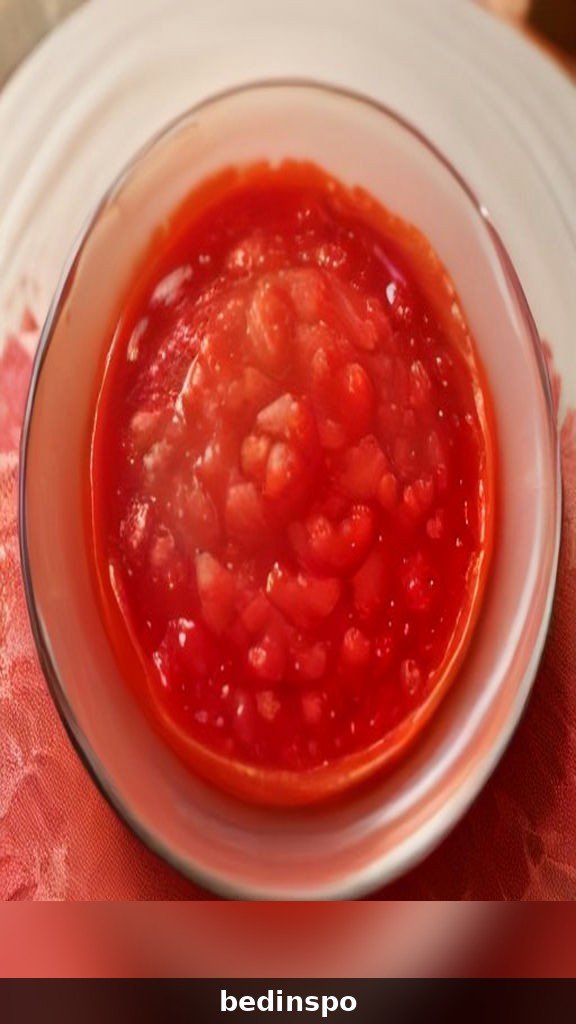
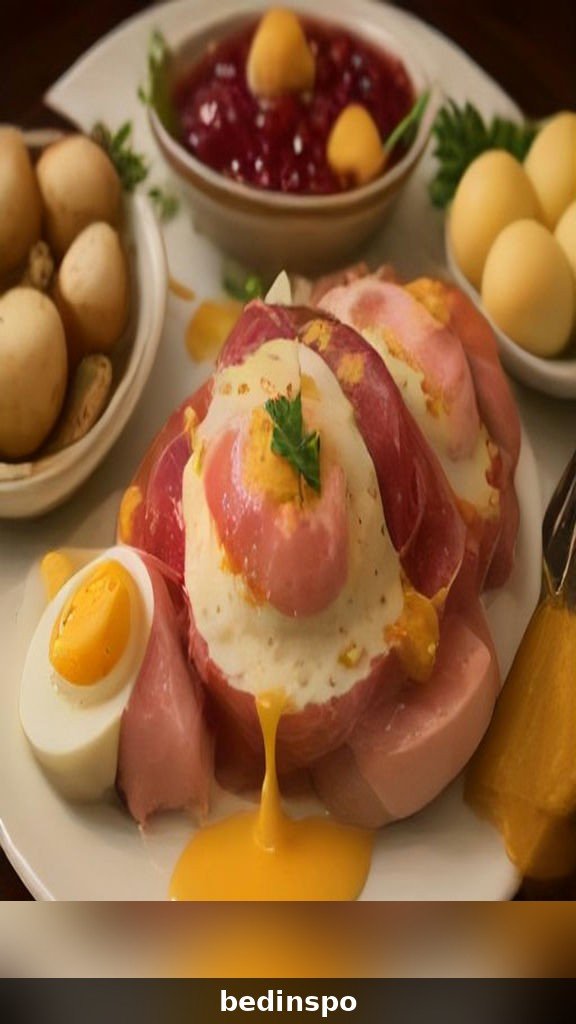
Classic pairings include creamy mashed potatoes or scalloped potatoes, roasted Brussels sprouts with bacon, honey-glazed carrots, green bean casserole, and soft dinner rolls for mopping up glaze. A sharp, tangy side like homemade cranberry sauce or a simple apple and fennel slaw keeps the sweetness in check and adds freshness to the plate.
For a full holiday spread, add a make-ahead mac and cheese, sweet potato casserole with pecan topping, and a crisp winter salad with pomegranate and goat cheese. Deviled eggs are always welcome, and a basket of warm cornbread or Parker House rolls rounds everything out. Keep dessert classic with pecan pie, apple pie, or a Christmas cookie platter, and your table is complete.
Drinks matter too. A honey glazed ham loves an off-dry Riesling, a fruity Beaujolais, or a crisp hard cider. For non-alcoholic options, sparkling apple cider and a festive cranberry punch keep everyone happy.
Leftover Honey Glazed Ham Ideas
Here is a secret: many cooks buy an extra-large ham specifically for the leftovers. That sweet, smoky meat transforms into a week’s worth of incredible meals, and these ideas go way beyond the obvious sandwich.
- The ultimate ham sandwich: pile sliced ham on a brioche bun with cranberry mayo, arugula, and Swiss cheese, then press it warm. Day-after-Christmas lunch perfection.
- Ham and cheese sliders: layer ham and Swiss on Hawaiian rolls, brush with a Dijon-butter glaze, and bake until melty. Made for game day and parties.
- Split pea soup: simmer the ham bone with split peas, carrots, celery, and onion for the coziest soup of the year. The bone adds unbelievable depth.
- Ham fried rice: diced ham, day-old rice, peas, scrambled egg, and soy sauce in a screaming-hot skillet. Faster than takeout.
- Breakfast casserole: cubed ham with eggs, cheese, and bread cubes baked into a make-ahead brunch dish that feeds a houseful of guests.
- Ham and potato soup: creamy, hearty, and ready in under an hour with diced ham, potatoes, and cheddar.
- Quiche or frittata: ham, Gruyère, and caramelized onion in a flaky crust or a crustless frittata for easy entertaining.
- Ham salad: finely chopped ham with mayo, relish, and Dijon, perfect for tea sandwiches or crackers.
Dice and freeze leftover ham in one-cup portions for quick future meals. It thaws in minutes and goes straight into soups, pastas, and scrambles all winter long.

Make-Ahead Tips for a Stress-Free Holiday
The holidays are hectic enough without spending the whole day chained to the stove. Good news: ham is one of the most make-ahead-friendly main dishes there is. You can whisk the glaze together up to a week in advance and store it in a jar in the refrigerator. Give it a quick warm-up and whisk before using so it brushes on smoothly.
The day before, you can score and stud the ham, place it in the roasting pan, cover it tightly, and refrigerate overnight. On the big day, just add the pan liquid, let it sit at room temperature for an hour, and slide it into the oven. You have essentially reduced game-day work to brushing on glaze a few times.
Sides can be prepped ahead too. Assemble casseroles the night before, make cranberry sauce up to a week ahead (it keeps beautifully), and bake rolls in the morning. With the ham mostly hands-off in the oven, you actually get to enjoy your own party, which is the whole point.
How to Store and Freeze Ham
Properly stored leftover ham stays delicious for days. Refrigerate sliced or cubed ham in airtight containers within two hours of serving, and it will keep for 3 to 4 days. Keep the bone-in portion wrapped tightly in foil or plastic wrap. Save every drop of the pan juices too, they are liquid gold for reheating and for flavoring soups and beans.
For longer storage, ham freezes wonderfully. Wrap portions tightly in plastic wrap, then foil or a freezer bag, pressing out as much air as possible. Label with the date and freeze for up to 2 months for best quality. Thaw overnight in the refrigerator, never on the counter.
To reheat without drying it out, place slices in a baking dish with a splash of broth or pan juices, cover tightly with foil, and warm at 300°F for 10 to 15 minutes until heated through. The steam gently brings the ham back to life, and a fresh drizzle of warmed glaze makes it taste just-baked.

Troubleshooting Common Ham Problems
Even easy recipes can hit snags, so here are quick fixes for the most common ham headaches. If your glaze is burning before the ham is hot, your oven is too hot or the rack is too high. Move the ham to a lower rack, tent it with foil, and finish at 300°F. Honey caramelizes fast, so the final glazing stage needs your attention.
If the glaze slides right off, the ham surface was probably too wet or too cold. Pat the ham dry before the first glaze layer, and make sure your glaze is thick enough to cling. Simmering the glaze for a few minutes thickens it nicely. A thin first layer that bakes on acts like primer for the thicker coats that follow.
If the ham tastes too salty, which can happen with certain smoked hams, serve it with sweet and acidic sides like pineapple, cranberry sauce, or a honey-mustard dipping sauce to balance it. Soaking a very salty ham in cold water for a few hours before baking can help too, though most modern hams do not need this.
If you ran out of time and the center is still cool, slice what you need and warm individual portions in a covered skillet with a splash of juice. Nobody will know, and the glaze gets even stickier and more delicious on the hot slices.

Frequently Asked Questions
Do I need to cook a fully cooked ham?
Technically no, a fully cooked ham is safe to eat cold, straight from the package. But warming it to 140°F dramatically improves the texture and flavor, and it gives you the chance to build that caramelized honey glaze that makes this recipe special. Think of it as reheating with benefits.
How long does it take to cook a 10-pound spiral ham?
At 325°F, a 10-pound spiral-cut bone-in ham needs roughly 2 to 2 1/2 hours, or 12 to 15 minutes per pound, to reach 140°F internally. Start glazing during the last 30 to 40 minutes. Always confirm with a meat thermometer rather than relying on time alone.
Can I make honey glazed ham without brown sugar?
Absolutely. You can use all honey, or substitute maple syrup, coconut sugar, or even apricot preserves for the brown sugar. The glaze will be slightly less caramel-like but still delicious. If using only honey, reduce it a touch since honey is sweeter than brown sugar by volume.
Why is my honey glaze not sticking to the ham?
The most common causes are a wet ham surface, a glaze that is too thin, or glazing a cold ham. Pat the ham dry, simmer the glaze until it lightly coats a spoon, and apply the first layer when the ham is hot from the oven. Each baked-on layer helps the next one grip.
Can I use this recipe for Easter or Thanksgiving too?
Yes, that is the beauty of it. This honey glazed ham recipe is a year-round holiday hero. It is traditional at Easter, wonderful for Thanksgiving when you want an alternative to turkey, and perfect for Christmas. It also shines at New Year’s brunch and spring gatherings.
How far in advance can I buy the ham?
An unopened, refrigerated ham keeps until the sell-by date on the package, often several weeks. Once opened, cook it within 3 to 5 days. You can also freeze an unopened ham for up to 2 months; thaw it in the refrigerator for 24 to 48 hours before baking day.
What is the difference between spiral-cut and regular ham?
Spiral-cut hams are pre-sliced in one continuous spiral around the bone, so serving is as easy as running a knife along the bone. Regular (unsliced) hams need hand carving but give you more control over slice thickness. Spiral hams absorb glaze beautifully between the slices but can dry out faster, so keep them tented and do not overbake.

Recipe Card: Classic Honey Glazed Ham
Here is the quick-reference version to save or print. Serves 12 to 14.
Ingredients: 1 fully cooked bone-in spiral ham (8-10 lbs); 3/4 cup honey; 1/2 cup packed dark brown sugar; 2 tablespoons Dijon mustard; 1 tablespoon apple cider vinegar; 1/2 teaspoon ground cinnamon; 1/4 teaspoon ground cloves; 1 cup apple juice or water for the pan; whole cloves, pineapple rings, and cherries for garnish (optional).
Instructions: 1. Bring ham to room temperature 1-2 hours; preheat oven to 325°F. 2. Whisk glaze ingredients in a saucepan; simmer 2-3 minutes until slightly thickened. 3. Place ham cut-side down in a roasting pan with 1 cup liquid; tent with foil. 4. Bake 12-15 minutes per pound until 130°F internally. 5. Uncover, brush with glaze, and bake 30-40 more minutes, glazing every 10-15 minutes, until 140°F and caramelized. 6. Rest 15-20 minutes, slice, and serve with pan juices.
Nutrition note: Ham is naturally high in protein and also high in sodium, so enjoy it as the celebratory centerpiece it is, balanced with plenty of vegetables and lighter sides on the plate.

Holiday Ham Presentation Ideas
We eat with our eyes first, and a holiday ham is your chance for a true showpiece. For the classic look, arrange pineapple rings over the glazed ham with a maraschino cherry in the center of each, secured with toothpicks during the last 20 minutes of baking. The caramelized fruit edges glisten and the retro charm is undeniable.
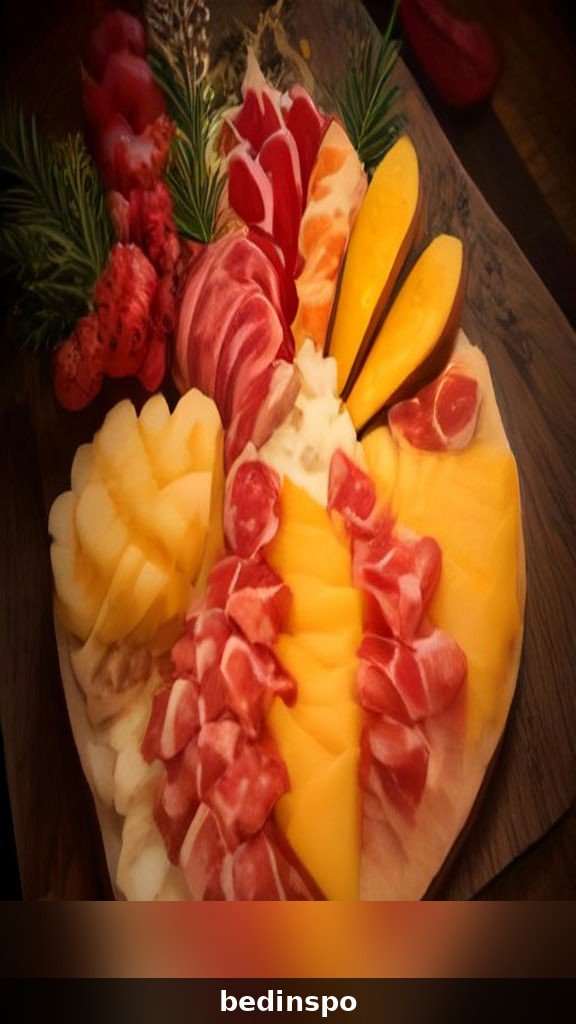
For a more modern, elegant presentation, skip the fruit and garnish the platter with fresh rosemary sprigs, thyme, whole cranberries, and orange slices. The deep green against the burnished gold ham is stunning in photos. A light dusting of flaky sea salt over the glaze just before serving adds sparkle and a pleasant crunch.
Serve the ham on your largest platter or a wooden cutting board, with a small bowl of extra warmed glaze or honey mustard on the side for drizzling. Tuck some roasted vegetables or dinner rolls around the base to fill out the platter. Your holiday table will look like it belongs in a magazine, and your guests will be reaching for their phones before their forks.

Why Honey Beats Other Sweeteners for Ham
You might wonder why this recipe insists on real honey instead of just using brown sugar or corn syrup. Honey brings something the others cannot: complexity. Its floral notes, subtle acidity, and natural enzymes create a glaze with depth, not just sweetness. As it bakes, honey caramelizes into a lacquered coating with slightly bitter, toasty edges that balance the salt of the ham perfectly.
Honey also browns more evenly than plain sugar glazes, giving you that consistent golden-mahogany color without hot spots. It stays slightly tacky rather than hardening into a candy shell, so each slice has a luscious, sticky exterior. And from a practical standpoint, most of us already have honey in the pantry, making this a true pantry-staple recipe.
That said, the best glaze is the one you love. If your family adores brown sugar, use more of it. If maple syrup is your thing, lean into the maple variation above. Honey is the classic for a reason, but your holiday table, your rules.

Pairing Wine and Drinks with Honey Glazed Ham
The sweet-salty profile of honey glazed ham is actually very drink-friendly. An off-dry Riesling is the classic match: its touch of sweetness echoes the glaze while its acidity cuts the richness. A fruity Pinot Noir or Beaujolais works beautifully for red wine lovers, offering bright berry notes without heavy tannins that would clash with the sweetness.
Beer drinkers should reach for a Belgian-style ale, a wheat beer, or a crisp lager, all of which complement rather than compete with the ham. For cocktails, a bourbon apple cider or a simple whiskey sour with honey syrup ties the whole meal together. And do not overlook sparkling apple cider or a homemade cranberry-orange punch for a festive non-alcoholic option that both kids and adults will love.

Conclusion: Your New Holiday Tradition
There you have it: everything you need to make a honey glazed ham that is juicy on the inside, caramelized and sticky on the outside, and easy enough to pull off on the busiest cooking day of the year. The simple four-ingredient glaze, the gentle oven method, and the repeated glazing layers are the whole secret. No fancy equipment, no culinary degree required.
What I love most about this recipe is how it brings people together. The smell alone gathers everyone in the kitchen, the carving becomes a little ceremony, and the leftovers keep the celebration going for days. Whether it is Christmas, Easter, Thanksgiving, or just a Sunday you want to make special, this honey glazed ham recipe delivers every single time.
Give it a try this holiday season, and do not forget to save those leftovers, the ham bone soup alone is worth the price of the ham. If you make it, I would love to hear how it turned out. Happy holidays, and happy glazing!
If you loved this recipe, you will enjoy these holiday favorites too:
- Cranberry Cream Cheese Dip – a sweet-tart appetizer that pairs beautifully with a holiday ham spread.
- Christmas Crack Recipe – the addictive saltine toffee everyone begs for every December.
- Snowball Cookies Recipe – buttery pecan snowballs that melt in your mouth.
- Puff Pastry Christmas Tree Recipe – a stunning savory appetizer for your holiday table.