Best Deviled Eggs Recipe (Classic, Creamy & Easy!)
Best Deviled Eggs Recipe (Classic, Creamy & Easy!)
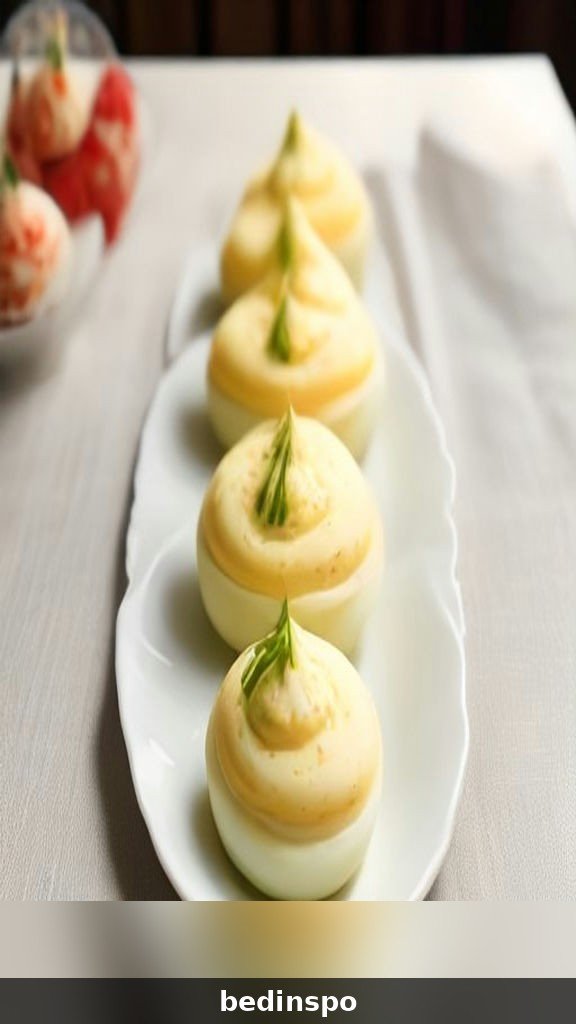
If there is one appetizer that never, ever makes it home from the party, it’s deviled eggs. That platter empties fast — sometimes before the eggs even reach the table! Creamy, tangy yolk filling piped into tender egg whites, finished with a dusting of paprika… it’s the perfect two-bite classic, and this deviled eggs recipe gets it right every single time.
I have made deviled eggs for Easter brunches, Thanksgiving dinners, baby showers, church potlucks, and more backyard cookouts than I can count. Along the way I’ve learned exactly what separates the good ones from the great ones: eggs that peel cleanly without a single nick, whites that are tender instead of rubbery, and a filling so smooth and well-seasoned that people hover around the platter asking what your secret is.
In this post you’ll find my full classic deviled eggs recipe with step-by-step instructions, the perfect egg-boiling method, foolproof peeling tips, pro piping tricks, and a whole lineup of fun variations. Whether this is your first batch or your fiftieth, pin this recipe now — you’re going to make it again and again.
Why This Deviled Eggs Recipe Works Every Time

Deviled eggs look simple, but a few small details make all the difference between a platter you’re proud of and one with pockmarked whites and grainy, bland filling. This recipe is built around those details.
The eggs are steamed, not boiled to death. My method gives you bright yellow yolks with no ugly gray-green ring, and whites that stay tender. Overcooked eggs are the number one reason deviled eggs taste sulfury and chalky — we are avoiding that completely.
The filling is silky, never grainy. The yolks get mashed while warm and whipped with mayonnaise until completely smooth. A tiny splash of the pickle juice (or vinegar) and a pinch of sugar balance the richness so the flavor pops instead of sitting heavy.
The seasoning is balanced, not bland. Dijon mustard for gentle bite, a little white vinegar for brightness, and just enough salt — tasted and adjusted at the end, because cold food needs slightly bolder seasoning than you think.
Every step can be done ahead. Boil the eggs two days early, make the filling a day ahead, pipe an hour before guests arrive. This is a party recipe that respects your schedule.
Ingredients You’ll Need
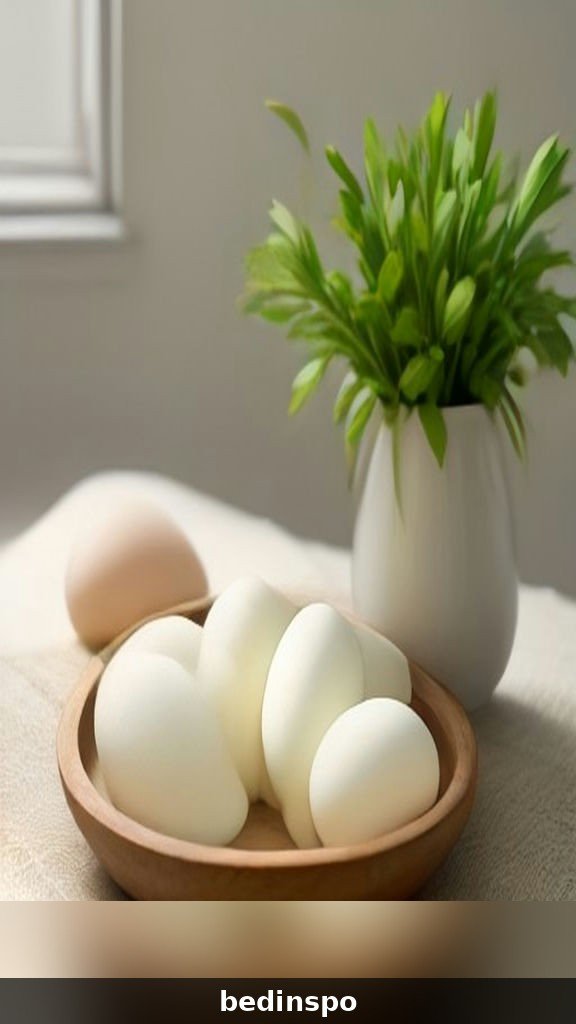
One of the best things about a classic deviled eggs recipe is the short, everyday ingredient list. You probably have everything in your kitchen right now.
- 12 large eggs — slightly older eggs peel much more easily than farm-fresh ones, so buy them about a week ahead if you can
- ½ cup mayonnaise — full-fat, good-quality mayo makes the creamiest filling; this is not the place for low-fat
- 2 teaspoons Dijon mustard — yellow mustard works too and gives that classic deli flavor and color
- 1 teaspoon white vinegar or pickle juice — pickle juice is my favorite secret ingredient for a subtle tang
- ¼ teaspoon fine salt, plus more to taste
- ⅛ teaspoon black pepper
- ¼ teaspoon sugar (optional but lovely) — it doesn’t make the eggs sweet; it rounds out the tang
- Smoked or sweet paprika, for garnish
- Snipped fresh chives or dill, for garnish (optional)
Yield: 24 deviled egg halves. Prep time: 20 minutes. Cook time: 12 minutes, plus cooling. Total time: about 45 minutes.
A quick word about the eggs, because this choice matters more than any other. Eggs that are 7 to 10 days old peel dramatically easier than very fresh eggs — as eggs age, the white pulls slightly away from the shell membrane. If all you have are fresh eggs, don’t worry: the ice bath and peeling tricks below will still get you there.
How to Boil Eggs Perfectly (No Gray Yolks!)
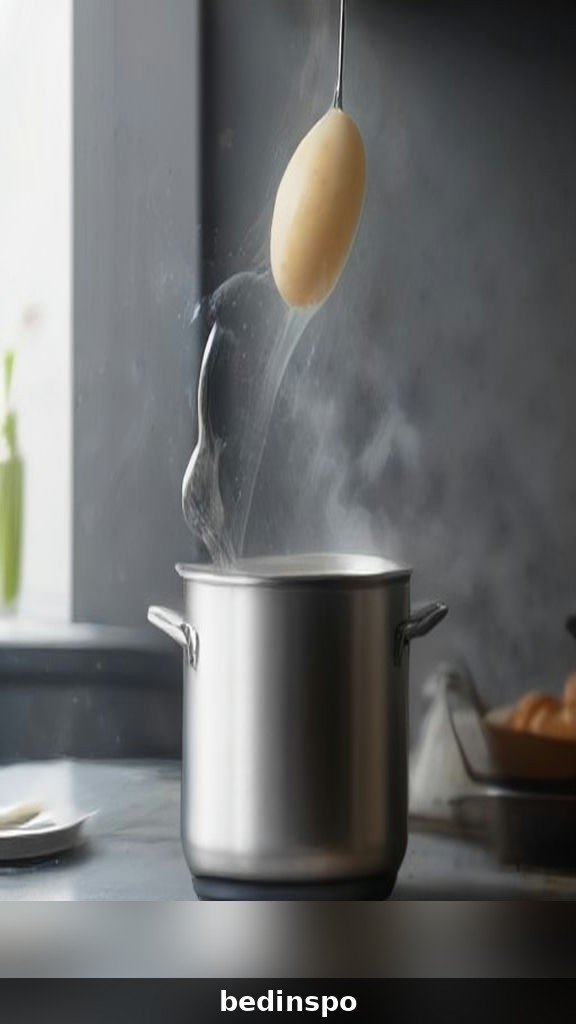
That gray-green ring around the yolk is harmless, but it signals an overcooked egg with a chalky, dry center. Here is the method that gives you perfect, jammy-golden yolks every time:
- Start with cold water. Place the eggs in a single layer in a saucepan and cover with cold water by about an inch. Starting cold prevents cracking and cooks the eggs gently and evenly.
- Bring to a rolling boil. Set the pan over high heat, uncovered, and bring the water to a full boil.
- Off the heat, cover, and rest. The moment the water boils, remove the pan from the burner, cover it with a lid, and let the eggs sit for exactly 12 minutes for large eggs. The residual heat finishes them perfectly without overcooking.
- Ice bath immediately. Transfer the eggs straight into a big bowl of ice water and let them sit at least 5 minutes, ideally 10. This stops the cooking (goodbye, gray ring) and makes peeling dramatically easier.
Prefer to steam your eggs? Even better for peeling! Bring an inch of water to a boil in a pot with a steamer basket, add the cold eggs, cover, and steam for 13 minutes, then ice-bath as directed. Steamed eggs are famously easy to peel because the hot steam loosens the membrane from the white.
How to Peel Eggs Easily (Clean Whites Every Time)
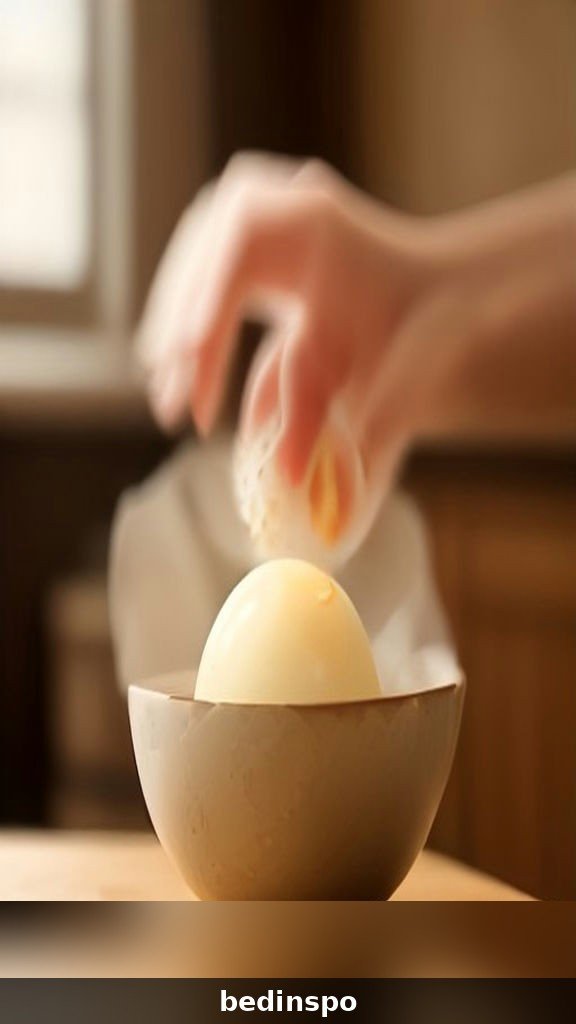
Nothing is more frustrating than a peeled egg that looks like the surface of the moon. These tricks keep your whites smooth and presentation-perfect:
Crack all over. Tap the egg gently on the counter and roll it under your palm so the shell is crackled all the way around, not just broken in one spot. The more fine cracks, the easier the shell slips off.
Start at the wide end. The wide end of the egg has a small air pocket, which gives you the perfect place to get under the membrane and start peeling.
Peel under water. Peel each egg under a thin stream of running water, or in the bowl of ice water itself. The water sneaks under the membrane and lifts the shell away cleanly.
Don’t rush the ice bath. Eggs peeled while still warm tear easily. Let them chill completely — patience here is the difference between smooth whites and shredded ones.
If a white does tear, don’t panic and definitely don’t throw it away. Chop any casualties finely and stir them into the yolk filling — nobody will ever know, and the filling gets a little extra substance.
The Classic Deviled Eggs Recipe: Step by Step
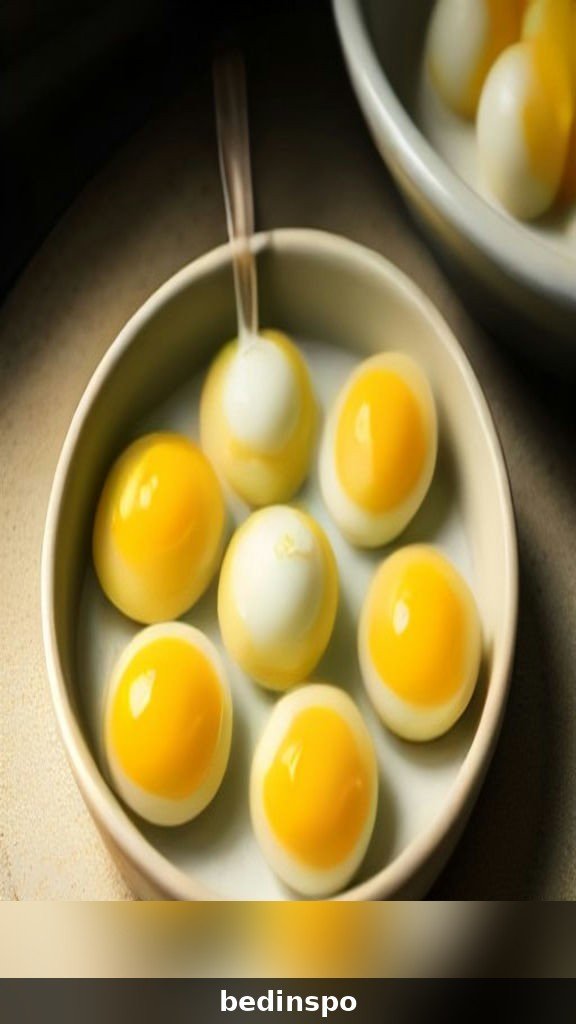
Now for the main event. Here’s the full classic recipe, start to finish:
- Boil and peel the eggs using the method above. Pat the peeled eggs dry with a clean towel — dry whites are much easier to slice cleanly.
- Halve the eggs. With a sharp knife, slice each egg in half lengthwise. Wipe the knife blade on a damp towel between eggs — this tiny habit keeps the whites pristine instead of smeared with yolk.
- Pop out the yolks. Gently squeeze each white half and let the yolk drop into a medium mixing bowl. Arrange the empty whites on your serving platter or a tray lined with a damp paper towel so they don’t slide around.
- Mash the yolks completely smooth. Using a fork, mash the yolks until they are fine, powdery crumbs with absolutely no lumps. This step is the secret to silky filling — any lump left now will show up in the finished eggs.
- Add the creamy ingredients. Stir in the mayonnaise, Dijon mustard, vinegar or pickle juice, salt, pepper, and sugar. Switch to a whisk or a hand mixer and whip until the filling is completely smooth, pale, and fluffy, about 1 minute.
- Taste and adjust. Dip in a clean spoon and taste. Deviled egg filling usually needs a touch more salt or acid than you expect. Adjust, then taste again.
- Fill the whites. Spoon the filling into a piping bag (or a zip-top bag with a corner snipped off) and pipe a generous swirl into each white. No piping bag? A small spoon works beautifully too — just mound the filling neatly.
- Garnish and chill. Dust lightly with paprika and scatter with snipped chives. Refrigerate at least 30 minutes before serving so the flavors meld and the filling firms up.
The Full Recipe Card
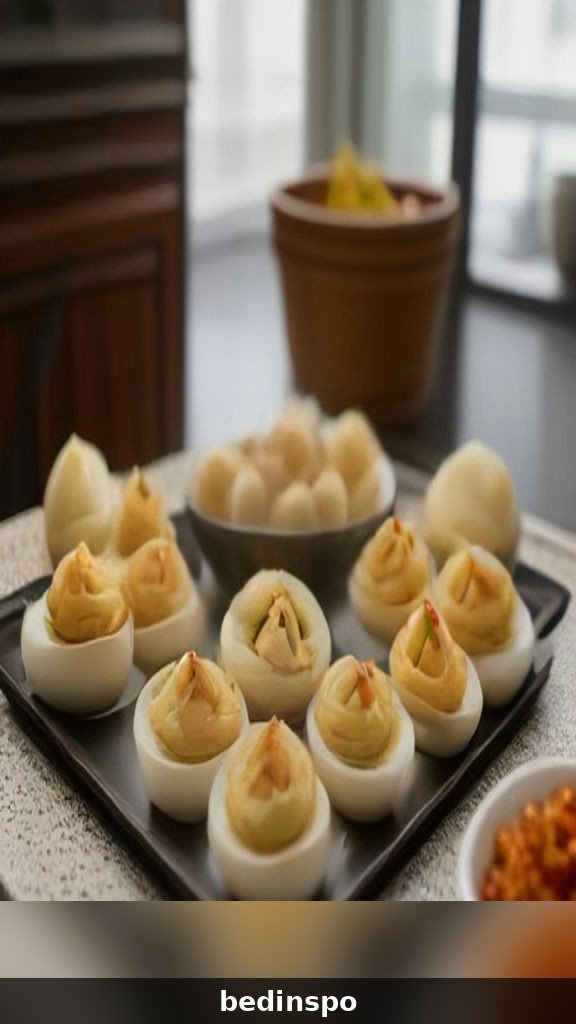
Prep time: 20 minutes · Cook time: 12 minutes · Chill time: 30 minutes · Total time: about 1 hour 5 minutes · Yield: 24 halves (12 eggs) · Serves: 8–12 as an appetizer
Ingredients:
- 12 large eggs
- ½ cup mayonnaise
- 2 teaspoons Dijon mustard (or yellow mustard)
- 1 teaspoon white vinegar or dill pickle juice
- ¼ teaspoon fine salt, plus more to taste
- ⅛ teaspoon black pepper
- ¼ teaspoon sugar (optional)
- Paprika and snipped chives, for garnish
Instructions:
- Place eggs in a saucepan, cover with cold water, and bring to a boil. Remove from heat, cover, and rest 12 minutes.
- Transfer eggs to an ice bath for at least 5 minutes. Peel under running water.
- Halve the eggs lengthwise and transfer the yolks to a bowl.
- Mash yolks to fine crumbs with a fork. Add mayonnaise, mustard, vinegar, salt, pepper, and sugar; whip until completely smooth.
- Taste and adjust seasoning. Pipe or spoon the filling into the whites.
- Garnish with paprika and chives. Chill at least 30 minutes before serving.
Tips for the Creamiest Filling
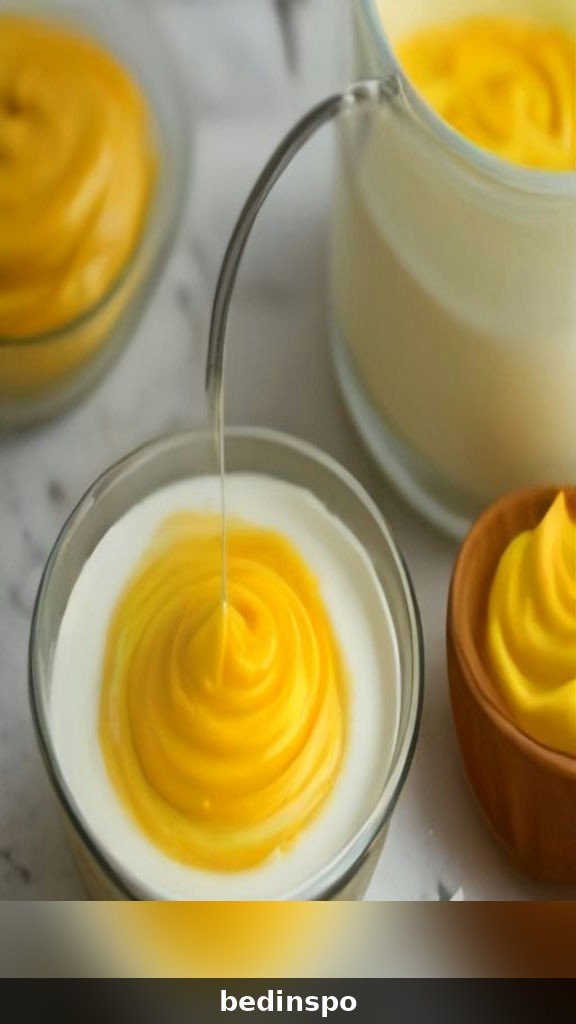
The filling is the whole point of a deviled egg, so let’s make it unforgettable. First, mash the yolks while they are still slightly warm — warm yolks break down smoother than cold ones. Second, push the mashed yolks through a fine-mesh sieve if you want truly professional, pastry-smooth filling; it takes one extra minute and the texture difference is remarkable.
Third, mind your mayonnaise. Use a full-fat mayo you actually like the taste of, and add it gradually — you can always add more, but an over-wet filling can’t be rescued except by mashing in an extra yolk (which is exactly why many cooks boil 13 or 14 eggs for a 12-egg recipe: built-in insurance, plus a snack for the cook).
Finally, season in layers and taste cold. Chilling dulls salt and acid, so if the filling tastes perfect at room temperature, it will taste a little flat after an hour in the fridge. Season it just slightly bolder than you think it needs.
How to Pipe Deviled Eggs Like a Pro

You can absolutely spoon the filling in and call it a day — rustic deviled eggs are charming. But a piped swirl makes the same eggs look like they came from a caterer, and it is honestly just as fast.
Fit a piping bag with a large star tip (or simply snip ½ inch off the corner of a zip-top bag). Hold the bag with one hand, fold the top down over your fingers, and spoon the filling in — no higher than two-thirds full, or it will squeeze out the top. Twist the bag closed, hold it at a 45-degree angle over an egg white, and squeeze with steady pressure, swirling in a small circle and lifting with a little flick at the end for that bakery-style peak.
Work in one direction across the platter so you don’t bump finished eggs. If a swirl goes sideways, just scrape it back into the bag and redo it — deviled eggs are very forgiving, and the filling is reusable.
Classic Garnishes and Finishing Touches
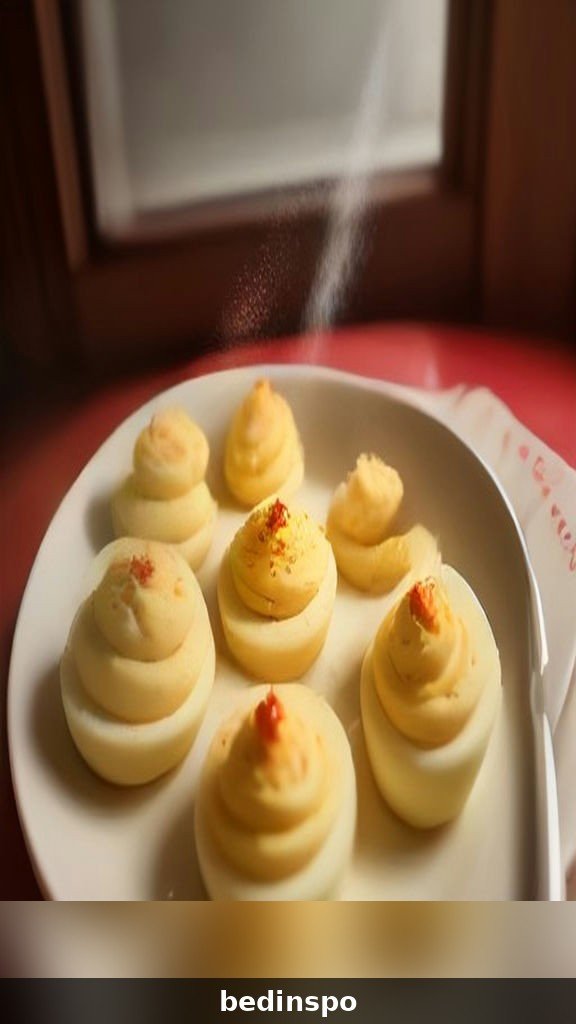
A deviled egg without a garnish is like a cupcake without frosting — fine, but missing the moment. Paprika is the classic: sweet paprika adds gentle color, while smoked paprika adds a deeper, almost bacon-like flavor that guests love. Dust it on through a small fine-mesh sieve for an even, professional finish instead of blotchy sprinkles.
Beyond paprika, try finely snipped chives, tiny sprigs of fresh dill, a single caper, a sliver of cornichon pickle, or a tiny dice of red onion for crunch. My golden rule: garnish to match the occasion, but keep it light — a whisper of garnish, not a salad. One pretty exception? A small piece of crispy bacon stood upright in the filling looks fantastic and tastes even better.
Delicious Deviled Eggs Variations
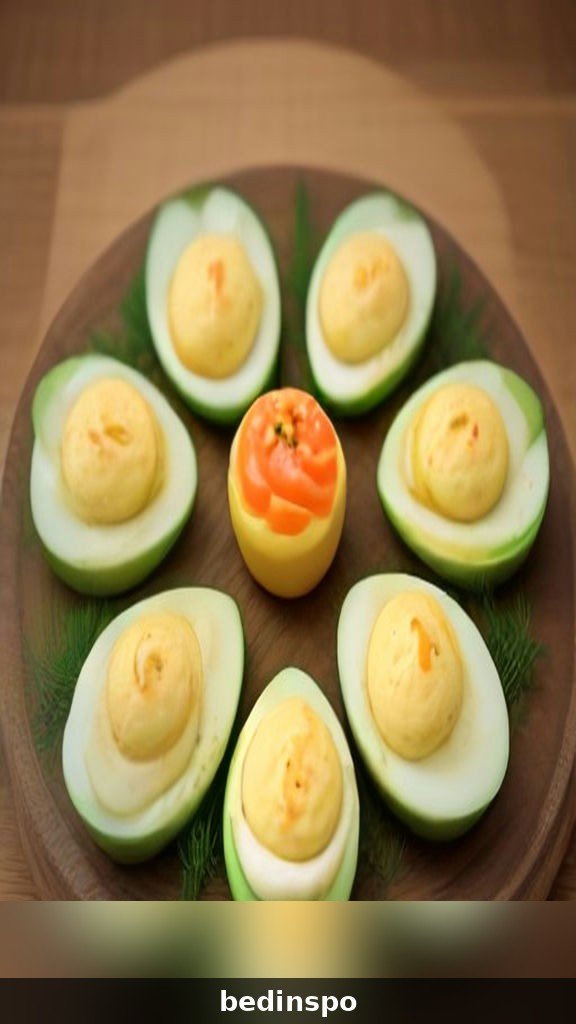
Once you’ve mastered the classic, the base recipe becomes a playground. Make one batch of filling, divide it, and offer a whole tasting flight — here are the variations my family requests most:
Bacon and Cheddar Deviled Eggs
Stir ¼ cup finely shredded sharp cheddar and 2 tablespoons of finely crumbled crispy bacon into the filling. Top each egg with one more piece of bacon. These are always — always — the first to disappear.
Avocado Deviled Eggs
Replace half the mayonnaise with one ripe, finely mashed avocado and add a squeeze of lime juice and a pinch of cumin. The filling turns the prettiest pale green. Serve these the same day, as avocado darkens over time.
Spicy Sriracha Deviled Eggs
Add 1 to 2 teaspoons of sriracha (or your favorite hot sauce) and a pinch of cayenne to the filling. Finish each egg with a tiny dot of extra sriracha or one thin slice of fresh jalapeño for the heat-lovers at the table.
Smoked Salmon and Dill Deviled Eggs
Fold 2 ounces of finely chopped smoked salmon into the filling and garnish each egg with a tiny rolled piece of salmon and a frond of fresh dill. Elegant enough for a wedding shower or Mother’s Day brunch.
Buffalo Deviled Eggs
Stir 1 tablespoon of buffalo hot sauce into the filling, pipe, and top with a tiny crumble of blue cheese and a micro-dice of celery. All the flavor of game-day wings in one tidy bite.
How to Serve and Present Deviled Eggs
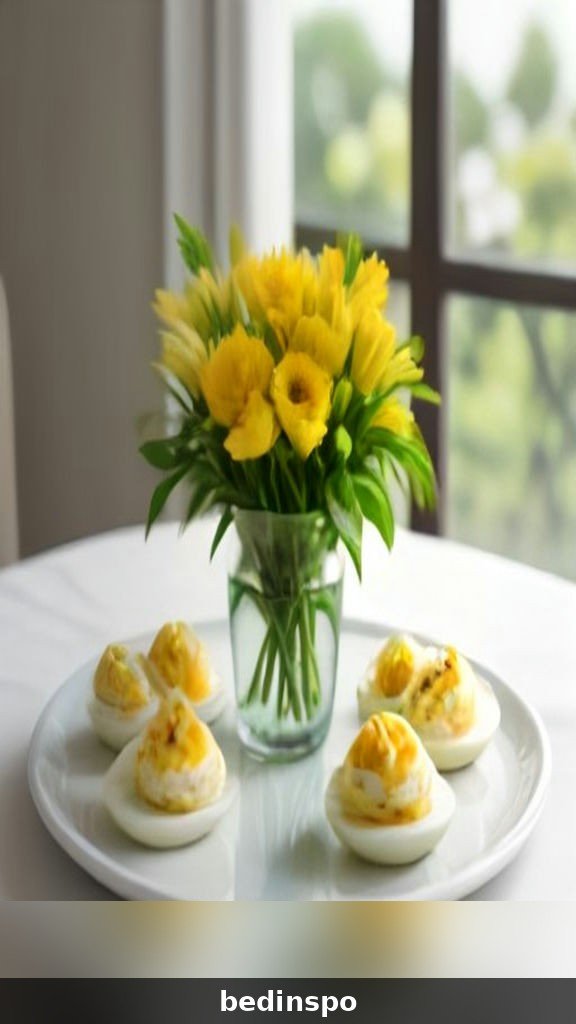
Deviled eggs are slippery little things, so presentation starts with the plate. A dedicated deviled egg platter with dimples is ideal; without one, line a regular platter with a thin bed of shredded lettuce, kale, or a clean linen napkin so the eggs stay put instead of skating around. A sprinkle of paprika or chopped herbs scattered over the platter (not just the eggs) makes the whole tray look intentional and festive.
Serve them well chilled — deviled eggs taste best cold, straight from the fridge. For parties, set the platter over a shallow tray of crushed ice if they’ll sit out, and remember the food-safety rule: eggs should not sit at room temperature for more than 2 hours (just 1 hour on a hot day). Plan on 2 to 3 halves per guest as part of a spread, or 4 to 6 if deviled eggs are the main appetizer — and honestly, make extra. There has never been a party in history with leftover deviled eggs.
Make-Ahead Instructions (Party Lifesaver!)
Deviled eggs are the ultimate make-ahead appetizer if you store the parts separately. Here’s the schedule I use for every holiday:
Up to 2 days ahead: Boil, chill, and peel the eggs. Store the peeled whole eggs in an airtight container in the fridge, covered with a damp paper towel to keep them from drying out.
1 day ahead: Halve the eggs. Store the whites in a single layer in a covered container, and mix the filling completely. Press plastic wrap directly against the surface of the filling (or seal it in a piping bag or zip-top bag) and refrigerate. Filling stored in its piping bag is the ultimate party trick — no transfer, no mess.
Day of serving: Pipe the filling into the whites (it takes five minutes), garnish, and chill at least 30 minutes. The eggs taste bright and fresh, the whites stay firm, and you did all the real work yesterday.
One caution: don’t assemble deviled eggs fully more than about 8 hours ahead. The filling slowly dries and darkens at the surface, and the whites can weep. Separately stored, though, everything keeps beautifully.
How to Store Leftovers
On the rare occasion that you actually have leftovers, arrange the eggs in a single layer in an airtight container — never stacked, or the filling smears. They keep well in the refrigerator for up to 2 days. The garnish may soften and the filling’s surface may darken slightly, but the flavor holds up nicely.
Deviled eggs do not freeze well — the whites turn rubbery and weepy when thawed — so plan to enjoy them fresh. Got extra filling instead? It keeps 3 to 4 days in the fridge and makes a phenomenal egg salad sandwich spread: just stir in some chopped leftover whites or a freshly chopped boiled egg, pile it on toast with a little lettuce, and lunch is handled.
Deviled Eggs FAQs

Why do my egg whites tear when I peel them?
Usually the eggs are too fresh, or they were peeled while still warm. Use eggs that are at least a week old, chill them fully in an ice bath, crack the shell all over, and peel under water starting from the wide end. Steaming instead of boiling also helps enormously.
How do I keep the yolks bright yellow with no gray ring?
Don’t overcook them, and cool them fast. The gray ring forms when eggs cook too long and cool too slowly. The boil-cover-rest method plus an immediate ice bath keeps yolks sunny and bright.
Can I make deviled eggs without mayonnaise?
Yes! Greek yogurt makes a tangy, lighter filling; mashed avocado works for the avocado variation; and a little softened butter plus a splash of cream gives a rich, old-fashioned result. Season a bit more boldly, as these swaps are milder than mayo.
How many deviled eggs should I make per person?
Plan on 2 to 3 halves per person within a larger spread, and 4 to 6 halves if they’re the star appetizer. When in doubt, round up — demand always exceeds supply with this appetizer.
Why is my filling lumpy?
The yolks weren’t mashed fine enough before the wet ingredients went in. Mash them to completely dry, fine crumbs first — or push them through a sieve — and whip the finished filling for a full minute. Lumps can’t be fixed after the fact, only prevented.
How far ahead can I make deviled eggs for a party?
Boil and peel the eggs up to 2 days ahead, make the filling 1 day ahead, and assemble the morning of the party. Fully assembled eggs are best within about 8 hours, stored covered in the fridge.
Conclusion
Classic deviled eggs are proof that the simplest recipes are the ones worth perfecting: tender whites, a silky, tangy filling, and that little dusting of paprika that takes you straight back to every family gathering you ever loved. With the perfect-boil method, the easy-peel tricks, and the make-ahead schedule in this post, your platter will be the one that empties first — every time.
Save this deviled eggs recipe to your appetizer board for Easter, Thanksgiving, and every potluck in between, and don’t be surprised when you become the person officially “in charge of the deviled eggs” from now on. It is a delicious responsibility. Happy cooking! 🥚