Winter Outfits for Men: The Ultimate Style Guide to Staying Warm and Sharp
Meta Description: Discover the best winter outfits for men, from layering basics to coats, footwear, and accessories. Stay warm without sacrificing style this winter season.
1. Introduction

Winter dressing for men often gets reduced to a single question: how do I stay warm without looking sloppy? The truth is, building a great winter outfit isn’t complicated once you understand a few core principles—layering, fabric choice, and fit. A well-put-together winter look can be just as sharp as a summer outfit, if not more so, thanks to the added texture and structure that coats, knitwear, and boots bring to the table.
This guide breaks down everything a man needs to know about dressing for cold weather, from the basics of layering to specific outfit ideas for work, casual outings, travel, and special occasions. Whether you’re building a winter wardrobe from scratch or just want to upgrade your cold-weather rotation, this guide has you covered.
2. Why Layering Is the Foundation of Winter Style

The single biggest mistake men make in winter is relying on one heavy item—usually a big coat—instead of building an outfit through layers. Layering allows you to control your body temperature throughout the day, especially when moving between cold outdoor air and heated indoor spaces like offices, trains, or restaurants.
A proper layering system also adds visual depth to an outfit. Instead of a flat, one-note look, layers create texture and dimension, making even simple outfits look more intentional and put-together.
3. The Base Layer: Staying Warm From the Skin Out
The base layer is the foundation of any winter outfit. Materials like merino wool, silk, or moisture-wicking synthetic blends work best because they trap heat close to the body without adding bulk. Cotton should generally be avoided as a base layer since it absorbs moisture and loses its insulating properties when damp.
Thermal long-sleeve tops, base-layer leggings, and even lightweight wool socks fall into this category. On extremely cold days, a good base layer can make the difference between comfort and misery, even under a heavy coat.
4. The Mid Layer: Sweaters, Flannels, and Fleece

The mid layer is where most of the insulation happens. Wool sweaters, cardigans, flannel shirts, and fleece pullovers all serve this purpose well. A chunky knit sweater not only adds warmth but also brings texture to an outfit, making it a winter wardrobe essential.
Crewneck and V-neck sweaters work well over collared shirts, while turtlenecks offer a sleek, modern alternative that adds warmth around the neck—an area where a lot of body heat escapes.
5. The Outer Layer: Choosing the Right Coat

The outer layer is the most visible and arguably most important part of a winter outfit. It needs to block wind and moisture while still complementing the layers underneath. The next few sections break down the main coat styles every man should consider.
6. The Wool Overcoat: Timeless and Versatile

A wool overcoat is one of the most versatile investments a man can make for his winter wardrobe. It works over suits for the office, over sweaters for casual outings, and pairs well with almost any color palette. Knee-length or slightly shorter overcoats in navy, charcoal, or camel are especially versatile, as they pair easily with most other wardrobe pieces.
7. The Puffer Jacket: Function-First Warmth
Puffer jackets have moved well beyond their purely functional origins and are now a staple of modern winter menswear. Down or synthetic-fill puffers offer excellent warmth without excessive weight, making them ideal for daily wear in extreme cold. Longer puffer coats provide more coverage, while cropped or mid-length versions offer a more streetwear-inspired look.
8. The Parka: Built for Extreme Conditions
Parkas are designed for the harshest winter conditions, often featuring fur-lined hoods, heavy insulation, and a longer cut that protects against wind and snow. They’re a practical choice for men who spend significant time outdoors in winter, whether commuting, traveling, or living in colder climates.
9. Field Jackets and Lighter Coat Options

For milder winter days, a lined field jacket, denim jacket with a warm liner, or a heavier bomber jacket can provide enough warmth without the bulk of a full winter coat. These options work well layered over a sweater or flannel shirt during transitional periods in early winter or late season.
10. Footwear: Practical and Stylish Winter Boots
Winter footwear needs to handle wet, cold, and sometimes icy conditions while still looking sharp. Leather or suede boots with a waterproof treatment work well for both casual and semi-formal outfits. Look for boots with a solid rubber sole for traction, as leather or smooth soles can be dangerously slippery on ice or wet pavement.
For a more rugged, casual look, insulated hiking-style boots or duck boots offer excellent protection against snow and slush. Chelsea boots and combat-style boots are also popular choices that balance style with functionality, especially when treated with a waterproofing spray.
11. Socks and Foot Warmth
Proper socks are an often-overlooked part of winter dressing. Wool or wool-blend socks provide far better insulation than cotton and help keep feet dry by wicking away moisture. On extremely cold days, layering a thin liner sock under a thicker wool sock can add extra warmth without sacrificing comfort in your boots.
12. Essential Winter Accessories for Men

Accessories often make the biggest difference in comfort during winter, since extremities like the hands, ears, and neck lose heat quickly.
A wool or cashmere scarf adds both warmth and a finishing touch to an outfit. Leather gloves with thermal lining offer warmth while maintaining a polished look, and many now come with touchscreen-compatible fingertips for convenience. A wool beanie or structured hat helps retain heat that would otherwise escape through the head, and can be styled casually or more formally depending on the design.
13. Winter Work Outfit Ideas for Men
For office settings, a wool overcoat worn over a suit or blazer, paired with a scarf and leather gloves, creates a polished, professional look. Underneath, a sweater vest or fine-knit sweater can be worn over a dress shirt for extra warmth without bulk. Leather dress boots or waterproofed oxfords complete the look while keeping feet warm and dry during the commute.
14. Casual Winter Outfit Ideas for Men
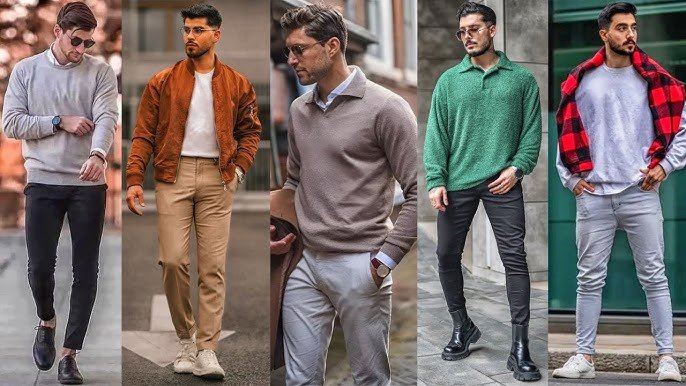
For casual days, a puffer jacket or heavy flannel-lined coat paired with jeans, a chunky knit sweater, and duck boots or insulated sneakers makes for a comfortable, relaxed outfit. Adding a beanie and a casual scarf rounds out the look while keeping practicality front and center.
15. Smart-Casual Winter Outfit Ideas for Men
For occasions that call for something between formal and casual—dinners, dates, or events—a wool overcoat over a turtleneck sweater, paired with tailored chinos or dark denim and Chelsea boots, strikes the right balance. This combination looks intentional and put-together without feeling overly formal.
16. Outdoor and Travel Winter Outfit Ideas for Men
For travel or extended time outdoors, a parka or heavy-duty puffer jacket, thermal base layers, insulated pants or jeans, and waterproof boots are essential. Layering a fleece or wool sweater underneath allows for adjustments as conditions change throughout the day, whether you’re sightseeing or navigating airports and train stations.
17. Best Fabrics for Men’s Winter Clothing
Fabric choice has a major impact on both warmth and durability:
- Wool: Naturally insulating, breathable, and durable—ideal for coats, sweaters, and scarves.
- Cashmere: Extremely warm and lightweight, though it requires more careful care than regular wool.
- Down: Offers the best warmth-to-weight ratio, commonly used in puffer jackets.
- Flannel: A warm, textured cotton-wool blend often used in shirts and casual layers.
- Leather: Provides wind resistance and durability, especially useful for jackets, boots, and gloves.
Cotton should be limited to outer casual layers rather than base layers, since it retains moisture and loses insulating value when wet.
18. Common Winter Style Mistakes Men Make
Even with the right pieces, certain mistakes can undermine an otherwise solid winter outfit:
- Wearing only one heavy layer: Relying solely on a thick coat without proper layering underneath often leads to being too cold once the coat comes off indoors.
- Ignoring footwear traction: Smooth leather soles can be dangerously slippery on ice and snow.
- Skipping accessories: Cold hands, ears, and necks can undo an otherwise well-planned outfit.
- Choosing style over function: A stylish coat that isn’t warm enough for the climate defeats its own purpose.
- Neglecting fit: Bulky layers under a coat that’s too tight can look sloppy and restrict movement—choosing a coat with enough room for layering underneath is essential.
19. Building a Budget-Friendly Winter Wardrobe
A solid winter wardrobe doesn’t require an unlimited budget:
- Invest in key pieces: A quality wool overcoat and a pair of waterproof boots are worth prioritizing, as they tend to last for many seasons.
- Shop secondhand: Thrift and consignment stores often carry high-quality wool coats and sweaters at a fraction of retail price.
- Stick to neutral colors: Navy, grey, charcoal, and camel mix and match easily, maximizing the number of outfits you can create from a smaller wardrobe.
- Maintain your gear: Proper cleaning and storage extend the lifespan of wool, down, and leather items, reducing the need for frequent replacements.
20. Conclusion
Winter dressing for men comes down to mastering a simple formula: a solid base layer, a warm mid layer, a functional outer layer, and the right accessories to finish the look. Whether you’re heading to the office, running weekend errands, or traveling through the cold, the key is balancing warmth with style rather than sacrificing one for the other.
By investing in versatile pieces like a wool overcoat, a reliable puffer jacket, and a good pair of waterproof boots, building a winter wardrobe becomes far less daunting. With the right layering strategy and a few quality staples, staying warm and looking sharp through the coldest months of the year is entirely achievable.