New York Winter Outfits: The Ultimate Guide to Staying Warm and Stylish in the City
Meta Description: Discover the best New York winter outfits for every occasion. From layering tips to must-have accessories, learn how to stay warm and stylish during NYC’s coldest months.
1. Introduction

New York City in winter is a spectacle—snow-dusted skyscrapers, glowing holiday windows on Fifth Avenue, and steam rising from subway grates against a backdrop of grey skies. But anyone who has walked through Midtown in January knows that the city’s beauty comes with a price: biting winds that funnel between buildings, temperatures that can plunge below freezing, and unpredictable weather that can shift from sunny to sleeting within hours. Dressing for New York winters isn’t just about looking good; it’s about survival with style.
Whether you’re a local navigating daily commutes, a tourist planning a holiday visit, or someone relocating to the city for the first time, understanding how to build the perfect New York winter outfit is essential. This guide covers everything from layering techniques to the best coats, footwear, and accessories, along with outfit ideas for different occasions—so you can brave the cold without sacrificing your personal style.
2. Understanding New York’s Winter Climate

Before diving into outfit ideas, it helps to understand what you’re dressing for. New York winters typically run from December through February, with temperatures ranging from the low 20s to upper 30s Fahrenheit (roughly -6°C to 3°C). However, the “real feel” temperature is often much colder due to wind chill, especially near the water or in areas with tall buildings that create wind tunnels, like the Financial District or parts of Midtown.
Snowfall is common, and the city sees an average of 25 to 30 inches per season. Sidewalks can become icy, slushy, or wet very quickly, which affects footwear choices significantly. Indoor spaces—including the subway, offices, restaurants, and shops—are usually well-heated, meaning you’ll want outfits that allow you to layer down easily once you’re inside.
This combination of extreme outdoor cold and warm indoor environments is the defining challenge of dressing for a New York winter. The solution lies in mastering the art of layering.
3. Why Layering Is the Key to Winter Dressing

Layering is the single most important skill for surviving a New York winter. It allows you to adjust to temperature changes throughout the day, whether you’re walking outside, riding a heated train, or sitting in an overheated office.
4. The Base Layer: Your First Line of Defense

The base layer sits closest to your skin and is responsible for moisture-wicking and insulation. Materials like merino wool, silk, or synthetic thermal fabrics work best because they trap body heat without adding bulk. Avoid cotton for base layers, as it retains moisture and can leave you feeling cold and damp.
Popular base layer pieces include thermal long-sleeve shirts, leggings, and even lightweight wool socks. These items are especially useful on days when temperatures drop into the teens or lower.
5. The Mid Layer: Adding Insulation
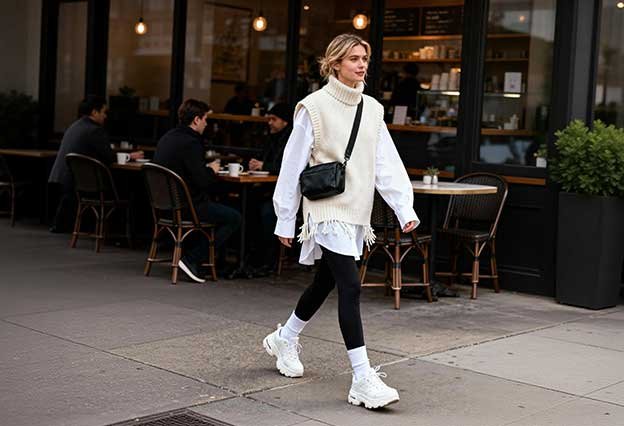
The mid layer provides additional insulation. This is where sweaters, cardigans, fleece pullovers, and vests come into play. Wool and cashmere sweaters are popular choices in New York because they combine warmth with a polished, fashionable look suitable for both office settings and casual outings.
A turtleneck sweater is a particularly versatile mid-layer option, as it adds warmth around the neck—a common source of heat loss—while still looking sleek under a coat.
6. The Outer Layer and Final Accessories

The outer layer is your primary defense against wind, snow, and rain. This is arguably the most important piece of any New York winter outfit, and it deserves careful consideration. We’ll explore coat options in detail in the next section.
Scarves, gloves, hats, and thermal socks complete the layering system. These accessories often make the biggest difference in comfort, as extremities like hands, feet, and ears lose heat quickly.
7. The Puffer Coat: A New York Winter Staple

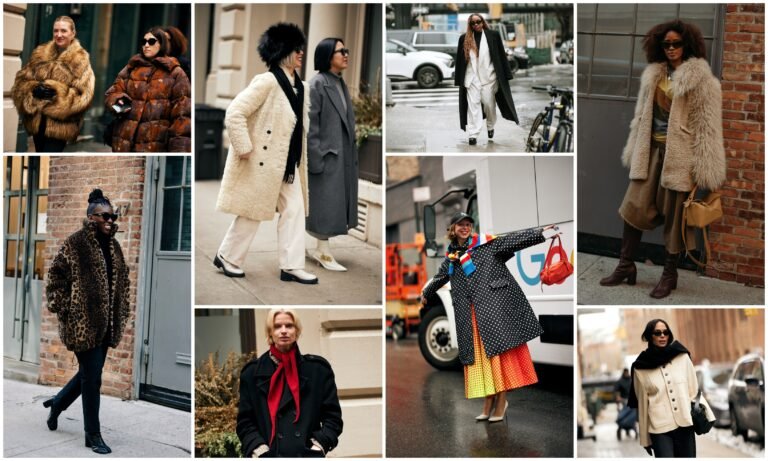
Puffer coats have become a New York winter staple, prized for their warmth-to-weight ratio. Down-filled puffers provide excellent insulation without excessive bulk, making them ideal for daily commuting. Longer puffer coats, extending to the knee or below, offer additional protection against wind and are especially popular for extreme cold days.
Modern puffer coats have shed their bulky, unflattering reputation. Many current styles feature tailored cuts, sleek matte finishes, and fashion-forward silhouettes that work well with both casual and semi-formal outfits.
8. The Wool Coat: Polished and Professional

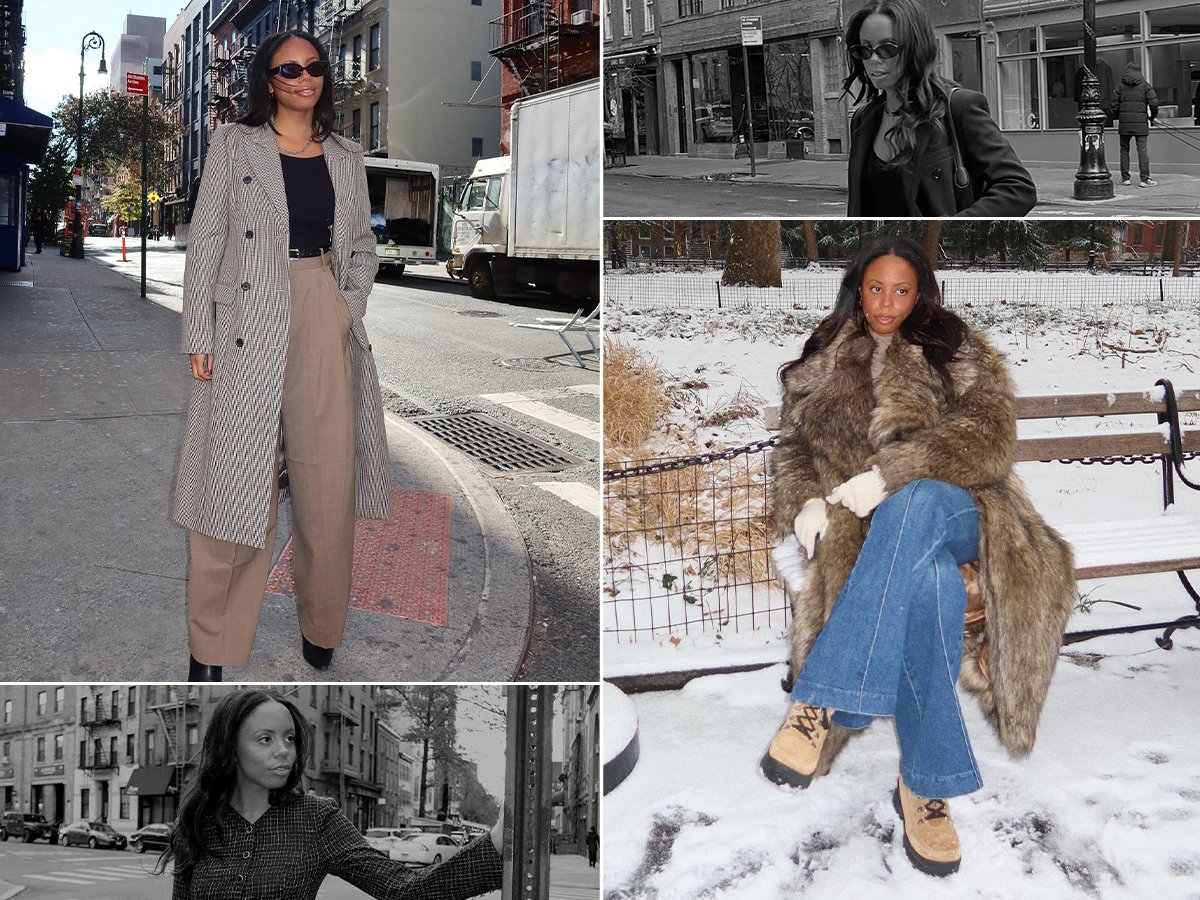
For a more polished, professional look, a wool overcoat is unmatched. These coats work well for office environments, dinners, and events where a puffer might feel too casual. Wool coats come in various lengths, with knee-length or longer options providing the most warmth. Pairing a wool coat with a scarf and gloves creates a classic, sophisticated New York winter look.
9. Parkas and Lighter Coat Options

Parkas combine the warmth of a puffer with added functionality, often featuring fur-lined hoods, multiple pockets, and a longer cut. They are particularly useful during snowstorms or extremely windy days, as the hood provides extra protection for the face and head.
For milder winter days, particularly in early December or late February, a lined trench coat can be sufficient, especially when paired with warm layers underneath. However, for the coldest months, this should be considered a secondary option rather than a primary defense.
10. Footwear: Function Meets Fashion

New York sidewalks in winter can be treacherous, with ice, slush, and standing water posing constant challenges. Footwear needs to balance traction, waterproofing, and warmth—without compromising on style.
Investing in a pair of waterproof winter boots is non-negotiable for anyone spending significant time in New York during winter. Look for boots with rubber soles that offer good traction, as well as insulation rated for cold temperatures.
For those who want versatility between work and casual settings, weatherproof leather or suede ankle boots (treated with a protective spray) can work well on days with light snow or no precipitation. Some New Yorkers opt for insulated, waterproof sneakers for a more casual, athletic aesthetic instead.
Don’t underestimate the importance of proper socks. Wool or thermal socks provide crucial insulation, and many people layer a thin liner sock underneath a thicker wool sock for maximum warmth.
11. Must-Have Winter Accessories
Accessories often make the difference between merely tolerable and genuinely comfortable winter outings.
A good scarf serves both functional and stylistic purposes. Wool, cashmere, or blended scarves provide warmth around the neck and chest, an area prone to significant heat loss. Touchscreen-compatible gloves have become essential in a city where phones are constantly in use for navigation, payments, and communication.
A significant amount of body heat escapes through the head, making hats essential rather than optional. For particularly cold or windy days, ear muffs and neck gaiters provide additional targeted protection without the bulk of a full hood.
12. New York Winter Work Outfit Ideas
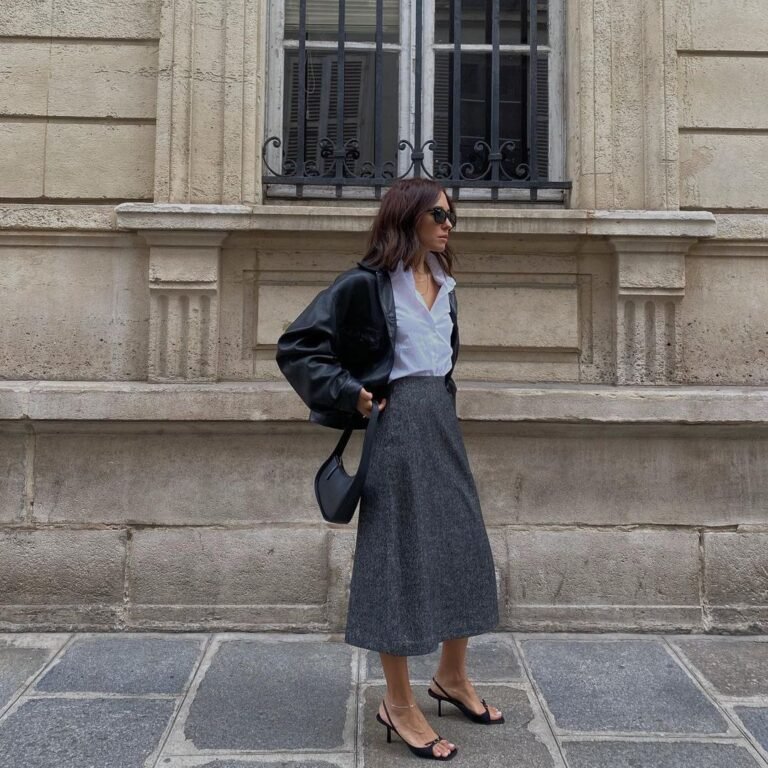
A classic New York winter work outfit might include a wool coat over a turtleneck sweater, tailored trousers, and weatherproof ankle boots. This combination is warm enough for the commute while remaining professional once indoors, where the coat can be removed. A structured tote bag and leather gloves complete the polished look.
13. Casual Weekend Outfit Ideas
For weekend errands or casual outings, a long puffer coat paired with jeans, a chunky knit sweater, and insulated sneakers or boots creates a comfortable yet stylish look. Adding a beanie and an oversized scarf enhances both warmth and aesthetic appeal.
14. Date Night and Evening Outfit Ideas
For evenings out, a wool coat over a sleek sweater dress or tailored pants with a fitted top works well. Ankle boots with a slight heel add elegance, while a statement scarf or leather gloves elevate the overall look without sacrificing warmth.
15. Tourist and Sightseeing Outfit Ideas
Visitors spending long hours outdoors exploring landmarks should prioritize warmth and comfort above all. A long parka or puffer coat, thermal leggings under jeans, waterproof boots, and thick wool socks are essential. Layering a fleece or wool sweater underneath allows for temperature adjustments throughout the day.
16. Holiday Events Outfit Ideas
For festive occasions like visiting the Rockefeller Center tree or attending holiday parties, a more elevated look works well—think a tailored wool coat, a cashmere sweater, dark denim or trousers, and stylish boots. Adding a pop of color through a scarf or accessories can bring holiday spirit into the outfit.
17. Best Fabric Choices for Winter Warmth
When selecting winter clothing, fabric choice significantly impacts warmth and comfort:
- Wool: Naturally insulating and breathable, wool is ideal for sweaters, coats, and scarves.
- Cashmere: Lightweight yet incredibly warm, cashmere adds luxury and comfort to winter wardrobes.
- Down: Used in puffer coats, down provides excellent warmth-to-weight ratio.
- Fleece: A budget-friendly, warm option for mid-layers.
- Leather: While not inherently warm, leather (especially when lined) offers wind resistance for jackets and gloves.
Avoiding cotton as a primary insulating layer is important, as it absorbs moisture and loses insulating properties when wet—a common occurrence during New York’s snowy or slushy winter days.
18. Common Winter Dressing Mistakes to Avoid
Even experienced New Yorkers sometimes make dressing mistakes during winter. Here are some pitfalls to avoid:
- Underestimating wind chill: Actual temperatures can feel significantly colder due to wind, especially near open areas or tall buildings.
- Wearing non-waterproof footwear: Slush and melting snow can quickly soak through unprotected shoes, leading to cold, uncomfortable feet.
- Skipping the base layer: Relying solely on a heavy coat without proper base layers can leave you cold once the coat comes off indoors.
- Ignoring accessories: Cold hands, ears, and necks can ruin an otherwise well-planned outfit.
- Overdressing for indoor spaces: Since many New York interiors are well-heated, wearing removable layers is crucial for comfort throughout the day.
19. Sustainable and Budget-Friendly Winter Dressing Tips
Building a New York winter wardrobe doesn’t have to break the bank or compromise on sustainability:
- Thrift and consignment shops: New York has numerous vintage and consignment stores offering quality wool coats and sweaters at a fraction of retail prices.
- Invest in versatile pieces: A well-made wool coat or waterproof boots can last for many winters, making them worthwhile investments despite higher upfront costs.
- Layer with what you have: Combining existing wardrobe pieces creatively—like pairing a summer dress with thick tights and a sweater—can extend the usability of your closet.
- Care for your garments: Proper storage and cleaning extend the life of wool and down items, reducing the need for frequent replacements.
20. Conclusion
Dressing for a New York winter is a balancing act between function and fashion. The city’s harsh winds, unpredictable snowfall, and dramatic temperature shifts between indoor and outdoor spaces demand a thoughtful approach to layering, fabric selection, and accessory choices. By investing in quality outerwear, waterproof footwear, and versatile layering pieces, you can navigate the coldest months in comfort while still making a stylish statement on the city streets.
Whether you’re commuting to work, exploring iconic landmarks, or attending a festive holiday event, the key to a successful New York winter outfit lies in preparation and versatility. With the right combination of base layers, insulating mid-layers, a reliable outer coat, and thoughtful accessories, you’ll be ready to embrace everything a New York winter has to offer—snow, wind, and all—while looking effortlessly put together.