Best Spicy Tuna Crispy Rice Recipe (Crispy, Creamy & Restaurant-Worthy!)
Best Spicy Tuna Crispy Rice Recipe (Crispy, Creamy & Restaurant-Worthy!)
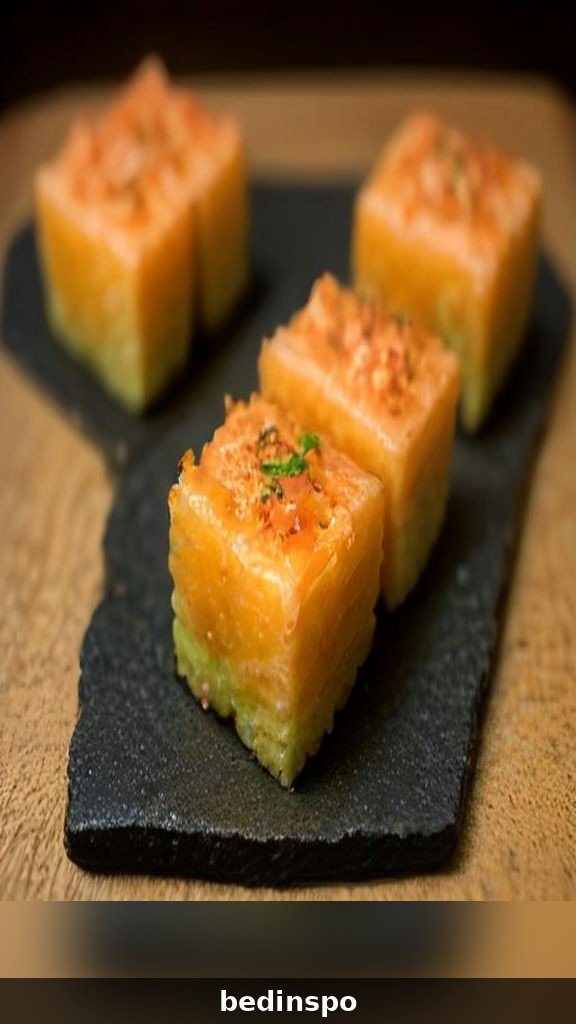
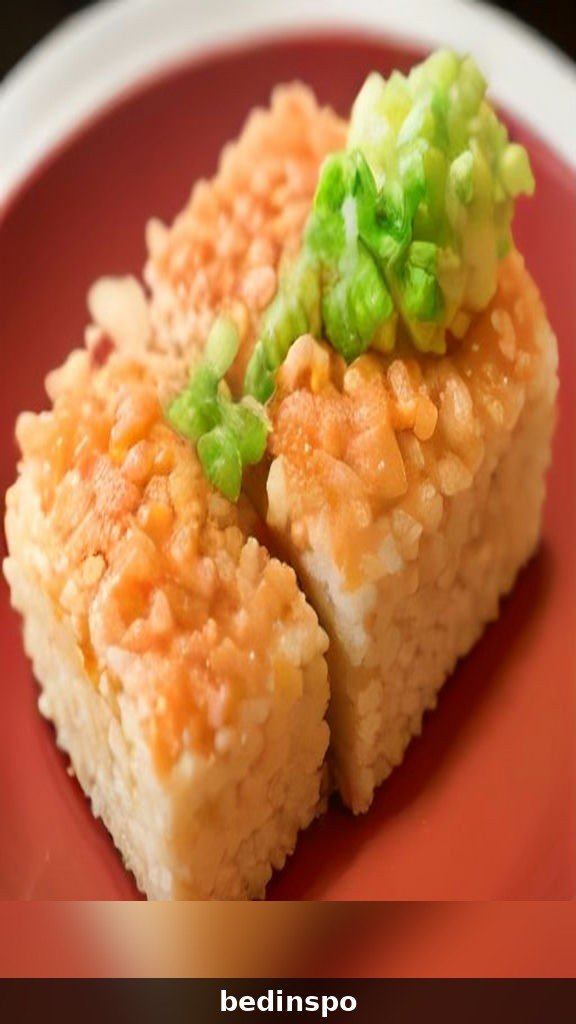
If you’ve ever ordered spicy tuna crispy rice at a sushi restaurant, you already know: this is not a normal appetizer. It’s the dish the whole table fights over. A warm, golden, shatteringly crisp little cake of sushi rice, topped with cool, creamy, spicy tuna, a buttery slice of avocado and one perfect ring of jalapeño. Hot and cold, crunchy and silky, rich and bright — every single contrast in one two-bite package.
The famous version was made legendary by high-end sushi restaurants (it traces back to the iconic crispy rice at Nobu), where a tiny plate costs as much as a whole sushi dinner at home. But here’s the good news: spicy tuna crispy rice is genuinely easy to make in your own kitchen. The ingredients are simple, the technique is forgiving, and once you learn the one real secret — pressing and chilling the rice — you’ll make it on repeat.
In this post I’ll walk you through everything: how to season and press the rice so it fries up sturdy and crisp, how to mix a spicy tuna that tastes exactly like the restaurant’s, three ways to cook the rice cakes (pan-fried, air-fried and baked), and all the variations my family rotates through. Pin this one now — sushi night at home is about to get a serious upgrade.
Why You’ll Love This Spicy Tuna Crispy Rice
Some recipes are good. This one is an experience, and that’s exactly why it has become one of the most pinned appetizers on the internet. The magic is the contrast. Your teeth crack through a caramelized, crunchy rice crust into a tender, seasoned center, and then the cool, creamy tuna melts over everything with a slow-building heat. It’s warm and cold at the same time. It’s crunchy and silky at the same time. Nothing else on the appetizer table does that.
It’s also far more doable than it looks. The rice can be pressed and chilled a day ahead, the tuna takes five minutes to mix, and frying the little cakes is fast and satisfying. You can use sushi-grade tuna for the full restaurant experience, good-quality canned tuna for a weeknight budget version, or even leftover salmon. And because the components are made separately, this recipe is perfect for entertaining: fry the rice, set out the toppings, and let everyone build their own bites.
Best of all, it’s naturally impressive. Bring a platter of these to the table and people will assume you took a sushi class. You didn’t need one — you just needed this recipe.
What Is Spicy Tuna Crispy Rice?
Spicy tuna crispy rice is a modern Japanese-American appetizer made of two parts: a small rectangle of sushi rice that has been pressed, chilled and pan-fried until crisp and golden, and a topping of finely chopped raw tuna mixed with Japanese mayonnaise, sriracha and sesame oil — the same flavor profile as the spicy tuna inside a sushi roll.
The dish became famous in the 1990s and 2000s through chef Nobu Matsuhisa’s restaurants, where crispy rice with spicy tuna turned into a signature order. Since then it has spread to sushi restaurants everywhere — and all over Pinterest and TikTok, where home cooks discovered that the restaurant’s secret weapon is nothing more exotic than chilled rice and a hot pan. This homemade version captures everything people love about the original: the crunch, the creaminess, the gentle heat, and that little pop of freshness from avocado and jalapeño on top.
Ingredients You’ll Need
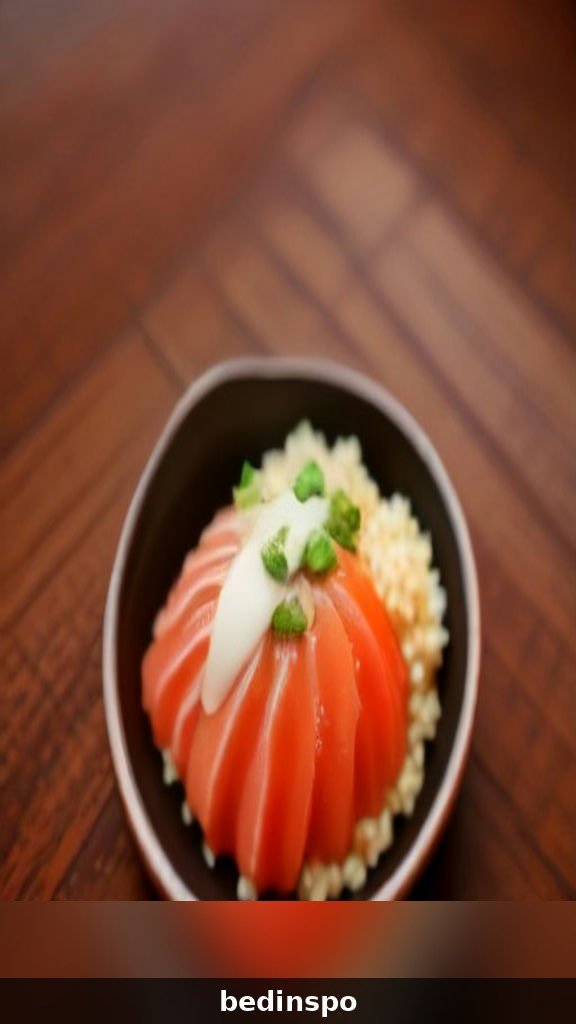
Nothing here is hard to find. Most large supermarkets carry sushi rice, Kewpie mayo and sushi-grade tuna in the seafood department (or the freezer aisle), and everything else is a pantry staple.
For the Crispy Rice
- 2 cups uncooked short-grain sushi rice (about 4 cups cooked) — short-grain is essential; long-grain rice won’t stick together
- 2 1/2 cups water, for cooking the rice
- 3 tablespoons rice vinegar
- 1 tablespoon granulated sugar
- 1 teaspoon kosher salt
- 1 teaspoon toasted sesame oil (optional, for extra flavor in the rice)
- Neutral oil for frying — about 1/2 cup avocado, grapeseed or vegetable oil
For the Spicy Tuna
- 8 ounces sushi-grade ahi tuna, very finely diced — or one 5-ounce can of high-quality tuna, well drained, for the budget version
- 3 tablespoons Japanese mayonnaise (Kewpie) — richer and tangier than regular mayo
- 1–2 tablespoons sriracha, to taste
- 1 teaspoon soy sauce (or tamari for gluten-free)
- 1 teaspoon toasted sesame oil
- 1 teaspoon fresh lime juice — the bright note that makes it taste like a restaurant
- 2 tablespoons finely sliced scallions, plus more for garnish
- Pinch of salt
For Topping and Serving
- 1 ripe avocado, thinly sliced or diced
- 1 jalapeño, sliced into very thin rounds (seeds removed for less heat)
- 1 teaspoon black or white sesame seeds
- Extra sriracha mayo (2 tablespoons mayo + 1 teaspoon sriracha) for drizzling
- Soy sauce, pickled ginger and wasabi, for serving
Yield: about 16 bites, serving 4 as an appetizer or 2 sushi-lovers as a light meal. Prep time: 25 minutes, plus at least 1 hour chilling. Cook time: about 15 minutes. Total time: about 1 hour 40 minutes (mostly hands-off chilling).
A note on the tuna, because it’s the question everyone asks. If you’re serving the tuna raw, buy it from a fish counter you trust and ask for sushi-grade or sashimi-grade ahi. Keep it cold from store to kitchen, and dice it just before mixing. If raw fish isn’t your thing, the canned version is honestly delicious — choose solid tuna packed in olive oil, drain it very well, and flake it fine so it mixes smoothly with the sauce. Cooked shrimp, chopped small, is another wonderful stand-in.
How to Make Spicy Tuna Crispy Rice (Step by Step)
Step 1: Cook and Season the Rice
Rinse the sushi rice in a fine-mesh strainer under cold water, swishing with your hand, until the water runs mostly clear — this removes excess surface starch so the grains cook up glossy instead of gummy. Cook the rice with the water in a rice cooker or on the stovetop according to package directions, then let it rest, covered, for 10 minutes. While it rests, warm the rice vinegar, sugar and salt in a small saucepan (or microwave) just until dissolved. Transfer the hot rice to a wide bowl, drizzle the vinegar mixture and sesame oil over it, and fold gently with a rice paddle using slicing motions — don’t mash. The rice should look shiny and taste lightly seasoned all the way through.
Step 2: Press and Chill the Rice (The Secret Step!)
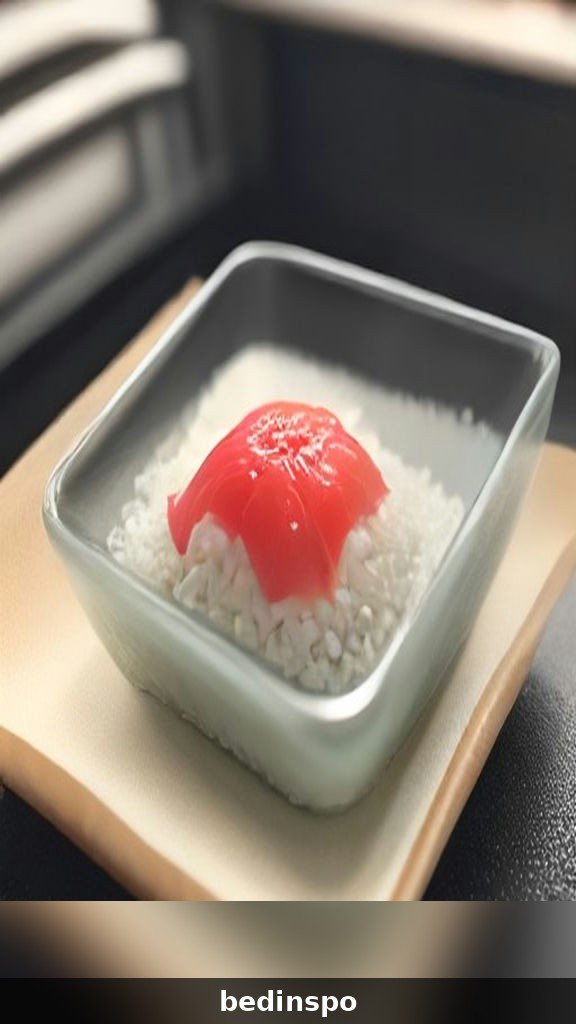
Line a square or rectangular baking pan (an 8×8-inch pan or a small rimmed sheet pan works well) with plastic wrap or parchment, leaving overhang on the sides. Tip the warm seasoned rice into the pan and press it down firmly and evenly with wet hands or the back of a wet spatula until it’s a compact slab about 3/4 inch thick. Really press — this is what makes the cakes hold together in the pan. Cover the surface with plastic wrap pressed directly onto the rice and refrigerate for at least 1 hour, or up to 24 hours. Cold, compacted rice fries up dramatically crispier than warm, loose rice, so don’t rush this step.
Step 3: Slice the Rice into Cakes
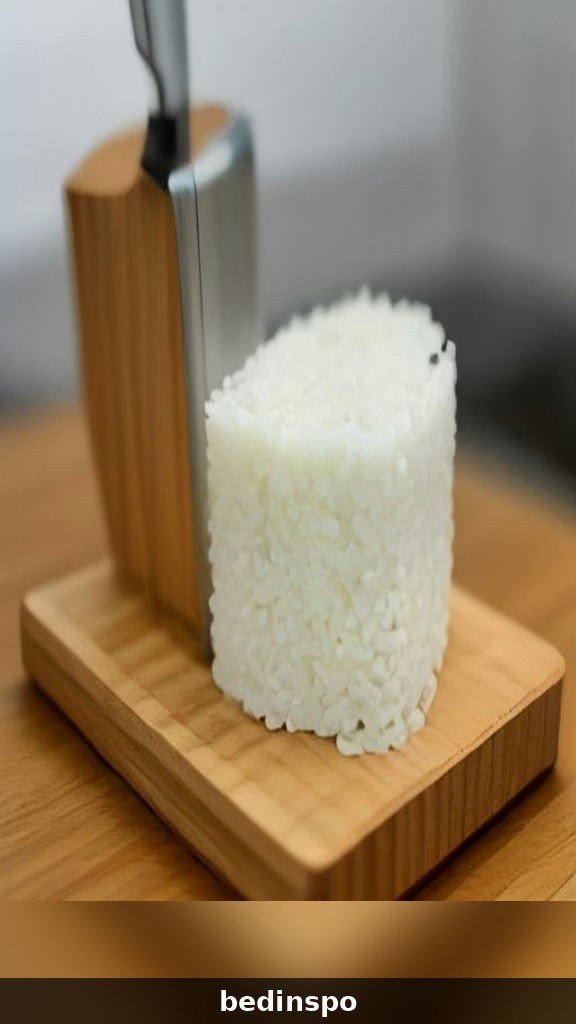
Lift the chilled rice slab out of the pan using the overhang. With a sharp knife dipped in water (re-dip between cuts so the rice doesn’t stick and tear), trim the edges if you like and cut the slab into 16 rectangles, roughly 2 × 1 1/2 inches each. If any pieces feel crumbly, press them gently back together with damp fingers. Set the cakes on a parchment-lined tray while you heat the oil.
Step 4: Fry the Rice Cakes Until Golden
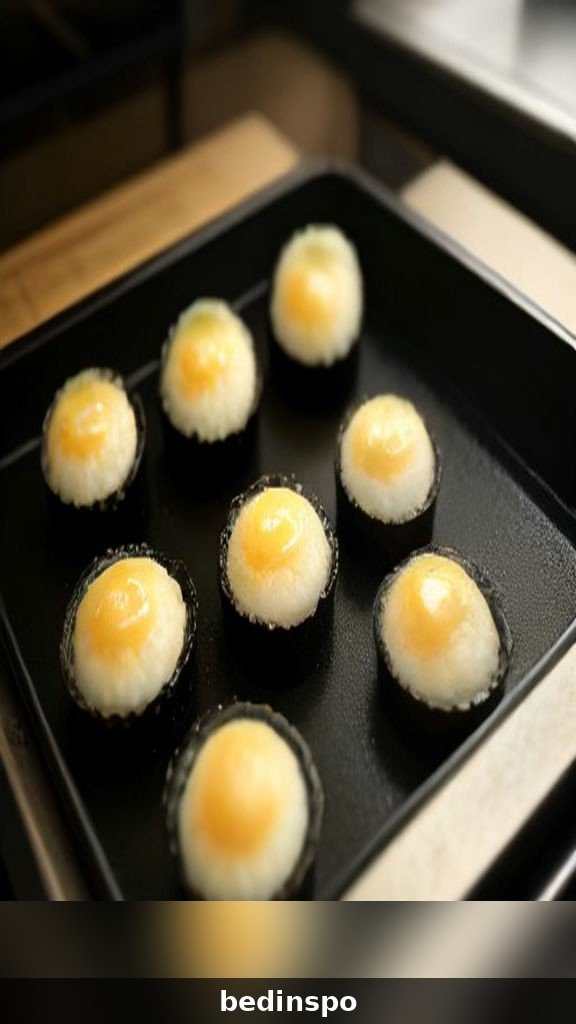
Heat about 1/4 inch of neutral oil in a large skillet (cast iron is perfect) over medium-high heat until it shimmers — around 350°F. Working in batches so the pan never crowds, add the rice cakes and fry for 3–4 minutes per side, until deeply golden and crisp on both faces. Don’t move them for the first 2 minutes; a crust needs undisturbed contact to form. Transfer the fried cakes to a wire rack (not paper towels — a rack keeps the bottoms crisp) and sprinkle immediately with a tiny pinch of salt. Keep finished batches warm in a low oven while you fry the rest.
Step 5: Mix the Spicy Tuna
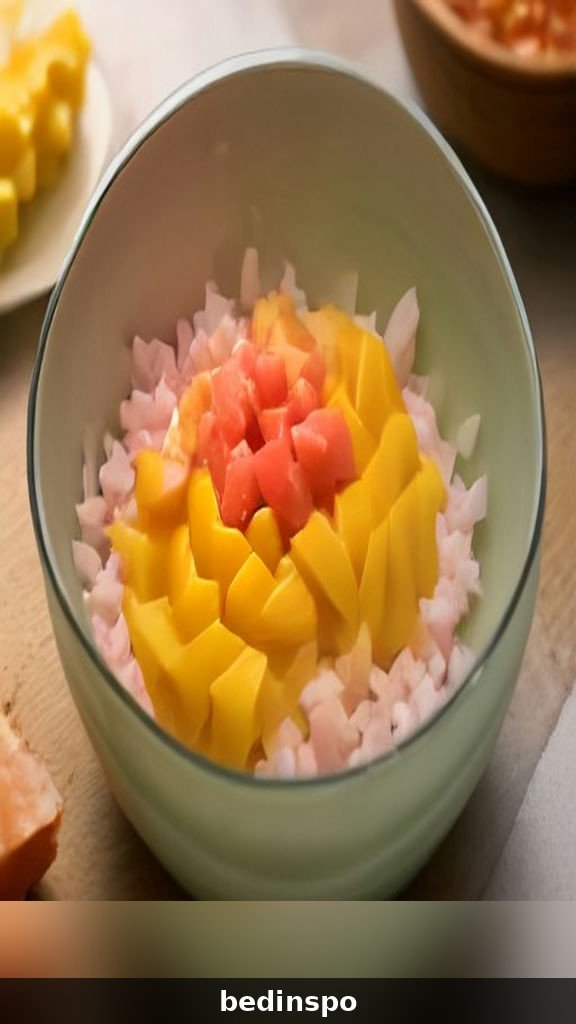
While the last batch fries, make the topping. Pat the diced tuna dry with a paper towel — this keeps the sauce creamy instead of watery. In a medium bowl, whisk together the Kewpie mayo, sriracha, soy sauce, sesame oil and lime juice until smooth. Fold in the tuna and scallions gently until every piece is coated. Taste and adjust: more sriracha for heat, a touch more lime for brightness. The tuna should be generously sauced but not soupy. Refrigerate until serving if you’re not assembling right away.
Step 6: Assemble and Serve

Top each warm crispy rice cake with a small slice or dice of avocado, then a generous spoonful of spicy tuna (about 1 tablespoon per bite). Finish with one jalapeño round, a sprinkle of sesame seeds and scallions, and a zigzag drizzle of extra sriracha mayo. Serve immediately, while the rice is still warm and crackling and the tuna is cool — that temperature contrast is the whole point. Set out soy sauce for dipping, plus pickled ginger and wasabi on the side.
Tips for the Crispiest Rice Cakes Every Time

The difference between good crispy rice and great crispy rice is a handful of small details. Nail these and your cakes will shatter like the restaurant’s.
- Chill longer for maximum crunch. One hour works, but an overnight chill (up to 24 hours) dries the surface of the slab and gives you the deepest golden crust.
- Press like you mean it. Loose rice = crumbling cakes. Compact the slab firmly and evenly; there should be no air pockets.
- Get the oil properly hot. If the oil isn’t hot enough, the cakes absorb it and turn greasy instead of crisp. A test crumb of rice should sizzle immediately.
- Don’t crowd the pan. Crowding drops the oil temperature and steams the rice. Fry in batches with space between the cakes.
- Drain on a rack, not paper. Paper towels trap steam against the crust you just worked for. A wire rack keeps every side crisp.
- Dry tuna, creamy sauce. Always pat raw tuna dry before mixing, and drain canned tuna thoroughly. Water is the enemy of a thick, clingy spicy tuna.
- Assemble at the last second. Warm rice + cool tuna is the magic contrast. Top the cakes right before the platter goes to the table.
Delicious Variations to Try
The crispy rice cake is a perfect little platform — once you’ve mastered the base, the toppings are endless. These are the versions that rotate through my kitchen.
Avocado-Forward Crispy Rice
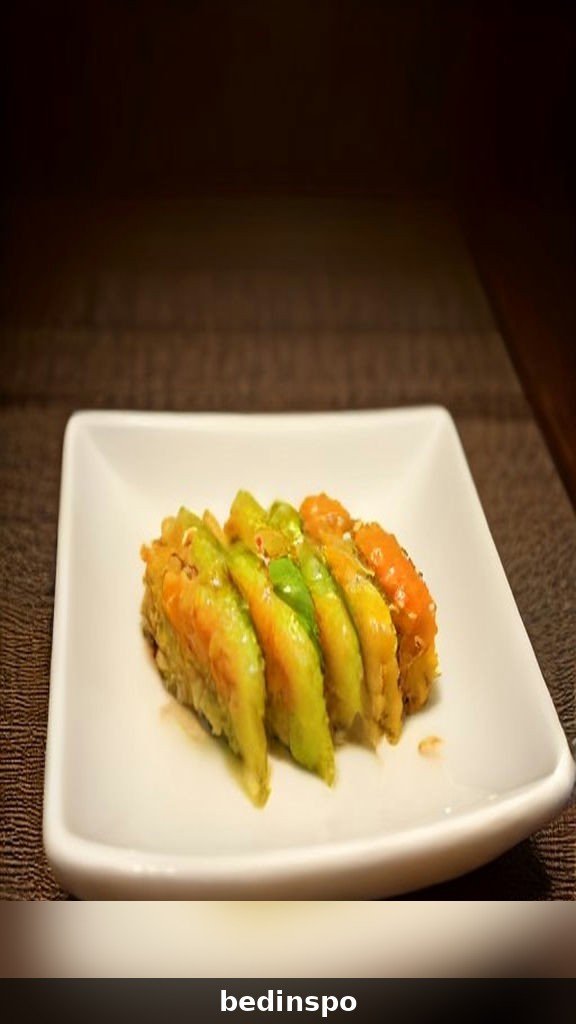
For a lighter, brighter bite, flip the proportions: a thick fan of avocado under a smaller spoonful of tuna, finished with flaky salt, lime zest and a drop of chili crisp. It’s the version my avocado-obsessed friends request by name.
Spicy Salmon Crispy Rice
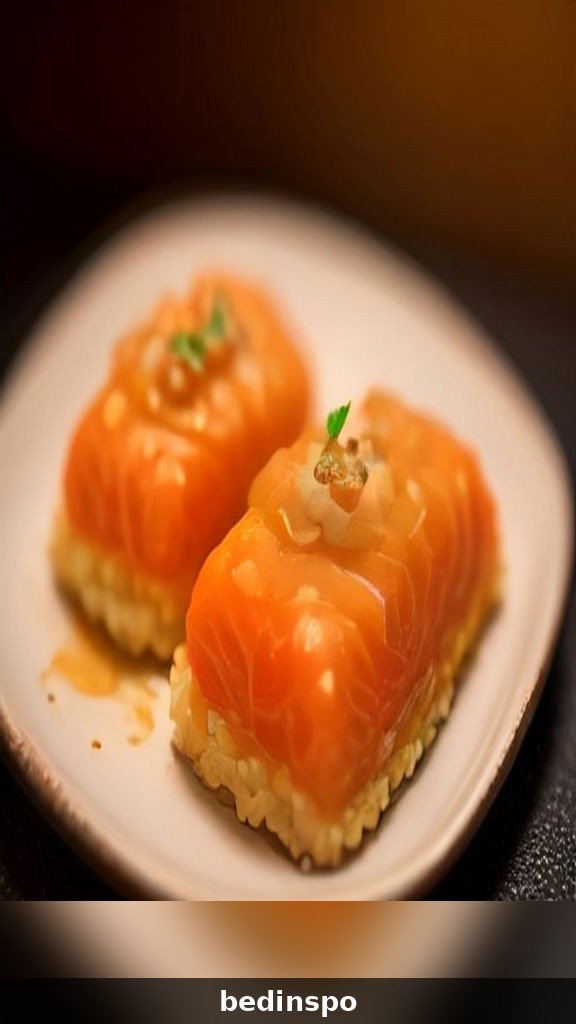
Swap the tuna for finely diced sushi-grade salmon and mix it exactly the same way. Salmon is richer and silkier, and a few salmon roe (ikura) pearls on top make it look like it came from a high-end sushi bar. A pinch of lemon zest in the sauce is lovely here.
Air Fryer Crispy Rice
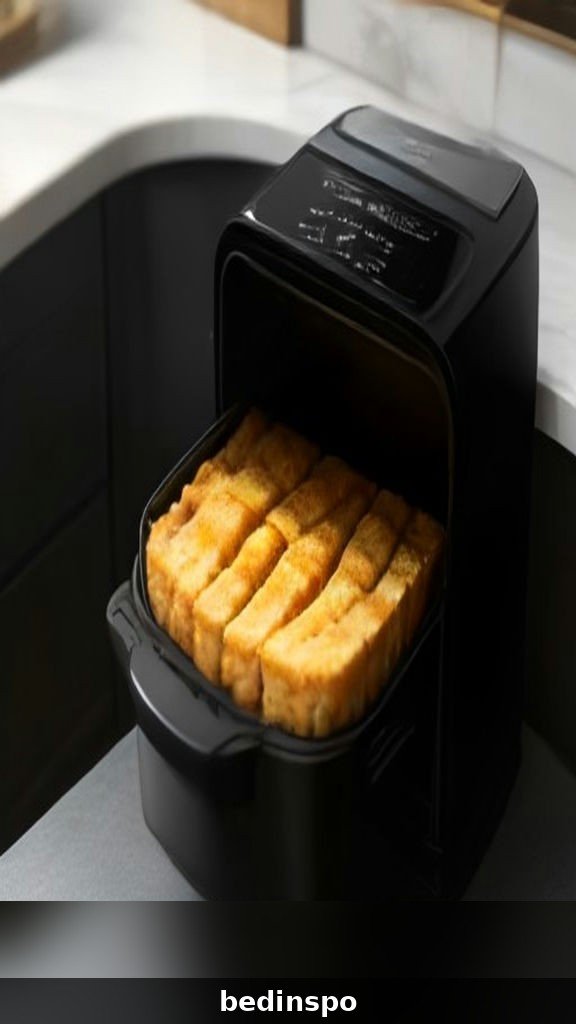
Brush or spray the chilled rice cakes lightly with oil and air fry at 400°F for 10–12 minutes, flipping halfway, until golden and crisp all over. The edges won’t be quite as deeply caramelized as the pan-fried version, but it’s mostly hands-off, uses almost no oil, and the crunch is genuinely impressive.
Crispy Rice Onigiri Triangles
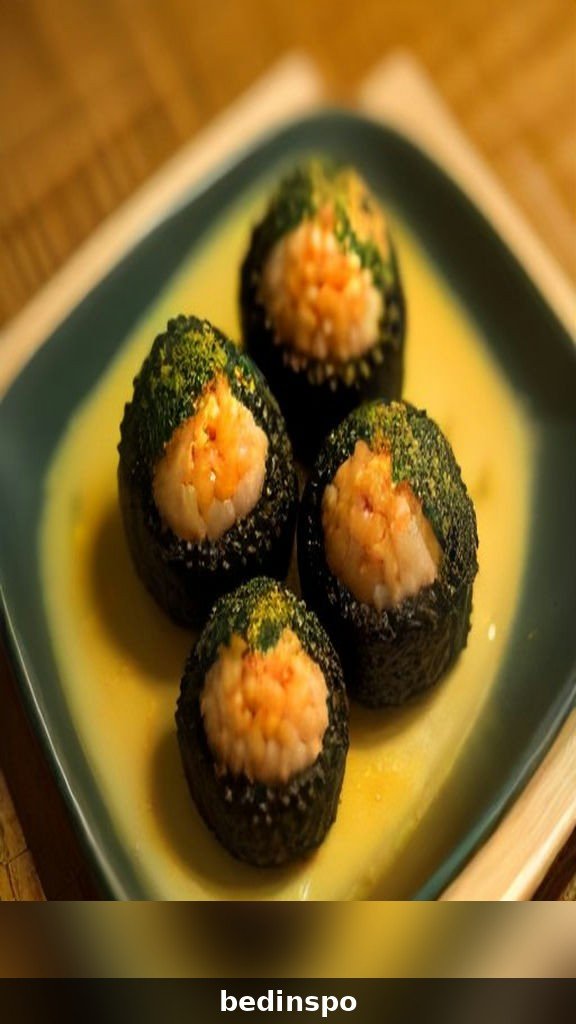
Press the rice into triangle (onigiri) shapes instead of rectangles — a mold makes this easy, but wet hands work too. Fry as directed, top with spicy tuna, and wrap a small strip of nori around the base of each triangle. Adorable, portable, and a huge hit at parties.
More Topping Ideas
Try chopped cooked shrimp with sriracha mayo, yellowtail with yuzu and jalapeño, California-style crab salad on top, or a fully vegetarian version with diced mango, avocado and chili-lime mayo. The formula never changes: something creamy, something spicy, something fresh, on something crispy.
What to Serve With Spicy Tuna Crispy Rice
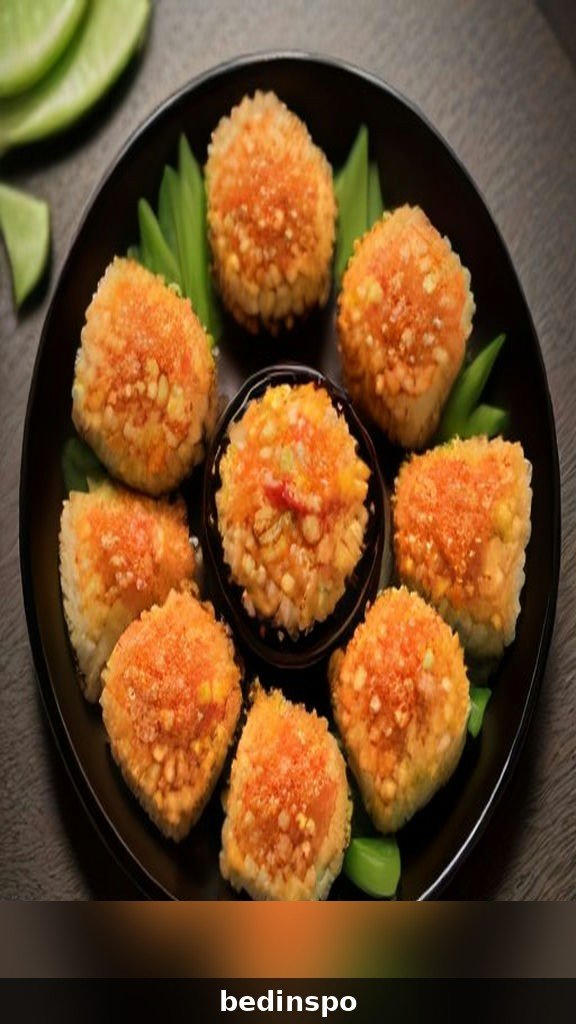
Build a whole sushi-night spread around these bites and nobody will miss the restaurant. They pair beautifully with miso soup, a simple cucumber sunomono salad, edamame with flaky salt, seaweed salad, and a tray of gyoza. For a bigger feast, add a platter of simple maki rolls or a salmon crudo.
For drinks, think crisp and cold: iced green tea, a dry sake, Japanese lager, or sparkling water with yuzu or lime. If you’re serving the bites as a party appetizer, plan on 4–5 pieces per person as a starter (they go fast — honestly, make a double batch of rice). Set the platter out with small plates and let everyone dip their own bite in soy sauce so the tuna stays put.
Make-Ahead Tips
This recipe is a gift to anyone who entertains, because almost everything can be done ahead. The seasoned rice slab can be pressed and refrigerated up to 24 hours before frying — in fact, it fries better after a long chill. You can even slice the slab into cakes, arrange them on a parchment-lined tray, cover and refrigerate for up to a day.
The spicy tuna is best mixed within a couple of hours of serving and kept refrigerated (for raw tuna, fresher is always better; the canned version can be mixed a day ahead). If you want to get really ahead, fry the rice cakes up to 4 hours early, cool them on a rack, and re-crisp them in a 375°F oven for 5–6 minutes or an air fryer for 3–4 minutes right before topping. They come back beautifully crunchy.
How to Store Leftovers
Honestly, leftovers are rare — but if you have them, store the components separately for the best result. Leftover fried rice cakes keep in an airtight container in the fridge for up to 2 days; reheat in the oven or air fryer (never the microwave, which turns them chewy) until hot and crisp again. Leftover spicy tuna should be eaten the same day if it’s raw — food safety first — while the canned-tuna version keeps 1 day refrigerated. Assembled bites don’t store well once topped, so only build as many as you’ll eat, and store any extra rice and tuna on their own.
Troubleshooting: Fixing Common Crispy Rice Problems
The rice cakes fell apart in the pan. The slab wasn’t pressed firmly enough or didn’t chill long enough, or the rice was under-seasoned and dry. Next time, press harder, chill at least a full hour (overnight is best), and make sure the rice was warm when it went into the pan — warm grains bond to each other.
The cakes are greasy, not crisp. The oil wasn’t hot enough, or the pan was crowded. Heat the oil until it shimmers, fry in smaller batches, and drain the cakes on a wire rack.
The outside browned but the inside is hard. Your slab was probably too thick, or the rice was slightly undercooked. Aim for a 3/4-inch slab and make sure the rice is fully tender before pressing.
The spicy tuna is watery. The tuna wasn’t dried (or drained) well enough. Pat raw tuna dry, squeeze canned tuna very dry, and if the sauce still looks loose, fold in an extra teaspoon of mayo.
It’s too spicy (or not spicy enough). Sriracha levels vary by bottle and by crowd. Start with 1 tablespoon, taste, and add more — you can always stir in extra heat, and a second small bowl of mild mayo-tuna keeps heat-shy guests happy.
Spicy Tuna Crispy Rice FAQs
Can I use canned tuna instead of sushi-grade tuna?
Yes — and it’s a great budget-friendly, no-raw-fish option. Use solid tuna packed in olive oil, drain it extremely well, and flake it finely so it blends into the sauce. The flavor is a little deeper and less delicate than raw ahi, but piled on crispy rice with avocado and jalapeño, it’s absolutely delicious.
Do I have to use sushi rice?
For cakes that hold together, yes, short-grain sushi rice is important. Its higher starch content makes the grains cling to each other when pressed and chilled. Long-grain rice like jasmine or basmati will crumble in the pan. Calrose rice is an acceptable substitute if that’s what you can find.
Can I bake the rice cakes instead of frying?
You can. Brush the cakes generously with oil on all sides, place them on a parchment-lined sheet pan, and bake at 425°F for about 20–25 minutes, flipping once, until golden. The crust is a bit more delicate than the fried version, but it’s a solid lighter option — and the air fryer method above is even better.
How far ahead can I make the rice?
The pressed slab keeps up to 24 hours in the refrigerator, tightly covered — and it actually fries up crispier after a long chill. You can also freeze the sliced, unfried cakes for up to 1 month; thaw in the fridge and fry as directed.
Is spicy tuna crispy rice gluten-free?
It can be. Swap the soy sauce for tamari or coconut aminos, check that your sriracha is gluten-free, and the rest of the recipe is naturally gluten-free.
How do I keep the avocado from browning?
Slice it at the last minute and give the slices a tiny squeeze of lime juice. Assembling right before serving also means the avocado spends almost no time exposed to air.
Conclusion
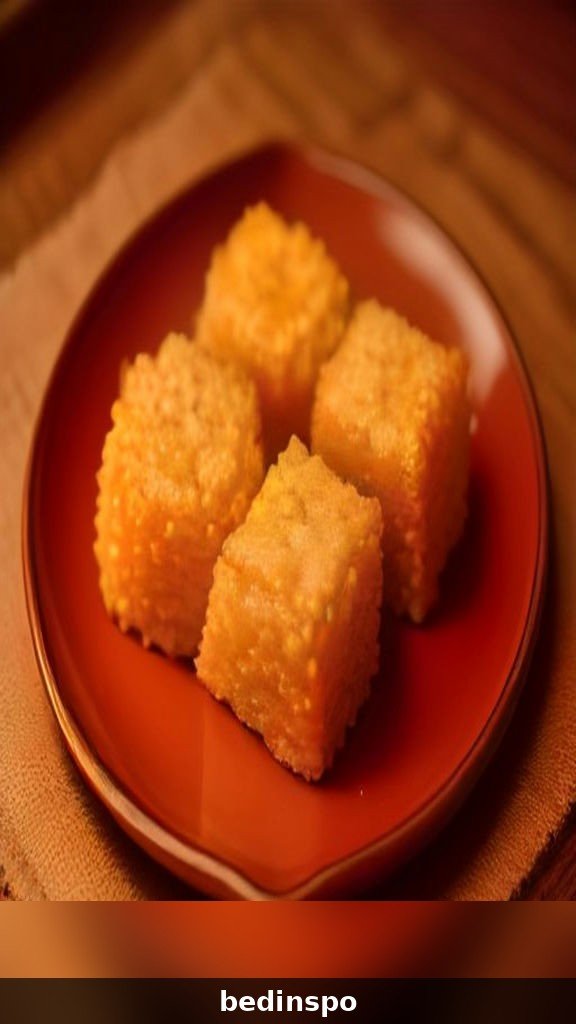
There you have it — spicy tuna crispy rice that crackles like the restaurant’s, with creamy, lime-bright spicy tuna and all the fresh toppings. Press the rice, chill it well, fry it hot, and pile on the tuna at the very last second. That’s the whole secret, and now it’s yours.
Make it for your next sushi night, date night or party, and watch the platter empty in minutes. Try the salmon version next, then the little onigiri triangles — and don’t forget to pin this recipe to your appetizer board so it’s ready the next time a sushi craving hits. Happy crunching! 🍣