Black Hair: The Complete Guide to Shades, Coloring and Care
Black hair is timeless. It is the most common hair color in the world, and it is also a favorite choice for people who want a rich, polished and dramatic look. A deep black shade can make skin glow, make eyes stand out and give hair a luxurious, glossy finish. It looks sharp in a sleek cut and striking in loose waves. Black is not as simple to maintain as it seems, though. Dyed black can fade, turn dull or look flat, and removing it later can be difficult. In this guide, you will learn what black hair is, which shades exist and how to choose one for your skin tone. You will also find advice on coloring, shine, care and common mistakes to avoid.
What Is Black Hair?
Black hair is the darkest natural hair color, produced by a high concentration of melanin in the hair shaft. It is the most common hair color worldwide, especially among people of Asian, African, Latin American and Middle Eastern descent. Strands that look pure black in dim light may show deep brown tones in the sun, which is normal. Black hair can also be created with dye on lighter bases, in shades from soft black to jet black. The term covers many textures, from straight and silky to wavy, curly and coily. Because the color is so dark, it reflects light differently from lighter shades, giving healthy black hair a distinctive, mirror-like shine that many people find beautiful and elegant.
The Science Behind Black Hair Color


Hair color comes from pigments called melanin. Eumelanin creates brown and black tones, while pheomelanin creates red and yellow tones. Black hair contains a large amount of eumelanin packed densely inside the hair strand. This heavy pigment absorbs most of the light that hits the hair, which is why it appears so dark. Genetics determine how much eumelanin your body produces, and the amount can change slightly over time. As people age, pigment-producing cells slow down, and gray or white strands begin to appear. Black hair is also strongly pigmented in the cortex, so it takes more effort to lighten than other colors. Understanding this helps explain why bleaching dark hair is a longer process and why black dye covers other shades so well.
Why Black Hair Is So Popular

Black hair remains popular because it works in almost every setting. It looks professional at the office, glamorous at an event and effortless on a weekend. The color creates strong contrast with the skin and eyes, which can make facial features appear more defined. Black also hides dirt and oil less visibly than very light shades, and it holds a smooth, sleek style beautifully. Another reason for its popularity is how well it pairs with fashion. Black hair complements bold lipstick, neutral outfits and colorful accessories alike. It also suits people of all ages, from teens experimenting with a dramatic change to adults who want a classic, polished appearance that never feels out of date.
Natural Black Hair vs Dyed Black Hair

Natural black hair has depth and subtle variation, with hints of brown, blue or even a little warmth in sunlight. It is usually strong and glossy when it is healthy. Dyed black hair can look flatter and more uniform, especially if one solid shade is applied from roots to ends. It may also develop a slightly dull or reddish tint as it fades. Natural black hair does not need regular color touch-ups, but dyed black hair shows regrowth at the roots, especially if your natural color is lighter. Dyed black is also harder to reverse, since removing it takes lightening or color remover. Both types look beautiful when cared for, but dyed black needs a few extra steps to keep it rich.
Popular Shades of Black Hair
Black hair has more variety than most people realize. Jet black is the deepest and most intense, with no visible warmth. Soft black is slightly lighter and looks more natural, often with a hint of dark brown. Natural black has balanced tones that mimic untouched hair. Blue-black has a cool, midnight finish that shines with a blue tint in the light. Violet-black and plum-black add a subtle purple depth, while brown-black blends dark brown and black for a gentler effect. Charcoal black leans slightly gray and has a modern, smoky look. Choosing between these shades depends on your skin tone, your style and how bold you want to be. Bring photos to your colorist so you can agree on the exact tone.
Choosing the Right Black for Your Skin Tone

The most flattering black depends on your undertone. People with cool undertones, who often have pink or bluish hints in the skin, look beautiful in blue-black and jet black, because the cool shine complements their complexion. Warm undertones, with golden or peachy skin, tend to suit soft black or brown-black, which feel gentler and less harsh. Neutral undertones can wear nearly any shade. Very pale skin can look striking with jet black, but it creates high contrast, so soften it with a side part or layers if you prefer a gentler effect. Deeper skin tones often glow with natural black or blue-black. If you are unsure, ask a colorist to hold swatches near your face in natural daylight.
Jet Black and Soft Black Hair
Jet black is bold, dramatic and unmistakable. It has no warmth and reflects light with a deep, glassy shine, which makes it perfect for sleek cuts like a blunt bob or a long straight style. Because it is so intense, it can look harsh on some skin tones, so test a swatch or try a semi-permanent version first. Soft black is a more forgiving option. It is slightly lighter and warmer, and it blends into natural hair more gracefully as it grows out. Many people choose soft black for a subtle, natural look that still feels rich. Both shades need regular gloss treatments to keep their shine, and both benefit from color-safe shampoo to prevent fading and dullness.
Blue-Black and Colored Black Hair
Blue-black is one of the most striking black shades. It has a cool, midnight tone that looks almost navy in bright light. It is a favorite for people who want black hair with a little extra personality, and it suits cool and neutral skin tones especially well. Violet-black and burgundy-black add warm, jewel-like depth, while green-black gives an unusual, forest-like shimmer. These colored blacks are usually created with specialty dyes or glosses, and they can fade to a more standard black or brown over time. Refresh them with a color-depositing conditioner every few weeks. They are a great option if you want a subtle fashion statement without bleaching, since the dark base helps the tint show only in sunlight.
Black Hair with Highlights, Balayage and Ombre
Black hair does not have to be one flat color. Adding highlights, balayage or ombre creates depth, movement and dimension. Soft caramel or chocolate highlights give a warm, sun-kissed effect that works well with soft black. Cool tones such as ash brown or silver create a modern, high-contrast look. Balayage is hand-painted for a natural gradient and a graceful grow-out, while ombre transitions from black roots to lighter ends for a bolder style. Face-framing highlights brighten the complexion with less commitment. Because black hair has dense pigment, lightening usually requires bleach, which can dry the strands, so use bond-building treatments and deep conditioning. Start with a few subtle pieces if you are unsure, and build up gradually.
How to Dye Your Hair Black

Dyeing hair black is easier than going lighter, but a careful approach still pays off. Choose your shade, and do a strand test to check the final tone and timing. Section your hair and apply the color evenly from roots to ends, starting where regrowth is most visible. Follow the processing time exactly, then rinse with cool water until it runs clear. Use a color-protecting conditioner afterward. If you are covering very light or bleached hair, a filler or a dark brown base can prevent a greenish or muddy result. Apply color with gloves, and protect your skin and clothing, because dark dye stains. Remember that black pigment builds up with repeated use, so do not overlap on the lengths each time.
Salon vs At-Home Black Hair Color
Both options can work well. At-home black dye is affordable, quick and effective for refreshing natural black hair or covering grays. It is a good choice if you already have a dark base and want to deepen the shade. A salon colorist is better when you want a custom tone, such as blue-black, or when your hair has uneven color from past dyes. Professionals can also correct patchy results and use gloss treatments to boost shine. If you color at home, always do a patch test and a strand test, and choose a formula with conditioning ingredients. Do not mix brands, and do not leave the dye on longer than recommended. For big transformations, such as bleached blonde to black, professional help is the safest route.
Going Back from Black Hair Dye to a Lighter Shade

Removing black dye is one of the hardest color corrections. Dark pigment cannot simply be washed out, because it sits deep in the hair and builds up over several applications. A color remover can lift artificial dye without bleaching natural pigment, but it often reveals warm orange or brassy tones that need toning. Bleach lifts both artificial and natural color, and it usually needs several sessions to reach a lighter shade safely. Because this process stresses the hair, a professional colorist is strongly recommended. Another option is to let the color grow out gradually, using highlights or balayage to blend the transition. Plan ahead, expect some maintenance and invest in deep conditioning during the process to protect your strands.
Black Hair Care Routine
A steady routine keeps black hair strong, soft and shiny. Wash two to three times a week with a gentle, sulfate-free shampoo, since frequent washing can strip moisture and fade dyed color. Follow with a nourishing conditioner and use a deep conditioning mask once a week. Detangle with a wide-tooth comb, starting from the ends. Apply a lightweight leave-in conditioner and a few drops of oil to seal in moisture. Use heat protectant before every hot tool, and keep temperatures moderate. Rinse with cool water to flatten the cuticle and boost shine. Protect your hair from sun and chlorine, which can cause dryness and a reddish tint. Sleep on a silk or satin pillowcase to reduce friction and breakage.
How to Add Shine to Black Hair

Shine is the signature feature of healthy black hair. It starts with smooth cuticles, so avoid rough handling and heavy heat. Use a gloss or glaze treatment at the salon every six to eight weeks, or a clear shine mask at home. A lightweight serum or oil applied to damp or dry ends adds instant luster without weighing the hair down. Blow-dry with a nozzle pointed downward to smooth the surface, then finish with a cool-air blast. Brushing with a boar bristle brush distributes natural oils from root to tip. Clarify once a month to remove buildup, which can dull the color. Finally, keep your ends trimmed, because split ends scatter light and make hair look lifeless.
Dealing with Fading, Dullness and Gray Hair
Black dye can fade to a dull, reddish or brownish tone, especially with sun, hot water and harsh shampoo. To slow fading, wash with cool water, use color-safe products and limit sun exposure. Tinted conditioners or glosses refresh the shade between full color services. Gray hair stands out strongly against black, so root touch-ups may be needed every three to five weeks. Root cover sprays, powders and semi-permanent dyes can bridge the gap between appointments. For a softer approach, ask for lowlights or a blended color that makes regrowth less obvious. Gray hair can also be coarse or wiry, so use extra moisture and a smoothing serum. With consistent care, black hair can stay rich and polished for a long time.
Best Hairstyles and Haircuts for Black Hair

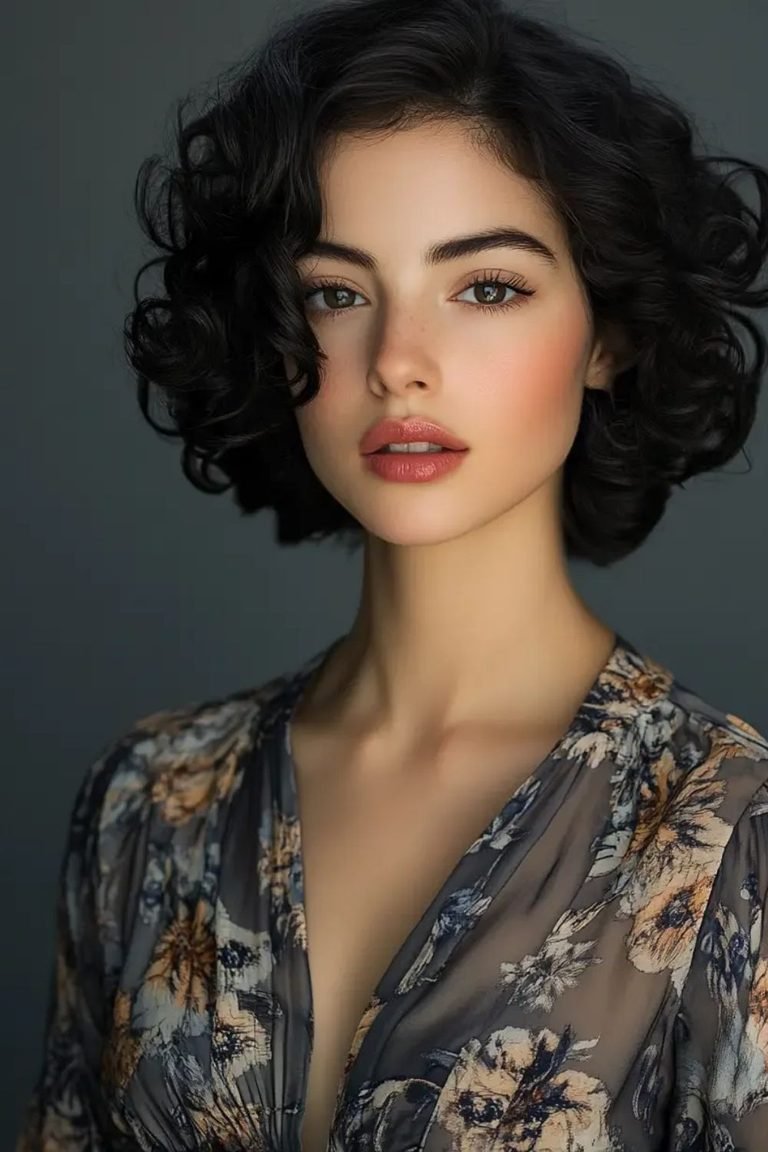
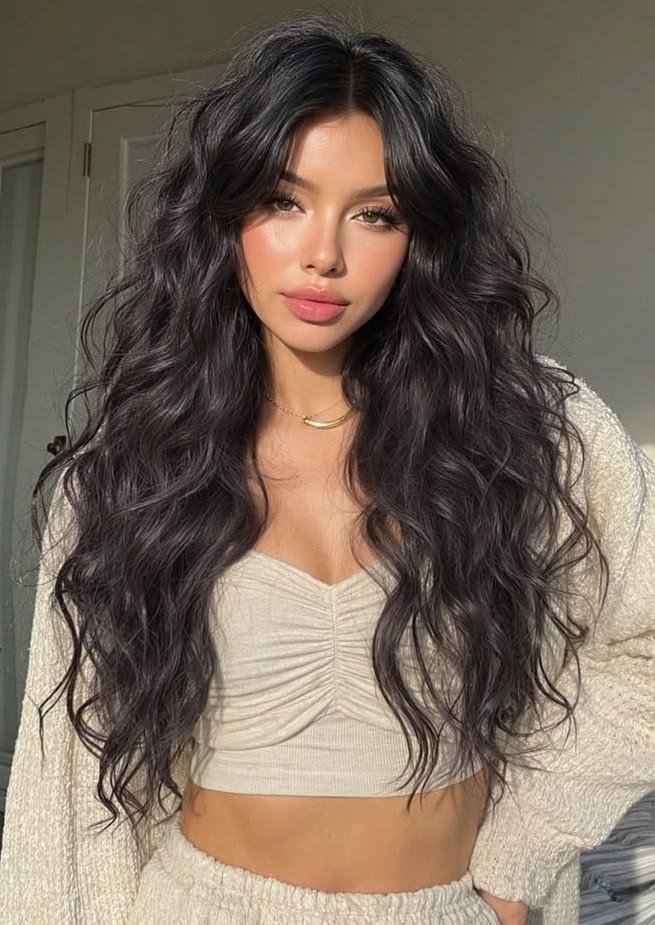
Black hair makes almost every cut look sharper. A blunt bob or lob looks stunning in jet black because the clean edge reflects light. Long layers add movement and keep dark hair from looking heavy, while curtain bangs soften the face. Sleek ponytails, low buns and straight styles highlight shine, and loose waves add romance and softness. Curly and coily black hair looks beautiful in a rounded cut, a tapered shape or a defined wash and go. For short hair, a pixie or a textured crop gives bold contrast against the skin. If your hair is very dark, add layers or face-framing pieces to avoid a flat, heavy shape. The right cut and a little shine spray go a long way.
Makeup, Clothing and Style Tips for Black Hair
Black hair is a flexible canvas for makeup and fashion. Bold lip colors, such as red, berry and plum, look striking against dark hair. For a softer effect, choose rosy or nude lips with defined brows. Warm bronze and copper eyeshadows bring out the richness of the hair, while silver and cool tones suit blue-black. Defined, natural-looking brows in a shade close to your hair color keep the face balanced. In clothing, jewel tones like emerald, sapphire and ruby pop against black, and white and cream create a crisp contrast. Metallic accessories in gold or silver add shine. Keep jewelry and outfits coordinated, so your hair remains a strong, elegant focal point in every look.
Common Black Hair Mistakes to Avoid
Several mistakes can leave black hair dull or damaged. Using harsh, sulfate-heavy shampoos strips both moisture and color. Washing with very hot water opens the cuticle and speeds up fading. Overusing heat tools without protectant weakens the strands and dulls shine. Another mistake is applying black dye repeatedly from roots to ends, which causes buildup and a flat, inky look. Some people also choose a shade that is too harsh for their skin tone, which can make the complexion look tired. Skipping regular trims allows split ends to ruin the glossy finish. Finally, trying to lighten black hair at home without professional guidance often leads to uneven, orange or damaged results. Avoiding these errors protects both your hair and your color.
Conclusion
Black hair is classic, powerful and endlessly versatile. Whether you were born with it or chose it from a color chart, the key to looking your best is understanding your shade, your undertone and your hair’s needs. Choose a tone that flatters your skin, whether that is soft black, jet black or blue-black. Care for your hair with gentle products, cool water, heat protection and regular glosses. Add highlights or a fresh cut when you want a change, and seek professional help for major color corrections. With the right routine, your black hair can stay deep, glossy and healthy, giving you a confident look that never goes out of style.