Protective Hairstyles for Winter: 15 Styles That Fight Dry, Cold Air
Protective Hairstyles for Winter: 15 Styles That Fight Dry, Cold Air
Winter is beautiful — and brutal on hair. Outside, cold wind whips moisture out of every strand. Inside, heating systems bake the air dry for months. Add wool hats, coat collars, and scarves rubbing against your ends all day, and by February many women are looking at breakage, brittle ends, and months of growth lost. Sound familiar? Protective hairstyles are the answer winter demands.
A protective style tucks your ends away — the oldest, most fragile part of your hair — and keeps your strands in a low-manipulation state for weeks at a time. Done right, a winter protective style means you retain length, skip daily styling in the dark cold mornings, and emerge in spring with healthier hair than you had in fall. Done wrong — too tight, too long, too dry underneath — it can do the opposite, which is why this guide includes the care routine, not just the styles.
Below: fifteen winter-ready protective styles for every hair type, length, and budget, plus exactly how to care for the hair underneath. Pick your winter armor.
Why Winter Is So Hard on Hair (and What “Protective” Really Means)

Cold air holds almost no moisture, so it pulls water from your hair all day; heated indoor air does the same all night. Hair that’s losing moisture becomes brittle, and brittle hair snaps — on hat bands, on coat zippers, on sweater shoulders. Meanwhile your ends, which may be years old, have the least strength to spare. That’s the winter breakage cycle.
A truly protective style has three features: ends tucked away from air and friction, low daily manipulation (no daily combing, heat, or restyling), and access to your scalp and hair for moisture while it’s installed. That third point is where many styles fail — a style you can’t moisturize through is a desert with a pretty fence. Keep those three tests in mind as you browse: the best winter style is the one that passes all of them for your hair and your life.
Box Braids: The Winter Classic

Box braids have been winter’s MVP for decades because they pass every test: ends sealed inside braiding hair, zero daily styling, full access to the scalp between parts, and a lifespan of six to eight weeks that can carry you through the coldest stretch of the year. They also slide smoothly under hats and hoods better than most styles.
For winter specifically, medium-sized braids are the sweet spot — jumbo braids are fast but loosen quickly and leave more of your own hair exposed at the roots, while very small braids take forever to install and remove. Ask your braider for edges that are firm, never tight: winter breakage at the hairline is usually a tension story, not a cold story. Style them up, down, or in a bun; braids under a satin-lined beanie is the coziest winter uniform there is.
Knotless Braids: All the Beauty, None of the Tension

Knotless braids start with your own hair and feed braiding hair in gradually, which eliminates the tight knot at the root — and with it, most of the pain, bumps, and hairline stress of traditional braids. For winter, when scalps are already dry and sensitive, that gentleness is a genuine health advantage.
They also look more natural from day one (no bulky knot), lie flatter under hats and wigs, and can be styled into an updo immediately without the “too tight to move” week. The trade-offs are price (knotless installs usually cost more and take longer) and slightly less durability at the root as they grow out. For women whose edges are fragile or who had to cut a braid set short because of tension, knotless is the upgrade worth paying for.
Twists: Senegalese, Passion, and Marley Twists

Twists are the softer, lighter cousin of braids — two strands wound around each other instead of three plaited — and many women find them kinder to wear and faster to install. Senegalese twists are sleek and rope-like; passion twists are bouncy and boho with curly texture; Marley twists are full and natural-looking, mimicking Afro-textured hair beautifully.
Winter loves twists for a practical reason: they’re lighter than braids, so they put less weight-stress on hair that’s already brittle from the cold, and they’re gentler to take down (a huge deal — takedown is where winter length goes to die). Twists typically last 4–6 weeks. Refresh the front rows at week three and you can stretch the style further while keeping it neat.
Crochet Hairstyles: Maximum Variety, Minimum Chair Time

Crochet styles install pre-looped braiding hair through cornrows with a latch hook, which means a full head of braids, twists, locs, or loose curls in two to three hours instead of eight. For winter, crochet is the budget-and-time champion, and because your own hair is cornrowed flat underneath, it’s thoroughly protected — ends fully tucked, manipulation at zero.
The styles are endless: crochet braids, faux locs, passion twists, spring twists, even loose crochet curls that look like a wash-and-go with none of the daily work. Winter care is simple — the cornrow base gives you clear lanes to oil your scalp and spritz the hair beneath. Choose crochet if you like changing your look each month; the fast install makes it the most flexible protective style on this list.
Wigs and Quick Weaves: The Ultimate Take-Off-at-Night Protection

Wigs offer something no other style can: complete daily access to your real hair. Underneath, your hair rests in braids or twists — moisturized nightly, washed easily, zero exposure to winter air — while the wig takes the cold, the friction, and the styling heat for it. For length retention, it’s arguably the most protective system there is.
Winter is wig season anyway: a wig is literally a warm hat. The non-negotiables: a wig cap to protect your edges, satin or silk lining where possible (or a satin scarf under the wig) because wig friction on the hairline is the classic wig mistake, and a secure-but-not-tight fit. Keep two affordable wigs in rotation rather than one expensive one, and your real hair underneath can go a full season untouched and thriving.
Faux Locs: The Long-Term Winter Commitment

Faux locs — braiding hair wrapped to look like mature locs — are the marathon runners of protective styles: installed once, they can carry you through an entire winter, aging gracefully and looking more natural over time. Butterfly locs (distressed, boho) are the trendy soft option; traditional faux locs are sleeker and more uniform.
Because they stay in longest, faux locs demand the most care discipline: regular scalp cleansing with a diluted shampoo or astringent, light oils on the scalp, and moisture spritzes along your own hair’s length where accessible. And respect the calendar: even the best-kept faux locs should come out by 8–10 weeks, or your new growth starts matting at the base. Set the takedown date when you book the install.
Bantu Knots and Flat Twists: The Hat-Friendly Heroes

Here’s a winter problem nobody talks about: big styles don’t fit under winter hats, and hat friction wrecks them. The solution is styles that lie flat. Bantu knots (worn as a style themselves — glossy, sculptural coils) and flat twists (twisted close to the scalp like cornrows) sit low enough for beanies, berets, and hoods to glide over, especially with a satin lining.
Flat twists do double duty: wear them as the style for one to two weeks, then unravel for a defined twist-out that survives several more days. Bantu knots similarly become bantu curls when released. Both styles are DIY-friendly, cost nothing but time and product, and keep your ends coiled safely against your head — the warmest place they could possibly spend the winter.
Protective Buns and Updos: Elegant, Instant, Free
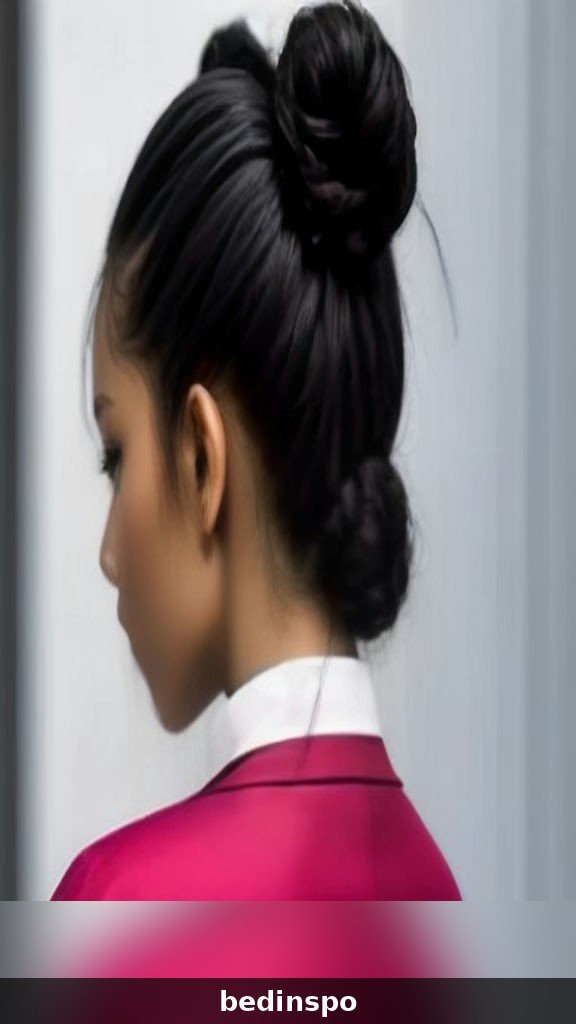
No braiding hair, no appointment, no problem. The humble bun is a legitimate protective style when it’s done right: ends tucked into the bun’s center, hair off your shoulders and coat collar, and the style reset in minutes each morning. Low buns, top knots, and twisted chignons all qualify.
The rules that make buns protective instead of damaging: vary the position (the same spot daily stresses the same strands), use satin scrunchies or hair forks instead of tight elastics, never bun soaking-wet hair (it weakens and mildews), and take it down at night. Two-strand twists pinned into an updo, or a braided crown, elevate the simple bun into an elegant protective style suitable for work and events — proof that “protective” and “polished” are the same thing when you want them to be.
Braided Crowns and Halo Braids

The halo braid — one or two braids wrapped around the head like a crown — is winter’s most romantic protective style. Your ends are woven into the braid itself, fully tucked; the style sits flat enough for hats; and it lasts one to two weeks with a scarf at night, which for a no-extensions style is excellent value.
It’s also the rare protective style that reads formal: weddings, holidays, and photos all love a halo braid, especially with a few face-framing wisps or a jewelled pin. On your own hair it protects; with a little added braiding hair it becomes fuller and lasts longer. If your braiding skills are basic, two chunky Dutch braids pinned around the head achieve the same crown effect with training wheels.
Protective Styles for Short Hair

Short hair has less length to lose, but its ends are just as winter-vulnerable — and short naturals know the TWA-vs-beanie struggle well. Your best options: mini twists (small two-strand twists all over, lasting 2–3 weeks, fully hat-compatible), flat twists and cornrow styles close to the scalp, finger coils that keep ends sealed in their own curl, and — the power move — a wig or crochet install over cornrowed short hair, which lets short hair grow out underneath in total peace.
Short hair’s advantage is moisture access: you can wash, condition, and re-moisturize a mini-twist set thoroughly, something long-style wearers envy. Keep the cycle short — install, two weeks of easy care, gentle takedown, deep condition, repeat — and short hair comes through winter gaining length every single month.
The Winter Hair Care Routine Under Your Protective Style

Moisturize on a Schedule, Not a Whim
Every two to three days, spritz your hair (through the braids or at the roots) with a water-based leave-in or a DIY mix of water, leave-in, and a little oil. Follow with a light oil on the scalp if yours runs dry. Hair in a protective style still drinks — it just can’t ask you daily.
Wash Your Scalp — Yes, Really
Every one to two weeks, cleanse the scalp with diluted shampoo applied with an applicator bottle, rinse carefully, and dry thoroughly (a hooded dryer or cool blow-dryer pass — trapped moisture under braids invites mildew and itch). Clean scalps grow hair; neglected ones under styles are how “protective” turns into problems.
Night and Hat Protocol
Satin bonnet or scarf every night, no debates. For hats, choose satin-lined beanies or slip a satin scarf under wool — wool wicks moisture and saws at edges, and the lining removes both problems for a few dollars.
How Long to Keep a Protective Style In (and the Takedown Rules)

General limits: braids and twists with extensions, 6–8 weeks; crochet, 6–8 weeks; faux locs, up to 10 weeks maximum; wigs over braids, re-braid the base every 4–6 weeks; styles on your own hair only (mini twists, flat twists, buns), 1–3 weeks. Past these limits, shed hair (you lose ~100 strands a day, all trapped in the style) tangles with your new growth and mats — the takedown then costs you the length the style saved.
Takedown rules: budget real time (never rush), detangle each braid or twist’s worth of hair individually as you release it — with conditioner and patience — BEFORE washing, because washing a head full of loose shed hair creates one giant mat. Then clarify, deep condition, trim if needed, and give your hair at least a week of freedom before the next install. Your hair served its winter sentence beautifully; let it breathe.
Protective Hairstyles for Kids in Winter

Children’s hair faces the same winter — plus playground hoods, lost hats, and zero patience for styling chairs. The best kids’ winter styles are simple and tension-free: chunky braids or twists on their own hair (4–6 weeks with extensions is too long for most kids; 2–4 weeks is kinder), mini braids they can wear under a satin-lined hat, cornrow styles that lie flat, and puffs with twisted ends tucked in on very short hair.
Rules for kids: never tight, never heavy — a child’s hairline is delicate and traction damage can be permanent. Keep installs quick, keep added hair light or skip it, moisturize with a simple spritz routine, and make the bonnet non-negotiable from the start (it becomes as automatic as pajamas). A child who grows up protecting their hair in winter grows up keeping their length — it’s a lifetime habit worth the early training.
Frequently Asked Questions
What is the best protective hairstyle for winter?
For most people, medium box braids or knotless braids offer the best balance of protection, longevity (6–8 weeks), scalp access, and hat compatibility. If your hairline is sensitive, knotless braids win; if you want the fastest, most flexible option, choose crochet styles; for maximum hair access, a wig over braided hair.
Can protective styles damage your hair?
Yes, if they’re installed too tightly, kept in too long, or left unmoisturized — the three classic mistakes. A protective style should never hurt after the first day, should always allow you to cleanse and moisturize, and should come out by its deadline. Follow those rules and protective styles are genuinely protective.
How do I stop winter hat friction from breaking my hair?
Wear satin-lined hats, or put a satin bonnet or scarf between your hair and any wool or knit hat. The satin layer stops both the moisture-wicking and the abrasion that cause hat-line breakage. Choosing flatter styles under hats helps too.
Should I trim my hair before a protective style?
Yes — a protective style preserves the hair you have, including split ends, which will keep splitting underneath. Install on freshly washed, deep-conditioned, detangled hair with ends trimmed. Starting healthy is what makes the style a growth tool instead of a storage unit for damage.
Conclusion

Winter doesn’t get to decide how your hair looks in spring — you do. Braids, twists, crochet, locs, wigs, or a simple well-kept bun: choose the protective style that fits your hair and your life, care for what’s underneath on schedule, respect the takedown date, and let the cold months become your growing season.
Save this guide, book your install (or your bonnet), and picture February-you: taking down a style to reveal soft, moisturized, longer hair while everyone else is complaining about breakage. That’s the power of protecting on purpose.