Christmas Crafts to Make and Sell: 15 Profitable Ideas
Christmas Crafts to Make and Sell: 15 Profitable Ideas
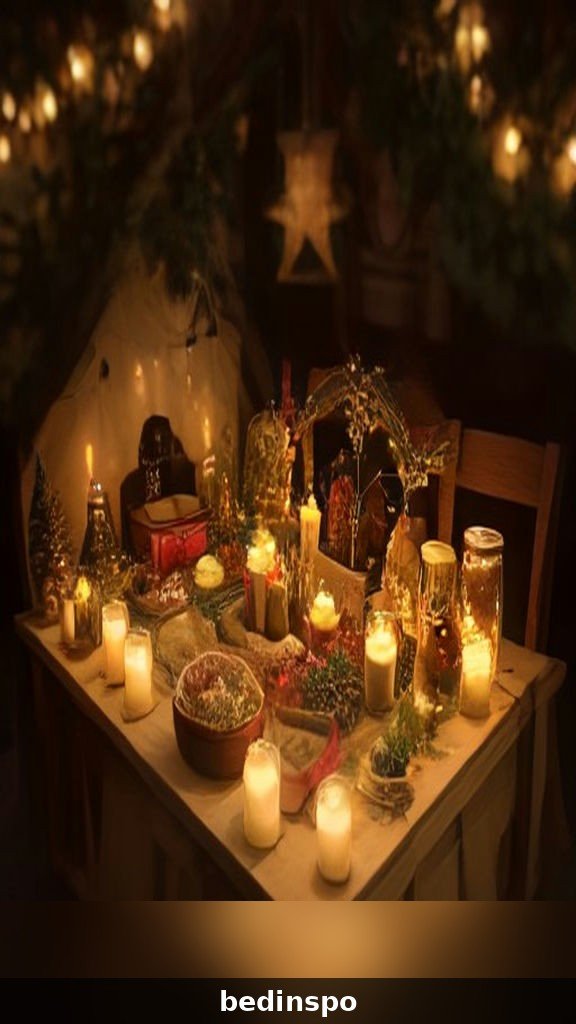
Every holiday season, millions of shoppers hunt for gifts that feel personal — and that is exactly why Christmas crafts to make and sell are such a goldmine. Handmade ornaments, cozy wreaths, and beautifully packaged treats sell because they carry something mass-produced gifts never can: a human touch. Whether you want to fund your own Christmas shopping, launch a side hustle, or turn a hobby into a real business, the holiday craft market is one of the most welcoming places to start.
The beauty of selling Christmas crafts is that demand is built in. From late October through December, craft fairs fill up, online marketplaces surge, and neighbors ask who made that gorgeous wreath on your door. You do not need a huge investment to begin — many of the most profitable crafts cost just a few dollars in materials and sell for ten times that. What you do need is a plan: the right products, fair pricing, and a place to sell.
Below you will find 15 Christmas crafts to make and sell that buyers actually want, each with notes on materials, pricing, and what makes it sell. At the end, there is a practical guide to pricing your work, choosing where to sell, and setting up a craft fair booth that draws a crowd. Grab your glue gun and let’s turn this holiday season into your most profitable one yet.
1. Handmade Christmas Ornaments
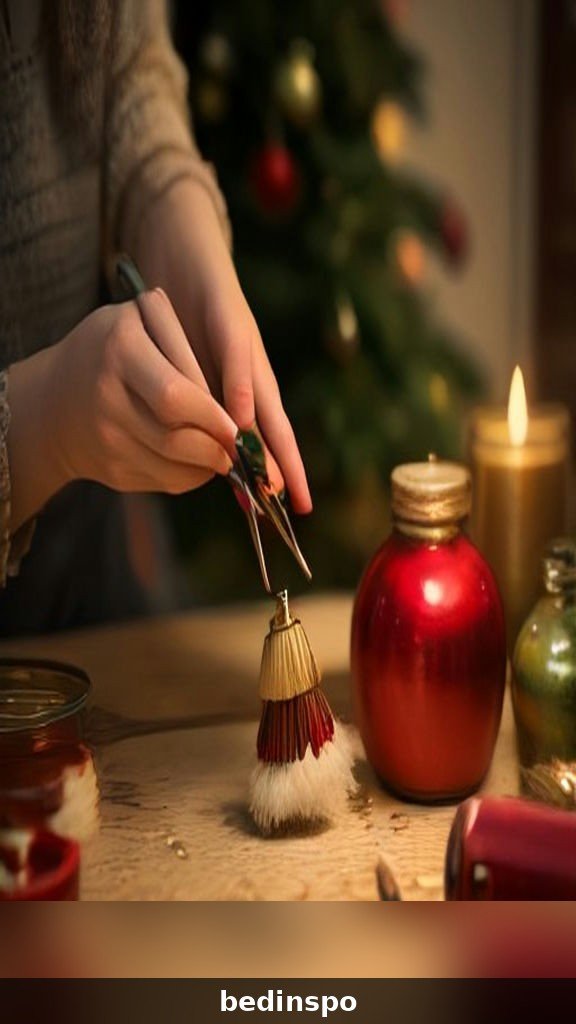
Ornaments are the bread and butter of holiday craft selling, and for good reason: they are small, affordable to make, easy to ship, and every single buyer needs more than one. A set of hand-painted wooden ornaments, glitter-dusted baubles, or personalized name ornaments can sell for $8 to $25 each, while your material cost stays under $2 per piece. The key is offering something buyers cannot find in a big-box store — hand-lettered names, a family’s established date, or a one-of-a-kind painted design.
Personalization is where the real money is. Ornaments with a couple’s wedding date, a baby’s first Christmas, or a pet’s name command premium prices and sell out fast at craft fairs. Set up a small personalization station at your booth with paint pens and let customers watch you add their names — the performance draws a crowd and turns browsers into buyers. Online, list a few personalization options as variations and keep your turnaround time under a week during the holiday rush.
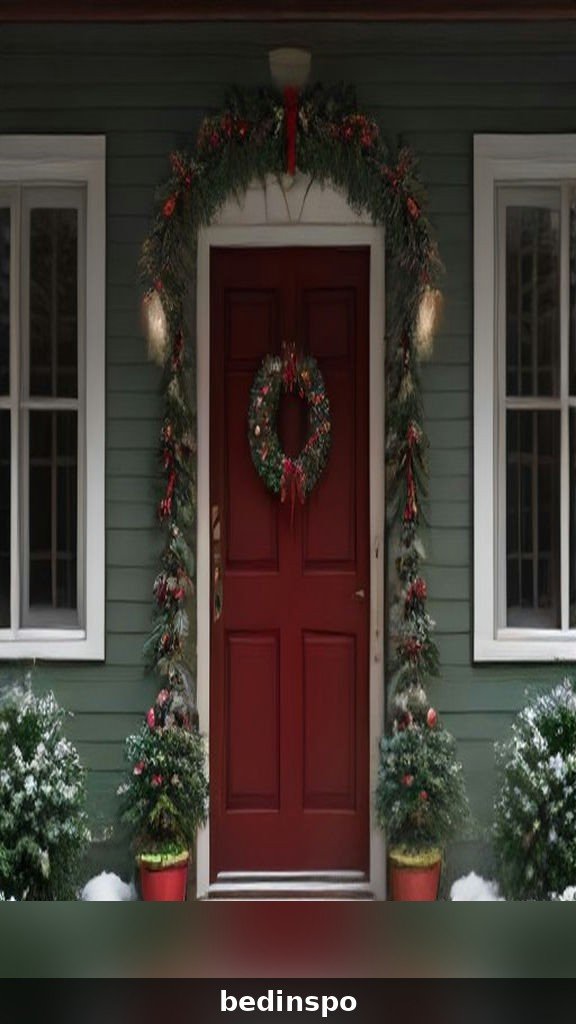
2. DIY Christmas Wreaths
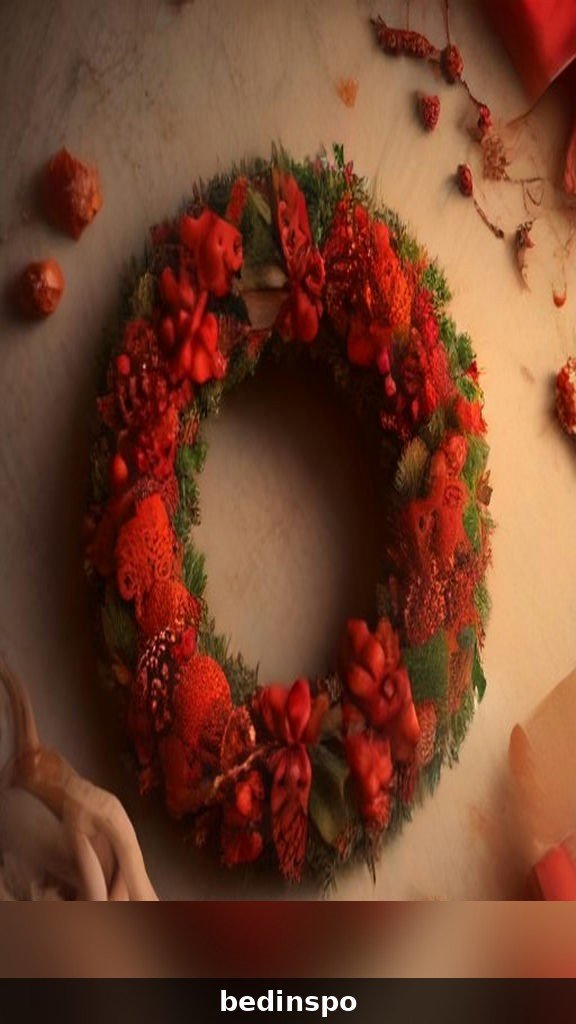
A beautiful wreath on a front door is one of the most visible holiday purchases a person makes, which is why handmade wreaths sell at impressive prices. A grapevine or evergreen wreath dressed with pinecones, berries, ribbon, and dried orange slices can sell for $45 to $120 depending on size and fullness, while materials typically run $10 to $25. Wreaths photograph beautifully, so they are also perfect for online listings and social media marketing.
To stand out, develop a signature style: farmhouse neutral, classic red-and-green, frosted winter woodland, or modern minimalist with eucalyptus. Offer two or three sizes and take custom color requests. One smart move is selling “wreath kits” alongside finished wreaths — a box with the base, picks, ribbon, and instructions for buyers who want the experience of making their own. Kits cost less to ship than a bulky finished wreath and appeal to the DIY crowd.
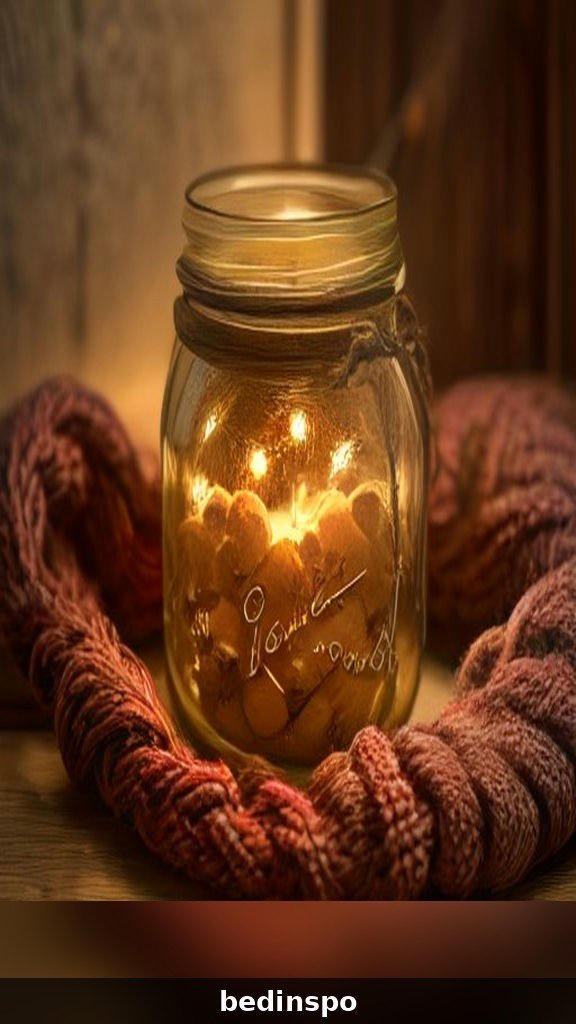
3. Handmade Scented Candles
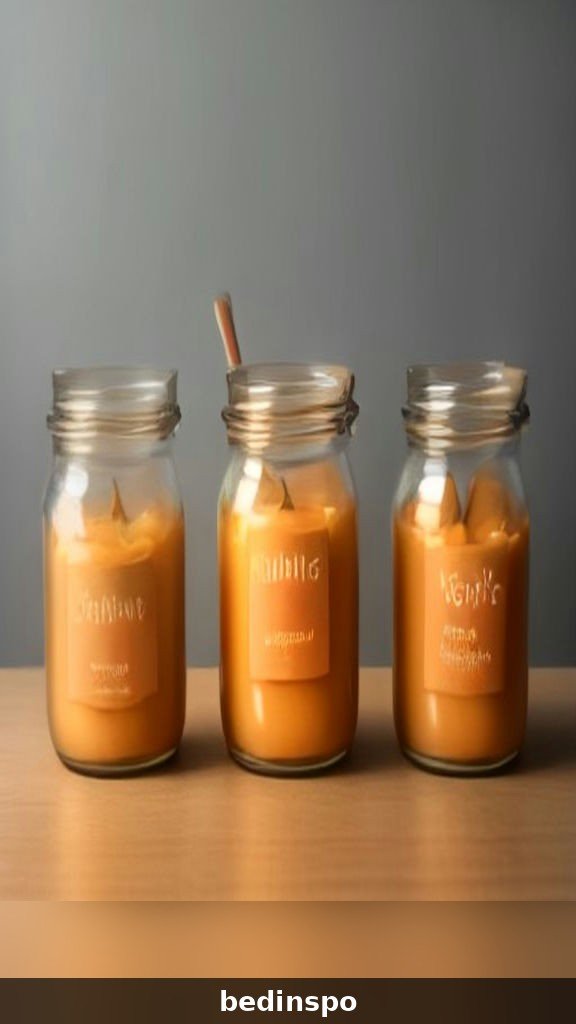
Candles are a year-round bestseller, but at Christmas they become almost irresistible. Holiday scents like cinnamon spice, balsam fir, vanilla peppermint, and cranberry woods practically sell themselves when customers can smell them at your booth. A well-made soy candle in a pretty jar costs $3 to $6 in materials and sells for $14 to $28 — one of the best profit margins in the craft world.
Packaging is everything with candles. Dress your jars with kraft labels, twine, a sprig of dried greenery, or a custom holiday sleeve, and suddenly a $5 candle looks like a $25 gift. Offer gift sets of three minis in a kraft box for an easy upsell. And always include a scent menu at your booth — let people sniff their way through your collection. A customer who smells five candles almost always buys at least one.
4. Personalized Christmas Stockings
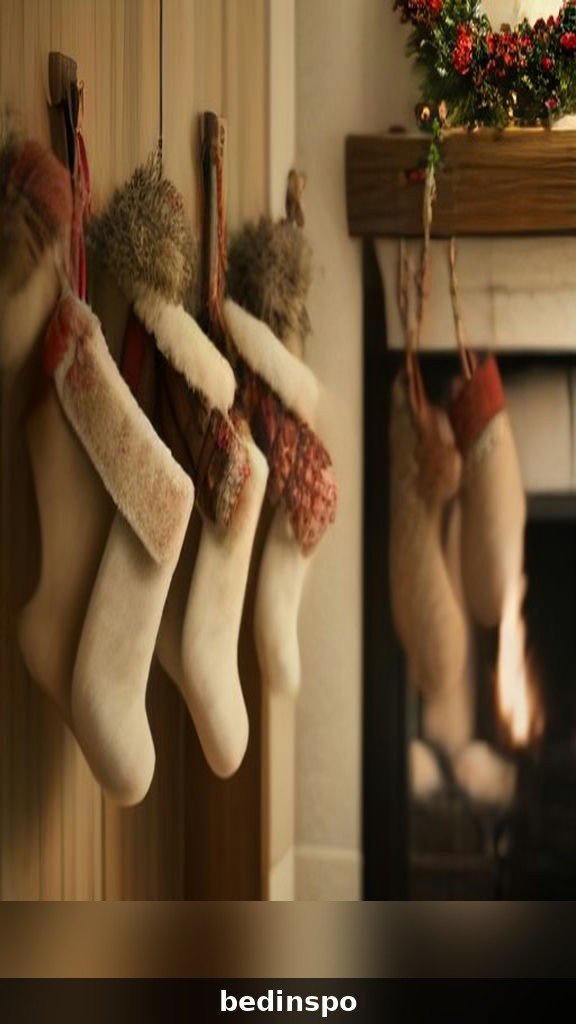
Stockings are a holiday staple, and families will happily pay for ones that feel special. Handmade stockings in flannel, burlap, velvet, or chunky knit — personalized with embroidered or appliquéd names — sell for $20 to $45 each. Since most households need several, one customer often buys three, four, or five at once, making stockings one of the highest per-customer sales in holiday crafting.
The smartest approach is offering a matching family set: list individual stockings but discount a set of four or more. Display a full set at your booth so shoppers can picture their own mantel. Add details that mass-market stockings lack — a faux-fur cuff, a jingle bell, a hand-stitched snowflake — and take orders for personalization with a clear pickup or ship date. Start taking stocking orders by early November, because these sell steadily all season.
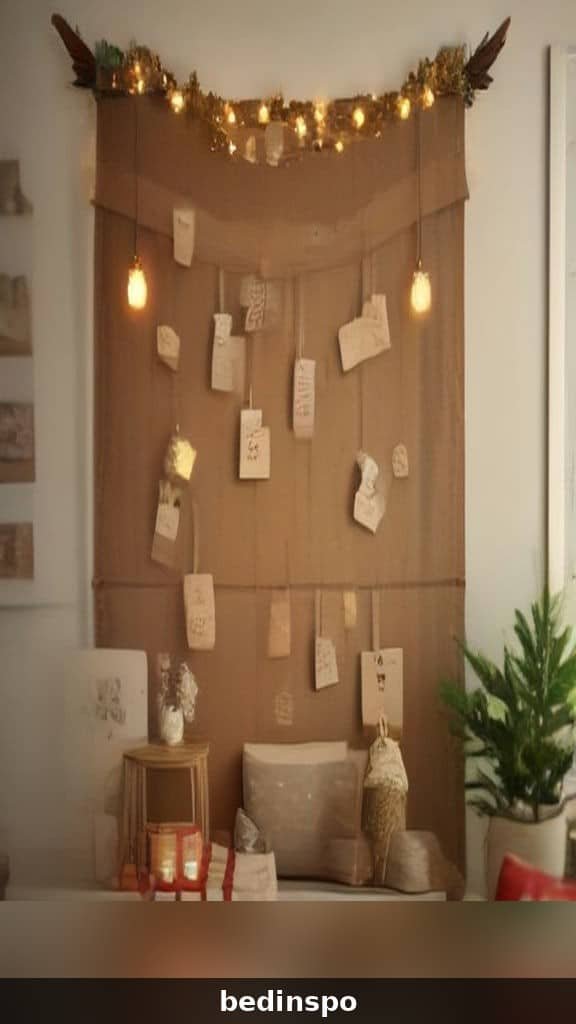
5. DIY Advent Calendars
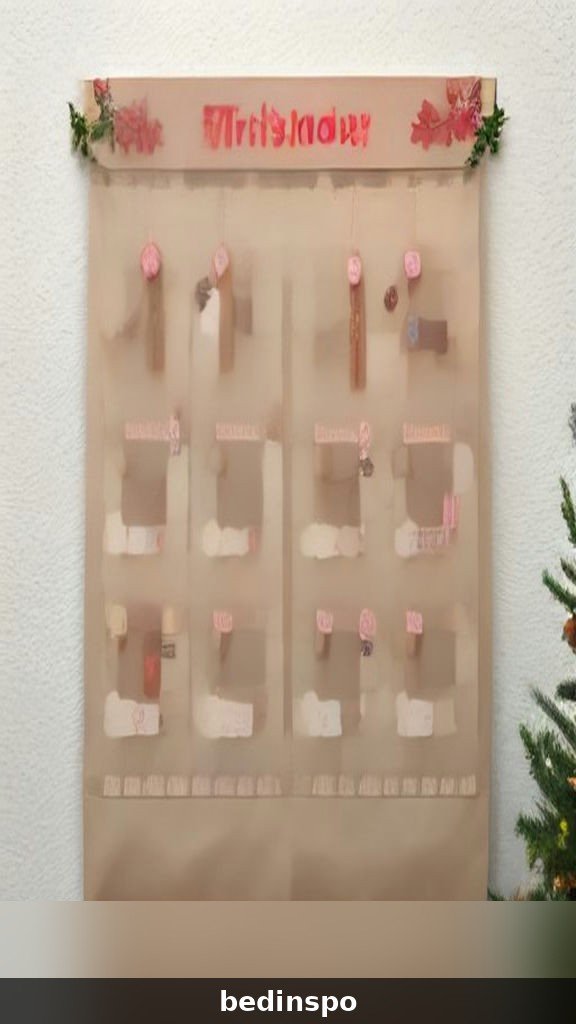
Advent calendars have gone far beyond chocolate. Reusable fabric advent calendars with 24 numbered pockets, wooden box calendars with tiny drawers, or kraft envelope garlands that buyers fill themselves are hot sellers from October through early December. A handmade advent calendar sells for $30 to $75, and because it is reusable, buyers see it as an investment rather than a one-season purchase.
Market them as family heirlooms: “fill it your way, use it every year.” Offer a few fabric patterns — classic Christmas, woodland animals, minimalist neutral — and sell a matching set of tiny fillers or a printed filler-idea card as an add-on. Since advent calendars must be bought before December 1st, they are an early-season product, so list them online by mid-October and feature them at your first craft fairs of the season.
6. Homemade Hot Cocoa Mix Jars
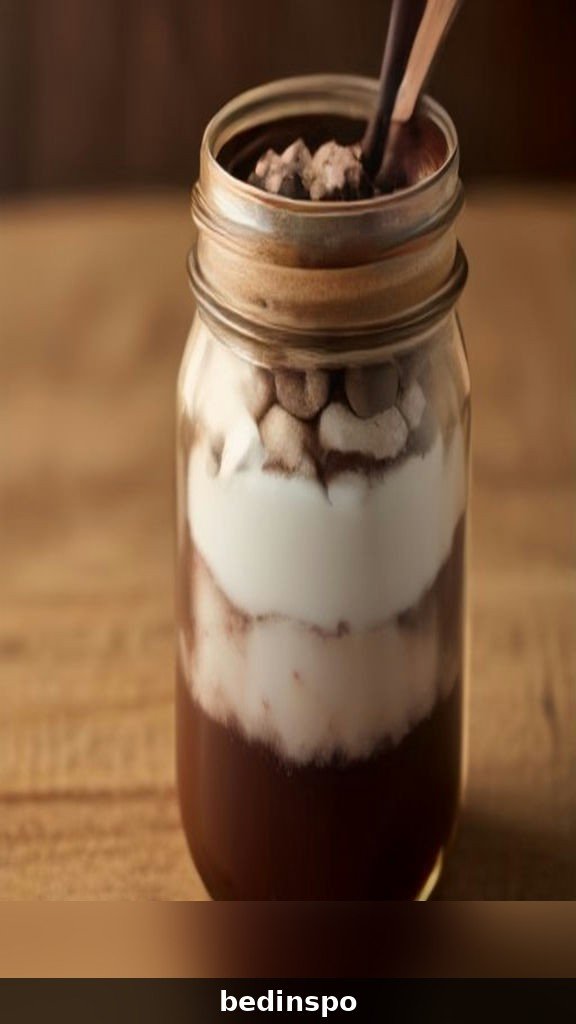
Some of the best-selling Christmas crafts are the ones people eat. Layered hot cocoa mix jars — cocoa, sugar, marshmallows, and crushed candy canes stacked in pretty layers inside a mason jar — look gorgeous, cost almost nothing to assemble, and sell for $10 to $18 each. They are the perfect impulse buy at a craft fair: affordable, giftable, and beautifully photogenic.
Dress the jar with a fabric lid cover, twine, a wooden spoon tied on the side, and a handwritten tag with preparation instructions. Offer flavor variations: classic cocoa, peppermint, salted caramel, and Mexican chocolate. Sell them individually and as gift sets of three in a kraft box. Because they are consumable, happy customers come back for more — and they make wonderful teacher gifts, neighbor gifts, and stocking stuffers, which means bulk orders.
7. Knitted Scarves, Beanies, and Mittens
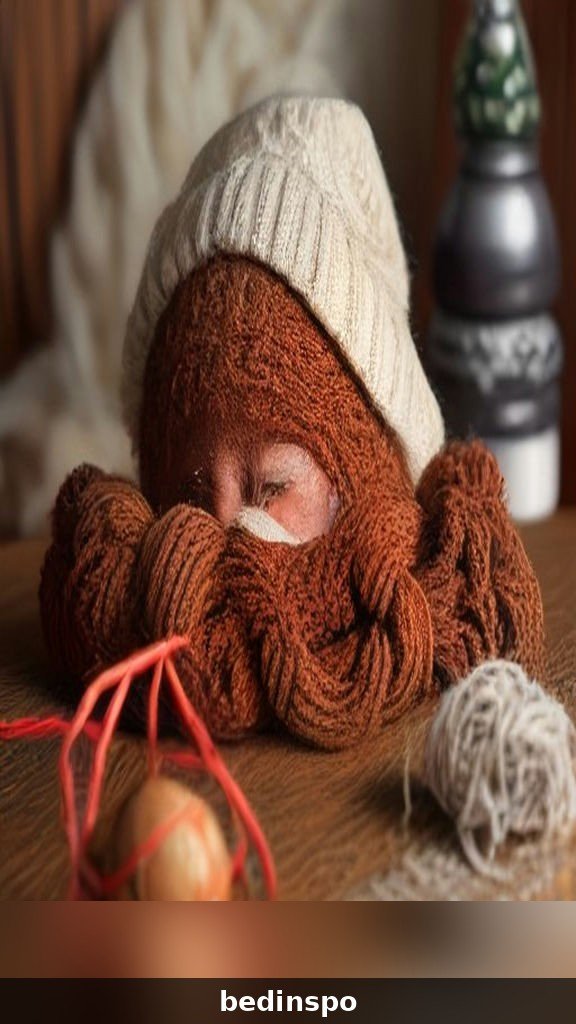
If you knit or crochet, the holiday season is your Super Bowl. Handmade scarves, beanies, and mitten sets in chunky yarns and trendy colors sell briskly from October onward, with scarves going for $25 to $60 and beanie-and-scarf sets for $40 to $80. Buyers love the story behind hand-knit goods, so lean into it: tag each piece with the yarn type and a note that it was handmade.
Stick to a tight color palette that matches the season — cream, rust, forest green, burgundy, charcoal — so your booth looks cohesive and curated. Offer a few sizes in beanies (adult, teen, child) and display them on simple stands so shoppers can try them on. Custom orders are common here, so keep a swatch card of your available yarn colors and quote a two-week turnaround. Knit goods also sell wonderfully online, where cozy winter photography does the heavy lifting.
8. DIY Christmas Garlands
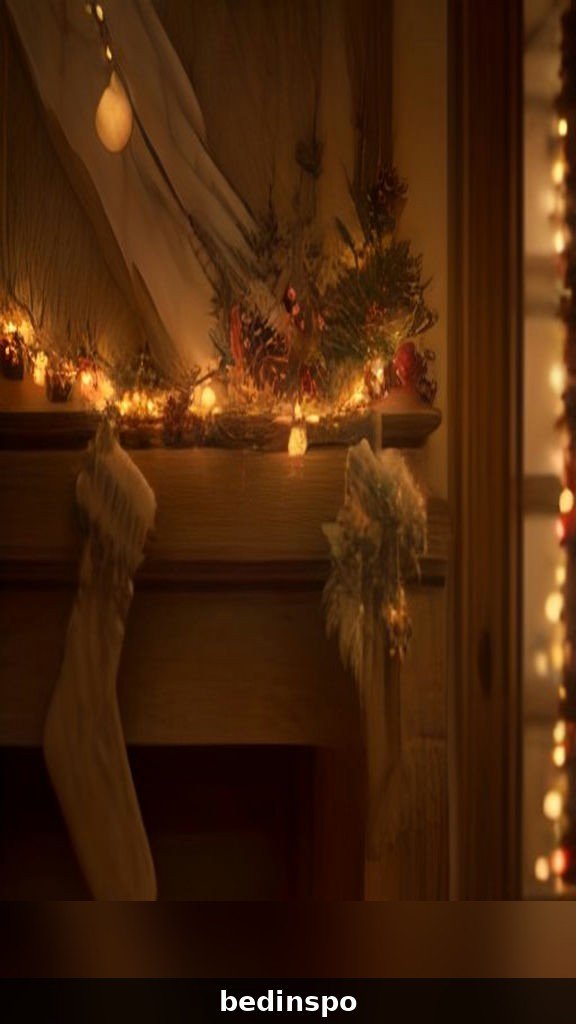
Garlands are the unsung heroes of holiday decor, and handmade ones sell because they look far better than the plastic versions at big-box stores. Dried orange slice garlands, wooden bead garlands, felt ball garlands, and pinecone-and-berry garlands each sell for $18 to $45 depending on length. They are lightweight, easy to ship, and photograph beautifully draped over a mantel.
Offer garlands in standard lengths — 4 feet, 6 feet, 8 feet — and let customers special-order longer ones for staircases. Bundle a garland with a matching wreath for a “front porch set” at a slight discount; bundles raise your average sale and move more inventory. At craft fairs, drape garlands across the front of your table or booth — they double as decoration and product display, drawing the eye from across the room.
9. Handmade Soap and Bath Gift Sets
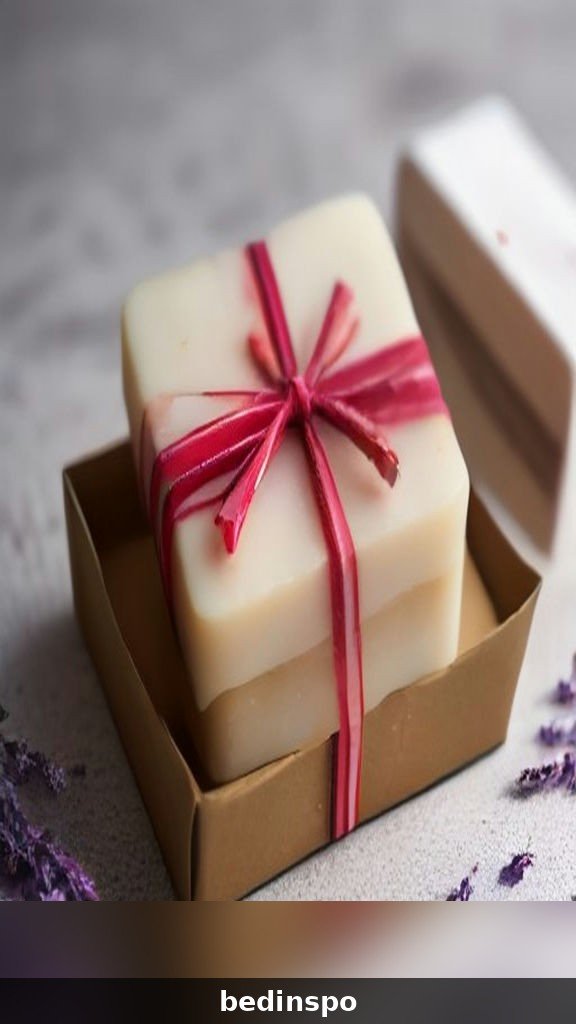
Holiday-scented soaps are a craft fair classic for a reason: everyone needs soap, the scents sell the product, and gift sets make the buying decision easy. A set of three or four handmade bars in Christmas scents — peppermint, cranberry, fir needle, vanilla chai — packaged in a kraft box with a ribbon sells for $18 to $30, while your cost per set stays under $5.
Presentation turns soap into a gift. Wrap individual bars in wax paper with a stamped label, or stack them in a clear box tied with twine and a sprig of dried lavender. Offer a “soap flight” — six half-size bars so buyers can try every scent — as your entry-level product, then upsell the full gift set. Like candles, soap is a scent-driven sale, so keep unwrapped samples at your booth and let customers smell everything.
10. Painted Christmas Baubles and Bulbs
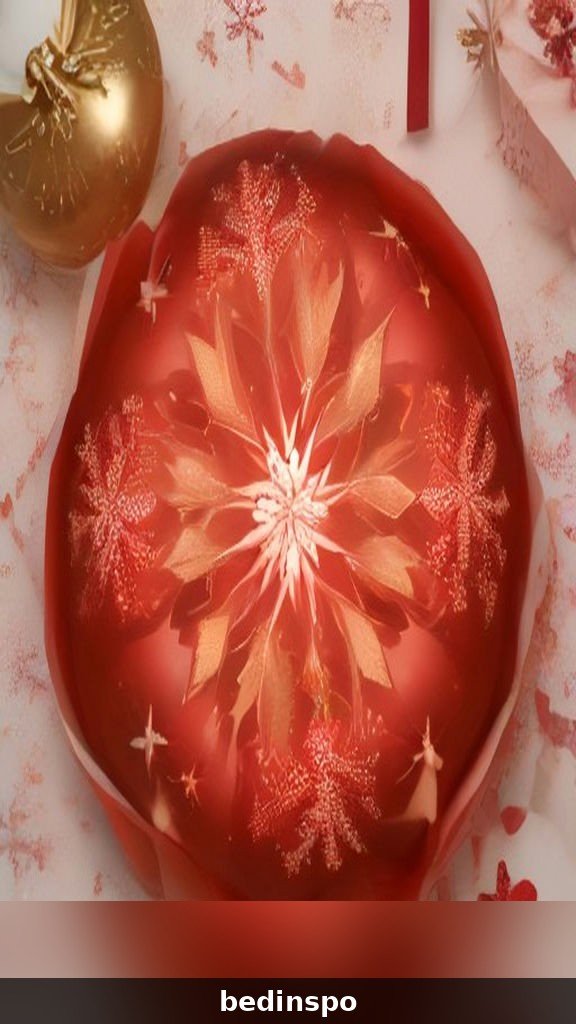
Plain glass or plastic baubles become art in the right hands. Hand-painted baubles — winter scenes, snowflakes, reindeer, Santa faces, or elegant gold-and-white patterns — sell for $10 to $30 each or $35 to $75 for a boxed set of four or six. Shatterproof plastic blanks keep shipping safe and costs low, and a steady hand with acrylic paint is the main skill required.
Boxed sets are your best product here: a kraft or white gift box with a clear lid showing off four coordinated baubles looks like a boutique purchase. Offer personalization — a family name or year painted on one bauble in the set — for an upsell. Film short videos of yourself painting for social media; process videos are incredibly shareable and drive both craft fair foot traffic and online orders.
11. DIY Christmas Centerpieces
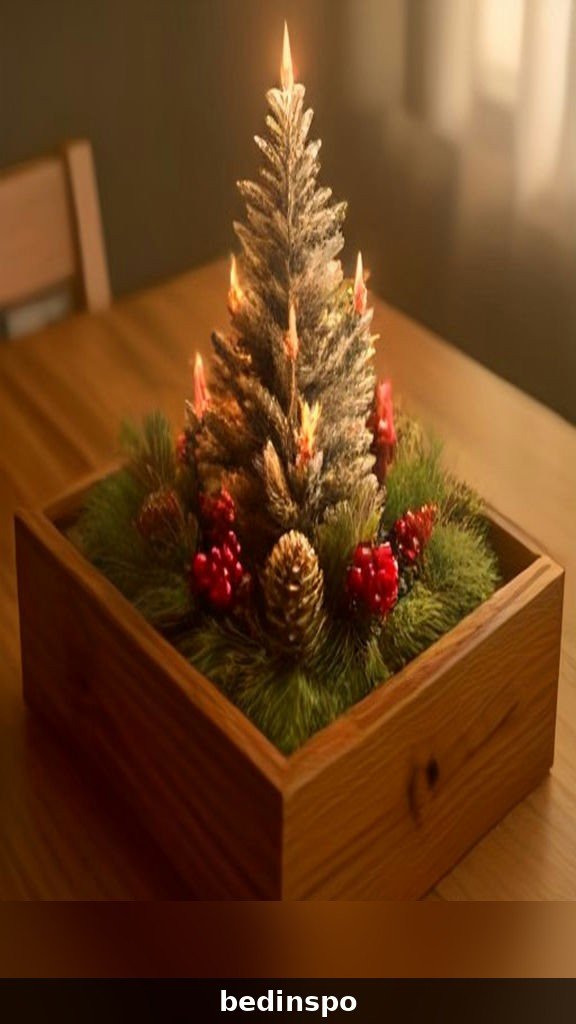
Not everyone has the time or talent to build a beautiful holiday centerpiece, which is exactly why ready-made ones sell. A wooden box or tray filled with candles, pinecones, faux greenery, and berries makes a stunning table centerpiece that sells for $35 to $85. Use flameless LED candles to keep them safe and shippable, and design them in a few color stories so buyers can match their decor.
Offer centerpieces in two sizes — a small one for coffee tables and a long one for dining tables — and take custom orders for specific color schemes. They are bulky, so they sell best at in-person fairs and local markets rather than online, but they also make fantastic display pieces: one gorgeous centerpiece on your booth table sells the whole concept and pulls customers in. Photograph them styled on a real dining table for your online listings.
12. Handmade Holiday Jewelry
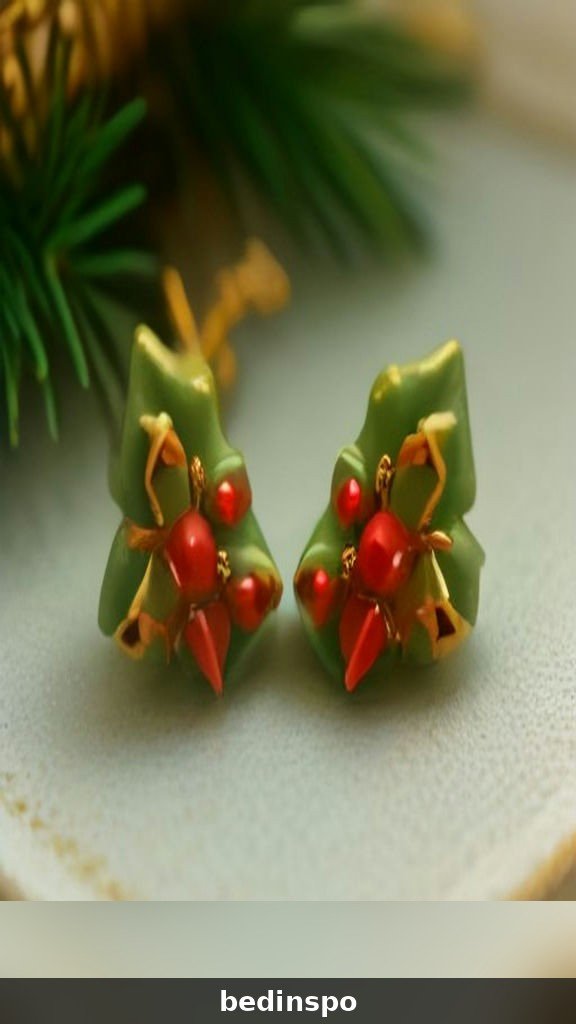
Christmas earrings are a runaway bestseller every single year. Tiny polymer clay studs shaped like trees, presents, snowflakes, and gingerbread men sell for $8 to $15 a pair, cost pennies in materials, and take minutes to make once you have the designs down. Dangle earrings with holiday charms go for $15 to $28. Jewelry is small, light, and perfect for shipping — ideal for online sellers.
Display earrings on simple white cards with your logo, grouped by design so shoppers can browse easily. Offer a “12 days of Christmas” earring advent set or a gift box of three pairs for an easy upsell. Jewelry also makes a brilliant add-on sale: when someone buys a $60 wreath, a $12 pair of earrings feels like a no-brainer extra. Keep a mirror at your booth so customers can try them on — that one detail doubles jewelry sales.
13. Homemade Cookie Mix Jars
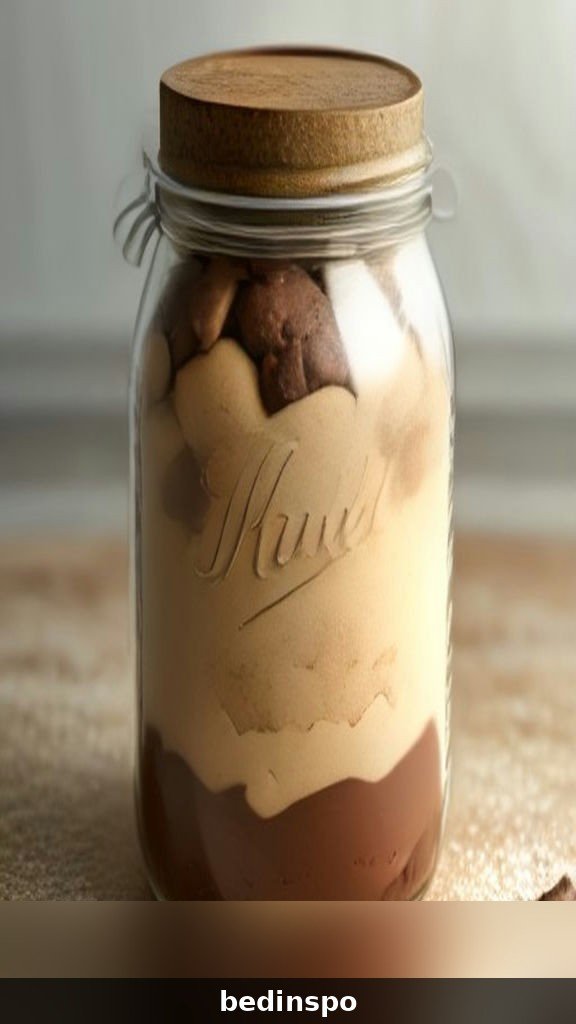
Like cocoa jars, layered cookie mix jars are a food craft that practically sells itself. A mason jar layered with flour, sugar, chocolate chips, and festive mix-ins, finished with a recipe tag, sells for $12 to $20 and costs $3 to $5 to assemble. Gingerbread, white chocolate cranberry, and double chocolate are the holiday flavors buyers reach for first.
The recipe tag is what makes it a craft rather than just ingredients — design a pretty printable tag with baking instructions and your branding. Sell jars individually and in gift sets, and offer a “baker’s dozen” bulk discount for customers buying teacher or coworker gifts. These are also perfect for fundraising tables and office holiday markets, where affordable, ready-to-give items move fast.
14. DIY Christmas Wall Art and Signs
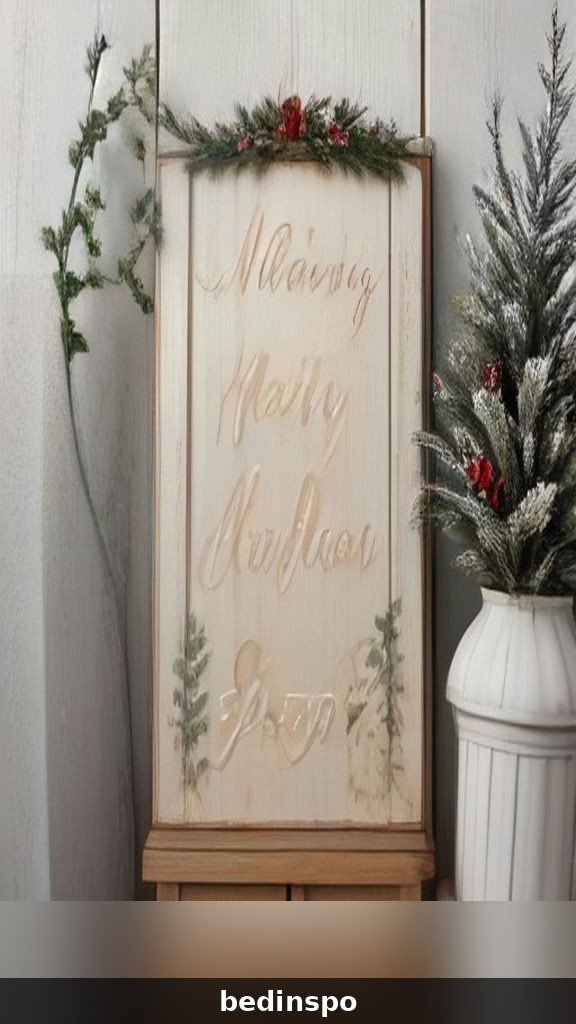
Farmhouse-style Christmas signs remain one of the most reliable holiday sellers. A wooden sign with a hand-painted or stenciled holiday saying — “Merry Christmas,” “Let It Snow,” “Joy to the World” — sells for $20 to $55 depending on size. Rustic wood, whitewashed finishes, and simple typography are the look buyers want, and the materials are inexpensive: reclaimed wood or pine boards, paint, and stencils.
Offer a few standard sayings in two or three sizes, and take custom orders for family names and established dates. Signs are flat and sturdy, so they ship well and stack neatly at a booth. Lean several against the back of your display to create a gallery wall effect — it looks impressive and shows the range of your work at a glance. Personalized family-name signs command the highest prices and make wonderful wedding and new-home gifts.
15. Craft Fair Booth Display Pieces That Sell Themselves
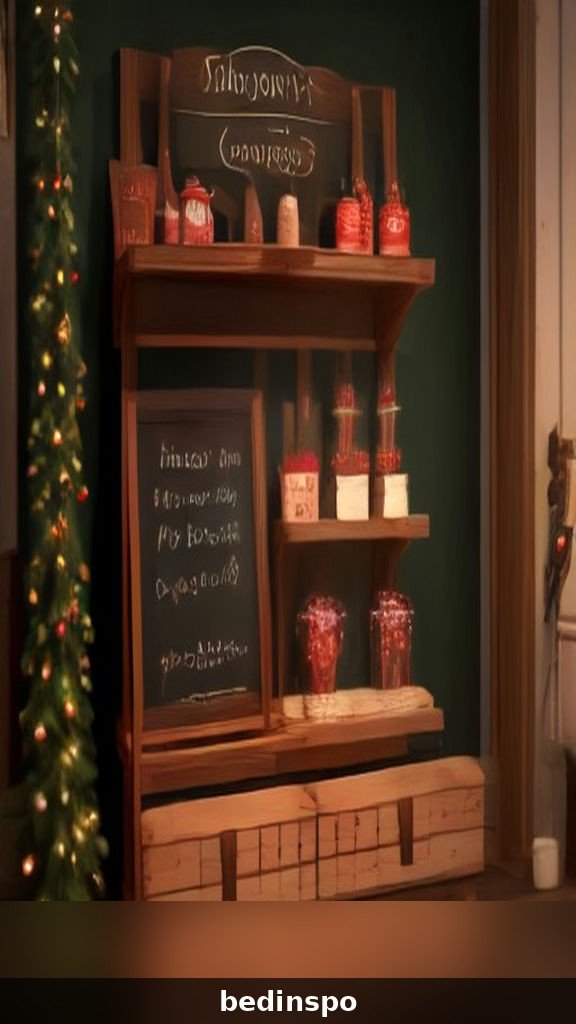
Here is a meta idea most sellers overlook: the beautiful displays you build for your own booth can become products. Tiered wooden risers, rustic crate shelving, chalkboard price signs, and holiday table runners that make your booth gorgeous are exactly what other vendors and home decorators want to buy. Photograph your booth setup, list the display pieces for sale, and you have a bonus product line with zero extra design work.
Price display pieces fairly — a set of three wooden risers for $35, a chalkboard sign set for $25 — and keep one of each in use at your booth as a living advertisement. Other crafters are some of your best customers: they appreciate good craftsmanship, they buy for their own booths, and they refer their friends. It is a clever way to monetize the infrastructure you already built.
How to Price Your Christmas Crafts
Pricing is where most new craft sellers go wrong — usually by charging too little. A reliable formula is: materials cost + (hours worked × your hourly rate) + overhead, then multiply by two for wholesale or list as-is for retail. Your hourly rate should be a real wage, not a hobby discount: $15 to $25 an hour is a fair starting point. If a candle costs $4 in materials and takes 20 minutes to make and package, that is $4 + $8 labor = $12 cost, and a $20 to $24 retail price is fair and profitable.
Always check what similar items sell for at local fairs and online, but do not race to the bottom — underpricing hurts you and every other maker. Instead, compete on quality, packaging, and story. A beautifully packaged $24 candle outsells a bare $12 candle every time, because at Christmas people are buying gifts, and gifts need to look like gifts. Revisit your prices each season as material costs change, and never apologize for charging what your work is worth.
Where to Sell Your Christmas Crafts
You have more selling options than ever. Local craft fairs and holiday markets are the classic choice: you keep every dollar, meet your customers, and get instant feedback. Apply early — the best fairs fill their vendor spots by September. Online marketplaces give you a wider audience and 24/7 sales; good photography and clear personalization options are what separate thriving shops from struggling ones. Social media selling through short videos of your process can drive surprising traffic, especially in November when gift panic sets in.
Do not overlook the paths closest to home: workplace holiday markets, school fundraisers, church bazaars, and neighborhood pop-ups often have low or no booth fees and friendly buyers. Consignment in local gift shops and boutiques puts your work in front of shoppers all season without you staffing a booth. Many successful sellers combine two or three channels — for example, weekend fairs for cash flow, an online shop for custom orders, and one boutique for passive sales. Start with one channel, learn what works, and expand next season.
Frequently Asked Questions
What Christmas crafts sell the best?
Ornaments, candles, wreaths, and personalized items consistently top the bestseller lists because they are giftable, affordable, and appeal to almost every buyer. Food crafts like cocoa mix jars and cookie jars are strong impulse buys. The common thread: successful Christmas crafts solve a gifting problem — they are ready to give, beautifully packaged, and feel personal.
How much money can you make selling Christmas crafts?
It varies widely, but a focused seller at weekend holiday markets can earn $500 to $2,000 per weekend, and a well-run online shop can do several thousand dollars across the season. Your earnings depend on your product mix, pricing, and how many selling channels you use. Sellers who start in October and treat it like a real business — with consistent inventory and marketing — earn the most.
When should I start making Christmas crafts to sell?
Start production in late summer or early September. List advent calendars and early-season items online by mid-October, and book your craft fair spots by September since the best fairs fill up fast. Having inventory ready before the rush means you spend November and December selling instead of scrambling to make stock.
Do I need a business license to sell Christmas crafts?
Rules vary by location, but many areas require a basic business license or seller’s permit once you sell regularly, and craft fairs often ask for proof. Check your city and state requirements before your first fair — it is usually a simple, inexpensive process. Keep records of your income and expenses from day one, because holiday craft income is taxable.
Conclusion
Christmas crafts to make and sell are one of the happiest side hustles you can start: you get to be creative, the products make people smile, and the holiday season brings the customers to you. Start with two or three ideas from this list that match your skills — ornaments if you paint, candles if you love scent, cocoa jars if you want something simple — and focus on doing those few things really well rather than offering everything at once.
Price fairly, package beautifully, and tell the story of your handmade work, because that story is what turns a $15 candle into a cherished gift. Book your first fair, list your first items online, and give yourself permission to learn as you go. This time next year, you could be the seller other beginners ask for advice. Happy crafting — and happy selling!