Cabbage Alfredo: All the Creamy Comfort, None of the Carb Coma
Cabbage Alfredo: All the Creamy Comfort, None of the Carb Coma
Fettuccine alfredo is one of life’s great pleasures — right up until the food coma hits. Cabbage alfredo is the brilliant workaround: tender ribbons of cabbage, sautéed until silky and sweet, tossed in a rich, garlicky parmesan cream sauce that clings to every strand. It tastes like comfort food because it IS comfort food — just built on a vegetable that lets you go back for seconds.
This one-pan dinner comes together in about 25 minutes, uses a whole head of cabbage (the most budget-friendly “noodle” you’ll ever meet), and satisfies everyone at the table — including the people who had no idea they were eating low-carb. Top it with grilled chicken or shrimp and it’s a restaurant plate. Keep it plain and it’s the coziest side dish imaginable.
Below: the classic recipe, the cabbage-cutting technique that makes perfect “noodles,” protein variations, and the fix for the one problem everyone worries about — watery sauce. Let’s get creamy.
Why Cabbage Works So Well as a Pasta Swap
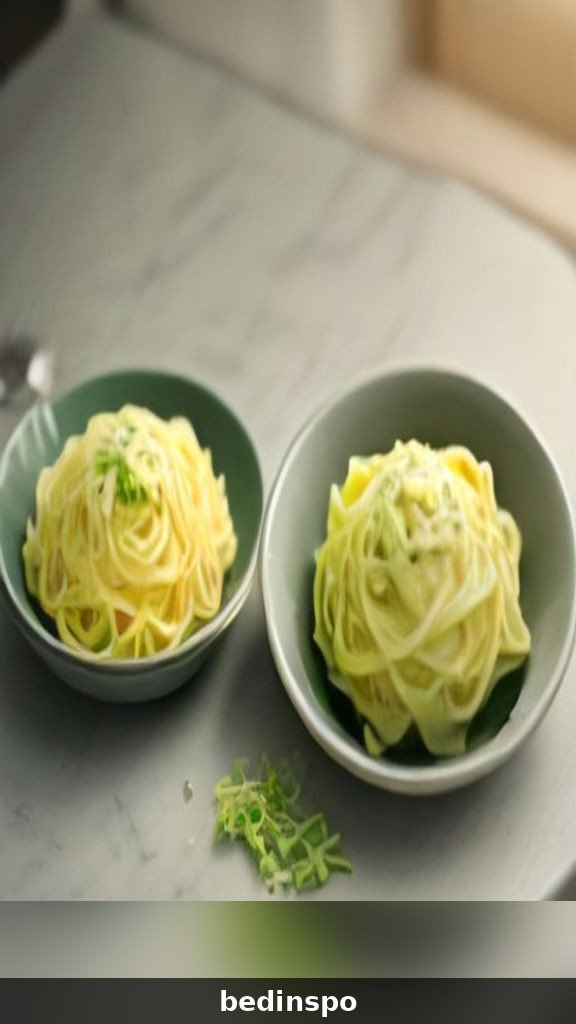
Cabbage and pasta have more in common than you’d think. Cut into ribbons, cabbage cooks into long, twirlable strands with a gentle bite — not crunchy, not mushy, but that satisfying in-between that makes a forkful feel substantial. And unlike many pasta substitutes, cabbage doesn’t taste like a compromise. As it sautés, its raw sharpness mellows into a mild sweetness that loves garlic, butter, and parmesan.
Practically speaking, it’s a dream: a whole head costs about a dollar, keeps for weeks in the fridge, has roughly 5 grams of net carbs per cup instead of pasta’s 40, and doesn’t need a separate pot of boiling water. Zucchini noodles weep, spaghetti squash is stringy, but cabbage ribbons hold their own in a rich sauce. This is the swap that sticks.
Ingredients You’ll Need

- 1 medium head green cabbage (about 2 pounds), cut into ribbons (technique below).
- 2 tablespoons butter — plus a little olive oil so it doesn’t brown too fast.
- 4 cloves garlic, minced — alfredo is no place for restraint.
- 1 cup heavy cream — the real deal for a sauce that coats.
- 4 ounces cream cheese, softened and cubed — the secret to a thick, stable, never-grainy sauce.
- 3/4 cup freshly grated parmesan, plus more for serving — grate it yourself; pre-shredded cheese is coated in anti-caking starch and melts grainy.
- 1/2 teaspoon Italian seasoning.
- 1/4 teaspoon nutmeg — freshly grated if possible; the classic alfredo whisper.
- Salt and lots of black pepper to taste.
- Fresh parsley, chopped, for serving.
- Optional: a pinch of red pepper flakes, a squeeze of lemon, or a handful of baby spinach to wilt in at the end.
How to Cut Cabbage “Noodles”
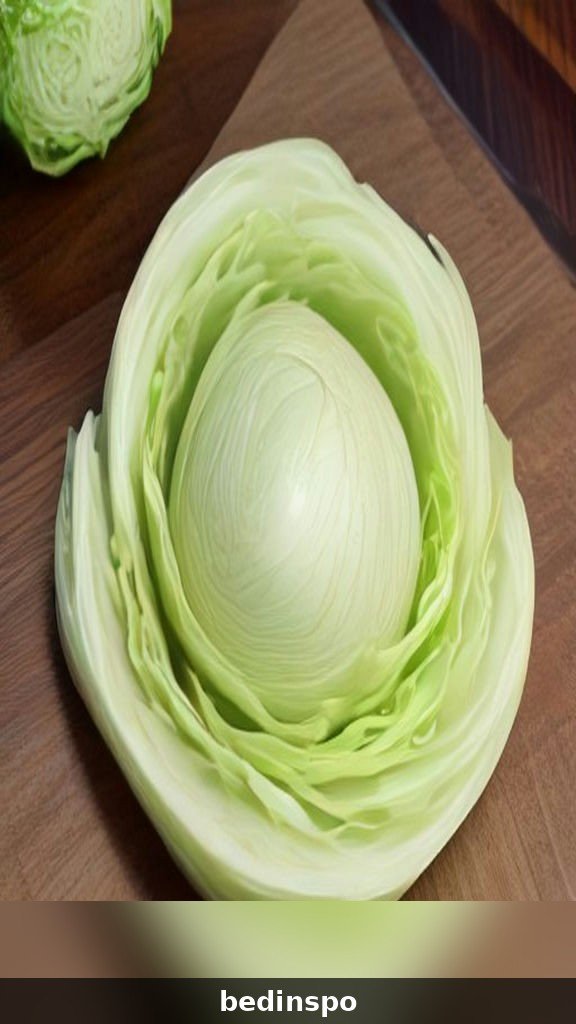
Halve the cabbage through the core, then cut out the core from each half with a V-shaped notch. Place each half cut-side down and slice across into ¼-inch ribbons — about the width of fettuccine. Separate the ribbons with your hands as you go.
Width matters: too thin and they vanish into the sauce; too thick and they stay crunchy in the middle. A quarter inch cooks in about 8 minutes and twirls beautifully. The ribbons will look like a mountain — a full head makes roughly 10 cups — but cabbage cooks down dramatically, and your big skillet is ready for it. If your head of cabbage is huge, cook in two batches rather than crowding the pan.
Step 1: Sauté the Cabbage Until Silky

Melt the butter with a drizzle of olive oil in a large, deep skillet or Dutch oven over medium-high heat. Add all the cabbage ribbons and a generous pinch of salt. Toss to coat, then cook, stirring every couple of minutes, for 8–10 minutes.
Here’s what you’re watching for: the cabbage will first release moisture and look steamy, then that moisture cooks off and the ribbons turn glossy, tender, and just starting to catch golden edges here and there. That golden edge moment is flavor — don’t pull the pan early. The cabbage should be tender with a gentle bite, and the pan should look mostly dry. This step is the entire secret to a sauce that stays thick, so give it its full time.
Step 2: Build the Alfredo Sauce in the Same Pan
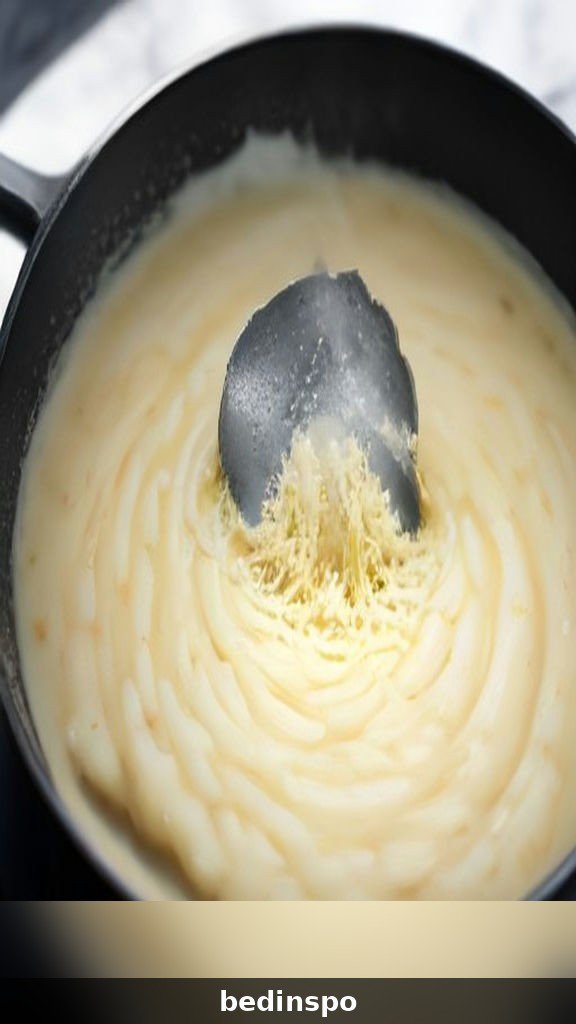
Push the cabbage to the edges of the pan (or scoop it into a bowl briefly) and lower the heat to medium-low. Add the garlic to the center and cook 30 seconds until fragrant — if your pan is dry, add a teaspoon more butter with it. Pour in the heavy cream and add the cream cheese cubes. Stir gently and constantly as the cream cheese melts into the cream, about 2–3 minutes, until smooth and steaming. Never let alfredo boil hard; a bare simmer keeps it silky.
Whisk in the parmesan a handful at a time, letting each addition melt before the next. Stir in the Italian seasoning, nutmeg, and plenty of black pepper. The sauce should coat the back of a spoon and look like velvet. Taste it now — it should be rich, garlicky, and well salted, because it still has a pan of mild cabbage to season.
Step 3: Toss, Rest, and Serve

Return the cabbage to the sauce (if you removed it) and toss everything together over low heat for 1–2 minutes until every ribbon is glossy with sauce. Take the pan off the heat and let it rest 2 minutes — the sauce thickens slightly as it stands and clings even better.
Twirl into warm bowls, shower with extra parmesan and parsley, add a crack of black pepper, and serve immediately. If you’re feeling fancy — and you should be — a pinch of red pepper flakes or a tiny squeeze of lemon over the top brightens the whole plate.
The Recipe at a Glance

Prep time: 10 minutes · Cook time: 15 minutes · Total: about 25 minutes · Yield: 4 servings as a main, 6 as a side
Sauté cabbage ribbons in butter with salt 8–10 minutes until tender, glossy, and the pan is dry. Lower heat, add garlic, then cream and cream cheese; stir smooth. Whisk in parmesan, Italian seasoning, nutmeg, and pepper. Toss cabbage through the sauce, rest 2 minutes, serve with extra parmesan and parsley.
Chicken Cabbage Alfredo (The Full Dinner)
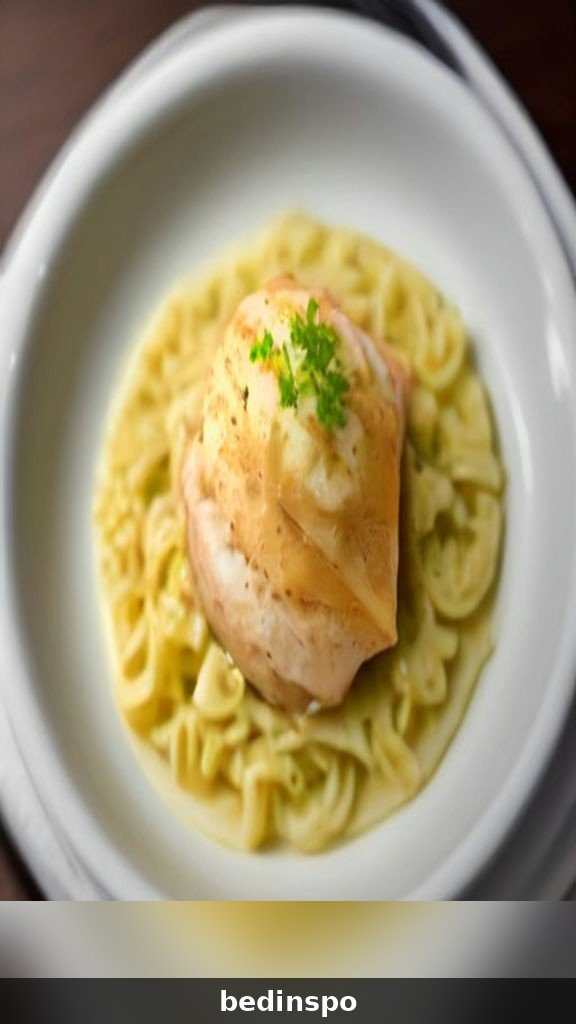
Slice 1½ pounds of chicken breast into cutlets or strips, season with salt, pepper, garlic powder, and Italian seasoning, and sear in the skillet first — 5–6 minutes per side until golden and cooked through. Rest it on a plate while you make the cabbage alfredo in the same pan (all those chicken drippings become part of the sauce’s story). Slice the chicken, lay it over the top of each bowl, and spoon extra sauce over it. This is the version that tastes like a restaurant entrée and feeds a family on one head of cabbage and a couple of chicken breasts.
Shrimp Cabbage Alfredo
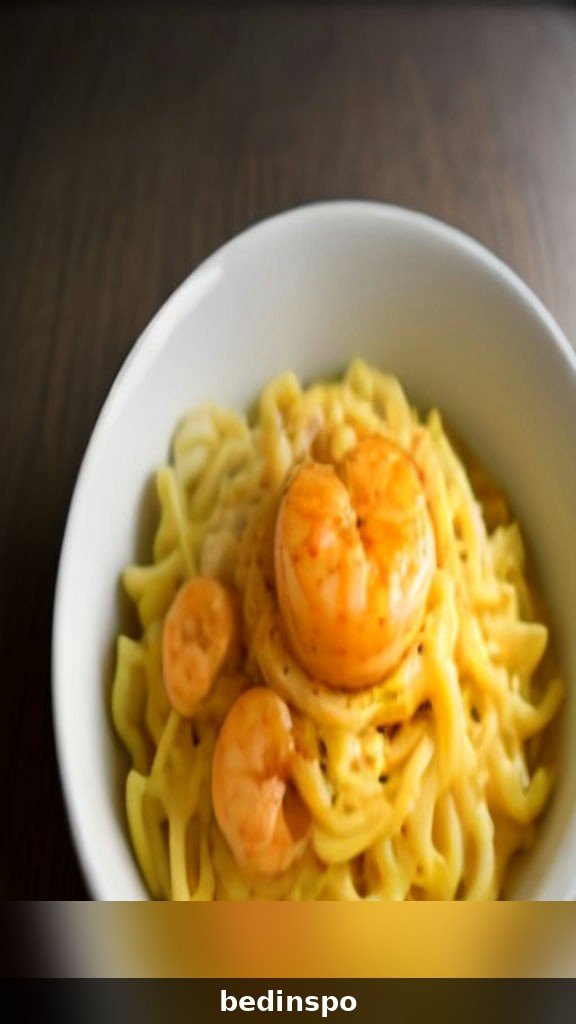
Pat 1 pound of large shrimp very dry, season with salt, pepper, and a pinch of smoked paprika, and sear in a hot, oiled pan for 1–2 minutes per side — just until pink and curled. Set aside and build the dish as written, adding a pinch of red pepper flakes and a squeeze of lemon to the sauce. Pile the shrimp over the finished bowls. Shrimp cook so fast and taste so luxurious with alfredo that this 30-minute dinner feels like a special occasion. Old Bay seasoning on the shrimp is a very good idea, too.
Bacon and Pea Cabbage Alfredo (Carbonara Energy)

Crisp 4 slices of chopped bacon in the pan first and set them aside, leaving the drippings to sauté the cabbage (skip the butter — the bacon fat is doing that job now). Build the sauce as written, stir in 1 cup of frozen peas for the last 2 minutes so they stay bright and sweet, and shower the finished dish with the crispy bacon. It’s not carbonara and it’s not trying to be, but it borrows all the right ideas: smoky, salty, creamy, with pops of sweetness. Kids, for the record, inhale this version.
A Lighter, Dairy-Light Version

For a lighter bowl, swap the heavy cream for half-and-half plus 1 teaspoon of cornstarch whisked in (it needs the help to thicken), use low-fat cream cheese, and cut the parmesan to ½ cup, making up the flavor with an extra clove of garlic, more nutmeg, and a squeeze of lemon at the end. The result is still creamy and satisfying, just a little less luxurious — a Tuesday-night alfredo instead of a Saturday-night one. You can also go fully dairy-free: full-fat coconut milk or a good cashew cream, olive oil instead of butter, and nutritional yeast standing in for parmesan gives you a surprisingly convincing, completely plant-based bowl.
More Add-Ins and Variations

Sun-Dried Tomato and Spinach
Stir in ⅓ cup chopped sun-dried tomatoes and 2 big handfuls of baby spinach with the sauce; the spinach wilts in a minute and the tomatoes add tangy depth.
Mushroom Cabbage Alfredo
Sauté 8 ounces of sliced mushrooms until deeply golden before the cabbage goes in. Their savory depth makes the whole dish taste meatier without any meat.
Cajun Cabbage Alfredo
Add 1–2 teaspoons of Cajun seasoning to the sauce and finish with green onions. Especially good with the shrimp or chicken version.
Broccoli or Cauliflower Boost
Small florets tossed in with the cabbage cook in the same time and stretch the dish further — a great way to clear the crisper drawer.
The Golden Rule: How to Keep the Sauce from Going Watery
Every cabbage alfredo question comes back to water, so let’s settle it. Cabbage is full of moisture, and if it goes into the sauce still wet, the sauce thins and pools. The fixes are simple and absolute: cook the cabbage first, until the pan looks dry; salt it early so the moisture comes out in the pan, not in your bowl; don’t crowd the skillet (steam is the enemy — use two batches for a big head); and let the finished dish rest 2 minutes so the sauce sets onto the ribbons. Follow those four rules and your alfredo will be thick, clingy, and spoon-coating every single time. If a batch ever does come out thinner than you like, a spoonful of extra parmesan and another minute of gentle heat will pull it back together.
How to Prep Cabbage Ahead for Busy Nights
The only real work in this recipe is slicing the cabbage, and it can be done well ahead. Cut your ribbons up to 3 days in advance, tuck them into a container or bag lined with a paper towel to absorb moisture, and refrigerate. On cooking night, the cabbage goes straight from cold storage into the hot pan — add one extra minute to the sauté, since chilled ribbons start colder. Garlic can be minced ahead and the parmesan grated ahead too. With the prep done, this dinner honestly cooks faster than a box of pasta, which is exactly the kind of weeknight math worth doing. Meal-preppers, take note: a Sunday cabbage becomes three different dinners by Wednesday if you let it.
What to Serve with Cabbage Alfredo

As a side dish, cabbage alfredo is at home next to anything you’d serve fettuccine alfredo with: grilled steak, roasted chicken, baked salmon, or Italian sausages. A crisp green salad with a sharp vinaigrette is the perfect counterpoint to all that cream, and garlic bread — yes, even alongside a low-carb main — has a way of appearing on the table anyway. (For the committed low-carbers, cheesy almond-flour biscuits do the swiping job admirably.) As a main, it needs nothing more than the protein of your choice and maybe that same bright salad.
Storage and Reheating

Leftovers keep in an airtight container in the fridge for up to 3 days. Cream sauces always thicken in the cold, so reheat gently: a skillet over low heat with a splash of cream or milk, stirring until it loosens back into silkiness, is far better than the microwave, which can make the sauce separate and the cabbage rubbery. If it does separate a little, whisk in a spoonful of hot water or cream off the heat and it will come back together. Freezing is not this dish’s friend — the cabbage softens and the sauce can go grainy — so make what you’ll eat within a few days, which has never once been a problem.
Troubleshooting
My sauce is grainy.
The cheese got too hot or was pre-shredded. Keep the sauce at a bare simmer, and grate parmesan fresh from a block — it melts like a dream and tastes twice as good.
My cabbage is crunchy in the middle.
The ribbons were cut too thick, or the pan was crowded. Cut ¼ inch, give them the full 8–10 minutes, and cook in batches if your skillet is small.
It tastes bland.
Alfredo lives on salt, garlic, and pepper. Season the cabbage as it cooks, salt the sauce boldly, and don’t skip the nutmeg — it’s subtle, but its absence is noticeable.
The sauce broke or looks oily.
It boiled. Take it off the heat and whisk in a splash of cold cream; next time keep the heat at medium-low once the dairy goes in.
Frequently Asked Questions
How many carbs are in cabbage alfredo?
Roughly 8–10 grams of net carbs per generous serving, depending on your exact ingredients — compared to 40+ for pasta alfredo. It fits comfortably into keto and low-carb eating.
Can I use red cabbage?
You can, and it’s striking — though it will tint the sauce a gentle lavender. The flavor is slightly earthier and it stays a bit firmer, so give it an extra minute or two in the pan.
Can I make it ahead?
You can sauté the cabbage and make the sauce a day ahead, storing them separately; combine and warm gently before serving. The dish is at its absolute best made fresh, though — and it only takes 25 minutes.
What other cheeses work?
Pecorino Romano is sharper and saltier (use a little less salt elsewhere), asiago melts beautifully, and a handful of mozzarella stirred in at the end makes it extra stretchy and kid-friendly.
Conclusion

Cabbage alfredo delivers everything you actually want from alfredo — the silky garlic-parmesan sauce, the twirly forkfuls, the deep comfort — built on a humble head of cabbage instead of a mountain of pasta. It’s fast, it’s budget-friendly, it’s one pan, and nobody at the table will miss a thing.
Save this recipe to your weeknight dinner board, grab a cabbage, and make it this week. Try the classic first, then the chicken version — and prepare for this to become the low-carb dinner you actually crave, requested by name again and again on the nights when only something creamy will do.