Roasted Cabbage Steaks: Crispy Edges, Sweet Centers, and Ridiculously Easy
Roasted Cabbage Steaks: Crispy Edges, Sweet Centers, and Ridiculously Easy
Cabbage steaks are the side dish that makes people say, “Wait — this is cabbage?” Thick slices of cabbage, brushed with seasoned olive oil and roasted at high heat, come out of the oven with lacy, crispy, caramelized edges and centers so tender and sweet they practically melt. One humble head of cabbage becomes the thing everyone reaches for first.
This is the recipe that turns the cheapest vegetable in the store into a steakhouse-worthy side. It takes 10 minutes of hands-on time, one sheet pan, and ingredients you already have. And once you master the basic method, the variations — garlic butter, parmesan-crusted, balsamic-glazed, spicy Cajun — will keep it in your weekly rotation forever.
Naturally vegetarian, easily vegan, low-carb, keto-friendly, and budget-friendly all at once. Let’s roast some cabbage.
Why Roasting Transforms Cabbage Completely

Raw cabbage is crunchy and peppery; boiled cabbage is, let’s be honest, a bit sad. But roasting? Roasting is cabbage’s glow-up. High, dry heat drives off surface moisture and triggers caramelization — the natural sugars in the cabbage leaves brown and sweeten, the thin outer leaves crisp like chips, and the thick core softens into something almost buttery.
Cutting the cabbage into “steaks” — thick rounds held together by the core — maximizes both textures in every bite: crisp edges, tender middle, and enough body to sit proudly next to a steak, under a piece of salmon, or as a main dish in its own right with the right toppings. It’s the same reason roasted Brussels sprouts and cauliflower steaks became famous. Cabbage was just waiting for its turn.
Ingredients You’ll Need
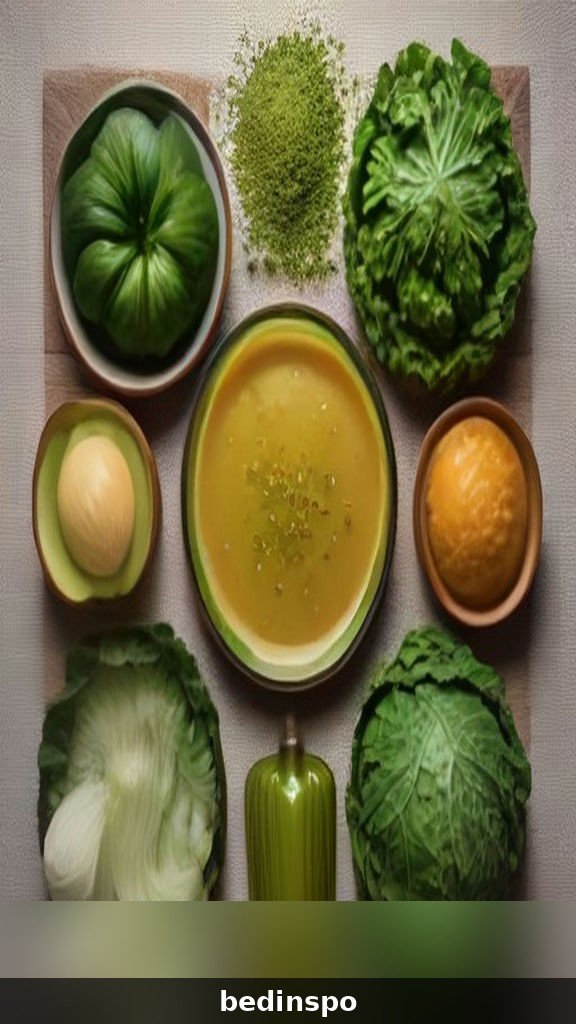
- 1 large head green cabbage (about 2½–3 pounds) — firm and heavy for its size, with tight, crisp leaves.
- 3 tablespoons olive oil — or melted butter, or half and half.
- 1 teaspoon garlic powder — powder, not fresh, for the base recipe; it won’t burn at high heat.
- 1 teaspoon smoked or sweet paprika — color and warmth.
- 3/4 teaspoon kosher salt.
- 1/2 teaspoon black pepper.
- 1/2 teaspoon onion powder — quiet savoriness.
- Optional finishers: a squeeze of lemon, flaky sea salt, chopped parsley, grated parmesan, or a drizzle of balsamic glaze.
That’s the whole list. Savoy cabbage works too, with lacier, more delicate edges; red cabbage roasts beautifully and turns a gorgeous deep purple, though it stays a touch firmer. Green cabbage is the classic for a reason: the best balance of crisp and tender.
How to Cut Cabbage Steaks (The Core Is the Secret)
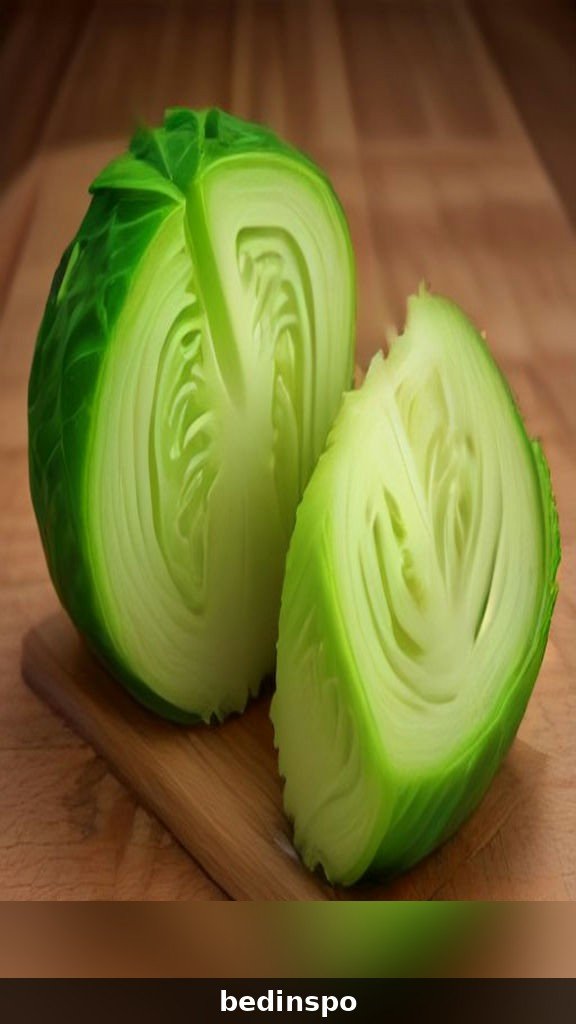
Remove any wilted outer leaves and trim just the very end of the stem — but keep the core intact. The core is the glue that holds each steak together; cut it out and your steaks become a pile of (still tasty, but not steak-shaped) leaves.
Stand the cabbage upright on its core end and slice straight down into ¾-inch to 1-inch thick rounds. A large head gives you 4–6 good steaks; the two end pieces will be smaller and less round — roast them anyway, they get the crispiest. If a steak sheds a few loose leaves, tuck them onto the pan too; those stray leaves become the crispiest cabbage chips, and the cook gets to eat them standing at the stove. House rules.
Step 1: Season Generously, Both Sides

Heat your oven to 425°F (220°C) — hot enough to crisp, not so hot the edges scorch before the centers soften. Line a large sheet pan with parchment for easy cleanup, or use a bare, lightly oiled pan for maximum bottom browning.
Lay the steaks in a single layer with a little breathing room — crowding steams them instead of roasting. Stir the oil with all the seasonings, then brush it generously over the tops. Flip each steak and brush the other side too. Cabbage leaves love to drink up oil, and thorough seasoning is the difference between good and great, so don’t be shy. Season the stray crispy leaves too.
Step 2: Roast Until the Edges Sing

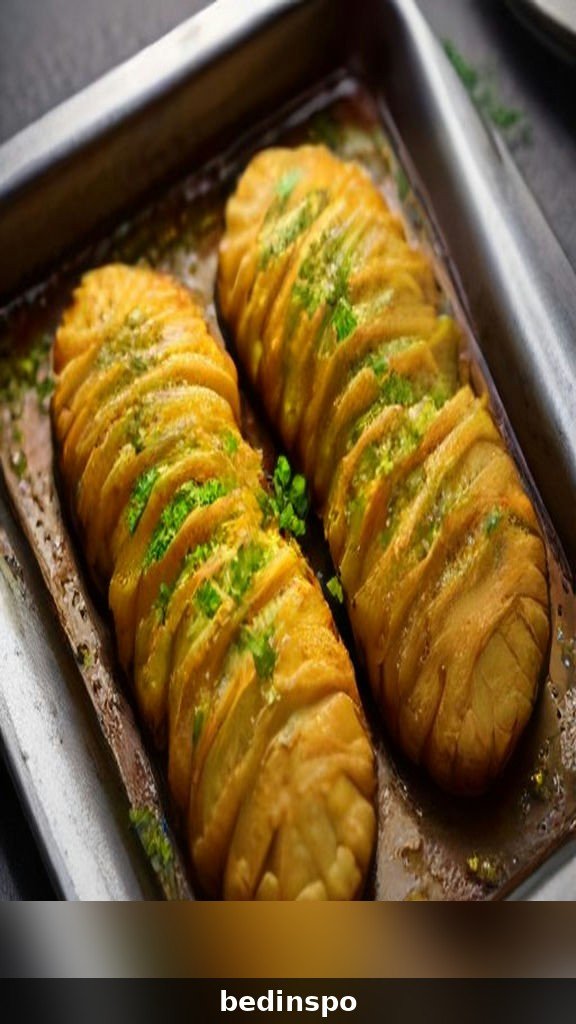
Roast for 25–30 minutes, flipping carefully with a wide spatula halfway through, until the edges are deeply golden and crisp and a knife slides easily through the thickest part of the core. The steaks should look bronzed and lacy at the edges, tender and pale-gold in the middle.
Every oven runs a little differently, so trust your eyes: you want real color. Pale cabbage steaks are under-roasted cabbage steaks — give them another 5 minutes if the edges haven’t crisped. If your steaks are cut closer to 1 inch, or your cabbage was especially dense, they may need up to 35 minutes. Finish with a squeeze of lemon, a pinch of flaky salt, and a scatter of parsley, and serve them hot, straight from the pan.
The Recipe at a Glance

Prep time: 10 minutes · Cook time: 25–30 minutes · Total: about 40 minutes · Yield: 4–6 cabbage steaks
Slice cabbage into ¾–1 inch rounds, core intact. Brush both sides with olive oil mixed with garlic powder, paprika, onion powder, salt, and pepper. Roast at 425°F for 25–30 minutes, flipping halfway, until edges are crisp and caramelized and centers are tender. Finish with lemon and flaky salt.
Air Fryer Cabbage Steaks

The air fryer was practically invented for this recipe. Season the steaks exactly the same way, then air fry at 400°F for 12–15 minutes, flipping halfway, until the edges are deeply crisp. Work in batches if needed — the steaks need space for the hot air to do its work. Air fryer cabbage steaks get exceptionally crispy edges, cook in half the time, and don’t heat up the kitchen. For a snackable version, separate some leaves into “chips,” season, and air fry 6–8 minutes, shaking once.
Variation 1: Garlic Butter Cabbage Steaks
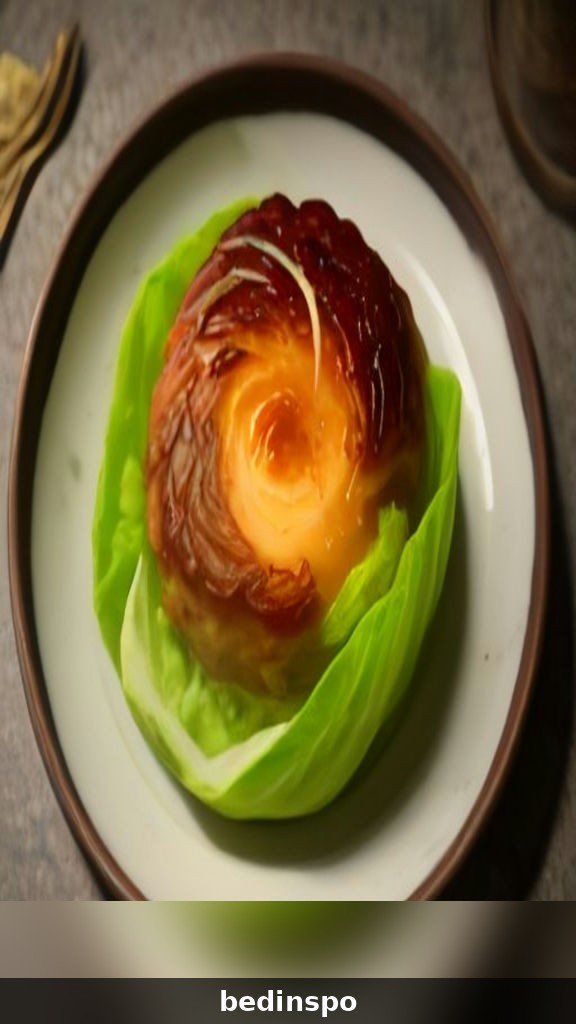
Melt 4 tablespoons of butter with 3 cloves of finely minced garlic and brush it on in place of the olive oil, saving a little to brush on again when the steaks come out of the oven. The garlic goes in raw here because the butter buffers it — and because the second brush at the end delivers fresh garlic flavor without any risk of burning. Finish with parsley and a pinch of red pepper flakes. Rich, fragrant, and the version most likely to be requested by name.
Variation 2: Parmesan-Crusted Cabbage Steaks

Roast the steaks as written for 20 minutes, then pull the pan out, flip the steaks, and shower the tops with ½ cup of finely grated parmesan mixed with 2 tablespoons of panko breadcrumbs and a pinch of Italian seasoning. Return to the oven for 8–10 minutes until the cheese melts into a golden, lacy, frico-like crust. This is the version that wins over committed cabbage skeptics — it eats like the crispy cheese edge of a great lasagna met a perfect vegetable side.
Variation 3: Balsamic and Honey Glaze
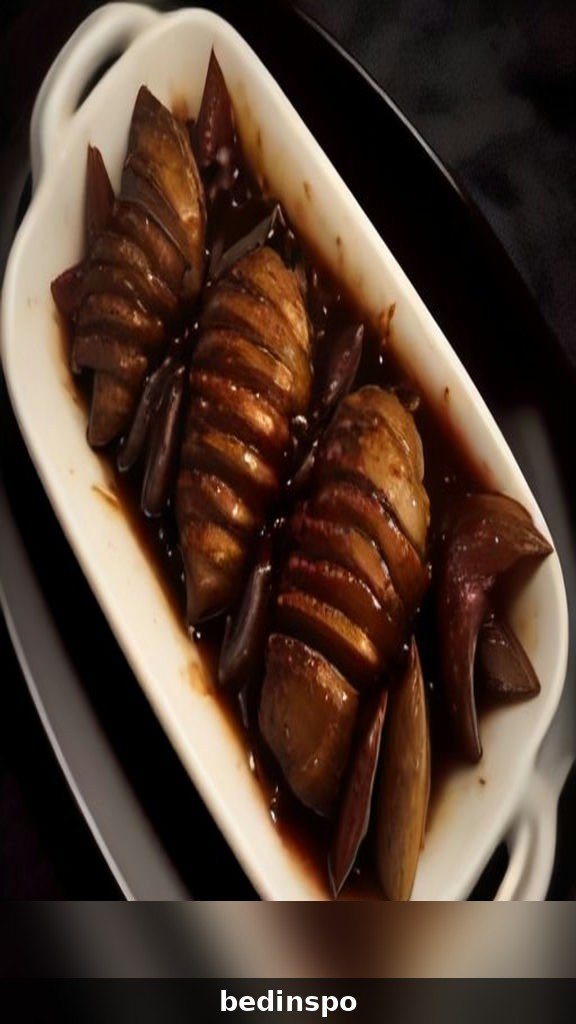
Whisk 2 tablespoons balsamic vinegar with 1 tablespoon honey (or maple syrup) and brush it over the steaks during the last 8 minutes of roasting — earlier and the sugars can scorch. The glaze turns glossy, tangy-sweet, and deeply caramelized, clinging to every crispy edge. Finish with crumbled goat cheese or feta and chopped walnuts, and this “side dish” is suddenly the most elegant plate on the table. A drizzle of thick balsamic glaze at serving doesn’t hurt either.
Variation 4: Spicy Cajun or BBQ-Style
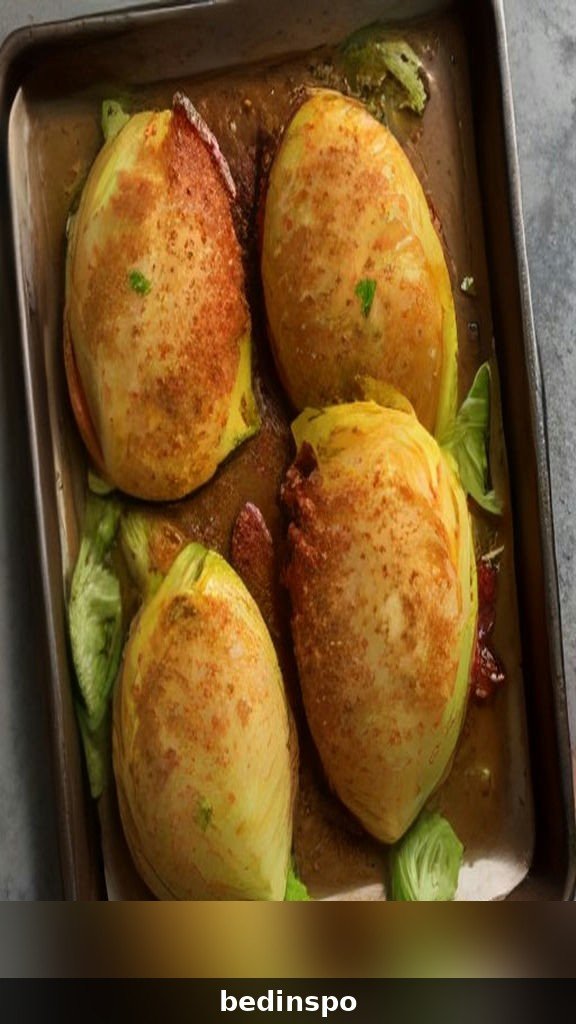
Swap the seasoning blend for 2 teaspoons of your favorite Cajun seasoning or BBQ dry rub, and add a pinch of brown sugar to encourage extra caramelization. Serve with a cool drizzle of ranch or a squeeze of lime to balance the heat. These are the steaks to put next to grilled chicken, ribs, or blackened fish — smoky, spicy, sweet-edged, and gone in minutes.
Make It a Main Dish
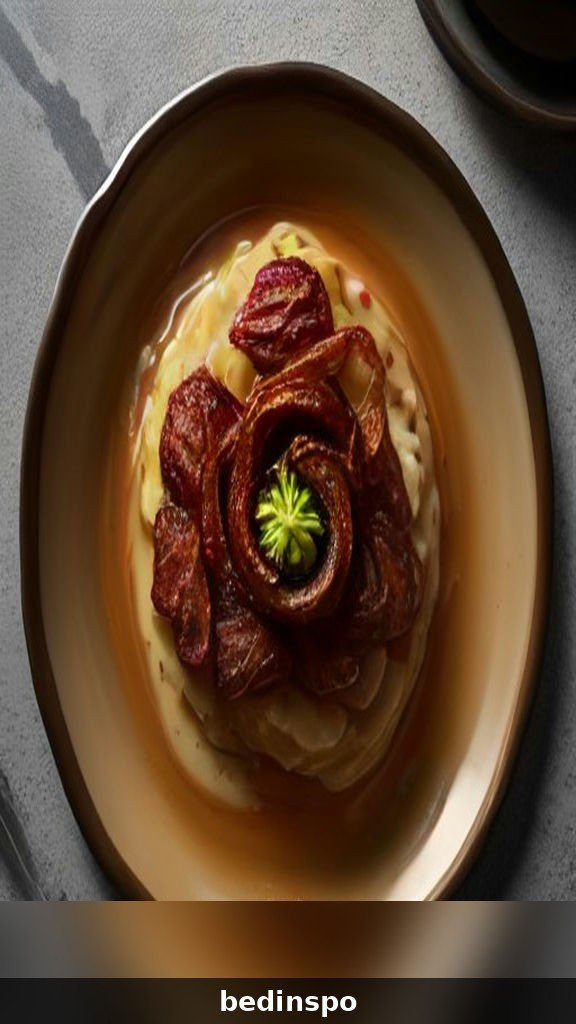
Cabbage steaks are sturdy enough to carry a meal. Try them topped with: a fried or poached egg and chili crisp for a brunch plate; a scoop of white beans simmered in tomato sauce for a rustic vegan main; marinara and melted mozzarella for cabbage-steak “parm”; a lentil-walnut ragu spooned over top; or a green goddess or tahini-lemon sauce with a handful of chickpeas. Anywhere a cauliflower steak or a portobello cap works, a cabbage steak works too — for a fraction of the price. Serve over polenta, mashed potatoes, or a grain pilaf to catch every drop of sauce and crispy bit.
What to Serve Cabbage Steaks With
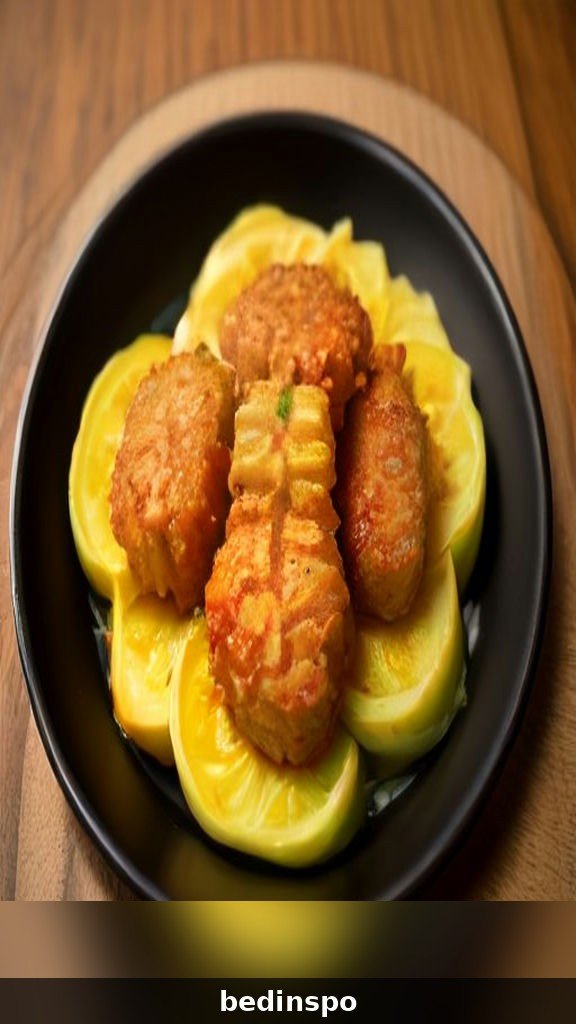
As a side, they pair with practically everything roasted or grilled: roast chicken, pork chops, meatloaf, baked salmon, sausages, and steak all love a cabbage steak beside them. They’re a natural fit for holiday tables too — a welcome fresh, crispy note next to rich mashed potatoes and gravy at Thanksgiving, and a budget-friendly way to feed a crowd any night of the year. One head of cabbage serves the whole table for about a dollar. In this economy, that’s not a side dish; that’s a strategy.
How to Choose the Best Cabbage at the Store
The recipe is simple, so the cabbage matters. Look for a head that feels surprisingly heavy for its size — weight means density, and density means thick, juicy leaves that roast into tender steaks instead of flimsy ones. The outer leaves should be crisp and tightly wrapped, bright green without yellowing or slimy spots, and the cut stem end should look fresh rather than dried and cracked. Give the head a gentle squeeze: it should feel firm and solid all the way through, with no hollow give in the middle.
Size matters too. A large head (2½ to 3 pounds) gives you the most full, round steaks plus those beloved crispy end pieces. If all you can find are small heads, buy two and cut your steaks from both. Cabbage keeps for weeks in the crisper drawer, so there’s no risk in keeping one on hand — and once this recipe enters your life, you’ll find reasons to use it constantly.
Five Seasoning Blends to Keep on Rotation
The base blend in this recipe is a classic, but a cabbage steak is a blank canvas. Keep these five blends in your back pocket and you’ll never serve the same steak twice in a month:
Lemon Herb
Olive oil, garlic powder, dried oregano, thyme, lemon zest, salt, and pepper. Finish with fresh lemon juice and feta. Bright, Mediterranean, made for fish.
Everything Bagel
Olive oil, salt, and a heavy hand with everything bagel seasoning, pressed on before roasting so it sticks. Fantastic with eggs or under smoked salmon.
Curry Coconut
Melted coconut oil, curry powder, a pinch of turmeric, salt, and a tiny bit of sugar. Finish with lime and cilantro. Beautiful beside rice and lentils.
Italian Herb and Chili
Olive oil, Italian seasoning, garlic powder, red pepper flakes, and salt. Finish with parmesan and a drizzle of marinara for dipping.
Miso Sesame
Whisk white miso into the oil with a splash of soy sauce and sesame oil; finish with sesame seeds and green onions. Deep, savory, and unforgettable.
Storage and Reheating
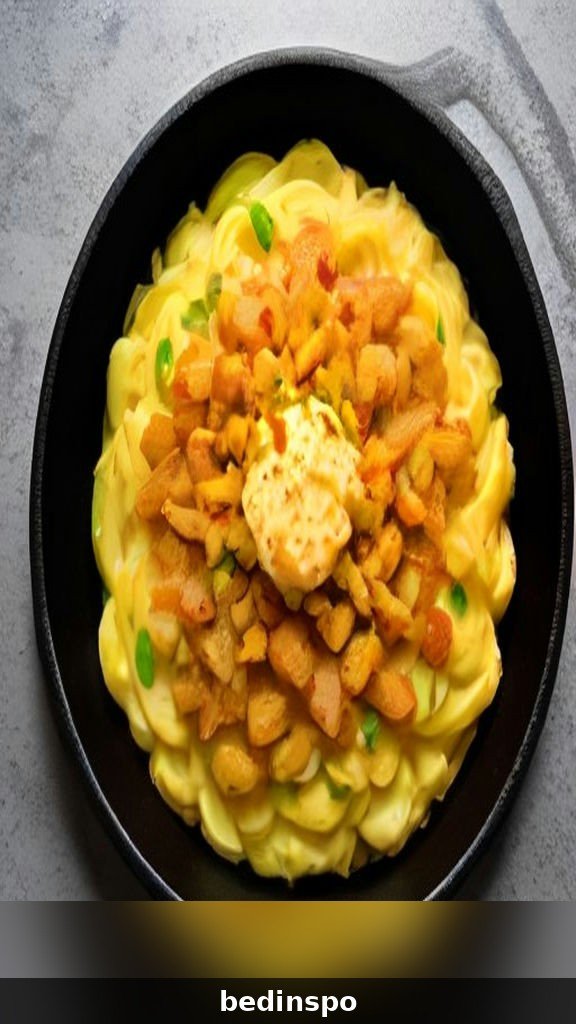
Store leftovers in an airtight container in the fridge for up to 4 days. Reheat in a 400°F oven or air fryer for 5–8 minutes and the edges crisp right back up — the microwave softens them, so save it for when crispiness doesn’t matter. Leftover cabbage steaks also chop beautifully into fried rice, noodle bowls, soups, and breakfast hashes; the caramelized flavor carries into everything. Raw cut steaks can be prepped a day ahead: slice, stack with parchment between them, refrigerate, and season just before roasting.
Troubleshooting
My cabbage steaks fell apart.
The core was trimmed too far, the slices were too thin, or the flip was rough. Keep the core intact, cut a full ¾ inch, and flip with a wide spatula supporting the whole steak. A loosened leaf or two is rustic charm, not failure.
They’re soggy, not crispy.
Too much crowding, too low an oven, or wet cabbage. Give the steaks space, roast at a true 425°F, and pat the cut surfaces dry before seasoning if your cabbage was just washed.
The edges burned before the centers softened.
Your slices may be uneven, or the oven runs hot. Cut evenly, drop to 400°F, and add 5 minutes. A sheet of foil loosely over the top for the last stretch protects edges while cores finish.
They taste bland.
Cabbage needs confident seasoning — salt especially. Season both sides, and remember the finishers: lemon, flaky salt, and a drizzle of good sauce wake everything up.
Nutrition Notes: Why Cabbage Deserves More Credit
Cabbage is one of the most undervalued vegetables in the produce aisle. It’s a member of the cruciferous family — the same nutritional all-stars as broccoli, kale, and Brussels sprouts — and brings fiber, vitamin C, vitamin K, folate, and a whole lineup of antioxidants to the table for pennies per serving. Roasting it with a modest amount of olive oil keeps the calorie count gentle (roughly 90–120 calories per generously sized steak) while making it genuinely filling, thanks to all that fiber and sheer vegetable volume.
It’s also one of the most practical vegetables a cook can buy: it keeps for weeks in the fridge without complaint, stretches across many meals, and costs a fraction of trendier produce. When people talk about eating well on a budget, this is exactly the kind of food they mean.
Frequently Asked Questions
Are cabbage steaks healthy?
Very. Cabbage is low in calories and carbs, high in fiber, vitamin C, and vitamin K. Each steak has roughly 90–120 calories depending on oil, making this a naturally keto, low-carb, gluten-free, and vegetarian side.
Can I grill cabbage steaks instead?
Yes — grill over medium-high heat 5–7 minutes per side with the lid closed. Oil the grates well, and season after grilling if your spice blend tends to fall through. The char is wonderful.
How thick should I cut them?
¾ inch to 1 inch is the sweet spot. Thinner and they can dry out or fall apart; thicker and the core stays firm while the edges overcook.
Can I make them ahead for a party?
Roast them until just tender (about 20 minutes), cool, refrigerate, then finish with 10 minutes in a hot oven before serving. The edges crisp on the second roast.
Conclusion
Crispy, caramelized edges. Sweet, tender centers. One pan, ten minutes of work, and the most affordable vegetable in the grocery store transformed into the side dish everyone asks about. Roasted cabbage steaks are proof that great cooking isn’t about expensive ingredients — it’s about heat, seasoning, and knowing what a humble cabbage can do.
Save this recipe to your side dish board, grab a cabbage on your next grocery run, and prepare to convert every skeptic at your table. Start with the classic, then work your way through the garlic butter and parmesan versions. You’ll be glad you did.