15 Essential Hibiscus Growing Tips for Stunning Blooms
Hibiscus plants are beloved for their large, colorful flowers and tropical beauty. Whether grown in garden beds, containers, or as indoor plants, hibiscus can provide months of spectacular blooms when given the right care. Follow these essential hibiscus growing tips to keep your plants healthy, vibrant, and flowering abundantly.
Why Grow Hibiscus?
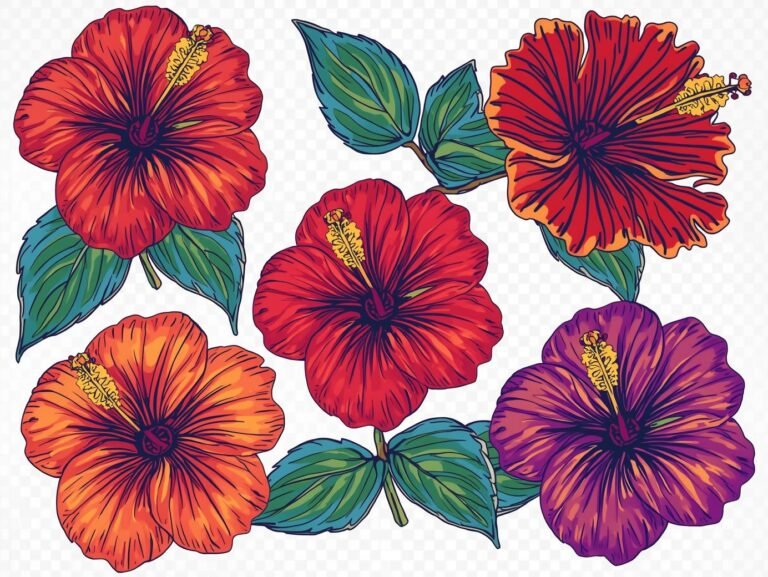
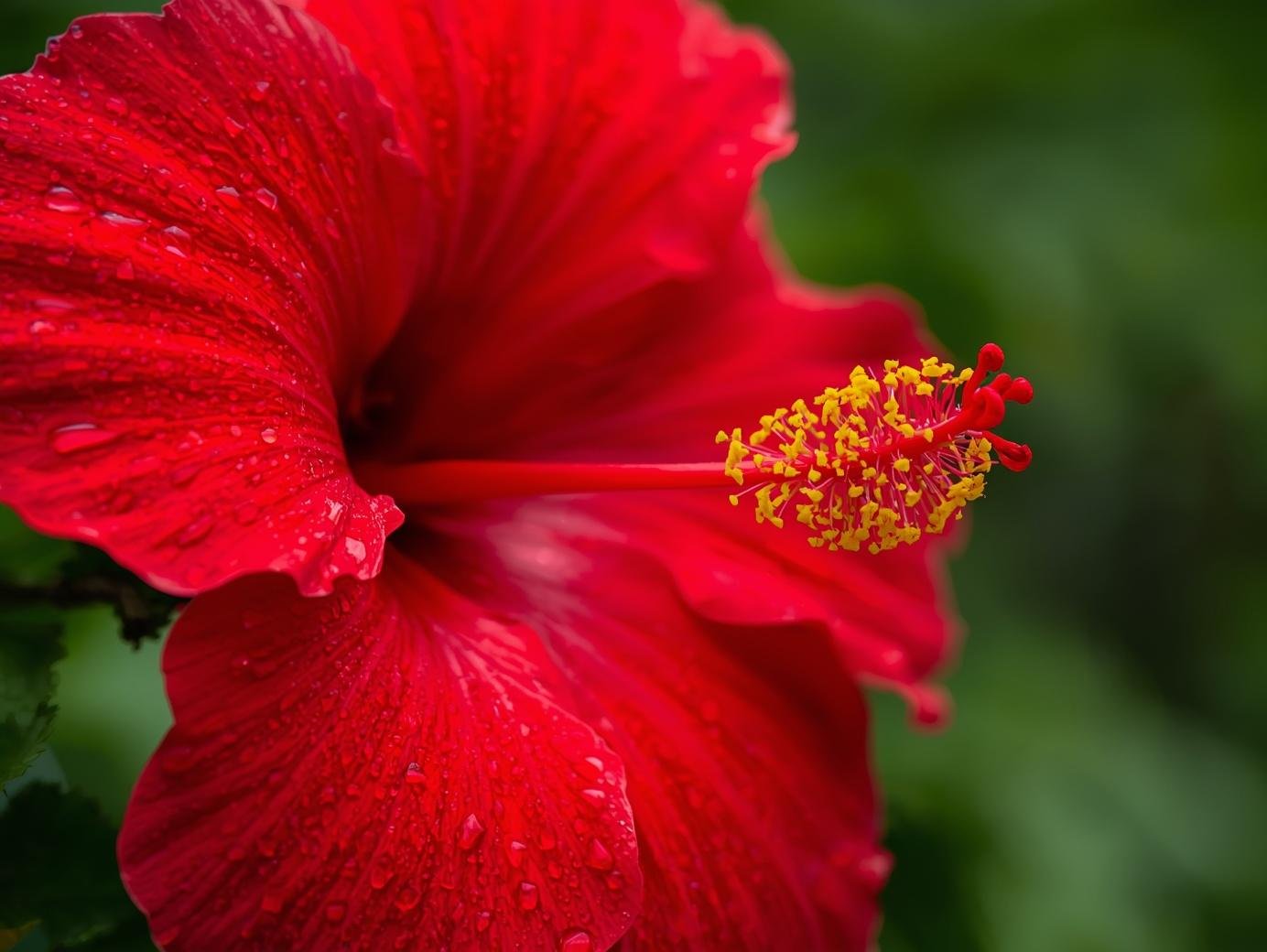
Hibiscus plants are known for their eye-catching flowers that come in shades of red, pink, yellow, orange, white, and purple. They attract butterflies and hummingbirds while adding a tropical feel to any landscape.

1. Choose the Right Location
Hibiscus thrives in locations that receive at least 6 to 8 hours of direct sunlight daily. More sunlight generally results in more flowers.
2. Plant in Well-Draining Soil
Rich, well-draining soil helps prevent root rot and encourages strong growth. Amend heavy soil with compost before planting.
3. Water Consistently
Hibiscus enjoys evenly moist soil, especially during hot weather. Water deeply when the top inch of soil begins to dry out.
4. Feed Regularly
Use a balanced fertilizer or one formulated for flowering plants every few weeks during the growing season to support continuous blooms.
5. Mulch Around the Base
Apply a layer of organic mulch to help retain moisture, regulate soil temperature, and reduce weed growth.

6. Protect from Strong Winds
Large hibiscus flowers and branches can be damaged by strong winds. Plant in a sheltered location when possible.
7. Prune for Better Growth
Light pruning encourages bushier growth and more flowering branches. Remove dead or weak stems as needed.
8. Deadhead Spent Blooms
Removing faded flowers helps keep the plant tidy and encourages additional blooming.
9. Monitor for Pests
Watch for aphids, whiteflies, spider mites, and mealybugs. Early treatment helps prevent serious infestations.

10. Avoid Overwatering
While hibiscus likes moisture, constantly soggy soil can lead to root problems and reduced flowering.
11. Grow Hibiscus in Containers
Container-grown hibiscus is ideal for patios, balconies, and small gardens. Ensure pots have adequate drainage holes.
12. Bring Tropical Hibiscus Indoors in Winter
In colder climates, tropical hibiscus should be moved indoors before temperatures drop below 50°F (10°C).
13. Encourage Pollinators
Hibiscus flowers attract bees, butterflies, and hummingbirds, helping support a healthy garden ecosystem.
14. Check Soil pH
Hibiscus prefers slightly acidic soil with a pH between 6.0 and 7.0 for optimal nutrient absorption.
15. Be Patient with New Plants
Recently planted hibiscus may take time to establish before producing their best flowering display.
Common Hibiscus Problems
Yellow Leaves
Often caused by overwatering, nutrient deficiencies, or sudden environmental changes.
Bud Drop
Can result from inconsistent watering, temperature stress, or insufficient sunlight.
Poor Flowering
Usually linked to inadequate sunlight, excessive nitrogen fertilizer, or improper pruning.
Best Hibiscus Varieties
Tropical Hibiscus
Known for vibrant, exotic blooms and long flowering seasons in warm climates.
Hardy Hibiscus
Produces enormous flowers and can survive colder winters than tropical varieties.
Rose of Sharon
A shrub-form hibiscus that blooms from summer into fall and is easy to grow.
Final Thoughts
Hibiscus plants reward gardeners with breathtaking flowers and tropical charm. By providing plenty of sunlight, consistent moisture, nutrient-rich soil, and regular care, you can enjoy healthy plants covered in stunning blooms throughout the growing season.