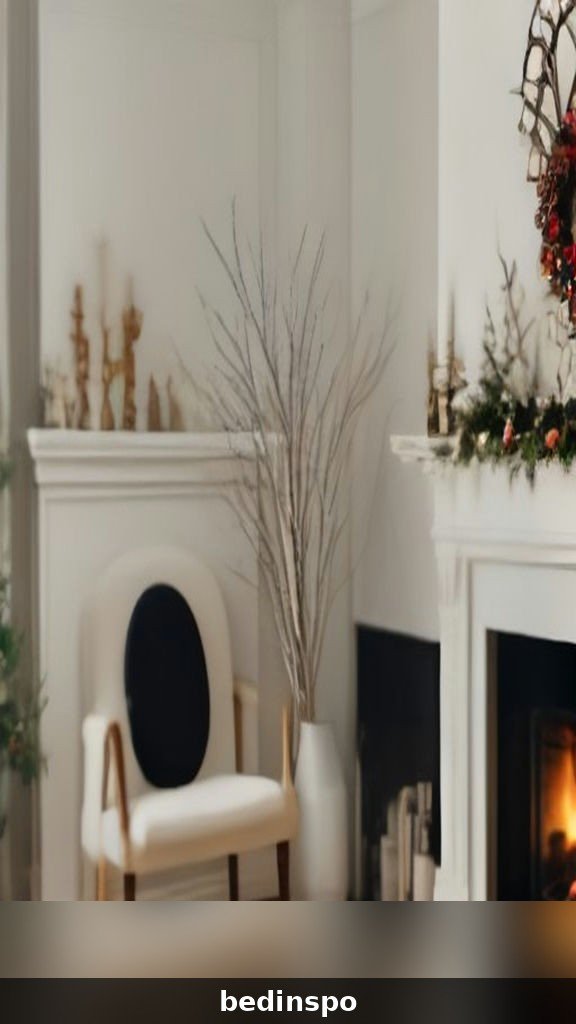
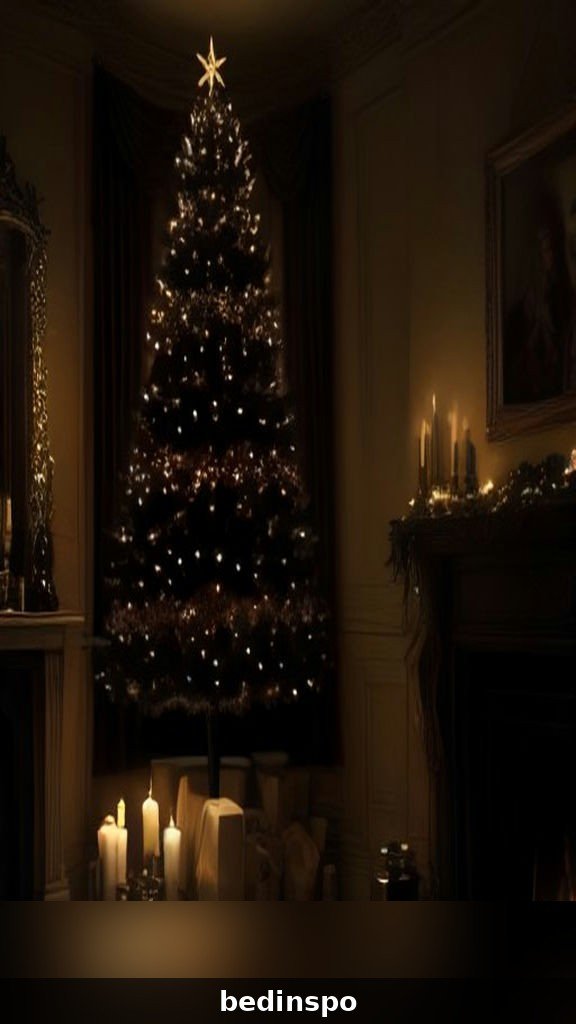
25 Victorian Christmas Aesthetic Ideas
25 Victorian Christmas Aesthetic Ideas You’ll Love
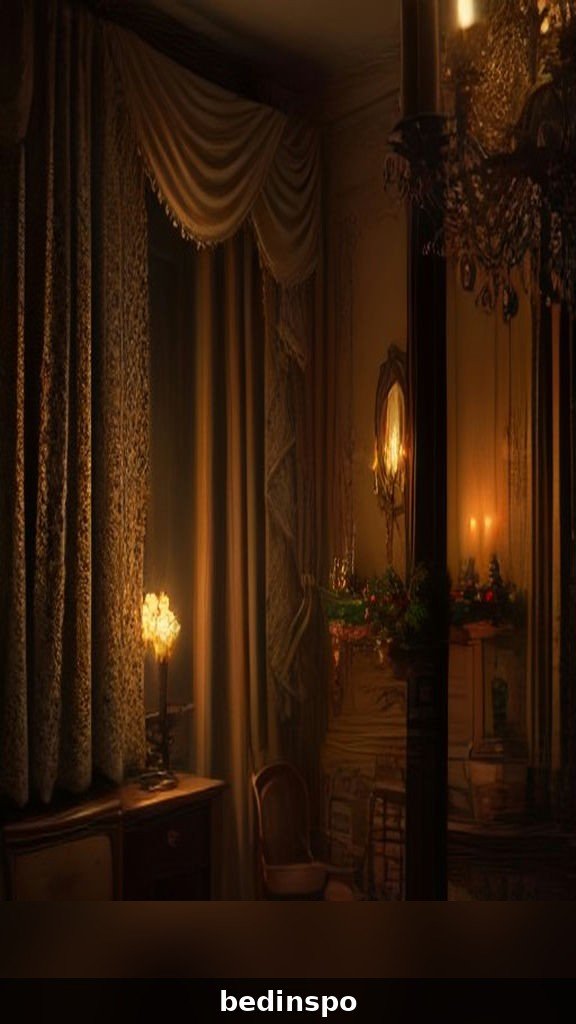
Step back in time to a Christmas of lace curtains, velvet ribbons, brass candlesticks, and a tree trimmed with handmade ornaments and dried oranges. The Victorian Christmas aesthetic brings the elegance of the nineteenth century into your home — a time when Christmas was celebrated slowly, with carols by the piano, oranges in stockings, and every decoration made by hand. It is romantic, refined, and wonderfully warm.
What makes a Victorian Christmas so special is its attention to detail. Nothing is plastic or mass-produced-looking; everything feels crafted, collected, and cared for. Lace tablecloths, velvet bows, antique books, dried flowers, and the soft glow of candles all work together to create a home that feels like a scene from a classic novel. It is the perfect style for anyone who loves old-fashioned charm and elegant, unhurried holidays.
In this guide, you will find 25 Victorian Christmas aesthetic ideas for every corner of your home, from a feather tree trimmed with paper ornaments to a lace-draped mantel, a candlelit dining table, and a parlor filled with music and warmth. Each idea is practical and budget-friendly, and most of them use things you already own or can find at a thrift store. Light the candles, put on the carols, and let Christmas turn beautifully Victorian.
1. What Is a Victorian Christmas
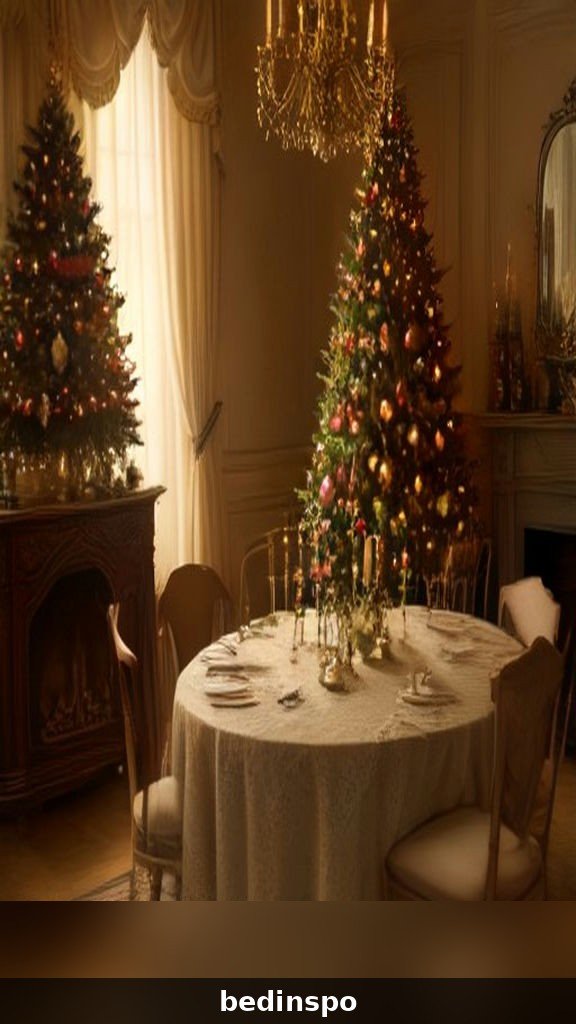
A Victorian Christmas comes from the nineteenth century, when Queen Victoria and Prince Albert made the decorated Christmas tree popular in Britain and America. The style is defined by handmade decorations, natural materials, rich fabrics, and warm candlelight: paper ornaments, dried fruit, popcorn garlands, velvet ribbons, lace, brass, and fresh greenery. Everything is elegant but never flashy, and every decoration has a story.
The Victorian look works because it is layered and personal. A tree covered in ornaments collected over years, a mantel dressed with lace and candles, a dining table set with antique china and linen napkins — each piece feels chosen rather than bought. The palette is warm and muted: deep red, forest green, gold, cream, and burgundy, with natural wood and brass as supporting materials. If you love history, craftsmanship, and slow, thoughtful holidays, a Victorian Christmas will feel like coming home.
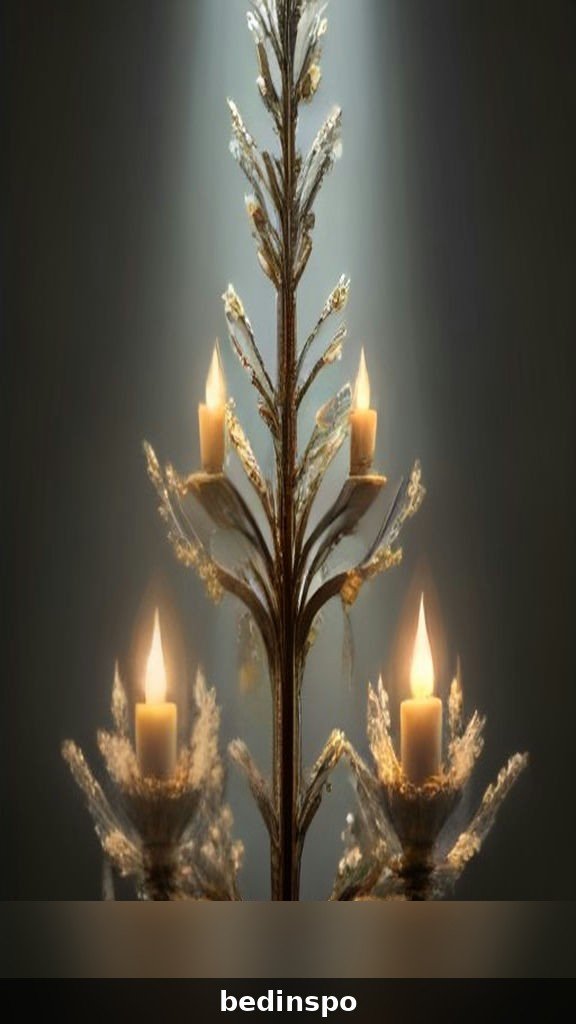
2. A Feather Tree with Paper Ornaments
The Victorian feather tree — a small, sparse tree made of dyed goose feathers on a wooden base — is one of the most charming symbols of the era. Decorate it with tiny paper ornaments, dried orange slices, small candles (battery-operated for safety), and miniature glass baubles, and place it on a side table or a windowsill. The feather tree is delicate, old-fashioned, and completely delightful.
If you cannot find a feather tree, a small tabletop evergreen works just as well with Victorian-style decorations. Make paper ornaments from old book pages or sheet music, fold them into stars and fans, and hang them with thin ribbon. Add a few dried orange slices and a string of tiny warm lights. A small tree decorated by hand is more Victorian than any large store-bought tree, because it carries the handmade spirit that defined the era.
3. Lace on the Mantel
Lace is the signature fabric of a Victorian Christmas, and the mantel is the best place to show it off. Drape a lace tablecloth or a lace runner across the mantel, letting it fall softly over the edges, and arrange candles, greenery, and antique ornaments on top. The lace softens the wood, catches the candlelight, and instantly makes the room feel like a Victorian parlor.
Look for lace at thrift stores, estate sales, and flea markets — old lace tablecloths, doilies, and runners are inexpensive and easy to find. Layer a lace runner over a velvet cloth for extra richness, or use lace doilies under candles and vases on side tables. Lace is delicate, so handle it gently and store it folded in tissue paper. A little lace goes a long way, and it is the detail that makes a Victorian room feel authentic.
4. Dried Orange Slice Garlands
Dried orange slices are the most Victorian of all Christmas decorations — beautiful, fragrant, and completely natural. String them together with cinnamon sticks, star anise, and cranberries to make a garland for the tree, the mantel, or a doorway. The oranges dry to a warm amber color, and they fill the room with a gentle citrus scent that lasts for weeks.
To dry orange slices, cut them thin, bake them slowly in a low oven until they are dry and slightly translucent, and let them cool completely. Thread them onto twine with a large needle, alternating with cinnamon sticks and whole cranberries. Hang the garland where the light can reach it, so the orange slices glow like stained glass. Dried orange garlands are inexpensive, easy to make, and they are the decoration that makes a Victorian Christmas smell as good as it looks.
5. Velvet Ribbons and Bows
Velvet ribbon in deep burgundy, forest green, or gold is the finishing touch on almost every Victorian decoration. Tie velvet bows on the tree, wrap ribbon around wreaths and garlands, use it to hang ornaments, and tie it around gifts and napkins. The soft texture and rich color of velvet ribbon add a layer of luxury that no other ribbon can match.
Choose wide velvet ribbon — two or three inches — so the bows look full and lush. Burgundy velvet on a green tree, gold velvet on a dark mantel, and forest green velvet on cream gifts are all classic combinations. Keep a few spools of velvet ribbon in your decorating box, because once you start using it, you will find a use for it everywhere. Velvet ribbon is the small detail that makes a Victorian Christmas feel expensive and elegant.
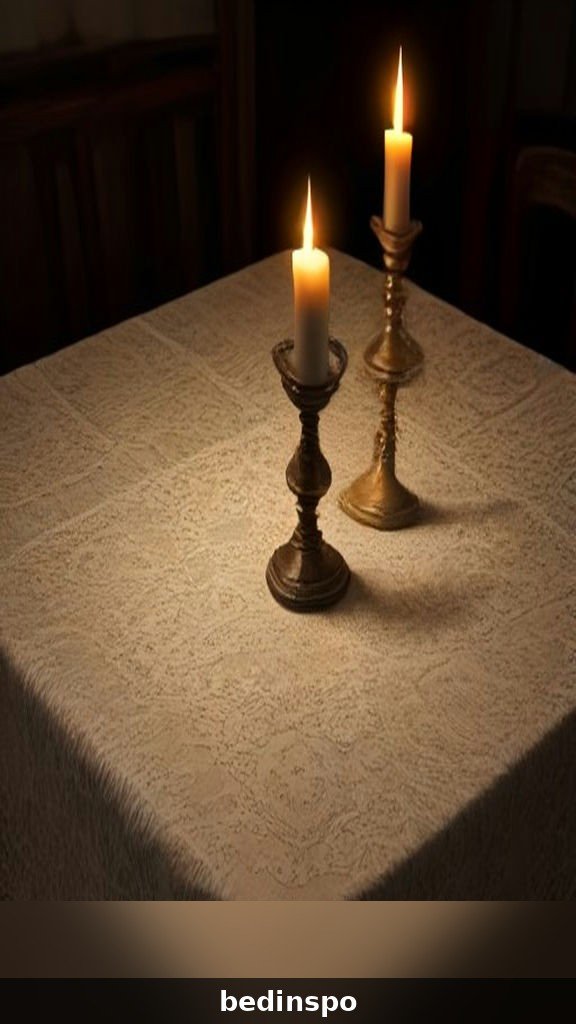
6. Brass Candlesticks and Candlelight
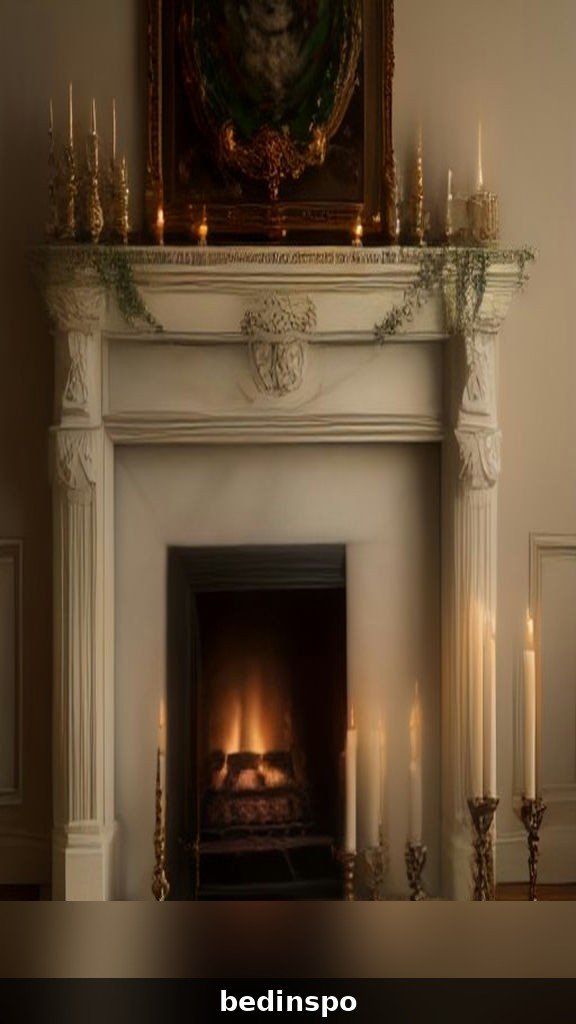
Brass candlesticks are the heart of Victorian lighting, and they belong on the mantel, the dining table, and the windowsills. Tall brass candlesticks with ivory tapers, grouped in odd numbers and mixed in height, create a warm, flickering glow that no electric light can match. The brass reflects the flame and adds a golden warmth to the whole room.
Collect brass candlesticks from thrift stores and flea markets — they are inexpensive, and a little brass polish brings them back to life. Mix tall and short candlesticks, and add a few brass lanterns or a brass tray for variety. Use real candles where it is safe, and battery-operated tapers with a flicker setting where it is not. Candlelight is the single most important element of a Victorian Christmas, and brass is the material that carries it best.
7. Antique Ornaments and Keepsakes
A Victorian tree is decorated with ornaments that have stories: glass birds, blown-glass icicles, tiny drums, paper fans, and ornaments passed down through the family. Mix antique ornaments with handmade ones — paper stars, dried orange slices, cinnamon bundles, and small sachets of lavender — and the tree becomes a collection of memories rather than a display of matching decorations.
Hang the most delicate ornaments near the tips of the branches, where the light can reach them, and tuck the sturdier ones deeper into the tree. Wrap fragile ornaments in tissue paper when you store them, and handle them gently. If you do not own antique ornaments, thrift stores and estate sales are full of them for a few dollars each. A tree decorated with keepsakes is the most Victorian tree of all, because it is personal, collected, and completely one of a kind.
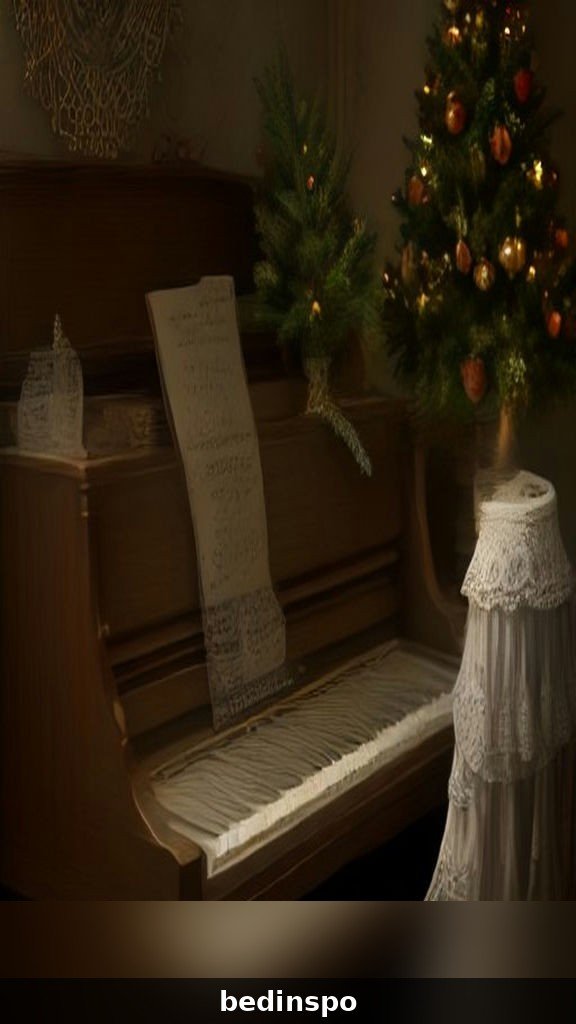
8. A Parlor with Music
In Victorian times, the parlor was the heart of Christmas, and music was at the center of it. If you have a piano, dress it with greenery, candles, and a stack of old sheet music. If you do not, create a music corner with a small table, a few antique books, a lantern, and a speaker playing carols softly in the background. The music corner tells visitors that this is a house where Christmas is celebrated slowly, with song.
Display old sheet music as decoration — frame a few pages, or stand them on a music stand. Add a pair of candlesticks and a sprig of holly, and the corner is complete. The parlor does not need to be large or formal; it just needs to feel like a place where people gather, sing, and linger. A Victorian Christmas is as much about the atmosphere as the decorations, and music is what creates it.
9. Damask and Rich Fabrics
Damask, brocade, and heavy velvet are the fabrics of a Victorian Christmas, and they bring richness to every room. A damask tablecloth, velvet curtains, brocade cushions, or a velvet throw on the sofa all add texture and depth that lighter fabrics cannot match. The patterns are traditional — florals, paisleys, and geometric designs — and the colors are deep and warm.
Use rich fabrics in small doses if your home is modern: a velvet throw, a damask table runner, or a pair of brocade cushions will do it. In a period home, go further with velvet curtains and a damask tablecloth. The fabrics should feel heavy and luxurious, and they should catch the candlelight. Rich fabrics are the element that makes a Victorian room feel warm and enveloping, like a favorite old armchair on a winter evening.
10. A Victorian Dining Table
A Victorian Christmas dinner table is set like a celebration: a lace or damask tablecloth, antique china, linen napkins tied with velvet ribbon, brass candlesticks, and a centerpiece of greenery, dried oranges, and pinecones. The table should look abundant and welcoming, with every place set carefully and a small gift or orange at each setting.
Build the centerpiece low so guests can see each other across the table — a garland of cedar and pine, a few brass candlesticks, and scattered cranberries will do it. Use your best dishes, even if they are not a matching set; mixed antique china looks more Victorian than a new set. A Victorian dining table is not about perfection; it is about generosity, warmth, and the feeling that everyone at the table is welcome and loved.
11. Handmade Christmas Crackers
Christmas crackers are a Victorian invention, and making them by hand is one of the most charming traditions of the era. Roll small gifts, jokes, and paper crowns in colorful paper, twist the ends, and tie them with ribbon. Place one at each place setting, and let guests pull them together after dinner. The pop, the joke, and the paper crown are pure Victorian fun.
Making crackers is easy: cut rectangles of wrapping paper, place a small gift and a joke in the center, roll the paper around a cardboard tube, and twist the ends. Use paper in deep red, green, and gold, and tie the ends with velvet ribbon. Handmade crackers cost very little and add a wonderful moment to Christmas dinner. They are also a lovely project to make with children, who love choosing the gifts and writing the jokes.
12. Stockings with Oranges

In Victorian times, a stocking held an orange, a few nuts, a small toy, and maybe a coin — simple gifts that felt magical to a child. Recreate the tradition with knitted or quilted stockings in deep red, green, or cream, hung from the mantel with brass hooks. Tuck an orange into the top of each stocking, and the mantel instantly feels Victorian.
Choose stockings that look handmade — knitted wool, quilted cotton, or linen with a name stitched on the cuff. Fill them simply: an orange, a handful of walnuts, a small wooden toy, and a chocolate coin. The simplicity is the point. A Victorian stocking is not about expensive gifts; it is about the joy of finding something unexpected in the morning. It is a tradition that costs almost nothing and creates the sweetest Christmas memories.
13. Pocket Watches and Antique Details
Small antique details — a pocket watch, a brass key, an old book, a pair of spectacles — scattered through your Victorian decorating add a sense of history and story. Place a pocket watch on the mantel, an old book on the side table, a brass key tied to a gift, and the room starts to feel like it belongs to another century. These are the details that guests notice and remember.
Look for antique details at flea markets and thrift stores, or use reproductions that look the part. A pocket watch does not need to work to be beautiful, and an old book does not need to be rare to add charm. Group the details in small vignettes — a book, a candle, and a key on a side table — rather than scattering them everywhere. A few well-chosen antiques are more effective than a room full of them.
14. Dried Flowers and Herbs
Dried flowers and herbs are the Victorian way to decorate with nature: lavender, roses, eucalyptus, rosemary, and bay leaves dried and arranged in vases, wreaths, and sachets. The dried flowers add soft color and a gentle fragrance, and they last for months without any care. A vase of dried roses on a side table or a wreath of dried lavender on a door is quietly, beautifully Victorian.
Dry your own flowers by hanging small bunches upside down in a dark, dry place for two weeks. Arrange them loosely in a vase, or tie them into small bouquets with ribbon. Add dried herbs to your garlands and wreaths for fragrance — rosemary and bay are traditional Christmas herbs. Dried flowers are inexpensive, easy to make, and they bring a soft, romantic touch to a Victorian room that fresh flowers cannot match.
15. A Victorian Christmas Tree Topper
A Victorian tree topper is handmade and heartfelt: a paper angel, a star folded from old sheet music, a cluster of feathers, or a small crown of dried flowers. The topper should feel personal, like something made by hand rather than bought in a store. It is the finishing touch on the tree, and it should be visible from across the room.
Make a paper star from old book pages or sheet music, or fold a simple angel from cream paper and lace. Attach it securely to the top of the tree, and add a few feathers or dried flowers around the base. A handmade topper is the most Victorian detail on the whole tree, because it carries the handmade spirit that defined the era. It is also the decoration that children remember most, because they helped make it.
16. Carols by Candlelight
Carols by candlelight are the sound of a Victorian Christmas, and they are easy to recreate. Gather the family around the piano or the fireplace, hand out printed carol sheets, and sing together by candlelight. The songs are old — “Silent Night,” “O Holy Night,” “God Rest Ye Merry Gentlemen” — and the candlelight makes them feel even more special.
Print carol sheets on cream paper and tie them with ribbon, or display the lyrics on a small stand. Keep the room dark except for the candles and the tree lights, and let the music fill the house. Carols by candlelight do not need to be perfect; they need to be shared. It is the Victorian tradition that costs nothing and creates the warmest Christmas memories of all.
17. Victorian Christmas Cards
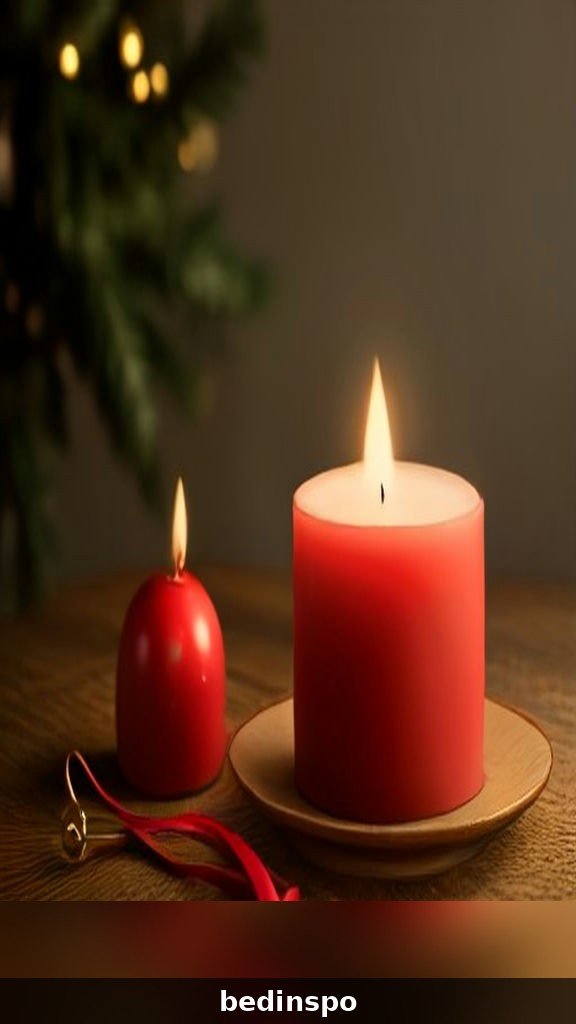
Victorian Christmas cards are tiny works of art — robins, holly, snowy villages, and angels, printed in rich colors with gold foil lettering. Display old cards on the mantel, hang them from a string with clothespins, or arrange them in small frames on a side table. The cards bring the graphic style of the era into your home, and they start conversations.
Find vintage cards at flea markets and antique shops, or print reproductions of Victorian designs. Mix them with this year’s cards from friends and family, and the display becomes a bridge between past and present. Children love looking at the old cards, and adults love remembering the ones that look like the cards their grandparents sent. A display of Victorian Christmas cards is a decoration that costs very little and means a great deal.
18. A Sleigh Bell Wreath
Sleigh bells are the sound of a Victorian winter, and a wreath made of brass sleigh bells is one of the most charming decorations of the era. String small brass bells onto a wire wreath form, add a sprig of pine and a velvet bow, and hang it on the front door. Every time the door opens, the bells ring softly, and the house feels like a scene from a Christmas story.
Use bells in different sizes so the sound is rich and varied, and add a few dried orange slices or cinnamon sticks for fragrance. Hang the wreath where it will be touched often — on the front door, or on a door inside the house. A sleigh bell wreath is a decoration that works with all the senses: it looks beautiful, it smells of pine and cinnamon, and it sounds like Christmas every time someone comes home.
19. Oil Lamps and Lanterns
Oil lamps and lanterns are the warm, flickering light of a Victorian Christmas. A brass oil lamp on a side table, a lantern with a candle on the windowsill, or a row of small lanterns along the mantel all add a soft, golden glow that electric lights cannot match. The lamps make the room feel like it belongs to another century, and they are beautiful even when they are not lit.
Use real oil lamps with care, or choose battery-operated lanterns with a realistic flicker for safety. Place them where the light can reflect — near a mirror, a window, or a brass tray — so the glow spreads through the room. Oil lamps and lanterns are inexpensive at thrift stores, and they are the detail that makes a Victorian room feel authentic. In the evening, when the lamps are lit and the room is dark, the whole house glows like a storybook.
20. A Victorian Fireside
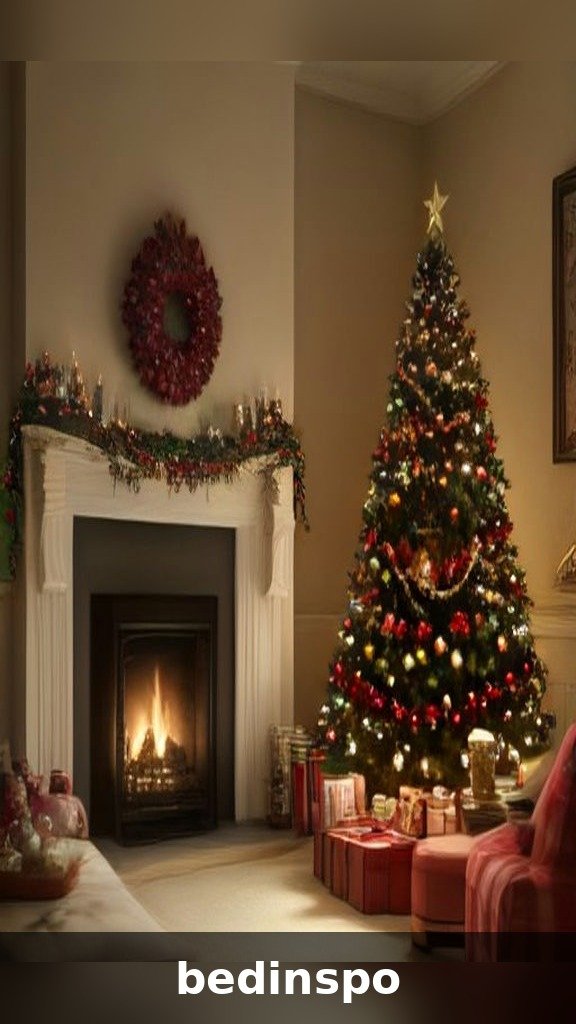
The fireplace is the heart of a Victorian Christmas, and it deserves to be dressed beautifully. Hang stockings from brass hooks, drape a cedar garland across the mantel, place brass candlesticks and a few antique ornaments on top, and stack firewood neatly beside the hearth. When the fire is lit and the candles are glowing, the fireplace becomes the warm center of the whole house.
If you do not have a fireplace, create a fireside with a lantern, a stack of books, and a row of candles on a side table or a windowsill. The feeling matters more than the fire itself. A Victorian fireside is not about the fireplace; it is about the gathering — the chairs pulled close, the cocoa, the carols, and the warmth. Make the fireside comfortable, and the whole family will gather there without being asked.
21. Lace Curtains and Soft Light
Lace curtains are the Victorian way to dress a window, and they change the light in a room completely. The lace filters the daylight into soft patterns, and in the evening, the candles on the sill glow through the lace like a lantern. Hang lace curtains on the windows in your living room or dining room, and the whole space feels softer, warmer, and more private.
Look for lace curtains at thrift stores, or make simple ones from lace fabric hung on a tension rod. Keep them short — cafe-length curtains are more Victorian than full-length ones — and let them gather softly. Lace curtains are inexpensive, easy to hang, and they transform a room in minutes. They are the detail that makes a Victorian Christmas feel like a home, not a display.
22. Victorian Gift Wrapping
Victorian gifts are wrapped in brown kraft paper, tied with velvet ribbon, and finished with a sprig of pine, a dried orange slice, or a wax seal. The wrapping is simple, natural, and elegant — no glossy paper, no plastic bows, no glitter. Under a Victorian tree, a pile of kraft-wrapped gifts looks like a collection of parcels from another century, and it is beautiful.
Wrap gifts in kraft paper and tie them with burgundy, green, or gold velvet ribbon. Add a handwritten tag on cream cardstock, and tuck a sprig of pine or a cinnamon stick under the ribbon. The wrapping takes a few extra minutes, but it makes the gifts feel special before they are even opened. Victorian gift wrapping is the detail that guests notice under the tree, and it is the one that makes your gifts stand out.
23. A Christmas Pudding Tradition
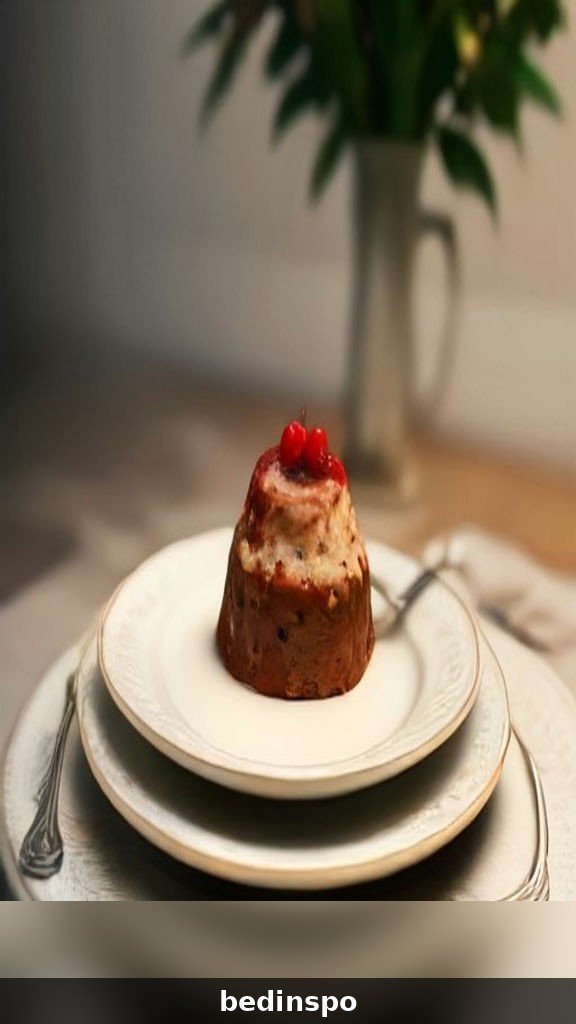
Christmas pudding is the most Victorian of all holiday desserts — a dark, rich, fruity pudding, steamed for hours, served with brandy butter and set alight at the table. Making a Christmas pudding is a tradition that goes back centuries, and it is a wonderful way to bring Victorian history into your kitchen. The pudding is made weeks in advance, which makes it perfect for busy December days.
You do not need to make a pudding from scratch to enjoy the tradition — a store-bought pudding served with homemade brandy butter and a sprig of holly is just as festive. Serve it after Christmas dinner, dim the lights, and light the brandy for a dramatic finish. The flaming pudding is the moment everyone remembers, and it is the most Victorian dessert you can serve. It is a tradition that turns dessert into a celebration.
24. Velvet Stockings with Monograms
Velvet stockings with monograms stitched in gold thread are the most elegant stockings of a Victorian Christmas. Choose stockings in deep red, forest green, or burgundy velvet, and have each family member’s initial stitched on the cuff. Hang them from brass hooks on the mantel, and the row of monogrammed stockings looks like it belongs in a grand old house.
Monogramming is easy to do by hand with gold embroidery thread, or you can have it done at a craft store. The monograms make the stockings personal and permanent — they are the kind of decoration that becomes a family heirloom. Fill the stockings simply, with an orange, a few nuts, and a small gift. Velvet stockings with monograms are the finishing touch on a Victorian mantel, and they are the detail that makes the whole room feel complete.
25. A Victorian Christmas, Your Way
A Victorian Christmas is not about following a strict set of rules — it is about slowing down, making things by hand, and celebrating with warmth and elegance. Maybe your version is a feather tree and lace curtains, or dried orange garlands and brass candlesticks, or carols by candlelight and a flaming Christmas pudding. All of those are Victorian, and all of them are beautiful.
Start with one or two ideas from this guide — a lace mantel, a dried orange garland, or a set of brass candlesticks — and see how they feel in your home. Add more Victorian touches each year if you love them, or keep it to a few elegant details. The best Victorian Christmas is the one that feels like you: unhurried, handmade, and full of warmth. Light the candles, put on the carols, and enjoy a Christmas that feels like a storybook come to life.
Frequently Asked Questions
What defines a Victorian Christmas?
Handmade decorations, natural materials, rich fabrics, and warm candlelight. The Victorian style comes from the nineteenth century and is defined by lace, velvet, brass, dried fruit, paper ornaments, and a slow, thoughtful approach to the holidays.
Where can I find Victorian-style decorations?
Thrift stores, flea markets, estate sales, and antique shops are the best sources for lace, brass candlesticks, antique ornaments, and old books. Many Victorian-style decorations are also easy to make by hand — paper ornaments, dried orange garlands, and handmade crackers cost almost nothing.
Can I mix Victorian decor with modern furniture?
Yes — the most beautiful Victorian rooms mix old and new. Keep the Victorian pieces as focal points — the tree, the mantel, the dining table — and let modern furniture fill in around them in matching colors. A modern sofa with a velvet throw and a lace runner looks collected, not confused.
What colors are Victorian Christmas colors?
Deep red, forest green, gold, cream, and burgundy, with natural wood and brass as supporting materials. The palette is warm and muted, never bright or glossy, and it works beautifully with candlelight.
Is a Victorian Christmas expensive to create?
No — many of the best Victorian ideas are handmade or thrifted. Dried orange garlands, paper ornaments, handmade crackers, and lace from thrift stores all cost very little. A few well-chosen pieces go a long way, and the style rewards patience more than spending.
How do I make my Christmas feel more Victorian?
Slow down. Light candles instead of turning on overhead lights, play carols softly, make a few decorations by hand, and gather the family for a shared activity — singing, baking, or wrapping gifts together. The Victorian feeling comes from the pace as much as the decorations.
Conclusion
A Victorian Christmas is a holiday celebrated slowly, by hand, and with warmth. Lace, velvet, brass, dried oranges, and candlelight create a home that feels like a scene from a classic novel — elegant, romantic, and completely inviting. Whether you go all-in with a feather tree and a lace-draped mantel or just add a few Victorian touches to your usual decorations, the old-fashioned charm of a Victorian Christmas is impossible to resist.
This December, let your home step back in time. Light the candles, hang the dried orange garlands, and enjoy a Christmas that feels unhurried and handmade. Save this guide, share it with a friend who loves old-fashioned holidays, and have the most elegant Christmas your home has ever seen.



You May Also Like
- Nostalgic Christmas Aesthetic — Vintage ornaments, old-fashioned lights and warm memories for a cozy holiday home.
- Vintage Christmas Aesthetic — Timeless vintage Christmas decorating with old ornaments, warm lights and classic holiday charm.
- Quiet Luxury Christmas Aesthetic — Understated, elegant holiday styling with soft neutrals and natural textures.
- Christmas Morning Aesthetic — Cozy Christmas morning ideas with soft light, warm blankets and slow holiday magic.