Easy Winter Painting Ideas: 15 Cozy Scenes Anyone Can Paint
Easy Winter Painting Ideas: 15 Cozy Scenes Anyone Can Paint
Winter is the painter’s favorite excuse to stay in: the light outside is doing beautiful things, the cocoa is hot, and a blank canvas is waiting. If you’ve ever thought “I can’t paint,” winter is the friendliest season to prove yourself wrong — snow forgives everything, softens every edge, and turns even simple shapes into atmosphere.
These 15 easy winter painting ideas are chosen for real beginners: bold shapes, limited colors, and scenes that look impressive long before they get complicated. Each one works in acrylic on a small canvas, most in an afternoon, all of them with the handful of supplies listed at the end.
Pick the scene that makes you happiest — the glowing cabin, the cheerful snowman, the Northern Lights — put on some music, and let the season paint itself through you. Perfection is not invited; coziness is.
1. Snowy Pine Forest
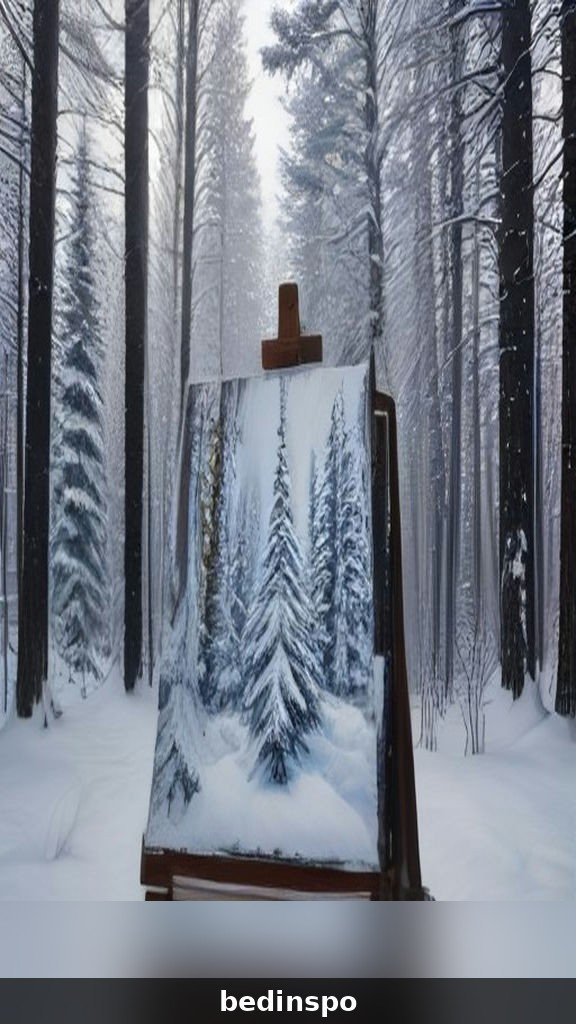
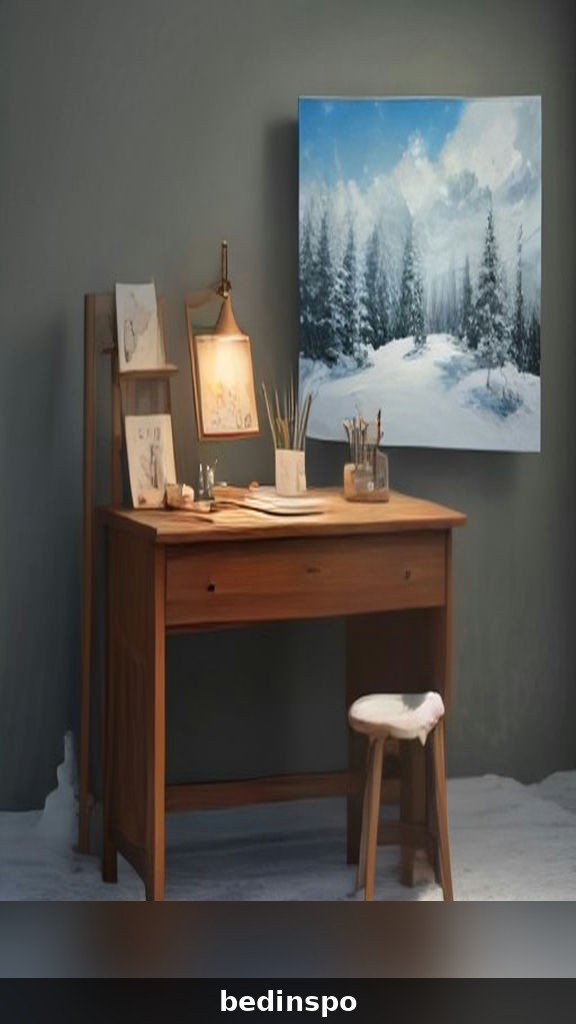
The perfect first winter painting: a gradient sky (deep blue fading to pale), a soft white hill, and triangles of pine trees in three shades of green, dabbed with white on one side for snow. Darker, bigger trees in front; smaller, paler ones behind — that’s perspective, and you’ve just learned it.
Finish with tiny white dots of falling snow, spattered from a toothbrush or tapped off a brush. This painting teaches layering, value, and atmosphere in one sitting, and it looks good in every single beginner’s version. Frame it and December visitors will ask where you bought it.
2. A Cozy Cabin in the Snow
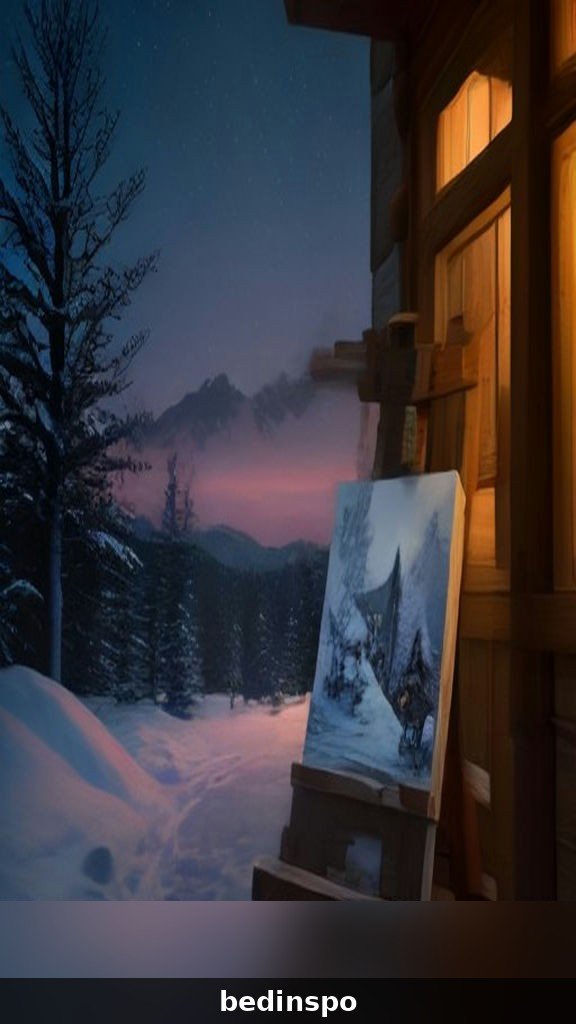
Everyone’s dream winter painting: a small log cabin with a smoking chimney, one or two windows glowing amber, deep snow on the roof, and pines standing guard in the blue dusk. Build it from rectangles and triangles — the glow does all the emotional work.
The trick is contrast: keep the scene in cool blues and whites so the warm yellow windows shine like a promise. A path of trampled snow (pale blue-gray strokes) leading to the door makes viewers feel invited. This one deserves a spot by your own front door all winter.
Keep your cabin small in the frame — a little house in a big snowy world feels cozier than a big house filling the canvas. The emptiness around it is not wasted space; it’s the quiet of the woods, and it’s what makes the lit window feel like the warmest place on earth. Negative space is doing real work here, so resist the urge to fill every corner.
3. A Cardinal on a Snowy Branch
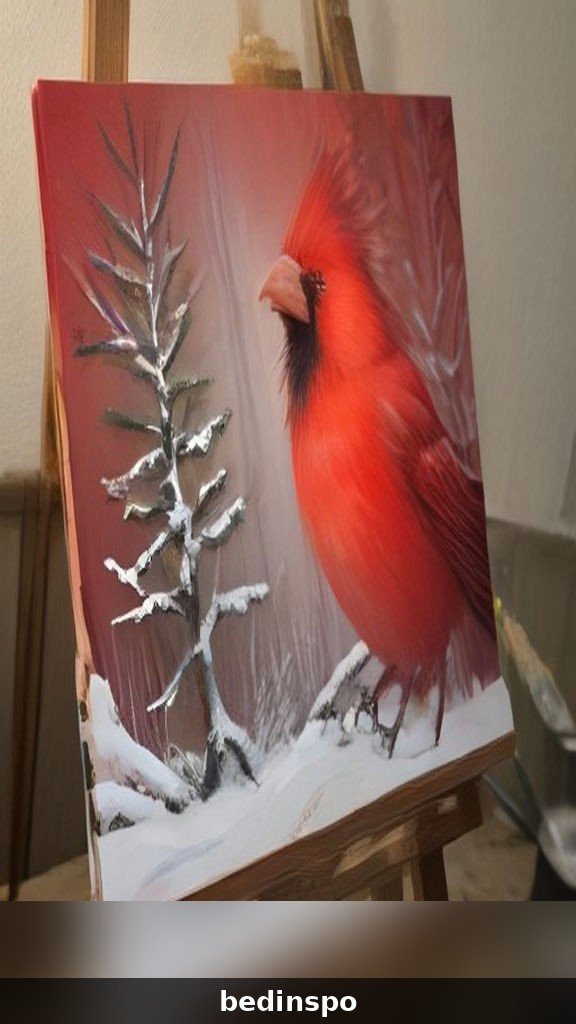
A brilliant red cardinal against white snow and soft gray branches is one of nature’s boldest color combinations, and it’s wonderfully paintable. Block in a blurred background of pale blue and white, draw a diagonal branch, then place your simple bird shape in pure, joyful red.
Cardinals are forgiving subjects — a rounded body, a crest triangle, a tail — and the red does the showing off. Add snow dots on the branch and a few soft berries if you like. This painting makes a heartfelt handmade gift for any bird lover on your list.
4. Northern Lights over a Lake
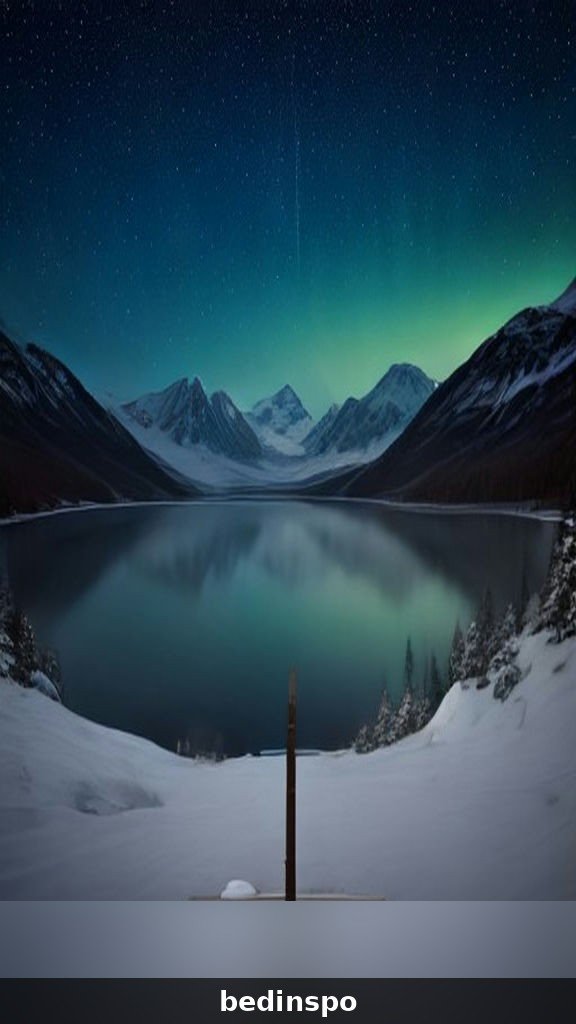
The aurora looks like magic and paints like a dream: a near-black sky, ribbons of green, teal, and purple dragged softly downward with a dry brush, and a mirror of the colors smudged into a dark lake below. Finish with a silhouette shoreline of black pines.
Stars are white dots of varying sizes — a few bright, many faint. The blending is the whole painting, so work wet-into-wet and don’t fuss; the northern lights are supposed to look like they’re moving. Dramatic, meditative, and almost impossible to do wrong.
If the ribbons look too neat, soften them with a fingertip or a dry brush dragged sideways while the paint is still wet — the aurora should feel like silk moving, not stripes. A faint reflection of one bright star cluster in the lake doubles the wonder for almost no extra work. This is the painting friends will photograph off your wall.
5. A Cheerful Snowman Portrait
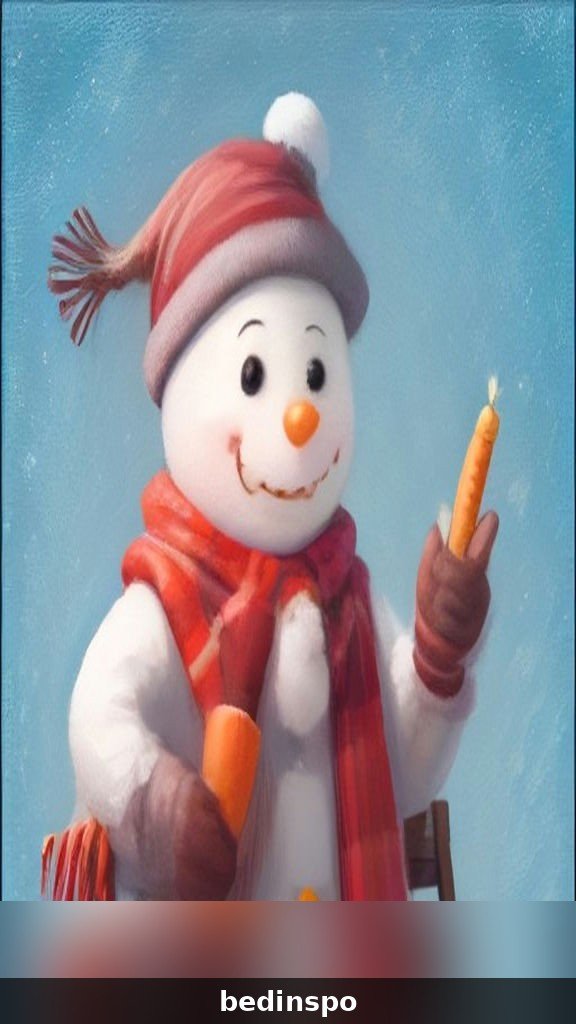
Three circles, a carrot triangle, two stick arms, and a plaid scarf — the snowman is pure shapes, pure joy, and the friendliest painting on this list for kids and total beginners. Give him a big personality: rosy cheeks, a crooked smile, snow falling all around.
Paint him big, filling the canvas like a portrait. A twilight-blue background makes the white snowman pop, and the scarf is your chance to use your favorite colors. This is the painting to do as a group on a snow day — a whole gallery of lopsided snowmen, each perfectly imperfect.
6. Winter Birch Trees
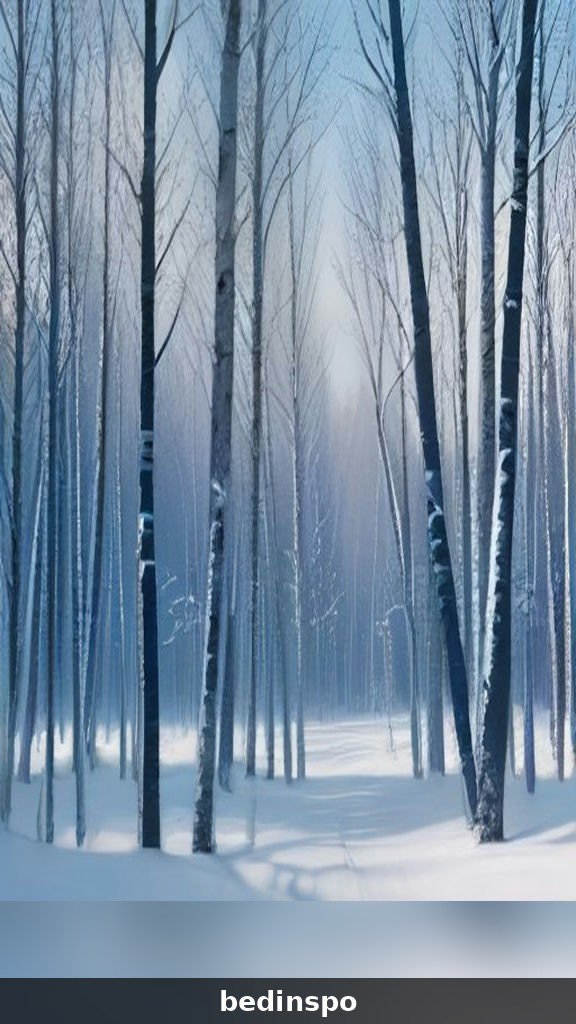
White birch trunks against a moody gray-blue forest is an elegant, modern painting that beginners nail constantly. Paint the background in loose vertical strokes of gray, blue, and lavender, let it dry, then pull tall white trunks down the canvas and mark them with short black dashes.
Add soft shadows of pale blue across a snowy foreground and a few distant dark trunks for depth. The palette is limited, the shapes are simple, and the result looks like something from a gallery wall. This is your confidence-builder before tackling bigger scenes.
7. A Red Barn in the Snow
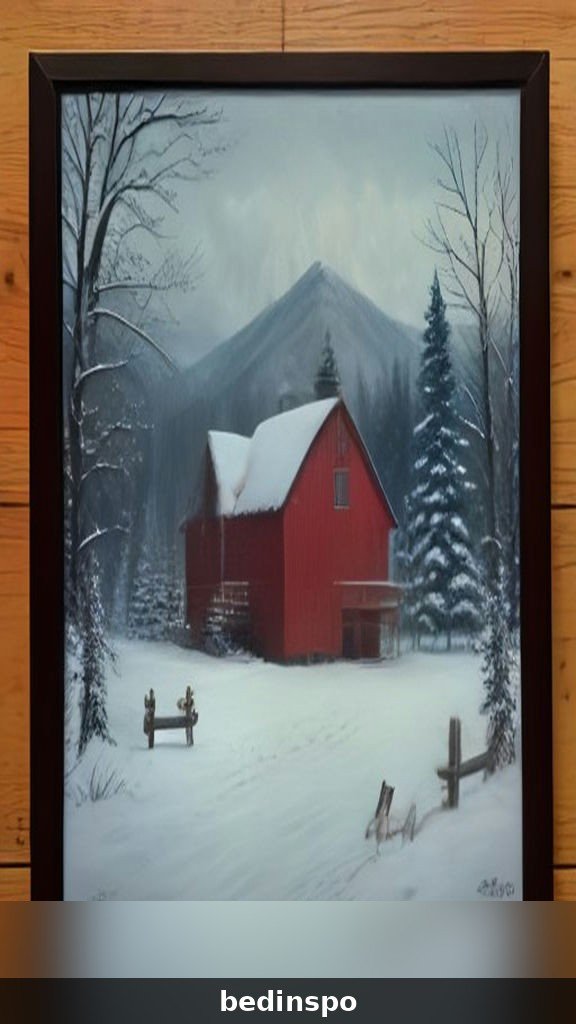
Folk-art charm in three big shapes: a red barn, a white field, a fence line wandering to the horizon. The red-against-white contrast does the heavy lifting, and slight wobbliness in the barn’s lines only adds to the handmade charm.
Add a wreath on the barn door for the holiday version, smoke-gray sky, and a few pine trees to close the scene. This painting pairs beautifully with farmhouse decor, and it’s a lovely one to paint on a wood slice or small board as a gift or ornament-season decoration.
8. A Frozen Lake at Sunset
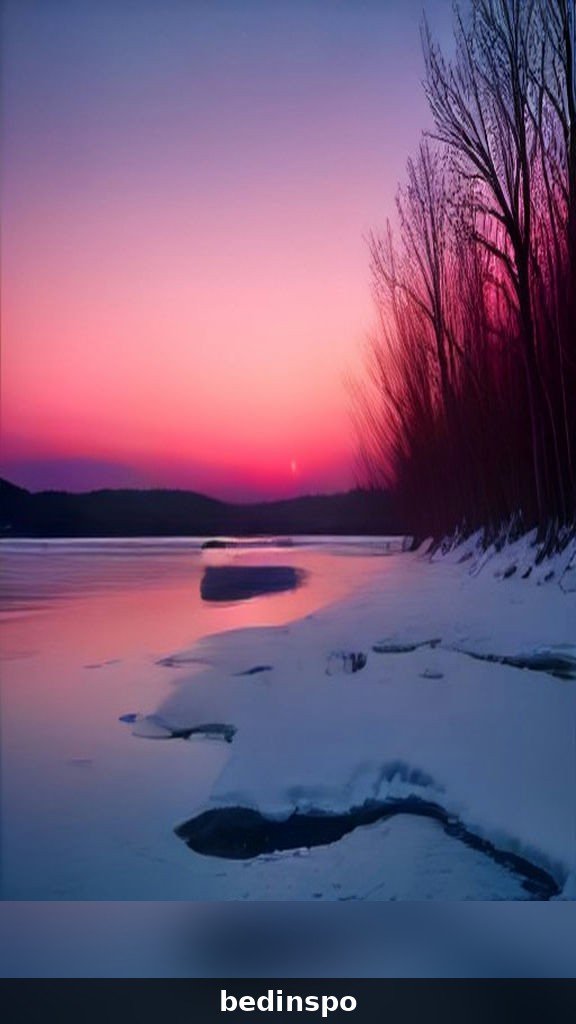
Winter sunsets are the sky showing off: bands of coral, pink, gold, and violet over a sheet of ice that mirrors them back. Paint the sky in horizontal bands, blend the edges, then flip the canvas colors into the lower half with horizontal strokes for icy reflections.
A dark tree line and one tiny silhouette — a skater, a cabin, a deer — gives the vast scene a heartbeat. This painting is really about color courage: trust the pinks and oranges even when they feel too bright in the middle. They settle into magic by the end.
9. A Snowy Village Street
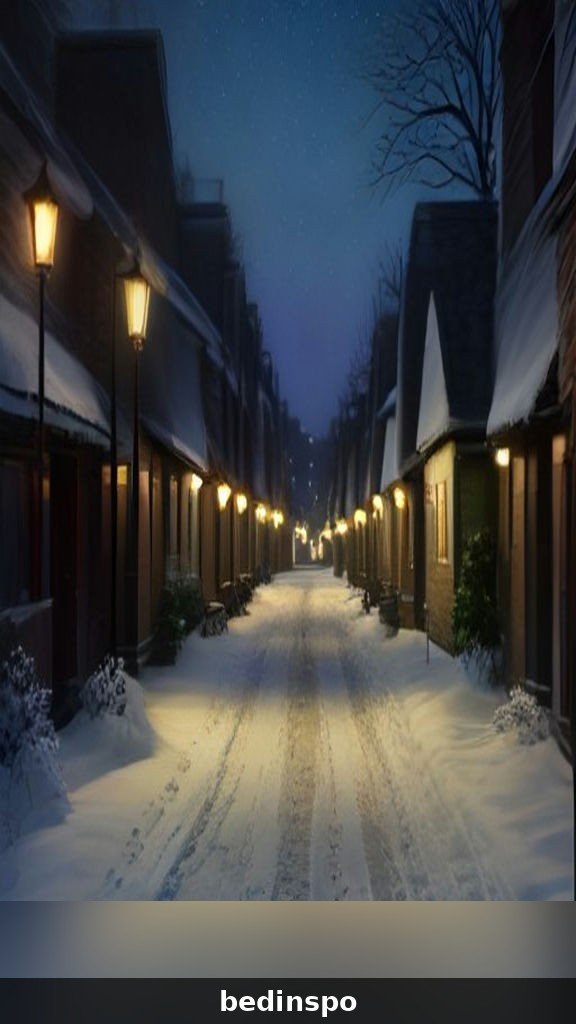
A row of cottages at twilight with glowing windows and lamp posts haloed in the snow — this painting tells a whole story. Simplify the houses to rectangles with triangle roofs, warm the windows amber, and let falling snow soften everything into storybook quiet.
Work from a blue-hour palette: indigo sky, violet shadows, golden light. A curving street of pale blue-gray leads the eye through the scene. It’s the most detailed painting on this list, but it’s still just shapes and glow — take it one cottage at a time and enjoy the coziness of building a tiny town.
A unifying trick for scenes with many elements: once everything is dry, drag a very thin glaze of your sky color (well-watered blue) over the whole painting, avoiding the windows. Artists call this a unifying wash — it pulls every shape into the same evening light and makes a beginner painting look mysteriously professional in about ninety seconds.
10. A Mug of Cocoa Still Life
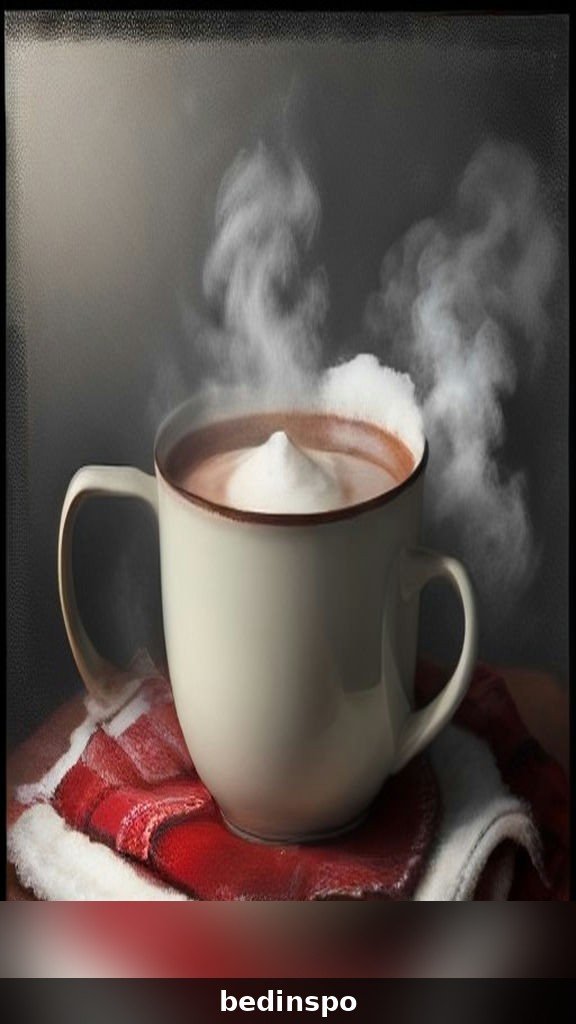
Not every winter painting needs a landscape. Set a mug of cocoa with marshmallows on a plaid blanket beside a candle or a stack of books, and paint what you see: the coziest still life there is, and excellent practice for painting round objects and soft shadows.
Limit yourself to warm browns, creams, and one accent color (the mug is a perfect place for red). Steam is a few soft white swirls with a nearly-dry brush. When you’re done, drink the model. Art that ends in cocoa is art done right.
11. Snowy Mountain Peaks
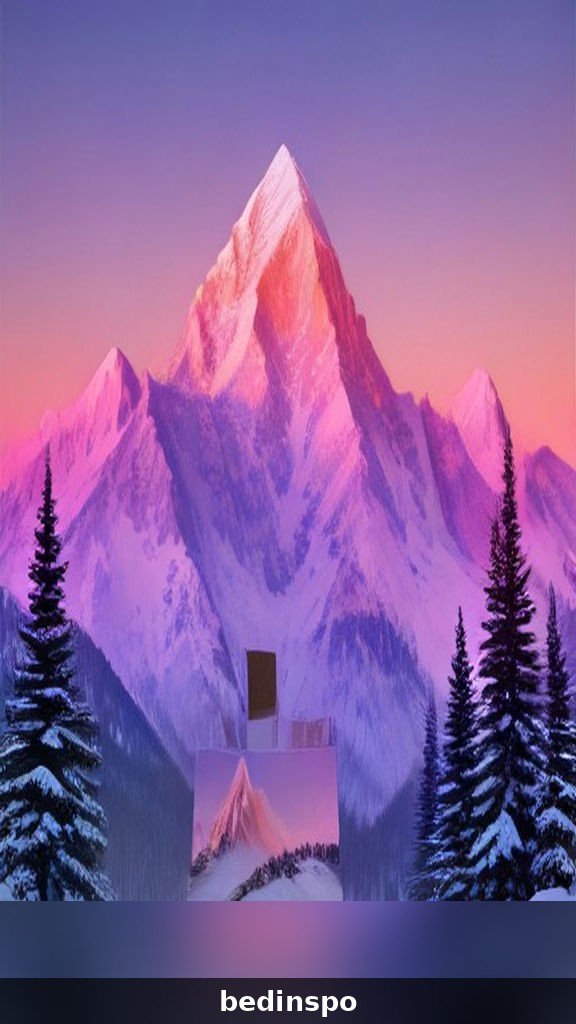
Mountains are triangles with attitude. Layer three ridges from pale distant blue to deep foreground slate, drag white down the sunlit sides to form snowfields, and touch the highest peaks with pink — alpenglow, the brief blush mountains wear at sunrise and sunset.
A simple sky gradient and a few pine silhouettes in the valley finish it. Mountain paintings teach atmospheric perspective better than any lesson: each layer lighter and bluer than the one in front. Bold, graphic, and deeply satisfying for beginners who like strong shapes.
12. A Fox in the Snow
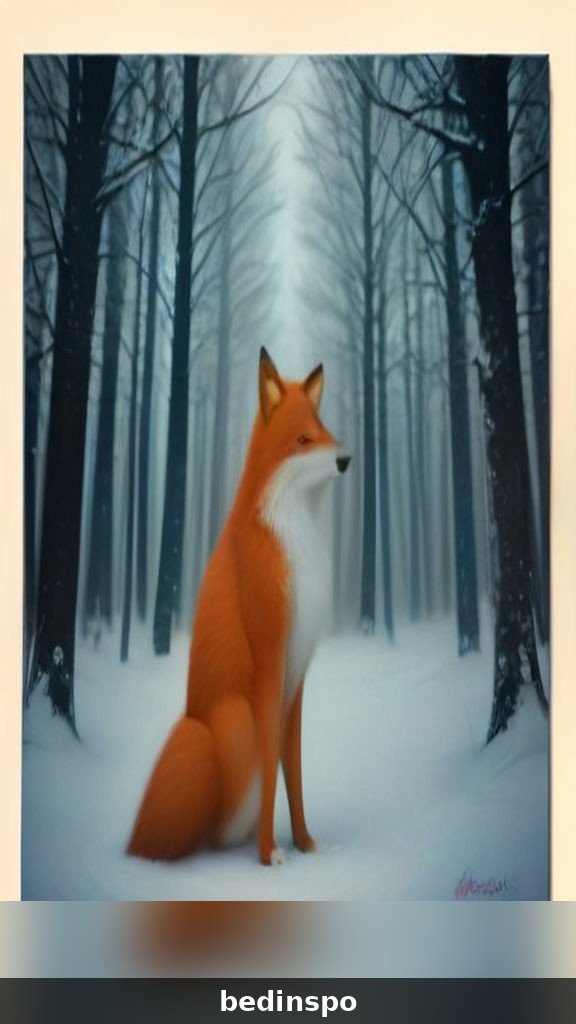
An orange fox in a white world is the cardinal’s cousin — one vivid animal shape against the quiet. Paint a soft snowy forest background first, then the fox: a curving orange body, white chest and tail tip, black ear tips and legs, and one alert, listening pose.
Foxes read clearly even in simple shapes because the color pattern is so distinctive. Keep the background pale and blurry so your fox owns the canvas. This is a wonderful painting for a child’s room or a winter gift — everyone loves the fox.
13. Ice Skaters on a Pond
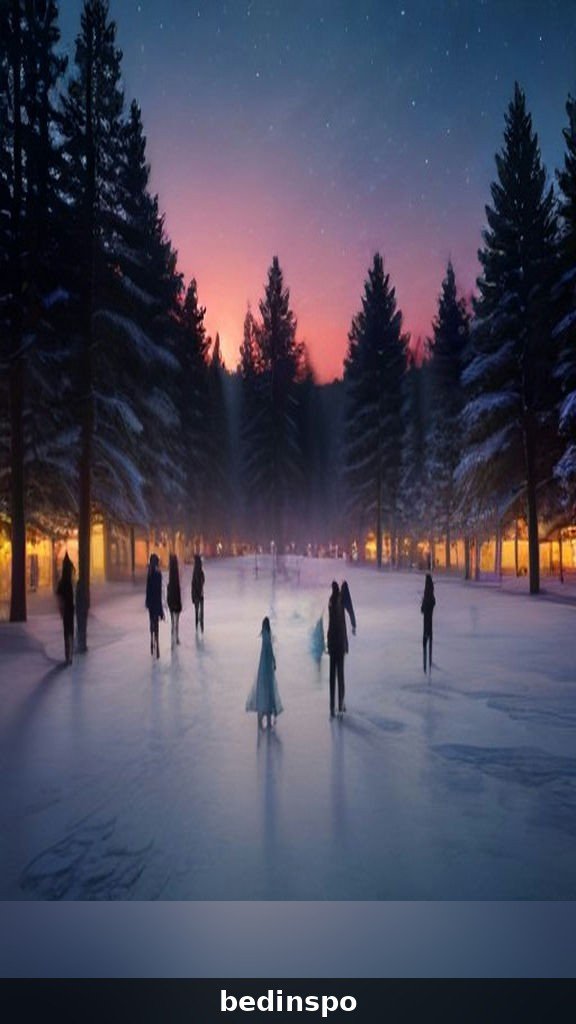
Channel vintage winter postcards: a pale oval pond, tiny skaters in colorful coats suggested with a few joyful strokes, pine trees around the edge, and string lights or a low sun warming the scene. The figures can be simple — winter clothing hides all anatomy sins.
Movement is the charm here: a leaning skater, arms out, a scarf trailing. Paint the ice with horizontal strokes of white, pale blue, and a hint of pink from the sky. This one glows with nostalgia and makes a beautiful handmade holiday card image.
14. A Winter Window with Candles
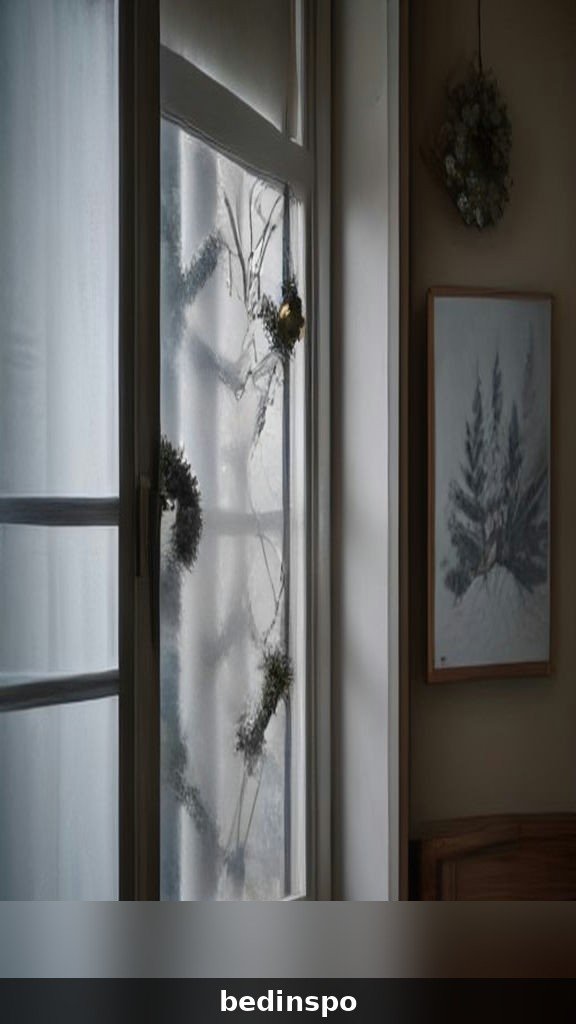
Paint the view from inside: a frosted window frame, candles and an evergreen wreath on the sill, and beyond the glass a soft blur of snow and twilight. The frost is made by sponging white at the corners and edges, leaving the middle clear for the winter world.
This painting is all about the cozy-inside versus cold-outside contrast — warm candle glow against blue dusk. It’s forgiving (frost hides a multitude of brushstrokes) and it makes a genuinely lovely piece to hang near your own favorite window all season.
15. Abstract Snowfall
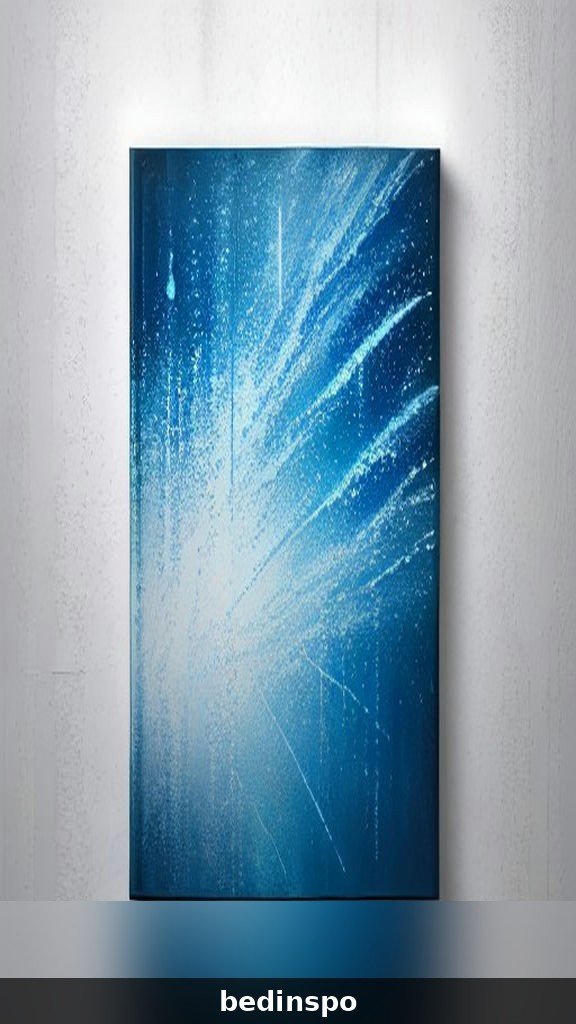
End with play: a deep indigo canvas, layers of white, silver, and pale blue dots and dabs applied with brushes, cotton swabs, palette knives, and fingertips until the surface feels like a snowstorm you can touch. No drawing required — texture is the subject.
Abstract snowfall is the most relaxing painting on this list and a great way to use leftover paint from the other fourteen. Vary the dot sizes, cluster them like drifting flakes, and add a touch of metallic silver for sparkle. Hang two or three together as a set and call yourself a series artist — because you are one now.
Abstract work is also where you learn your own taste: notice whether you reach for more silver or more indigo, bigger flakes or finer ones. That preference is the beginning of a personal style, and it will follow you into every landscape you paint afterward. Keep this canvas somewhere visible — it’s the permission slip for all future experiments.
Beginner Supplies You Actually Need
Resist the giant art kit. You need: a few small canvases or canvas boards (8×10 or 11×14 are friendly sizes), acrylic paint in ultramarine blue, crimson or bright red, yellow ochre or medium yellow, burnt umber, black, and a big tube of white (winter eats white paint), three brushes (a flat, a round, and a small detail brush), a palette or paper plate, two jars of water, and paper towels. That’s genuinely it. Buy better white paint instead of more colors — mixing is the skill that makes every other painting on this list possible.
Simple Techniques That Make Winter Scenes Glow
Four tricks power nearly every painting here. First, gradients: blend sky colors wet-into-wet in horizontal bands for instant atmosphere. Second, save your warmest color for the smallest, brightest spot — a window, a candle, a cardinal — and it will glow against winter’s cool blues. Third, snow is never pure white: shadow it with pale blue, lavender, and gray, and keep the brightest white for sunlit tops. Fourth, add falling snow last, in layers of dots — big soft ones far away, small sharp ones close. Master these four and you can paint any winter scene you can imagine.
Turn Your Paintings into a Winter Gallery (and Gifts)
Fifteen paintings deserve better than a drawer. The simplest gallery: a picture ledge or a row of clipboards on one wall, paintings rotated as you finish new ones. Small canvases look intentional grouped tightly with an inch or two between them, and a winter gallery in a hallway or above a desk turns your practice into the season’s best decoration.
They also make remarkable gifts — a cardinal for the bird lover, a cabin for the friend who just moved somewhere snowy, a snowman painted with a child for the grandparents. Photograph your favorites for next year’s holiday cards before you give the originals away. Nothing about a handmade painting says “I thought about you” quite as clearly, and winter gives you both the scenes and the indoor hours to make them.
Frequently Asked Questions
What is the easiest winter painting for a complete beginner?
The snowy pine forest and abstract snowfall are the friendliest starts — both rely on simple shapes, blending, and dots rather than drawing. The snowman portrait is the best choice for painting with kids, since every version comes out charming.
Is acrylic or watercolor better for winter scenes?
Acrylic is easier for beginners painting winter: white goes on opaquely over dark colors (essential for snow), mistakes can be painted over when dry, and canvas boards are cheap. Watercolor makes beautiful soft snow scenes too, but requires saving your whites in advance.
How do I make snow look realistic instead of flat white?
Paint snow in layers of color: pale blue and lavender for shadows, soft gray for overcast areas, and reserve pure white only for the brightest highlights and falling flakes. Snow reflects the sky, so a sunset scene should have pink in its snow — that’s the secret.
How long does each painting take, and what size canvas is best?
Most of these take one to two relaxed hours, including drying pauses between layers. Start with 8×10 or 11×14 inch canvases or canvas boards — big enough for bold shapes, small enough to finish in one sitting, which is where the satisfaction lives.
Conclusion
Fifteen scenes, one cozy season, and a brand-new way to enjoy both. Pick your favorite, forgive your wobbly lines, and remember that every painter you admire once painted a lopsided snowman too. Hang your winter gallery somewhere you’ll see it daily — proof that this year, you made something beautiful with the coldest, darkest days. Happy painting!