Lasagna Soup Recipe: The Best Easy One-Pot Dinner
Lasagna Soup Recipe: The Best Easy One-Pot Dinner

If you love lasagna but do not love the layering, the waiting, and the mountain of dishes, this lasagna soup recipe is about to become your new favorite dinner. It takes everything you love about a classic lasagna — the rich tomato sauce, the savory meat, the tender noodles, and that glorious melty cheese topping — and turns it into a cozy, slurpable soup that cooks in one pot in about 30 minutes. No assembly, no water bath, no waiting an hour for it to bake. Just a big, steaming bowl of pure comfort.
Below you will find the classic version plus 14 more ways to make it your own: slow cooker and Instant Pot versions, a vegetarian twist, a one-pot weeknight shortcut, a freezer-friendly batch for meal prep, and all the tips for storing, reheating, and serving it like a pro. Whether it is your first time making lasagna soup or your fiftieth, there is a version here that fits your schedule and your crowd. Grab a ladle — dinner is about to get delicious.
1. The Classic Easy Lasagna Soup
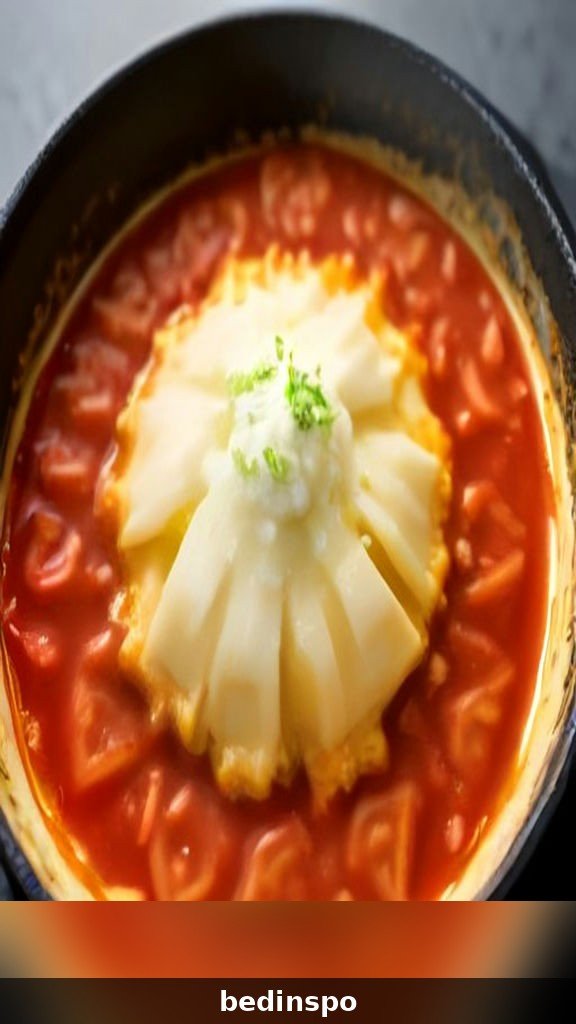
This is the one that started it all: the classic stovetop lasagna soup recipe that tastes exactly like the baked dish, only faster and easier. It begins with browning ground beef or Italian sausage in a big pot, then sautéing onions, bell peppers, and garlic in the same pot so nothing goes to waste. Crushed tomatoes, tomato sauce, and rich beef broth create the base, a generous spoonful of Italian seasoning brings the familiar flavor, and broken lasagna noodles cook right in the soup until tender. A swirl of ricotta, a shower of mozzarella, and a sprinkle of parmesan finish every bowl.
The magic of this version is its balance. The noodles absorb just enough of the broth to taste like the pasta layers of a baked lasagna, while the soup stays brothy enough to spoon up. Serve it the night you make it for the best texture, and top each bowl at the table so the cheese stays creamy and melty instead of dissolving into the pot. Once you taste this, you will wonder why you ever spent an hour layering.
2. Why It Tastes Like Real Lasagna
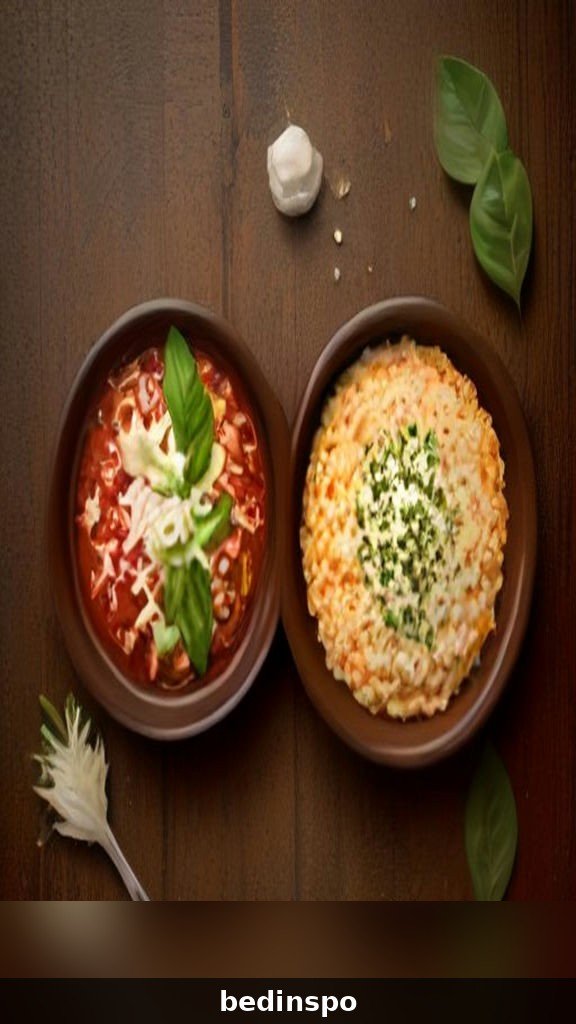
Skeptics always ask: does it really taste like lasagna? The answer is yes — because a lasagna soup recipe uses the exact same flavor building blocks as the baked classic. You have the same savory meat, the same tomato sauce seasoned with Italian herbs, the same tender pasta, and the same creamy ricotta and mozzarella finish. The difference is geometry, not flavor. Instead of stacked layers, everything mingles in the bowl, so every spoonful delivers a little of everything.
The secret is in the seasoning. Use a real Italian seasoning blend with oregano, basil, and thyme, and do not skip the garlic — four cloves at minimum. A pinch of red pepper flakes adds the gentle warmth you expect from a good sauce, and a parmesan rind simmered in the pot (if you have one) adds a depth that tastes like it cooked all day. Finish with fresh basil and you have captured the soul of lasagna in a soup pot.
3. The Three-Cheese Topping That Makes It
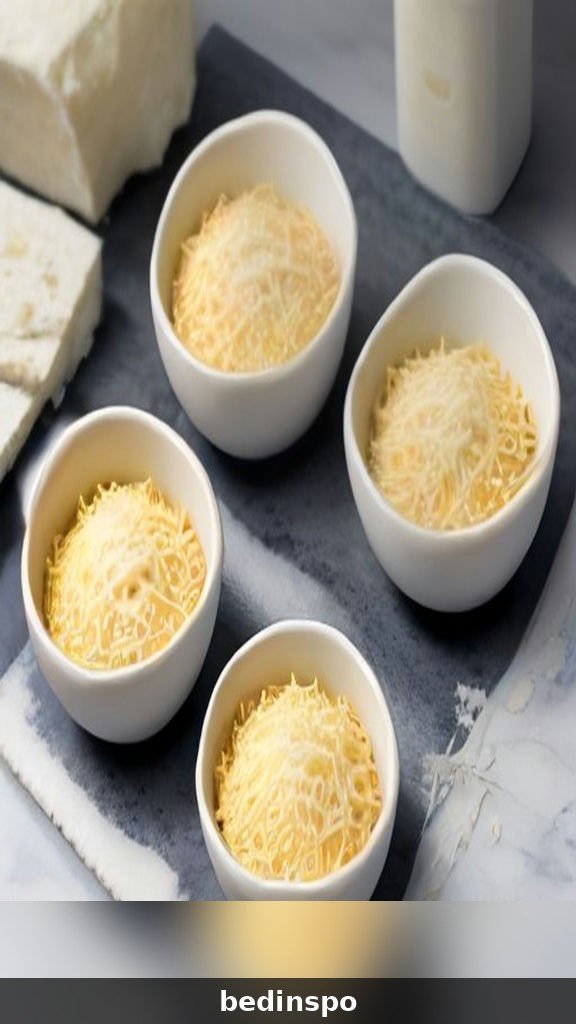
Here is the part nobody should skip: the cheese topping. A lasagna soup recipe without its cheesy finish is just a meat-and-tomato soup, and the whole point is that glorious, melty, creamy crown on top. The classic trio is ricotta for creaminess, shredded mozzarella for that stretchy pull, and grated parmesan for salty depth. Stir them together in a small bowl with a pinch of salt, a crack of black pepper, and maybe a little lemon zest to brighten it up.
Always add the cheese mixture to individual bowls, never to the whole pot. Stirring cheese into the simmering pot makes it seize and disappear, while a cool dollop on a hot bowl melts slowly into creamy ribbons. For an extra-special touch, broil the filled bowls for a minute or two until the cheese bubbles and browns at the edges — just make sure your bowls are broiler-safe. That golden, bubbly top is what turns dinner into an event.
4. Browning the Meat the Right Way

Great lasagna soup starts with well-browned meat, and this step is worth doing properly. Use a heavy pot or Dutch oven over medium-high heat, add the ground beef or Italian sausage, and break it into small crumbles. Then — and this is the key — let it sit undisturbed for a few minutes so it actually browns instead of steaming. That deep brown crust, called the Maillard reaction, is where the savory, almost caramelized flavor comes from, and it is the foundation of the whole soup.
Choose your meat to match your mood. Sweet or hot Italian sausage brings built-in seasoning and a little fennel sweetness that screams lasagna. Ground beef is the classic, budget-friendly choice. Ground turkey works beautifully for a lighter version — just add an extra splash of olive oil and a bit more seasoning since it is leaner. Drain off excess fat if there is more than a tablespoon or two, but leave the browned bits stuck to the pot; they will melt into the broth and make it taste richer.
5. Sautéing the Aromatics
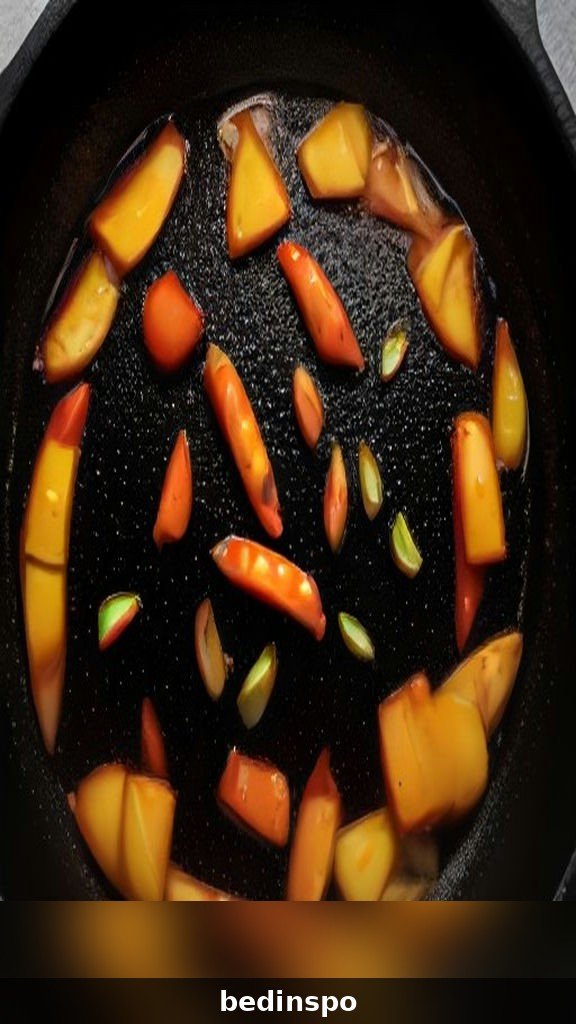
After the meat comes the aromatic trio: onion, bell pepper, and garlic. Push the browned meat to the sides of the pot, add a drizzle of olive oil if the pot looks dry, and toss in a diced yellow onion and a diced bell pepper. Cook them for about five minutes, stirring occasionally, until they soften and the onion turns translucent with golden edges. Then stir in the minced garlic and cook just one more minute — garlic burns quickly, and bitter garlic can ruin a whole pot.
This step is where the soup starts smelling like an Italian restaurant. The sweetness of the softened onion and pepper balances the acidity of the tomatoes that come next, and the garlic adds the savory punch that makes the broth taste complete. If you like a little heat, add the red pepper flakes here so they bloom in the oil. Some cooks also add a diced carrot or celery for extra sweetness and body — a classic soffritto touch that works wonderfully in this soup.
6. Building the Rich Tomato Base
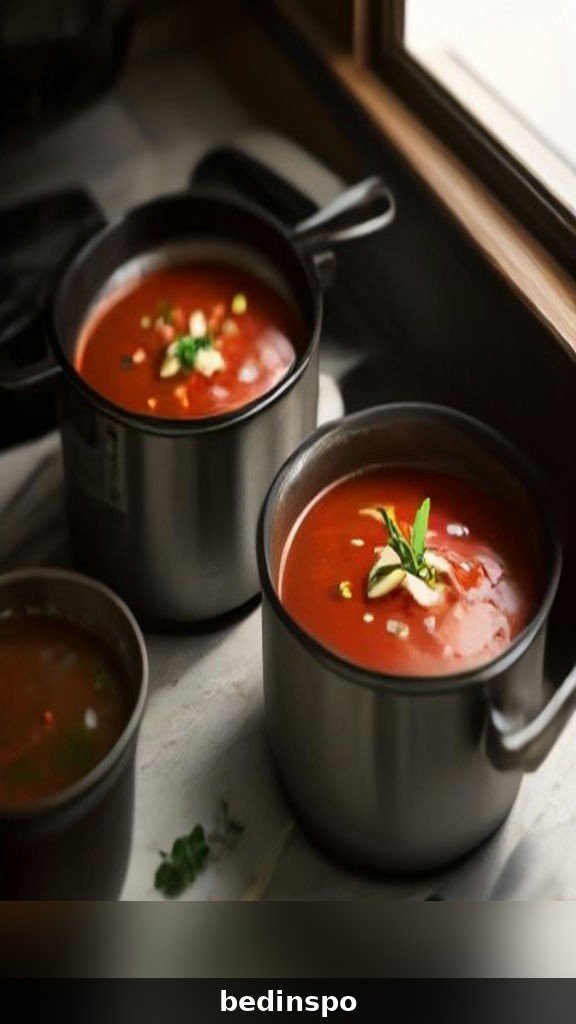
Now comes the soul of the soup: the tomato base. Stir in a can of crushed tomatoes, a can of tomato sauce, and a couple of tablespoons of tomato paste. The paste is important — it is concentrated tomato flavor, and letting it toast in the pot for a minute before the broth goes in deepens everything. Then pour in the beef broth, add your Italian seasoning, a bay leaf, salt, and pepper, and bring it all to a gentle simmer.
Let the base simmer for about ten minutes before the pasta goes in. This short rest lets the flavors marry and gives the broth a chance to thicken slightly. Taste it now and adjust: too acidic? A pinch of sugar or a splash of cream smooths it out. Too flat? More salt and another clove of garlic, minced fine. The base should taste like a really good spaghetti sauce — because that is exactly what it is about to become, just in soup form.
7. Cooking the Pasta Right in the Soup
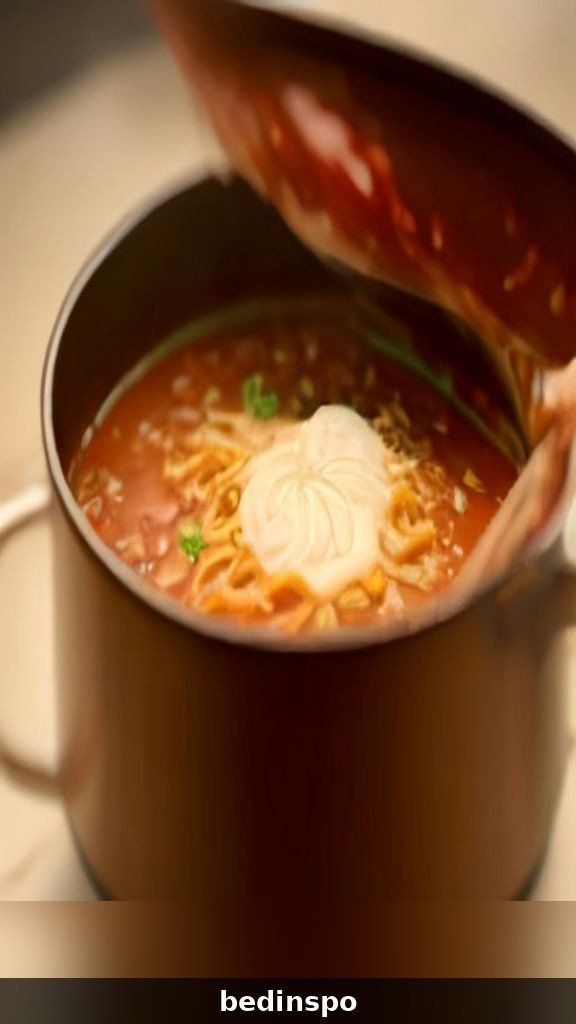
Here is the genius of the one-pot method: the lasagna noodles cook directly in the broth. Break a pound of lasagna noodles into bite-size pieces — roughly two-inch shards — and stir them into the simmering soup. They will soften and release their starch into the broth, which thickens the soup slightly and gives it that silky, almost creamy body. Stir occasionally so the pieces do not stick together, and cook until just al dente, about 10 to 12 minutes.
A word of warning for meal preppers: pasta keeps absorbing liquid as it sits, so leftovers will be thicker the next day. If you plan to store the soup, either cook the noodles separately and add them to each bowl, or add an extra cup of broth when reheating. And if you are out of lasagna noodles, any short pasta works — penne, rotini, or mafalda all make a delicious stand-in, though the broken lasagna sheets really do look the part.
8. Slow Cooker Lasagna Soup
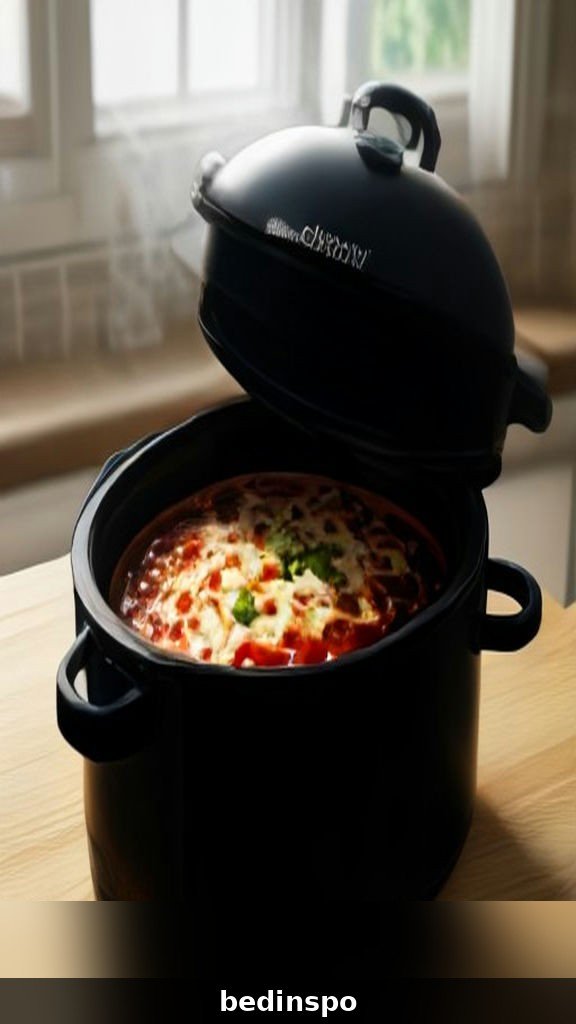
On busy days, let the slow cooker do the work. Brown the meat and sauté the aromatics on the stovetop first (ten minutes that pay off in flavor), then transfer everything to the slow cooker with the tomatoes, tomato paste, broth, and seasonings. Cook on low for 4 to 6 hours or on high for 2 to 3 hours. Add the broken lasagna noodles during the last 30 to 45 minutes so they cook through without turning to mush.
The slow cooker version has a deeper, more melded flavor than the quick stovetop one — the long, gentle simmer coaxes every bit of flavor out of the tomatoes and herbs. It is perfect for Sundays, game days, or any time you want dinner waiting when you walk in the door. Just keep the cheese topping on the side as always, and stir in a splash of fresh broth if the soup thickened while it waited. Set it, forget it, and come home to a house that smells incredible.
9. Instant Pot Lasagna Soup
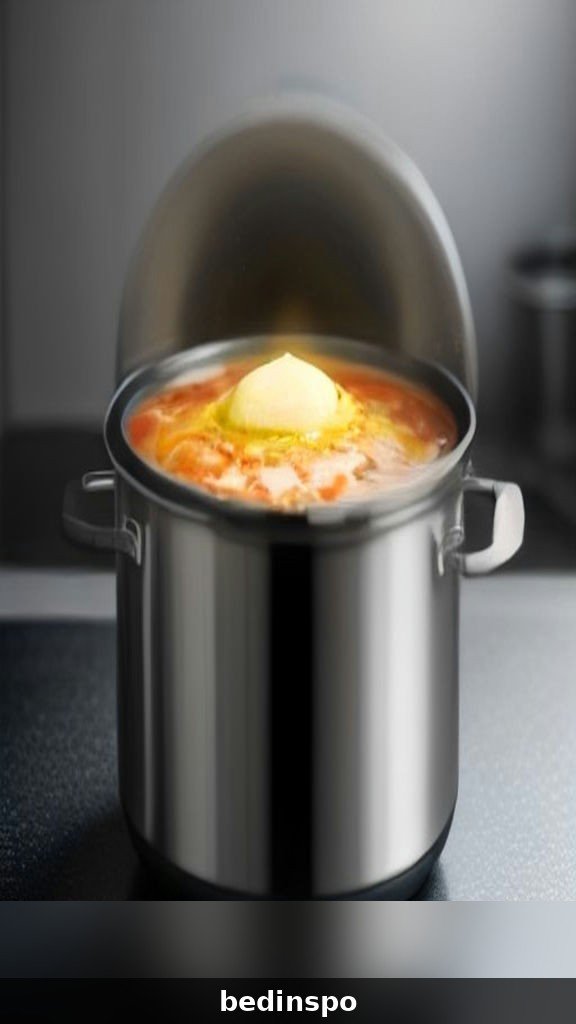
When dinner needs to happen fast, the Instant Pot turns this into a true 20-minute meal. Use the sauté function to brown the meat and soften the aromatics right in the pot, then add the tomatoes, tomato paste, broth, and seasonings. Add the broken noodles, seal the lid, and pressure cook on high for just 4 minutes, followed by a quick release. That is it — the pressure does in minutes what the stovetop does in half an hour.
The trick with the Instant Pot is liquid ratio: pressure cooking does not evaporate liquid, so the soup comes out a touch thinner than the stovetop version. If you like it thicker, simmer on sauté mode for a few minutes after releasing the pressure. Also, layer the ingredients with the tomatoes on top and do not stir before sealing — this prevents the dreaded burn notice. Fast, hands-off, and every bit as cozy as the original.
10. Vegetarian Lasagna Soup
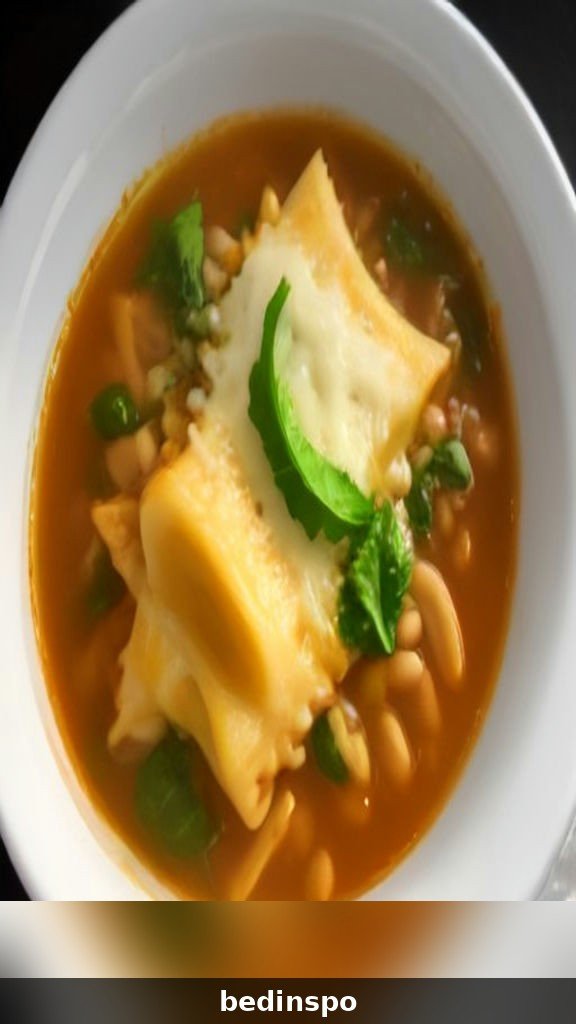
Skip the meat and this soup is every bit as satisfying. Start by sautéing the onions, peppers, and garlic in olive oil, then add sliced mushrooms, diced zucchini, and a handful of baby spinach or kale. The mushrooms bring the meaty, savory depth you need, especially if you let them brown well before the tomatoes go in. Use vegetable broth instead of beef broth, and consider adding a can of white beans or lentils for protein and heartiness.
The cheese topping becomes even more important in the vegetarian version — it adds the richness and protein that carry the bowl. A ricotta-mozzarella-parmesan dollop is classic, but a swirl of pesto on top is a revelation here, adding herby brightness that plays beautifully against the sweet tomatoes. Even devoted meat-eaters will go back for seconds, and nobody will miss the sausage. It is proof that a great lasagna soup recipe is about the layers of flavor, not the meat.
11. One-Pot Weeknight Version
Some nights you need dinner in 25 minutes with zero fuss, and this streamlined version delivers. Use hot Italian sausage instead of beef so the seasoning is built in, skip the bell pepper, and use jarred marinara sauce as a shortcut for the tomato base. Brown the sausage, stir in the marinara and broth, add the broken noodles, and simmer until tender. Top with a simple sprinkle of mozzarella and parmesan — no ricotta mixture required on a busy Tuesday.
This is the version for real life: five core ingredients plus pantry seasonings, one pot, one cutting board, done. It still tastes like lasagna, I promise — the marinara brings the seasoned tomato flavor, the sausage brings the savor, and the melted mozzarella on top brings the comfort. Keep the ingredients on hand and you will never wonder what is for dinner on a chaotic weeknight again.
12. Freezer-Friendly Lasagna Soup
Lasagna soup is a meal-prep dream, with one important rule: freeze the soup base without the pasta. Cook the soup through the tomato base stage, cool it completely, and freeze it in portion-size containers or freezer bags for up to three months. The base freezes beautifully — the flavors actually improve as they rest. When you are ready to eat, thaw overnight in the fridge, bring to a simmer, and add fresh broken noodles for the last 10 minutes.
Freezing with the pasta already in it leads to mushy, bloated noodles that soak up all the broth — still edible, but not the soup at its best. If you must freeze finished soup, slightly undercook the noodles and add extra broth when reheating. Label every container with the date and contents, lay freezer bags flat to save space, and you have homemade comfort food ready whenever life gets hectic. Future you will be very grateful.
13. Storing and Reheating Like a Pro
Leftover lasagna soup keeps wonderfully in the fridge for 3 to 4 days in an airtight container. As mentioned, the noodles will keep drinking up the broth, so expect a thicker soup on day two — this is normal and still delicious. When reheating, add a splash of broth or water and warm it gently on the stovetop, stirring occasionally, until it loosens back to soup consistency. The microwave works too; heat in one-minute bursts with a stir between each.
Always store the cheese topping separately in its own container, and add it fresh to each reheated bowl. Reheating the cheese in the soup makes it grainy and dull. If you want to refresh the flavor of day-two soup, a squeeze of lemon, a handful of fresh basil, or a drizzle of good olive oil wakes everything back up. Honestly, many families insist the leftovers taste even better than the first night — the flavors have had time to get to know each other.
14. The Perfect Sides to Serve With It
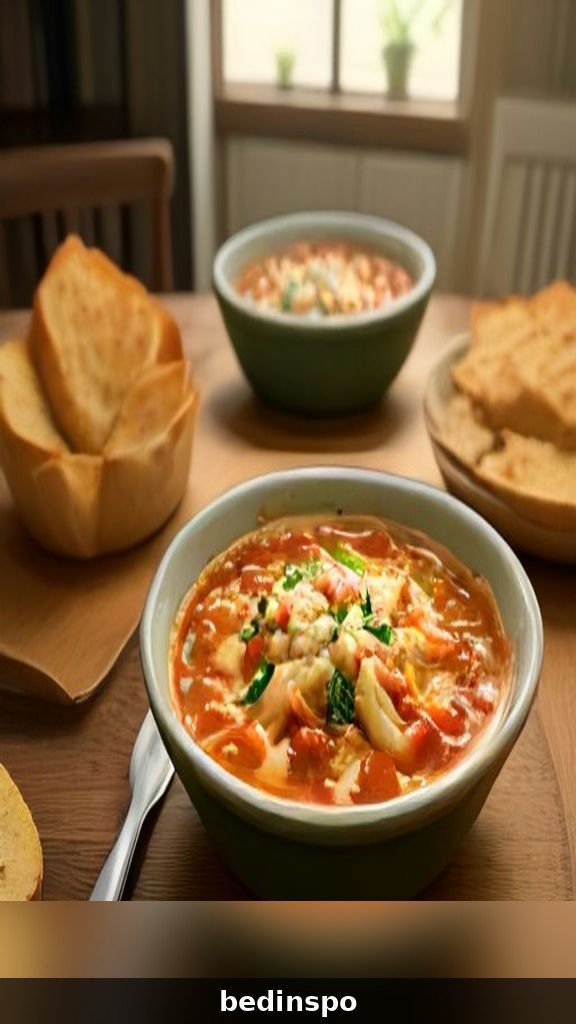
A bowl of lasagna soup is a meal on its own, but the right sides turn it into a feast. Garlic bread is non-negotiable — something crusty to drag through the cheesy broth is half the pleasure of this dinner. A simple green salad with a sharp vinaigrette cuts through the richness and adds a fresh crunch. And if you want to lean all the way in, a small antipasto spread of olives, roasted peppers, and cured meats makes it feel like a night at your favorite Italian spot.
For a lighter pairing, try roasted broccoli or a simple arugula salad with lemon and parmesan. For kids, buttered breadsticks are always a hit. And do not forget the drinks: a glass of Chianti or a sparkling Italian soda for the grown-ups, and fizzy lemonade for the little ones. Dinner is not just the soup — it is the whole cozy experience around it.
15. A Toppings Bar for a Crowd
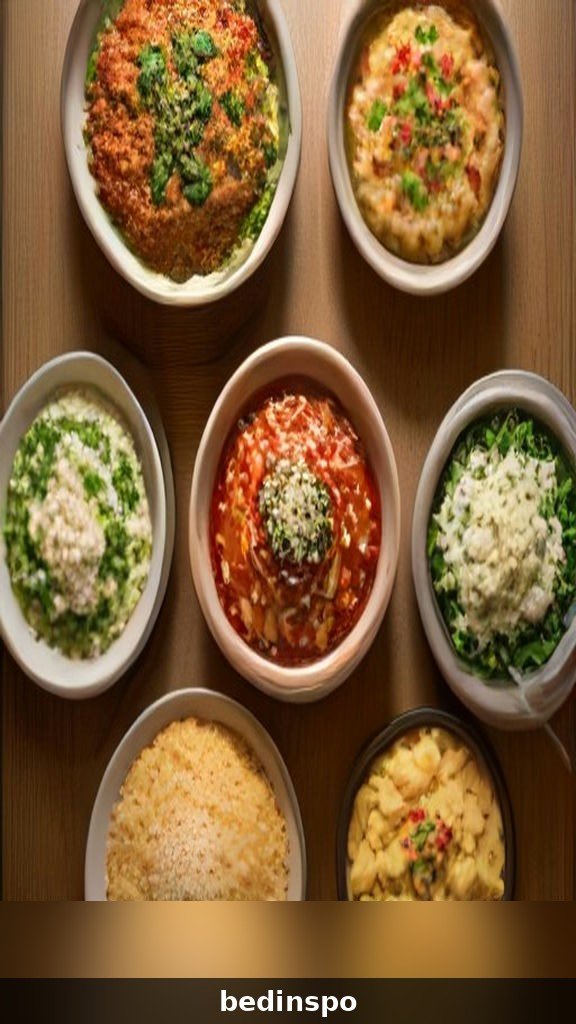
Hosting? Turn dinner into an event with a lasagna soup toppings bar. Set out the big pot of soup and surround it with small bowls of the classics: the ricotta-mozzarella-parmesan mixture, extra shredded mozzarella, grated parmesan, fresh basil leaves, red pepper flakes, a drizzle of pesto, and maybe some crispy garlic breadcrumbs for crunch. Everyone builds their own perfect bowl, and the table looks like a party.
This is brilliant for picky eaters and mixed crowds — kids can keep it simple with just mozzarella, while the adventurous pile on the pesto and pepper flakes. It is also a lifesaver for dietary needs: keep the soup itself vegetarian, offer sausage crumbles on the side, and everyone is happy. A toppings bar takes five extra minutes of prep and makes an ordinary weeknight dinner feel like a celebration. Your guests will talk about it for weeks.
Pro Tips for the Best Lasagna Soup
After making this soup more times than I can count, here are the tips that matter most. First, salt in layers — season the meat, season the aromatics, season the broth — so the final soup tastes seasoned all the way through instead of just salty on top. Second, do not overcook the noodles; pull them when they are just al dente because they keep cooking in the hot broth. Third, use a mix of crushed tomatoes and tomato sauce for the ideal texture — crushed alone is too chunky, sauce alone is too smooth.
Fourth, that parmesan rind trick is real: toss a leftover rind into the simmering pot and fish it out before serving for a restaurant-level depth of flavor. Fifth, finish every bowl with fresh basil and a drizzle of your best olive oil — it is a small thing that makes the soup taste bright and finished instead of flat. And finally, make a double batch. You will want the leftovers, and your future self will thank you.
Frequently Asked Questions
Can I use a different pasta instead of lasagna noodles?
Absolutely. Penne, rotini, ziti, mafalda, or even egg noodles all work in a lasagna soup recipe. Adjust the cooking time to the pasta you choose, and keep in mind that smaller shapes cook faster. Broken lasagna noodles are traditional and look the part, but the soup is forgiving — use whatever short pasta you have in the pantry.
How do I keep the noodles from getting mushy?
Cook the noodles until just al dente and serve the soup right away. For leftovers or meal prep, cook the noodles separately and add them to each bowl, or slightly undercook them in the soup. When reheating, add extra broth to loosen everything back up. The key is remembering that pasta keeps absorbing liquid long after the heat is off.
Can I make lasagna soup dairy-free?
Yes. Skip the cheese topping or replace it with a dairy-free ricotta and mozzarella alternative — the cashew-based ones melt surprisingly well. Stir a spoonful of nutritional yeast into the broth for a cheesy, savory depth, and finish with fresh basil and olive oil. The tomato-meat base is naturally dairy-free, so the soup itself needs no other changes.
Is lasagna soup spicy?
Not by default. The classic version is savory and herby rather than hot. If you like heat, add red pepper flakes with the aromatics or use hot Italian sausage instead of sweet. For a kid-friendly pot, leave the heat out entirely and put the red pepper flakes on the table so everyone can season their own bowl.
Conclusion
There you have it: the lasagna soup recipe that gives you all the cozy, cheesy, tomatoey comfort of the classic dish in a fraction of the time, plus fourteen more ways to make it your own. Whether you go classic stovetop, hands-off slow cooker, lightning-fast Instant Pot, meatless, or freezer-friendly, the result is the same — a big, steaming bowl that tastes like someone spent all day in the kitchen.
So tonight, skip the layering and the long bake. Brown the meat, simmer the sauce, break the noodles, and ladle it all into bowls with that glorious cheese topping. Dinner is served in about 30 minutes, the pot is the only dish that matters, and everyone at the table is about to be very, very happy. Buon appetito!