DIY Winter Wreath Ideas: 10 Easy, Beautiful Wreaths You Can Make This Weekend
DIY Winter Wreath Ideas: 10 Easy, Beautiful Wreaths You Can Make This Weekend
Store-bought wreaths are beautiful — right up until you flip over the price tag and see eighty dollars for something made of the same pine branches sitting in your yard. A handmade wreath is one of the most satisfying DIY projects of the season: it takes an hour or two, costs a fraction of the store version, and every time you come home, your front door greets you with something you made.
This guide gives you the complete foundation first — the bases, tools, and the simple layering method every wreath uses — and then 10 winter wreath designs to choose from: classic evergreen, snowy eucalyptus, rustic burlap, dried orange, frosted pinecone, red berry, a modern gold hoop, a cozy yarn wreath, a playful ornament wreath, and a nearly-free foraged twig wreath.
Most of these use mixed fresh and faux materials, so you can make them as cheap or as luxe as you like. Pick your favorite, put on a Christmas movie, and let’s build a wreath.
Wreath Basics: Bases, Tools, and Supplies

Every wreath starts with a base, and the base decides your method. A wire frame is best for fresh evergreen (you wire bundles directly onto it). A grapevine wreath is the most forgiving for beginners — you can tuck stems into the vines with no wire at all. A foam or straw form suits ornament and yarn wreaths (you’ll glue or wrap). A metal embroidery-style hoop is the minimalist option. The most common finished size for a front door is 22–24 inches.
Your tool kit is short: pruning shears or strong scissors, floral wire (22-gauge) or a hot glue gun, wire cutters, and ribbon for a bow and a hanging loop. Materials across most designs: fresh or faux greenery, pinecones, berries, and one “hero” accent. Buy greenery last and store it in a cool spot (even the fridge or an unheated garage) until wreath day so it stays fresh.
The Basic Method Every Wreath Follows

Whatever your design, the construction rhythm is the same. Step 1: Build the green base — work in one direction around the frame, layering small bundles of greenery so each new bundle covers the stems of the last, like shingles. Wire or glue each bundle before moving on. Step 2: Check the shape from a few steps back; fill any thin spots and trim anything sticking out at an odd angle.
Step 3: Add your mid-layer — pinecones, berries, or dried elements — in odd-numbered clusters (threes and fives) so the eye travels around the wreath. Step 4: Add the hero: a bow at the bottom center or lower-left “4 o’clock” position, or one large accent piece. Step 5: Attach a wire or ribbon hanging loop to the back of the frame — not to the greenery — and hang it up. That’s the whole craft; every design below is just a variation on these five steps.
1. Classic Evergreen and Pinecone Wreath

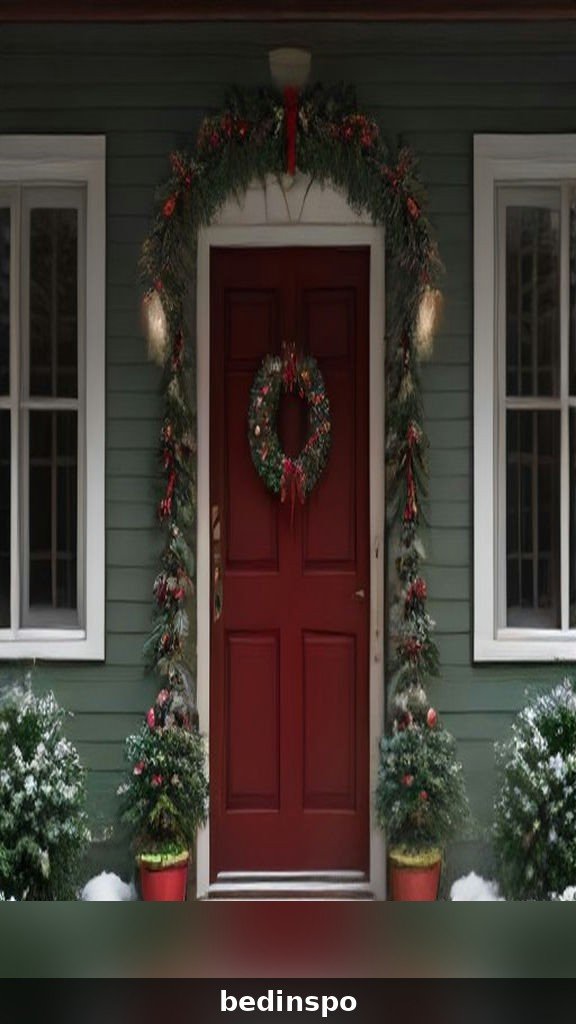
The timeless front-door wreath: a full base of mixed fresh evergreen (pine, fir, and cedar from tree lots or your own clippings), wired pinecones in clusters of three, and one generous red bow. If you make only one wreath in your life, make this one — it never goes out of style and it smells incredible every time the door opens.
Wiring pinecones is easy: wrap floral wire around the bottom scales of the cone, twist it into a pick, and push the pick into the wreath. Spray-paint a few cones gold if you want glamour, or leave them natural for the classic look. Fresh evergreen wreaths outdoors last 4–6 weeks in cold weather — the cold is their preservative.
2. Eucalyptus and White Berry Winter Wreath
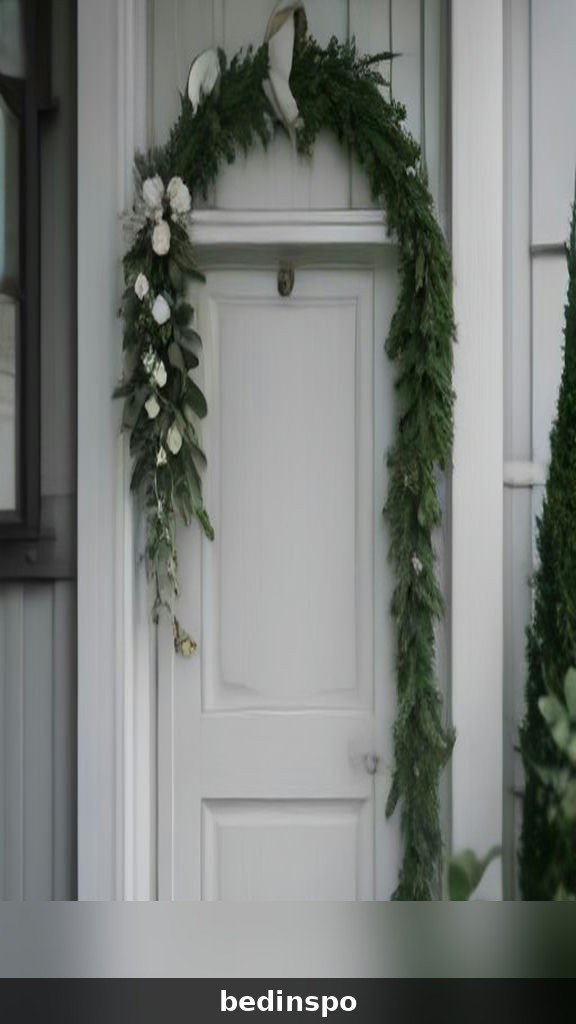
The Scandinavian favorite: silvery-green eucalyptus (faux stems work beautifully here and last for years) arranged loosely on a grapevine base, with white berries and a few white-painted pinecones tucked in. Leave some grapevine showing for that airy, organic feel — this design is about restraint.
This wreath transitions past Christmas better than any other on the list: it reads “winter” rather than “holiday,” so it can stay on the door through February. Hang it on a light-colored door or interior wall where the pale palette can breathe, and pair it with a simple cream ribbon or no bow at all.
3. Rustic Burlap and Plaid Bow Wreath

Farmhouse through and through: a grapevine or evergreen base wrapped with loops of natural burlap ribbon, finished with a big red-and-black plaid bow and a few sprigs of pine and red berries where the bow sits. It’s the coziest wreath on this list and one of the cheapest to make — burlap ribbon costs a few dollars a roll.
Make the bow the star: learn the simple layered-loop bow once (two loops per side, a center loop, and tails) and you’ll use it on every wreath and gift for the rest of your life. A small wooden sign or initial hanging in the center is a sweet optional extra for a cabin or country door.
4. Dried Orange and Cinnamon Wreath
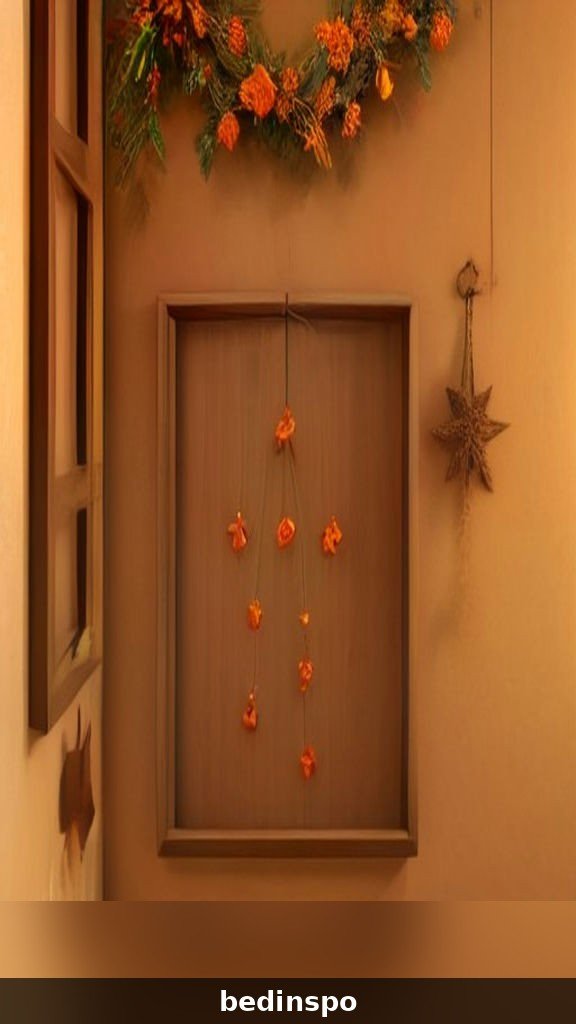
The wreath that smells as good as it looks: a greenery base studded with dried orange slices, bundles of cinnamon sticks tied with twine, and star anise. The translucent orange glows like stained glass when the sun hits it, and the whole thing perfumes a porch or kitchen with warm spice.
Dry your own orange slices (¼-inch slices, low oven around 200°F for 3–4 hours, flipping once) or buy them ready-made. Attach them with hot glue or wire picks. This design works beautifully indoors — over a kitchen window or on a pantry door — where its scent can be enjoyed and the dried fruit lasts longest away from rain.
5. Frosted Snowy Pinecone Wreath
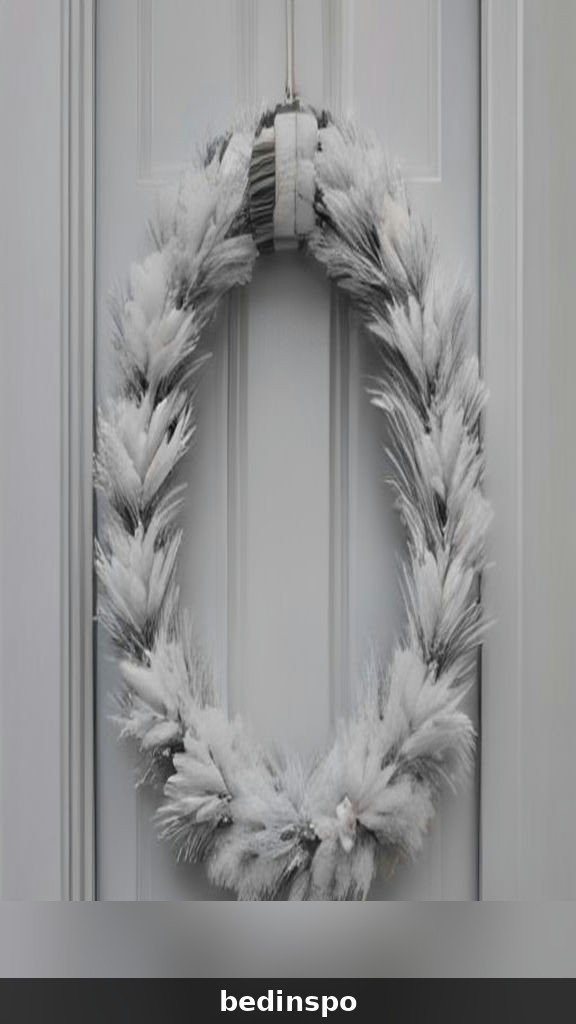
A winter wonderland built almost entirely from pinecones: collect or buy large pinecones, arrange them in two or three tight rings on a foam or grapevine base, then “frost” them — a dusting of white spray paint, a sprinkle of fake snow or Epsom salt while the paint is tacky, and a few silver berries or small white ornaments in the gaps.
Because it’s made of durable materials, this wreath can last for years with careful storage. It looks best on a dark door where the white pops, and it pairs with silver or icy-blue porch decor. No greenery means it’s also a great choice for anyone whose fresh wreath always seems to dry out by mid-December.
6. Red Berry and Holly Wreath

Bold, glossy, and unmistakably Christmas: a base of dark green holly leaves (real or high-quality faux) loaded with clusters of red berries. The red-on-green saturation is the whole point — don’t dilute it with too many extras. A narrow red velvet ribbon is all the finish it needs.
A word of practicality: real holly berries are toxic to pets and kids and drop quickly indoors, so most people build this design with faux berries on real or faux holly — done well, nobody can tell. If you do use real holly, keep the wreath outdoors, hang it high, and refresh the sprigs weekly from the garden.
7. Minimalist Gold Hoop Wreath

The modern icon: a thin gold metal hoop with greenery attached to only the bottom third — a sweeping cluster of eucalyptus, pine, and white flowers or berries, wired on asymmetrically. The empty gold circle is the design. It takes twenty minutes and looks like a boutique piece.
Attach the greenery cluster with floral wire, wrapping the stems tightly to the hoop, and hide the mechanics with a ribbon wrap or a small leather cord. Hoop wreaths shine indoors — above a mantel, on a kitchen wall, or in an entryway — where their delicacy isn’t battered by weather. They’re also the easiest wreath to store: flat, light, and nearly indestructible.
8. Cozy Yarn Wreath
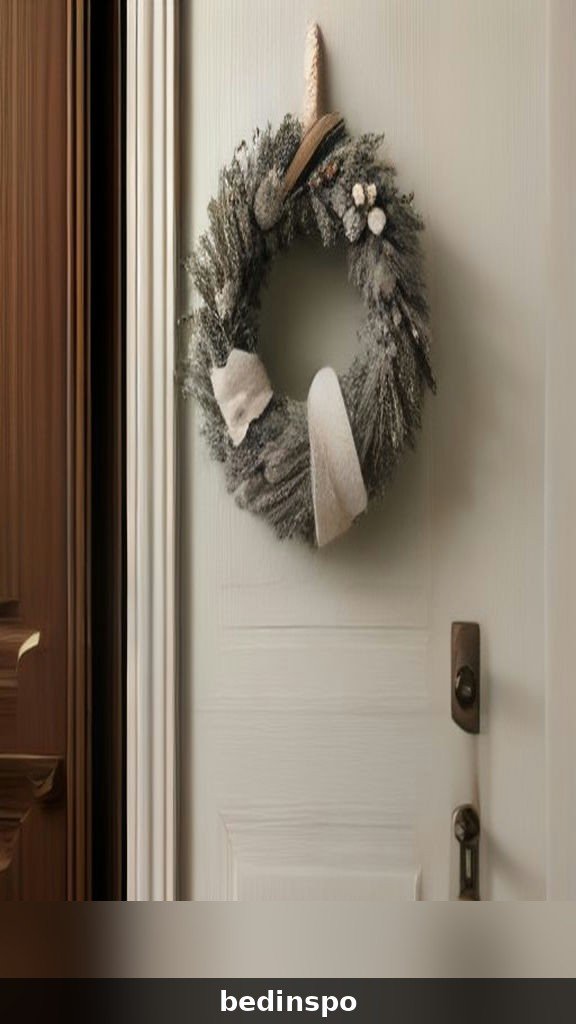
Wrap a foam wreath form in chunky cream, grey, or red yarn (or strips of an old sweater — hence its other name, the sweater wreath), then add felt flowers, small pinecones, or a miniature scarf-and-hat set for the wreath itself. It’s soft, silent (no door-thunk), and pure hygge.
The wrapping takes some patience — keep the yarn snug and overlapping slightly, glue the ends at the back, and embrace small imperfections. Felt flowers are a five-minute craft: cut a spiral, roll it up, glue the base. This is a wonderful wreath to make with kids or as a first-ever wreath project, and it suits apartment doors and interior walls perfectly.
9. Shatterproof Ornament Wreath

Maximum sparkle: a foam or straw form completely covered in ball ornaments — red, gold, and silver is classic; a single color family is ultra-chic. Glue the largest ornaments first, then medium, then fill every gap with small ones until no form shows through. It genuinely looks like a department-store display piece.
The rules: use shatterproof ornaments (always), work in sections with the glue gun, and buy more ornaments than you think you need — a 16-inch wreath can swallow 80–100 balls. Finish with a big bow at the top. Ornament wreaths are heavy, so hang them on a sturdy hook, ideally indoors or on a sheltered door.
10. Natural Foraged Twig Wreath

The nearly-free wreath: gather flexible twigs and vines (willow, grapevine, birch, or prunings), soak them if they’re stiff, and weave them into a loose circle, tucking ends in as you go. Decorate with what the season offers free — dried grasses, seed heads, feathers, pinecones on wire, and a scrap of ribbon.
This wreath won’t look like the others, and that’s its charm: organic, irregular, a little wild. It suits garden gates, sheds, and rustic doors, and making it becomes a genuinely lovely winter walk ritual. Because it’s all natural, you can compost it in spring with zero guilt and make a fresh one next year.
Where to Hang Your Wreath (Beyond the Front Door)
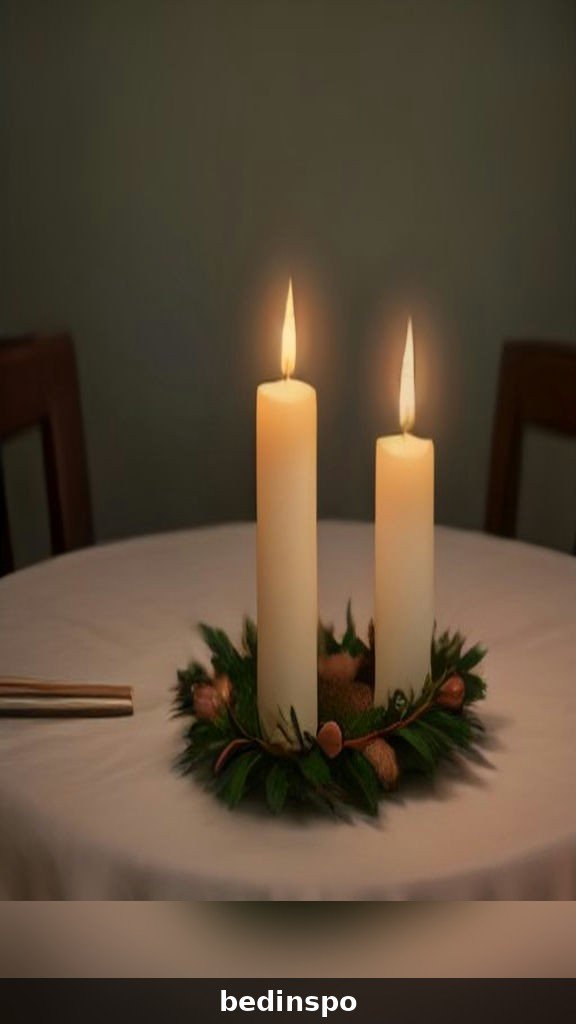
The front door is just the beginning. A wreath over the mantel anchors the whole room’s decor; a small wreath on a kitchen window or pantry door spreads the season into workaday spaces; a wreath laid flat with a pillar candle in the center becomes an instant table centerpiece. Hang wreaths on mirrors (with a suction hook or ribbon over the top) for a doubled, glowing effect, and on bedroom doors, children’s doors, and even the bathroom mirror for small surprises of cheer.

Whatever the surface, hang from the frame or form — a sturdy over-door hook outdoors, a removable adhesive hook or a ribbon-and-thumbtack over the top of interior doors. Avoid nailing into a good door; future you says thanks.
Making Your Wreath Last, and Storing It
Fresh evergreen wreaths live longest outdoors in cold air — 4–6 weeks is normal, and a light misting on mild days helps. Indoors, away from heat vents, expect 2–3 good weeks. Faux and dried wreaths should be kept out of harsh direct sun, which fades colors over a season.
For storage, keep the wreath’s shape: hang it on a hook in a closet or garage wall, or store it in a round wreath bag/box — never under a pile of boxes, which crushes bows and bends greenery flat. A wreath stored on a hanger in a garment bag in the closet is the budget version that works just as well. Label it, and next December starts with a win.
Fresh vs. Faux Greenery: How to Choose
The fresh-versus-faux debate comes down to three things: scent, lifespan, and storage. Fresh greenery wins on scent and authenticity — nothing perfumes a porch like real cedar and pine — and tree lots often give away fresh clippings free in December, making it the cheapest option with the best smell. Its weakness is time: a few glorious weeks, then the compost.
Quality faux greenery costs more up front but serves for many seasons, which makes it the smart pick for designs you love and want to repeat (the eucalyptus and hoop wreaths especially), for indoor wreaths in warm rooms, and for anyone allergic to real pine. The hybrid approach most wreath-makers land on: a faux base you’ll keep for years, refreshed each season with fresh accents — real pinecones, fresh berries, a new bow. You get the savings and the scent, and only a small refresh cost each year.
Host a Wreath-Making Night
One of the best December traditions hiding in plain sight: invite four or five friends, put out cocoa and cookies, and make wreaths together. You provide the frames, wire, tools, and a big shared pile of greenery and basics; each guest brings one “accent” to share — a bag of pinecones, a roll of ribbon, a bunch of berries, a set of ornaments. The variety multiplies everyone’s options while splitting the cost.
Set up stations on a covered table (greenery sheds needles and sap), play a Christmas movie in the background, and put the most confident crafter at the head of the table as unofficial tutor. Everyone leaves with a finished wreath and an evening they’ll want repeated annually. It is, quietly, one of the most memorable ways to spend a December night — and it turns a solo chore into a party.
Frequently Asked Questions
What is the easiest wreath for a total beginner?
The gold hoop wreath or the eucalyptus wreath on a grapevine base. Both use the tuck-and-wire method with no glue-gun precision required, take under an hour, and are very forgiving of unevenness — in fact, a slightly loose, organic look is the style.
How much does it cost to make a DIY wreath?
Anywhere from nearly free (foraged twig wreath) to about $15–$30 for evergreen, berry, or burlap designs using a mix of fresh and dollar-store materials. The ornament wreath runs $20–$40 depending on ornament prices. All are well below the $60–$100 store equivalents.
How long do fresh evergreen wreaths last?
Outdoors in cold weather, 4–6 weeks; indoors in heated rooms, about 2–3 weeks. Buy or cut greenery close to when you’ll make the wreath, keep it cool and out of direct heat, and mist occasionally.
Can I make a wreath without a glue gun?
Yes — the classic wired evergreen wreath, the grapevine tuck-in styles, and the hoop wreath all use floral wire instead of glue. Hot glue is mainly essential for the ornament wreath and handy for small accents elsewhere.
Conclusion

A wreath is the hardest-working decoration of the season: it welcomes guests, perfumes the porch, fills photos with color, and quietly announces that this house celebrates. Making your own turns a purchase into a tradition — one afternoon a year with greenery on the table and a movie on, producing the first decoration everyone sees.
Save these ideas to your DIY Christmas board, gather your supplies, and give one design a try this weekend. Your front door is about to be the best-dressed on the street — and you’ll smile every single time you turn the key this winter!