Golumpki Soup: All the Cozy Flavor of Stuffed Cabbage Rolls in One Easy Pot
Golumpki Soup: All the Cozy Flavor of Stuffed Cabbage Rolls in One Easy Pot
If you grew up anywhere near a Polish grandmother, you know golumpki: tender cabbage leaves wrapped around seasoned beef and rice, braised in tomato sauce until everything melts together. You also know they take the better part of an afternoon. Golumpki soup is the beloved shortcut — every flavor of the classic dish, chopped, simmered, and spooned from one pot in about an hour.
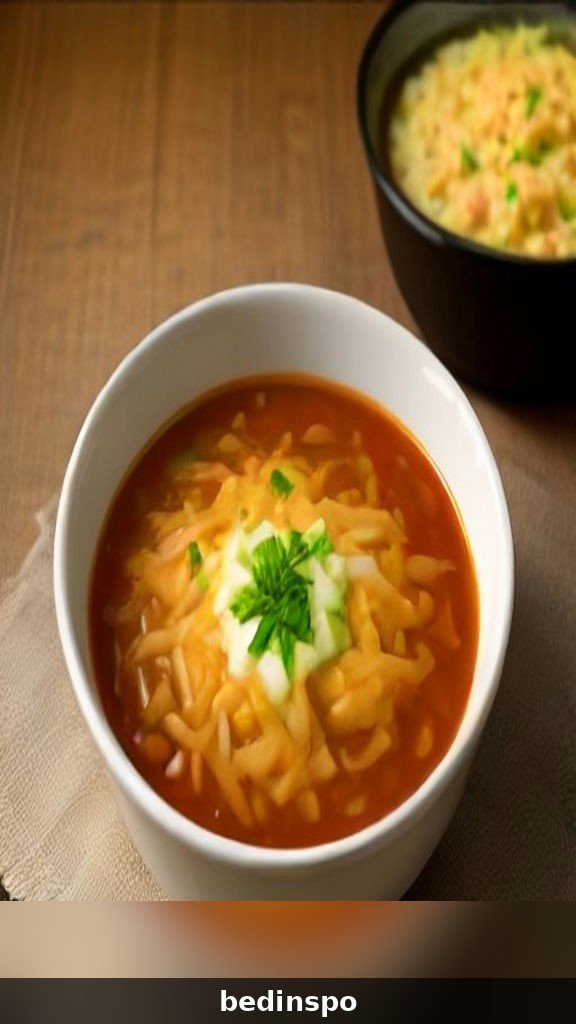
This is unstuffed cabbage roll soup at its best: a rich, tomatoey broth, sweet tender cabbage, savory ground beef, and rice that soaks up all that flavor. It’s the kind of soup that simmers away while the house fills with the coziest smell imaginable, and it tastes even better the next day.
Below you’ll find the classic stovetop recipe, slow cooker and Instant Pot versions, the story behind the dish, and all the tips for making it taste like Babcia’s — without the rolling marathon. Grab your biggest pot. Let’s make soup.
What Are Golumpki? A Little History
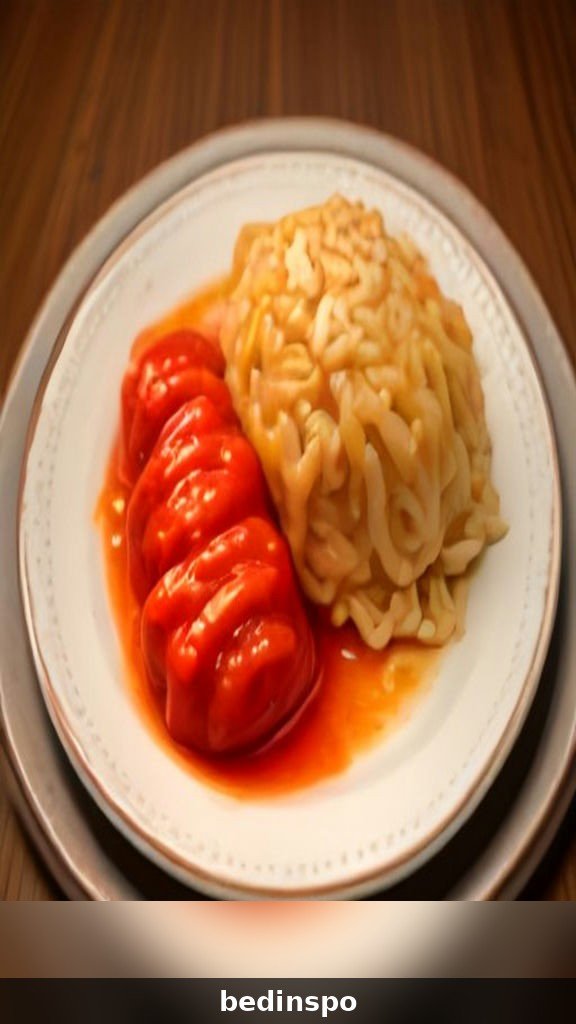
Golumpki (pronounced gaw-WOOMP-kee; also spelled gołąbki, which means “little pigeons” — a nod to their plump, bird-like shape) are Poland’s famous stuffed cabbage rolls. Cabbage leaves are softened, wrapped around a filling of ground meat, rice, and onion, then braised in a tomato sauce until silky. They show up at holidays, weddings, church suppers, and Sunday dinners across Poland and the Polish diaspora.
Versions of stuffed cabbage stretch across Eastern Europe — Romania’s sarmale, Ukraine’s holubtsi — because cabbage, meat, and grain were what winter kitchens had. The soup version is a modern home cook’s tribute: same ingredients, same soul, none of the delicate leaf-rolling. Purists may raise an eyebrow, right up until they taste it.
Why You’ll Love This Soup Version

Everything that makes golumpki great is here: the sweet cabbage, the paprika-kissed tomato broth, the hearty beef-and-rice heartiness. But instead of blanching leaves, trimming ribs, rolling rolls, and layering them just so, you chop, brown, pour, and simmer. One pot. Minimal dishes. Dinner in about an hour — and the pot feeds a crowd or stocks your freezer like a champ.
It’s also wonderfully forgiving. A little more cabbage? Fine. A handful of leftover vegetables? Welcome. This is soup the way grandmothers actually cook it: generously, practically, and by heart.
Ingredients You’ll Need
- 1½ pounds ground beef (80/20 or 85/15) — or half beef, half ground pork for the most traditional flavor.
- 1 large onion, diced.
- 3 cloves garlic, minced.
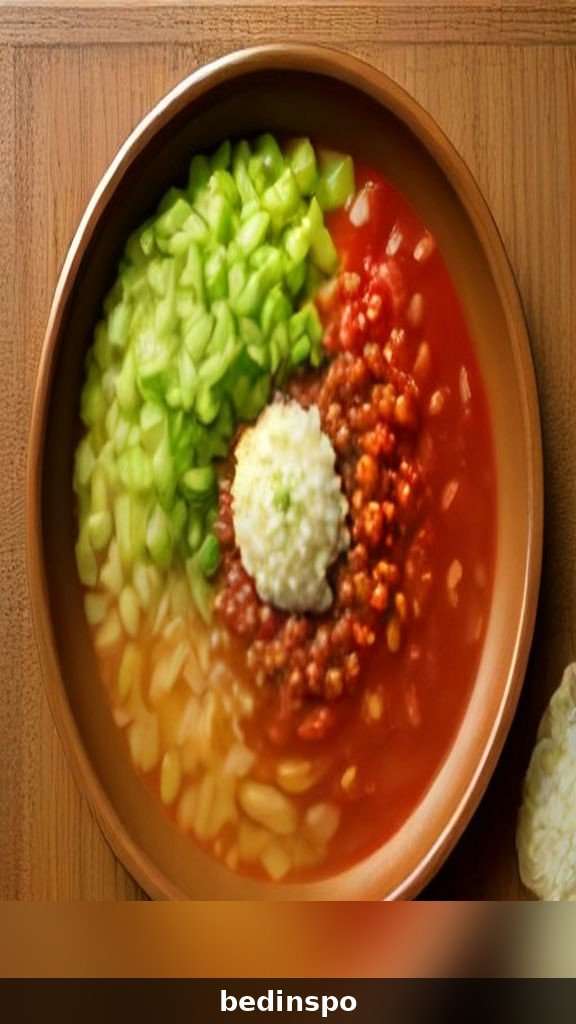
- 1 medium head green cabbage (about 2 pounds), cored and chopped into bite-size pieces — roughly 8 cups.
- 1 can (28 ounces) crushed tomatoes — the broth’s backbone.
- 1 can (15 ounces) tomato sauce.
- 4 cups beef broth, plus more as needed.
- 3/4 cup long-grain white rice, uncooked — it cooks right in the soup.
- 2 tablespoons brown sugar — the classic golumpki secret; it balances the tomato’s acidity. Don’t skip it.
- 1 tablespoon Worcestershire sauce — quiet depth.
- 2 teaspoons sweet paprika — Hungarian-style if you have it.
- 1 teaspoon dried thyme and 1 bay leaf.
- 1 tablespoon apple cider vinegar or lemon juice — stirred in at the end to brighten everything.
- Salt and black pepper to taste, plus 2 tablespoons olive oil for the pot.
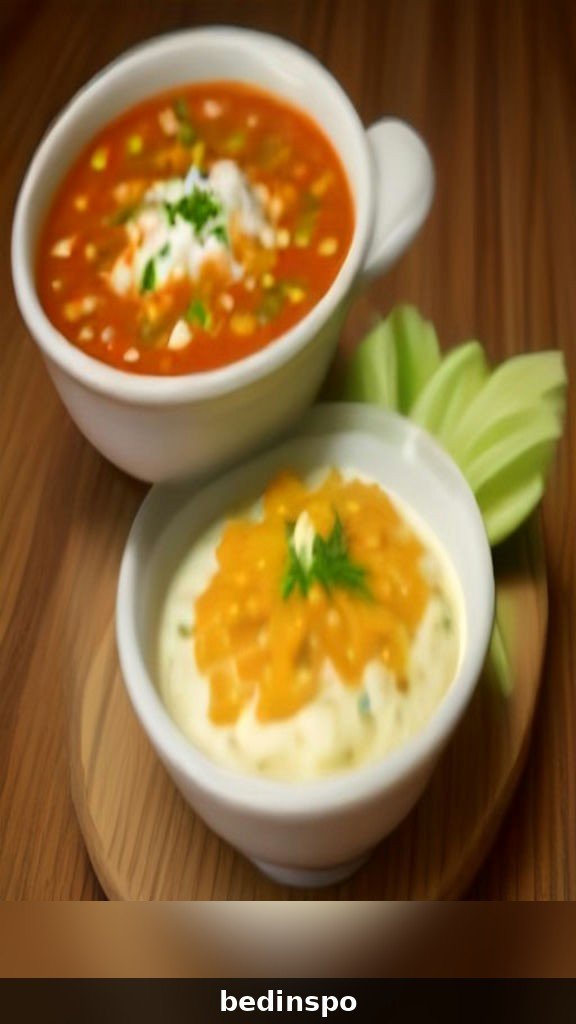
- To serve: sour cream and fresh dill or parsley — optional, but highly encouraged.
Step 1: Brown the Beef and Build the Base

Heat the olive oil in a large Dutch oven or stockpot over medium-high heat. Add the ground beef and cook, breaking it into hearty crumbles, until well browned — 7–8 minutes. Don’t rush this; the browned bits are flavor gold. Drain all but a spoonful of fat.
Add the onion and cook 4–5 minutes until softened and sweet, scraping up the browned bits as it releases its moisture. Stir in the garlic, paprika, and thyme and cook 30 seconds, just until fragrant — spices bloomed in fat at this stage perfume the whole pot.
Step 2: Add the Cabbage and Tomato
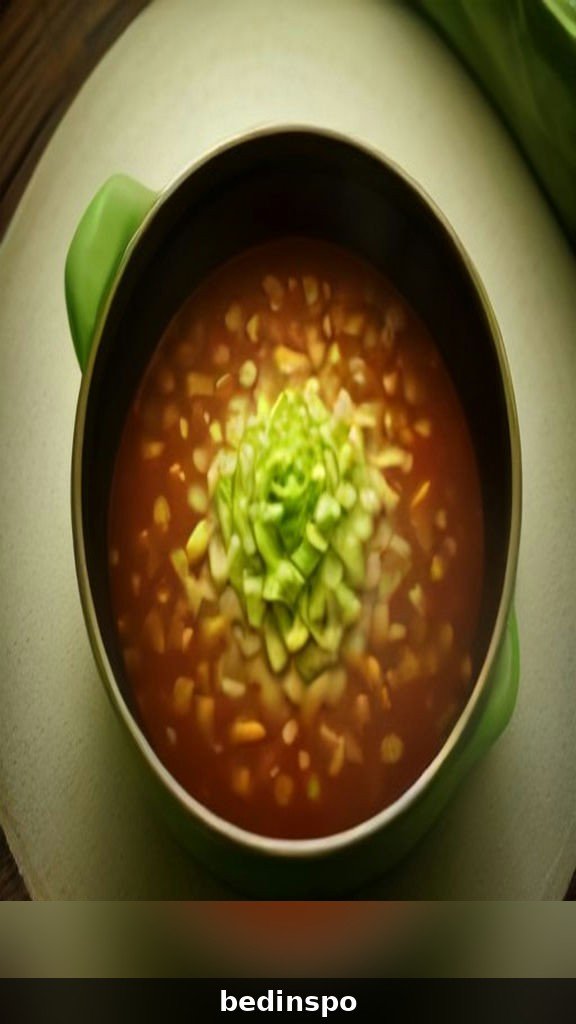
Add the chopped cabbage to the pot. It will look like an absurd mountain — it always does. Stir it in as best you can, cover the pot for 3–4 minutes so the steam starts wilting it down, then stir again. Within minutes the mountain becomes manageable.
Pour in the crushed tomatoes, tomato sauce, and beef broth. Stir in the brown sugar, Worcestershire sauce, bay leaf, 1½ teaspoons salt, and plenty of black pepper. This is your moment to admire the pot: red, hearty, and already smelling like a Polish kitchen on a Sunday.
Step 3: Simmer, Add Rice, and Finish
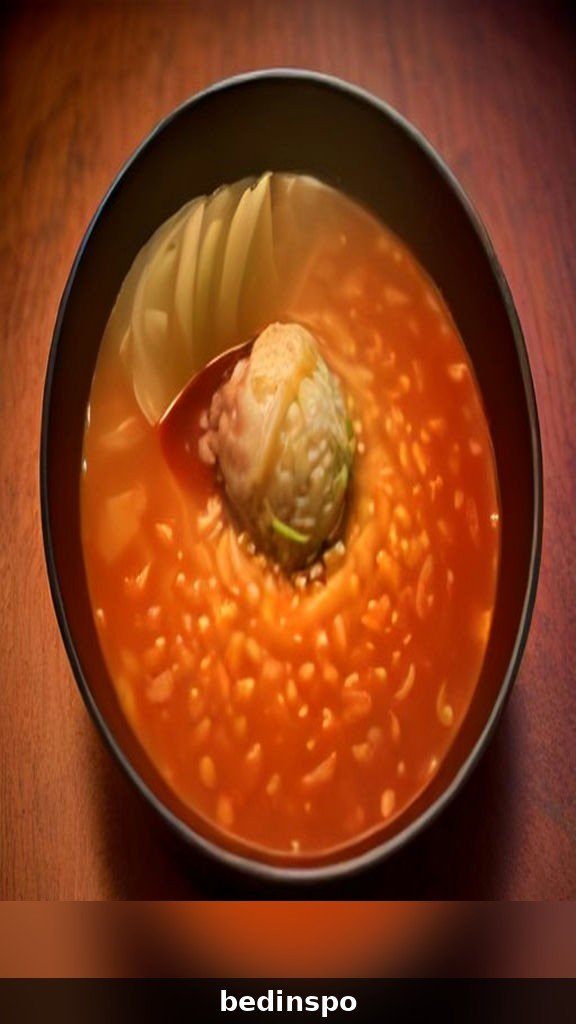
Bring the soup to a boil, then reduce to a gentle simmer. Stir in the uncooked rice, cover, and simmer 25–30 minutes, stirring now and then, until the rice is tender and the cabbage is silky-soft. The rice will drink up broth as it cooks — that’s expected. Add more broth or water to reach the consistency you like; some families serve golumpki soup thick as a stew, others brothy. Both are right.
Fish out the bay leaf, stir in the vinegar or lemon juice, and taste: it should be savory, gently sweet, and bright. Adjust salt and pepper, then ladle into bowls and finish with a dollop of sour cream and a shower of fresh dill.
The Recipe at a Glance

Prep time: 15 minutes · Cook time: 45 minutes · Total: about 1 hour · Yield: 8 generous bowls (about 4 quarts)
Brown beef, soften onion, bloom garlic and spices. Add cabbage, tomatoes, tomato sauce, broth, sugar, Worcestershire, bay leaf; simmer. Stir in rice, cover, simmer 25–30 minutes until tender. Finish with vinegar, season, and serve with sour cream and dill.
Slow Cooker Golumpki Soup

For a set-it-and-forget-it day: brown the beef and onion on the stove first (this step really matters for flavor), then transfer everything to a slow cooker except the rice and vinegar. Cook on LOW 6–7 hours or HIGH 3–4 hours, until the cabbage is very tender.
Stir in the rice for the last 45 minutes on HIGH — or, for the most reliable texture, cook the rice separately and stir it in at the end. Slow cookers and rice can be a fickle pair, and separately cooked rice never turns gummy. Finish with vinegar, season, and serve.
Instant Pot Golumpki Soup

Use the Sauté function to brown the beef and soften the onion right in the pot, then add everything except the vinegar. Lock the lid and cook on HIGH pressure for 8 minutes, followed by a 10-minute natural release.
The cabbage comes out tender, the rice perfectly cooked, and dinner is on the table in well under an hour including pressure time. Stir in the vinegar after opening, taste, and adjust — pressure cooking can mellow seasonings, so an extra pinch of salt and paprika at the end wakes it back up.
Tips for Soup That Tastes Like Babcia’s
Don’t skip the brown sugar.
Traditional golumpki sauce is famously sweet-sour. Two tablespoons won’t make the soup sweet — they’ll round off the tomato’s sharp edges and make it taste unmistakably like the real thing.
The vinegar finish is essential.
A splash of acid at the very end lifts the whole pot from “good soup” to “what IS that flavor?” Add it off the heat so it stays bright.
Half beef, half pork is the classic blend.
Pork adds a richness and softness that all-beef soups miss. If your family recipe used it, this is the place to honor that.
Let it rest.
Like all great soups, golumpki soup is better on day two, when the rice has soaked up flavor and the broth has deepened. Make it ahead without apology.
Variations to Make It Your Own
With Sauerkraut (Kapusta Style)
Stir in 1 cup of drained sauerkraut with the cabbage for a tangier, more old-world pot. Reduce the finishing vinegar to a teaspoon.
Turkey or Chicken Version
Ground turkey works beautifully for a lighter soup; use chicken broth and add an extra tablespoon of olive oil since lean meat needs the help.
Vegetarian Golumpki Soup
Swap the beef for 2 cups of cooked lentils and 8 ounces of chopped mushrooms browned well, use vegetable broth, and keep everything else the same. Deeply savory, completely satisfying.
Extra-Veggie Version
Add diced carrots, celery, and a bell pepper with the onion. Polish grandmothers the world over have always stretched the pot with whatever the garden offered.
What to Serve with Golumpki Soup

This soup is a full meal in a bowl, but a thick slice of crusty rye or sourdough for swiping the bowl is close to mandatory. A simple cucumber salad with sour cream dressing (mizeria, if you want to be properly Polish about it) brings the cool, creamy contrast that this soup loves. And keep the sour cream and fresh dill on the table — a spoonful swirled into each bowl is the traditional finishing touch, and converts skeptics instantly.
Make-Ahead, Storage, and Freezing
Golumpki soup keeps beautifully in the fridge for up to 4 days, and the flavor genuinely improves. One note: the rice keeps absorbing broth as it sits, so leftovers will be thicker — just stir in a splash of broth or water when reheating and it loosens right back up.
For freezing, it keeps up to 3 months. The one trick: if you’re making a batch specifically for the freezer, undercook the rice slightly or cook it separately and add it fresh when reheating — rice frozen in soup can go soft. Thaw overnight in the fridge, reheat gently to a simmer, stir in the vinegar finish, and it tastes like the day it was made.
The Secret Ingredient Polish Cooks Swear By
Ask ten Polish home cooks what makes their golumpki taste like home and you’ll hear one answer again and again, beyond the sugar and the vinegar: time at a bare simmer. Cabbage rushed at a hard boil stays sharp and sulfurous; cabbage coaxed along at the gentlest bubble turns sweet, silky, and almost buttery, surrendering completely into the tomato broth. That’s why this soup is built the way it is — brown hard and fast at the start for deep flavor, then simmer low and patient for the finish. If your kitchen smells rich and mellow rather than sharp, you’re doing it exactly right.
The second secret is confidence with the sweet-sour balance. Polish cooking lives on that knife’s edge — sauerkraut, pickles, sweetened tomato sauces — and golumpki soup should taste like it walks that line with a smile. When you taste at the end, you’re not looking for “sweet” or “sour”; you’re looking for the moment the broth stops tasting like tomatoes and starts tasting like golumpki. It will happen suddenly, usually about a teaspoon of vinegar and a pinch of salt after you think you’re done. Trust the process, and trust your spoon.
How to Chop Cabbage for Soup (Size Matters)
For the rolls, leaves stay whole; for the soup, the chop is everything. Core the cabbage, halve it, then slice it into ribbons about ½ inch wide and cut those ribbons into 1½ to 2-inch pieces. Pieces in that range do three things at once: they fit on a spoon alongside the beef and rice, they cook to tenderness in the soup’s simmer time, and they keep just enough body to feel like cabbage rather than dissolving into the broth entirely.
Avoid the temptation of the food processor or a very fine shred — tiny shreds vanish into the soup and you lose the hearty, roll-like bite that makes this dish what it is. And don’t discard the core end entirely: the sweet, dense heart near the core, chopped small, cooks up tender and adds lovely flavor. A big head of cabbage looks like a lot on the cutting board. It isn’t. It wilts down to exactly right.
Troubleshooting

My soup is too thick.
The rice did its job too well. Add broth a cup at a time until it’s the consistency you love. This “problem” is really just stew — also delicious.
My soup tastes flat.
It almost always needs one of three things: salt, the sugar balance, or the acid finish. Add them in that order, tasting as you go — the vinegar splash at the end fixes most flat pots.
The cabbage is still tough.
Give it more time. Cabbage goes from crunchy to silky on its own schedule; an extra 10 minutes of simmering is never wasted here.
The rice turned mushy.
It cooked too long or the pot boiled hard instead of simmering. Keep it at a gentle bubble, and for leftovers, consider the separate-rice method next time.
Frequently Asked Questions
What’s the difference between golumpki soup and cabbage roll soup?
Nothing, happily — they’re the same beloved dish. “Golumpki” is the Polish name for the cabbage rolls the soup is based on; you’ll also see it called unstuffed cabbage soup or deconstructed cabbage rolls.
Can I use brown rice?
Yes, but it needs about 45 minutes of simmering instead of 25–30, and extra broth. Add it with the cabbage so it gets the full cooking time, or cook it separately.
Can I use savoy or napa cabbage?
Savoy is a lovely substitute with tender, crinkly leaves. Napa works too but cooks faster and softer — chop it bigger and add it halfway through the simmer.
Is golumpki soup gluten-free?
Yes, as written — just check that your Worcestershire sauce and broth are certified gluten-free, as some brands contain malt or soy sauce derivatives.
Feeding a Crowd? This Is Your Soup
Few recipes scale as gracefully as this one. Double it in your biggest stockpot for church suppers, game days, and family gatherings — the ingredients are inexpensive, the work doesn’t double, and the pot only gets better as it simmers. Keep it warm in a slow cooker on the buffet line with the sour cream, dill, and crusty bread alongside, and watch it empty. Golumpki soup has been feeding crowds at Polish parish halls for generations; it knows what it’s doing.
It’s also an ideal make-ahead for busy weeks: cook it Sunday, portion it into jars or containers, and lunches and dinners are handled. Few soups reheat this kindly or make a kitchen smell this welcoming when you walk in the door at the end of a long day.
Conclusion
Golumpki soup is proof that the best family recipes are the ones that actually get made. All the sweet cabbage, savory beef, tender rice, and rich tomato comfort of the classic rolls — in one pot, in one hour, with leftovers that might be even better than the first bowl. That’s not a shortcut; that’s a keeper.
Save this recipe to your soup board, make a big pot this week, and don’t forget the sour cream and dill. Some traditions deserve to be easy enough for a Tuesday — and this one absolutely is.