Cabbage Dumplings: Juicy, Crispy-Bottomed, and Better Than Takeout
Cabbage Dumplings: Juicy, Crispy-Bottomed, and Better Than Takeout

There is a special kind of joy in biting into a homemade dumpling: the crisp, golden bottom giving way to a tender wrapper, then a burst of juicy, savory filling with sweet cabbage and fragrant ginger. Cabbage dumplings are the weeknight hero nobody talks about enough — humble ingredients, incredible flavor, and a folding session that turns into the most relaxing part of your day.
This recipe gives you everything: a juicy cabbage and pork filling (with a fully vegetarian version), your choice of easy homemade wrappers or the store-bought shortcut, three cooking methods — pan-fried potsticker style, steamed, and boiled — and the freezer strategy that means future-you always has dumplings ready in 15 minutes.
Whether it’s your first time folding a dumpling or your five-hundredth, you’ll find the tips here make the process smooth, fun, and absolutely worth it. Let’s fold some dumplings.
Why Cabbage Is the Perfect Dumpling Filling

Cabbage has been the backbone of dumplings across Asia and Eastern Europe for centuries, and for good reason. It’s inexpensive, available year-round, and when salted and squeezed, it transforms into something silky and sweet that keeps the filling moist without making it soggy. Napa cabbage is the classic choice — tender, mild, and quick to soften — but green cabbage works beautifully too and gives a slightly heartier bite.
Cabbage also plays nicely with everyone: it stretches a modest amount of pork into a big batch (hello, budget-friendly), absorbs garlic, ginger, and soy like a sponge, and adds a gentle sweetness that balances rich meat. Paired with the right technique, cabbage filling stays juicy through pan-frying, steaming, or boiling. This is the dumpling to master first.
Ingredients You’ll Need

This makes about 40 dumplings — a generous family dinner, or a smaller dinner plus a freezer stash (the correct answer).
For the Filling
- 1 pound ground pork — 80/20 is ideal; the fat keeps dumplings juicy. Ground chicken or turkey also works.
- 3 cups finely chopped napa cabbage (about 1/2 a medium head) — chopped small so it folds neatly.
- 1 teaspoon salt — for drawing the water out of the cabbage.
- 3 green onions, finely sliced — freshness and color.
- 1 tablespoon fresh ginger, finely grated — the warm, bright backbone.
- 2 cloves garlic, minced.
- 2 tablespoons soy sauce — savory depth.
- 1 tablespoon Shaoxing wine or dry sherry — optional but lovely; water works too.
- 1 teaspoon sesame oil — a little goes a long way.
- 1/2 teaspoon white or black pepper.
- 1 teaspoon sugar — balances the salt and boosts the cabbage’s sweetness.
For the Wrappers and Cooking
- 40 round dumpling wrappers — store-bought, or homemade (recipe below).
- Small bowl of water — your wrapper glue.
- 2 tablespoons neutral oil — for pan-frying.
- Cornstarch — a dusting keeps finished dumplings from sticking to the tray.
Homemade Dumpling Wrappers (Optional but Wonderful)
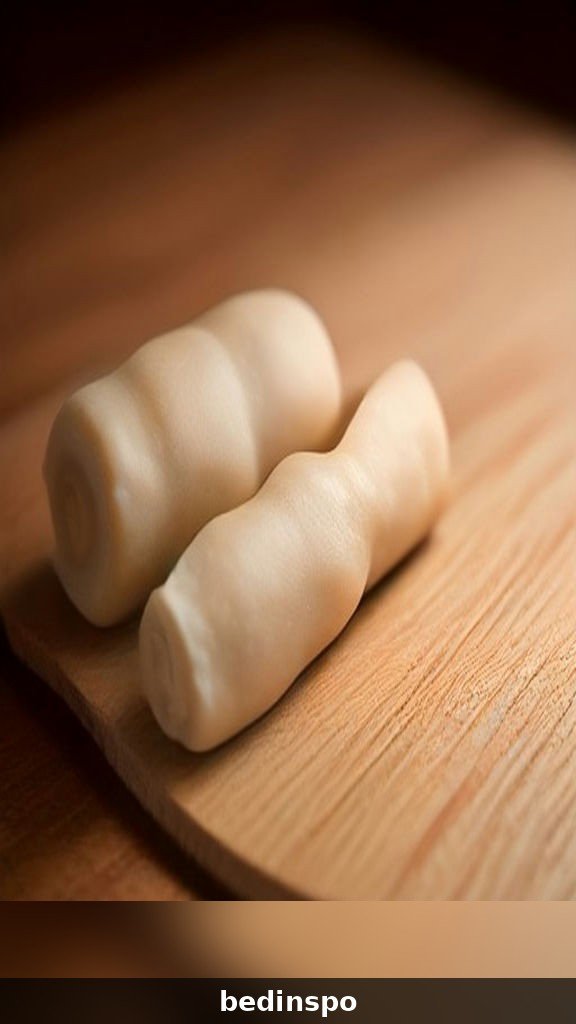
Homemade wrappers are more elastic and chewy than store-bought, and they seal more forgivingly — great for beginners, honestly. Stir 2 cups all-purpose flour with 3/4 cup warm water and a pinch of salt until shaggy, then knead 8–10 minutes until smooth and elastic. Cover and rest 30 minutes (this rest is non-negotiable — it relaxes the gluten so rolling is easy).
Roll the dough into a rope, cut into 40 small pieces (about 12g each), and roll each into a thin 3½-inch circle, slightly thinner at the edges. Keep pieces covered with a damp towel as you work so they don’t dry out. Short on time? Store-bought wrappers are a completely respectable choice — just keep them covered and work quickly.
Step 1: Salt and Squeeze the Cabbage (Don’t Skip This!)

This is the single most important step in the whole recipe. Toss the chopped cabbage with the salt and let it sit 15 minutes. The salt draws out a surprising amount of water. Then grab handfuls and squeeze — hard — over the sink, or pile it into a clean kitchen towel and wring it out. You should get at least 1/3 cup of liquid out.
Why it matters: water left in the cabbage will leak into the filling, making dumplings soggy, bland, and prone to bursting. Dry cabbage concentrates the flavor and gives the filling that perfect, cohesive, springy texture. Every great dumpling maker does this step. Now you do too.
Step 2: Mix the Filling Like You Mean It
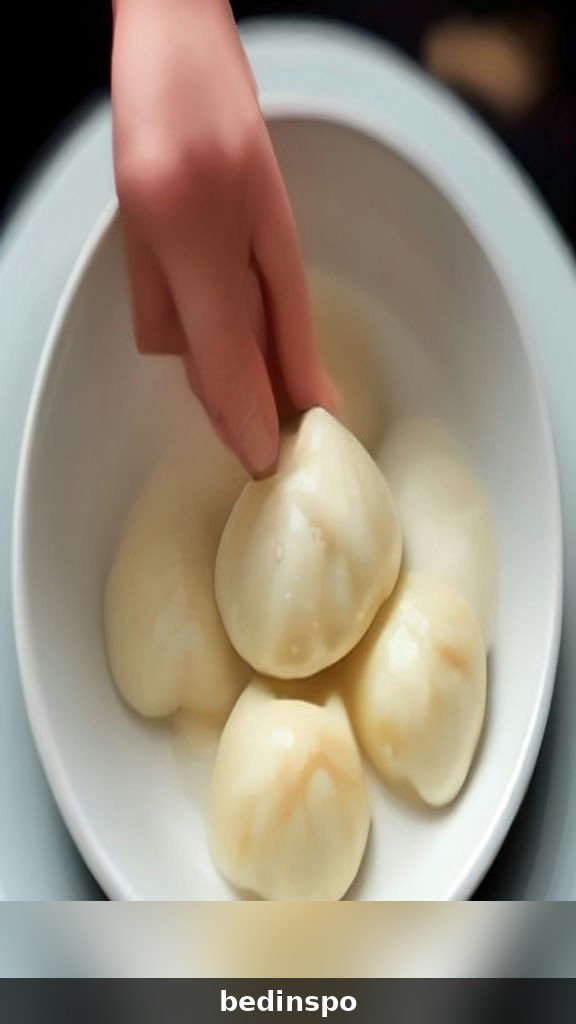
Add the squeezed cabbage, ground pork, green onions, ginger, garlic, soy sauce, wine, sesame oil, pepper, and sugar to a large bowl. Now the technique: stir in one direction only, vigorously, for 2–3 minutes. Add 2 tablespoons of cold water a little at a time as you stir.
Stirring in one direction develops the proteins so the filling becomes sticky, pale, and almost paste-like — that’s what traps the juices inside during cooking and gives you that satisfying, bouncy bite. Loose, crumbly filling is the enemy; sticky, whipped filling is the goal. Chill the filling 20 minutes if you have time — cold filling is easier to wrap.
Step 3: Fill and Fold Your Dumplings

Set up your station: wrappers under a damp towel, filling, water bowl, and a parchment-lined, cornstarch-dusted tray. Place about 2 teaspoons of filling in the center of a wrapper — resist overfilling, which is the number-one cause of bursting. Dip a finger in water and run it around the wrapper’s edge.
For the classic pleated fold: fold the wrapper in half over the filling, pinch the center closed, then make 3 small pleats on one side, pressing each firmly to the other edge, and repeat on the other side. For the beginner-friendly half-moon: simply fold in half and press the edges firmly, pushing out any air pockets. Crimp with a fork if you like. What matters most is a complete seal — pleats are just beauty points. Set each finished dumpling on the tray, seam up, not touching its neighbors.
The Recipe at a Glance

Prep time: 45 minutes (plus 15 minutes salting) · Cook time: 10 minutes per batch · Total: about 1 hour 10 minutes · Yield: about 40 dumplings (6–8 servings)
Salt chopped cabbage 15 minutes and squeeze dry. Stir with pork, aromatics, and seasonings in one direction until sticky. Fill wrappers with 2 teaspoons each, seal with water, pleat or press closed. Pan-fry in oil 2 minutes, add 1/3 cup water, cover and steam 5 minutes, uncover and crisp 1–2 minutes. Serve hot with dipping sauce.
Method 1: Pan-Fried Potstickers (The Crispy-Bottom Classic)

Heat 1 tablespoon of oil in a large nonstick or cast-iron skillet over medium-high heat. Arrange dumplings in a single layer, flat side down, close but not touching. Fry 2 minutes until the bottoms are golden. Pour in 1/3 cup water (it will sizzle dramatically — that’s correct), cover immediately, and steam 5 minutes. Uncover and cook 1–2 more minutes to re-crisp the bottoms. Slide onto a plate, crispy side up, and try to share.
Want that gorgeous lacy “skirt”? Whisk 1 teaspoon flour and 1 teaspoon cornstarch into the steaming water before adding it. The water evaporates and leaves a delicate, golden, crispy lattice connecting all the dumplings. It looks restaurant-fancy and takes zero extra effort.
Method 2: Steamed Dumplings (Soft, Silky, Delicate)

Line a bamboo or metal steamer with parchment rounds or cabbage leaves (very fitting) so nothing sticks. Arrange dumplings with space between them — they swell slightly. Steam over boiling water for 8–10 minutes, until the wrappers look translucent and glossy and the filling is firm. Steamed dumplings are pure and delicate; serve them with the dipping sauce and maybe a drizzle of chili oil for contrast.
Method 3: Boiled Dumplings (The Cozy Classic)

Bring a large pot of water to a rolling boil. Add dumplings, stir gently so they don’t stick, and when the water returns to a boil, add a cup of cold water. Repeat twice more — three boils total. This traditional method cooks the filling through while keeping wrappers tender, not mushy. Dumplings are done when they float and look slightly puffed, about 6–8 minutes total. Scoop out with a slotted spoon and serve in bowls with a spoonful of the cooking water and sauce over top.
The Dipping Sauce You’ll Put on Everything

Whisk together: 3 tablespoons soy sauce, 1 tablespoon black vinegar (Chinkiang if you can find it — it adds a malty depth nothing else matches), 1 teaspoon sesame oil, 1 teaspoon sugar, 1 small clove garlic grated, and a spoonful of chili oil to taste. Finish with sliced green onions or cilantro.
No black vinegar? Rice vinegar plus a pinch of extra sugar gets you close. Make double — this sauce is equally at home on noodles, rice bowls, and tomorrow’s steamed vegetables. Dumpling sauce keeps a week in the fridge, though it rarely lasts that long.
Vegetarian Cabbage Dumplings (Just as Juicy!)

Swap the pork for this powerhouse combo: 8 ounces firm tofu, crumbled and pressed dry, plus 6 dried shiitake mushrooms, soaked and finely chopped, and 1 cup finely chopped glass noodles (soaked and cut short) for that bouncy, satisfying chew. Keep all the same aromatics and seasonings, add an extra teaspoon of soy sauce, and stir in 1 teaspoon of cornstarch to help the filling bind.
The mushrooms bring deep umami, the tofu brings body, and the glass noodles bring the texture that makes people ask what’s in them. Pan-fry them exactly the same way — nobody at the table will feel like they’re eating the “alternative.”
More Filling Variations to Try

Cabbage and Shrimp
Replace half the pork with finely chopped raw shrimp for a surf-and-turf filling that’s a dim sum favorite. Add a pinch of extra white pepper.
Kimchi Cabbage Dumplings
Swap half the cabbage for finely chopped, well-squeezed kimchi and add a teaspoon of gochugaru. Spicy, tangy, addictive — a Korean mandu-inspired twist.
Cabbage and Chive
Replace the green onions with 1 cup of chopped garlic chives for the classic Chinese jiu cai flavor. Reduce the salt slightly, as chives are punchy on their own.
How to Freeze Dumplings (Your Future Self Says Thanks)

Freeze dumplings raw, never cooked — they reheat far better. Arrange freshly folded dumplings on a parchment-lined tray so none are touching, and freeze solid, about 2 hours. Then transfer to a freezer bag, squeeze out the air, label, and freeze up to 3 months.
Cook from frozen with any method above — just add 2–3 minutes to the steaming time for potstickers, or one extra boil cycle for boiled dumplings. No thawing needed, ever. A bag of homemade dumplings in the freezer is the difference between “there’s nothing for dinner” and a restaurant-quality meal in 15 minutes.
What to Serve with Cabbage Dumplings
A plate of dumplings is a meal on its own, but a couple of simple sides turn dumpling night into a spread. A smashed cucumber salad — cucumbers cracked with the flat of a knife, tossed with rice vinegar, garlic, soy, and a drizzle of chili oil — brings the cool, crunchy contrast that hot dumplings beg for. A simple hot and sour soup or a clear egg-drop soup makes the whole thing feel like your favorite restaurant’s lunch special, in the best way.
For a bigger table, add a pile of garlicky green beans, a sesame noodle salad, or steamed bok choy with oyster sauce. Keep sides light and bright — the dumplings are rich and savory, so anything crisp, acidic, or fresh alongside them makes the whole meal sing. And always, always set out extra dipping sauce in the middle of the table. It will all get used.
Storing and Reheating Leftover Dumplings
On the rare occasion that dumplings survive dinner, refrigerate them in a single layer in an airtight container for up to 3 days — stacking them hot makes them glue themselves together, so let them cool first. To reheat pan-fried dumplings and resurrect the crisp bottoms, warm them in a lightly oiled skillet over medium heat for 2–3 minutes, then splash in a tablespoon of water, cover for a minute to steam them through, and uncover to re-crisp. The microwave works in a pinch, but the skillet method brings them back to nearly fresh.
Steamed and boiled dumplings reheat best with a quick re-steam — 3 minutes over boiling water — or a gentle pan-fry, which converts them into bonus potstickers. Leftover boiled dumplings are also wonderful dropped into broth with a handful of greens for an instant wonton-style soup the next day.
Troubleshooting: Dumpling Problems, Solved
My dumplings burst while cooking.
Usually overfilling, an incomplete seal, or air pockets inside. Use 2 teaspoons of filling, wet the whole edge, press out air as you seal, and check that no filling is caught in the seam — a greasy seam won’t stick.
My filling is watery.
The cabbage wasn’t squeezed enough. It should feel almost dry when you’re done wringing. Next time, squeeze in smaller handfuls and really commit — or press it in a potato ricer, a brilliant shortcut.
The wrappers tore while folding.
They dried out. Keep the stack under a damp towel and your finished dumplings under another. If a wrapper cracks, patch it with a tiny piece of another wrapper and a dab of water.
The bottoms aren’t crispy.
Your pan wasn’t hot enough before the water went in, or you skipped the final uncovered minute. Fry a full 2 minutes first, and always finish uncovered to drive off the last steam.
Frequently Asked Questions
Can I use green cabbage instead of napa?
Yes. Chop it a bit finer, salt it for the full 15 minutes (it’s sturdier), and squeeze well. The flavor is slightly sweeter and the texture heartier — many people prefer it.
How do I know the pork is cooked through?
The filling should be firm, opaque, and steaming hot, and the dumplings will feel plump. When in doubt, sacrifice one dumpling and cut it open — the cook’s tax is a proud tradition.
Can I make the filling ahead?
Yes, up to 24 hours ahead, covered in the fridge. The flavors deepen nicely. Fold the dumplings the day you cook them, though, so the wrappers don’t get soggy.
What’s the best pan for potstickers?
A large nonstick skillet with a tight-fitting lid is the most forgiving. Well-seasoned cast iron gives the crispiest bottoms but requires a bit more oil and confidence.
Conclusion

Juicy, crisp-bottomed, and bursting with garlicky cabbage flavor, these homemade cabbage dumplings prove that the best dumplings don’t come from a restaurant — they come from your kitchen, your hands, and one very important cabbage-squeezing step. Master the filling, fold at your own pace, and freeze a batch for the busiest of nights.
Save this recipe to your dinner board, invite someone you like to help fold, and watch a humble head of cabbage become the best meal of your week. Dumpling night is about to become a tradition.