Best Mashed Potatoes Recipe (Fluffy, Creamy & Buttery)
Best Mashed Potatoes Recipe (Fluffy, Creamy & Buttery)
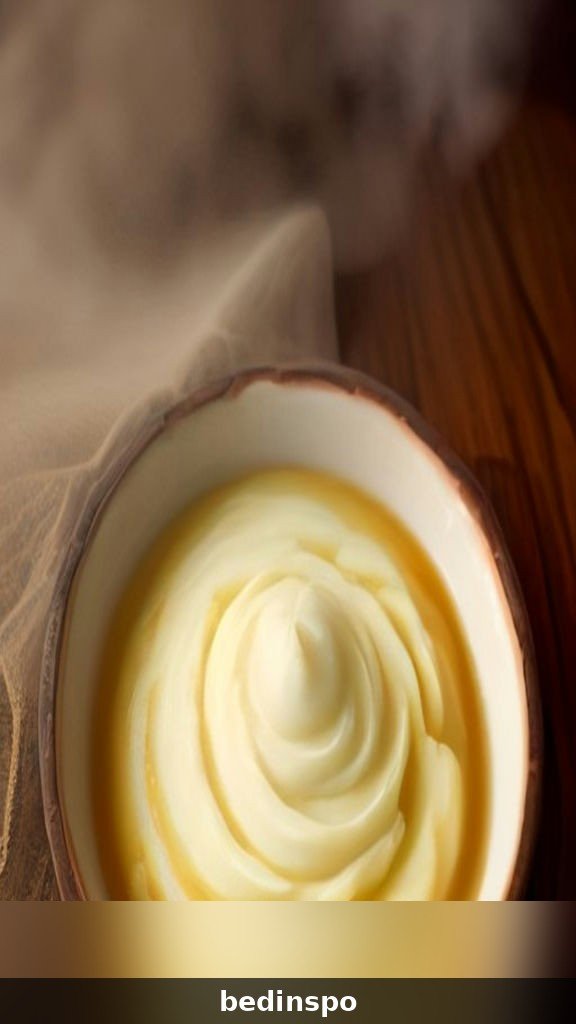
If there is one side dish that everybody — and I mean everybody — goes back for seconds of, it’s mashed potatoes. A big, steaming bowl of fluffy, buttery mashed potatoes is pure comfort: the perfect landing pad for gravy, the first thing to disappear at Thanksgiving, and the side that somehow makes an ordinary Tuesday chicken dinner feel like a hug. When they’re good, they’re unforgettable. When they’re gluey, gummy, or bland… well, everybody remembers that too.
Here’s the wonderful news: perfect mashed potatoes are not about fancy equipment or secret ingredients. They’re about a handful of simple techniques — the right potato, salted water, warm dairy, and a gentle hand — that anyone can master in one try. This is the recipe I’ve made for every holiday, Sunday dinner, and “just because” mashed potato craving for years, and it has never once let me down.
In this post you’ll get the full classic recipe step by step, the science of why potatoes turn gluey (and how to never let it happen), four favorite variations — roasted garlic, loaded cheesy, sour cream and chive, and brown butter herb — plus make-ahead instructions that will change your Thanksgiving game forever. Pin it now, because this is the last mashed potatoes recipe you’ll ever need to search for.
Why This Mashed Potatoes Recipe Works Every Time
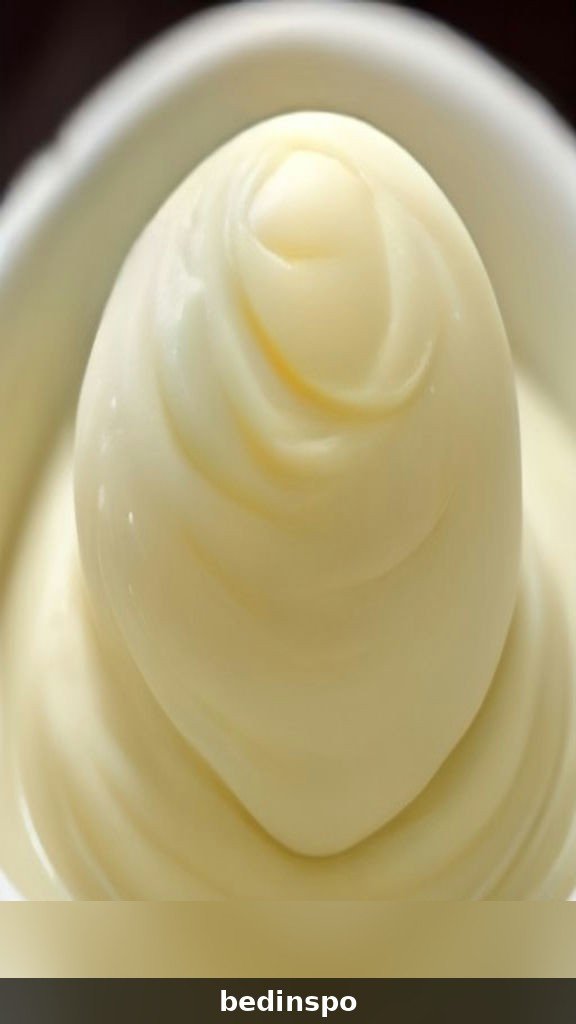
I’ve eaten a lot of disappointing mashed potatoes in my life — dense, sticky, watery, or tasting mostly of nothing. This recipe is engineered to avoid every single one of those problems.
The right potato. We use a blend of starchy russets and buttery Yukon Golds, which gives you the best of both worlds: the fluffy, light body of a russet with the rich, naturally buttery flavor of a gold potato. (More on choosing potatoes below — it matters more than almost anything else.)
Salted water, cold start. The potatoes start in cold, well-salted water so they cook evenly from edge to center — no chalky middles, no mushy outsides — and they’re seasoned from the inside out instead of relying on salt sprinkled on at the end.
Dry before you mash. A quick minute back in the hot, empty pot drives off excess water. Waterlogged potatoes make watery mash; dry potatoes drink up butter and cream like they were made for it.
Warm butter and cream. Cold dairy is the enemy of fluffy potatoes — it cools everything down and forces you to overwork the mash. Warm dairy blends in effortlessly, keeping the texture light and cloud-like.
A gentle hand. We mash just until smooth and stop. Every extra stir breaks more starch cells and pushes you toward glue. This recipe builds in that restraint — and explains exactly why it works.
Ingredients You’ll Need
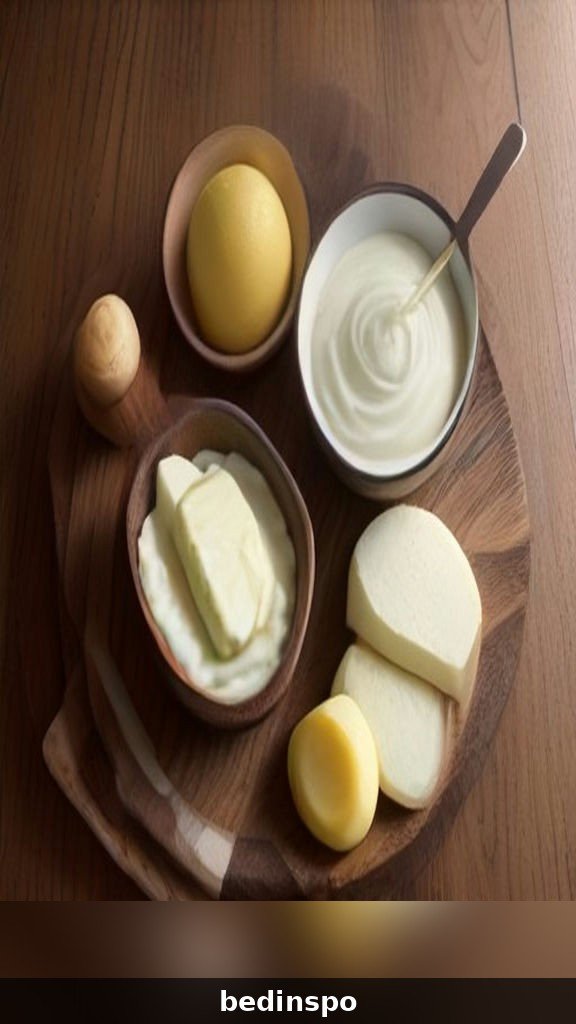
Nothing fancy here — just simple, honest ingredients treated well. This is the classic version; the variations further down build right on top of it.
- 3 pounds potatoes — a mix of russet and Yukon Gold is ideal (about half and half); all Yukon Gold also works beautifully
- 1 tablespoon kosher salt for the cooking water, plus more to taste
- 6 tablespoons unsalted butter, plus extra for serving — real butter, no substitutes for the classic
- 3/4 cup whole milk or half-and-half, warmed (use heavy cream for an extra-rich holiday version)
- 2 cloves garlic, smashed (optional, for simmering in the water — subtle flavor without raw bite)
- 1/2 teaspoon black pepper, freshly ground if you have it
- 2 tablespoons sour cream (optional but lovely — adds a gentle tang and extra creaminess)
- Chives or parsley, finely snipped, for serving
Yield: Serves 8 as a side dish (about 3/4 cup each). Prep time: 15 minutes. Cook time: 20–25 minutes. Total time: about 40 minutes. You’ll need a large pot, a colander, and a potato masher or ricer.
A word about the dairy: this recipe is written to be rich but not over-the-top — the kind of mash you can eat a full serving of alongside turkey and gravy. For a steakhouse-style, special-occasion version, swap the milk for heavy cream and add an extra 2 tablespoons of butter. Your call — both are wonderful.
The Best Potatoes for Mashing (It Really Matters)
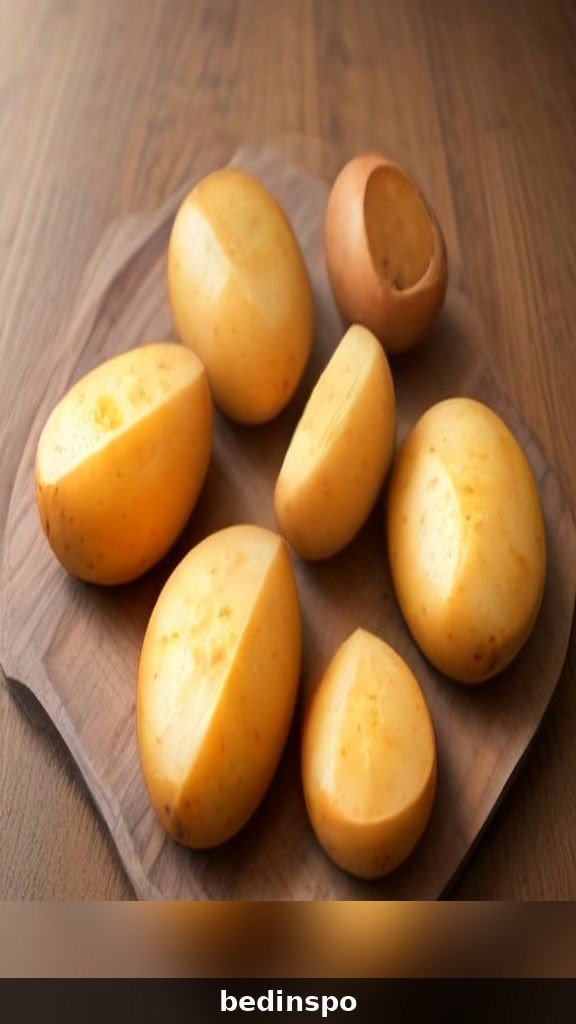
If you take one thing from this whole post, let it be this: the potato you choose decides your mashed potatoes before you ever turn on the stove. Potatoes fall into three families, and they behave very differently in the pot.
Russet potatoes (starchy). The classic baker. Russets are high in starch and low in moisture, so they fall apart into a fluffy, light mash that absorbs butter and cream beautifully. Their one weakness: they can go gluey if overworked, and all-russet mash can taste a little one-note. Handled gently, they’re the fluffiest potato you can mash.
Yukon Gold potatoes (all-purpose, waxy-leaning). Naturally golden, thin-skinned, and born buttery — Yukon Golds taste rich before you add a single thing. They mash up dense, creamy, and smooth, and they’re more forgiving of enthusiastic mashing than russets. All-Yukon mash is a little less “fluffy cloud” and a little more “silky and rich,” and plenty of people (including me, most days) prefer exactly that.
Red potatoes (waxy). Red potatoes hold their shape and make a chunkier, more rustic mash — great for smashed potatoes with the skins on, but not the pick for a smooth, classic holiday mash. Save them for potato salad and roasting.
My favorite move: half russets, half Yukon Golds. You get russet fluff with Yukon flavor, and the two cover each other’s weaknesses. Whatever you choose, pick potatoes that feel firm and heavy for their size, with no green spots, sprouts, or soft patches.
How to Make Mashed Potatoes: Step by Step
Here’s the full method, start to finish. Read it through once before you begin — it moves fast at the end, and having your butter cubed and your milk measured out makes the whole thing feel effortless.
Ingredients
See the full ingredient list in the Ingredients section above — the same measurements apply here.
Instructions
- Prep the potatoes. Peel the potatoes (Yukon Golds can keep their thin skins if you like a more rustic mash, but peel russets — their skins are tough). Cut them into even 1 1/2-inch chunks so they cook at the same rate. Uneven chunks are the sneaky cause of lumpy mash: the small pieces turn to mush while the big ones are still hard in the middle.
- Start in cold salted water. Place the chunks in a large pot and cover with cold water by about an inch. Add 1 tablespoon of kosher salt and the smashed garlic cloves, if using. Starting cold lets the potatoes heat gradually and cook evenly all the way through.
- Simmer, don’t boil hard. Bring the pot to a boil over high heat, then reduce to a lively simmer. Cook for 15–20 minutes, until the potatoes are completely tender — a chunk should slide right off a fork and break apart with zero resistance. If the fork meets any firmness, give them 2 more minutes. Undercooked potatoes are the number one cause of lumps.
- Drain and dry. Drain the potatoes in a colander and let them steam for a minute. Return them to the hot, empty pot over low heat for about 1 minute, shaking the pot gently, until the surfaces look dry and slightly floury. This little step drives off the extra water that makes mash soupy — don’t skip it.
- Mash while hot. Take the pot off the heat. Mash the potatoes with a hand masher for a fluffy, slightly textured result, or push them through a ricer or food mill for the smoothest, silkiest mash (see the equipment notes below). Work quickly and confidently — hot potatoes mash easily, cooling potatoes resist and tempt you to overwork them.
- Add warm butter first. Fold in the butter and let it melt through for about 30 seconds. Butter goes in before the liquid on purpose: its fat coats the starch granules, which helps keep the finished mash fluffy instead of gluey.
- Add warm milk a little at a time. Pour in the warm milk (or cream) in a slow stream, folding gently after each addition, until the potatoes reach your perfect consistency — soft peaks that just barely hold their shape. You may not need every drop, or you may want a splash more. Stop the moment it looks right.
- Season and serve. Fold in the sour cream, if using, then taste and season boldly with salt and black pepper — potatoes drink up salt, so be braver than you think. Spoon into a warm serving bowl, use the back of the spoon to make pretty swirls, and finish with an extra pat of butter melting into the top and a shower of chives. Serve immediately.
Prep time: 15 minutes · Cook time: 20–25 minutes · Total: about 40 minutes · Yield: 8 servings
The Secret to Fluffy, Never-Gummy Mashed Potatoes
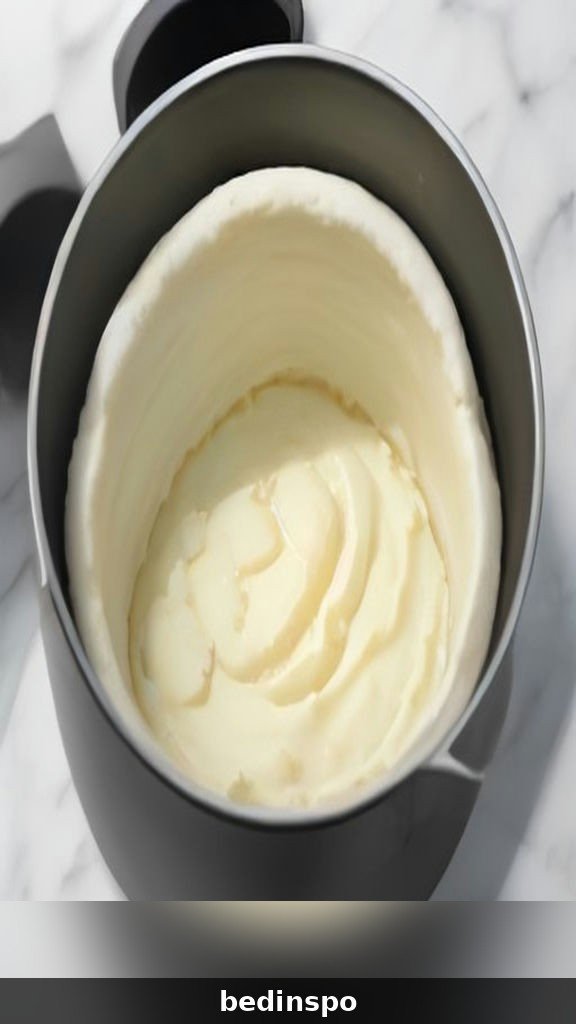
Let’s talk about the thing everyone fears: gluey mashed potatoes. Here’s what’s actually happening. Potatoes are full of starch granules. When you mash gently, those granules stay mostly intact and your potatoes stay fluffy. When you overwork them — especially with a food processor, blender, or electric mixer — the granules burst and release sticky starch, and your lovely mash turns into wallpaper paste. Once it happens, there’s no way back. But it’s incredibly easy to prevent:
- Never use a food processor or blender. The blades are far too violent for potatoes. This is the single most common cause of gluey mash. A hand masher, ricer, or food mill only — no exceptions.
- Mash hot, mash once. Mash the plain potatoes first, completely, before any dairy goes in. Adding liquid and then continuing to mash extends the working time and the risk.
- Butter before liquid. Fat coats the starch and protects it. Butter first, then warm milk, folded in gently — in that order.
- Use warm dairy. Cold milk cools the potatoes and makes them resist blending, which makes you stir more, which makes glue. Warm dairy disappears in with just a few folds.
- Cut even chunks and cook them fully. Raw-centered chunks force extra mashing at the end. Fully tender, evenly sized pieces mash in seconds.
- Know your tools. A ricer gives the smoothest, most foolproof result because it presses the potato once, gently. A hand masher gives fluffy mash with a little texture. A food mill is the old-school middle ground. All three are safe — choose the texture you love.
Follow those six rules and gluey mashed potatoes simply stop happening. It’s not luck — it’s starch management, and now it’s yours.
How to Make Them Extra Creamy
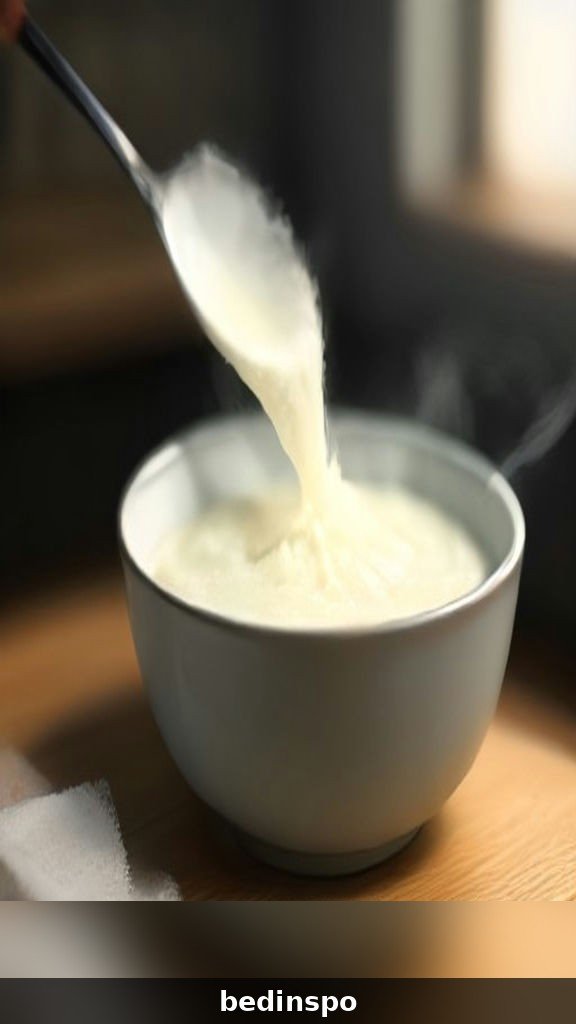
Fluffy is the classic goal, but some nights call for full-on creamy — the kind of mashed potatoes that slump gently on the plate and taste like they came from a fancy steakhouse. Here’s how to get there without crossing into glue territory.
Lean on the Yukon Golds. Use all Yukon Golds (or a 75/25 gold-to-russet ratio). Their naturally dense, moist flesh makes an inherently creamier mash. Use a ricer for a completely smooth base — no lumps means the dairy incorporates like a dream. Then upgrade the dairy: heavy cream instead of milk, an extra 2 tablespoons of butter, and the optional sour cream (or 2 ounces of softened cream cheese) folded in at the end for body and a gentle tang.
The technique matters as much as the ingredients: add the warm cream gradually and fold with a spatula or wooden spoon — never a whisk, which whips in air and works the starch — until the potatoes look glossy and hold a soft, slow peak. Taste for salt at the very end; creamy mash needs confident seasoning to keep all that richness from tasting flat. Spoon into a warm bowl, swirl the top, and let a final knob of butter melt into a golden pool. That’s the whole luxurious secret.
Variation 1: Roasted Garlic Mashed Potatoes
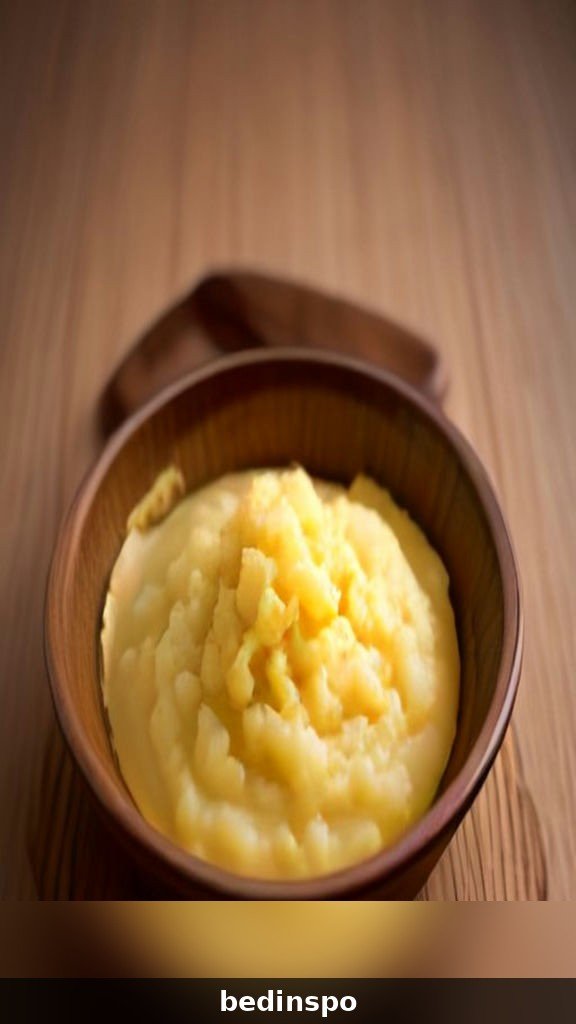
This is the variation that makes people ask for the recipe at the table. Roasting a whole head of garlic turns it sweet, mellow, and jammy — all of garlic’s flavor, none of its raw bite — and it melts into the potatoes like it was always meant to be there.
What to Add
- 1 whole head of garlic
- 1 teaspoon olive oil
- A pinch of salt for the garlic packet
How to Make It
- Slice the top off the head of garlic to expose the cloves. Drizzle with olive oil, sprinkle with salt, wrap in foil, and roast at 400°F for 35–40 minutes, until the cloves are deep golden and completely soft. (Do this while you prep everything else — or up to 3 days ahead.)
- Squeeze the soft cloves out of their skins into a small bowl and mash with a fork into a paste.
- Make the classic mashed potatoes recipe above. Fold the garlic paste in with the butter so it distributes evenly through every bite.
Tip: Roast two heads while you’re at it — leftover roasted garlic keeps a week in the fridge and is incredible smeared on toast, whisked into salad dressing, or stirred into butter for garlic bread.
Variation 2: Cheesy Loaded Mashed Potatoes
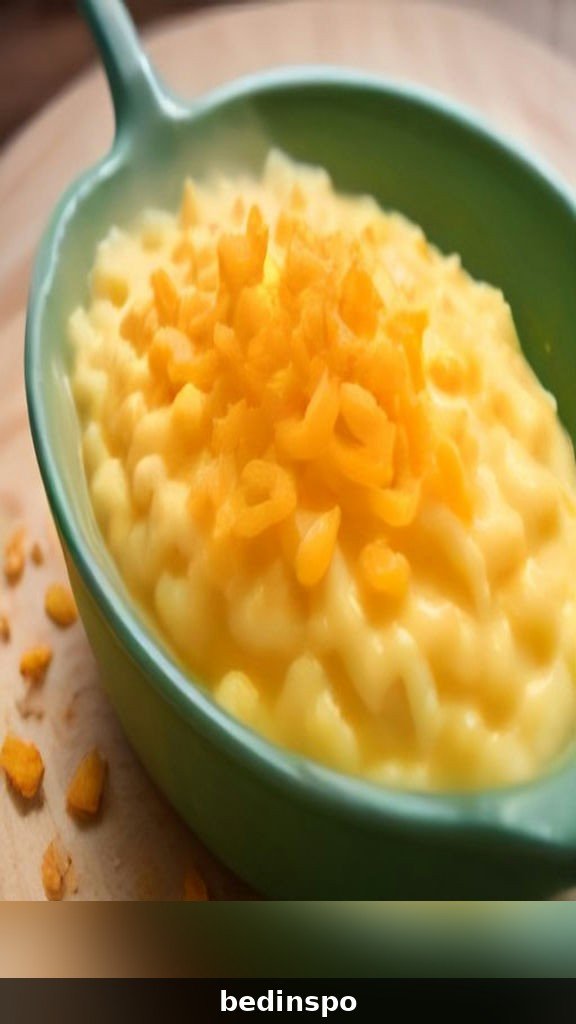
Think loaded baked potato meets mashed potatoes, and prepare for an empty bowl. This is the version for potlucks, game days, and any table where “a little extra” is the whole point.
What to Add
- 1 1/2 cups shredded sharp cheddar cheese, divided
- 6 slices bacon, cooked crisp and crumbled (or 1/2 cup real bacon bits)
- 1/4 cup sour cream (in addition to the optional amount in the base recipe)
- 3 green onions, thinly sliced
How to Make It
- Make the classic mashed potatoes, using sour cream in the base.
- While the potatoes are still hot, fold in 1 cup of the cheddar until it melts through in ribbons. Fold in half the bacon and half the green onions.
- Spoon into a serving bowl (or a buttered baking dish, if you’d like to broil it for 2–3 minutes until the top is bubbling and spotted golden — highly recommended).
- Finish with the remaining cheddar, bacon, and green onions on top so everyone can see exactly what they’re getting into.
Swaps: pepper jack for a kick, smoked Gouda for something deeper, or Gruyère for a fancy French-leaning version. This variation also reheats beautifully, which makes it the potluck MVP.
Variation 3: Sour Cream & Chive Mashed Potatoes
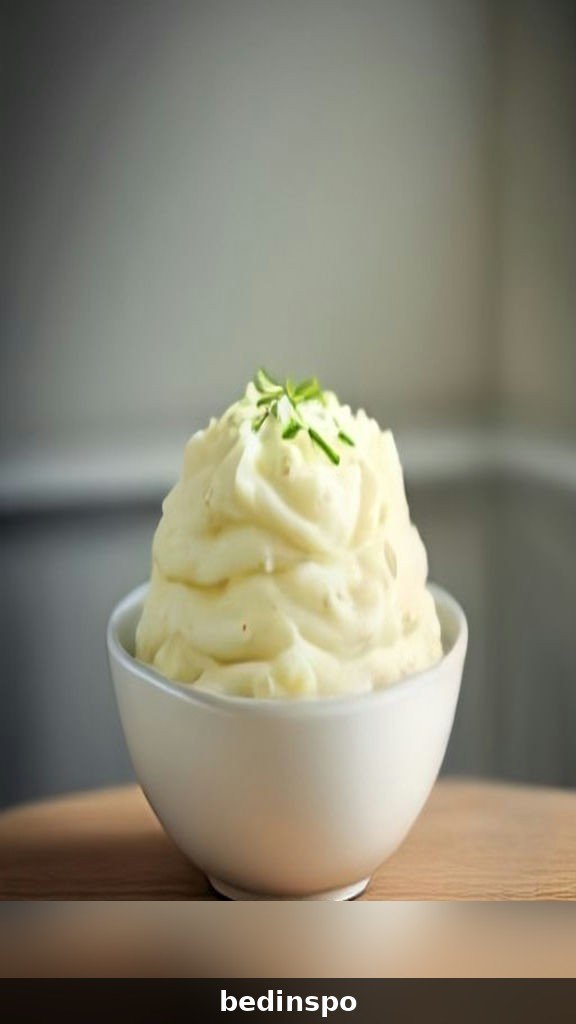
Bright, tangy, and a little bit elegant — this is the version I make for roast chicken Sundays and Easter ham. The sour cream adds a gentle tang that keeps the potatoes from feeling heavy, and fresh chives bring color and a mild oniony freshness.
What to Change
- Increase the sour cream to 1/2 cup total
- Reduce the milk slightly (start with 1/2 cup) since the sour cream adds moisture
- 1/4 cup finely snipped fresh chives, plus more for the top (green onion tops work too)
How to Make It
- Make the classic mashed potatoes as directed, warming the reduced amount of milk.
- Fold the sour cream in at the very end, off the heat, so it stays silky and doesn’t break.
- Fold in the chives last, saving a spoonful for a pretty green finish on top with the melting butter.
Tip: Always add sour cream off the heat and at the end — boiling it can make it grainy. Folded in last, it stays smooth and luscious.
Variation 4: Brown Butter & Herb Mashed Potatoes
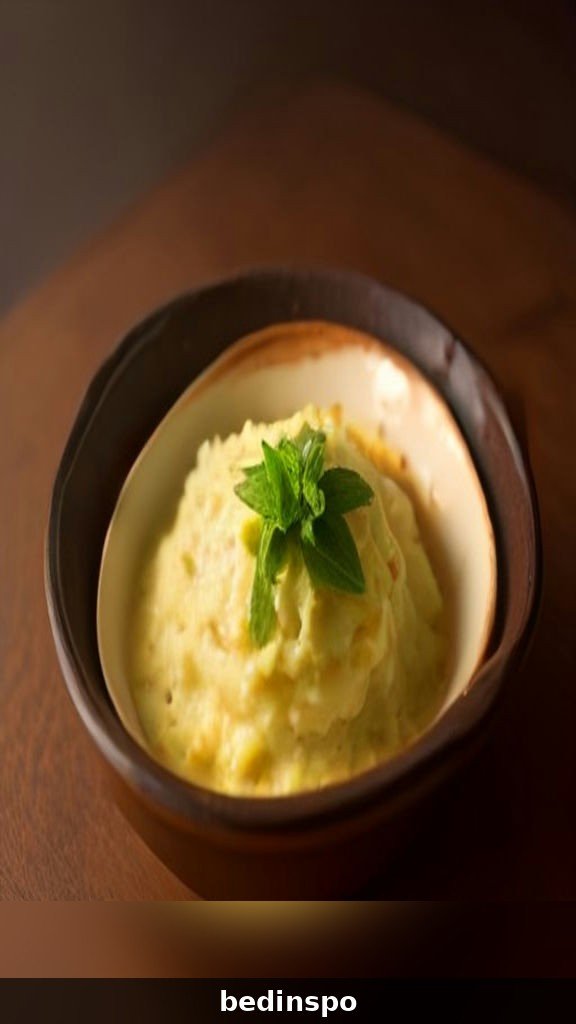
If you want the version that tastes like a restaurant made it, this is it. Browning the butter gives it a nutty, toasty depth that plain melted butter can’t touch, and crispy fried herbs on top make the whole bowl look — and taste — special.
What to Change
- Brown the 6 tablespoons of butter instead of simply melting it
- 8–10 fresh sage leaves (or a tablespoon of fresh thyme leaves)
- An extra small knob of butter for frying the herbs
How to Make It
- Melt the butter in a light-colored skillet over medium heat. Swirl it as it foams, then foams again — once the foam subsides and the milk solids at the bottom turn amber and smell nutty (about 3–4 minutes total), pull it off the heat immediately so it doesn’t burn.
- Make the classic mashed potatoes, using the warm brown butter in place of the regular butter.
- In a tiny skillet (or the same one), fry the sage leaves in a little butter for about 30 seconds until crisp. Spoon the potatoes into their bowl, drizzle with any remaining brown butter, and scatter the crispy sage over the top.
Tip: Brown butter goes from perfect to burnt in seconds, so stay at the stove and trust your nose — when it smells like toasted hazelnuts, it’s done.
Dairy-Free & Vegan Mashed Potatoes (Still So Creamy)
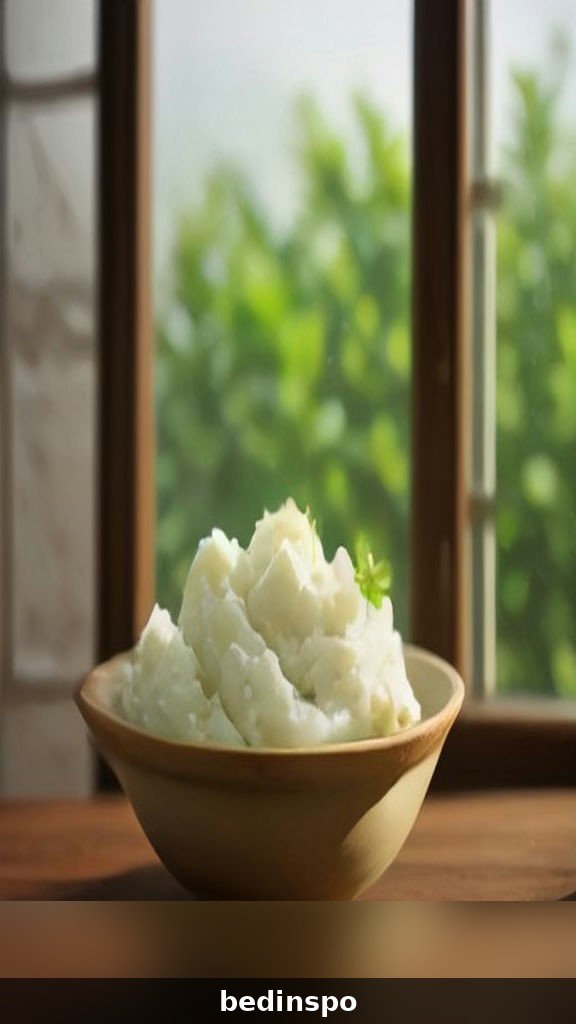
Everyone deserves great mashed potatoes at the table, and this version genuinely delivers — creamy, savory, and satisfying, with no dairy at all. The secrets are olive oil, starchy potato cooking water, and confident seasoning.
What to Swap
- Replace the butter with 1/4 cup good extra-virgin olive oil (plus more for drizzling) or your favorite vegan butter
- Replace the milk with 1/2 to 3/4 cup of the hot potato cooking water, added gradually (it’s full of starch and makes the mash surprisingly creamy), or warm unsweetened oat milk
- Skip the sour cream; add 1 teaspoon of white miso paste or a squeeze of lemon for depth (optional, but wonderful)
How to Make It
- Before draining the potatoes, scoop out a mugful of the hot cooking water and set it aside.
- Make the classic recipe with the swaps above — Yukon Golds are the best choice here, since their natural butteriness does a lot of the work. Mash, dry the potatoes well, then fold in the olive oil first and the warm cooking water a little at a time until creamy.
- Season generously — salt, black pepper, and a clove of the roasted garlic from Variation 1 (naturally dairy-free) folded through makes these unforgettable. Finish with a drizzle of olive oil and fresh herbs.
Serve these to everyone without a word of explanation and watch them vanish. Nobody will guess a thing.
Make-Ahead Instructions (Holiday Lifesaver!)
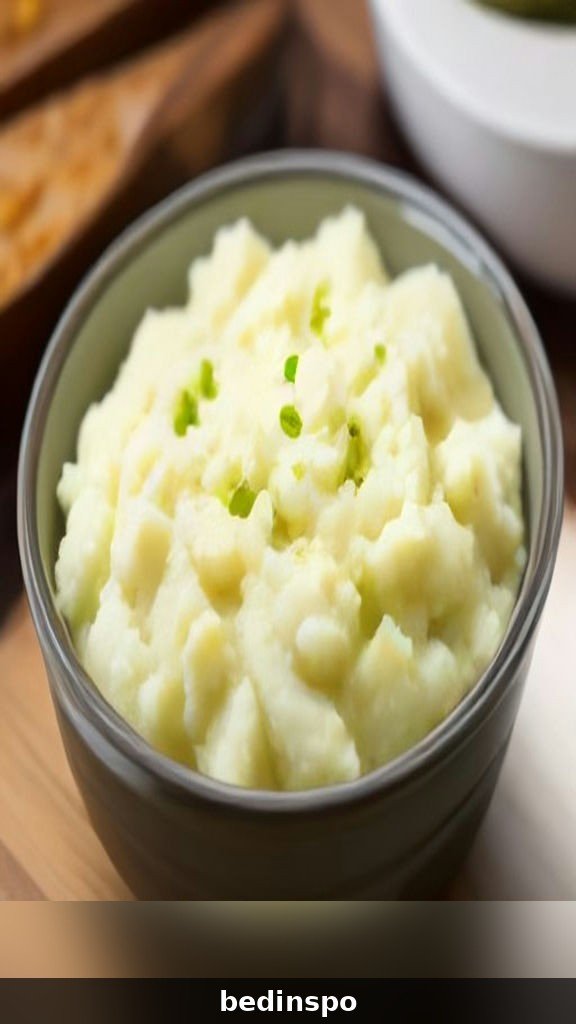
Mashed potatoes have a reputation for being a last-second dish, but they don’t have to be — and on Thanksgiving, that might be the best news in this whole post. You have three good options, depending on how far ahead you want to work.
Option 1: The full make-ahead (up to 2 days). Make the recipe completely, but use cream or half-and-half instead of milk (fat protects the texture in the fridge) and be generous with the butter. Cool, cover the surface directly with a piece of buttered parchment or plastic wrap so it doesn’t form a skin, and refrigerate for up to 2 days. Reheat gently as described in the storage section below with a splash of warm cream folded in at the end — they’ll taste freshly made.
Option 2: Prep ahead, mash later (my Thanksgiving favorite). Peel and chunk the potatoes the morning of (or the night before) and hold them submerged in cold water in the fridge so they don’t brown. When it’s time, drain, cover with fresh cold salted water, and cook as directed. All the tedious work is done, the mashing takes ten minutes, and the potatoes are at their absolute fresh best.
Option 3: Hold them warm (up to 2 hours). Made them a little early? Mashed potatoes hold beautifully. Keep them in a heatproof bowl set over a pot of barely simmering water (a makeshift double boiler), covered, with a thin layer of warm milk or a few pats of butter over the surface to prevent a skin. Or transfer to a slow cooker on the WARM setting, lightly buttered on top. Give them one gentle stir and a splash of warm milk before serving and nobody will know they waited.
How to Store & Reheat Leftovers
If you’re lucky enough to have leftovers, transfer them to an airtight container once cooled and refrigerate for up to 4 days. Mashed potatoes also freeze surprisingly well for up to 1 month — freeze in portion-sized scoops on a parchment-lined tray, then bag them. (The richer the mash, the better it freezes; stir in a little extra cream when reheating.)
Reheating, so they taste fresh: The goal is gentle heat plus a little fresh moisture. On the stovetop, warm the potatoes in a saucepan over low heat with a splash of milk or cream, stirring now and then, until steaming and silky again. In the microwave, heat in 1-minute bursts at 70% power, stirring in a spoonful of milk between rounds. In the oven, spoon into a buttered dish, dot with butter, cover with foil, and bake at 350°F for 20–25 minutes. Whichever method you choose, finish with a fresh pat of butter and a pinch of salt — it wakes everything back up.
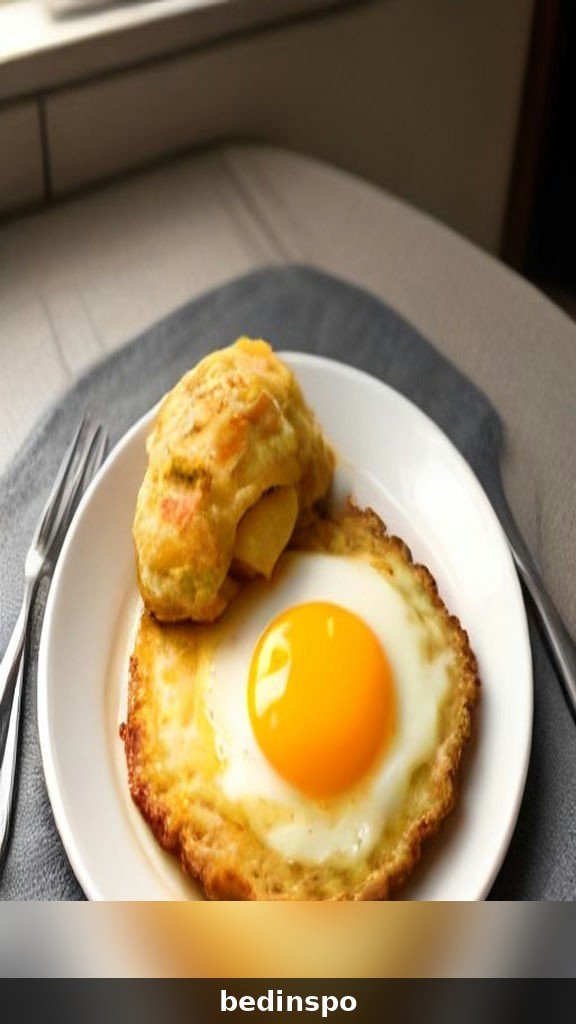
And don’t forget the best leftover move of all: potato cakes. Mix cold leftover mash with a beaten egg and a couple of spoonfuls of flour, form into patties, and fry in butter until deeply golden and crisp on both sides. Serve with a fried egg on top and try not to eat them standing at the stove.
FAQs About Mashed Potatoes
Why did my mashed potatoes turn out gluey?
Almost always, overworking. A food processor, blender, or vigorous electric mixing bursts the starch granules and turns the potatoes sticky — and sadly, it can’t be undone. The fix for next time: mash by hand or with a ricer, add warm butter before warm milk, and stop as soon as they’re smooth. (For tonight: fold in a little extra warm cream, spoon into a buttered dish, top with buttered breadcrumbs and cheese, and bake it as a casserole — delicious camouflage.)
Can I leave the skins on?
Yes — especially with Yukon Golds, whose skins are thin and tender. Skin-on mash is more rustic, with extra texture and nutrients, and it’s lovely for weeknight dinners. For a classic, silky holiday mash, peel them; russet skins are thick and tough, so always peel russets.
How do I fix lumpy mashed potatoes?
Lumps usually mean the potatoes were slightly undercooked or the chunks were uneven sizes. If you catch it early, return the pot to very low heat, add a splash of warm milk, and keep mashing — the extra minute of heat often softens the last stubborn pieces. Next time, cut even chunks and cook until a piece truly falls apart when poked with a fork.
How much should I make per person?
Plan on about 1/2 pound of raw potatoes per person for a normal side-dish serving — roughly 3/4 to 1 cup of mashed potatoes. For Thanksgiving or a crowd of enthusiastic eaters, go up to 3/4 pound per person. This recipe (3 pounds) serves 8 as a side, and leftovers are never a problem anyone complains about.
Why are my mashed potatoes bland?
Two usual suspects: the cooking water wasn’t salted enough, and the finished potatoes weren’t seasoned at the end. Potatoes need salt at both stages, and they need more than you expect — season, taste, and season again. A knob of butter and the optional sour cream also add a lot of quiet flavor depth.
Can I make mashed potatoes in a slow cooker or Instant Pot?
Absolutely. For the slow cooker, cook the chunks with a cup of water or broth on HIGH for 3–4 hours until tender, then drain, dry briefly, and mash right in the crock with the warm butter and milk — perfect for holding at a potluck. For the Instant Pot, cook chunks on a trivet with 1 cup of water at high pressure for 8 minutes, quick-release, then mash as directed. The finishing steps — warm dairy, gentle hand — stay exactly the same.
Conclusion
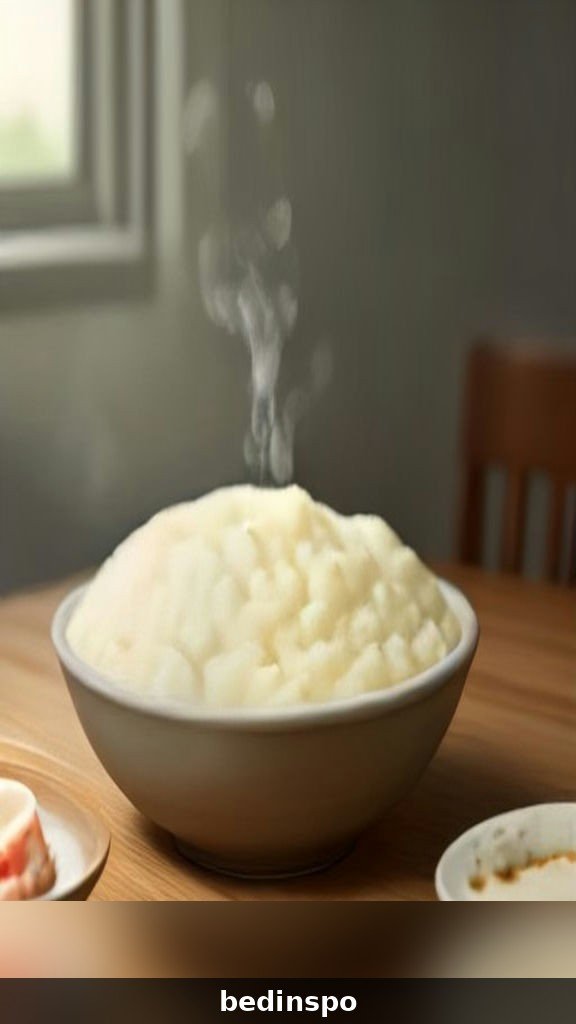
There you have it — everything you need for mashed potatoes that are fluffy, creamy, buttery, and absolutely never gluey: the right potatoes, salted cold-start water, a quick dry in the hot pot, warm butter before warm milk, and a gentle hand. Once you understand the little bit of starch science behind it, perfect mashed potatoes stop being a holiday gamble and start being the most reliable dish you make.
Make the classic version for your next Sunday dinner, try the roasted garlic for Thanksgiving, and keep the make-ahead tricks in your back pocket for the days when the oven schedule gets wild. Save this mashed potatoes recipe, pin it to your holiday board, and get ready for the bowl to come back empty — every single time. Happy cooking! 🥔