Blonde Hair Color Ideas: 20 Gorgeous Shades, Techniques and Tips to Try
Blonde is never just one color. It is a whole palette of creamy, golden, icy, buttery and sun-kissed tones, and the right one can brighten your skin, bring out your eyes and give your style a fresh start. Choosing among so many options can feel overwhelming, especially with new trends appearing every season. This guide collects the best blonde hair color ideas for every skin tone, hair length and maintenance level. You will find classic shades, modern techniques such as balayage and money pieces, and suggestions for dark, fine and curly hair. You will also learn how to talk to your colorist and keep your color bright. Use this as inspiration for your next appointment.
Why Blonde Hair Color Ideas Never Go Out of Style

Blonde has stayed popular for decades because it is so adaptable. Light tones reflect more light, which makes hair look brighter, fuller and more dimensional. They can also soften the face or create bold contrast, depending on the shade. Another reason for blonde’s lasting appeal is variety. You can go subtle with a few face-framing highlights or make a dramatic statement with a full head of icy platinum. Stylists keep reinventing the color with new placement techniques, which means there is always something fresh to try. Blonde also suits all seasons, with warm honey tones in autumn, creamy champagne in winter and sunny gold in summer. That flexibility keeps it at the top of salon request lists.
How to Choose the Best Blonde for Your Skin Tone
The most flattering blonde starts with your undertone. If your skin looks golden or peachy and your veins look greenish, you have warm undertones and will glow in honey, golden, caramel and strawberry blonde. If your skin has pink or bluish hints and your veins look blue, you are cool-toned and will look great in ash, platinum, pearl and champagne shades. Neutral undertones can wear most blondes, especially beige and soft golden tones. Your eye color and natural hair color matter too, since a shade close to your natural level looks more believable and grows out better. When in doubt, ask your colorist to hold swatches beside your face in daylight. The right shade should make your skin look rested and bright.
Platinum Blonde: The Boldest Blonde Idea

Platinum blonde is the lightest, most dramatic shade in the blonde family. It has a pale, almost white appearance that looks striking against both light and deep skin tones. Getting there usually involves bleaching the hair to a very pale yellow and then applying a toner to cancel warmth. Because the process is intense, healthy hair and an experienced colorist are essential. Expect a high-maintenance routine that includes root touch-ups every four to six weeks, purple shampoo and regular deep conditioning. Platinum looks especially sharp with blunt cuts, sleek bobs and long straight styles. If you want the look without full commitment, try platinum highlights or a platinum money piece around the face before going all over.
Golden Blonde and Honey Blonde
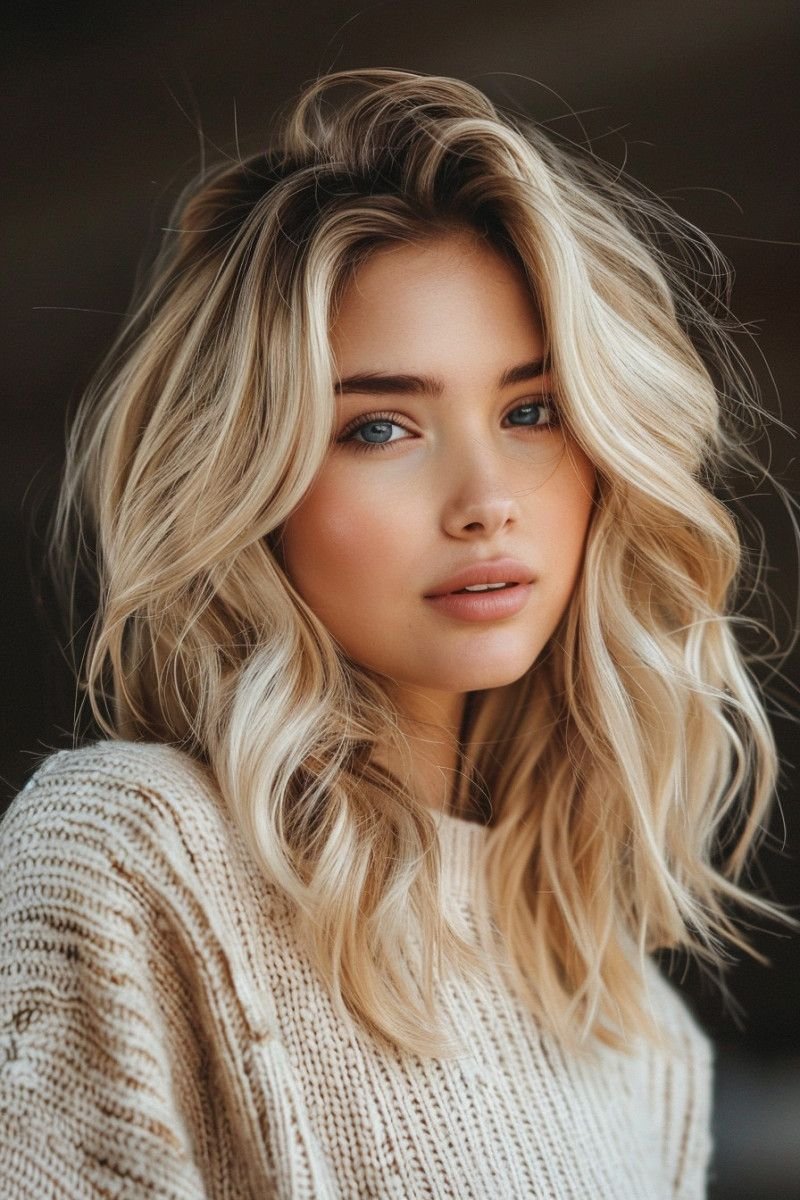
Golden and honey blondes are warm, sunny shades that make the complexion glow. Golden blonde has a bright, buttery warmth, while honey blonde is slightly deeper with soft caramel notes. These tones are easier to maintain than platinum because the natural warmth in the hair is embraced rather than neutralized. They suit warm and olive skin tones beautifully, and they look especially pretty with brown, hazel and green eyes. Adding subtle lowlights prevents the color from looking flat, and a gloss treatment every six to eight weeks keeps it shiny. Golden blonde looks lovely with loose waves or a layered cut, giving that effortless, sun-kissed look many people want for summer and vacation.
Ash Blonde and Silver Blonde

Ash blonde is a cool, smoky shade with silvery undertones that create a sleek, modern look. It works well on fair, cool and neutral skin tones and pairs beautifully with blue and gray eyes. To get ash blonde, a colorist lifts the hair to a pale yellow and then uses a violet or blue toner to remove warmth. Because toner fades, this shade needs regular glosses and purple shampoo to prevent brassiness. Silver blonde takes the idea further, with a metallic, almost gray finish that looks fashionable and bold. Both shades look best with a precise cut, such as a blunt lob or a sleek bob. A shadow root helps the color grow out gracefully and lowers maintenance.
Champagne and Butter Blonde

Champagne blonde is a soft, creamy shade that blends beige, gold and a touch of pink. Butter blonde is slightly warmer and richer, with a smooth, velvety look. Both are universally flattering because they balance warm and cool tones, which makes them a great choice for neutral undertones and for anyone unsure where to begin. They look luxurious and expensive without feeling harsh. These shades are often created with a lighter base and a custom toner, so they require a careful hand. Champagne works beautifully with long layers, soft curls and shoulder-length cuts. To maintain the shade, use a color-safe shampoo and book a toning appointment every two months to keep the creamy tone from turning yellow or flat.

Beige Blonde and Sand Blonde
Beige blonde is a neutral, understated shade that sits between warm and cool tones. It looks natural, polished and low drama, which is why it has become a favorite for people who want a modern blonde that does not look overly processed. Sand blonde is similar but slightly deeper, with a soft, earthy look that blends into light brown roots with ease. These shades suit most skin tones and are especially friendly to people with neutral undertones. They work well with soft balayage, which creates natural dimension and an easy grow-out. Beige tones need a good gloss to stay fresh, since they can turn yellow or gray if the toner fades. They are an excellent choice for a first-time blonde.
Strawberry Blonde and Rose Gold Blonde

Strawberry blonde blends light blonde with soft copper or peach undertones, creating a warm, romantic shade. Rose gold blonde adds a delicate pink shimmer, giving a feminine, trendy finish. Both shades suit fair, freckled and warm skin tones, and they look dreamy with green and blue eyes. They are usually created with a custom toner or a semi-permanent color layered over a light base, so they may fade faster than other blondes. Use color-depositing conditioners and wash with cool water to keep the tone lively. These shades are a fun alternative if you want something playful but still soft. Pair them with loose waves, a layered cut or a half-up style to show off the delicate color.
Dark Blonde and Bronde

Dark blonde, also called bronde, is a blend of blonde and brown that gives a rich, natural look. It is ideal for people who want a lighter color without a dramatic change or heavy upkeep. Soft golden or ash highlights add dimension, and the deeper base helps the color grow out smoothly. Bronde suits many skin tones, depending on whether you choose warm caramel notes or cool ash notes. It is also easier on the hair, since it usually needs less lightening than a bright blonde. Add a glossing treatment for shine and a few face-framing highlights for brightness. This shade works well for busy lifestyles, because you can stretch the time between salon visits to three or four months.
Blonde Balayage
Balayage is a hand-painted highlighting technique that creates a soft, natural gradient from darker roots to lighter ends. It is one of the most popular ways to wear blonde, because the color looks like it grew in naturally. Balayage works on nearly every hair type and length, and it can be customized with golden, ash, caramel or platinum tones. The greatest advantage is low maintenance. Since the roots stay close to your natural color, there is no harsh regrowth line, and appointments can be spaced several months apart. Ask your stylist for a placement that suits your face, such as brighter pieces around the front. Use a purple shampoo occasionally and a deep conditioner weekly to keep the blonde fresh.
Blonde Highlights and Babylights

Traditional highlights weave lighter strands through the base color and remain a classic way to brighten hair. Babylights are much finer and softer, mimicking the delicate blonde streaks that children naturally have. They blend seamlessly and add glow without obvious stripes. Highlights can be placed all over for a bright look or concentrated on the top layer for a subtle effect. Choose your tone based on your skin, with golden for warmth and ash for cool contrast. Highlights are a great way to test blonde before committing to an all-over shade, and they can be refreshed with a toner when needed. Regular trims and bond-building treatments keep the lightened strands strong, smooth and healthy.
Money Piece and Face-Framing Blonde
The money piece is a bold, bright section of color placed around the face. It instantly lifts the complexion, adds contrast and gives a modern, fashion-forward feel. It works on almost any base color, from dark brown to soft blonde, and it can be as subtle or as dramatic as you like. Many people choose a golden or platinum shade for the front sections, while leaving the rest of the hair natural. It is also one of the easiest ways to try blonde without a full commitment. Maintenance is simple, since you only need to touch up a small area every six to eight weeks. Use a gloss to keep the tone bright and a purple shampoo to avoid brassiness.
Ombre and Sombre Blonde

Ombre moves from a darker root to lighter ends, creating a bold gradient that stands out from the crowd. Sombre, or soft ombre, blends the transition more gently for a natural look. Both techniques are great for people who want blonde ends without a high-maintenance root. Choose honey, caramel or ash tones depending on your preference. Ombre shows best on long or medium hair, where the gradient has room to blend. Because the lightest area is at the ends, it also requires extra moisture to avoid dryness. Use a bond-repair treatment and a leave-in conditioner regularly. As the roots grow, the style simply looks more blended, which makes it a practical option for busy schedules.
Blonde Hair Ideas for Brunettes and Dark Hair
Dark hair can absolutely go blonde, but the process requires patience. A gradual approach is safest, starting with caramel or honey highlights and gradually moving lighter. Balayage and bronde are excellent for dark bases because they add brightness without lifting every strand. For a bolder change, a colorist can use multiple sessions to reach a lighter blonde while protecting the hair with bond-building treatments. Expect warm tones to appear during lightening, since dark hair naturally passes through orange and yellow stages. A good toner then adjusts the final shade. Keep your expectations realistic and book a consultation first. The healthiest transition is usually the slowest one, and it often leads to a better, more even finish.
Blonde Hair Ideas for Short, Medium and Long Hair

Hair length changes how a blonde color looks. Short hair, such as a pixie or bob, looks striking with bright platinum, textured highlights or a soft golden tone, and it recovers quickly because damaged ends are trimmed often. Medium hair benefits from balayage and layered highlights that add dimension to waves and curls. Long hair shows off gradients best, so ombre, balayage and melted blonde tones look beautiful. Longer hair also needs more care, since the ends are older and drier. Use deep conditioning treatments and trim regularly. Whatever your length, ask your stylist to place the lightest tones where you want attention, such as around the face, at the ends or through the top layer.
Blonde Hair Ideas for Curly and Fine Hair
Curly hair can carry blonde beautifully, but it is more delicate and dryness-prone, so gentle lightening is essential. Balayage and face-framing highlights show off curl patterns and add dimension without lightening the entire head. Ask for a colorist experienced with curls, and add moisture-rich treatments to your routine. Fine hair can benefit from blonde, since lighter shades often make hair look fuller and thicker. A soft golden or beige tone with subtle lowlights adds depth. Avoid heavy products that weigh fine hair down, and choose lightweight conditioners and oils. For both hair types, bond-building treatments are valuable, since they help maintain strength and elasticity during and after the color service.
How to Talk to Your Colorist About Blonde

A great blonde starts with a clear conversation. Bring several photos in natural light, ideally of hair similar to yours, and point out what you like about each one, such as the tone, placement or brightness. Be honest about your hair history, including box dyes, henna and previous bleaching. Discuss your budget and how often you can return for touch-ups. Ask whether the plan can be done in one session or whether it should be spread out to protect your hair. Request a gloss or toner to finish the color and ask what products you should use at home. A good colorist will explain the process, set realistic expectations and suggest adjustments that suit your skin tone.
Blonde Hair Maintenance and Care Tips
Blonde hair needs a steady routine to stay bright and healthy. Wash two or three times a week with a sulfate-free shampoo made for color-treated hair, and use cool or lukewarm water. Add purple shampoo once a week to neutralize yellow tones, but do not overuse it. Deep condition weekly and use a bond-repair treatment once or twice a month. Apply heat protectant before using hot tools and keep temperatures moderate. Protect your hair from sun and chlorine with a hat, leave-in conditioner or UV spray. Trim every six to eight weeks to remove split ends, which show more on light hair. Book a gloss or toning appointment every two months to refresh your shade and keep it shiny.
Common Blonde Hair Color Mistakes to Avoid

A few common mistakes can ruin even a beautiful blonde. Going too light too fast can cause breakage, so plan the change in stages if your hair is fragile. Skipping toner often leaves hair yellow or brassy. Overusing purple shampoo can leave a dull, gray or lavender cast. Washing with hot water and harsh shampoos speeds up fading, while heavy heat styling dries and weakens lightened strands. Choosing a shade that does not match your undertone can make your skin look tired. Coloring at home without a strand test, especially on previously dyed hair, can lead to patchy or orange results. Finally, ignoring trims and conditioning leaves the hair rough, which dulls even the best color.
Conclusion
Blonde hair color ideas range from icy platinum and silky champagne to sun-kissed honey and soft rose gold, so there is a shade for every skin tone, budget and lifestyle. The best choice is the one that flatters your complexion, suits your hair health and fits the amount of maintenance you are comfortable with. Start with subtle options such as balayage, babylights or a money piece if you are new to blonde, and move lighter once you know how your hair responds. Work with a skilled colorist, protect your strands with the right products and keep up with glosses and trims. With the right plan and care, your blonde can look luminous, healthy and completely your own.