25 Cinnamon Pecan Elephant Ears Christmas
25 Cinnamon Pecan Elephant Ears Christmas
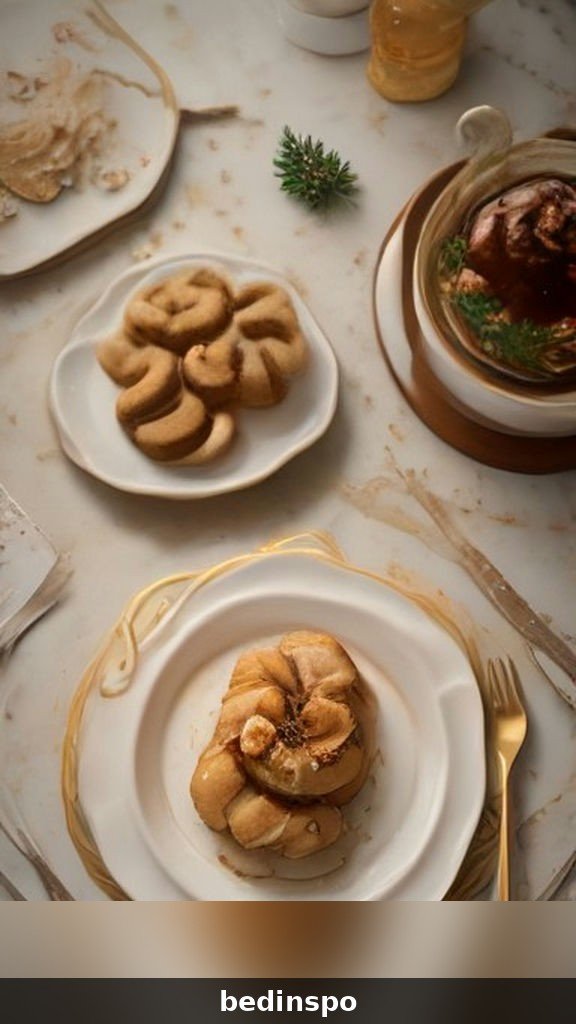
There is something wonderfully nostalgic about an elephant ear — that big, crispy, sugar-dusted pastry you used to beg for at the fair — and the Christmas version, rolled in cinnamon sugar and studded with toasted pecans, is even better. The pastry puffs into delicate, flaky layers in the oven, the sugar caramelizes into a golden crunch at the edges, and the warm cinnamon smell fills the whole house like a holiday candle.
Elephant ears, also called palmiers, look fancy but they are one of the easiest pastries you will ever make. Store-bought puff pastry does all the hard work, and you only need to roll it in cinnamon pecan sugar, slice it, and bake it. In twenty minutes you have a tray of golden, crispy, caramelized cookies that look like they came from a French bakery and taste like Christmas morning.
This guide gives you twenty-five ways to make, shape, flavor, store, and share cinnamon pecan elephant ears for Christmas — from getting the flakiest layers and the perfect caramelized edges to chocolate-dipped versions, maple glaze, mini party ears, and make-ahead tricks. Whether you are baking for a holiday brunch, a cookie exchange, or a cozy night by the tree, these crispy treats are festive, forgiving, and unforgettable.
Before you start, one promise: this is a recipe that looks impressive and takes almost no skill. If you can roll out a sheet of puff pastry and sprinkle sugar on it, you can make elephant ears. Keep your pastry cold, your oven hot, and your sugar generous. Your first batch will disappear so fast you will wish you had made a double batch.
1. What Are Elephant Ears?
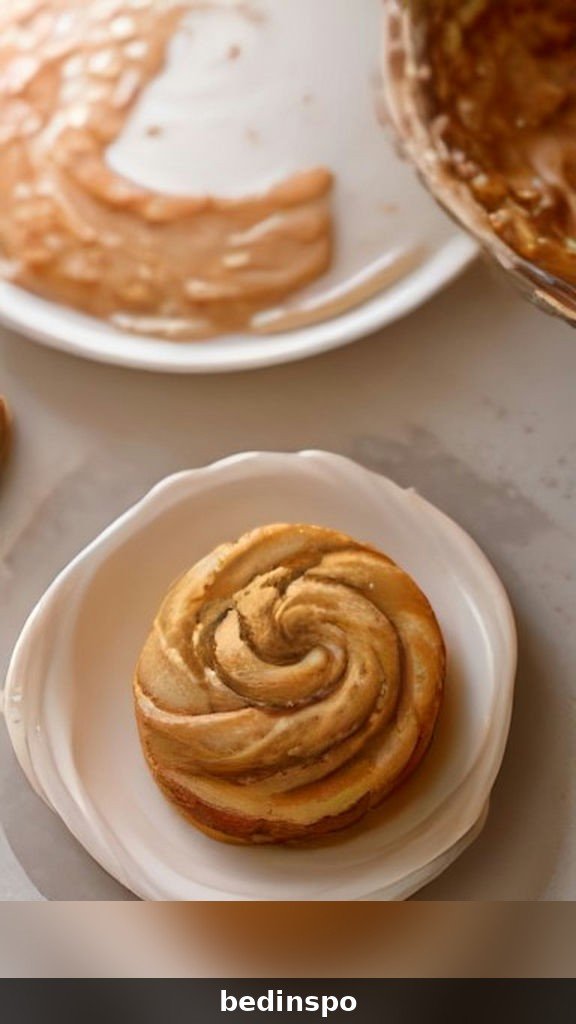
Elephant ears are crisp, caramelized pastries made from puff pastry rolled in sugar and shaped into a double scroll that looks, with a little imagination, like an elephant’s ear. They are also known as palmiers, and they have been a bakery favorite for centuries because they turn just two ingredients — puff pastry and sugar — into something golden, flaky, and completely addictive.
The magic happens in the oven, where the sugar melts and caramelizes against the hot baking sheet, giving the ears their signature golden crunch, while the layers of pastry puff up into delicate, shattering flakes. The cinnamon pecan version adds warm spice and nutty crunch to the classic, making the pastry taste like a cross between a cinnamon roll and a pecan praline. One bite, and you will understand why fairgrounds have been selling them for generations.
2. Why Cinnamon and Pecan Work So Well
Cinnamon and pecan are a natural pair, and they were practically made for Christmas baking. Cinnamon brings warm, sweet spice that fills the kitchen with holiday fragrance, while pecans add a buttery, toasted crunch that balances the sweetness of the caramelized sugar. Together they turn a simple pastry into something that tastes rich, layered, and deeply festive.
The pecans also add texture, which is what makes an elephant ear interesting to eat. The pastry shatters, the sugar crunches, and then you hit a piece of toasted pecan with its own soft, buttery bite. Toasting the pecans first is essential — it deepens their flavor and keeps them crisp inside the pastry instead of soft and soggy. A handful of pecans is all it takes to make these ears taste homemade in the best possible way.
3. The Flaky Pastry Secret
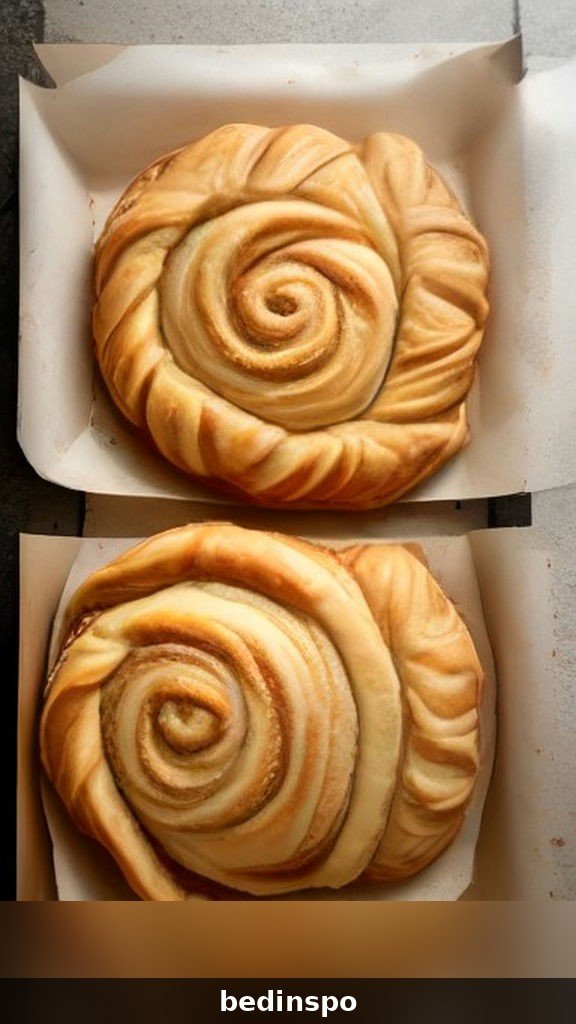
The flakiness of an elephant ear comes entirely from the puff pastry, and the secret to keeping it flaky is cold. Puff pastry is made of hundreds of alternating layers of dough and butter, and when cold pastry hits a hot oven, the butter melts, the water turns to steam, and the layers puff apart into delicate flakes. If the pastry gets warm before baking, the butter melts early and the layers collapse into something flat and greasy.
Work quickly, keep the pastry in the fridge until the moment you roll it, and chill the shaped ears for fifteen minutes before they go into the oven. A hot oven — 400 degrees Fahrenheit — is your friend here, because it shocks the pastry into puffing before the butter has time to melt away. Cold pastry, hot oven, and a little patience are all it takes to get bakery-level flakiness at home.
4. Ingredients You Need
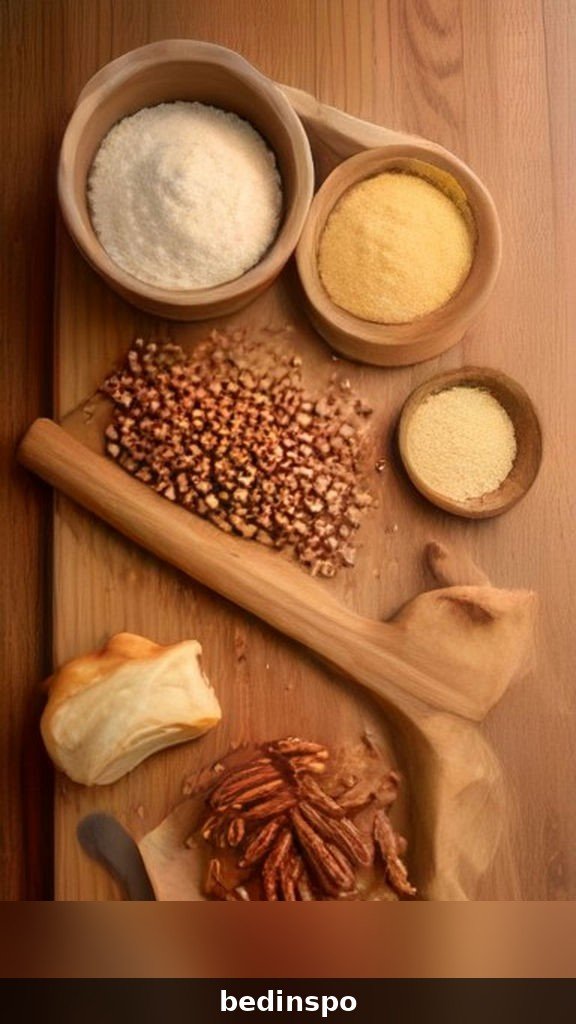
Elephant ears ask for almost nothing from your pantry, and that is part of their charm. You need one sheet of thawed puff pastry, half a cup of granulated sugar, two teaspoons of ground cinnamon, half a cup of finely chopped toasted pecans, and a pinch of salt. That is the whole list. No eggs, no butter to measure, no complicated steps — the puff pastry brings its own butter with it.
Use good-quality puff pastry, the all-butter kind if you can find it, because the flavor of the pastry is the flavor of the cookie. Thaw the pastry in the fridge overnight rather than on the counter, so it stays cold and easy to handle. Finely chop the pecans so they distribute evenly through the sugar and do not make the pastry hard to roll. A little extra cinnamon sugar for sprinkling on top is never a bad idea.
5. Making the Cinnamon Pecan Sugar
The cinnamon pecan sugar is the heart of this recipe, and it is as simple as stirring three things together in a bowl. Mix half a cup of granulated sugar with two teaspoons of ground cinnamon and half a cup of finely chopped toasted pecans, plus a pinch of salt to sharpen the flavors. The mixture should smell warm and sweet, with the pecans adding a nutty depth to the spice.
Spread half of the mixture on your work surface before you roll out the pastry, and save the rest for the top. Rolling the pastry through the sugar presses it into the dough, so every layer carries cinnamon and pecan. If you like a sweeter ear, use a little more sugar; if you prefer spice, add an extra half teaspoon of cinnamon. This mixture also makes a wonderful topping for toast, oatmeal, and hot chocolate, so make a double batch and keep the extra in a jar.
6. Rolling the Dough Into Ears
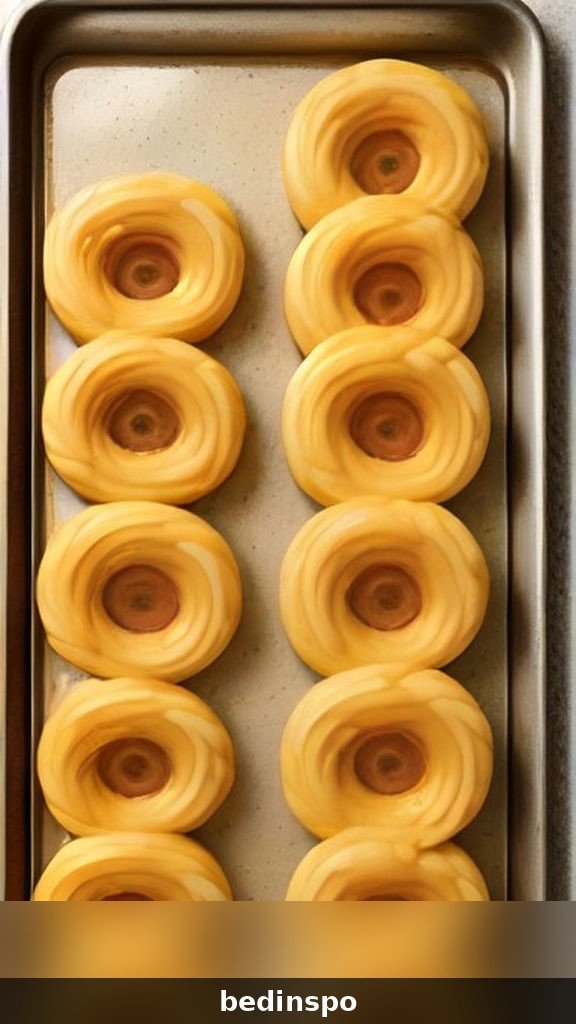
Start by sprinkling half the cinnamon pecan sugar over your work surface, then unfold the thawed puff pastry on top and sprinkle the rest of the sugar over the pastry. Roll it gently with a rolling pin to press the sugar in and even out the sheet, then fold the two long sides toward the center, fold them again, and fold the whole thing in half, like closing a book. You have just made the classic double scroll.
Wrap the folded log in plastic wrap and chill it for thirty minutes, which makes it firm enough to slice cleanly. Then cut it into half-inch slices with a sharp knife, and lay each slice flat on a parchment-lined baking sheet. As the slices bake, they will unroll slightly into the classic ear shape, with the sugar caramelizing at the edges. Leave plenty of space between the slices, because they spread as they puff.
7. The Classic Elephant Ear Shape
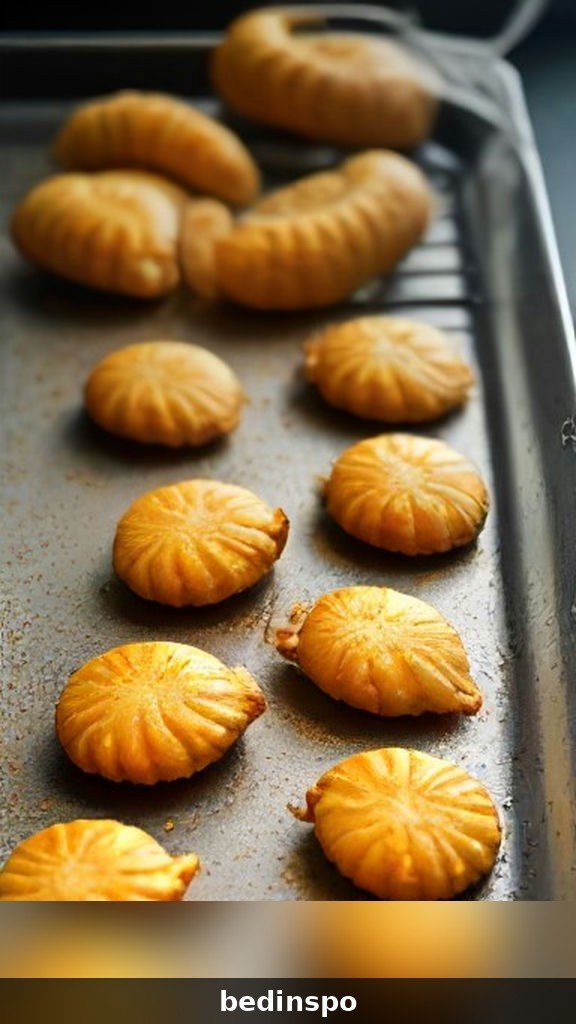
The classic elephant ear shape comes from the double fold, and it is easier than it looks. When you fold both sides toward the center, then fold them again and press the two halves together, you create a log with two tight scrolls side by side. Sliced and baked, each piece opens into a heart-shaped ear with beautiful swirls of cinnamon sugar running through it.
Do not worry if your first few slices look a little uneven — the oven is forgiving, and the sugar will caramelize into a golden crust that makes every ear look delicious. Press the slices gently with the palm of your hand before baking to help them hold their shape, and turn them over halfway through baking so both sides caramelize evenly. The finished ears should be golden, crisp, and gorgeously swirled.
8. Caramelized Sugar Edges
The caramelized edges are what make an elephant ear taste like a bakery treat rather than a plain pastry. As the sugar melts in the hot oven, it flows to the edges of each ear and hardens into a thin, crackling caramel crust. That crust is the best part — sweet, buttery, and just a little bit sticky, with a crunch that gives way to flaky layers underneath.
To get the best caramelization, bake the ears on a light-colored baking sheet lined with parchment, and do not crowd the pan. The sugar needs room and heat to caramelize properly, and a crowded pan steams instead of browning. If the ears stick to the parchment, let them cool for two minutes and they will release on their own. A golden, crackling edge is the sign of a perfectly baked elephant ear.
9. Toasting the Pecans
Toasting the pecans is a small step that makes a big difference. Raw pecans are soft and mild, but toasted pecans are rich, buttery, and deeply nutty, with a crunch that holds up inside the pastry. Spread the chopped pecans on a baking sheet and toast them at 350 degrees for seven to eight minutes, shaking the pan once, until they smell fragrant and look a shade darker.
Watch them closely, because pecans go from perfectly toasted to burnt in less than a minute. Let them cool completely before chopping them finely and mixing them into the cinnamon sugar — warm pecans will melt the sugar and make the mixture clump. Toast a big batch while you are at it, because toasted pecans are wonderful on salads, oatmeal, and ice cream all through the holidays.
10. Baking Time and Temperature
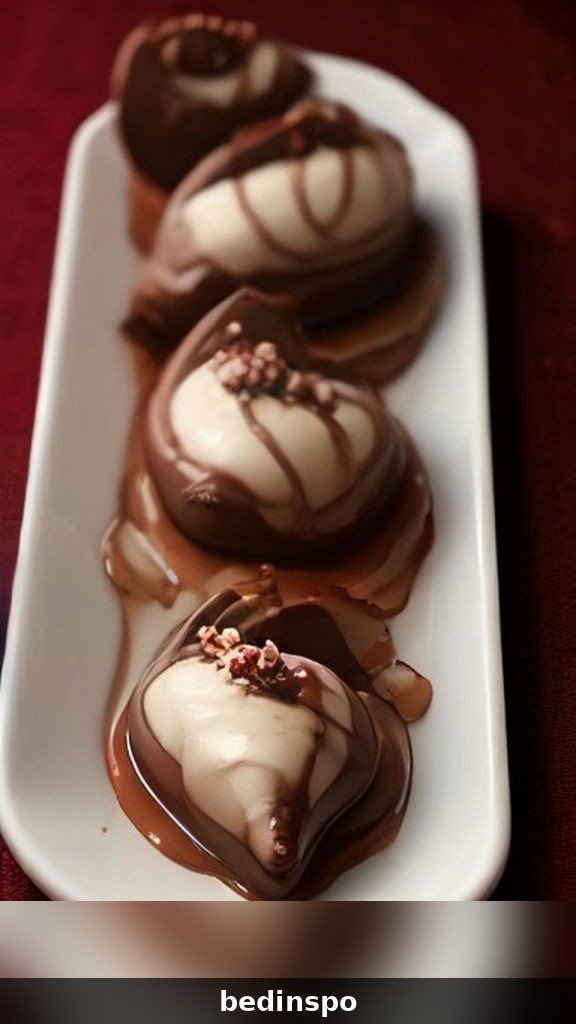
Elephant ears bake hot and fast, at 400 degrees Fahrenheit for twelve to fifteen minutes, and that high heat is essential for both the puff and the caramelization. The pastry needs the shock of a hot oven to lift into flaky layers before the butter melts away, and the sugar needs the same heat to caramelize into a golden crust. A cooler oven gives you flat, pale ears that taste like sweet crackers.
Flip each ear halfway through baking so both sides caramelize evenly, and watch the last two minutes carefully — the sugar goes from golden to burnt very quickly. The finished ears should be deeply golden at the edges, crisp all the way through, and fragrant with cinnamon. Let them cool on the baking sheet for five minutes, then move them to a wire rack, where they will crisp up even more as they cool.
11. Chocolate-Dipped Elephant Ears
Dipping an elephant ear in chocolate turns a fairground treat into a dessert-table showpiece. Melt dark chocolate gently in a heatproof bowl, then dip one end of each cooled ear into the chocolate and set it on parchment to firm up. The crisp pastry, the caramelized sugar, and the smooth chocolate shell are a combination that tastes far fancier than the effort it took.
For a prettier finish, sprinkle chopped pecans or gold sanding sugar over the chocolate before it sets, or drizzle white chocolate in thin lines across the dark. Let the dipped ears set at room temperature for an hour, or pop them into the fridge for fifteen minutes if you are in a hurry. These are the ears to serve at a holiday party, where they will disappear long before the other desserts.
12. Maple Glazed Elephant Ears
A thin maple glaze adds a warm, autumnal sweetness that pairs beautifully with cinnamon and pecan. Whisk together half a cup of icing sugar, two tablespoons of pure maple syrup, and a teaspoon of milk until the glaze is smooth and pourable, then drizzle it over the cooled ears in thin lines. The glaze sets into a delicate, crackling finish that makes the ears look bakery-made.
Use real maple syrup, not pancake syrup, because the flavor is the whole point — the deep, woody sweetness of real maple is what makes this glaze special. A pinch of flaky sea salt scattered over the glaze before it sets adds a lovely salty-sweet contrast. These ears are perfect for a Christmas brunch, served warm with a pot of coffee and a bowl of fresh fruit.
13. Mini Elephant Ears for Parties
Mini elephant ears are the party version of the classic, and they are dangerously easy to eat. Slice the chilled log into quarter-inch pieces instead of half-inch, and you will get twice as many ears, each one a perfect two-bite treat. They bake a little faster — ten to twelve minutes — so watch them closely, and flip them halfway through for even caramelization.
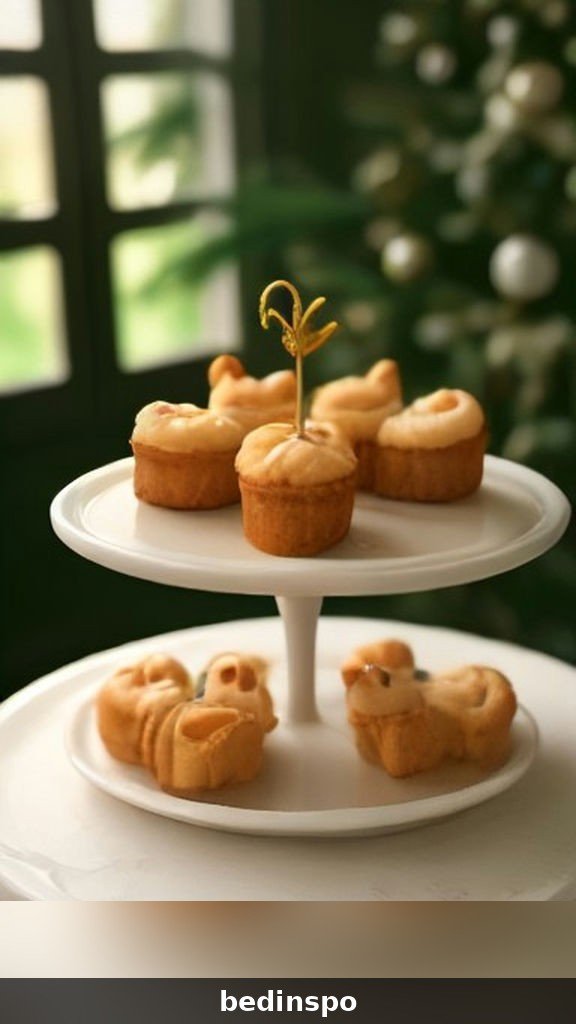
Arrange the mini ears in a pile on a pretty platter, or stand them upright in a glass jar tied with ribbon for a festive centerpiece. They are ideal for cookie exchanges, office parties, and holiday open houses, where guests want to sample everything without committing to a full-size pastry. Make a double batch, because a platter of mini ears empties faster than you would believe.
14. Elephant Ears With Vanilla Ice Cream
A warm elephant ear with a scoop of vanilla ice cream is one of the great simple desserts of the season. The hot, crispy pastry against the cold, creamy ice cream is a contrast that never gets old, and the cinnamon pecan sugar melts slightly into the ice cream, creating a sauce that tastes like the best part of a cinnamon roll. It is the kind of dessert that makes an ordinary evening feel special.
Serve the ears warm from the oven, broken into pieces over the ice cream, or stand one upright in each bowl like a cookie sail. A drizzle of caramel sauce and a few extra toasted pecans turn it into a restaurant-style dessert in under a minute. This is the dessert to make when friends drop by unexpectedly and you want to serve something impressive without any real effort.
15. Making Them Ahead
Elephant ears are a wonderful make-ahead treat, because the shaped log keeps in the fridge for three days and in the freezer for three months. Roll, fold, and chill the log, then wrap it tightly in plastic wrap and store it until you need it. When guests arrive, slice and bake — twenty minutes later you have warm, fresh pastries with almost no work.
You can also bake the ears a day ahead and re-crisp them in a 350-degree oven for five minutes before serving. They will taste freshly baked, with the same golden crunch and flaky layers. This make-ahead flexibility is what makes elephant ears perfect for the busy week before Christmas, when the oven is already working overtime and you need a treat that fits around everything else.
16. Storing Elephant Ears
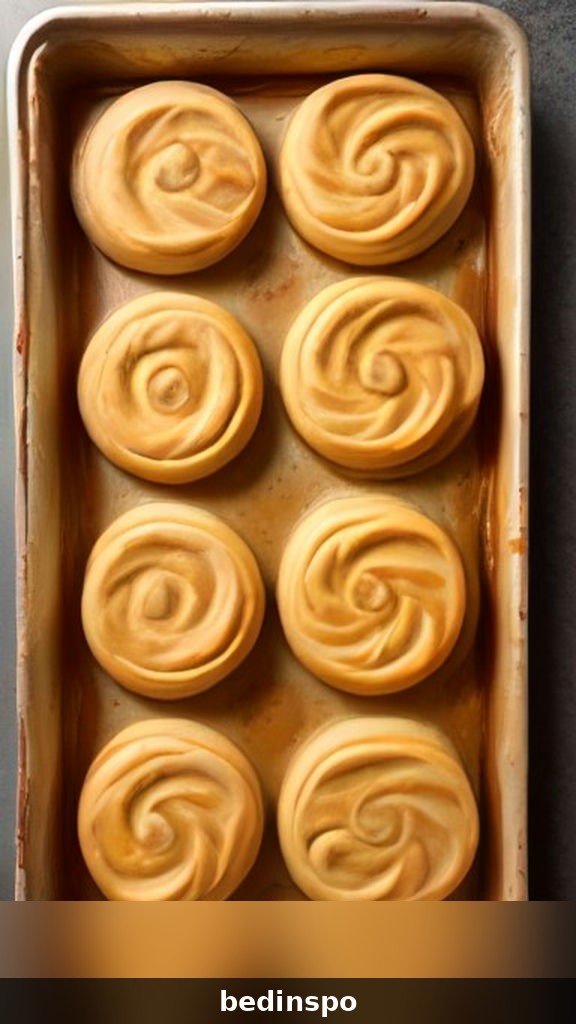
Elephant ears are at their best the day they are baked, but they keep well for two days in an airtight container at room temperature. The caramelized sugar helps them stay crisp, and the pastry holds its flakiness better than most cookies. Layer them between sheets of parchment so the sugar does not stick them together, and keep the container away from humidity, which softens the pastry.
Never store elephant ears in the fridge, because the cold and moisture will make them soggy. If they soften, a few minutes in a 350-degree oven will crisp them right back up. For longer storage, freeze the unbaked log rather than the baked ears — the fresh-baked result is always better than a reheated one, and the log takes up far less space in the freezer.
17. Freezing the Dough
Freezing the shaped log is the secret to having elephant ears on demand all December. Wrap the chilled log tightly in plastic wrap, then in foil, and label it with the date and the baking time. It will keep in the freezer for three months, and you can slice it straight from frozen — just add two minutes to the baking time and use a sharp, heavy knife to cut through the frozen pastry.
Keep a log in the freezer all season, and you are never more than twenty minutes away from warm, crispy pastries. It is perfect for unexpected guests, last-minute gifts, and the quiet evenings when you want something sweet without making a whole batch. Future-you will be very grateful for the foresight of present-you.
18. Gifting Elephant Ears
Elephant ears make a wonderful homemade gift, because they look impressive, taste luxurious, and travel better than most pastries. Pack the cooled ears in a pretty tin or a clear cellophane bag tied with ribbon, and tuck a sprig of rosemary or a cinnamon stick on top for a festive touch. A handwritten tag with the name and the date baked makes the gift feel personal.
For a bigger gift, pair a tin of elephant ears with a jar of homemade hot chocolate mix or a small bag of good coffee beans. The ears are sturdy enough to survive a short trip if you pack them snugly with parchment between the layers. Homemade gifts are the ones people remember, and a tin of cinnamon pecan elephant ears is a gift that will be talked about long after the last crumb is gone.
19. Cookie Exchange Ideas
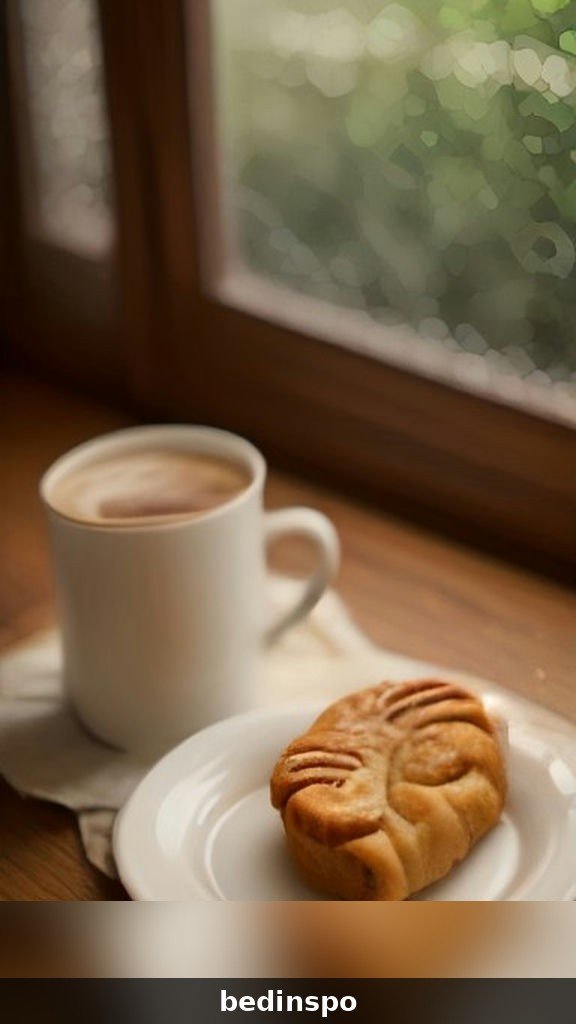
Elephant ears are a cookie-exchange star because they are different from the usual chocolate chip and sugar cookies on the table. Bring a double batch, arrange the golden ears in a tin with parchment between the layers, and watch them disappear first. The flaky, caramelized pastry stands out among softer cookies, and the elegant swirled shape looks impressive next to simpler treats.
For the exchange, bring two varieties — classic cinnamon pecan and chocolate-dipped — so people can choose their favorite. Print the recipe on a small card and tuck it into the tin, because someone will always ask for it. Cookie exchanges are about sharing and trying new things, and elephant ears are the treat that turns a casual swap into a tradition people look forward to every year.
20. Common Mistakes to Avoid
The most common elephant ear mistake is letting the pastry get warm before baking, which melts the butter early and collapses the layers. Keep the pastry cold at every step, chill the shaped log, and chill the sliced ears for fifteen minutes before they go into the oven. The second mistake is crowding the baking sheet, which steams the pastry instead of caramelizing it — give each ear plenty of space.
Other mistakes are easy to fix: too little sugar makes pale, bland ears, so be generous with the cinnamon pecan mixture; baking too cool makes flat, greasy pastry, so keep the oven at 400 degrees; and skipping the flip leaves one side pale, so turn each ear halfway through. Get these three things right and your elephant ears will be golden, crisp, and perfect every single time.
21. Variations to Try
Once you master the classic, elephant ears invite endless variations. Swap the pecans for walnuts, hazelnuts, or pistachios, and change the spice to cardamom, ginger, or pumpkin pie spice for a different holiday mood. A chocolate version — cocoa powder and sugar with a chocolate drizzle — tastes like a chocolate croissant in cookie form, and it is wonderful with coffee.
For a savory twist, skip the sugar and roll the pastry in grated parmesan and cracked black pepper instead, for a cocktail snack that pairs beautifully with wine. The technique is the same for every variation: cold pastry, generous coating, hot oven, and a flip halfway through. Once you know the method, you can invent a new elephant ear for every season.
22. Why These Belong on Your Christmas Table
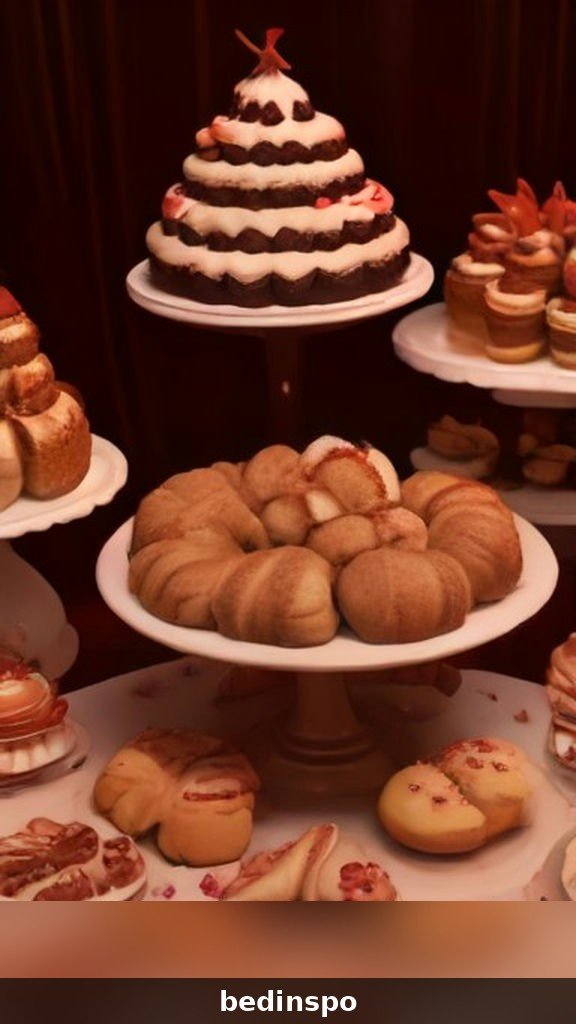
Cinnamon pecan elephant ears belong on every Christmas table because they are the rare treat that is both simple and spectacular. They take one sheet of puff pastry and a handful of sugar, yet they taste like something from a French bakery and look like something from a holiday magazine. They suit a quiet family evening, a fancy holiday brunch, and a cookie tin under the tree, all at once.
More than that, elephant ears are a treat that invites people to slow down and enjoy the moment. They are too crispy to eat in a hurry, too fragrant to ignore, and too pretty to leave on the plate. Bake a batch this Christmas, set them out on your prettiest platter, and watch your family gather around the table. Some pastries are just food; cinnamon pecan elephant ears are a small holiday tradition waiting to happen.
Frequently Asked Questions
Can I use homemade puff pastry instead of store-bought?
Yes, homemade puff pastry works beautifully and tastes even richer, but it is a much bigger project. Store-bought all-butter puff pastry gives you nearly the same result with a fraction of the work, and for a holiday treat it is the smart choice.
Why did my elephant ears not puff up?
The pastry was probably too warm when it went into the oven, or the oven was not hot enough. Keep the pastry cold at every step, chill the sliced ears for fifteen minutes before baking, and make sure the oven is fully preheated to 400 degrees.
Can I make elephant ears without pecans?
Yes, just leave the pecans out and use cinnamon sugar alone, or swap in walnuts, hazelnuts, or pistachios. The technique is exactly the same, and the ears will still be golden, crispy, and delicious.
How do I keep elephant ears crispy?
Store them in an airtight container at room temperature for up to two days, with parchment between the layers. If they soften, re-crisp them in a 350-degree oven for five minutes. Never store them in the fridge, because the moisture makes them soggy.
Can I freeze elephant ears?
Freeze the shaped log rather than the baked ears — it keeps for three months and bakes beautifully straight from frozen. Baked ears do not freeze well, because the caramelized sugar softens when it thaws.
What is the difference between elephant ears and palmiers?
They are the same pastry. Palmier is the French name, and elephant ear is the fairground name used in America. Both are puff pastry rolled in sugar and shaped into a double scroll, and both taste wonderful.
Conclusion
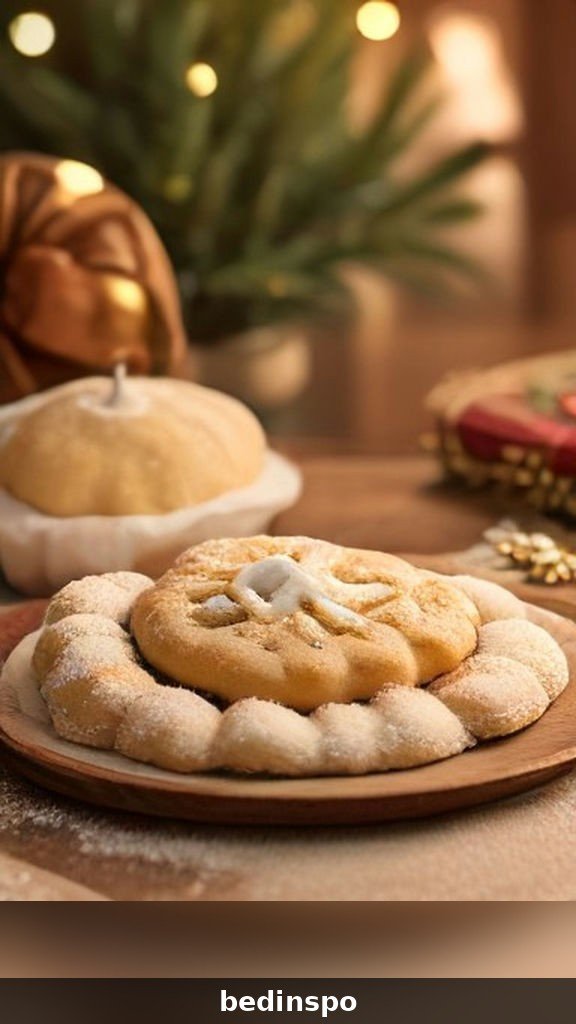
Cinnamon pecan elephant ears are everything a Christmas treat should be: crispy, golden, caramelized, and fragrant with warm spice in every bite. The flaky pastry, the toasted pecans, and the crackling sugar edges come together in a pastry that is easy to make and impossible to forget. One sheet of puff pastry and a handful of cinnamon sugar are all it takes to make the most impressive treat on the table.
This holiday season, roll out a sheet of pastry, sprinkle it generously with cinnamon pecan sugar, and bake a tray of golden ears for your family and your neighbors. Set them out with a pot of coffee, share the recipe with someone who loves to bake, and pin this guide for your next baking day. Enjoy the crispiest, most festive pastry of the season.
More holiday cookie inspiration from Bedinspo:
- Brown Butter Shortbread Cookies — nutty, golden shortbread with toffee notes.
- Peppermint Pig Cookies — adorable pink pig-shaped cookies with peppermint flavor.
- Chai Chocolate Dipped Christmas Cookies — spiced chocolate cookies dipped in dark chocolate.
- Grinch Crinkle Cookies — bright green crinkle cookies with crackled powdered sugar tops.