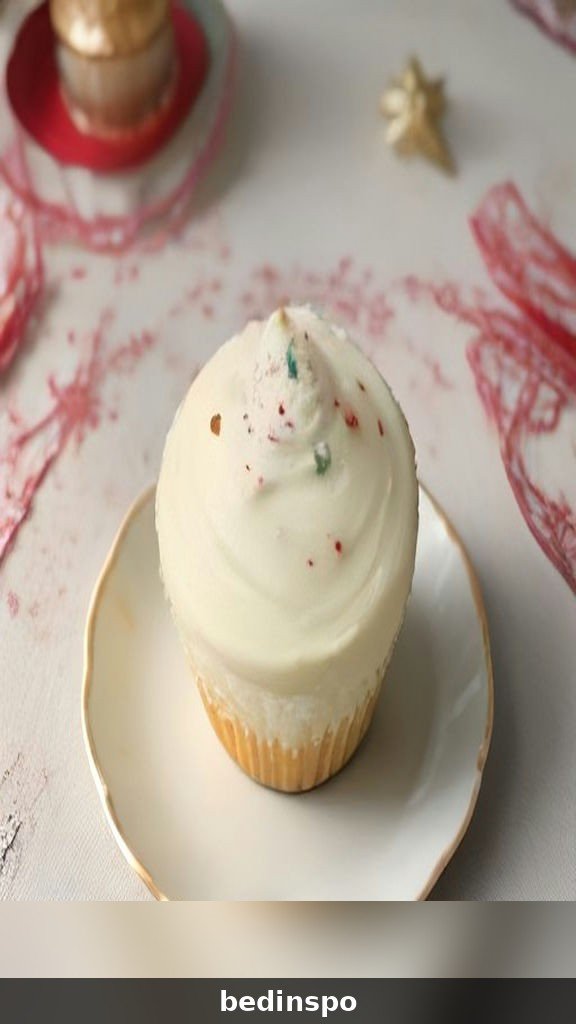
25 Gingerbread Latte Cookies
25 Gingerbread Latte Cookies

There is no cookie that tastes more like a cozy coffee shop in December than a gingerbread latte cookie. The soft, chewy cookie is full of warm gingerbread spice, dark molasses, and real espresso, then finished with a sweet coffee glaze that tastes exactly like the foam on your favorite holiday latte. They are rich, fragrant, and completely irresistible — and they fill your whole kitchen with the smell of gingerbread and coffee while they bake.
This guide gives you twenty-five ways to make, bake, glaze, store, gift, and enjoy gingerbread latte cookies — from choosing the best gingerbread spices and espresso to the coffee glaze trick, gluten-free swaps, cookie exchange tips, and gift packaging ideas. Whether you are baking for your family, a holiday party, or a cookie exchange, these cookies are festive, fun, and unforgettable.
1. What Are Gingerbread Latte Cookies?
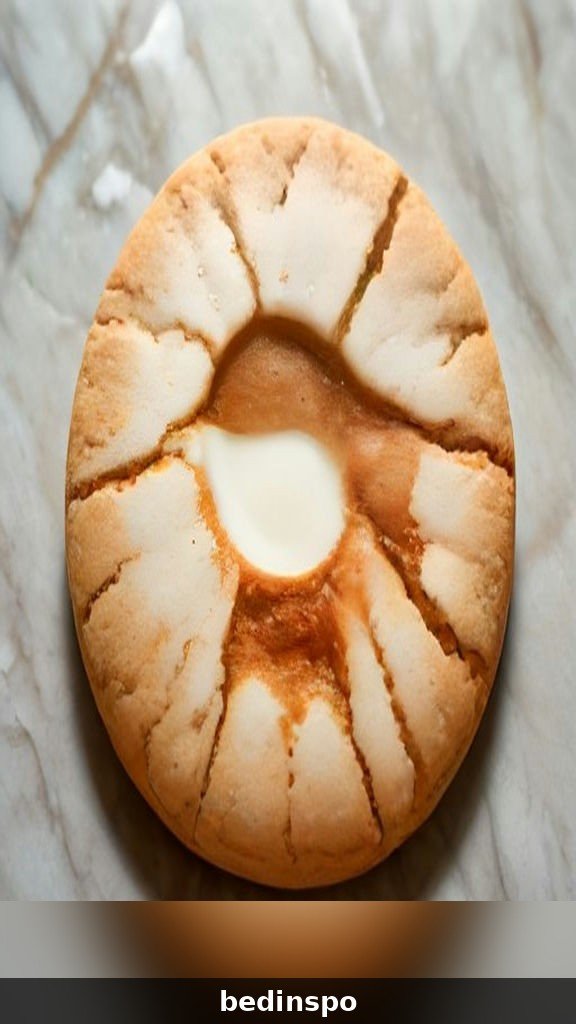
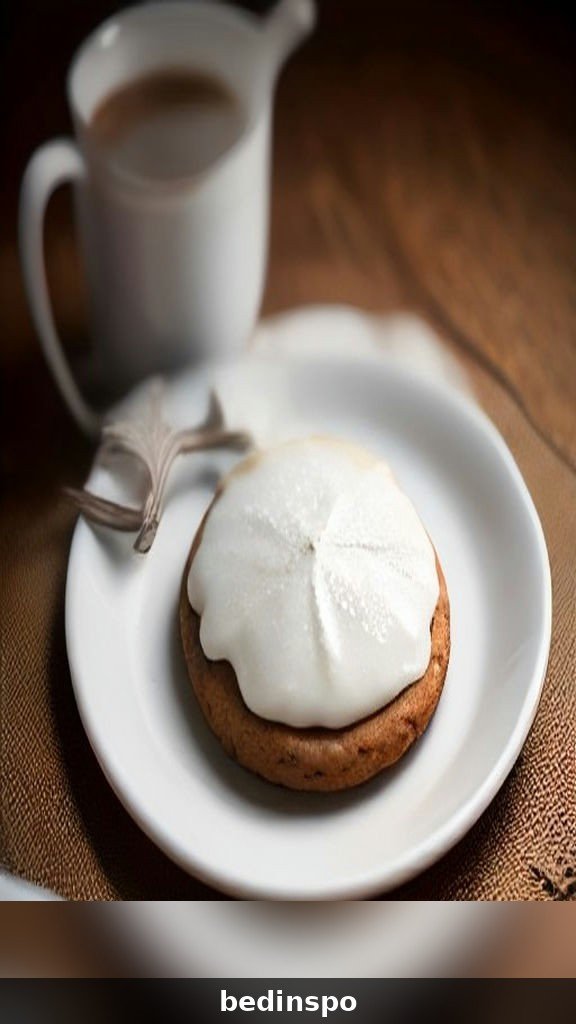
Gingerbread latte cookies are a soft, chewy cookie inspired by the holiday drink everyone loves. The dough is flavored with the classic gingerbread spices — ginger, cinnamon, cloves, and nutmeg — plus dark molasses and real espresso, so the cookies taste like a gingerbread latte in solid form. A sweet coffee glaze on top finishes the latte effect, with a little foam-like drizzle that looks as good as it tastes.
Unlike traditional gingerbread cookies, which are often crisp and cut into shapes, these are soft drop cookies with a tender, cake-like center. They are easier to make, because there is no rolling out dough and no cookie cutters — you simply scoop the dough, bake it, and drizzle the glaze on top. The result is a cookie that is warm, spicy, and just sweet enough to pair perfectly with a cup of coffee.
2. The Gingerbread Spice Blend
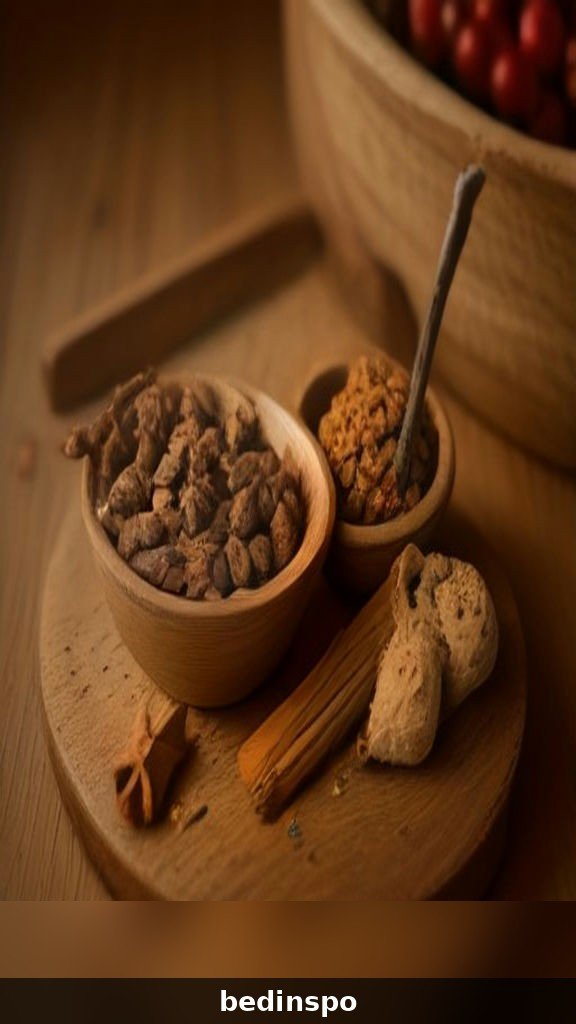
The gingerbread spice blend is what makes these cookies taste like gingerbread, and getting it right matters. Use ground ginger, cinnamon, cloves, and nutmeg in the right proportions — ginger is the star, cinnamon is the warmth, cloves are the depth, and nutmeg is the sweetness. A good starting ratio is two teaspoons of ginger, one teaspoon of cinnamon, a quarter teaspoon of cloves, and a quarter teaspoon of nutmeg for a standard batch.
Use fresh spices, because old spices lose their flavor quickly. Ground ginger that has been sitting in your pantry for two years will taste flat and dusty, while fresh ginger tastes bright and fiery. Check the date on your spice jars, and buy fresh ones for the holidays if yours are old. The spice blend is the heart of this cookie, and fresh spices make all the difference.
3. Espresso: The Latte Part

Espresso is what makes these cookies taste like a latte instead of plain gingerbread. The coffee flavor deepens the molasses and the spices, and it adds a rich, slightly bitter note that balances the sweetness of the glaze. Use instant espresso powder, not instant coffee — espresso powder is finer, stronger, and dissolves completely into the dough without leaving gritty bits.
Add one tablespoon of instant espresso powder to the dough, dissolved in a tablespoon of hot water. The coffee flavor should be noticeable but not overwhelming — you want a gingerbread cookie with a coffee note, not a coffee cookie with gingerbread. If you love coffee, add an extra half teaspoon of espresso powder, but do not add more than that, or the cookies will taste bitter instead of balanced.
4. Molasses: Dark and Rich
Molasses is what gives gingerbread cookies their dark color, their chewy texture, and their deep, almost caramel flavor. Use unsulphured molasses, not blackstrap — blackstrap is too bitter and too strong for cookies, and it will overpower the spices. Unsulphured molasses is sweet, rich, and smooth, and it is sold in every grocery store in the baking aisle.
Measure the molasses carefully, and spray the measuring cup with cooking spray first so the sticky molasses slides out easily. Use a third of a cup for a standard batch, and warm it slightly in the microwave for ten seconds if it is thick and hard to pour. The molasses is what makes the cookies dark, chewy, and fragrant — without it, they would be plain spice cookies instead of gingerbread.
5. The Coffee Glaze
The coffee glaze is the finishing touch that turns these cookies into latte cookies. Mix powdered sugar with a tablespoon of strong brewed coffee or espresso, a splash of vanilla, and a pinch of cinnamon, and drizzle it over the cooled cookies in thin zigzag lines. The glaze sets into a thin, sweet shell that tastes exactly like the foam on a gingerbread latte.
Make the glaze thick enough to drizzle in clean lines, but thin enough to spread slightly on the cookie. If it is too thick, add coffee a few drops at a time; if it is too thin, add powdered sugar a tablespoon at a time. Let the glaze set for twenty minutes at room temperature before stacking the cookies, or the glaze will smear and stick to the cookie above it.
6. Soft and Chewy vs Crisp
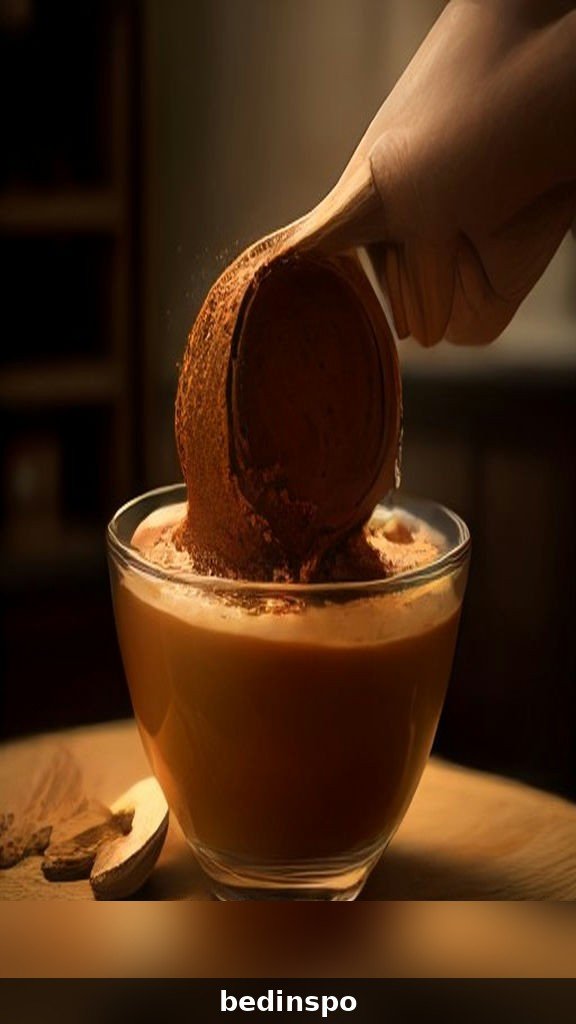
These cookies are meant to be soft and chewy, not crisp, and the secret is the molasses and the brown sugar. Both hold moisture, so the cookies stay tender in the middle even after they cool. Bake them just until the edges are set and the centers still look soft and puffy, and they will finish baking on the hot pan into a perfect, chewy texture.
If you prefer a crisper cookie, bake them for two extra minutes and let them cool completely on the baking sheet. But the soft version is what makes these cookies special — the tender, cake-like center is what reminds you of a latte, warm and comforting and just sweet enough. Most people who try the soft version never go back to crisp.
7. Brown Sugar and Warmth

Brown sugar is the key to a chewy gingerbread latte cookie. It holds more moisture than white sugar, so the centers stay soft, and its molasses flavor deepens the gingerbread taste. Use dark brown sugar for the richest flavor, or light brown sugar for a milder, sweeter cookie — either one works, but dark brown sugar gives you the most dramatic, old-fashioned gingerbread taste.
Use a mix of brown sugar and white sugar in the dough — about two parts brown to one part white — for the best texture. The brown sugar gives chewiness, and the white sugar gives crisp edges. Pack the brown sugar firmly into the measuring cup so you get the full amount, and cream it with the butter for a full three minutes until the mixture is pale and fluffy.
8. Chilling the Dough
Chilling the dough is important for these cookies, because the dough is soft and sticky from the molasses, and warm dough spreads too much in the oven. Chill the dough for at least thirty minutes, or up to overnight, and the cookies will bake up thick and tall with a soft, gooey middle. Cold dough also holds its shape better, so the cookies stay round instead of flattening into discs.
If you chill the dough overnight, let it sit on the counter for ten minutes before scooping so it is soft enough to handle. The flavors also improve with a long chill — the spices deepen, the molasses mellows, and the espresso blends into the dough. A long chill is the same trick that makes the best chocolate chip cookies taste so much better the next day, and it works just as well for gingerbread.
9. Rolling and Cutting
These are drop cookies, so there is no rolling out dough and no cookie cutters — you simply scoop the dough into balls and bake them. Use a medium cookie scoop or a heaping tablespoon to portion the dough, and roll each scoop into a smooth ball between your palms. If the dough sticks to your hands, dust your palms lightly with flour or sugar.
Roll the dough balls in granulated sugar before baking for a sparkly, crackled top, or leave them plain for a smooth, soft finish. The sugar coating gives the cookies a lovely crunch and a beautiful sparkle, and it looks wonderful under the coffee glaze. Space the balls two inches apart on the baking sheet, because even chilled dough spreads a little in the oven.
10. Baking Time and Temperature

Bake these cookies at 350 degrees Fahrenheit for eleven to thirteen minutes, until the edges are set and the centers still look soft and puffy. The cookies will look underdone in the middle when you take them out, and that is exactly right — they finish baking on the hot pan as they cool, and the centers set into a soft, chewy texture.
Do not wait until the centers look firm, or your cookies will be dry and hard by the time they cool. The tops will crack slightly as they bake, which is a sign that the cookies are perfectly done. Let them sit on the baking sheet for five minutes, then move them to a wire rack to cool completely before glazing.
11. The Perfect Glaze Drizzle
The glaze drizzle is the prettiest part of these cookies, and the trick is to use a fork or a small spoon to make thin, even lines. Dip the fork in the glaze, hold it high above the cookie, and move it back and forth in a zigzag pattern. The height gives you thin, delicate lines, while holding the fork close to the cookie gives you thick, heavy lines that look messy.
Let the glaze set for twenty minutes at room temperature, or pop the cookies in the fridge for five minutes if you are in a hurry. The glaze should be dry to the touch before you stack the cookies, or it will smear. For an extra festive touch, sprinkle a pinch of cinnamon or finely grated nutmeg over the wet glaze — the spice flecks look beautiful against the white drizzle.
12. Adding a Cream Cheese Frosting
If you want a richer finish than a simple glaze, top these cookies with a cream cheese frosting instead. Beat softened cream cheese with butter, powdered sugar, and a splash of vanilla until smooth, then spread a thin layer on each cooled cookie. The tangy cream cheese balances the sweet molasses perfectly, and the frosting makes the cookies taste like a gingerbread cupcake.
Keep frosted cookies in the fridge, because the cream cheese frosting needs to stay cold. Let them come to room temperature for fifteen minutes before serving, so the frosting softens and the flavors open up. The glaze version travels better and keeps longer, but the cream cheese version is the one people will remember.
13. Making Them Gluten-Free

These cookies adapt well to a gluten-free diet with a one-to-one gluten-free flour blend. Use a blend that already contains xanthan gum, and measure it by weight for the most accurate result. The cookies will be slightly more delicate than the wheat version, so let them cool completely on the baking sheet before moving them.
Chilling the dough is even more important for gluten-free gingerbread, because the flour needs time to absorb the moisture from the molasses. Chill for at least an hour, and handle the dough gently when scooping. The flavor is exactly the same — warm spice, dark molasses, and rich espresso — and nobody at the cookie exchange will guess they are gluten-free.
14. Dairy-Free Swaps
To make these cookies dairy-free, swap the butter for a good plant-based butter that comes in stick form, and use a dairy-free milk in the glaze. The texture will be very close to the original, though the cookies may spread a little more, so chill the dough for a full hour and bake them on a cool baking sheet.
Coconut oil also works in place of butter, but it makes the cookies slightly crispier and adds a faint coconut flavor that actually pairs nicely with the gingerbread spices. Use refined coconut oil if you do not want the coconut taste, and unrefined if you do. Either way, the cookies will still be soft, spicy, and completely delicious.
15. Storing Your Cookies
Store these cookies in an airtight container at room temperature for up to a week, and they will stay soft and chewy the whole time. Put a slice of bread in the container with them — the bread dries out while the cookies stay moist, which is an old baker’s trick that really works. Replace the bread slice every couple of days if you are storing a big batch.
Do not store the cookies in the fridge, because the cold dries them out and makes the glaze go soft. If your kitchen is very warm, keep the container in a cool pantry instead. Layer the cookies between sheets of parchment paper so the glaze does not stick to the cookie above it, and wait until the glaze is completely set before stacking.
16. Freezing the Dough

Gingerbread latte cookie dough freezes beautifully, and these cookies are perfect for making ahead. Scoop the dough into balls, freeze them on a baking sheet until solid, then transfer them to a freezer bag. They will keep for up to three months, and you can bake them straight from frozen — just add two extra minutes to the baking time, then glaze them once they are cool.
This is the best way to have fresh cookies on demand all through December. Bake a small batch for unexpected guests, a batch for the neighbors, and a batch for yourself, all from the same freezer bag. Label the bag with the cookie name and the baking time, so anyone in the family can bake a batch without asking you how.
17. Cookie Exchange Tips
These cookies are made for cookie exchanges, because they travel well, they look beautiful, and everyone loves them. Bake them the day before the exchange so they are fresh, and pack them in a single layer in a sturdy tin lined with parchment paper. Bring the recipe printed on a card, because at least three people will ask for it.
Make your cookies stand out by adding the coffee glaze drizzle and a sprinkle of cinnamon on top — they will be the prettiest cookies on the table. If the exchange has a theme, these fit the coffeehouse theme perfectly. Bring a few extra, because the host always sneaks one before the exchange even starts.
18. Gift Packaging Ideas
A bag of these cookies makes a wonderful homemade gift, and the packaging is half the fun. Stack six cookies in a clear cellophane bag, tie it with red and white baker’s twine, and add a small cinnamon stick. The cookies show through the bag, and the cinnamon stick does all the decorating for you.
For a fancier gift, layer the cookies in a decorative tin with parchment paper between the layers, and tuck a handwritten recipe card on top. A cookie tin full of gingerbread latte cookies is the kind of gift that makes neighbors, teachers, and coworkers feel truly appreciated. It costs very little to make, but it feels like a luxury.
19. Pairing With a Real Latte
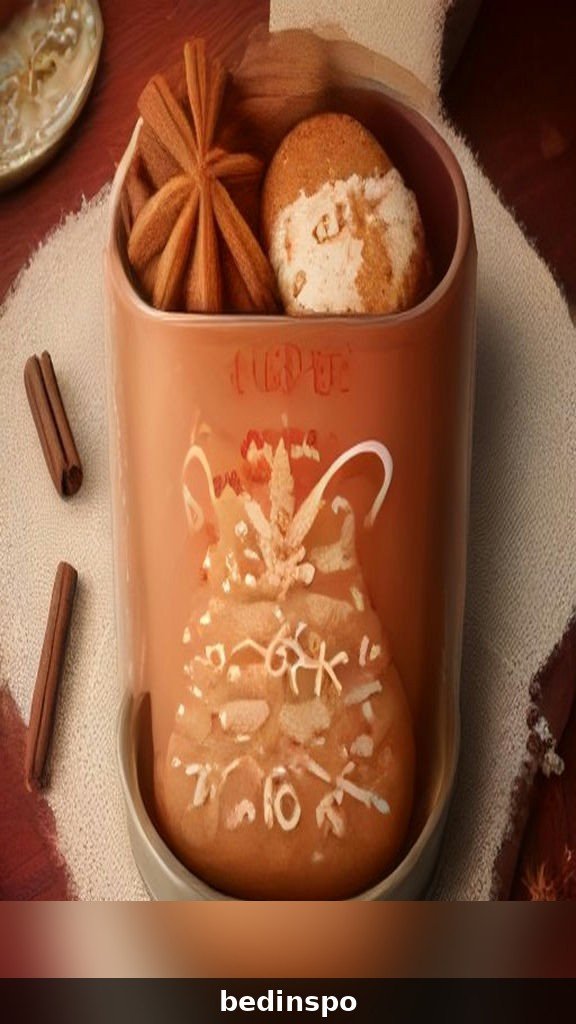
These cookies were made to be served with a real gingerbread latte. The cookie and the drink echo each other — warm spice, dark molasses, and rich espresso in both — and together they are the ultimate holiday coffee break. Serve them with a mug of gingerbread latte topped with whipped cream for a cozy afternoon treat.
They also pair beautifully with plain coffee, chai, and hot cocoa. The gingerbread spices love the warmth of cinnamon and cloves, so a chai latte is a natural match. For a holiday dessert table, serve the cookies alongside coffee, eggnog, and hot cocoa, and let guests help themselves to whatever they like best.
20. Common Mistakes to Avoid
The most common mistake with these cookies is using blackstrap molasses instead of unsulphured molasses. Blackstrap is too bitter and too strong, and it will overpower the spices and make the cookies taste harsh. Always check the label, and buy unsulphured molasses for baking — it is sweet, rich, and smooth.
The second most common mistake is overbaking them. The centers should look soft and puffy when they come out of the oven, and if you wait until they look firm, they will be dry and hard. The third mistake is glazing the cookies while they are still warm — the glaze will melt and slide off, so wait until they are completely cool.
21. Variations to Try
Once you master the basic recipe, try some fun variations. Add a half cup of white chocolate chips to the dough for a sweeter, creamier cookie, or fold in chopped crystallized ginger for an extra fiery kick. You can also dip the cooled cookies halfway in melted dark chocolate and sprinkle them with crushed espresso beans for a dramatic, coffeehouse-style finish.
For a more festive cookie, add a teaspoon of orange zest to the dough — the bright citrus pairs beautifully with the gingerbread spices. You can also press a few extra espresso beans onto the tops of the dough balls before baking for a cookie that looks like it came from a fancy coffee shop. The variations are endless, and every one of them is delicious.
22. Why These Belong on Your Christmas Table
Every Christmas table needs a cookie that tastes like the holidays, and this is that cookie. The warm gingerbread spices, dark molasses, and rich espresso are the flavors of a cozy December afternoon, and the soft, chewy texture is the kind of thing people remember. They are easy enough for a beginner to bake, impressive enough for a cookie exchange, and delicious enough that nobody will leave them uneaten.
They are also the kind of cookie that starts traditions. Bake them once, and your family will ask for them every December. Write the recipe on a card, tuck it in your recipe box, and make a batch every year — some recipes are worth keeping forever, and this is one of them.
Frequently Asked Questions
Can I use instant coffee instead of espresso powder?
You can, but the coffee flavor will be milder and slightly gritty. Instant espresso powder is finer and stronger, so it dissolves completely and gives a richer coffee flavor. If you use instant coffee, use a tablespoon and a half instead of one tablespoon.
Why are my cookies hard instead of chewy?
You probably overbaked them, or you used too much flour. The centers should look soft and puffy when they come out of the oven. Measure the flour by spooning it into the cup and leveling it off, instead of scooping directly from the bag.
Can I make these cookies ahead of time?
Yes. The baked cookies keep for a week in an airtight container, and the raw dough balls freeze for up to three months. Bake frozen dough straight from the freezer with two extra minutes of baking time, then glaze once cool.
Do I have to use molasses?
Yes — molasses is what makes these gingerbread cookies. Without it, they would be plain spice cookies. If you cannot find molasses, you can use dark corn syrup with a tablespoon of brown sugar, but the flavor will not be quite the same.
Can I skip the coffee glaze?
Absolutely. The cookies are delicious without it, and the glaze is purely decorative. If you skip it, roll the dough balls in granulated sugar before baking for a sparkly, crackled top instead.
How do I keep the cookies soft for days?
Store them in an airtight container with a slice of bread. The bread dries out while the cookies stay moist. Replace the bread every couple of days, and do not store the cookies in the fridge.
Conclusion

Gingerbread latte cookies are everything a Christmas cookie should be: warm, spicy, and full of holiday flavor in every bite. The gingerbread spices, dark molasses, and rich espresso come together in a soft, chewy cookie that is easy to bake and impossible to forget. The coffee glaze on top is the finishing touch that makes them taste like your favorite holiday latte.
This holiday season, make a batch for your family, a batch for your neighbors, and a batch for the cookie exchange. Pin this recipe for your next baking day, share it with someone who loves Christmas cookies, and enjoy the warmest, coziest cookie of the season.



More holiday cookie inspiration from Bedinspo:
- Gingerbread Chocolate Chip Cookies — warm gingerbread cookies with chocolate chips.
- Gingerbread Tiramisu — creamy gingerbread tiramisu for the holidays.
- Hot Chocolate Drop Cookies — soft, chewy cookies that taste like hot cocoa.
- Brown Butter Christmas Cookies — rich, nutty brown butter cookies for the holidays.