Hair Sandwiching Hack: 20 Dimensional Ideas
Every few months, a hair technique goes viral that sounds too clever to be real. The hair sandwiching hack is the latest one — and unlike most viral trends, this one actually works. The idea is simple: instead of lightening large sections of hair, your colorist “sandwiches” thin strands of lighter color between sections of your natural or darker base color. The light pieces peek through the dark ones like layers in a sandwich, creating dimension that looks natural, moves beautifully, and grows out without a harsh line. It is the color trick Pinterest cannot stop saving.
What makes hair sandwiching so appealing is how forgiving it is. Traditional highlights can look stripy if they are placed wrong, and balayage can be expensive and time-consuming. Sandwiching uses fewer lightened pieces, costs less in damage and maintenance, and creates a soft, diffused dimension that suits almost everyone. Whether you have dark brunette hair that needs light, blonde hair that needs depth, or anything in between, this guide explains exactly how the hair sandwiching hack works, how to ask for it, and the best ways to wear it.
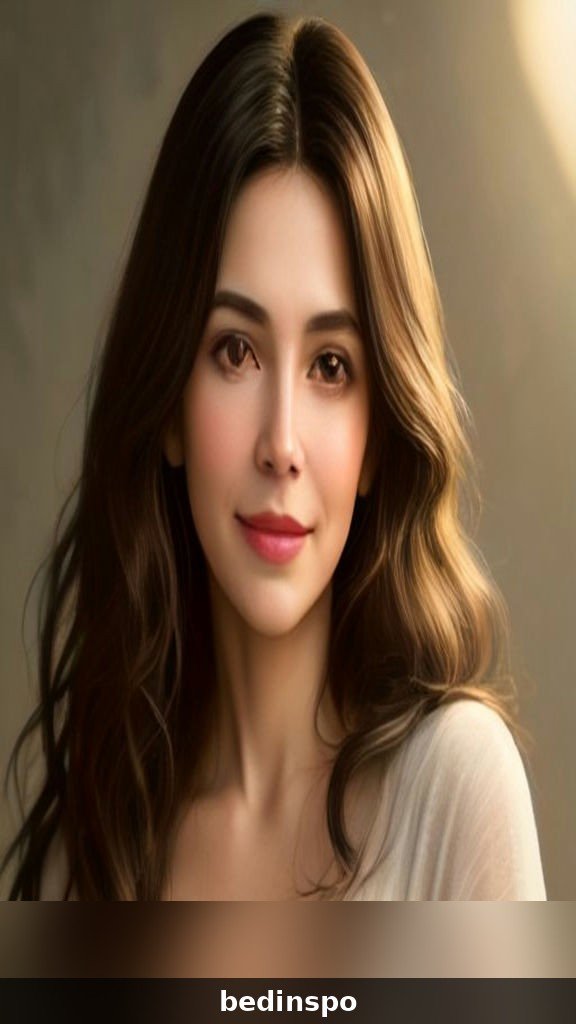
What Is the Hair Sandwiching Hack?
Hair sandwiching is a highlighting technique where thin strands of lighter color are placed between sections of darker hair, like the filling in a sandwich. The darker base color is the bread, and the lighter strands are the filling — visible in some lights, hidden in others, always adding dimension. The technique gets its name from the way the colorist layers the sections: dark, light, dark, light, working through the hair so the lightness is distributed evenly rather than concentrated in one area.
The result is hair with depth and movement that looks completely natural. Because only a small percentage of the hair is lightened, the overall effect is subtle — more like sunlight catching your hair than an obvious dye job. The sandwiching hack is popular precisely because it does not look like a technique at all. It looks like really good hair, the kind people assume you were born with.
How Hair Sandwiching Actually Works
The sandwiching process starts with your colorist sectioning the hair horizontally, usually in thin slices. They apply lightener or lighter color to alternating slices, leaving the slices between them in your base color. The lightened slices are typically very fine — a few millimeters wide — which is what makes the result so soft and diffused. Foils or balayage film are used to keep the sections separate while the color processes.
The placement is the key. A good colorist concentrates the sandwiching where the light would naturally hit — around the face, through the crown, and toward the ends — and keeps it sparser underneath. The processing time is shorter than full highlights because less hair is being lightened, which means less damage. After rinsing, a toner or gloss blends everything together, and the sandwich effect reveals itself as the hair is dried and styled. It is a technique that rewards precision, so choose a colorist who understands dimensional color.
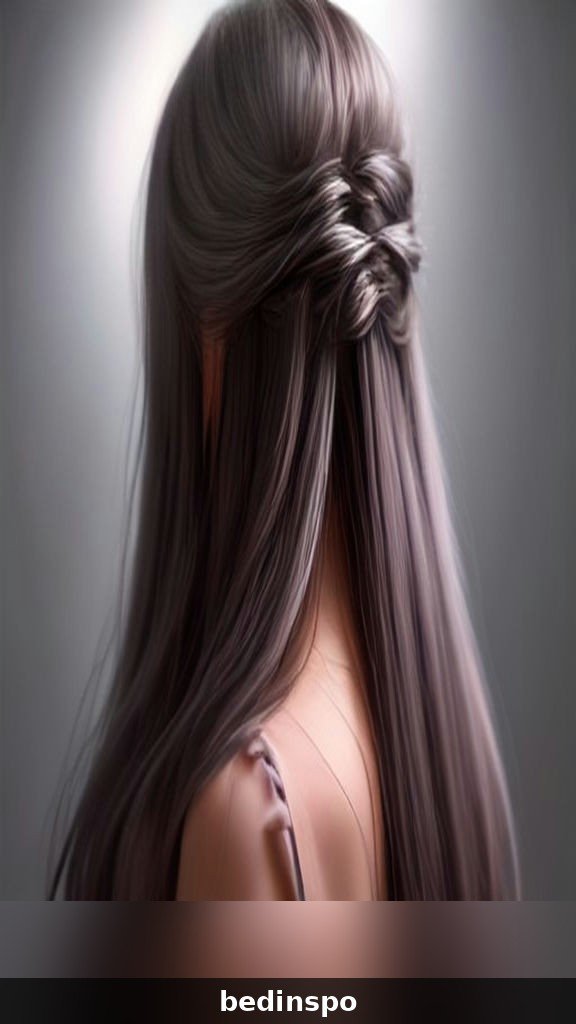
Sandwiching vs. Balayage: What’s the Difference?
Balayage and sandwiching both create dimension, but they work differently. Balayage is a freehand painting technique where lightener is swept onto the surface of the hair, creating a gradient that is lighter at the ends. Sandwiching is a sectioning technique where light pieces are layered between dark ones throughout the hair, creating dimension from the inside out. Balayage is about the surface; sandwiching is about the layers.
The practical differences matter. Balayage tends to be more expensive and takes longer, since the painting is done by hand section by section. Sandwiching is faster and uses less lightener, which means less damage and a lower price. Balayage grows out with a soft gradient, while sandwiching grows out with almost no visible line at all, since the light pieces are scattered. Many colorists now combine the two — sandwiching for internal dimension, balayage for surface lightness — for the most natural result of all.
The Face-Framing Sandwich
The most popular version of the sandwiching hack is the face-framing sandwich. Your colorist sandwiches light strands around the face — through the front sections, along the part, and around the temples — while keeping the rest of the hair darker. The effect is like a money piece, but softer and more diffused: instead of one bold blonde frame, you get a gentle halo of light that brightens your face from every angle.
This version is perfect for women who want brightness without committing to full highlights. It is also the easiest to maintain, since only the front sections need refreshing. The face-framing sandwich works on every hair color and length, but it is especially gorgeous on brunette hair, where the contrast between the light pieces and the dark base makes the face glow. If you are trying sandwiching for the first time, start here.
Sandwich Highlights on Brunette Hair
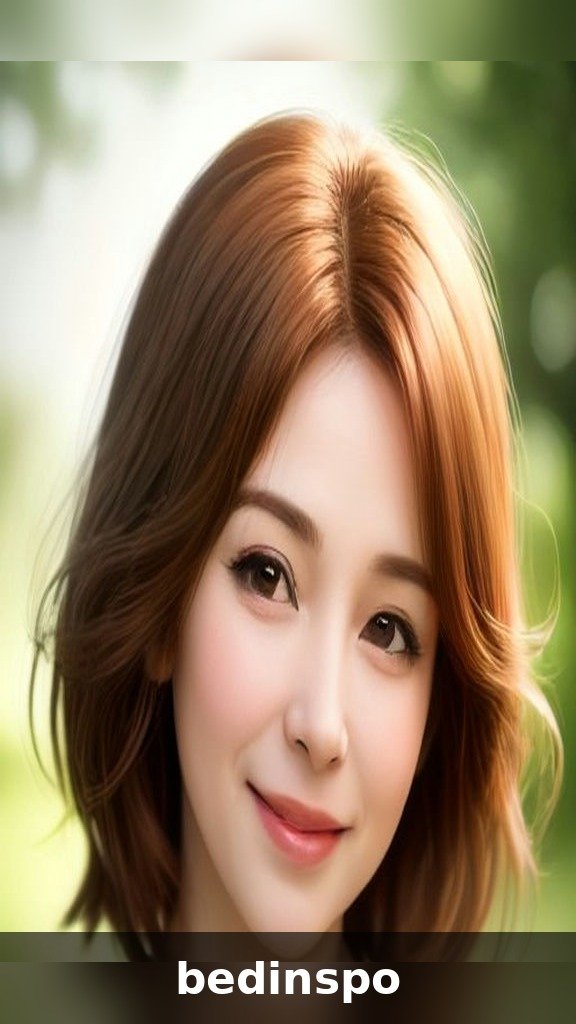
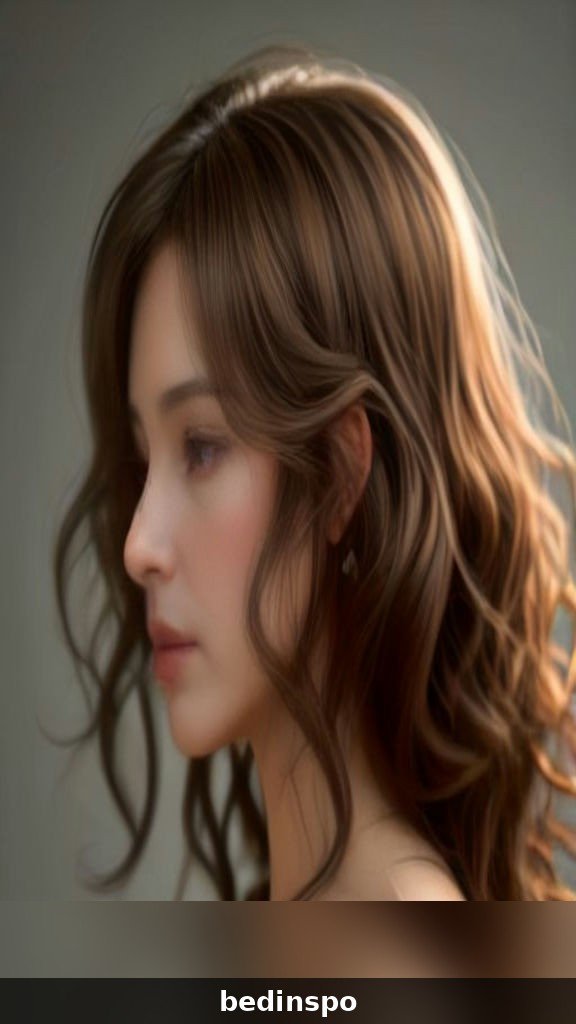
Brunette hair is where the sandwiching hack truly shines. Dark hair has natural depth, and adding thin ribbons of caramel, honey, or golden blonde between the dark sections creates a multi-dimensional effect that flat brunette can never achieve. The light pieces catch the sun and the room light, making the hair look like it has movement even when it is perfectly still. It is the secret behind most of the dimensional brunette photos on Pinterest.
The best sandwich colors for brunette hair are warm: caramel, honey, toffee, and golden blonde. Cool ash tones can also work, but they need to be applied carefully to avoid looking gray against the warm brunette base. Ask your colorist for ribbons that are two to three levels lighter than your base — enough to create contrast, not so much that it looks stripy. The result is brunette hair with a lit-from-within quality that photographs beautifully.
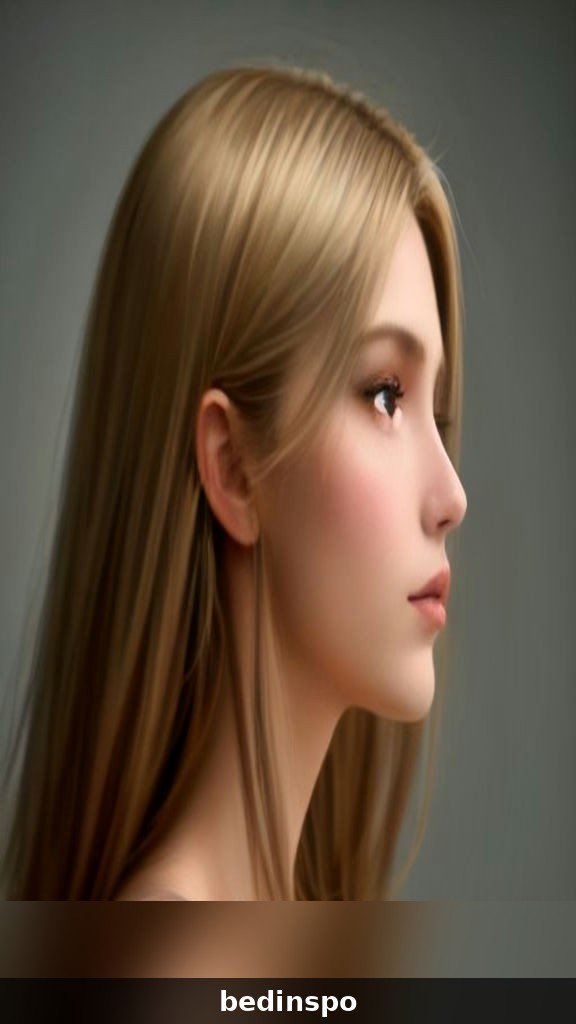
Sandwich Highlights on Blonde Hair
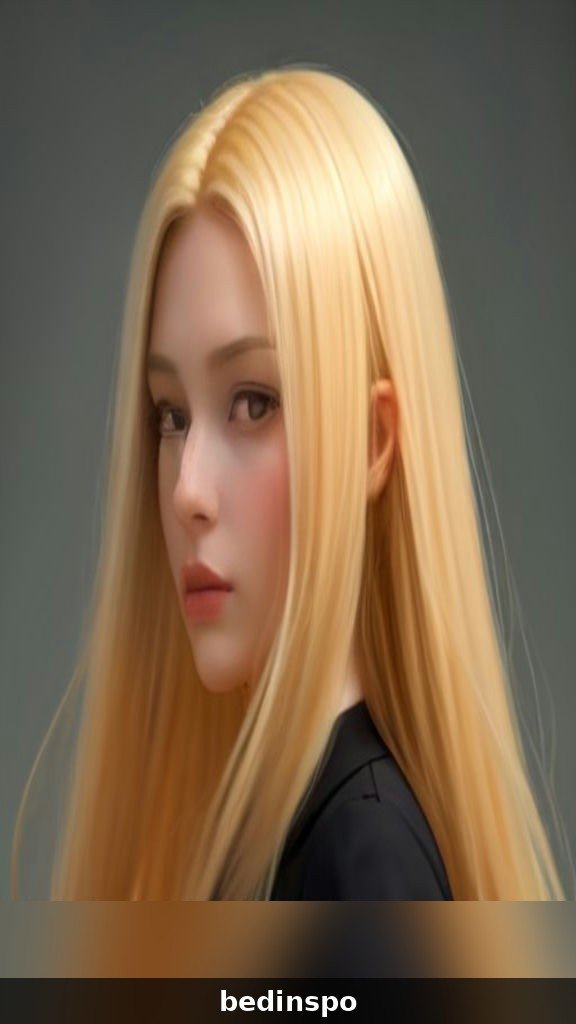
Sandwiching works on blonde hair too — but in reverse. Instead of light pieces in dark hair, the colorist sandwiches slightly darker pieces (lowlights) between the blonde sections. This adds depth and dimension to blonde hair that has gone flat from over-lightening, and it makes the remaining blonde look brighter by contrast. It is the technique behind the lived-in blonde that dominates Pinterest.
The lowlights are usually one or two levels darker than the blonde, in warm honey or beige tones. They are placed through the interior layers, so the blonde on the surface stays bright while the darker pieces underneath create shadow and movement. This reverse sandwiching is a lifesaver for blondes whose hair has become one-dimensional from too much bleach. It restores depth, adds shine, and makes the blonde look expensive again.
Sandwiching on Dark Hair
Very dark hair — near-black or deep espresso — can be tricky for highlighting, but sandwiching handles it beautifully. Because only thin strands are lightened, the contrast stays controlled, and the result looks like natural sun-kissed dimension rather than obvious highlights. The key is choosing the right lightness: two levels lighter than the base is usually enough to create visible dimension without a harsh contrast.
Warm tones work best on dark hair — caramel, chestnut, and warm copper ribbons. The sandwiching technique is also gentler on dark hair than full highlights, since less hair is being lifted and the lightener does not need to be as strong. For women with dark hair who have always been afraid of highlights looking stripy, sandwiching is the safe, beautiful way in.
The Hidden Sandwich: Peekaboo Dimension
The hidden sandwich, or peekaboo sandwich, places the light strands in the underlayers of the hair, where they are invisible until the hair moves. When you turn your head, tie your hair up, or let the wind catch it, the light pieces flash through the dark base like a secret. It is the most playful version of the sandwiching hack, and it is perfect for women who want dimension that is not obvious all the time.
Peekaboo sandwiching is also the boldest version, because the hidden pieces can be a brighter or more unusual color — a vivid copper, a soft pink, or a bright blonde — without it reading as a full color commitment. The hidden placement means the color only shows when you want it to. It is a wonderful way to experiment with a fun shade while keeping your overall look professional and polished.
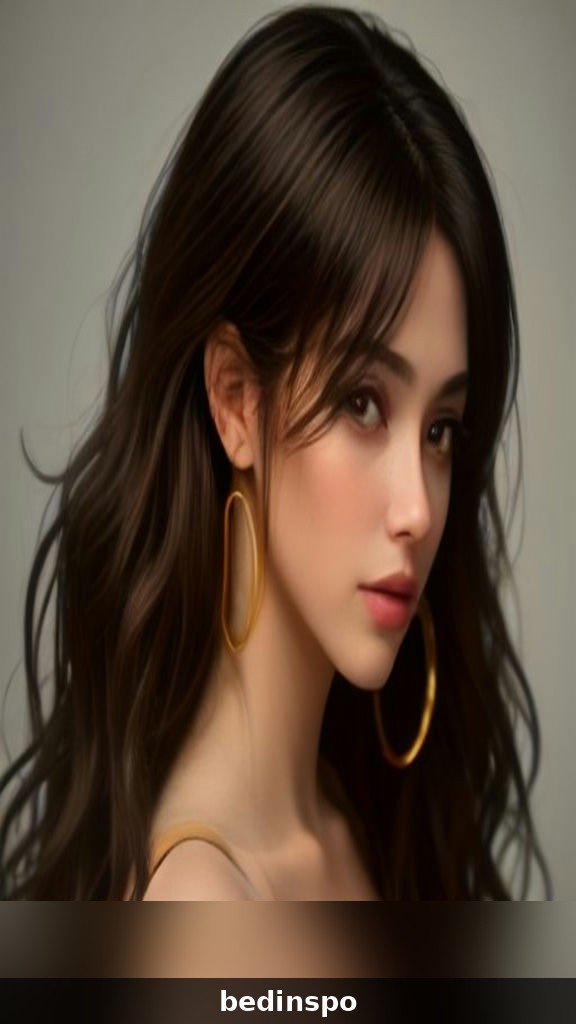
Sandwich Technique for Curly Hair
Curly hair and sandwiching are a natural match. Curls already have built-in dimension, and the sandwich technique enhances it by placing light pieces that follow the curl pattern. The light strands wrap around the curls, catching the light on the outer curves and creating shadow in the inner ones. The result is curly hair with incredible depth and movement.
The technique for curly hair is slightly different: the colorist works with the curl pattern rather than against it, placing the light pieces on the curls that sit on the surface and keeping the underlayers darker. The hair is often colored dry or in its natural state so the colorist can see exactly how each curl falls. The result is dimension that moves with the curls — every bounce reveals a new flash of light. It is one of the most beautiful applications of the sandwiching hack.
Sandwiching on Short Hair
Short hair makes sandwiching even more impactful, because every piece of dimension is visible. On a bob or pixie, the sandwich technique creates a multi-tonal effect that makes the cut look richer and more interesting. The light pieces catch the light as the short layers move, and the dark base keeps the overall look grounded and polished. It is a fantastic way to add interest to a short cut without changing the shape.
The placement on short hair is concentrated around the crown and the face, where the dimension is most visible. Because there is less hair, the appointment is faster and the grow-out is quicker. Short hair also shows off the sandwiching technique’s precision — the thin, even ribbons read as deliberate and expensive. If your short cut feels flat, sandwiching is the fastest way to give it life.
Sandwiching on Long Hair
Long hair is the ideal canvas for the sandwiching hack because there is so much length to show off the dimension. The light ribbons run through the full length of the hair, creating a ribbon-like effect that moves as the hair moves. The longer the hair, the more dramatic the dimension — the sandwiching creates a waterfall of light and dark that is mesmerizing in motion and in photographs.
The technique for long hair uses vertical as well as horizontal sections, so the dimension runs through the length rather than just across it. The colorist will typically concentrate the lightest pieces toward the ends, creating a soft gradient effect within the sandwiching. Maintenance is easy: the long grow-out means you can go months between appointments, and a gloss treatment refreshes the dimension in between. Long hair with sandwiching is the look that makes people ask who does your color.
How to Ask Your Colorist for the Sandwiching Hack
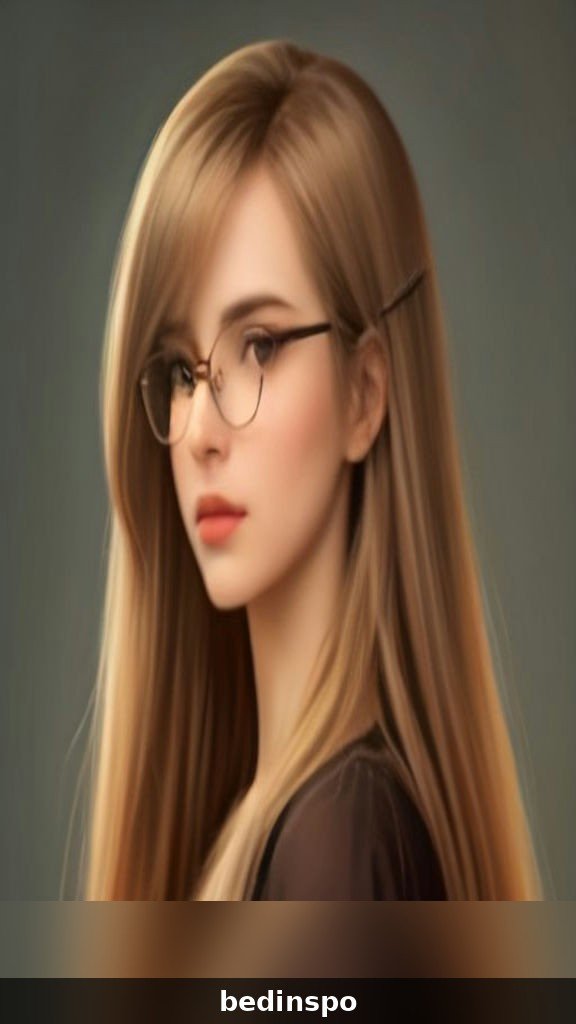
Asking for the sandwiching hack is straightforward, but a reference photo helps enormously. The term is still relatively new, so not every colorist will know it by name. Show them photos from Pinterest and describe the effect: thin strands of lighter color layered between sections of your base color, creating soft, diffused dimension. Mention that you want the light pieces to be fine and evenly distributed, not chunky or concentrated in one area.
Discuss the contrast level too. Two levels lighter than your base gives a soft, natural effect; three to four levels gives a bolder, more visible dimension. Talk about placement — face-framing, throughout, or hidden in the underlayers — and about maintenance. A good colorist will explain how the grow-out will look and when you will need to come back. The consultation is the most important part of the appointment, so do not rush it.
DIY Hair Sandwiching: Can You Do It at Home?
DIY sandwiching is possible but difficult, because the technique depends on precise sectioning. The basic method involves sectioning the hair horizontally, applying lightener to alternating thin slices, and wrapping them in foil. The challenge is keeping the sections even and thin — too thick, and the result looks stripy; too uneven, and the dimension looks patchy. Most at-home attempts end up looking like traditional highlights rather than the diffused sandwich effect.
If you are determined to try it at home, start with a small, hidden section to test your technique, and use a gentle lightener with a toner to blend the result. A safer DIY option is a sandwich-style gloss: apply a lighter gloss to alternating sections of damp hair for a temporary dimensional effect that washes out. For the real thing, though, the salon is worth it. The sandwiching hack is a technique that rewards professional skill.
Maintaining Sandwich Highlights
Sandwich highlights are among the lowest-maintenance color options, which is a big part of their appeal. Because the light pieces are scattered and diffused, the grow-out has almost no visible line. Most women can go eight to twelve weeks between appointments, and many stretch it longer. The color simply fades gracefully, looking like natural sun-lightened hair as it grows.
Between appointments, a color-safe shampoo and conditioner protect the light pieces from brassiness, and a purple toning shampoo once a week keeps blonde sandwich pieces cool. A clear gloss treatment every six weeks refreshes the shine and blends the dimension. Avoid over-washing, use heat protectant before styling, and your sandwich highlights will look fresh for months. Low maintenance is not a side benefit of this technique — it is one of the main reasons it went viral.
Sandwiching and the Grow-Out Advantage
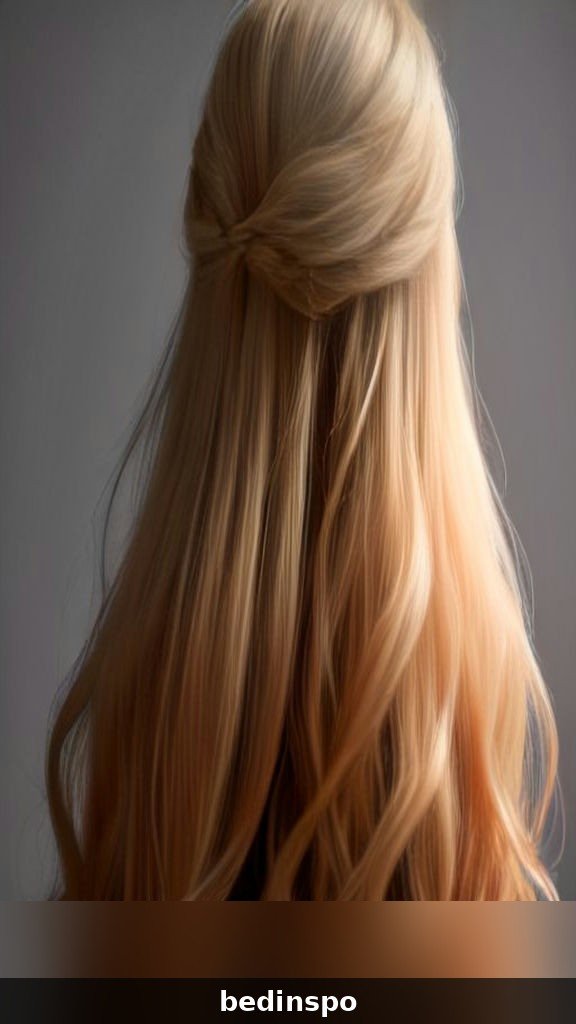
The grow-out advantage is the sandwiching hack’s secret superpower. Traditional highlights grow out with a visible line at the roots, and balayage grows out with a gradient that eventually needs refreshing. Sandwiching grows out almost invisibly, because the light pieces are distributed throughout the hair rather than concentrated at the roots or ends. As your hair grows, the dimension simply moves down with it, still looking intentional.
This makes sandwiching the ideal technique for women who are growing out their color, transitioning between shades, or simply tired of frequent salon visits. It is also the best technique for anyone who wants to try dimension without committing to a high-maintenance routine. The color looks good on day one and still looks good on day ninety — and very few color techniques can say that.
Best Color Combos for the Sandwich Technique
Certain color combinations work especially well with sandwiching. Brunette with caramel is the classic — warm, rich, and universally flattering. Brunette with honey blonde is softer and more luminous. Dark brown with copper creates a warm, spicy dimension. Blonde with honey lowlights restores depth to over-lightened hair. Black with chestnut adds subtle, expensive-looking dimension to very dark hair.
The rule of thumb is to stay within two to three levels of your base color for the most natural result, and to choose tones that complement your skin’s undertone. Warm skin glows with caramel, honey, and copper; cool skin looks stunning with ash, beige, and cool blonde. Your colorist can help you find the combination that suits you, but the sandwich technique itself is forgiving — even an imperfect color choice looks soft and diffused rather than harsh.
Sandwiching With Copper and Red Tones
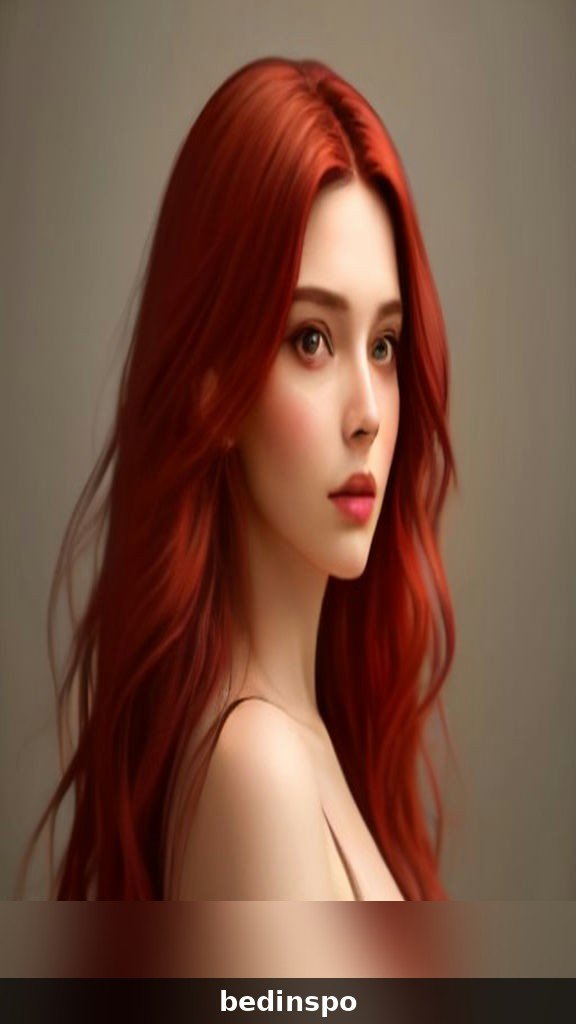
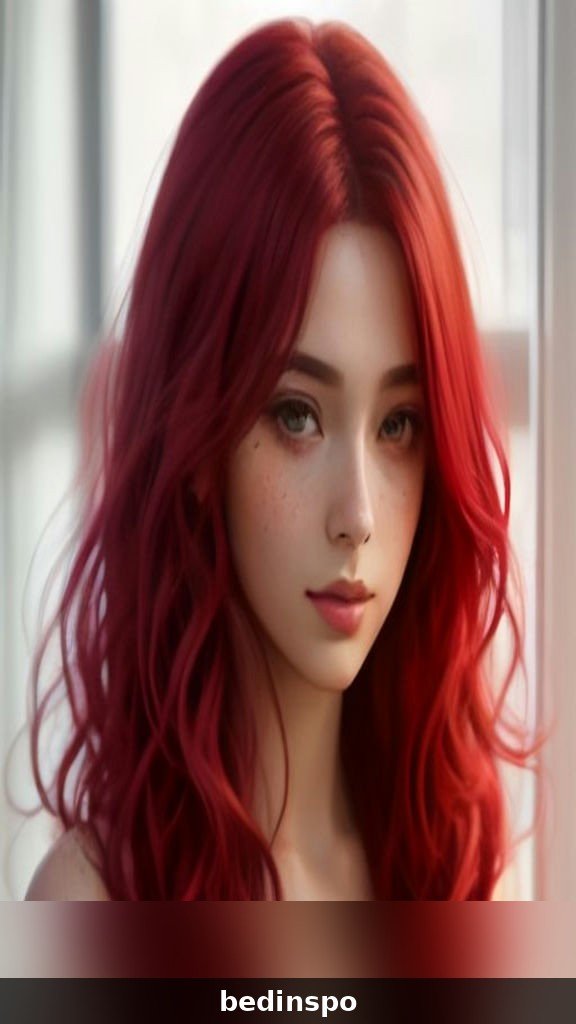
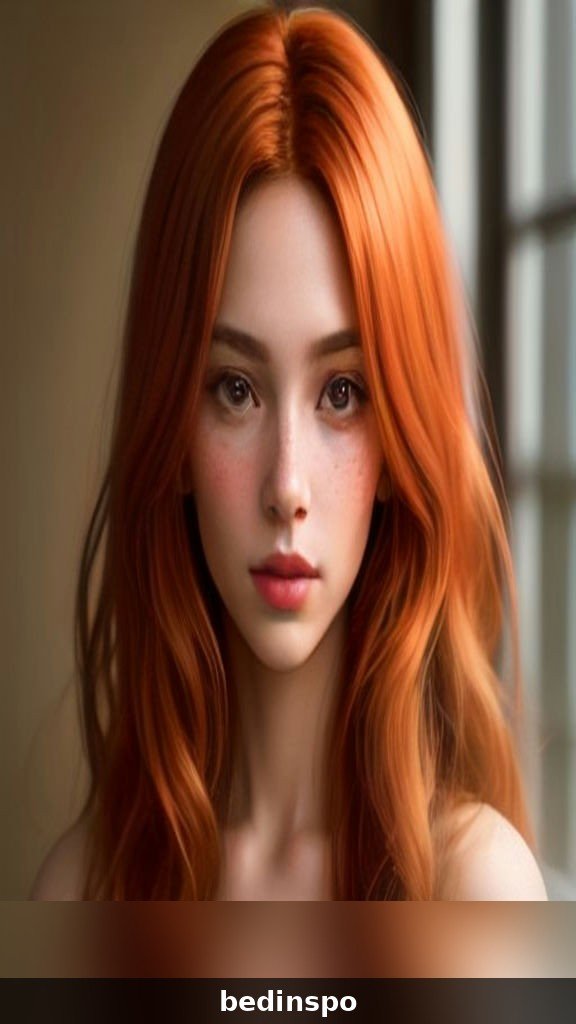
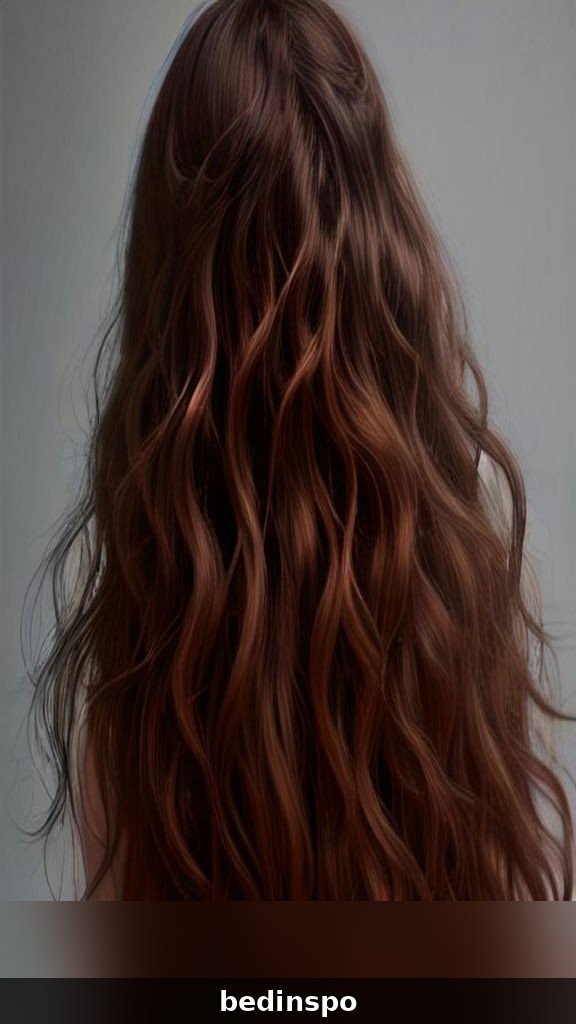
Copper and red sandwiching is the boldest, warmest version of the technique — and one of the most beautiful. Thin ribbons of copper, auburn, or soft red layered through a brunette base create a fiery dimension that glows in sunlight. The effect is like embers in dark hair: subtle indoors, spectacular outdoors. It is the sandwiching variation that gets the most compliments.
Red and copper tones fade faster than other colors, so this version needs a little more maintenance — a color-depositing conditioner or gloss every few weeks keeps the warmth alive. But the payoff is worth it. Copper sandwiching suits warm skin tones beautifully and adds a richness to brunette hair that no other color can match. If you have ever wanted to try red without going fully red, sandwiching is the perfect entry point.
Sandwich Highlights for a Subtle, Professional Look
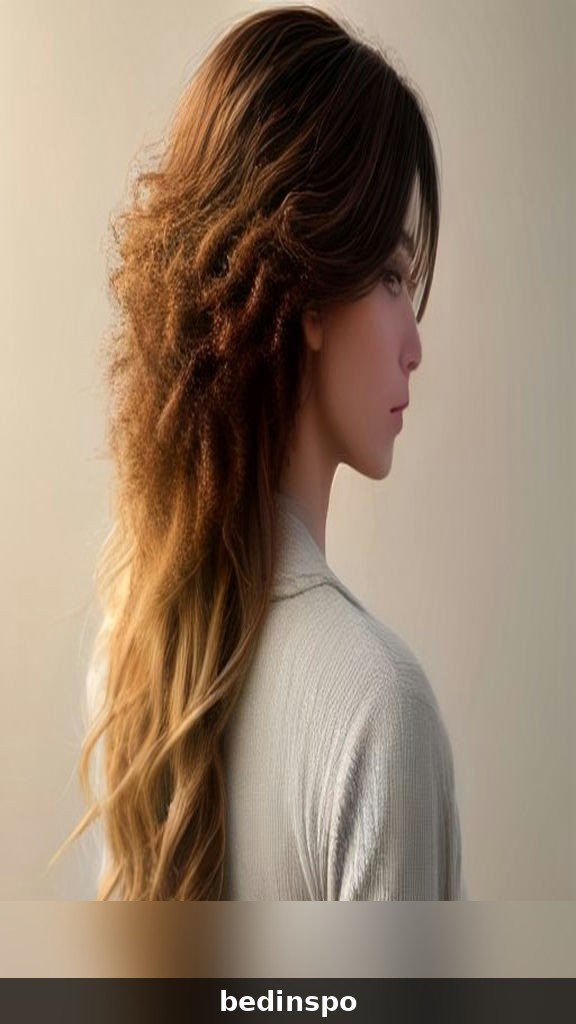
Not every sandwiching look is bold. The subtle version — fine ribbons just one level lighter than your base — creates dimension that is barely visible in a boardroom but gorgeous in sunlight. It is the perfect color for professional settings, where obvious highlights might feel too much. The hair simply looks healthy, shiny, and expensive, and no one can quite tell why.
The subtle sandwich is also the best version for women trying dimensional color for the first time. It is low-risk, low-maintenance, and easy to deepen later if you want more contrast. Ask your colorist for the finest possible sections and the closest possible tone to your base color. The result is hair that looks like your hair, only better — which is really the goal of all great color.
Bold Sandwiching: High-Contrast Dimension
On the opposite end of the spectrum, bold sandwiching uses high contrast — light pieces three or four levels lighter than the base — for a dramatic, eye-catching effect. The ribbons are clearly visible, the dimension is unmistakable, and the hair has a striking, almost graphic quality. This is the sandwiching variation for women who want their color to make a statement.
Bold sandwiching works best on dark hair, where the contrast is most dramatic, and on straight hair, where the ribbons read as clean, defined lines. It needs a little more maintenance than the subtle version, since the contrast makes grow-out more visible, but the visual impact is worth it. If you love bold hair and want dimension with a modern edge, bold sandwiching delivers.
Styling Hair With Sandwich Highlights
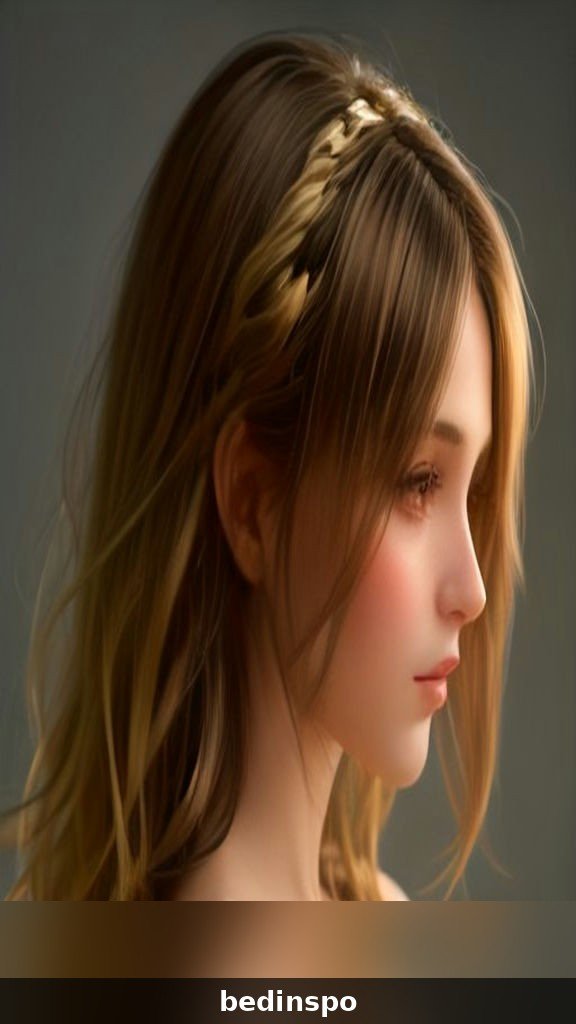
Sandwich highlights look best in styles that show off movement. Soft waves are the ideal showcase — the curls break the color into dimension and the light pieces catch the sun as the hair moves. Straight hair shows the ribbons as clean, glossy lines, which is beautiful in a different way. Braids are a hidden gem for sandwiching: the weaving exposes the light and dark layers in a gorgeous pattern.
Updos also reveal the sandwiching beautifully, especially low buns and ponytails where the underlayers show. A half-up style is the perfect compromise, showing the dimension on top while the length flows below. Whatever style you choose, a shine serum through the lengths makes the dimension pop. The sandwiching technique rewards movement, so wear your hair in styles that let it move.
Frequently Asked Questions
What is the hair sandwiching hack?
Hair sandwiching is a highlighting technique where thin strands of lighter color are layered between sections of darker base color, like the filling in a sandwich. It creates soft, diffused dimension that grows out without a harsh line.
Is sandwiching better than balayage?
Neither is better — they are different. Sandwiching is faster, uses less lightener, costs less in damage, and grows out more invisibly. Balayage creates a more visible gradient. Many colorists combine both techniques.
How long do sandwich highlights last?
Eight to twelve weeks or longer, thanks to the diffused placement and soft grow-out. A gloss treatment every six weeks refreshes the shine and dimension between appointments.
Can sandwiching work on dark hair?
Yes — it is one of the best techniques for dark hair. Thin ribbons two levels lighter than the base create natural-looking dimension without harsh contrast or heavy damage.
Does sandwiching damage hair?
Less than most highlighting techniques, because only a small percentage of hair is lightened. The processing time is shorter and the lightener is gentler than full highlights.
Can I do sandwiching at home?
It is difficult, because the technique depends on precise, even sectioning. A salon is recommended for the real effect, though a sandwich-style gloss can give a temporary DIY version.
Conclusion
The hair sandwiching hack earned its viral fame the honest way: it works. By layering thin strands of light between sections of dark, it creates dimension that looks natural, grows out invisibly, and suits almost every hair color and length. It is gentler than traditional highlights, cheaper than balayage, and more forgiving than almost any other color technique. Whether you want a subtle glow or bold contrast, sandwiching delivers.
If you have been thinking about adding dimension to your hair, bring this guide to your next salon appointment. Show your colorist the photos, talk about the contrast and placement, and enjoy the result. Pin this guide for reference, share it with a friend who needs a color refresh, and get ready for hair that looks like it was made for Pinterest — because it was.
Keep the hair inspiration going with these Bedinspo favorites:
- 20 Money Piece Highlight Ideas You’ll Love in 2026 — bright face-framing highlights that pair perfectly with sandwich dimension.
- 25 Gorgeous Mocha Balayage Hair Ideas You’ll Love in 2026 — rich mocha dimension with a soft, blended finish.
- Sleek Hairstyles: The Complete Guide to Smooth, Polished and Glossy Looks — the full masterclass on mirror-smooth styling technique.
- Peekaboo Hair: The Complete Guide to Hidden Color Ideas and Care — hidden color ideas that reveal themselves as your hair moves.