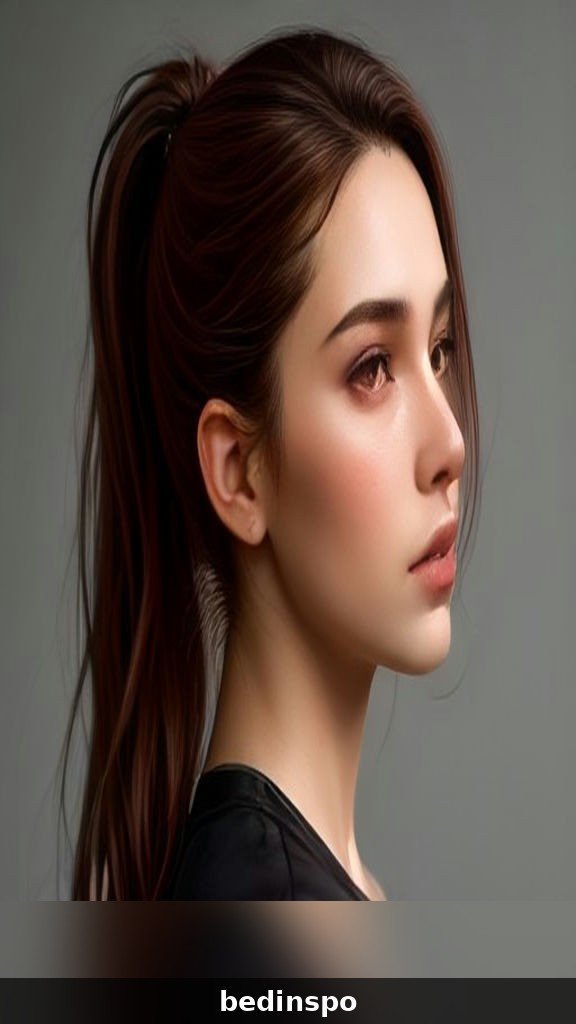
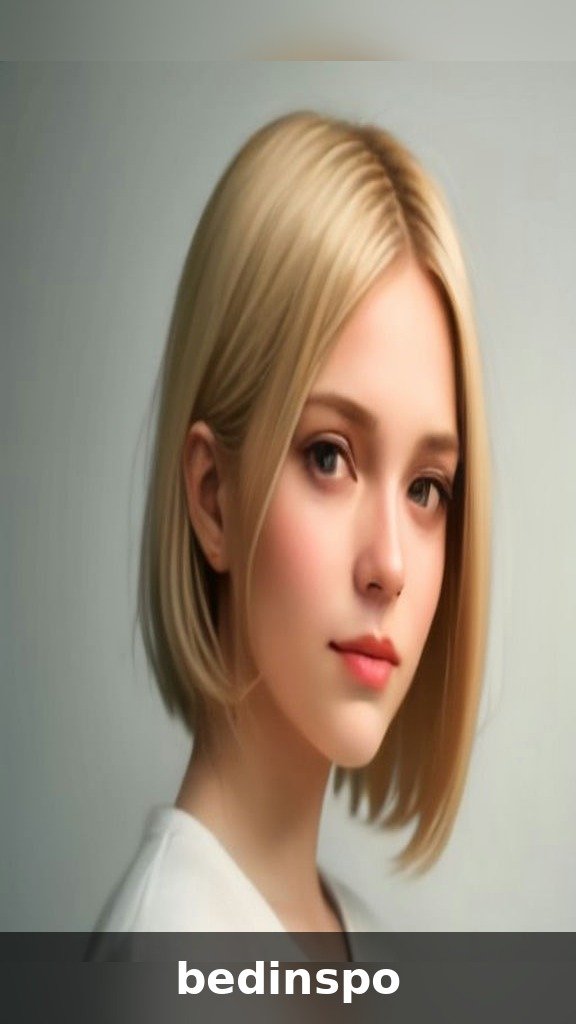
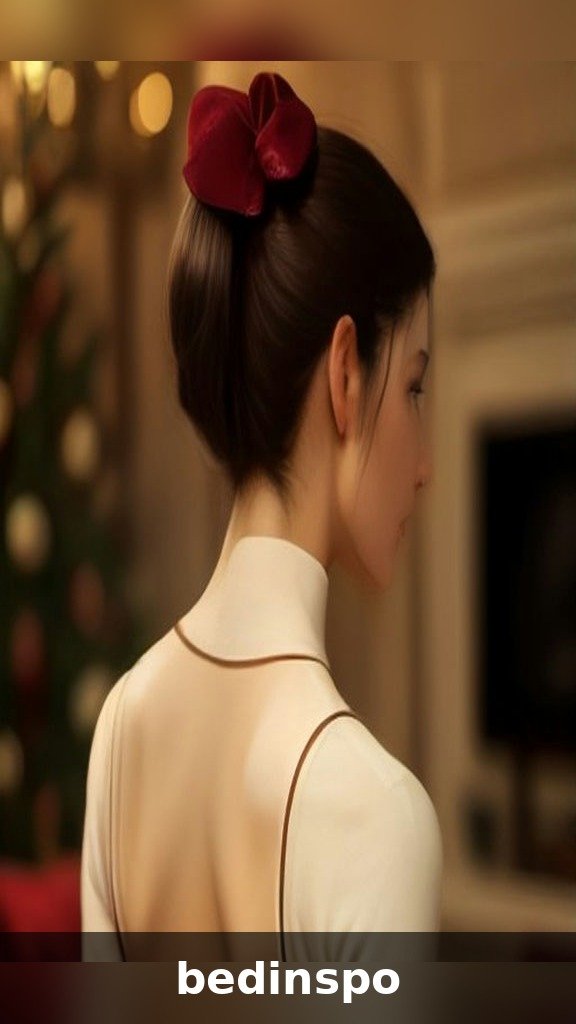
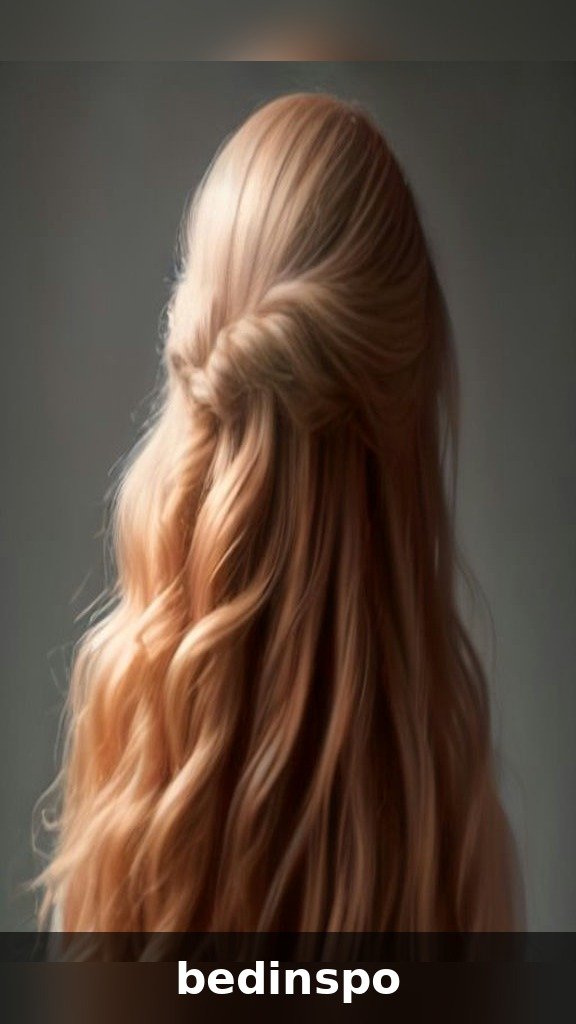
Ripped Bob Haircut: Textured Ends, Modern Edge
If the blunt bob is the polished, put-together sister, the ripped bob haircut is the cool one — the one who looks effortlessly undone, a little bit edgy, and somehow perfect in every photo. It is a chin-length or jaw-length bob with softly separated, textured ends that look like they were gently torn apart rather than cut in a straight line. The result is movement, airiness, and a lived-in finish that feels modern without trying too hard. It is no wonder the ripped bob has become one of the most saved short haircuts on Pinterest this year.
The beauty of the ripped bob is that it works with your hair instead of fighting it. Where a blunt bob demands sleekness and precision, a ripped bob celebrates texture. The ends are thinned and separated with a technique called vertical texturizing, so the hair falls in soft, feathery pieces instead of one heavy curtain. That means less time with the flat iron, more natural movement, and a cut that actually looks better a little bit messy. Whether your hair is fine or thick, straight or wavy, there is a version of the ripped bob that will flatter you — and this guide covers all of them, from how to ask your stylist for the cut to how to style it, color it, maintain it, and grow it out gracefully.

What Is a Ripped Bob Haircut?
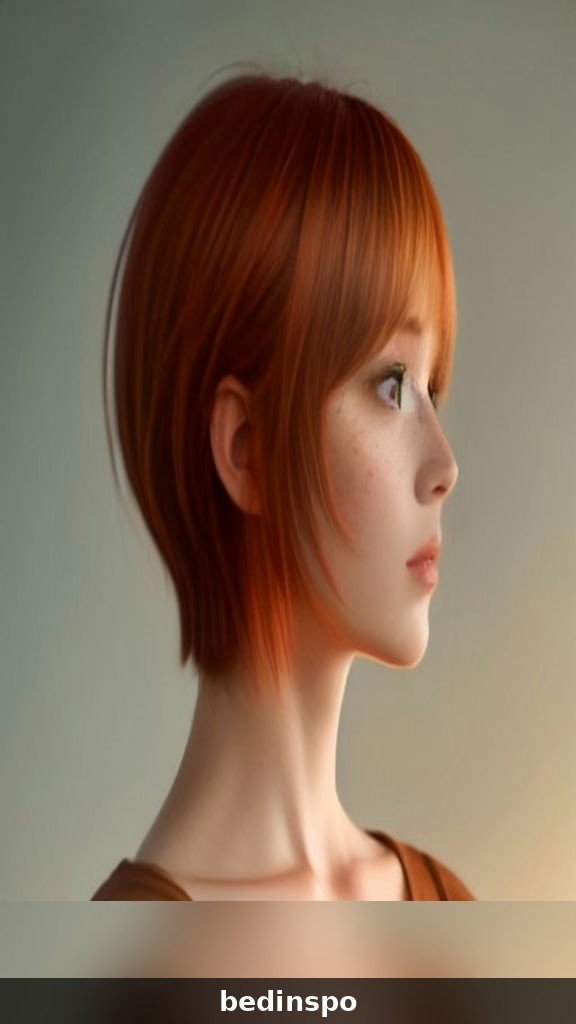
A ripped bob haircut is a bob — usually chin-length to just above the shoulders — whose ends have been deliberately broken up so they look softly separated and piece-y rather than blunt and solid. The “ripped” part does not mean the hair looks damaged or ragged. It describes the way the ends are texturized: instead of cutting straight across, the stylist uses thinning shears, a razor, or point cutting held vertically to remove small amounts of weight from the ends, creating tapered, feathered tips that move independently of one another. The outline of the cut stays a bob, but the edge feels light, airy, and full of motion.
The effect is subtle from a distance and striking up close. The hair looks thicker at the top and lighter at the bottom, which gives the whole shape a modern, lived-in quality. It is the difference between a bob that looks like it just left the salon and one that looks like it always looks that good. Because the texture is built into the cut itself, the style holds its shape between washes and grows out more gracefully than a blunt bob. It is the ideal choice if you love short hair but hate the high-maintenance, always-perfect feeling of a precision cut.
Ripped Bob vs Blunt Bob: What’s the Difference?
The blunt bob and the ripped bob start from the same place — a short, one-length cut — but they end up in very different places. A blunt bob has a solid, heavy perimeter: the ends form one thick, even line that swings as a single piece. It looks sleek, sharp, and polished, and it is at its best when it is smoothed and glossy. A ripped bob takes that same outline and breaks up the perimeter, so the ends are separated into soft, individual pieces. It looks textured, airy, and a little bit undone, and it is at its best when it has a bit of natural movement.
Choosing between them comes down to your hair and your lifestyle. Blunt bobs suit people who love a polished finish and do not mind heat styling, and they are especially flattering on fine, straight hair that needs the illusion of thickness at the ends. Ripped bobs suit people who want movement and easy styling, and they are a gift for thick or wavy hair, because the texturizing removes bulk and lets the natural texture show. If you are torn, ask your stylist for a ripped bob with a soft blunt base — you get the structure of a blunt cut with the lightness of the ripped finish, and you can always go more textured at your next appointment.
Why the Ripped Bob Is Everywhere Right Now
The ripped bob arrived at exactly the right moment. After years of ultra-polished, glassy hair dominating our feeds, the mood has shifted toward texture, movement, and hair that looks lived in rather than labored over. The ripped bob is the short-hair answer to that shift: it has the chic shape of a bob with the relaxed energy of a lived-in cut. Celebrities, influencers, and street-style stars have all been spotted in versions of it, and Pinterest saves for textured bob ideas have climbed steadily as more people look for a short cut that does not demand a forty-minute styling routine every morning.
There is also a practical reason for the trend. The ripped bob is one of the most forgiving short haircuts you can get. It looks good air-dried, it looks good with a quick scrunch of texture spray, and it looks good on second-day hair. It flatters a wide range of face shapes and hair textures, and it suits every age — from twenty-somethings trying their first bob to women in their sixties who want a fresh, modern shape. A haircut that looks this good with this little effort was always going to become a classic, and the ripped bob is well on its way.
The Magic of Vertical Texturizing
Vertical texturizing is the technique that makes a ripped bob a ripped bob, and it is worth understanding before you sit in the stylist’s chair. Instead of cutting horizontally across the ends, the stylist holds the scissors or razor vertically — pointing up into the hair — and snips small amounts from the interior of the ends. This removes weight in a soft, graduated way, so the ends taper rather than stopping abruptly. The result is separation: the hair falls into distinct, feathery pieces with space and air between them.
How much texturizing you get depends on your hair type and the look you want. Fine hair needs a light touch — too much texturizing can make thin ends look wispy and sparse. Thick hair can handle (and usually needs) much more, because removing bulk is what lets the shape move. A good stylist will texturize in stages, checking the shape as they go, and they will ask you how piece-y you want the finish. If you love a very soft, subtle separation, say so; if you want a bold, edgy, visibly ripped edge, say that instead. The technique is the same — only the intensity changes.
How to Ask Your Stylist for a Ripped Bob
The words you use in the salon matter, because “ripped bob” can mean slightly different things to different stylists. Start with the length: “a chin-length bob” or “a bob that just grazes my jawline” gives your stylist a clear anchor. Then describe the texture: “I want the ends softly separated and textured, not blunt — a lived-in, piece-y finish.” Mention vertical texturizing by name if your stylist is familiar with it, and ask for the ends to be point-cut or razor-texturized rather than cut straight across. If you want the cut to feel edgy, say so; if you want it soft and wearable, say that instead.
Bring photos — ideally three or four from different angles, showing the length, the texture, and the way the ends fall. Photos of the back of the head matter as much as the front, since the texturizing is most visible from behind. Tell your stylist about your hair’s natural texture and how much time you realistically spend styling in the morning, because that changes how much texturizing they should do. And ask them to show you how to style it before you leave the chair. A five-minute styling lesson is worth more than any product recommendation, and it guarantees you will love the cut at home as much as you do in the salon.
The Classic Chin-Length Ripped Bob
The classic ripped bob sits right at the chin, and it is the version most people picture when they hear the name. The length is short enough to feel bold and fresh, but long enough to tuck behind the ears, and the textured ends keep the shape from looking severe. This is the ripped bob at its most versatile: it works for the office, for a night out, and for a lazy Sunday, and it flatters almost every face shape because the chin-length line draws attention to the jawline and cheekbones in the most flattering way.
Styling the classic version is wonderfully simple. On damp hair, work a pea-sized amount of texture cream or a light mousse through the mid-lengths and ends, then blow dry with your fingers, lifting at the roots and letting the ends fall naturally. Once dry, pinch small sections of the ends between your fingers with a tiny bit of pomade or wax to define the separation. The whole routine takes about ten minutes, and the result is that perfectly undone, expensive-looking texture that makes people ask who cuts your hair.

The Ripped Lob: A Longer, Softer Take
If a chin-length cut feels like too big a leap, the ripped lob — the long bob — is your way in. It falls somewhere between the chin and the collarbone, usually grazing the shoulders, and it carries the same softly separated, textured ends as the classic version. The extra length makes it feel safer and more versatile: you can still pull it into a low ponytail or a mini bun on days when you want it out of the way, and the grow-out is even more forgiving.
The ripped lob is especially flattering if you have a longer face or a strong jawline, because the added length softens the outline and balances the proportions. It is also a smart first step if you have never had short hair — you get the texture and the movement of the ripped bob without committing to the shortest length. Ask your stylist to keep the ends light and piece-y and to add a few longer layers through the interior if your hair is thick, so the shape stays airy instead of heavy. Many people who start with a ripped lob end up going shorter at their next appointment, once they realize how much they love the texture.
The Ripped Bob with Bangs
Add bangs to a ripped bob and the whole look changes — in the best way. Bangs bring softness to the forehead, frame the eyes, and give the cut a youthful, French-girl energy that is hard to resist. The key is choosing the right kind of bangs: wispy, textured bangs that match the separated feel of the ends work far better than heavy, blunt bangs, which can make the whole style feel top-heavy. Ask for bangs that are point-cut or razor-textured so they fall in soft, feathery pieces rather than one solid curtain.
Curtain bangs are the most popular pairing with a ripped bob, and for good reason. They part in the middle and sweep to either side, blending seamlessly into the textured layers of the bob, and they grow out beautifully — which matters, because bangs need trimming more often than the rest of the cut. If you prefer a bolder look, a choppy micro-fringe gives the ripped bob a fashion-forward, editorial edge. Either way, keep the bangs light and piece-y, and use a tiny amount of texture spray to keep them separated rather than clumping together.
Ripped Bob for Fine Hair
Fine hair and ripped bobs are a wonderful match — with one important caveat. The texturizing that makes a ripped bob look so good can also thin out fine ends too much if the stylist goes too far, leaving the bottom of the cut looking wispy and sparse. The fix is a light touch: ask your stylist to texturize mainly through the interior and the very tips, keeping the perimeter as full as possible. A slightly blunt base with soft, separated tips gives fine hair the best of both worlds — the illusion of thickness at the edge and the movement of a textured finish.
For styling, fine hair loves lightweight products. A volumizing mousse at the roots before blow drying gives lift, and a dry texture spray through the ends adds grip and separation without weighing anything down. Avoid heavy oils and creams, which can flatten fine hair in minutes. The ripped bob also makes fine hair look fuller than a blunt bob in some ways, because the separated ends create the impression of movement and airiness — the eye reads texture as volume. With the right cut and the right products, fine hair can wear a ripped bob beautifully.
Ripped Bob for Thick Hair
If your hair is thick, the ripped bob might be the best haircut you have ever had. Thick hair is exactly what vertical texturizing was made for: removing weight from the ends lets the shape move instead of sitting like a heavy helmet, and the separated pieces keep the cut from looking bulky or triangular. Your stylist can texturize generously — through the interior layers as well as the ends — to create a shape that is light, airy, and full of swing.
The one thing to watch is the silhouette. Thick hair that is cut into a bob can flare out at the ends if the weight is not balanced, so ask your stylist to thin the interior and slightly bevel the ends under, which keeps the shape sleek at the sides. A razor can be a thick-haired person’s best friend here, since it removes weight more aggressively than scissors while leaving a soft edge. At home, a smoothing cream before blow drying tames any puffiness, and a flat iron passed quickly over just the very ends keeps the separation defined. The result is a bob that looks effortlessly cool and never feels heavy.

Ripped Bob for Wavy Hair
Wavy hair was practically born for the ripped bob. The natural wave gives the textured ends something to work with, and the cut enhances the wave instead of fighting it — the separation in the ends lets each wave fall independently, which makes the texture look intentional and polished rather than accidental. If your hair has a natural wave, you may find that a ripped bob is the lowest-maintenance cut you have ever had, because it looks good with almost no styling at all.
The styling routine for wavy hair is delightfully short. After washing, scrunch a wave-enhancing cream or sea salt spray through damp hair, then let it air dry or diffuse on low heat. Once dry, gently shake out the roots and use your fingers to separate the ends — no brush needed, since brushing can turn waves into frizz. If some pieces dry straighter than others, wrap just those pieces around a curling wand for a few seconds to even things out. The ripped bob turns your natural texture into the star of the show, which is exactly how it should be.
Ripped Bob for Curly Hair
Curly hair can absolutely rock a ripped bob, but the approach is different. With curls, the texturizing needs to be done on dry, styled hair — cutting curls wet can lead to surprises, since curls shrink dramatically as they dry. A curl-savvy stylist will cut the bob dry, curl by curl, removing weight and creating separation while respecting each curl’s natural pattern. The result is a rounded, bouncy bob with beautifully defined, piece-y ends.
The key to success is keeping the shape balanced. Curly bobs can go wide if the ends are too heavy, so the texturizing should focus on the interior and the underside, removing bulk without disturbing the curl pattern on the surface. At home, a curl cream applied to soaking wet hair, followed by diffusing or air drying, gives the best definition. Avoid brushing dry curls — it breaks up the curl clumps and creates frizz. With the right cut, a curly ripped bob has incredible personality: bouncy, textured, and full of life.
Ripped Bob for Straight Hair
Straight hair shows the texture of a ripped bob more clearly than any other hair type, because there is no wave or curl to disguise the cut. That is both the appeal and the challenge. On straight hair, the separated ends are crisp and visible, which gives the style a sharp, modern, editorial quality — think fashion-week street style. But it also means the texturizing has to be done well, since any unevenness will show.
For straight hair, the styling trick is adding just enough bend to keep the ends from looking flat. A quick pass with a flat iron, bending the ends slightly outward or under in alternating directions, creates the piece-y, lived-in movement that defines the look. A light texture spray or dry shampoo at the roots adds grip and prevents the style from falling limp by midday. If your straight hair is very fine, ask for minimal texturizing so the ends stay full; if it is thick and straight, your stylist can go bolder with the separation. Straight hair plus a ripped bob equals effortless, modern polish.
Best Face Shapes for a Ripped Bob
The ripped bob is unusually forgiving when it comes to face shape, because the texture softens the outline and the length can be adjusted to flatter almost anyone. Round faces benefit from a slightly longer ripped bob that falls just below the chin, since the extra length elongates the face, and the textured ends keep the shape from looking too wide. Oval faces can wear almost any version — chin-length, lob, with bangs or without — because the proportions are already balanced. Square faces look beautiful with a ripped bob that has soft, piece-y layers around the jawline, which softens strong angles without hiding them.
Heart-shaped faces, with a wider forehead and narrower chin, love a ripped bob with volume at the ends, which balances the narrower jaw. Long faces benefit from a chin-length version with bangs or curtain bangs, which visually shorten the face and add width where it is needed. The universal rule is this: the texture is your friend. Because the ends are separated rather than solid, the cut never creates a harsh horizontal line across the face, which is what makes blunt cuts tricky for some face shapes. Bring your face shape into the conversation with your stylist, but do not let it limit you — the ripped bob adapts.

Ripped Bob Color Pairings
Color takes a ripped bob from great to unforgettable, because the textured ends are the perfect canvas for dimension. Lived-in color — balayage, soft highlights, or a root melt — works beautifully with the separated ends, since the lighter pieces catch the light and make the texture even more visible. A subtle balayage through the mid-lengths and ends adds depth without looking stripe-y, and it grows out gracefully, which fits the low-maintenance spirit of the cut.
Bold color looks fantastic on a ripped bob too. The short length means less commitment and less upkeep than coloring long hair, so it is the perfect time to try something you have been curious about — a rich copper, a smoky brunette, a cool ash blonde, or even a fashion shade like rose or lilac. The textured ends show off color dimension better than a blunt edge, because each separated piece catches the light differently. Whatever shade you choose, ask your colorist for soft, blended dimension rather than harsh lines, and use a color-safe shampoo to keep the tone fresh between appointments.
Styling Your Ripped Bob at Home, Step by Step
Here is the everyday routine that makes a ripped bob look its best. Start with clean, towel-dried hair and work a small amount of texture cream or mousse through the mid-lengths and ends — not the roots, which can get weighed down. Blow dry with your fingers rather than a brush, lifting at the roots for volume and scrunching the ends gently as you go. The goal is not a smooth, sleek finish; it is a soft, piece-y texture with natural movement, so do not overthink it.
Once the hair is dry, the finishing step is what creates the signature ripped look. Warm a tiny amount of pomade, wax, or texture paste between your palms, then pinch small sections of the ends between your fingers, pulling them slightly outward to define the separation. Work through the whole head, piece by piece, and finish with a light mist of texture spray or flexible-hold hairspray. If some pieces look too perfect, mess them up — the ripped bob is supposed to look a little undone. The whole routine takes ten to fifteen minutes, and it gets faster as you learn which pieces matter most.

Best Products for Textured Ends
The right products make all the difference with a ripped bob, because the cut relies on separation and grip rather than smoothness. A texture spray is the hero product: it adds grit and hold to the ends so the separated pieces stay distinct instead of falling together into one smooth curtain. A light mousse or volumizing foam at the roots gives lift without stiffness. And a small amount of pomade or styling wax is what lets you pinch and define individual pieces — the key to that deliberately undone finish.
What to avoid is just as important. Heavy oils and thick serums can make textured ends look greasy and clumped together, which defeats the purpose of the cut. Strong-hold gels and hairsprays can freeze the pieces in place and kill the movement. And silicone-heavy smoothing products, wonderful as they are for glass hair, are the opposite of what a ripped bob needs. Keep your product stash light and texturizing: a spray, a mousse, and a paste will cover almost every styling situation. Dry shampoo is also a secret weapon — it adds texture and grip on second-day hair and makes the ripped finish look even better.
Ripped Bob for Work and the Weekend
One of the best things about the ripped bob is how easily it shifts between polished and playful. For work, smooth the top section with a flat iron for a neater finish, tuck one side behind your ear, and keep the texture subtle — the ends stay separated, but the overall shape reads professional and put-together. A simple, sleek part and a touch of shine spray at the crown can make the same cut look boardroom-ready in minutes.
On the weekend, let it loose. Scrunch in extra texture spray, flip the part to the other side, add a headband or a claw clip, or let it air dry for maximum natural movement. The ripped bob also takes accessories beautifully — velvet bows, silk scarves, and statement clips all look intentional against the textured ends rather than fussy. And for a night out, a quick curl with a wand through a few face-framing pieces adds glamour without losing the edge. One cut, many moods: that versatility is a big part of why people love it.
Maintenance: Trims and Refreshing the Texture
A ripped bob is lower maintenance than a blunt bob, but it still needs regular care to look its best. Plan for a trim every six to eight weeks — not because the length changes dramatically, but because the texturizing grows out and the ends start to look heavy and solid again. At the trim, your stylist will re-texturize the ends and clean up the shape, which usually takes less time than a full cut. Between appointments, the cut holds its shape well, which is one of its biggest advantages.
At home, keep the texture fresh with the right habits. Use a clarifying shampoo once a month to remove product buildup, which can weigh down textured ends and make them look limp. Deep condition every week or two, but focus the conditioner on the mid-lengths and ends rather than the roots. And protect the ends from heat damage with a heat protectant whenever you use hot tools — damaged, split ends cannot hold the separated, feathery look that defines the style. Healthy ends are the foundation of a great ripped bob.
Growing Out a Ripped Bob Gracefully
Every short cut eventually grows out, and the ripped bob handles the process better than most. Because the ends are already textured and separated, the grow-out does not hit that awkward, heavy, shapeless phase as quickly as a blunt bob does. The texture disguises uneven growth, and the shape simply gets longer and softer over time. Many people find they can go ten to twelve weeks between cuts while growing out a ripped bob, compared to six weeks for a blunt one.
When you are ready to grow it longer, ask your stylist for a plan. They can keep texturizing the ends as the length increases, gradually shaping the bob into a lob and then into longer layers, so you never pass through an awkward in-between stage. Adding long, face-framing layers during the grow-out keeps the shape intentional and flattering. And if you decide you miss the short length, a quick trim brings the ripped bob right back. Growing out a ripped bob is less of a commitment and more of a slow, graceful transition — which is exactly how a great haircut should behave.

Common Mistakes to Avoid
The biggest mistake with a ripped bob is over-texturizing, especially on fine hair. Too much thinning at the ends can leave the cut looking wispy, sparse, and damaged rather than piece-y and cool. If your stylist reaches for the thinning shears and you feel nervous, speak up — it is always easier to add more texture at the next appointment than to wait for over-thinned ends to grow back. A second common mistake is styling the ripped bob like a blunt bob: flat-ironing everything pin-straight kills the separation and makes the cut look unfinished rather than intentionally textured.
Other mistakes to watch for: using too much product, which clumps the separated pieces together; skipping trims, which lets the ends get heavy and lose their lightness; and choosing the wrong length for your face shape without discussing it with your stylist. The ripped bob is a forgiving cut, but it still rewards good communication and light-handed styling. Keep the products light, keep the trims regular, and let the texture do the work — the cut was designed to look effortless, so do not try too hard to perfect it.
Ripped Bob for Women Over 50
The ripped bob is a fantastic choice for women over fifty, and it is one of the reasons the cut has such broad appeal. The textured ends add movement and softness around the face, which is flattering at any age, and the chin-length shape lifts the features and draws attention to the cheekbones and eyes. Unlike some short cuts that can feel severe or aging, the ripped bob feels modern, fresh, and full of energy.
For mature hair, which can become finer and drier with age, the ripped bob has practical advantages too. The shorter length means less weight pulling the hair down, and the texturizing creates the illusion of fullness and movement. A soft, face-framing version with a little volume at the crown is especially flattering, and pairing it with a warm, dimensional color — soft highlights, a rich brunette, or a silver-blended shade — makes the whole look glow. Age is no barrier to this cut; if anything, the ripped bob was made for the confidence that comes with knowing exactly what you like.

Frequently Asked Questions
What is a ripped bob haircut?
A ripped bob is a chin-length to shoulder-length bob whose ends have been texturized — usually with vertical point cutting or a razor — so they fall in soft, separated, feathery pieces instead of one blunt line. The “ripped” effect is about texture and movement, not damage. It gives the classic bob a modern, lived-in, slightly edgy finish that is easy to style and grows out gracefully.
Is a ripped bob the same as a choppy bob?
They are close cousins, but not identical. A choppy bob usually has visible layers throughout the whole cut, creating a deliberately uneven, piece-y look from top to bottom. A ripped bob keeps the overall shape cleaner and more bob-like, with the texture concentrated mainly at the ends. Think of the ripped bob as a choppy bob’s more polished sister — textured where it counts, structured where it matters.
Does a ripped bob work on fine hair?
Yes, with a light touch. Fine hair looks great in a ripped bob as long as the stylist texturizes gently and keeps the perimeter full, so the ends do not look wispy or sparse. A slightly blunt base with soft, separated tips is the ideal approach for fine hair. Lightweight products — mousse, texture spray, dry shampoo — add grip and volume without weighing the hair down.
How do I style a ripped bob without heat?
It is one of the easiest cuts to style heat-free. After washing, scrunch a texture cream or sea salt spray through damp hair and let it air dry, shaking the roots gently as it dries. Once dry, pinch the ends with a tiny bit of pomade to define the separation. The natural texture of your hair does most of the work, and the cut is designed to look good a little undone.
How often should I get a ripped bob trimmed?
Every six to eight weeks is ideal to keep the texture fresh and the shape clean. The good news is that a ripped bob grows out more gracefully than a blunt bob, so you can stretch it to ten weeks if needed without the cut looking messy. At the trim, your stylist will mainly re-texturize the ends and tidy the outline rather than cutting off significant length.
Can I get a ripped bob with curly hair?
Absolutely. A curl-savvy stylist will cut the bob dry, curl by curl, texturizing to remove bulk while respecting your natural curl pattern. The result is a bouncy, rounded bob with beautifully defined, piece-y ends. The key is finding a stylist experienced with curly hair and avoiding wet cutting, since curls shrink as they dry and the length can surprise you.
Will a ripped bob suit my face shape?
Almost certainly yes. The ripped bob is one of the most adaptable short cuts: the length can be adjusted — chin-length for long faces, just below the chin for round faces — and the textured ends soften the outline instead of creating a harsh line. Discuss your face shape with your stylist, but the separated texture makes this cut flattering on round, oval, square, heart-shaped, and long faces alike.

Conclusion: Your Cool-Girl Bob Era Starts Now
The ripped bob haircut is proof that a small change in technique can transform a classic. By breaking up the ends and letting the texture speak, it turns the familiar bob into something modern, effortless, and full of personality. It is a cut that works with your hair’s natural texture, fits into a busy morning routine, flatters nearly every face shape, and looks just as good on day three as it does fresh from the salon. That combination is rare, and it is why the ripped bob has earned its place as one of the defining haircuts of the moment.
If you have been thinking about going short — or if you already have a bob and want to give it new life — ask your stylist for softly separated, textured ends and see what happens. Bring photos, talk about your hair type and your routine, and let the vertical texturizing do its magic. Then go home, scrunch in a little texture spray, pinch the ends, and watch the compliments roll in. The ripped bob is not just a haircut; it is a whole mood. Pin your favorite version, book the appointment, and enjoy the easiest great hair you have ever had.


Related Reads
If you loved this textured bob guide, keep exploring these Bedinspo hair favorites:
- Glass Hair: How to Get Mirror-Shine Hair in 2026 — the ultra-glossy finish that pairs beautifully with a sleek, polished bob.
- 20 Gorgeous Long Layered Bob Haircuts to Try in 2026 — more bob inspiration, from soft layers to long, swingy shapes.
- Sleek Ponytail Hairstyles — a polished updo that works perfectly with bob-length hair on second-day texture.
- Wispy Bangs Hairstyles: 15 Soft, Face-Framing Looks You’ll Love — soft, feathery bangs that pair perfectly with a ripped, textured bob.