15 Minimal Japanese Bedrooms That Feel Peaceful and Cozy
A minimal Japanese bedroom is the perfect blend of simplicity, calm, and quiet beauty. Rooted in intentional living and a deep connection to nature, this style focuses on creating a space that feels uncluttered, balanced, and deeply restful. Every element has a purpose, and nothing feels excessive—just soft, thoughtful, and serene.
What makes this aesthetic so appealing is its ability to slow everything down. Clean lines, natural materials, and a muted color palette work together to create an atmosphere that feels peaceful and grounding. It’s not just about how the room looks—it’s about how it makes you feel when you step into it.
Below are 15 minimal Japanese bedroom ideas to inspire a space that feels both cozy and beautifully calm.

Low Bed Designs That Create a Grounded Feeling
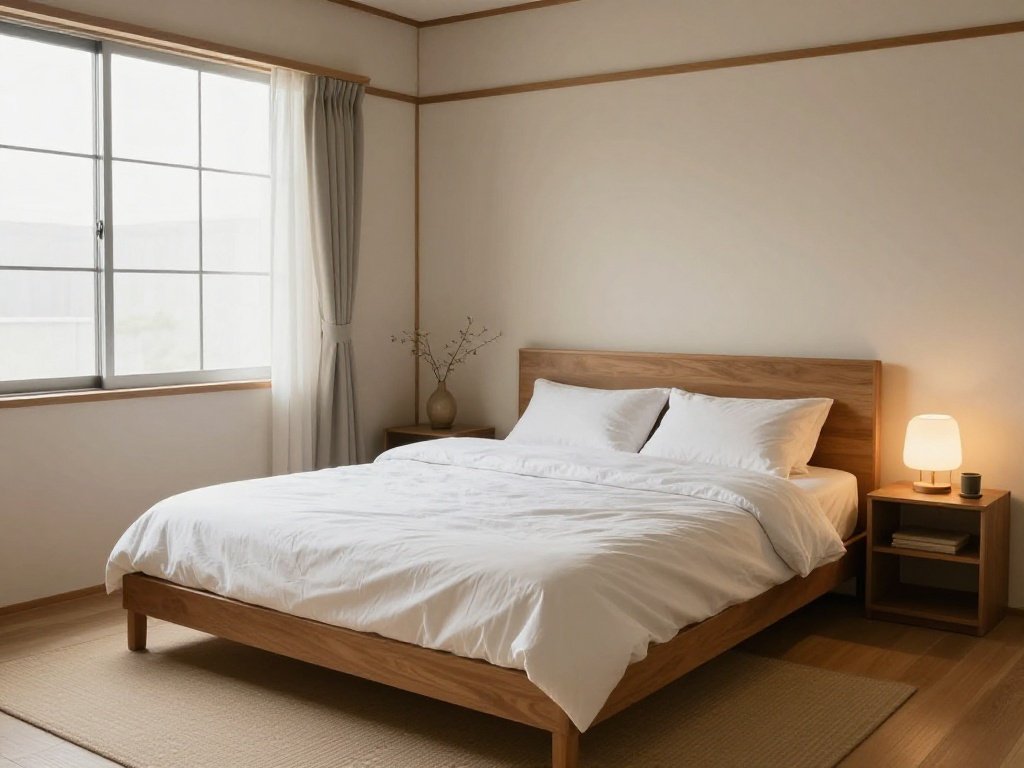
A low-profile bed or mattress placed close to the floor is a signature element of a minimal Japanese bedroom. This design makes the room feel more open while creating a grounded, peaceful atmosphere that encourages relaxation.

Neutral Color Palettes That Promote Calmness
Soft, natural tones like beige, cream, warm white, and muted gray create a soothing backdrop. These colors reflect light gently and help maintain a sense of quiet simplicity throughout the room.

Natural Wood Elements for Warmth and Balance
Wood plays a key role in Japanese-inspired design. Light or medium-toned wood in furniture, flooring, or decor adds warmth while maintaining a clean and organic feel.

Minimal Decor That Feels Intentional
Instead of filling the room with many decorative items, focus on a few carefully chosen pieces. This approach keeps the space uncluttered and allows each element to stand out.

Soft Lighting for a Gentle Atmosphere
Warm, diffused lighting enhances the calm feeling of the room. Paper lamps, soft bedside lights, or indirect lighting create a peaceful glow without harsh brightness.

Sliding Panels or Simple Window Treatments
Clean, simple window coverings—like light curtains or sliding panels—help maintain the minimalist look while allowing natural light to flow softly into the room.

Tatami-Inspired Textures for Authentic Charm
Incorporating tatami-style mats or woven textures adds authenticity and texture. These natural elements make the room feel more connected to traditional Japanese design.

Open Space That Allows the Room to Breathe
Leaving space around furniture is essential. An open layout creates a sense of freedom and calm, making the room feel larger and more relaxing.

Subtle Nature Elements for a Peaceful Touch
Adding a small plant, branch arrangement, or natural decor piece brings life into the space without overwhelming its simplicity.

Clean Lines That Keep the Look Modern
Furniture with simple shapes and straight lines maintains a clean and modern aesthetic. Avoid overly decorative pieces to preserve the minimalist feel.

Soft Bedding in Natural Fabrics
Choose bedding made from cotton, linen, or other natural materials. Soft textures in neutral tones enhance comfort while keeping the look understated.

Hidden Storage to Reduce Visual Clutter
Keeping storage out of sight helps maintain a clean, organized environment. Built-in storage or simple solutions keep your space tidy and peaceful.

A Focus on Balance and Symmetry
Arranging furniture and decor in a balanced way creates harmony. Symmetry doesn’t have to be perfect, but a sense of visual balance enhances the calming atmosphere.

Minimal Wall Decor for a Quiet Aesthetic
Walls should feel open and uncluttered. A single piece of art or a subtle decorative element is often enough to complete the space.

A Calm, Intentional Layout That Feels Effortless
The overall layout should feel natural and unforced. Every piece should have space to breathe, creating a room that feels both functional and serene.

Conclusion / Final Thoughts
A minimal Japanese bedroom is a beautiful reminder that less truly can be more. By focusing on simplicity, natural materials, and thoughtful design, you can create a space that feels calm, cozy, and deeply restorative.
This style encourages you to slow down, appreciate your surroundings, and create a bedroom that supports both rest and peace of mind. In the end, it’s not about having more—it’s about choosing what truly matters and letting everything else fade away.