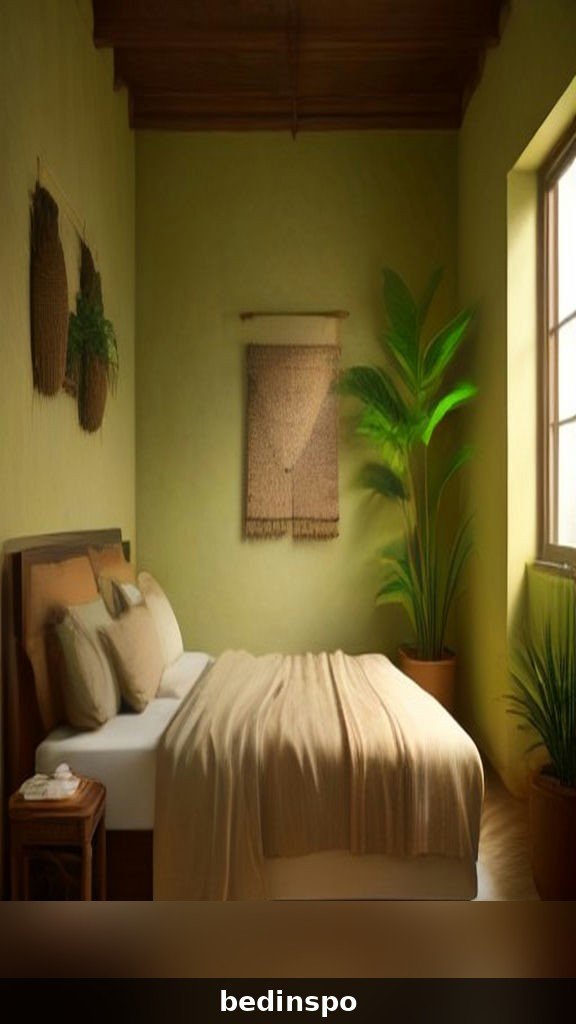
Afrohemian Bedroom Decor Ideas: 15 Warm and Soulful Ways to Style Your Space
Afrohemian Bedroom Decor Ideas: 15 Warm and Soulful Ways to Style Your Space
Some styles decorate a room, and some give it a soul. Afrohemian style — the blend of African artistry and bohemian freedom that Pinterest Predicts flagged as one of the fastest-rising decor movements — does the second thing. Think terracotta warmth, handwoven textures, carved wood, bold heritage textiles, and plants everywhere, all layered the relaxed boho way.
These 15 Afrohemian bedroom decor ideas work room by room and budget by budget: a few need only a throw and two pillows, others are weekend-sized projects like a basket wall or a rattan headboard. What they share is the Afrohemian formula — earth, texture, and story in every corner.
Start with the look above — mudcloth, rattan, baskets, and green life — and work through the list collecting the ideas that feel like you. Afrohemian rooms are collected, not bought in a set, so there’s no wrong order to do this in.
1. Mudcloth Accent Pillows
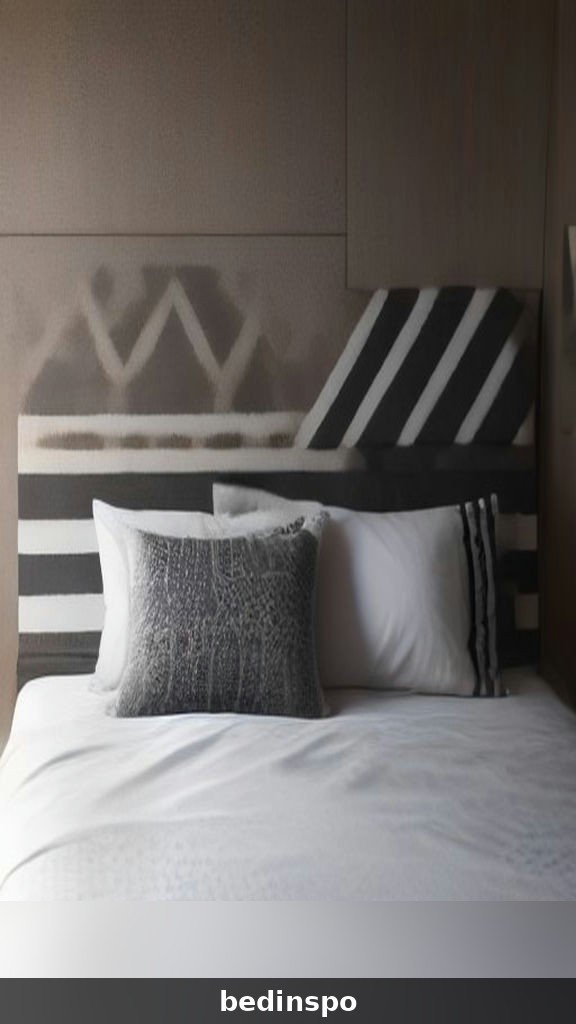
The fastest way into Afrohemian style is a pair of mudcloth pillows on the bed. Traditional Bogolan cloth from Mali — cotton handwoven and painted with fermented mud in bold geometric patterns — brings instant pattern, heritage, and graphic contrast to neutral bedding.
Black-and-white mudcloth is the classic, but indigo, rust, and ochre versions layer beautifully too. Mix two mudcloth pillows with plain linen cushions so the pattern can breathe. Real mudcloth has a wonderful handmade texture; good printed versions capture the look affordably and wash more easily — either way, the geometry does the magic.
2. A Rattan or Cane Headboard
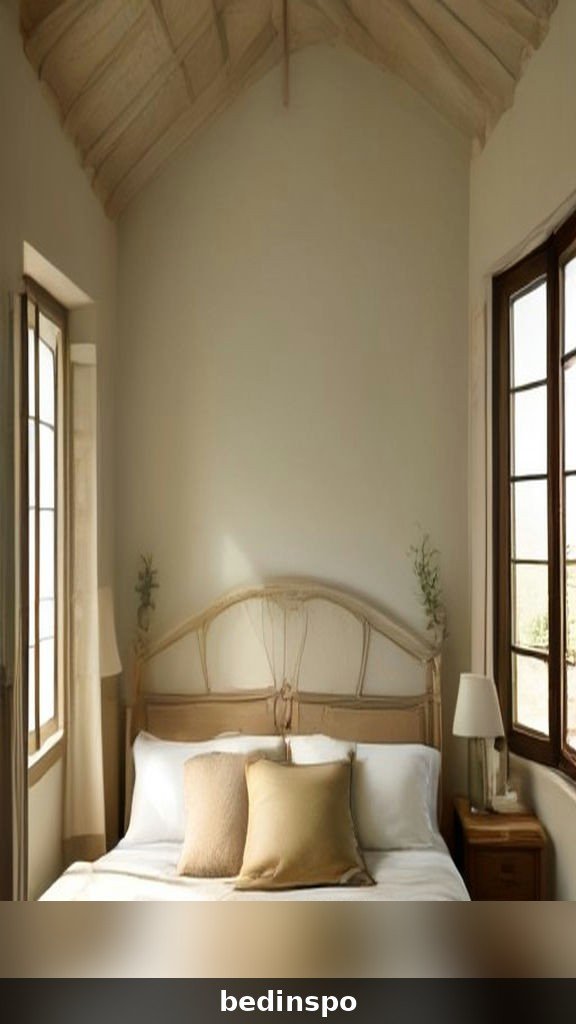
An arched rattan or cane headboard gives an Afrohemian bedroom its warm, handcrafted centerpiece. The woven texture filters light, the natural honey tone warms white walls instantly, and the silhouette — part African craft, part boho seventies — anchors the whole room.
Thrift stores and vintage shops are full of rattan headboards at kind prices, and a light cleaning is usually all they need. Pair with cream or sand linen bedding and let the headboard be the room’s art. No headboard budget? A large woven wall hanging or two flat baskets above the bed borrow the same warmth.
3. A Terracotta and Clay Color Palette
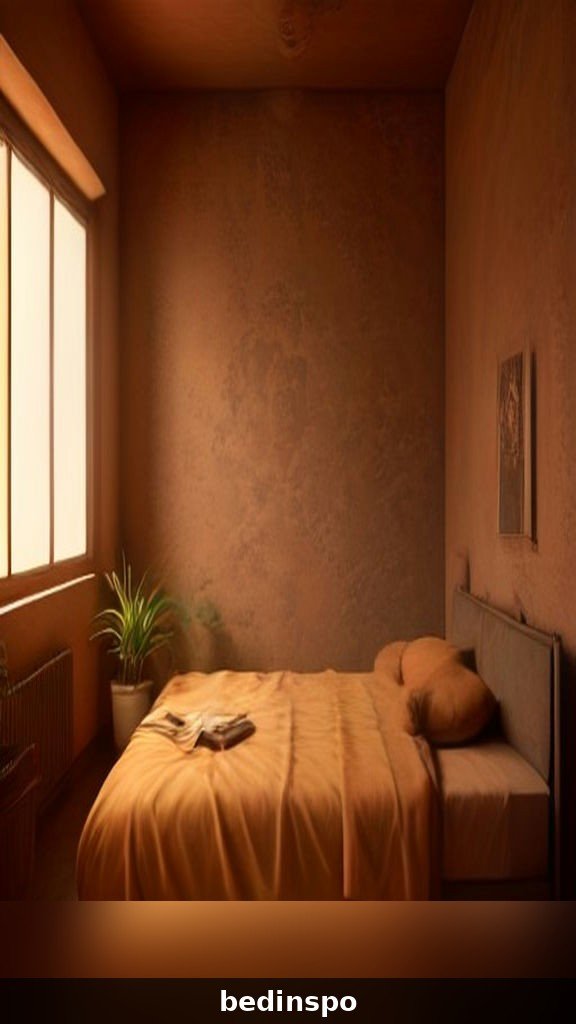
Afrohemian color comes straight from the earth: terracotta, clay, rust, ochre, sand, and deep warm browns, lifted with cream and black. Paint one wall terracotta if you’re brave; if not, bring the palette in through bedding, cushions, and pottery until the room glows like late-afternoon sun.
The palette works because it’s nature’s own — these colors never fight each other. Keep the base calm (cream walls, natural wood, ivory bedding) and layer the earthy tones in textiles and objects. The result is a bedroom that feels warm at 7 a.m. in January, which is no small achievement.
4. An African Basket Wall Display
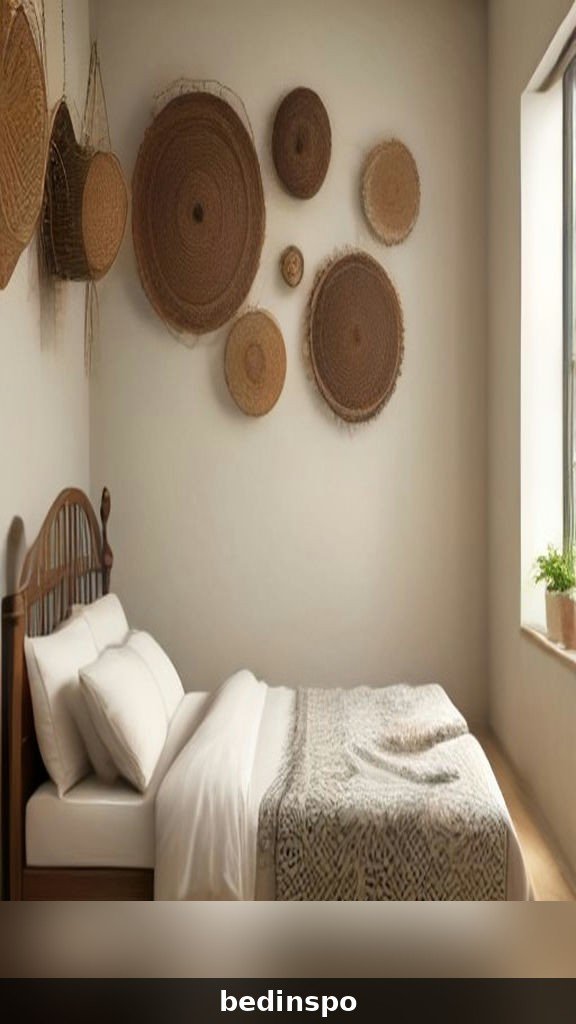
Group woven baskets — sisal, seagrass, sweetgrass, in natural tones and patterned designs — in a loose constellation above the bed or dresser. It’s the signature Afrohemian wall: sculptural, textured, lightweight, and endlessly rearrangeable.
Mix sizes from small plates to one large statement basket, and lay the arrangement on the floor before hanging so you can play. Baskets are affordable at import shops and markets, travel home flat in a suitcase, and each one carries the hands of its maker into your room — decor with a story built in.
Hang baskets with simple nails or picture hooks — they’re light, so no heavy hardware is needed, and you can rearrange whenever the mood strikes. Start with the largest basket slightly off-center and build outward, leaving a hand’s width of breathing space between pieces. Step back often; a basket wall should feel gathered over time, not measured with a ruler.
5. Kente and Ankara Textile Layers
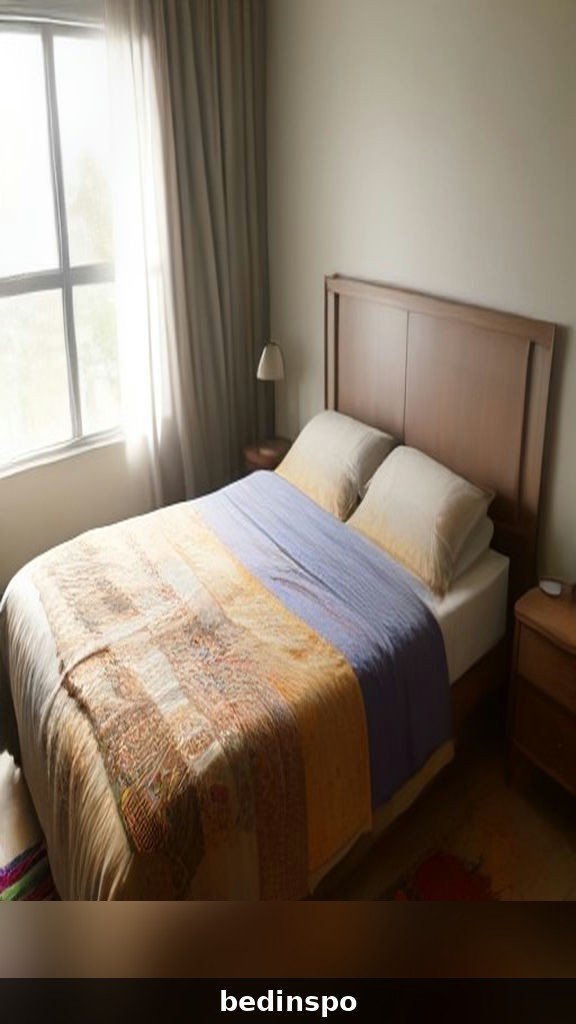
For joyful color, layer in West African textiles: a kente cloth throw across the foot of the bed, or Ankara print cushions against neutral bedding. The vivid geometry and saturated oranges, golds, and greens are the celebratory counterpoint to all that earthy calm.
A little goes a long way — one brilliant textile per bed is the Afrohemian way, letting it read as treasure rather than theme. Drape a kente strip over a headboard or fold it at the bed’s foot. These cloths carry centuries of meaning, so treat them as the art pieces they are.
6. Carved Wood Accent Furniture
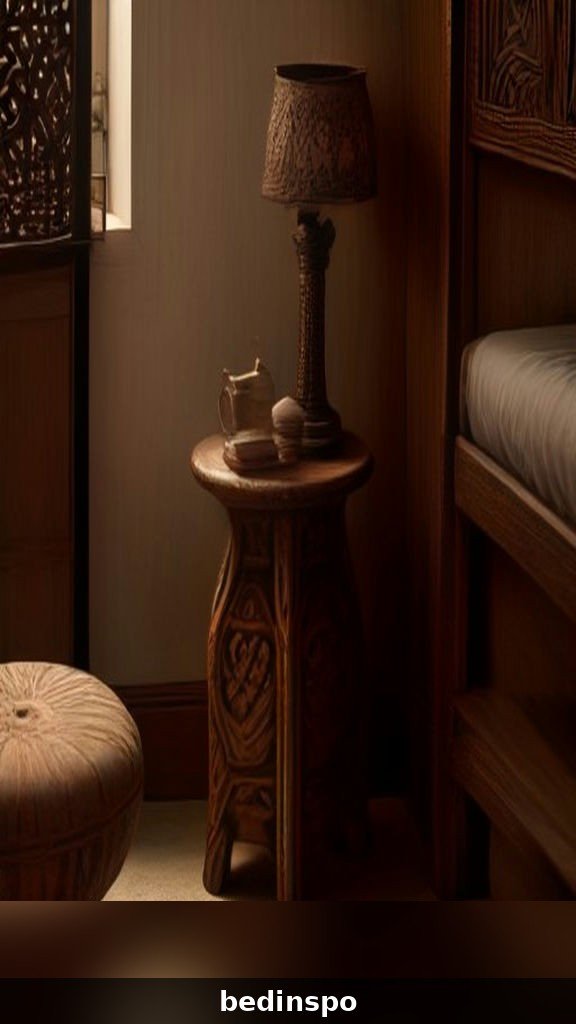
A carved wooden stool beside the bed, a dark wood side table, a hand-hewn tray on the dresser — Afrohemian rooms prize furniture that shows the maker’s hand. African stools (like the Ashanti style) double as nightstands, plant stands, and extra seating with sculptural presence.
You don’t need museum pieces: look for solid wood with visible grain, hand-finished edges, and honest weight. One carved piece per room is enough to change the temperature of the space. It pairs especially well with soft textiles, which keep the wood from reading too formal.
7. Lush Green Plants Everywhere
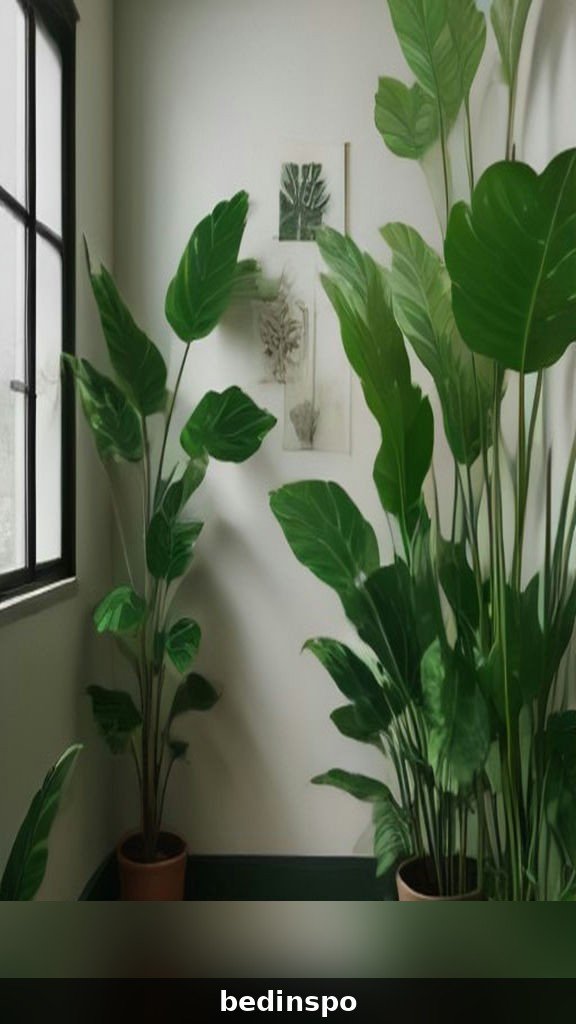
No Afrohemian bedroom is complete without green life. Monstera, fiddle leaf fig, palms, snake plants, and trailing pothos bring the lushness that earthy textiles need as a counterpoint — and they thrive in the warm light these rooms love.
Plant in beautiful containers: woven baskets as cachepots, clay pots, a carved wooden stand to lift one plant to hero height. Group plants in odd numbers and vary the heights. Beyond beauty, a room full of plants simply feels alive in the morning — and Afrohemian style is nothing if not alive.
If your light is low or your thumb is less than green, the snake plant and pothos will forgive almost anything and still look lush. Cluster a tall plant beside the bed, a trailing one on the dresser, and a small one on the nightstand, and the whole room breathes differently. Plants are the one Afrohemian element that literally improves while you sleep.
8. Woven Pendant Lighting
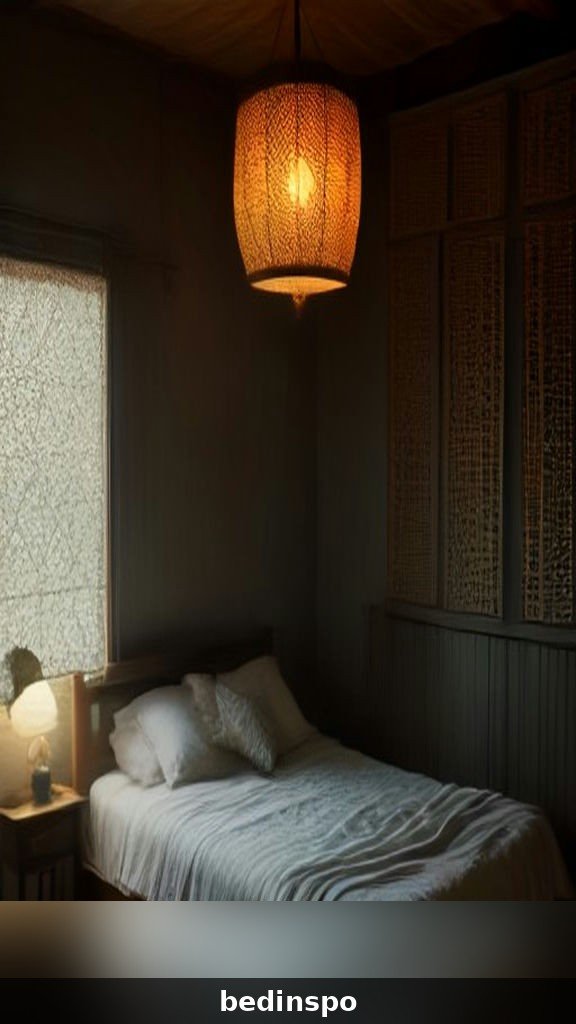
Swap a generic ceiling light for a woven rattan, bamboo, or seagrass pendant and the whole room exhales. Woven shades throw patterned shadows, glow warmly at night, and carry the handcrafted theme up to the ceiling where most bedrooms forget to decorate.
Warm bulbs are essential — Afrohemian light should feel like firelight’s cousin. Add the same thinking at bedside level with small woven or clay lamps, and banish harsh overhead white light after dark. The room will feel like evening in a beautiful place, every single night.
9. Layered Natural-Fiber Rugs
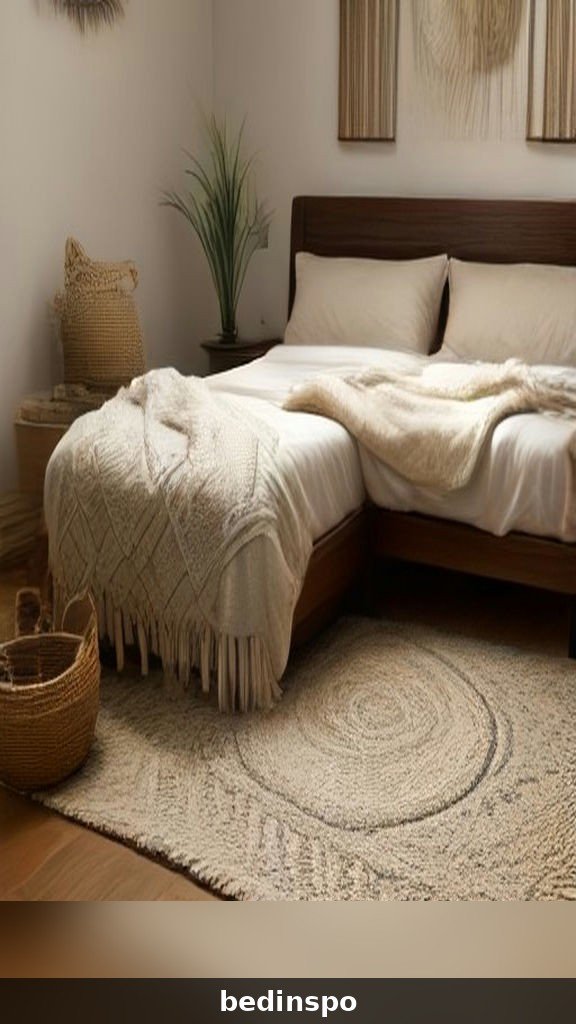
Afrohemian floors are layered: a large jute or sisal rug as the base, a smaller woven wool or patterned rug angled on top, bare feet landing on texture in every direction. The layering adds warmth, sound-softness, and the collected look the style is built on.
Natural fibers are forgiving and affordable in big sizes, which makes them the budget decorator’s friend. Keep the base rug neutral and let the top layer carry pattern — a flatweave with tribal geometry is perfect. Your feet will file a formal thank-you.
10. Earthy Linen Bedding in Warm Neutrals
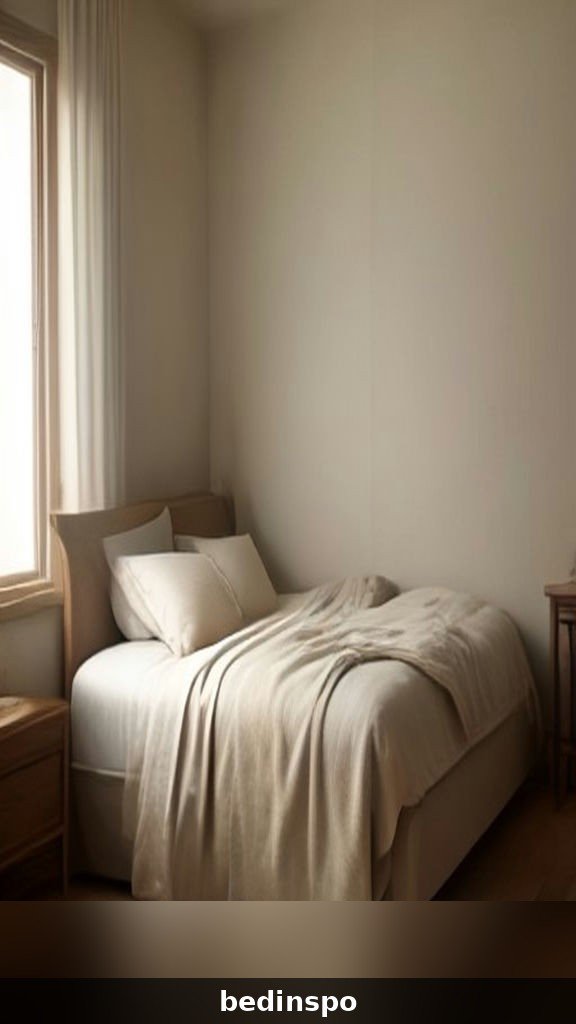
The Afrohemian bed itself stays calm: washed linen in sand, ivory, camel, and soft white, rumpled the way linen likes to be. This quiet base is what lets the mudcloth, kente, and throws sing without the bed turning into a pattern competition.
Linen earns its place three ways — it breathes in every season, it softens with every wash, and its natural slub texture is pure Afrohemian. Add one woven throw across the foot and your pillows, and the bed is done. Understated, tactile, and deeply restful to look at.
For winter, layer a heavier wool or cotton blanket under the duvet in a warm neutral — the bed should look like it can genuinely hold heat. The neutral base also protects your investment pieces: mudcloth and kente can rotate seasonally over the same calm bedding, so one good linen set carries a year of different looks.
11. A Bogolan Mudcloth Throw
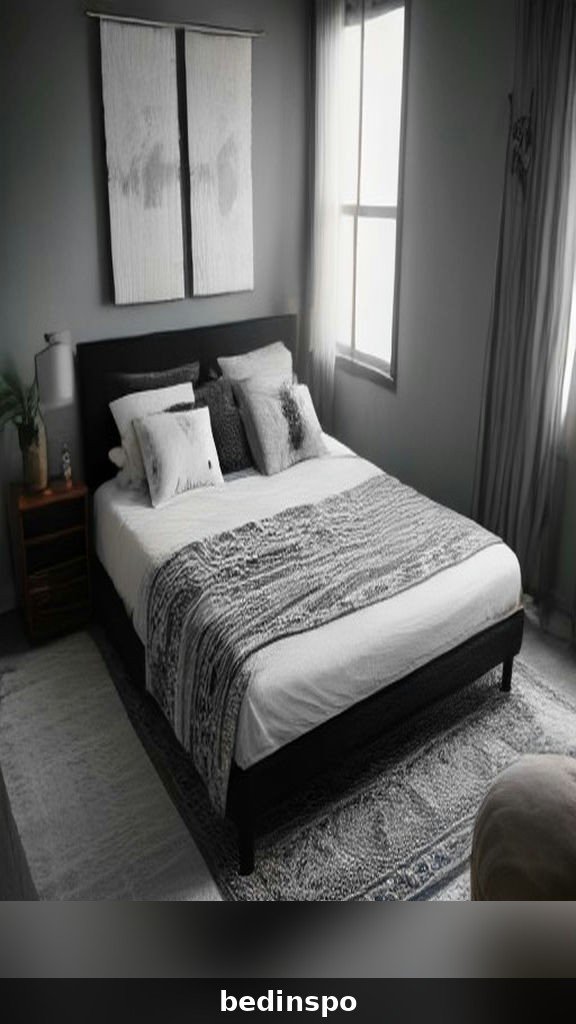
Beyond pillows, a full mudcloth throw draped across the foot of the bed is a statement of the whole style in one piece: handwoven strips, symbolic geometric patterns, earthy black, white, and rust. It anchors the bed and gives the room instant heritage.
Genuine Bogolan is an investment and an heirloom; beautiful mudcloth-look throws exist at every price for everyday use. Fold it long and narrow at the foot of the bed, or drape it diagonally for the relaxed boho line. Either way, guests will ask about it — that’s the point of decor with a story.
12. Handcrafted Pottery and Clay Vases
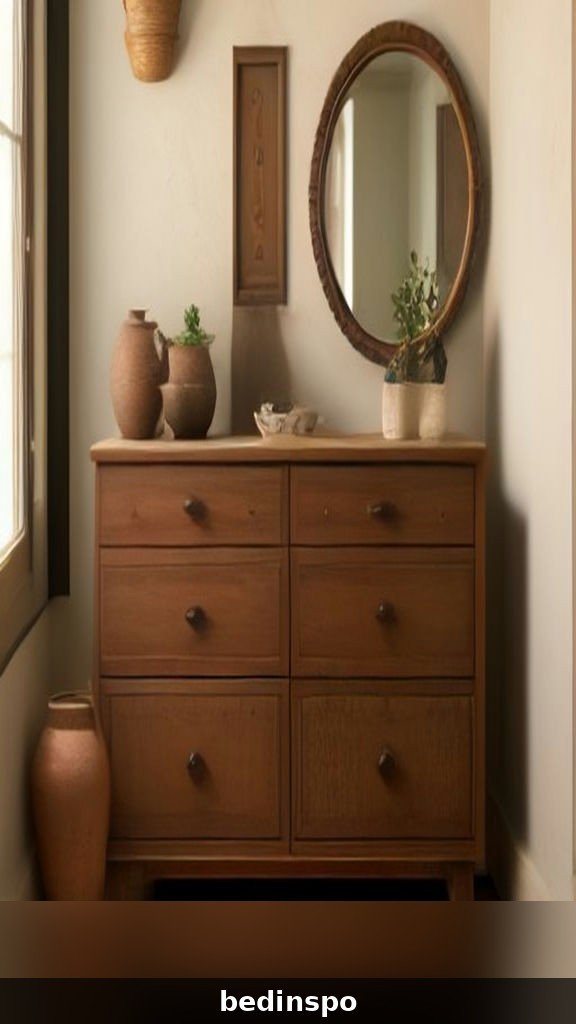
Line the dresser with handcrafted terracotta pots, clay vases in organic shapes, and a woven mirror or tray to gather them. Imperfect, matte, earthy ceramics are the Afrohemian still life — beautiful empty, and beautiful holding pampas grass, dried palms, or fresh branches.
Group pottery in threes of different heights, and mix one glazed piece among the matte ones for contrast. Thrift shops, pottery studios, and import stores all stock these shapes cheaply. It’s the fastest way to make a plain dresser look like it belongs in a design magazine.
One styling secret: leave a little emptiness between groupings. Pottery crowded edge-to-edge reads as storage; pottery with breathing room reads as a gallery. Your eye — and every guest’s — will go exactly where you intend, and the dresser top stays usable, which is the whole point of beautiful things.
13. A Reading Corner with Floor Cushions
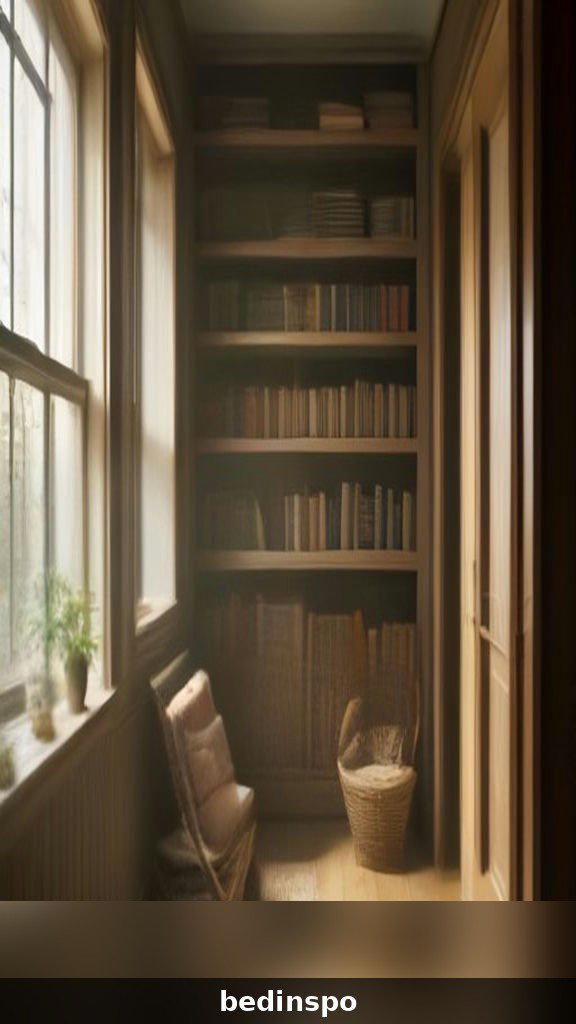
Afrohemian rooms are made for lingering, so give yours a corner to linger in: big floor cushions in earthy fabrics, a low carved stool for tea and books, a small rug underneath, and a plant standing guard. It becomes the spot for morning journaling and evening reading alike.
Floor seating is woven through African and boho homes alike — relaxed, generous, welcoming. Add a woven basket for the current book and a throw for cooler evenings. This corner costs little and quietly changes how you use the whole room: suddenly the bedroom isn’t just for sleeping.
Cushions in mudcloth-look cotton, a kente strip, or plain linen in rust and ochre keep the corner inside the room’s palette. Add one small woven pendant or a clay lamp nearby and the corner glows at reading hour. It’s also a natural meditation and journaling spot — Afrohemian rooms hold stillness beautifully, and every bedroom deserves one corner devoted to nothing but being.
14. A Gallery Wall of African Art
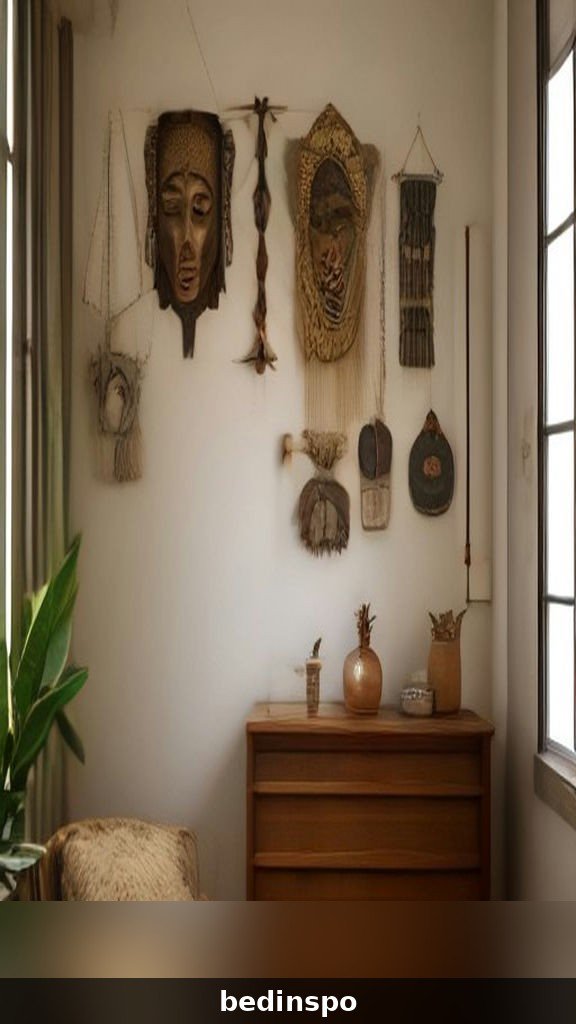
Above the dresser or along one wall, build a gallery of African art: prints of traditional masks, contemporary African photography, abstract work in earth pigments, woven wall hangings, and maybe one treasured piece of textile in a frame.
Mixing framed prints with three-dimensional pieces — a small mask, a woven fan, a carved panel — keeps the wall from feeling flat. Lay it out on the floor first, keep frames in black, natural wood, or brass, and let the artwork’s oranges, ochres, and deep browns set the palette for the whole vignette.
15. A Low Platform Bed with a Natural Canopy
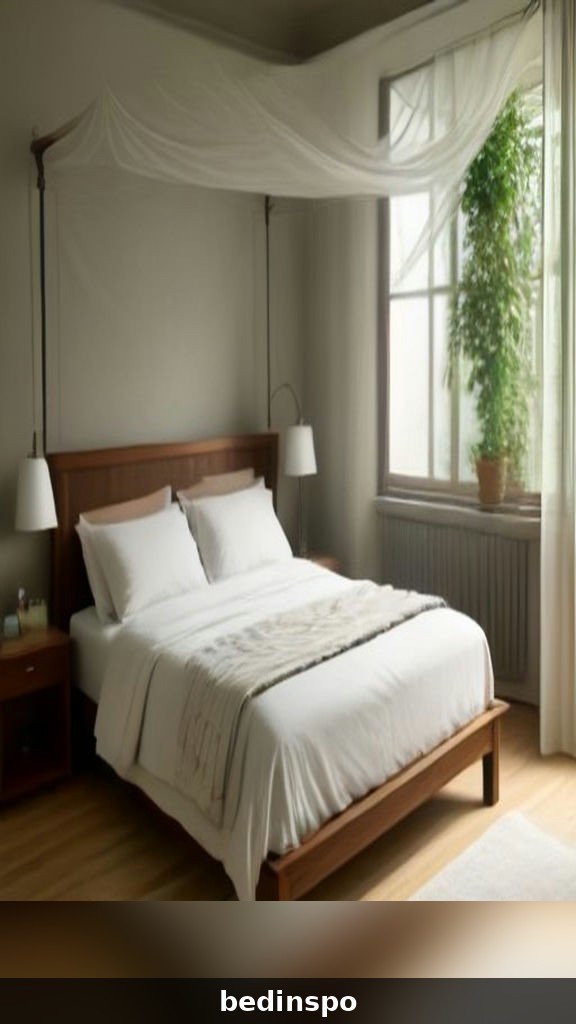
For the full dream: a low wooden platform bed — grounded, sculptural, close to the earth — draped with a light natural-fabric canopy that softens the light and makes the bed feel like a retreat within the room. Add earthy patterned bedding and plants at the corners.
The canopy fabric should be gauzy linen or cotton in ivory or sand, loose and breathable rather than formal. Low beds make ceilings feel higher and rooms feel calmer. It’s the most romantic look on this list and the perfect final layer of Afrohemian calm.
The Afrohemian Formula: Earth, Texture, Story
Every room in this roundup runs on the same three-part formula. Earth: a palette borrowed from soil, clay, sand, and sun. Texture: woven, carved, and hand-loomed surfaces in every direction — if a room looks flat, it needs something woven or something carved. Story: at least a few pieces that are handmade, inherited, traveled-with, or thrifted with history. When a corner feels off, ask which of the three it’s missing and add exactly that. The formula never fails.
Where to Find Afrohemian Pieces on a Budget
Start with what’s free: rearrange, borrow a plant’s cuttings, and pull every woven or wooden thing you own into the bedroom to see what you already have. Then shop smart — import and world-market stores for baskets and pottery, thrift and vintage shops for rattan and carved wood, fabric shops for mudcloth-look and Ankara prints by the yard (two yards make a throw and pillow covers), and local makers for ceramics. Afrohemian style rewards patience and hunting far more than spending.
Styling Rules That Keep Afrohemian Calm, Not Cluttered
Layered styles live or die by editing, so borrow these three rules. First, the palette is the discipline: as long as new pieces stay within earth, cream, and black with one vivid accent family, almost anything can join the room. Second, give every surface one hero — one basket arrangement, one carved piece, one plant group — and let the rest be quiet. Third, balance every pattern with a plain: a mudcloth pillow needs a linen cushion beside it, a kente throw needs calm bedding beneath.
Follow those rules and the room can keep collecting for years without tipping into clutter — each new treasure finds its place inside the palette, and the calm stays. That’s the real Afrohemian skill: not buying the style, but curating it, slowly and personally, the way these rooms have always been made.
Frequently Asked Questions
What exactly is Afrohemian style?
Afrohemian (also called Afro-boho) blends African design heritage — mudcloth, kente, carved wood, woven baskets, earth pigments — with bohemian style’s relaxed layering and collected feel. It was named one of Pinterest Predicts’ rising aesthetics, with searches climbing as people look for warmer, more personal rooms.
How do I start an Afrohemian bedroom on a small budget?
Begin with textiles and one wall: mudcloth-look pillow covers, an earthy throw, and a small basket arrangement cost little and change the room immediately. Add plants and clay pots next — the style builds beautifully in layers over time rather than all at once.
Can Afrohemian style work in a small or rented bedroom?
Absolutely — it’s one of the most renter-friendly styles because it lives in textiles, baskets, plants, and furniture rather than paint or fixtures. Everything lifts out when you move, and small rooms suit its cozy, layered warmth particularly well.
How do I keep an Afrohemian room from looking cluttered?
Hold the palette tight (earth tones, cream, black, one accent family), group objects rather than scattering them, and give each surface a single hero piece with quiet space around it. Baskets double as storage, which helps — beauty that hides the clutter is the style’s secret weapon.
Conclusion
An Afrohemian bedroom isn’t bought; it’s gathered — a basket here, a beautiful cloth there, a carved stool with a past. Start with the mudcloth and the plants, trust the formula of earth, texture, and story, and let your room become the warmest, most personal space in your home. Happy decorating!


