The Best Homemade Cornbread Stuffing Recipe (Easy, Buttery & Golden)
The Best Homemade Cornbread Stuffing Recipe (Easy, Buttery & Golden)

Ask anyone at a Thanksgiving table which side dish disappears first, and cornbread stuffing wins almost every time. It’s buttery, savory, soft in the middle with those irresistible crispy golden edges — and it soaks up gravy like it was born for the job. Turkey may be the guest of honor, but stuffing is the dish everybody secretly comes for.
This homemade cornbread stuffing recipe is the one my family asks for year after year. It starts with a simple skillet cornbread, gets loaded with sweet sautéed onion, celery and plenty of fresh sage, and bakes up moist and flavorful — never dry, never gummy. It’s the classic Southern-leaning stuffing most of us grew up on, and it’s much easier to make than you might think.
Whether this is your first time hosting Thanksgiving or you’re a seasoned pro looking for a reliable, make-ahead-friendly recipe, you’re in the right place. Below you’ll find the full step-by-step recipe, a classic Southern dressing variation, a hearty sausage version, make-ahead instructions, a baking temperature guide, and answers to every stuffing question you’ve ever Googled at midnight before the big day. Let’s get cooking!
Why You’ll Love This Cornbread Stuffing
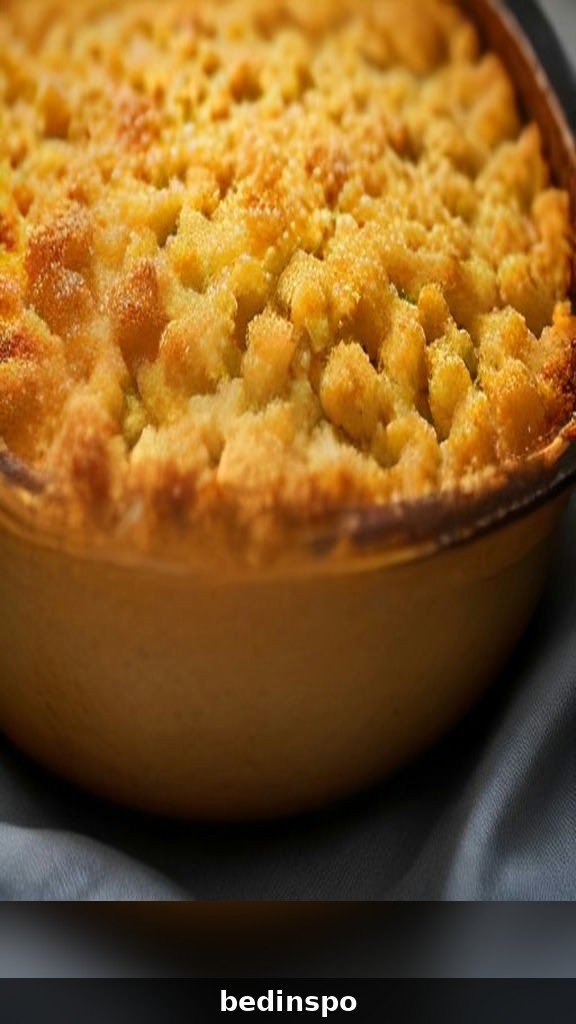
There are a lot of stuffing recipes out there, so what makes this one special? First, the flavor base. Instead of relying on boxed mixes, we build real flavor: butter (a generous amount), onion and celery cooked until sweet and soft, garlic, and a trio of herbs — sage, thyme and parsley — that taste like Thanksgiving in every bite.
Second, the texture is spot-on. Day-old cornbread cubes hold their shape instead of turning to mush, the broth-to-bread ratio is carefully balanced so the center stays moist and custardy, and the top bakes up deeply golden and crisp. You get that perfect contrast in every spoonful: crunchy edges, tender middle.
And third, it’s flexible. This recipe can be made ahead, baked in a casserole or a cast iron skillet, kept vegetarian, or dressed up with sausage, apples or pecans. It’s a true holiday workhorse — and the leftovers (if you have any) might be even better than the main event.
Stuffing vs. Dressing: What’s the Difference?
Let’s settle the great debate once and for all. Technically, stuffing is cooked inside the bird, while dressing is baked separately in a dish. In the South, it’s almost always called dressing no matter how it’s cooked — and cornbread dressing is a point of serious regional pride down there.
These days, most of us bake it in a dish either way, and food safety experts recommend it: a stuffed bird takes longer to cook, and the stuffing has to reach 165°F to be safe, which often means overcooked turkey. Baking your cornbread stuffing separately gives you better texture, better food safety, and — most importantly — way more of those crispy edges.
So whatever you call it, this recipe is baked in a dish. If you grew up saying “dressing,” welcome — you’re home. If you say “stuffing,” you’re home too. Everybody eats.
It All Starts with the Cornbread

The single biggest decision in cornbread stuffing is the cornbread itself. You want a sturdy, savory cornbread — not a sweet, cake-like one. A classic Southern-style skillet cornbread made with little or no sugar gives the stuffing structure and that toasty corn flavor that makes this dish taste like the real deal.
You have three good options. Homemade is best (the quick recipe is right below) and takes about 25 minutes. Bakery cornbread works well if you buy an unsweetened loaf. And yes, a boxed mix is fine in a pinch — just choose a savory-style mix and skip the sweet ones, or your stuffing will taste like dessert.
The other non-negotiable: the cornbread should be dry. Fresh cornbread is too tender and will collapse into porridge. Bake it a day ahead and leave it out overnight, or cube it and dry it in a low oven (full instructions in the steps below). Dry cubes drink up the seasoned broth without falling apart, which is the whole secret to stuffing that slices and scoops beautifully.
My Go-To Skillet Cornbread (the base recipe)
This simple cornbread makes exactly what you need for one batch of stuffing — about 8 cups of cubes.
- 1½ cups yellow cornmeal
- ½ cup all-purpose flour
- 1 tablespoon baking powder
- 1 teaspoon fine salt
- 1¼ cups buttermilk
- 2 large eggs
- ¼ cup melted butter, plus more for the skillet
Heat the oven to 425°F with a 10-inch cast iron skillet inside. Whisk the dry ingredients in a large bowl, then whisk in the buttermilk, eggs and melted butter until just combined. Swirl butter in the hot skillet, pour in the batter, and bake 20–22 minutes until golden and pulling away from the sides. Cool completely before cubing — ideally overnight.
Ingredients You’ll Need
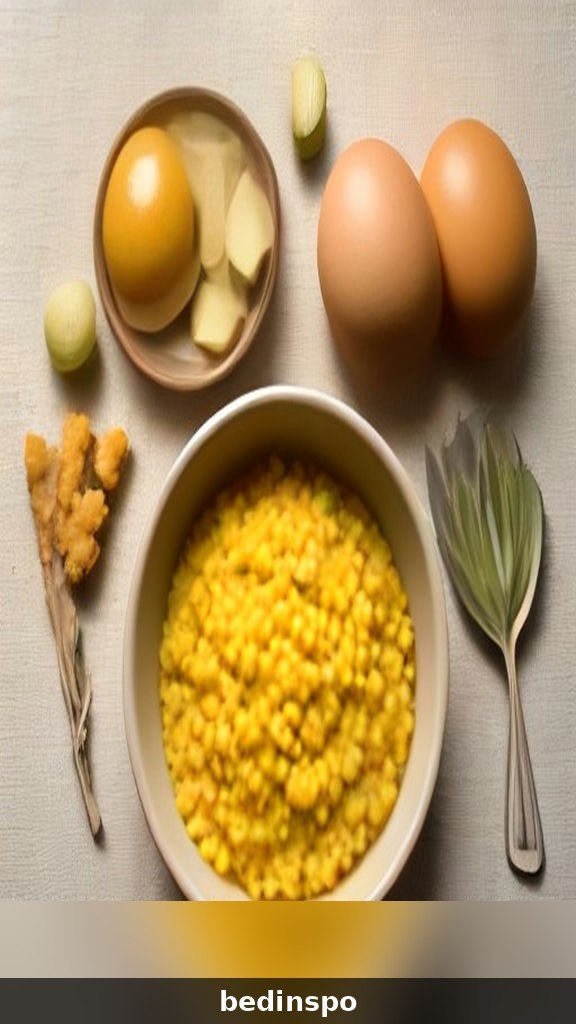
Here’s everything for the classic version. Nothing fancy, nothing hard to find — just honest ingredients that work hard.
- Cornbread: about 8 cups of ¾-inch cubes, dried (one batch of the skillet cornbread above)
- Butter: ½ cup (1 stick) unsalted, plus more for greasing the dish — butter is the backbone of great stuffing
- Yellow onion: 1 large, finely diced (about 1½ cups)
- Celery: 4 stalks, finely diced (about 1½ cups) — don’t skip it, celery is classic for a reason
- Garlic: 3 cloves, minced
- Chicken broth: 2½ to 3 cups low-sodium (use vegetable broth to keep it vegetarian)
- Eggs: 2 large, beaten — they bind the stuffing and give it that custardy set
- Fresh sage: 2 tablespoons finely chopped (or 2 teaspoons dried rubbed sage)
- Fresh thyme: 1 teaspoon leaves (or ¼ teaspoon dried)
- Fresh parsley: ¼ cup chopped, plus more for serving
- Salt and black pepper: 1 teaspoon salt and ½ teaspoon pepper to start — taste and adjust, since broths vary
- Optional: a pinch of poultry seasoning if you love that classic flavor
How to Make Cornbread Stuffing, Step by Step
Step 1: Dry Out the Cornbread Cubes

Cut the cornbread into ¾-inch cubes and spread them on a large rimmed baking sheet. Either leave them out, uncovered, for 24 hours, or dry them in a 300°F oven for 25–30 minutes, stirring once, until they feel firm and lightly toasted at the edges. This step is the difference between stuffing with real texture and a pan of mush — don’t skip it. Transfer the dried cubes to the largest mixing bowl you own.
Step 2: Sauté the Aromatics
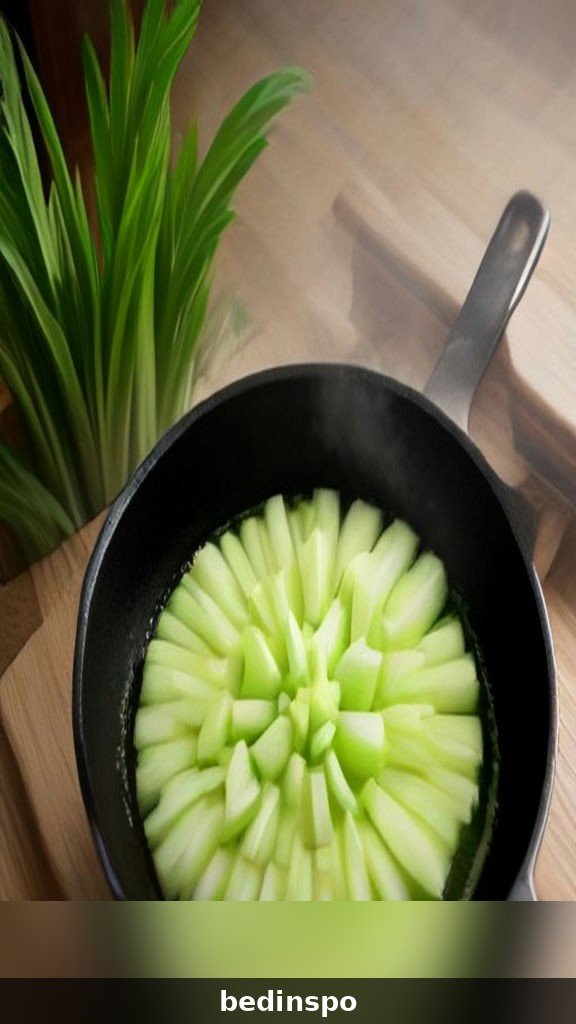
Melt the butter in a large skillet over medium heat. Add the onion and celery with a pinch of salt and cook, stirring often, for 8–10 minutes, until completely soft and sweet but not browned. Stir in the garlic, sage and thyme and cook 1 minute more, just until fragrant. Take the pan off the heat and let the mixture cool slightly. Cooking the vegetables first is essential — raw onion and celery will steam in the oven and taste harsh and crunchy in the finished dish.
Step 3: Mix and Moisten
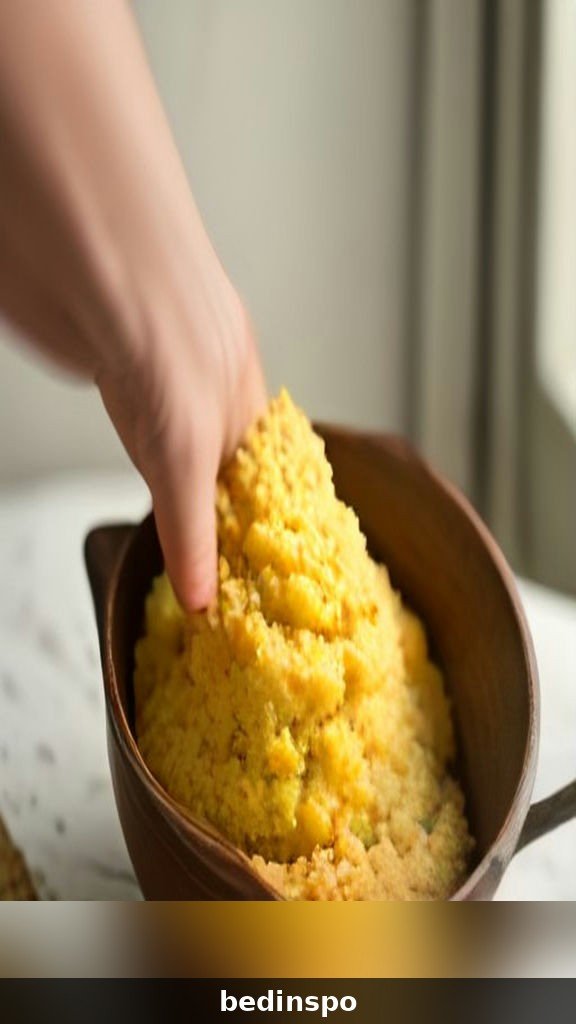
Pour the buttery vegetable mixture over the cornbread cubes, add the parsley, and toss gently. In a separate bowl, whisk the eggs into 2½ cups of broth. Pour about three-quarters of the broth mixture over the cubes and fold everything together with a gentle hand — you want to coat, not crush. Rest 5 minutes so the bread can drink, then add more broth a splash at a time until the mixture is evenly moist: it should hold together when squeezed but never look soupy. Season boldly with salt and pepper; cold stuffing always tastes less seasoned than it will hot, so don’t be shy.
Step 4: Bake Until Golden and Crisp
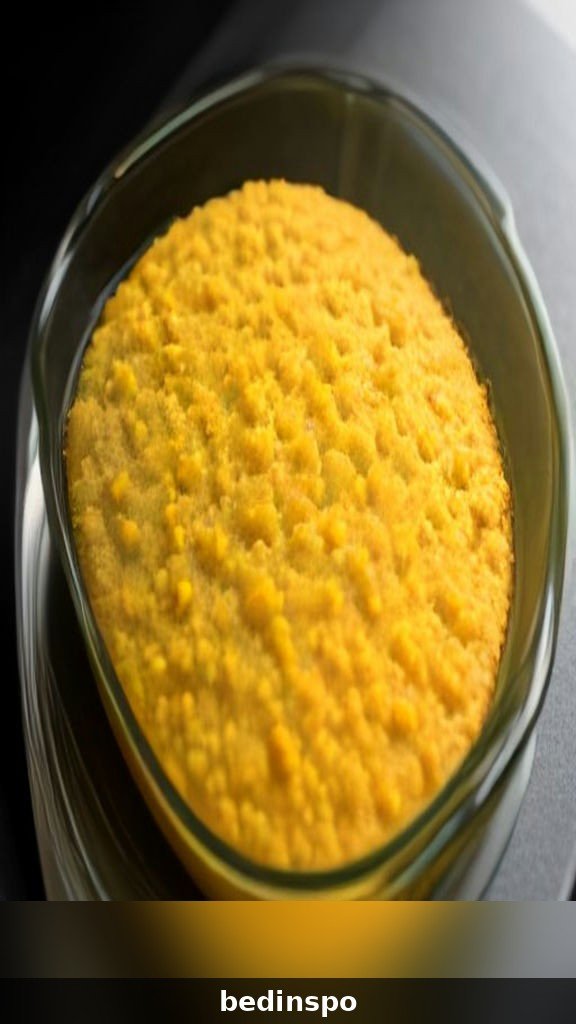
Scrape the mixture into a buttered 9×13-inch baking dish (or a 12-inch cast iron skillet for maximum crispy edges) and spread it in an even layer without packing it down. Dot the top with a few extra bits of butter. Bake uncovered at 350°F for 40–45 minutes, until the top is deep golden brown, the edges are crisp, and the center registers 165°F. Rest 10 minutes before serving — the stuffing will set up and scoop perfectly.
The Full Recipe: Classic Cornbread Stuffing
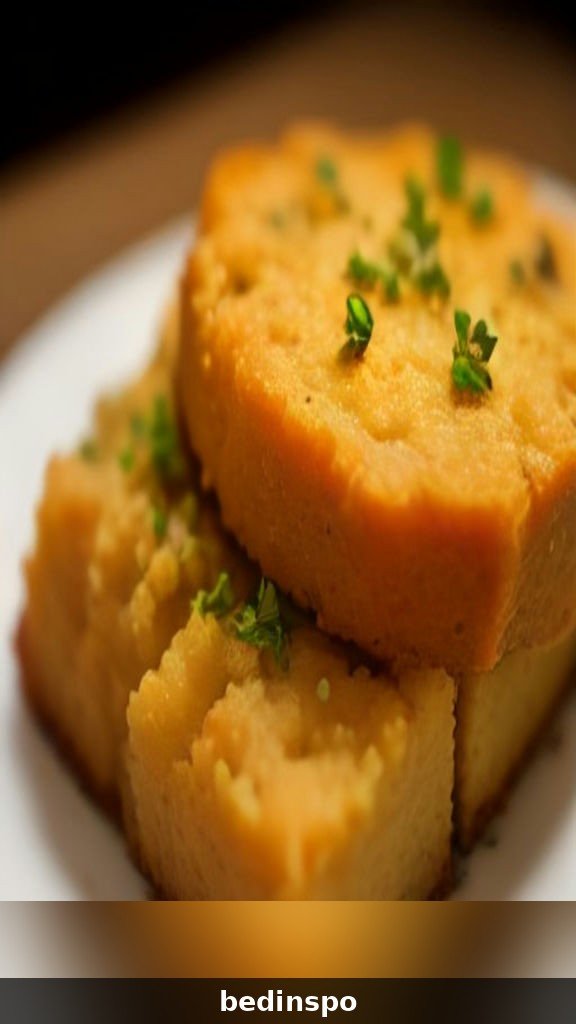
Prep time: 20 minutes (plus cornbread baking and drying) · Cook time: 45 minutes · Total time: about 1 hour 5 minutes · Yield: 10–12 servings · Temperature: 350°F
Ingredients:
- 8 cups dried cornbread cubes (¾-inch), from 1 batch skillet cornbread
- ½ cup (1 stick) unsalted butter, plus more for the dish
- 1 large yellow onion, finely diced
- 4 celery stalks, finely diced
- 3 garlic cloves, minced
- 2 tablespoons chopped fresh sage (or 2 teaspoons dried)
- 1 teaspoon fresh thyme leaves
- ¼ cup chopped fresh parsley
- 2 large eggs, beaten
- 2½–3 cups low-sodium chicken or vegetable broth
- 1 teaspoon fine salt, plus more to taste
- ½ teaspoon black pepper
Instructions:
- Bake the cornbread (recipe above) and let it cool completely, ideally overnight. Cut into ¾-inch cubes.
- Dry the cubes on a baking sheet for 24 hours at room temperature, or in a 300°F oven for 25–30 minutes. Place in a large bowl.
- Heat the oven to 350°F. Butter a 9×13-inch baking dish.
- Melt the butter in a large skillet over medium heat. Cook the onion and celery with a pinch of salt for 8–10 minutes until soft. Add garlic, sage and thyme; cook 1 minute. Cool slightly.
- Add the vegetable mixture and parsley to the cornbread cubes and toss gently.
- Whisk the eggs into 2½ cups broth. Pour most of it over the mixture, fold gently, rest 5 minutes, and add broth as needed until evenly moist but not soupy. Season with the salt and pepper.
- Transfer to the prepared dish, spread evenly without packing, and dot with butter.
- Bake uncovered 40–45 minutes, until deep golden on top and 165°F in the center.
- Rest 10 minutes, shower with extra parsley, and serve warm with plenty of gravy.
Classic Southern-Style Cornbread Dressing
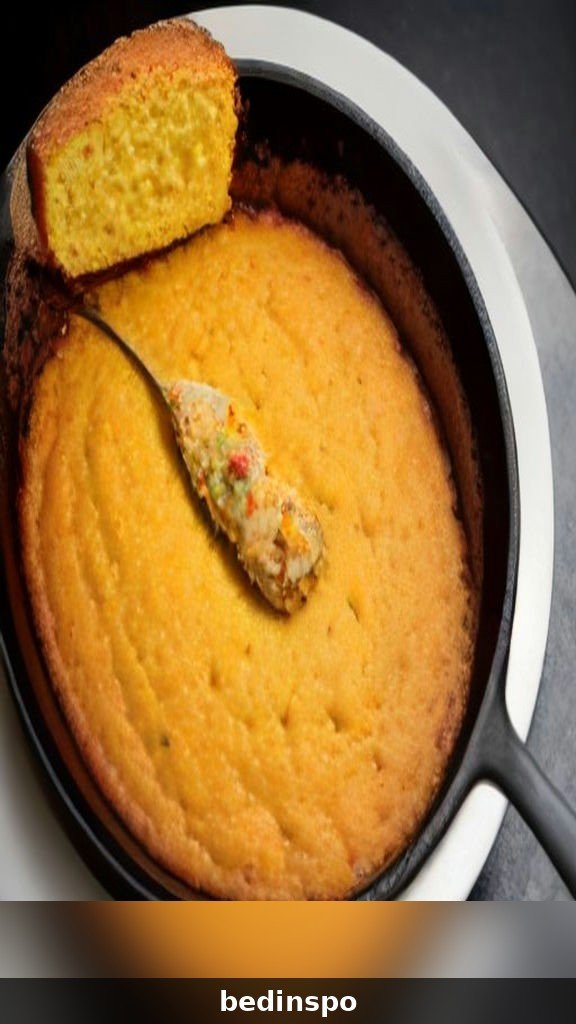
If you want the version grandmothers across the South defend with their whole hearts, make these tweaks. Bake the cornbread with no sugar at all in a screaming-hot cast iron skillet so it gets a deep crust. Add a diced bell pepper to the onion and celery (the Southern “holy trinity” with onion and celery), stir in two chopped hard-boiled eggs — yes, really, it’s traditional in many families — and use rich turkey or chicken stock, ideally homemade from the bird. Some cooks also crumble in a few buttermilk biscuits alongside the cornbread for extra tenderness.
Bake Southern dressing the same way, at 350°F until deeply golden. The result is a little more savory, a little more rustic, and completely unforgettable with giblet gravy. Serve it proudly and don’t argue about the name — just eat.
Sausage Cornbread Stuffing Variation

For a heartier, main-dish-worthy stuffing, sausage is the way to go. Brown 1 pound of bulk pork sausage (a sage-flavored breakfast sausage is perfect) in the skillet, breaking it into small crumbles, and lift it out with a slotted spoon, leaving the drippings behind. Cook the onion and celery in the drippings plus 2 tablespoons of butter instead of the full stick, then fold the sausage back in with the cornbread cubes.
Everything else stays the same, though you may need a touch less salt since sausage brings plenty. This version is rich, deeply savory and wildly popular — if your family includes anyone who claims not to like stuffing, this is the recipe that converts them. It’s also fantastic baked in a muffin tin for individual “stuffin’ muffins” with crispy edges all around.
More Variations to Try

Once you’ve mastered the classic, the base recipe is a playground. A few favorites from my kitchen:
- Apple and toasted pecan: Fold in 1 diced tart apple (like Honeycrisp or Granny Smith) and ¾ cup toasted chopped pecans. A little sweet, a little crunchy, very fall.
- Vegetarian: Use vegetable broth and add 8 ounces of sautéed mushrooms with the onions for deep, savory flavor. Nobody will miss a thing.
- Oyster dressing: A coastal Southern and New Orleans classic — fold in a pint of shucked oysters (drained, liquor reserved and used as part of the broth) for a briny, old-school holiday dish.
- Jalapeño and cheddar: Add 1–2 minced jalapeños to the aromatics and fold in 1 cup of shredded sharp cheddar for a Tex-Mex twist that loves brisket as much as turkey.
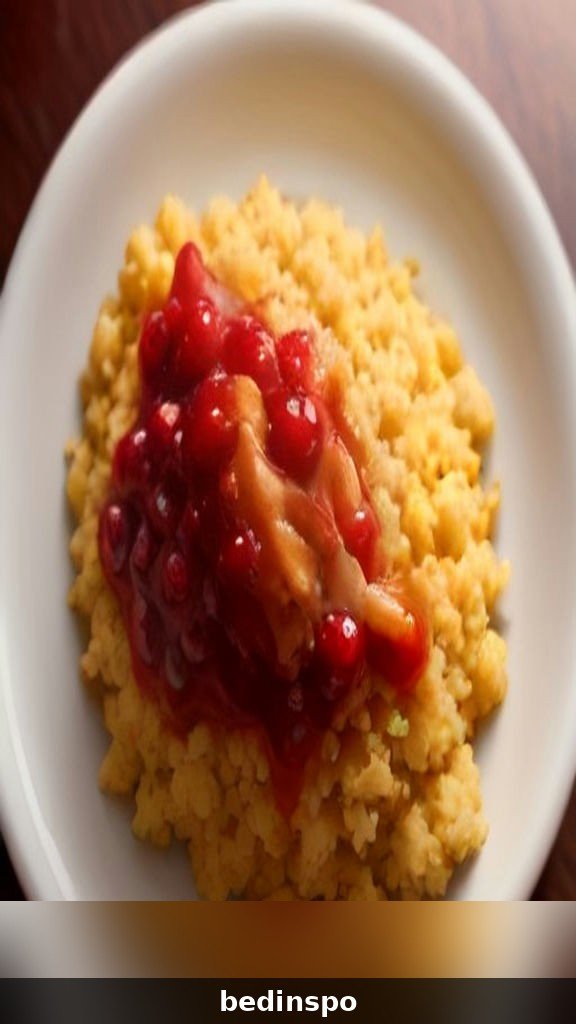
- Cranberry and orange: Stir in ¾ cup dried cranberries and the zest of one orange for a bright, festive version that’s gorgeous on the table.
Make-Ahead, Storage and Reheating
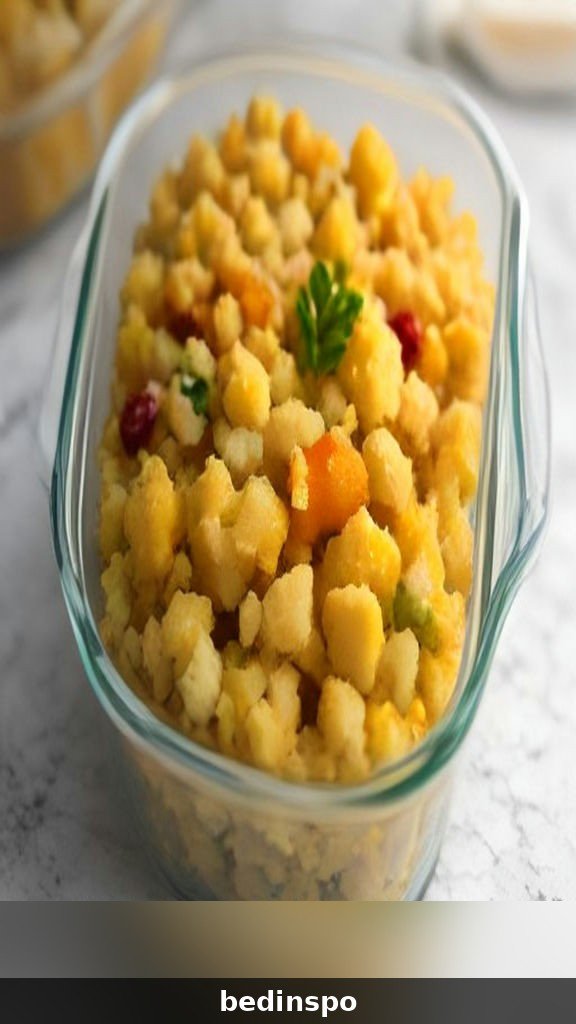
Thanksgiving is busy enough — this stuffing is designed to work around your schedule, not the other way around.
Make the cornbread ahead: Bake it 2–3 days in advance, cube it, and dry it. The cubes keep in an airtight container at room temperature.
Assemble ahead: Mix the stuffing completely, cover the dish tightly, and refrigerate up to 24 hours. Let it stand at room temperature for 30 minutes before baking, and add about 5–10 minutes to the bake time. For the crispiest top, some cooks keep the sautéed vegetables and dried cubes separate and combine them the morning of — either way works.
Freeze it: Baked stuffing freezes beautifully for up to 3 months. Thaw overnight in the fridge before reheating.
Leftovers: Refrigerate within 2 hours and enjoy within 3–4 days. Reheat, covered with foil, at 350°F for 15–20 minutes with a splash of broth to refresh it; uncover for the last 5 minutes to re-crisp. Leftover stuffing also makes an incredible breakfast fried in butter with a runny egg on top — you’re welcome.
Baking Temperatures and Times Guide
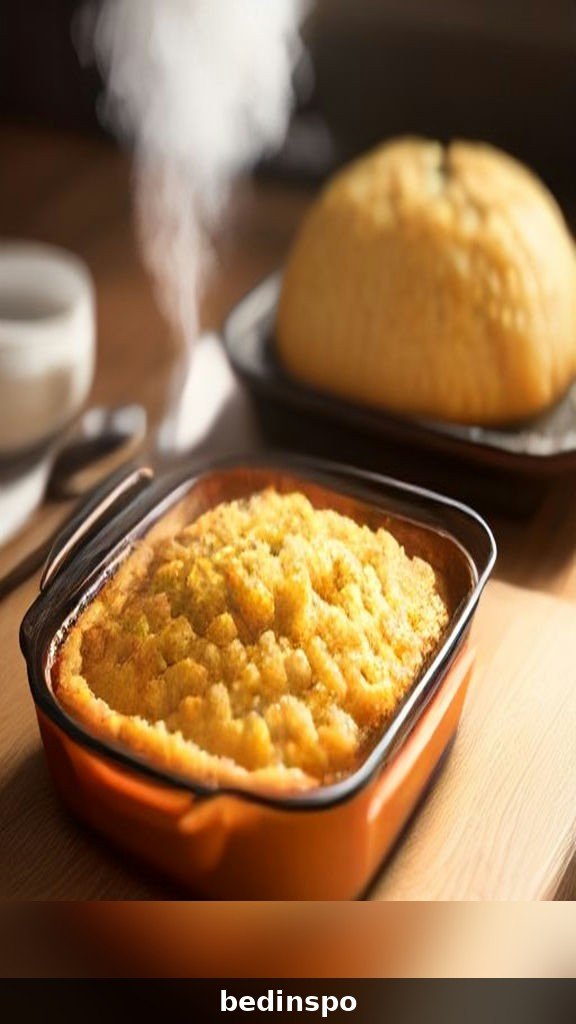
Sharing an oven with a turkey? Stuffing is flexible. Use this guide, and always confirm the center hits 165°F.
- 350°F (standard): 40–45 minutes in a 9×13-inch dish — the sweet spot for a crisp top and moist center.
- 325°F (alongside a slow-roasting turkey): 50–55 minutes; tent loosely with foil if the top browns too fast.
- 375°F (in a hurry or sharing with high-heat sides): 30–35 minutes; watch the edges closely.
- Cast iron skillet: Subtract about 5 minutes — the pan holds heat and crisps the bottom beautifully.
- Muffin tin “stuffin’ muffins”: 350°F for 25–30 minutes.
- Slow cooker: 4 hours on LOW for a soft, steamed style (great for freeing oven space; no crispy top).
Troubleshooting: Too dry? You under-brothed — next time add liquid until the squeezed mixture holds together, and drizzle warm broth over leftovers when reheating. Too wet or gummy? The cornbread wasn’t dry enough, or the mixture was packed down. Spread it in a larger, shallower dish and bake 10 minutes longer to drive off moisture.
Cornbread Stuffing FAQs
Can I use a boxed cornbread mix?
Yes — it’s a perfectly good shortcut on a busy holiday. Choose a savory-style mix (avoid sweet “honey” varieties) and, most importantly, bake it a day early and dry the cubes well. That drying step matters more than whether the cornbread was homemade.
How do I keep stuffing from being dry?
Use the full amount of butter, don’t skimp on broth, and check the mixture before baking: squeezed in your hand, it should hold together and feel thoroughly moist without dripping. Every cornbread absorbs differently, so trust the feel, not just the measuring cup.
Can I cook this inside the turkey?
You can, but I recommend the dish. If you do stuff the bird, fill the cavity loosely just before roasting and make sure the very center of the stuffing reaches 165°F — and know the turkey will take longer to cook. Most modern cooks (and food-safety experts) prefer dressing baked separately for texture and safety.
What broth is best?
Low-sodium chicken broth is the classic choice; homemade turkey stock is even better. Vegetable broth keeps it vegetarian. Using low-sodium lets you control the seasoning, since the stuffing reduces and concentrates flavors as it bakes.
Why is my stuffing gummy?
Almost always one of three things: the cornbread was too fresh, the cubes were cut too small and crushed during mixing, or the dish was packed down. Dry cubes, gentle folding, and a loose, even layer fix all three.
How much stuffing do I need per person?
Plan on about ¾ to 1 cup per person. This recipe makes roughly 10–12 servings — for a big crowd, double it and bake in two dishes rather than one very deep one, so everything still crisps.
Conclusion
Golden, buttery, and full of sage-scented flavor, this cornbread stuffing is everything a holiday side dish should be — comforting, crowd-pleasing, and easy enough to make without breaking a sweat. Bake the cornbread, dry the cubes, lean on real butter and herbs, and you’ll have the dish your family talks about until next November.
Pin this recipe for your Thanksgiving planning, and don’t be surprised when it earns a permanent spot on your holiday table. Happy cooking — and happy Thanksgiving! 🦃