20 Asymmetrical Lob Ideas You’ll Love in 2026
20 Asymmetrical Lob Ideas You’ll Love in 2026
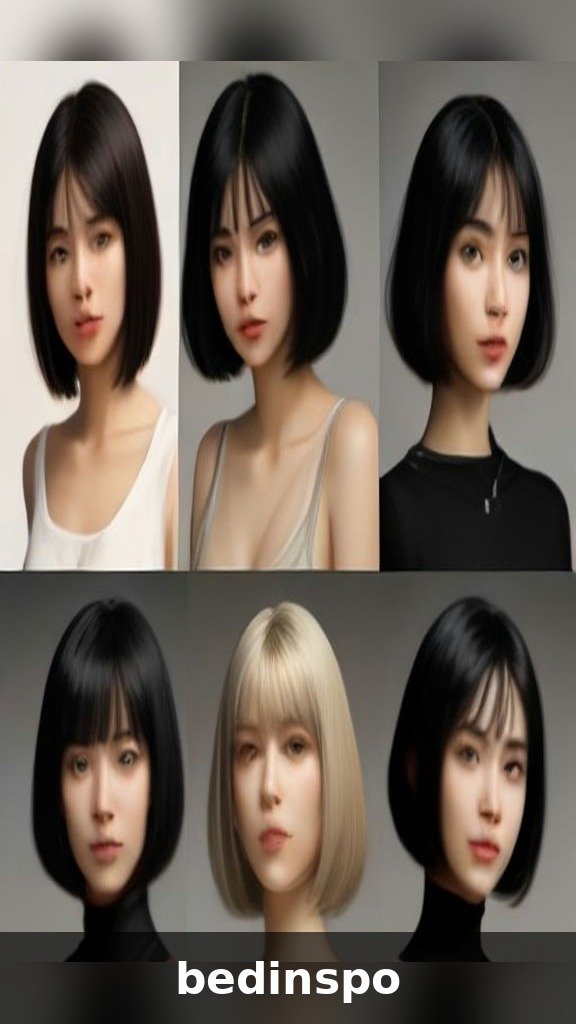
The asymmetrical lob is the haircut equivalent of a perfectly tailored blazer: sharp, modern, and impossibly chic. Taking the beloved long bob and giving it an angled twist — one side longer than the other — creates a dynamic silhouette that is equal parts edgy and elegant. In 2026, the asymmetrical lob is surging on Pinterest, with searches for angled and asymmetric bobs climbing fast, and it is easy to see why: it flatters nearly every face shape, works on every texture, and delivers instant polish with minimal effort.
What makes the asymmetrical lob so brilliant is its built-in interest. A classic bob can sometimes fall flat, but the asymmetry creates movement, dimension, and a fashion-forward edge without any color or styling tricks. Wear it sleek for the boardroom, wavy for the weekend, curly for drama — the angle does the talking. In this guide, you will find 20 asymmetrical lob ideas plus everything you need to know: how it differs from a classic bob, what to ask for in the salon chair, how to style the angle, and how to maintain that perfect asymmetry. Save your favorites before your appointment.
1. What Is an Asymmetrical Lob, Exactly?

An asymmetrical lob (long bob) is a shoulder-grazing haircut where one side is cut longer than the other, creating a deliberate, angled silhouette. The difference can be subtle — half an inch — or dramatic — several inches — but the effect is always the same: a modern, dynamic shape that moves away from the symmetry of a classic bob. The longer side typically falls in front of the shoulder while the shorter side sits at or above the jawline, though the angle can also run front-to-back, longer in front and stacked shorter behind.
This cut suits people who want short hair with personality. It is sharp enough to feel fashion-forward but wearable enough for everyday life, and it grows out gracefully — the asymmetry simply softens over time. It flatters oval, round, square, and heart-shaped faces because the diagonal line breaks up symmetry and creates flattering angles. When consulting your stylist, discuss how dramatic you want the asymmetry: subtle for the office, bold for a statement. Bring photos, because “asymmetrical” covers a wide range and precision matters.
2. Asymmetrical Lob vs. Classic Bob

The classic bob is all about precision and symmetry — a clean, even line all the way around. The asymmetrical lob deliberately breaks that symmetry, and the difference in energy is enormous. Where the classic bob reads timeless and polished, the asymmetrical lob reads modern and directional. The angle adds movement that a blunt bob lacks, creates a slimming diagonal line across the face, and gives the cut a built-in style that shows even when you air-dry.
Practically, the asymmetrical lob is more forgiving than a precision bob. Slight imperfections in the angle look intentional, while a crooked classic bob just looks wrong. It also offers more styling versatility: tuck the short side behind your ear for an edgy reveal, or wear it all forward for maximum drama. Maintenance is similar — trims every six to eight weeks — though the asymmetry needs a stylist with a good eye to maintain correctly. If you love the bob’s chicness but want more edge, the asymmetrical lob is your upgrade.
3. Sleek Straight Asymmetrical Lob

The sleek, straight asymmetrical lob is the sharpest version of this cut — glass-like, precise, and undeniably powerful. Worn pin-straight, the angled line becomes razor-sharp, creating a graphic silhouette that looks incredible in its simplicity. This is the boardroom-to-gallery version: polished, confident, and modern. The sleek finish emphasizes the asymmetry, making the longer side swing dramatically against the shorter side with every turn of your head.
Achieving the look starts with a precision cut — ask your stylist for clean, sharp lines with no texturizing on the perimeter, since the graphic edge is the point. At home, apply heat protectant, flat-iron in small sections, and finish with a shine serum or glossing spray for that liquid finish. A middle or deep side part both work; the side part amplifies the asymmetry. This style demands healthy ends — split ends ruin a sharp line — so trim every six weeks and deep condition regularly. Sleek, sharp, unstoppable.
4. Wavy Asymmetrical Lob
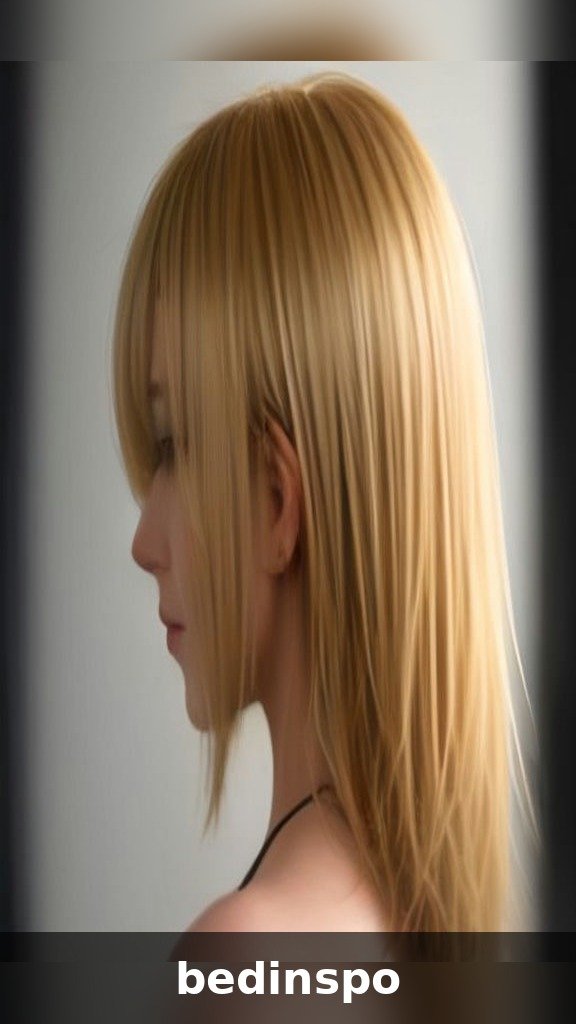
Soften the angle with waves and the asymmetrical lob becomes effortlessly romantic. Loose, tousled waves blur the sharp line into something beachy and lived-in, while the asymmetry keeps it from looking like every other wavy bob. This is the weekend version — relaxed, touchable, and gorgeous — and it is wonderfully low-maintenance, since the waves disguise any imperfections in the angle and the texture means you can skip the flat iron entirely.
Ask your stylist for a slightly textured perimeter — soft point-cutting on the ends helps waves form naturally. To style, apply sea salt spray or texturizing mousse to damp hair, then either braid overnight for heatless waves or curl with a large-barrel iron, leaving the ends straight for a modern finish. Tousle with your fingers, never a brush. The wavy asymmetrical lob looks best with a center or slightly off-center part and grows out beautifully. It is the perfect balance of polished and undone.
5. Asymmetrical Lob with Bangs

Add bangs to an asymmetrical lob and you get double the face-framing power. The bangs — whether blunt, wispy, or curtain-style — work with the angled sides to sculpt the face from every direction. Blunt bangs with an asymmetrical lob create a bold, graphic, editorial look; curtain bangs soften the angle into something romantic and French-girl chic. Either way, the combination is striking and incredibly photogenic.
Discuss bang style with your stylist in relation to your asymmetry: bold bangs pair best with a stronger angle, while soft bangs suit subtle asymmetry. Bangs need trims every three to four weeks — book them with your regular six-to-eight-week lob maintenance. Style the bangs to complement the angle: sweep curtain bangs away from the face to echo the longer side, or wear blunt bangs straight for maximum graphic impact. This pairing is high-style but worth it — few combinations frame a face this beautifully.
6. Asymmetrical Lob for Round Faces

Round faces and asymmetrical lobs are a match made in heaven. The diagonal line of the cut is naturally slimming — it breaks up the face’s circular symmetry and creates the illusion of length and angles. The longer side draws the eye downward, elongating the face, while the shorter side adds edge. It is one of the most flattering short cuts for round faces, delivering structure without severity.
Ask your stylist to keep the longer side hitting below the chin — chin-length or shorter can emphasize roundness — and to keep volume at the crown rather than the sides. A deep side part enhances the elongating effect. Avoid curling the ends under, which adds width; instead, flip the longer side slightly outward or wear it straight. The asymmetry does the slimming work for you, so styling can stay simple. This cut proves that the right angles beat the right contours every time.
7. Dramatic vs. Subtle Asymmetry

Asymmetry lives on a spectrum, and where you land changes everything. Subtle asymmetry — half an inch to an inch of difference — reads as a modern, slightly off-kilter bob: interesting but office-safe, noticeable only to those paying attention. Dramatic asymmetry — two or more inches — is a statement: bold, editorial, impossible to ignore. Both are gorgeous; they simply serve different lives.
Choosing comes down to personality, workplace, and maintenance tolerance. Dramatic angles need more precise upkeep to stay intentional-looking, while subtle asymmetry grows out invisibly. Consider your styling habits too: dramatic asymmetry looks best sleek or deliberately styled, while subtle versions thrive air-dried. A smart middle path is starting subtle — you can always ask your stylist to increase the angle at your next appointment. Bring photos of both extremes to your consultation and be honest about which feels like you.
8. Asymmetrical Lob on Curly Hair
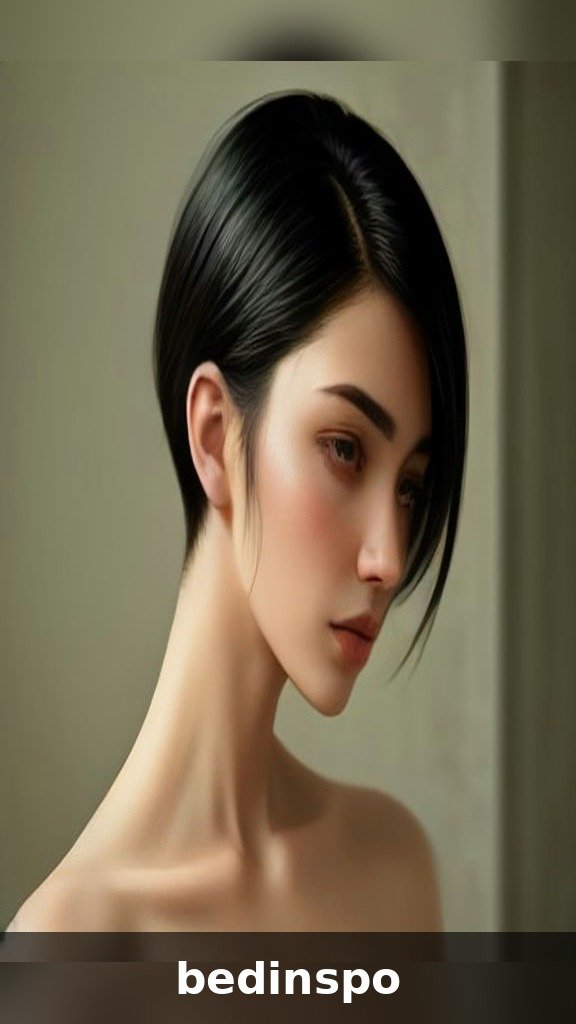
An asymmetrical lob on curly hair is pure joy — the angle gets amplified by volume and texture into something wonderfully dramatic. Curls naturally create asymmetry through shrinkage and bounce, so the cut’s angled line becomes even more pronounced and playful. The result is bouncy, dimensional, and full of personality: a curly bob with a rebellious streak.
See a curl-specialist stylist who cuts dry, since curly shrinkage makes wet-cutting the angle unpredictable. Ask for the asymmetry to be cut with your natural curl pattern in mind — the longer side needs extra length to account for shrinkage. At home, style with curl cream and gel on soaking-wet hair, scrunch, and diffuse. The angle will look different every day depending on your curls’ mood, and that is part of the charm. Trims every eight to ten weeks keep the shape intentional.
9. The Angled Lob with Hidden Undercut

For the bold, the asymmetrical lob with a hidden undercut takes edge to the next level. The undercut — shaved or closely cropped hair beneath the longer top layers, usually at the nape or behind one ear — removes bulk, adds a secret rebellious detail, and makes the asymmetry even more dramatic when revealed. Wear your hair down for a polished look; tuck one side behind your ear or sweep it up to flash the undercut.
This is a commitment: undercuts need maintenance every four to six weeks to stay crisp, and growing one out takes patience. Discuss placement with your stylist — a nape undercut is the most discreet, while a side undercut makes a bigger statement. The undercut also reduces drying time significantly, a nice bonus. Style the lob sleek to contrast with the edgy undercut, or add a design shaved into the undercut for extra personality. Not for the faint of heart, but unforgettable.
10. Asymmetrical Lob for Fine Hair
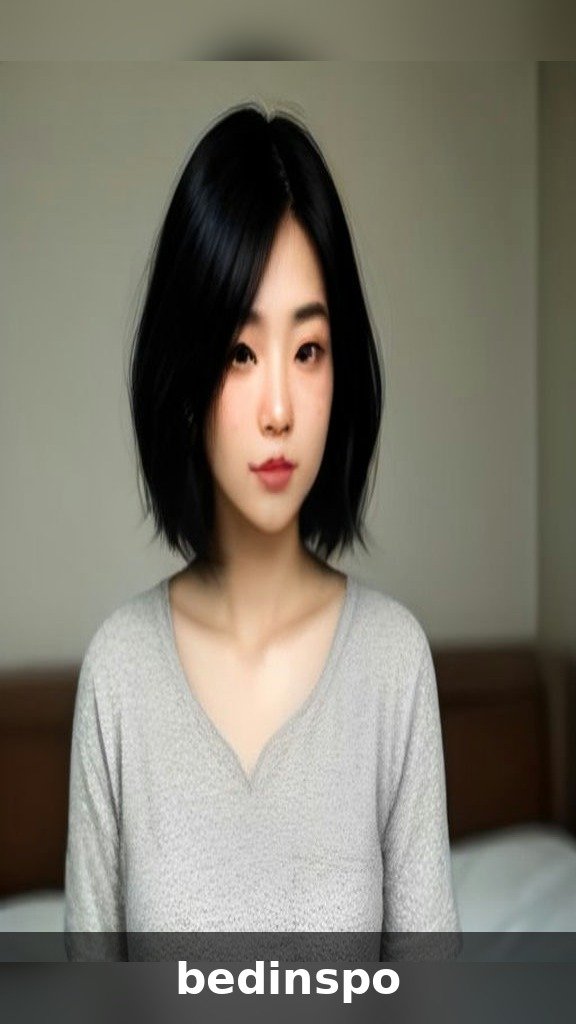
Fine hair loves the asymmetrical lob. The blunt-ish perimeter keeps ends looking thick and full, while the angle creates the illusion of volume and movement that fine hair often lacks. Unlike layered cuts that can make fine hair look wispy, the lob’s clean lines preserve density. The asymmetry adds visual interest that distracts from any lack of volume — it is optical illusion as haircut.
Ask your stylist to keep the perimeter as thick as possible — minimal texturizing, no razoring — and to build the angle through the cut’s shape rather than thinning. At home, volumizing mousse at the roots and blow-drying upside down create lift; velcro rollers add body without heat damage. Avoid heavy oils that flatten fine hair. A deep side part maximizes the asymmetry’s volume illusion. Trims every six weeks keep the ends thick and the angle sharp. Fine hair has never looked this full.
11. Styling Your Asymmetrical Lob

The asymmetrical lob is a styling chameleon — the angle gives you a head start no matter what you do. For polish: flat-iron sleek with a deep side part, tuck the short side behind your ear, and finish with shine serum. For texture: add loose waves with a large-barrel iron, tousle with texturizing spray, and let the angle peek through the waves. For drama: curl the long side under and flip the short side out — the contrasting directions emphasize the asymmetry beautifully.
Half-up styles are stunning on this cut: pull the top back while leaving the angled front pieces out to frame your face. Accessories — claw clips, headbands, barrettes — look especially chic against the asymmetric line. The key principle: let the cut do the work. Because the silhouette is already interesting, you do not need elaborate styling — simple, healthy, shiny hair shows off the angle best. Ten minutes is all it takes for most versions.
12. Growing Out an Asymmetrical Lob

One of the asymmetrical lob’s best features is its graceful grow-out. As hair grows, the angle simply softens — a dramatic asymmetry becomes a subtle one, then a long bob with character. There is no awkward phase, just a gradual evolution. To manage the grow-out, get dusting trims every eight to ten weeks: your stylist cleans up the ends and can either maintain the angle or gradually even it out, depending on your goal.
If you want to keep the asymmetry while growing longer, ask your stylist to maintain the angle’s ratio as the overall length increases — the cut can evolve into an asymmetrical long bob beautifully. If you are growing it out entirely, the stylist can slowly bring the short side down to meet the long side over two or three appointments. Either way, the grow-out is painless. This is a haircut you can enjoy at every length it passes through.
13. How to Ask Your Stylist for an Asymmetrical Lob

Precision matters with this cut, so communication is everything. Bring photos showing the exact angle you want — the difference between the two sides, whether the angle runs side-to-side or front-to-back, and how the cut looks from multiple angles. Use specific language: “I want the left side X inches longer than the right,” or “a subtle half-inch asymmetry.” Point to your own shoulders and jawline to show where you want each side to hit.
Discuss your natural part, since the asymmetry interacts with it — a deep side part amplifies the angle, while a center part softens it. Talk about texture: do you want a sharp, blunt perimeter or soft, textured ends? Mention your styling routine honestly, because a precision angle needs either daily smoothing or a texture-friendly finish. A great stylist will cut the angle, then check it dry and make micro-adjustments — hair behaves differently dry, and precision cuts demand that final check.
14. Asymmetrical Lob Maintenance Guide

Keeping that perfect angle requires regular maintenance — plan trims every six to eight weeks. The asymmetry is the first thing to go as hair grows, so consistent appointments keep it looking intentional rather than lopsided-accidental. Between appointments, the routine is simple: sulfate-free shampoo, regular conditioning, and heat protectant before styling. Healthy ends are essential — split ends blur a sharp angle faster than anything.
At home, learn to style the angle deliberately: blow-dry with a paddle brush following the angle’s direction, or flat-iron the perimeter for crispness. If the angle starts feeling uneven between appointments, a deep side part can visually rebalance it temporarily. For wavy wearers, the texture disguises minor angle drift, buying you extra time. Book your next trim before leaving the salon — with precision cuts, staying on schedule is the whole game.
15. Asymmetrical Lob Color Ideas
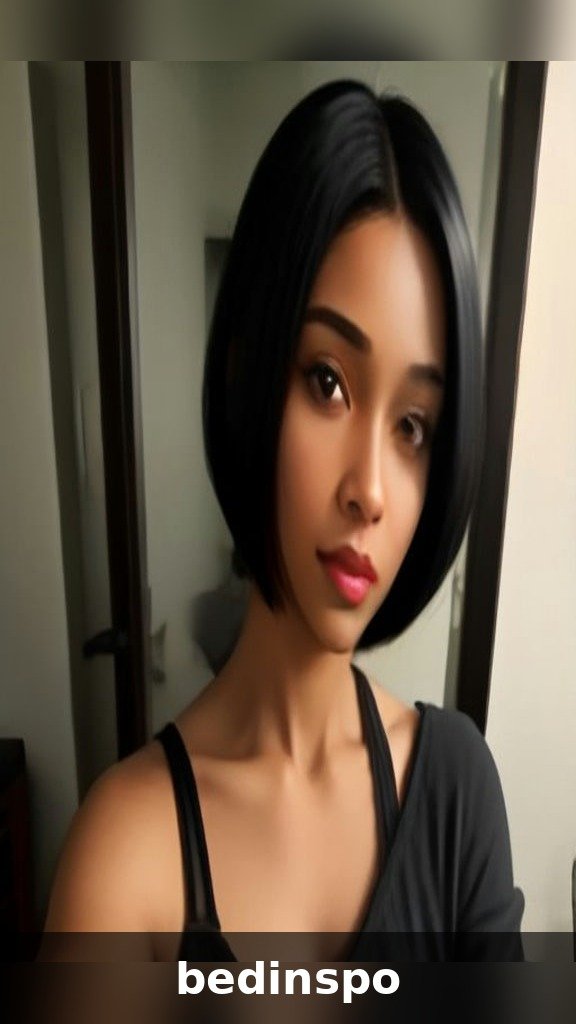
The asymmetrical lob is a stunning canvas for color. Balayage painted to follow the angle — lighter on the long side, deeper on the short — amplifies the asymmetry beautifully. A bold money piece on the long side creates a striking focal point. Solid, glossy single-process color (espresso, black, rich auburn) emphasizes the graphic line. And vivid fashion colors — copper, cherry red, even pastel pink — turn the cut into wearable art.
When coloring, ask your colorist to place lightness strategically: brightening the longer side enhances the angle’s drama, while keeping the short side deeper creates contrast. Dimensional color also adds the illusion of thickness, great for fine hair. Maintain color with sulfate-free products and gloss refreshes every six weeks. The combination of a sharp angle and rich, dimensional color is the ultimate power bob — confident, modern, and completely unforgettable.
Conclusion: Angle Your Way to Great Hair
The asymmetrical lob proves that a small change in geometry creates a huge change in impact. Whether you go subtle or dramatic, sleek or wavy, this cut delivers modern polish with built-in edge, flattering nearly every face shape and working on every texture. The keys to loving it are precise communication with your stylist, consistent trims, and styling that shows off the angle.
So save your favorite ideas from this guide, book that appointment, and get ready for the chicest hair of your life. Decide on your asymmetry level before you go, bring those reference photos, and do not be afraid of the angle — it is more wearable than it looks. Here is to sharp lines, dynamic movement, and hair with undeniable presence.