Layers Haircut: 20+ Stunning Layered Haircut Ideas for Every Hair Type and Length
A layers haircut is one of the most versatile and timeless hairstyles for anyone who wants beautiful, natural-looking movement without completely changing their hair length. Whether you have long, medium, or short hair, adding layers can transform your appearance by creating dimension, enhancing texture, and giving your hairstyle a fresh, modern finish. From soft face-framing layers to voluminous butterfly haircuts, there are countless ways to customize this popular hairstyle.
Layered haircuts work with different hair textures, including straight, wavy, and curly hair. They can help thick hair feel lighter, give certain fine hairstyles more movement, and make natural curls look more defined when cut correctly. You can also combine layers with curtain bangs, wispy fringe, a bob, or long flowing hair to create a look that suits your personality.
If you are searching for the best layers haircut ideas, this guide covers everything you need to know. You will discover popular layered hairstyles, how to choose the right cut for your face shape, styling and maintenance tips, and answers to frequently asked questions.
Whether you want an elegant everyday hairstyle, a trendy salon transformation, or a simple way to refresh your current look, these layered haircut ideas will help you find the perfect inspiration.
1. What Is a Layers Haircut?
A layers haircut is a hairstyle in which the hair is cut at different lengths to create movement, shape, and dimension. Instead of leaving all the hair at one uniform length, a stylist creates shorter sections that blend into longer sections. This technique produces a more dynamic appearance and allows the hair to fall in different directions naturally.
The length and placement of layers determine the final result. Short layers can create volume around the crown, while long layers add movement without removing too much length. Face-framing layers focus on the front sections, helping soften the appearance of the face and highlight features such as the cheekbones and jawline.
One of the biggest advantages of layered hair is its versatility. You can choose subtle layers for a polished appearance or more noticeable layers for a bold, textured style. Your stylist can also customize the cut according to your hair density, natural texture, and preferred styling routine.
Layered haircuts are suitable for many occasions, from everyday activities to weddings, parties, professional settings, and special events. With the right cut, you can enjoy a hairstyle that feels modern while remaining easy to personalize.
2. Benefits of Getting a Layers Haircut
A layered haircut offers several benefits beyond its attractive appearance. It can change how your hair moves, improve its shape, and make different styling techniques easier to achieve.
Adds movement: Layers prevent hair from appearing like one heavy, solid shape. The different lengths allow strands to move more naturally.
Creates volume: Properly placed layers can help some hairstyles appear fuller, particularly around the crown and sides.
Reduces bulk: Thick hair can feel heavy, especially when it is long. Carefully designed layers can remove weight while maintaining a balanced silhouette.
Frames the face: Face-framing sections can emphasize your cheekbones, soften the jawline, and complement your facial proportions.
Offers styling flexibility: Layered hair can be worn straight, curled, waved, braided, or tied into a ponytail, depending on its length.
Works with different lengths: Whether you prefer a short bob, a shoulder-length cut, or long hair, layers can be adapted to suit your preferred style.
However, the results depend on your hair type and the cutting technique. Too many layers may make fine hair appear thinner, while poorly placed layers can create unwanted volume in thick or curly hair. Communicating your goals to your hairstylist is essential for achieving a flattering result.
3. Long Layers Haircut for a Beautiful, Flowing Look


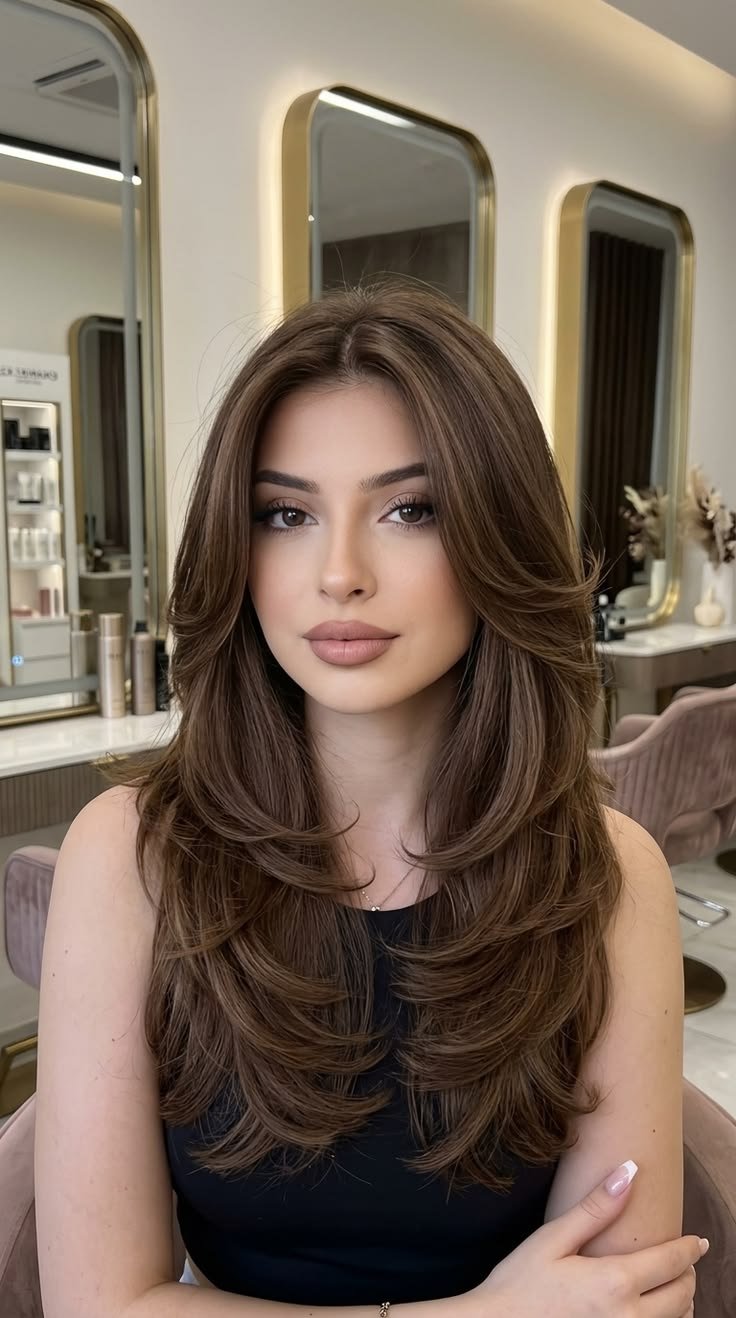
A long layers haircut is ideal for anyone who loves long hair but wants more movement and shape. This style keeps most of the length while introducing shorter sections throughout the hair. The result is a flowing hairstyle that looks soft, polished, and natural.
Long layers are especially attractive on straight and wavy hair because they create dimension without dramatically changing the overall silhouette. When styled with a round brush, the ends can curve gently inward or outward for a salon-inspired finish.
You can also add face-framing layers to create a more customized appearance. These shorter sections blend around the cheeks and jawline, making the haircut look more dynamic from the front.
For everyday styling, use a lightweight conditioner and a heat protectant before blow-drying. A large round brush can help create smoothness and movement, while a curling iron can add loose waves for special occasions.
If you want to maintain long hair without making it look heavy or flat, long layers are a practical option. Ask your stylist for soft, blended layers if you prefer a subtle result rather than a heavily textured haircut.
4. Short Layers Haircut for a Fresh and Modern Style


15
A short layers haircut offers a fresh, contemporary appearance while adding texture and movement to shorter hair. This style can work with pixie cuts, short bobs, and cropped hairstyles, depending on the amount of length you want to keep.
Short layers can create lift around the crown and prevent a haircut from looking too uniform. They also help shape the sides and back, giving the hairstyle a more personalized finish.
For a soft and feminine look, choose blended layers with gently curved ends. If you prefer an edgier appearance, choppy layers can provide more visible texture and definition.
Styling short layered hair is often straightforward. Apply a small amount of lightweight mousse or texturizing cream to damp hair, then blow-dry using your fingers or a brush. Finish with a small amount of styling paste if you want additional definition.
A short layered haircut is particularly useful for people who enjoy changing their look without spending a long time styling their hair. However, shorter layers may require regular trims to maintain the original shape.
5. Medium-Length Layered Haircut for Everyday Elegance

A medium-length layered haircut offers a balance between the versatility of long hair and the convenience of a shorter style. Hair that reaches the shoulders or collarbone can be shaped with soft layers to create a fuller, more dimensional appearance.
This haircut works beautifully with straight, wavy, and lightly curly textures. Subtle layers around the face add softness, while longer layers throughout the back help the hair move naturally.
One advantage of medium-length layered hair is its styling flexibility. You can wear it loose, create a half-up hairstyle, pull it into a low ponytail, or style it into a relaxed bun. It also pairs well with curtain bangs and side-swept fringe.
For a polished everyday look, blow-dry the hair with a round brush and turn the ends slightly inward. For a casual style, apply a texturizing spray and allow your hair to air-dry if your natural texture suits the look.
If you want a manageable hairstyle that remains fashionable across seasons, medium-length layers are an excellent option. Ask your stylist to consider your hair density so the layers provide movement without sacrificing too much fullness.
6. Face-Framing Layers for a Flattering Haircut


15
Face-framing layers are shorter sections of hair cut around the front of the face. They blend into the remaining hair and help create a customized shape that highlights your features.
These layers can begin around the cheekbones, chin, or jawline. The best starting point depends on your face shape, hair length, and the appearance you want to achieve. For example, cheekbone-length layers can draw attention to the upper face, while chin-length pieces can create a softer transition around the jaw.
This haircut works well with long hair, medium-length hair, and many bob styles. It can also be combined with curtain bangs for a more blended, fashionable appearance.
Styling face-framing layers is simple when you use a round brush or blow-dryer brush to direct the front sections away from your face. You can also create loose curls to emphasize the layers.
If you prefer a natural, low-maintenance style, request soft face-framing pieces that blend easily with the rest of your haircut. Remember that shorter front layers may fall out of ponytails more easily, so discuss your usual hairstyles with your stylist before cutting.
7. Butterfly Layers Haircut for Maximum Volume


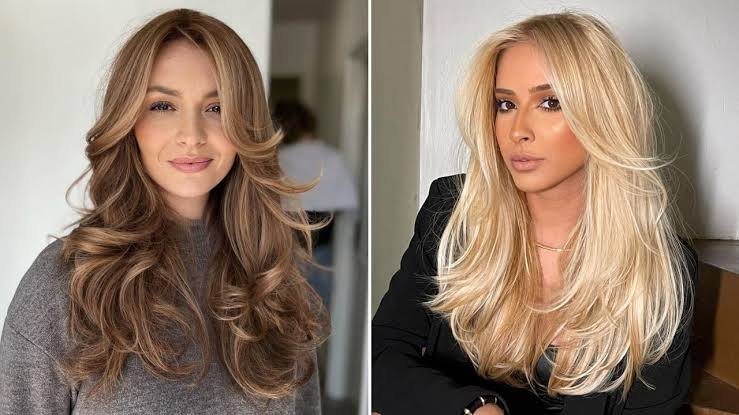
The butterfly haircut has become a popular choice for people who want dramatic volume without losing the appearance of long hair. It combines shorter layers around the face with longer layers throughout the back, creating the impression of a shorter hairstyle when the front sections are styled outward.
This haircut is especially attractive when blow-dried with a round brush. The shorter pieces lift around the face, while the longer sections create flowing movement through the ends.
The butterfly haircut is often associated with glamorous blowouts, soft curls, and voluminous finishes. It can also be adapted to different hair lengths, although the classic version is usually most noticeable on medium-to-long hair.
For the best results, ask your stylist how the shortest layers will sit when your hair is naturally straight, wavy, or curly. This is particularly important if you prefer to air-dry your hair rather than blow-dry it regularly.
A butterfly haircut can be an excellent option if you want a noticeable transformation while keeping your length. However, it generally requires more styling than a simple long-layered cut to achieve its signature shape.
8. Feathered Layers Haircut for Soft, Lightweight Hair
Feathered layers create a light, flowing appearance by shaping the ends so that they blend softly rather than forming blunt lines. This technique became especially popular in vintage hairstyles and continues to inspire modern layered looks.
Feathered hair works particularly well on medium and long lengths. The ends appear airy, while the overall shape remains smooth and elegant. Depending on how the haircut is designed, feathering can also soften the appearance of thick hair.
This style is suitable for people who prefer a graceful, polished finish rather than sharp, choppy texture. It can be paired with side bangs, curtain bangs, or face-framing layers.
To style feathered hair, use a blow-dryer and round brush to direct the ends outward or inward. A lightweight finishing cream can help control frizz without making the hairstyle look heavy.
If your hair is naturally fine, ask your stylist to keep the ends sufficiently full. Excessive texturizing can make the bottom sections appear sparse.
Feathered layers are a lovely choice for anyone who wants movement, softness, and a timeless hairstyle that can be dressed up or down.
9. Choppy Layered Haircut for a Trendy, Edgy Look

A choppy layered haircut features more noticeable differences between sections of hair. Instead of creating a completely smooth blend, the stylist adds texture to give the hairstyle a relaxed, modern appearance.
Choppy layers work particularly well with shag haircuts, textured bobs, and medium-length hairstyles. They can also create a striking finish on longer hair when the layers are carefully balanced.
This style is ideal for people who enjoy an undone, effortless look. It can be styled with natural waves, messy texture, or a slightly tousled finish.
To create definition, apply a lightweight texturizing spray to damp or dry hair. Scrunch the ends gently and allow the hair to dry naturally if your texture supports the style. For straighter hair, a curling wand can create loose bends that emphasize the different lengths.
However, choppy layers are not always the best option for everyone. If you have fine hair and want a dense-looking finish, too much texture may remove the appearance of fullness. Discuss the amount of layering with your stylist before choosing this cut.
10. V-Shaped Layered Haircut for Long Hair
A V-shaped layered haircut is designed so that the hair forms a pointed V shape at the back. The middle section remains longer, while the sides gradually become shorter toward the front.
This haircut creates a distinctive silhouette that looks especially attractive on long hair. Adding layers throughout the lengths helps the hairstyle move more naturally and prevents the ends from appearing too heavy.
A V-shaped cut is often chosen by people who want to maintain substantial length while adding a more noticeable shape. It can be styled straight to emphasize the outline or curled to create flowing dimension.
If your hair is thick, layers can help reduce bulk around the lower sections. If your hair is fine, a more subtle V shape may help preserve the appearance of density.
Before choosing this haircut, consider how often you wear your hair in a ponytail or braid. The varying lengths around the sides may create shorter pieces that fall out of certain updos.
For anyone who loves long, dramatic hair with a defined silhouette, a V-shaped layered haircut can provide an attractive alternative to a straight-across trim.
11. U-Shaped Layered Haircut for a Natural Finish
A U-shaped layered haircut creates a rounded outline at the back, with the sides gently curving toward a slightly longer center section. Compared with a V-shaped cut, the U shape looks softer and less pointed.
This hairstyle is a popular choice for people who want long hair with a balanced, natural appearance. It maintains the impression of fullness while allowing the ends to move freely.
Long layers can be added to a U-shaped haircut to create extra dimension without making the overall shape look overly dramatic. Face-framing pieces can also be incorporated for a more customized finish.
The style works well on straight, wavy, and many curly hair textures. However, the exact cutting method should be adjusted to the way your hair naturally shrinks, expands, or falls.
For everyday styling, smooth the lengths with a brush or enhance your natural waves with a lightweight styling product. Regular trims can help maintain the rounded outline.
If you want a hairstyle that feels polished but does not require a dramatic transformation, U-shaped layers offer a beautiful option.
12. Layered Haircut With Bangs

Combining bangs with a layered haircut creates a hairstyle with additional shape and personality. Bangs bring attention to the eyes and forehead, while the layers help the rest of the hair blend smoothly around the face.
There are several types of bangs to consider, including blunt bangs, wispy fringe, side-swept bangs, and curtain bangs. Each option creates a different appearance, so your choice should reflect your preferred style and maintenance routine.
Blunt bangs create a more defined look, while wispy bangs feel lighter and softer. Side-swept bangs can blend naturally into longer layers, making them a useful option for people who prefer a less structured appearance.
Layered hair with bangs can work on short, medium, and long hair. The stylist should consider your natural hairline, hair texture, and how much time you want to spend styling the front sections.
To maintain the look, use a small round brush to shape the bangs after washing. Avoid applying heavy products directly to the fringe, as they can make it look oily or flat.
If you want to refresh your hairstyle without dramatically changing its length, adding bangs to your layers can create a noticeable difference.
13. Curtain Bangs With Layers for a Soft, Modern Look
Curtain bangs are parted near the middle and swept toward the sides, creating an open, face-framing shape. When combined with layered hair, they produce a seamless transition between the fringe and the longer sections.
This hairstyle is popular because it can look relaxed and polished at the same time. The bangs frame the face, while the surrounding layers create movement through the lengths.
Curtain bangs can complement long hair, shoulder-length hair, butterfly cuts, and layered bobs. They are also adaptable to different styling preferences, although the final appearance depends on your natural texture and the length of the fringe.
For a salon-style finish, blow-dry the bangs using a round brush, directing each side away from the face. You can then style the remaining layers with loose waves or a smooth blowout.
One thing to remember is that curtain bangs often require more frequent styling than longer face-framing layers. If you prefer a very low-maintenance haircut, ask for longer pieces that can be tucked behind your ears.
Curtain bangs with layers are an excellent choice for anyone seeking a trendy hairstyle with softness, movement, and plenty of styling possibilities.
14. Layered Bob Haircut for a Chic Appearance


15
A layered bob combines the clean shape of a bob with shorter sections that add movement and dimension. Depending on your preference, the haircut can sit near the chin, jawline, or shoulders.
A short layered bob can create a structured, fashionable appearance, while a longer version offers more styling flexibility. Soft layers help the ends move naturally and can prevent the hairstyle from appearing too heavy.
This cut works well with straight, wavy, and some curly hair textures. For fine hair, a carefully shaped bob with subtle layers can maintain the appearance of fullness. For thick hair, additional internal layering may help remove excess weight.
You can style a layered bob with a smooth blowout, soft curls, or natural texture. A small amount of styling cream can help define the ends without making the hair feel stiff.
A layered bob is a practical choice if you want a shorter hairstyle that remains versatile. Ask your stylist to tailor the length around your jawline and neck, especially if you want the haircut to complement your facial proportions.
15. Shaggy Layered Haircut for Effortless Texture
A shaggy layered haircut features multiple layers, textured ends, and a relaxed silhouette. It often includes shorter pieces around the crown and face, creating an intentionally tousled appearance.
Modern shag haircuts can be short, medium, or long. Some feature curtain bangs, while others rely on choppy face-framing sections to create their distinctive shape.
This haircut is particularly attractive for people who enjoy natural-looking texture. It can enhance waves and give straight hair a more relaxed appearance when styled with texturizing products.
To style a shaggy haircut, apply mousse or a lightweight texture spray to damp hair. Scrunch the lengths gently and allow them to dry naturally or use a diffuser if appropriate for your hair texture.
The shag can be customized to suit different levels of volume. If you prefer a subtle result, ask for softer layers and a less dramatic crown. If you want a bold, rock-inspired appearance, more pronounced texture may be suitable.
Because shaggy cuts rely on their shape, regular maintenance helps keep the layers balanced. Choose a version that works with your natural hair pattern to reduce the need for daily styling.
16. Best Layers Haircut for Thin or Fine Hair
Fine hair can benefit from layers, but the cutting technique makes a significant difference. While carefully placed layers add movement, removing too much hair from the ends can make the hairstyle look thinner.
For this reason, a soft long-layered haircut or a subtle layered bob may be a good starting point. These styles introduce shape without creating too many short sections.
Face-framing layers can add interest around the front, while a relatively full perimeter helps the ends appear denser. If your hair is especially fine, explain to your stylist that maintaining fullness is a priority.
Styling products can also influence the result. Lightweight mousse may provide lift at the roots, while a volumizing spray can help create a fuller appearance. Avoid applying heavy oils or creams near the roots if they make your hair look flat.
A round brush can add gentle volume during blow-drying, but excessive heat may damage delicate strands. Use a heat protectant and a moderate temperature.
The best layered haircut for fine hair is one that complements its natural density rather than forcing it into a style that requires excessive styling or product.
17. Best Layered Haircut for Thick Hair
Thick hair often benefits from layers because they can reduce weight and create a more balanced shape. Without suitable shaping, long, dense hair may feel heavy or form a bulky silhouette around the sides.
Long layers are a popular option because they allow the hair to retain its length while improving movement. Face-framing pieces can also help soften the front and make the overall style look more customized.
If you prefer a shorter cut, a layered bob or a medium-length shag may help create texture. However, the placement of the layers matters. Removing too much weight from the wrong areas can create unwanted volume or make the hair difficult to manage.
Ask your stylist whether internal layering or carefully placed texturizing would be appropriate for your hair density. These techniques can help reduce bulk while preserving a smooth outer shape.
For styling, use a conditioner that suits your hair and apply smoothing products sparingly. A blow-dryer with a concentrator attachment can help direct the hair, while a heat protectant helps reduce styling-related damage.
With the right cut, thick hair can look defined, polished, and full of movement without feeling unnecessarily heavy.
18. Layered Haircuts for Curly and Wavy Hair


12
Layered haircuts can be especially effective for curly and wavy hair because different lengths help create shape and movement. However, curly hair needs careful planning because it may appear shorter when dry than when wet.
For curly hair, layers can help distribute volume and allow curls to form a more balanced silhouette. A stylist familiar with your curl pattern can determine where to place the layers so that the haircut complements your natural texture.
For wavy hair, long or medium layers can enhance the natural bends without making the ends appear too heavy. Face-framing layers can add definition around the cheeks and jawline.
After washing, use a suitable conditioner and apply a curl cream or lightweight styling product if needed. Scrunch the hair gently and allow it to air-dry or use a diffuser on a suitable setting.
Avoid brushing dry curls aggressively, as this can disrupt their pattern and increase frizz. Instead, detangle gently when the hair is damp and conditioned.
Whether your hair has loose waves or tight curls, a customized layered cut can help emphasize its natural beauty while making the overall shape easier to manage.
19. How to Style and Maintain a Layers Haircut
A well-cut layered hairstyle can look attractive with minimal styling, but a few simple techniques can help you get the most from your haircut.
Use the right shampoo and conditioner. Choose products suited to your hair texture and scalp. Fine hair may benefit from lightweight formulas, while dry or curly hair may need richer conditioning.
Protect your hair from heat. Apply a heat protectant before using a blow-dryer, straightener, or curling iron. Whenever possible, use moderate temperatures and avoid repeated passes over the same section.
Use a round brush for volume. During blow-drying, lift sections near the roots and gently curve the ends to highlight the layers.
Try loose waves. A curling wand or heatless styling method can emphasize the different lengths and create a relaxed, dimensional finish.
Choose lightweight finishing products. Texturizing spray, mousse, or a small amount of styling cream can help define layers without weighing them down.
Trim according to your haircut. Shorter, highly structured layers may need more frequent maintenance than long, softly blended layers. Your stylist can recommend an appropriate schedule.
Protect your hair overnight. A satin or silk pillowcase, or a suitable hair covering, may help reduce friction and tangling.
Remember that a haircut should work with your lifestyle. If you rarely use heat tools, choose layers that look good with your natural texture rather than a style that depends on daily blow-drying.
20. How to Choose the Perfect Layers Haircut for Your Face Shape
Choosing the right layered haircut involves more than following a trend. The most flattering style depends on your facial proportions, hair texture, density, and preferred length.
Round face: Longer face-framing layers can create a more elongated visual effect. Layers that begin below the cheekbones may be worth considering.
Oval face: Many layered hairstyles can complement an oval face, including butterfly layers, curtain bangs, layered bobs, and long flowing cuts.
Square face: Soft layers around the jaw and cheekbones can help balance strong angles. Loose waves may add a gentle appearance.
Heart-shaped face: Chin-length face-framing layers can add visual balance around the lower part of the face. Curtain bangs may also work well.
Long face: Layers that create width around the sides can help balance facial proportions. Curtain bangs or a suitable fringe may be useful options.
These suggestions are starting points rather than strict rules. Face shape alone does not determine which haircut will look best. Hair texture, personal preference, and styling habits are equally important.
Before your appointment, save photographs of layered hairstyles you like. Ask your stylist how each style would work with your hair’s natural movement and how much daily maintenance it would require.
The best haircut is one that makes you feel confident and fits comfortably into your routine.
21. Frequently Asked Questions About Layers Haircuts
1. What is the most popular layers haircut?
Long layers, butterfly haircuts, face-framing layers, and layered bobs are popular choices. The best option depends on your preferred length, hair texture, and desired amount of volume.
2. Are layered haircuts good for all hair types?
Yes, layers can be adapted for straight, wavy, curly, and coily hair. The stylist should customize the placement and length to suit the hair’s natural texture and density.
3. Do layers make hair look thicker?
Layers can create movement and the appearance of volume, but they do not increase the actual thickness of your hair. Excessive layering can make fine hair look less dense, so subtle layers may be preferable.
4. Are layers better for long or short hair?
Layers work with both long and short hair. Long layers preserve length and create movement, while short layers can add texture and lift to cropped hairstyles.
5. What is the difference between long layers and short layers?
Long layers have a smaller difference in length between sections, creating a subtle effect. Short layers create more contrast between sections and may produce additional volume and texture.
6. Is a butterfly haircut the same as a layered haircut?
A butterfly haircut is a particular type of layered haircut. It combines shorter face-framing sections with longer layers to create a voluminous, flowing appearance.
7. Are layered haircuts high maintenance?
Maintenance depends on the specific cut. Long, blended layers are often relatively easy to manage, while short, choppy, or highly styled layers may require more frequent trims and daily styling.
8. Do layers look good on straight hair?
Yes, layers can add dimension and movement to straight hair. Soft long layers or face-framing sections are useful choices for creating a more dynamic hairstyle.
9. Can I get layers with curly hair?
Absolutely. Layers can help shape curls and distribute volume. It is important to work with a stylist who understands curl patterns and how curls change length when dry.
10. Which layers haircut is best for thin hair?
A subtle long-layered cut or a layered bob with a relatively full perimeter can work well for fine hair. Avoid removing too much weight from the ends if fullness is your priority.
11. Do layered haircuts suit women over 40?
Yes. Layered haircuts can suit adults of any age. Medium-length layers, soft bobs, and face-framing cuts are versatile options that can be customized to personal preferences.
12. Can men get a layers haircut?
Yes. Men can choose layered cuts for short, medium, or long hair. Textured crops, layered curtains, and longer shag-inspired styles are possible options.
13. How often should I trim layered hair?
The timing depends on the length and structure of the haircut, how quickly your hair grows, and how well you want to preserve its shape. Your stylist can recommend a suitable schedule.
14. Can I style layered hair without heat?
Yes. You can enhance natural waves with suitable styling products, braid slightly damp hair for loose waves, or use heatless rollers. The results depend on your hair texture and the technique used.
15. Should I get layers or keep my hair one length?
Choose layers if you want movement, shaping, or reduced bulk. A one-length cut may be preferable if you want a strong, blunt outline or need to maintain the appearance of fuller ends.
Conclusion
A layers haircut is a versatile way to refresh your hairstyle while creating movement, texture, and a more personalized shape. Whether you prefer long flowing layers, a voluminous butterfly haircut, a chic layered bob, or a textured shag, there are many options to explore.
The key is choosing a cut that complements your natural hair texture, density, face shape, and lifestyle. Fine hair may benefit from subtle layers that preserve fullness, while thick hair can often accommodate more shaping. Curly and wavy hair also look beautiful with layers when the cut is tailored to their natural patterns.
Before visiting your salon, collect a few inspiration photos and discuss the maintenance each style requires. With the right technique and a suitable haircare routine, your layered haircut can look healthy, stylish, and easy to manage.
Ultimately, the best layers haircut is not simply the trendiest option. It is the hairstyle that makes you feel confident, highlights your natural features, and fits your everyday life.