Long Hair: The Complete Guide to Growing, Caring for and Styling Long Locks
Long hair is a symbol of beauty, versatility and patience. It gives you endless styling options, from braids and buns to sleek ponytails and flowing waves. It also takes real commitment, because longer strands are older, more fragile and more exposed to damage. Many people struggle with split ends, tangles, slow growth or hair that looks thin at the ends. In this guide, you will learn how hair grows, how to reach your length goals and which routine keeps long hair healthy. You will also find haircut ideas, styling tips, product advice and common mistakes to avoid. Use it to grow, maintain and enjoy your longest, strongest hair yet.
What Is Considered Long Hair?

Long hair usually means hair that falls past the shoulders. Many stylists divide it into stages. Shoulder-length hair sits just above or on the shoulders, while mid-back hair reaches the bra strap area. Waist-length hair reaches the natural waistline, and classic length extends to the hips or beyond. What looks long on one person may look medium on another, since height, torso length and hair texture all play a part. Curly and coily hair shrinks when dry, so it can look much shorter than its true length. Knowing your current stage helps you set realistic goals and plan your care. It also makes it easier to explain to a stylist exactly how much you want to keep or trim.
Why Long Hair Is So Popular

Long hair has been admired across cultures and eras because it offers so many ways to express yourself. You can wear it loose, braid it, pin it up or add curls and waves with ease. It adds femininity and movement to a look, and it frames the face softly. Long hair also gives you freedom to change your style often without needing a new cut. Many people love the sense of achievement that comes with growing it out, since it reflects patience and good care. Social media has also made long hair more popular, with endless tutorials, braided designs and hair growth journeys. From weddings to everyday life, long hair remains a versatile and timeless choice.
How Fast Does Hair Grow?


On average, hair grows about half an inch per month, or around six inches per year. This rate can vary with genetics, age, health, hormones and nutrition. Hair grows in cycles that include a growth phase, a short transition phase and a resting phase before old hairs shed. The growth phase can last several years, and its length largely decides how long your hair can grow. Some people naturally have a shorter growth phase, which means their hair may seem to stop at a certain length. That is normal and not always a sign of a problem. Understanding this cycle helps you stay patient and focus on keeping the hair you grow instead of chasing impossible speeds.
Set Realistic Long Hair Goals
A good plan starts with a goal you can measure. Take a photo of your hair today and measure the length from the nape to the ends. If you want to gain six inches, expect it to take around a year, depending on trims and breakage. Hair that breaks as fast as it grows will not seem to get longer, so retention matters more than speed. Choose milestones such as reaching your shoulders, bra strap or waist. Record progress every few months with photos in the same lighting. Do not compare your hair to filtered images or extensions, since many online examples are edited or enhanced. A steady, healthy approach produces better long-term results than rushing.
Healthy Habits That Support Hair Growth

Hair reflects what is happening inside your body, so general health matters. Eat a balanced diet with enough protein, since hair is made mostly of keratin. Iron, zinc, biotin, vitamin D and omega-3 fats also support healthy hair, and getting them from food is best. Drink enough water, sleep well and manage stress, which can trigger excess shedding. A gentle scalp massage may improve comfort and help distribute natural oils. Avoid crash diets, since sudden weight loss and nutrient shortages can cause hair to shed. If you notice sudden thinning or unusual hair loss, speak with a doctor, since underlying conditions can be involved. Supplements should only be taken when needed and with professional advice.
Essential Tools for Long Hair
The right tools protect long strands from needless damage. Use a wide-tooth comb for detangling and a quality brush with flexible bristles for smoothing. A microfiber towel or soft cotton T-shirt dries hair gently and cuts frizz. Silk or satin scrunchies and snag-free elastics protect strands from breakage. A silk or satin pillowcase reduces friction while you sleep. For styling, invest in a good hair dryer with adjustable heat, a flat iron or curling wand with temperature control and plenty of bobby pins and clips. Avoid metal-edged hair ties and harsh brushes that pull on knots. Quality tools may cost more at first, but they reduce breakage and save you money on repair treatments later.
The Best Washing and Conditioning Routine

Long hair needs gentle cleansing and plenty of moisture. Wash two to three times a week, depending on your scalp and texture, using a mild shampoo focused on the roots. Let the suds run through the lengths instead of scrubbing them. Apply conditioner from mid-lengths to ends and leave it on for a few minutes before rinsing with cool water. Use a deep conditioning mask once a week to restore softness and elasticity. A clarifying shampoo once a month removes buildup that can weigh hair down. Squeeze out extra water gently instead of rubbing, and never twist wet hair into a towel. Consistency is more important than using many products, so choose a simple routine you can follow easily.
How to Detangle Long Hair Without Breakage
Tangles are one of the biggest causes of breakage in long hair, so technique matters. Start detangling when the hair is damp and coated with conditioner or a detangling spray, since wet strands with slip are easier to separate. Divide the hair into sections and work from the ends upward, holding the hair above the knot to reduce pulling. Use a wide-tooth comb or a flexible detangling brush with patience. Never force a comb through a knot or yank at dry, tangled hair. Braiding loosely at night prevents most tangles from forming. If you find a stubborn knot, add a few drops of oil and separate it gently with your fingers. A calm, slow approach saves length.
Preventing Split Ends and Breakage

Split ends are inevitable on long hair, but you can reduce them with smart habits. Trim regularly to remove damaged tips before the split travels up the strand. Limit heat styling, and always use a heat protectant. Avoid rough brushing, tight ponytails and bleaching that weakens the hair. Keep ends moisturized with a lightweight oil or leave-in conditioner. Sleep with your hair in a loose braid or a silk bonnet to reduce friction. Protect hair from the sun, wind and chlorine with a scarf or a leave-in treatment. Be mindful of how your hair rubs against jacket collars and bag straps. Protecting the ends is the most effective way to keep long hair looking thick, healthy and full.
How Often Should You Trim Long Hair?
Many people avoid trims because they fear losing length, but regular trims actually help you keep it. A small trim every eight to twelve weeks removes split ends and stops them from splitting further up the strand. If your hair is healthy and rarely styled with heat or chemicals, you may stretch to three or four months. Dusting is a technique where a stylist removes only tiny bits of the damaged ends, which keeps most of the length. If you have curly or coily hair, ask for a cut that respects your texture. Do not wait until your ends look stringy and thin, because that means breakage is already taking length away. A trim is part of growth, not an obstacle to it.
Best Haircuts for Long Hair

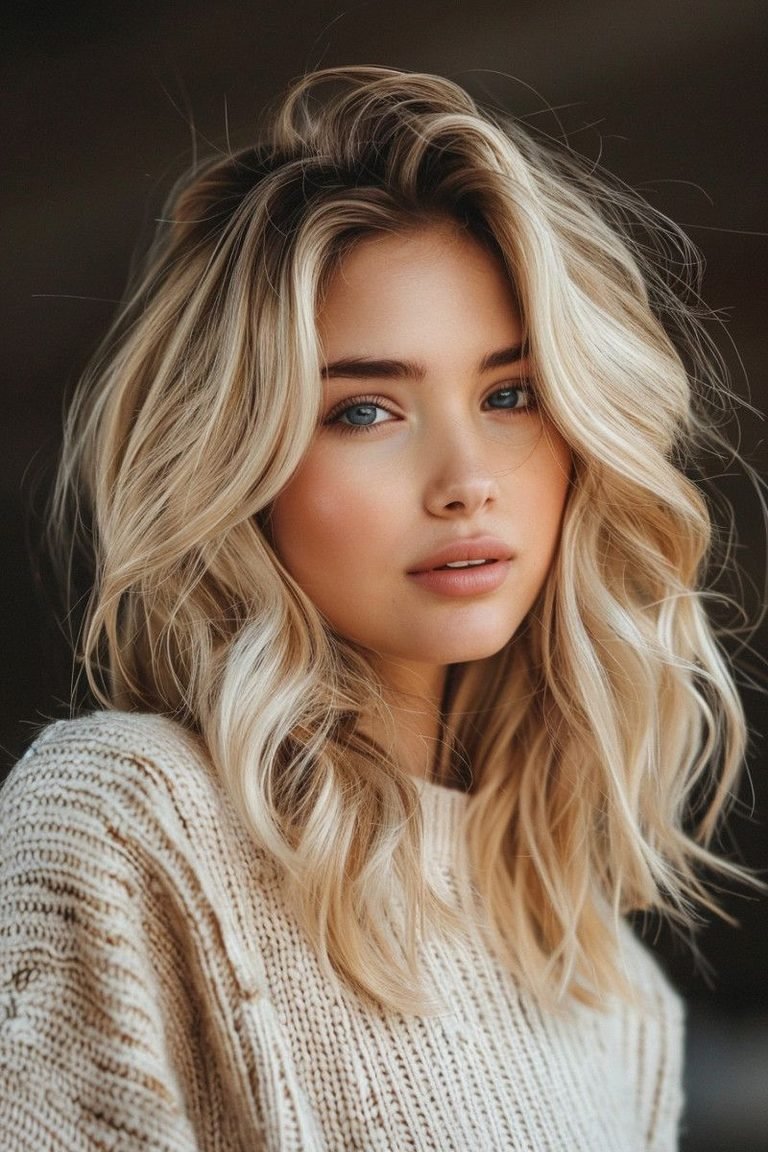
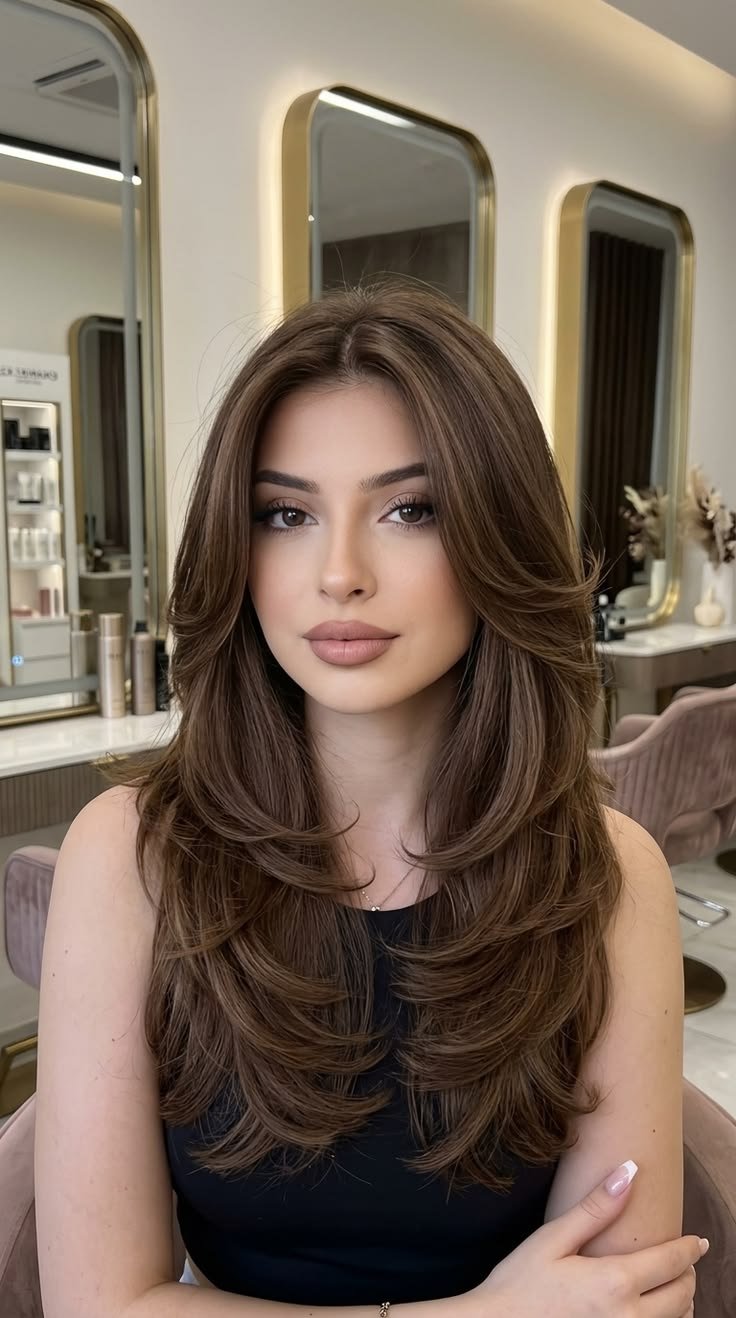
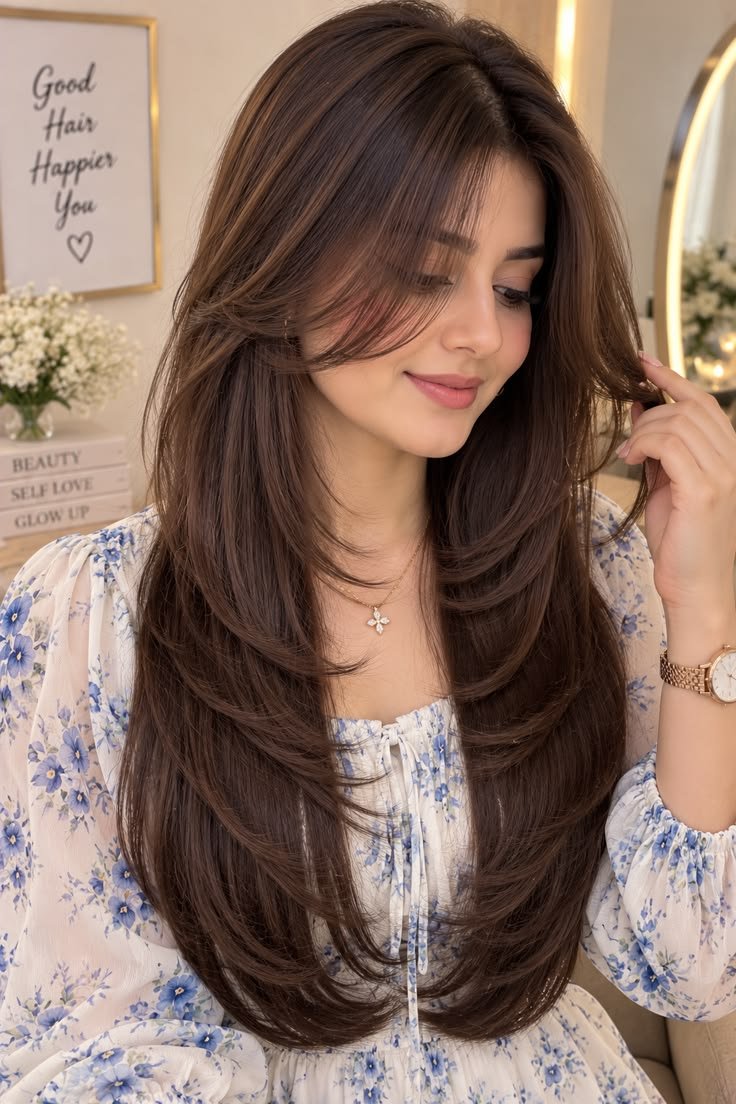
Even long hair benefits from the right shape. Long layers add movement and reduce weight, making hair look lighter and more voluminous. A blunt cut makes fine hair look thicker and healthier, with a strong, sleek line at the bottom. The V-cut creates a dramatic point at the back, while the U-cut forms a soft curve. Curtain bangs frame the face and blend nicely into long layers. Face-framing pieces brighten the look and highlight the cheekbones. A shaggy long cut adds texture and an effortless style. Choose a cut that suits your texture, density and face shape, and tell your stylist how much you want to keep. A good cut helps your hair look polished at any length.
Easy Long Hairstyles for Everyday Wear

Everyday styles should be quick, comfortable and kind to your hair. A simple low ponytail secured with a soft scrunchie works for work, school and errands. A loose side braid keeps hair out of your face and prevents tangles. A claw clip updo takes less than a minute and looks effortlessly chic. Half-up styles combine the polish of an updo with the freedom of loose hair. A twisted bun, a messy topknot and a low chignon are great for busy days. On wash days, let your hair air dry and finish with a light serum. Rotate styles from day to day so you do not put constant tension on the same spots.
Long Hair Styles for Special Occasions

Long hair offers fantastic options for weddings, parties and formal events. Soft Hollywood waves bring old-school glamour, while a sleek straight style looks modern and refined. Braided crowns, fishtail braids and twisted updos suit romantic and bohemian looks. A high ponytail with a wrapped base looks sharp and glamorous, and a low chignon with face-framing strands feels elegant and timeless. Add accessories such as pearl pins, jeweled combs, ribbons or fresh flowers to elevate the look. Always practice your style beforehand, ideally with the exact accessories you plan to wear. Use a flexible-hold hairspray and plenty of bobby pins to keep the style secure through long hours, photos and dancing.
Heatless Styling Ideas for Long Hair

Heat tools can damage long hair over time, so heatless styling is a smart way to protect your strands. For overnight waves, braid damp hair loosely and let it dry fully before releasing. Twist hair into two buns for bouncy curls the next morning. Wrap hair around a soft headband or a rolled sock for big, vintage curls without a hot tool. Foam rollers and flexible rods create defined curls while you sleep. For sleek straight hair, wrap your hair around your head and secure it with pins while it dries. Always start with damp, not soaking wet, hair so it dries in time. These methods save energy, reduce damage and protect the length you have worked hard to grow.
Long Hair Color and Highlights
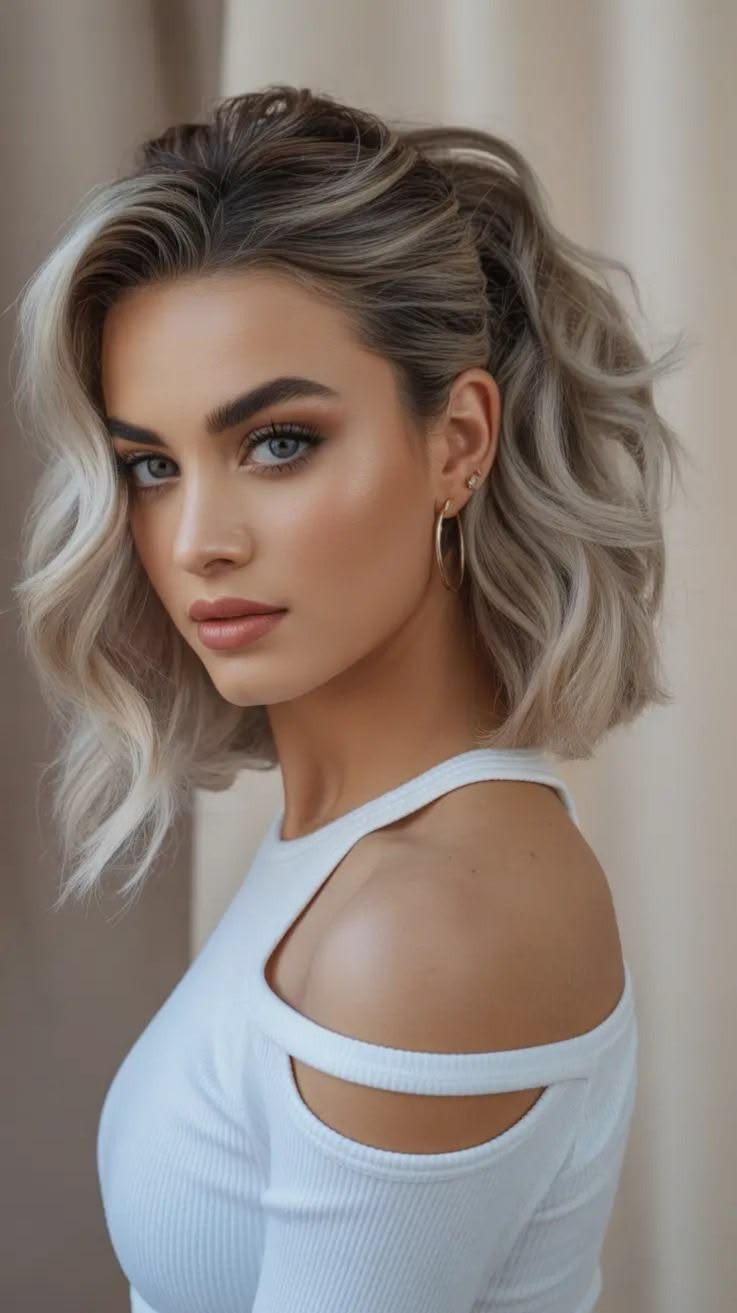
Color can add dimension to long hair, but it needs careful planning. Balayage and ombre suit long lengths because the gradient has room to blend, and they grow out gracefully. Face-framing highlights brighten the complexion and keep damage limited to small sections. Deep, glossy shades like chocolate brown, auburn and soft black look rich on long hair. If you want to go lighter, plan the change in stages, since bleach can weaken strands. Always use bond-building treatments and deep conditioning masks to protect color-treated hair. Because long hair has older ends, they may be more porous and absorb color unevenly. Talk to your colorist about the history of your hair, so the plan fits its condition.
How to Make Long Hair Look Thicker and Fuller

Long hair sometimes looks thin at the ends, especially when it is fine or heavily layered. A blunt or lightly layered cut can add visual density, and regular trims keep the ends from looking wispy. Use a volumizing shampoo or mousse at the roots, and blow-dry hair upside down for a quick lift. Soft waves and curls create the illusion of more thickness. A light texturizing spray adds grip and body. Avoid heavy oils and creams that weigh hair down. Add a hair thickening treatment or clip-in extensions if you want extra fullness for special events. Healthy, well-cared-for hair always looks fuller, so focus on preventing breakage first.
Common Long Hair Mistakes to Avoid

A few small habits can quietly hold long hair back. Skipping trims for too long allows split ends to travel and cause breakage. Brushing wet hair roughly or detangling from the roots instead of the ends causes snapping. Wearing tight ponytails and buns every day pulls on the follicles and may cause traction damage. Overusing heat without protection dries and weakens the strands. Washing with harsh shampoos or hot water strips moisture. Sleeping with loose, dry hair on rough fabric creates friction and tangles. Another common mistake is chasing miracle growth products instead of improving daily habits. Focus on gentle handling, balanced nutrition and steady care, and your hair will gradually reach its full potential.
Conclusion
Long hair is beautiful, versatile and rewarding, but it asks for patience and consistent care. Healthy growth starts with good nutrition, gentle handling and a simple routine of washing, conditioning and protecting your ends. Trim regularly, limit heat, detangle with care and choose hairstyles that do not stress your strands. Add the right cut, a flattering color and a few easy styles to keep things fresh. Remember that retention matters more than speed, and that every healthy inch counts. With the tips in this guide, you can grow, maintain and style long hair that looks strong, shiny and full of life.