How to Care for Camellias (Camellia japonica) – Complete Growing Guide with Gorgeous Garden Inspiration
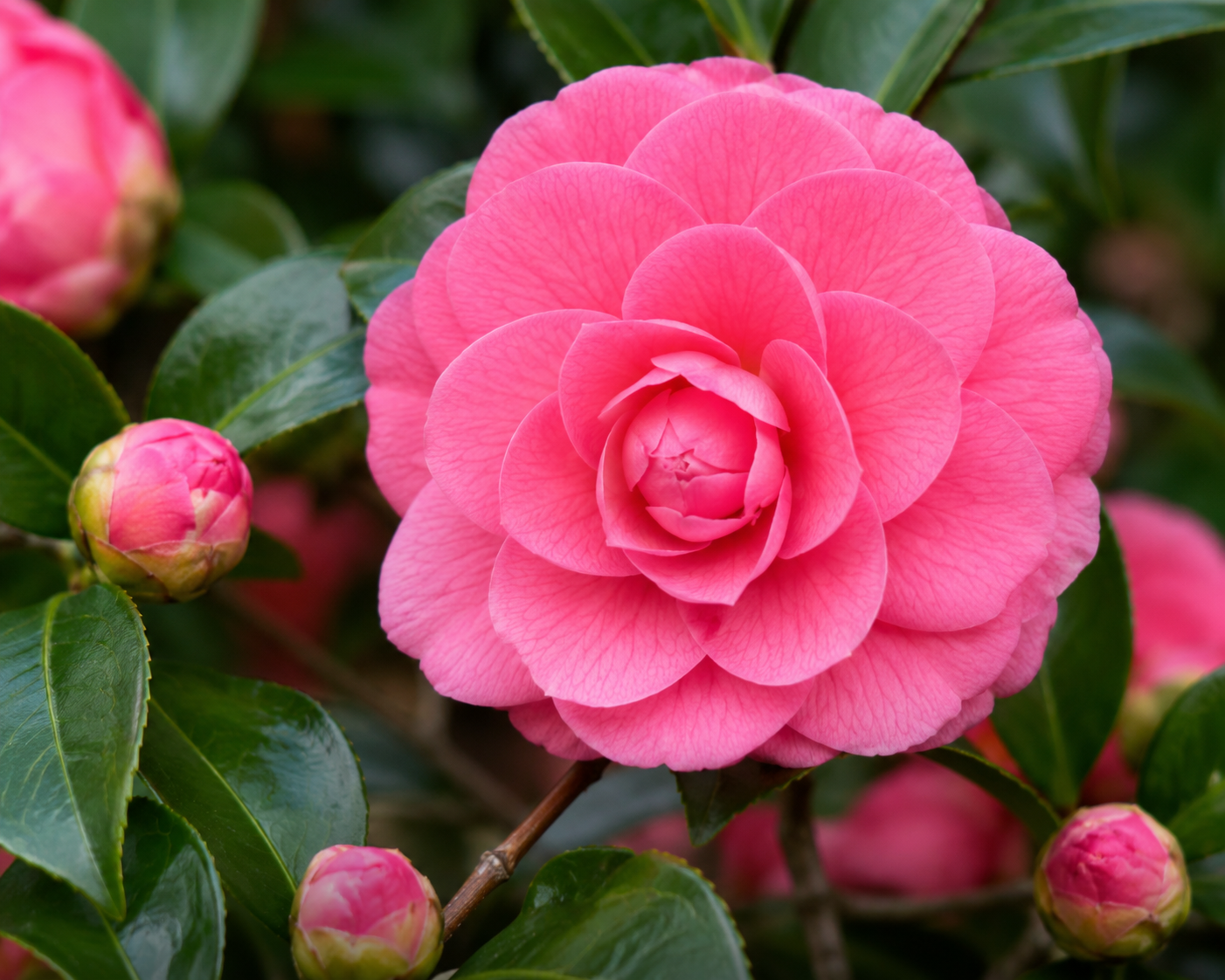
Camellias (Camellia japonica) are treasured evergreen shrubs known for their glossy dark green leaves and spectacular rose-like blooms. Flowering from late winter through spring, they bring vibrant color to the garden when many other plants are still dormant. With proper care, camellias can thrive for decades, becoming a stunning focal point in landscapes of all sizes.
Whether you’re planting your first camellia or looking to improve the health of an established shrub, this guide covers everything you need to know about growing and caring for Camellia japonica.
Why Grow Camellia japonica?
Camellias are prized for their elegant flowers, long lifespan, and year-round evergreen foliage. Available in shades of white, pink, red, and even bi-colored blooms, they add beauty to woodland gardens, foundation plantings, and containers.
1. Choose the Perfect Planting Location
Camellias prefer partial shade with protection from harsh afternoon sun. A location with morning sunlight and filtered afternoon shade helps produce healthy foliage and long-lasting flowers.
2. Plant in Acidic, Well-Draining Soil
Healthy camellias require slightly acidic soil with a pH between 5.5 and 6.5. Improve heavy soils by adding compost, pine bark, or leaf mold to enhance drainage and soil structure.
3. Plant at the Correct Depth
Avoid planting camellias too deeply. The top of the root ball should sit slightly above the surrounding soil to prevent crown rot and encourage healthy root development.
4. Water Deeply but Consistently
Young camellias need regular watering while establishing. Mature plants benefit from deep watering during dry periods, but avoid waterlogged soil, which can damage the roots.
5. Apply Organic Mulch
Spread a 2- to 3-inch layer of pine bark, pine needles, or shredded leaves around the base of the plant. Mulch helps retain moisture, regulate soil temperature, and suppress weeds.
6. Fertilize at the Right Time
Feed camellias in early spring after flowering with a fertilizer formulated for acid-loving plants. Avoid excessive fertilization, as it may reduce flower production.
7. Prune After Blooming
Prune immediately after the flowering season ends. Remove dead, damaged, or crossing branches to improve airflow and maintain the shrub’s natural shape.
8. Protect Flower Buds from Frost
Late frosts can damage developing flower buds. During unexpected cold snaps, cover young plants with frost cloth to help protect emerging blooms.
9. Watch for Common Pests
Inspect plants regularly for scale insects, aphids, spider mites, and tea scale. Healthy plants are less susceptible to pest problems, and early treatment helps prevent severe infestations.
10. Prevent Common Diseases
Good air circulation and proper watering practices reduce the risk of fungal diseases such as petal blight and leaf spot. Always avoid overhead watering when possible.
11. Grow Camellias in Containers
Compact camellia varieties grow beautifully in large containers with drainage holes. Use an acidic potting mix and water regularly, especially during warm weather.
12. Pair Camellias with Companion Plants
Camellias combine beautifully with azaleas, ferns, hostas, hydrangeas, and hellebores, creating a layered woodland-style garden filled with seasonal interest.
13. Deadhead Spent Flowers
Although not essential, removing faded blooms keeps plants looking tidy and may reduce the chance of fungal diseases affecting old flowers.
14. Avoid Root Disturbance
Camellias have shallow root systems that dislike cultivation around the base. Minimize digging near established plants to prevent root damage.
15. Enjoy Their Long Lifespan
With proper care, camellias can live for many decades, producing increasingly impressive displays of flowers each year and becoming treasured landscape specimens.
Common Camellia Problems
Yellow Leaves
Yellowing foliage may indicate poor drainage, nutrient deficiencies, alkaline soil, or overwatering.
Flower Bud Drop
Sudden temperature changes, drought stress, or inconsistent watering can cause buds to fall before opening.
Brown Leaf Edges
Dry soil, excessive sunlight, or fertilizer burn can lead to browning along leaf margins.
Poor Flowering
Insufficient sunlight, improper pruning, or overfeeding with nitrogen may reduce the number of blooms.
Popular Camellia japonica Varieties
‘Debutante’
Produces soft pink, peony-style flowers and is one of the most popular varieties for home gardens.
‘Kramer’s Supreme’
Features large, fragrant crimson-red blooms with glossy evergreen foliage.
‘Nuccio’s Gem’
An elegant white-flowering variety prized for its formal double blooms and vigorous growth.
‘Pink Perfection’
Offers perfectly symmetrical soft pink flowers that bloom reliably each spring.
‘Professor Sargent’
Known for its rich red, double flowers and excellent cold tolerance.
Landscaping Ideas for Camellias
Create a Woodland Garden
Plant camellias beneath tall trees alongside ferns and shade-loving perennials for a peaceful woodland setting.
Design an Evergreen Border
Mix camellias with other evergreen shrubs to provide year-round structure and seasonal blooms.
Accent an Entryway
Place camellias near front entrances or walkways where their beautiful flowers can be admired up close.
Grow in Decorative Containers
Large containers filled with camellias create elegant displays for patios, balconies, and porches.
Final Thoughts
Camellia japonica is one of the most rewarding flowering shrubs you can grow. Its glossy evergreen foliage, luxurious blooms, and exceptional longevity make it a standout choice for gardens of every size. By planting it in acidic, well-drained soil, providing partial shade, watering consistently, and pruning after flowering, you’ll enjoy breathtaking displays of blossoms year after year. Whether showcased as a specimen plant, hedge, or container feature, camellias bring timeless elegance and lasting beauty to every landscape.