25 New Years Eve Traditions Around the World
25 New Years Eve Traditions Around the World
When the clock strikes midnight on New Years Eve, the whole world celebrates — but not in the same way. In Spain, people eat twelve grapes at the stroke of twelve. In Scotland, the first person through the door after midnight brings luck for the year. In Japan, temple bells ring 108 times to clear away the worries of the old year. Every country has its own beautiful, strange, and joyful way of saying goodbye to the old year and hello to the new one.
These traditions are more than fun facts for a trivia night. They are windows into what different cultures value — family, luck, prosperity, forgiveness, hope — and they remind us that the desire for a fresh start is universal, even if the rituals are wonderfully different. In this guide, you will find 25 New Years Eve traditions from every corner of the globe, from the fireworks of Sydney Harbour to the quiet reflection of a Japanese temple, and from lucky lentils in Italy to red underwear in Latin America.
Whether you are planning a themed party, teaching your children about the world, or simply looking for a new tradition to borrow for your own celebration, these customs are full of inspiration. Pick a few favorites, try them at your own midnight, and let the world celebrate with you. Here are 25 New Years Eve traditions around the world that will make you see the holiday in a whole new light.
1. Twelve Grapes at Midnight in Spain
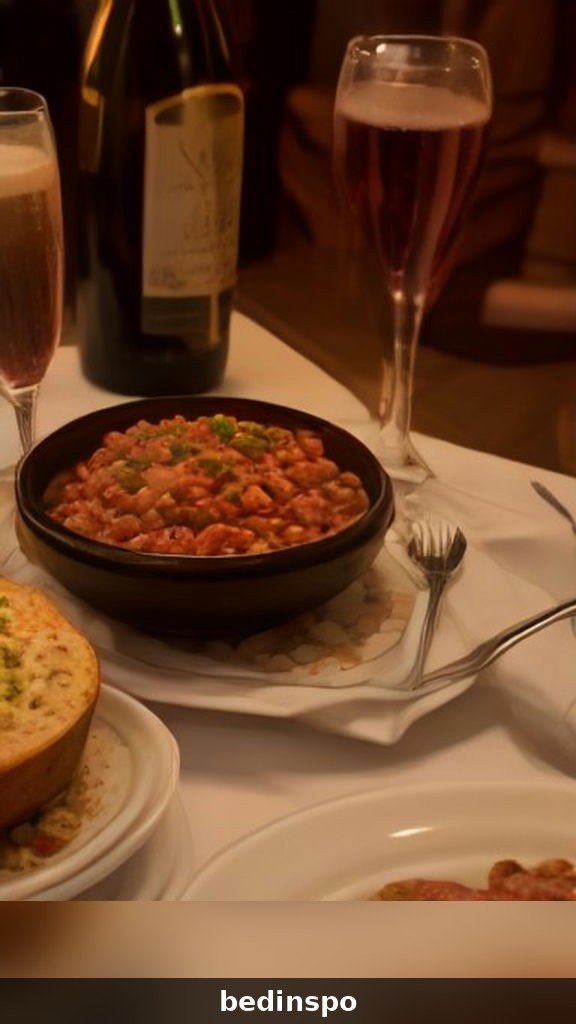
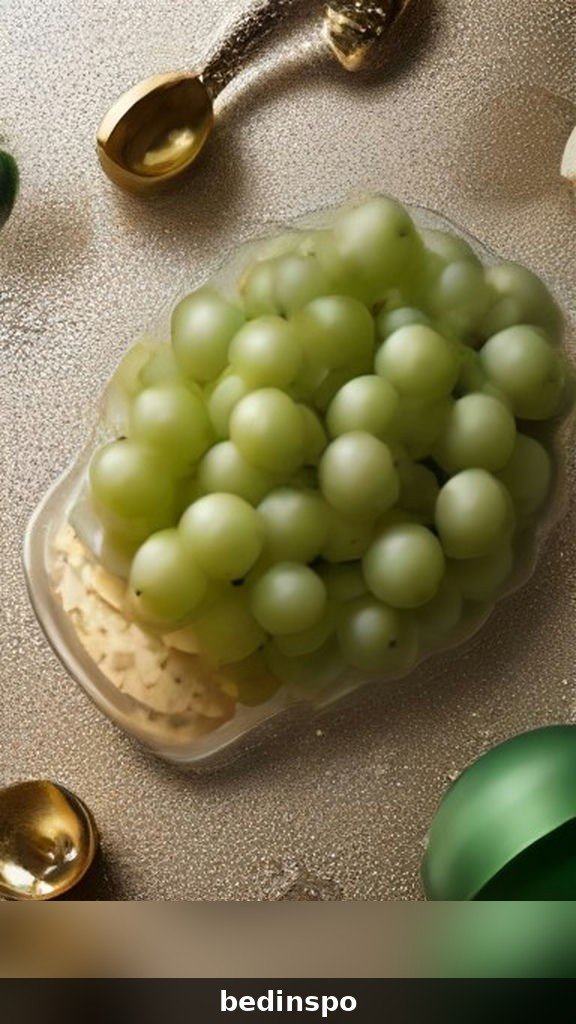
In Spain, the most famous New Years tradition is eating twelve grapes at midnight — one for each stroke of the clock. As the clock in Madrid’s Puerta del Sol strikes twelve, millions of Spaniards pop a grape into their mouth with each chime, hoping that a sweet grape means a sweet month ahead and a sour one warns of a tricky month. The tradition, called las doce uvas de la suerte, dates back to the late nineteenth century, and it is taken very seriously indeed.
The trick is preparation: peel and seed your grapes in advance, and have a glass of cava ready to wash them down. Children love this tradition, and adults find it hilariously difficult to chew and count at the same time. If you want to try it at home, buy small seedless grapes, gather your family around the television or a clock, and count down together. It is a joyful, messy, delicious way to welcome the new year, and it connects you to millions of people celebrating the exact same moment.

2. Hogmanay First Footing in Scotland
In Scotland, New Years Eve is called Hogmanay, and it is celebrated with more passion than Christmas itself. The most beloved Hogmanay tradition is first footing: the first person to cross the threshold of a home after midnight brings luck for the coming year. Traditionally, the first footer should be a tall, dark-haired man carrying gifts of coal, shortbread, salt, and whisky — symbols of warmth, food, flavor, and good cheer.
The custom is so cherished that neighbors plan their first footing visits in advance, and Edinburgh’s Hogmanay street party is one of the biggest New Years celebrations in the world, with torchlight processions, fireworks over the castle, and thousands of people linking arms for Auld Lang Syne. To try first footing at home, choose your first footer, prepare a small gift, and step over the threshold just after midnight with a hearty “Happy New Year.” It is a warm, generous tradition that turns a simple visit into a blessing.
3. Temple Bells in Japan
In Japan, the new year is welcomed with the solemn, beautiful sound of temple bells. At Buddhist temples across the country, the great bell is rung 108 times at midnight in a ceremony called Joya no Kane. Each ring represents one of the 108 earthly desires or worries that cloud the human heart, and as the bell sounds, the old year is cleansed away, leaving the spirit clear for the new one.
Families visit the temple together, often in kimono, and visitors are sometimes invited to ring the bell themselves. The atmosphere is peaceful and reflective, a striking contrast to the fireworks and parties of other countries. After the bells, families eat toshikoshi soba — long buckwheat noodles that symbolize a long and healthy life — and visit a shrine for hatsumode, the first prayer of the year. This tradition is a reminder that the new year can begin with quiet reflection as well as celebration.
4. Fireworks Over Sydney Harbour in Australia
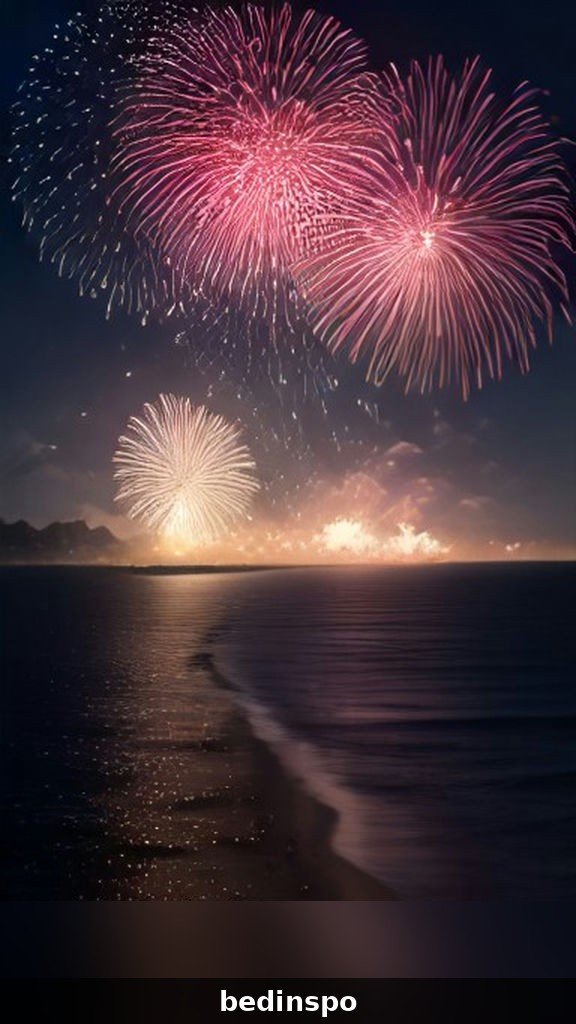
Sydney is one of the first major cities in the world to welcome the new year, and its fireworks display over the Harbour Bridge and Opera House is legendary. More than a million people gather around the harbour, and hundreds of millions watch on television, as two spectacular shows light up the sky — a family display at 9 p.m. and the famous midnight show. The fireworks are choreographed to music, and the bridge itself becomes part of the display with its glowing effects.
The celebration begins hours earlier with boat parades, concerts, and picnics along the waterfront, and the whole city feels like one giant party. Because Sydney is in the Southern Hemisphere, New Years Eve falls in the middle of summer, so the celebration happens under warm skies with barbecues and beach gatherings. If you ever get the chance to see it in person, it is unforgettable — but even on television, the sight of fireworks bursting over the Opera House is one of the most beautiful images of the holiday anywhere on earth.
5. Red Underwear for Luck in Latin America
In many Latin American countries, including Mexico, Brazil, and Chile, wearing red underwear on New Years Eve is believed to bring love in the coming year, while yellow underwear brings money and white brings peace. The tradition is so popular that shops fill their windows with red and yellow underwear throughout December, and families often gift a pair to each other as a playful good-luck charm.
The custom is light-hearted and fun, and it pairs with other regional traditions: in Mexico, people sweep the house to clear out bad luck, and in Brazil, crowds dressed in white gather on Copacabana Beach to jump seven waves and make seven wishes. To borrow this tradition, choose your color based on what you hope for — red for love, yellow for prosperity, white for harmony — and wear it under your party outfit. It is a secret little ritual that makes the whole evening feel luckier.
6. Smashing Plates in Denmark
In Denmark, one of the most joyful New Years traditions is also one of the messiest: smashing plates on the doorsteps of friends and family. On New Years Eve, Danes save up old plates and crockery, then sneak to the homes of people they love and smash the dishes against the front door. The bigger the pile of broken china on your doorstep in the morning, the more friends you have — and the more luck you will enjoy in the new year.
The tradition is accompanied by another Danish custom: jumping off a chair at midnight. As the clock strikes twelve, everyone stands on a chair and leaps into the new year together, landing with a cheer and a toast. Both customs are loud, silly, and wonderfully communal, and they turn the new year into a shared leap of faith. If you try the plate smashing at home, use old dishes and clean up together in the morning — the mess is part of the memory.
7. Eating Lentils for Prosperity in Italy
In Italy, New Years Eve dinner ends with a dish of lentils and cotechino, a rich pork sausage, eaten just after midnight for good luck and prosperity. The small, round lentils are said to resemble coins, so eating them is believed to bring wealth in the coming year — the more you eat, the richer you will be. Families gather for the cenone, the grand New Years dinner, and the lentils are the most symbolic dish on the table.
The meal is a feast of many courses, with seafood, sparkling wine, and panettone, and it stretches late into the night with conversation and laughter. In some regions, people also wear red underwear for luck, and in Naples, old household items are traditionally thrown from windows to clear out the old year — a custom now replaced by safer celebrations. The lentil tradition is easy to borrow: cook a simple lentil dish, serve it at midnight, and toast to a prosperous year ahead.
8. The Ball Drop in New York City
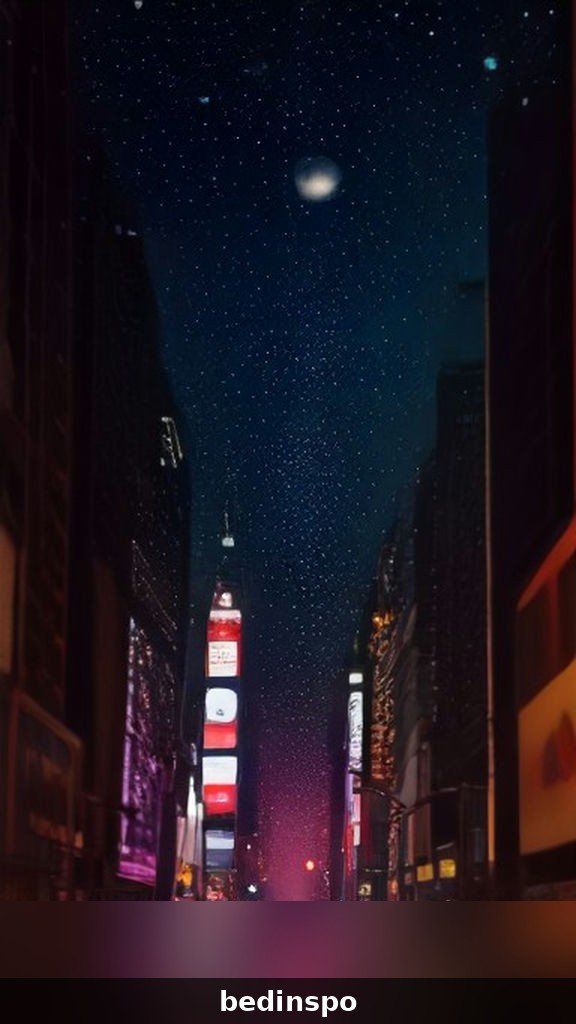
Few images are as iconic as the ball dropping in New York City’s Times Square. Since 1907, a glittering crystal ball has descended a flagpole at midnight, watched by a million people in the square and a billion more on television around the world. The countdown, the confetti, and the roar of the crowd as the ball lands have become the defining image of New Years Eve for generations.
The tradition began as a safer alternative to fireworks, which had been banned, and the ball itself has grown more spectacular over the years — today it is covered in thousands of Waterford crystal triangles and lit by tens of thousands of LED lights. Revelers arrive hours early, braving the cold in hats and gloves, to claim a spot. Whether you watch it in person or from your sofa, the ball drop is a shared global moment, a countdown that unites strangers across every time zone in a single cheer.
9. Jumping Seven Waves in Brazil
In Brazil, New Years Eve is celebrated on the beaches, most famously at Copacabana in Rio de Janeiro, where more than two million people dressed in white gather for Reveillon. The most beloved ritual is jumping seven waves: as the clock strikes midnight, beachgoers run into the sea and jump over seven waves, making a wish with each one. The white clothing symbolizes peace, and the waves carry away the old year.
Many celebrants also offer flowers to Yemanja, the goddess of the sea, floating white blooms on the water as a gift and a prayer for the year ahead. The celebration continues all night with music, dancing, and fireworks over the ocean, and the atmosphere is joyful, spiritual, and deeply communal. To borrow the spirit of this tradition, write seven wishes on paper, read one aloud with each wave of a toast, or simply jump seven times in your living room — the wishes, not the ocean, are what matter.
10. Kissing Under the Mistletoe and Midnight Kisses
The midnight kiss is one of the most romantic New Years traditions in the English-speaking world, and its roots reach back centuries. Kissing the person you love at the stroke of midnight is said to ensure affection and good luck for the year ahead, while failing to kiss someone is thought to bring a year of loneliness. The tradition likely comes from ancient Roman and Germanic winter festivals, where mistletoe symbolized love and fertility.
Today, the midnight kiss is the centerpiece of countless parties, films, and songs, and couples plan their evening around that single moment. Some historians trace it to the masked balls of old Europe, where a kiss at midnight sealed the year’s new beginnings. Whether you share a kiss with a partner, a hug with a friend, or a cheer with the whole room, the tradition is really about connection — starting the year wrapped in the arms of someone you love.
11. Burning Effigies in Ecuador
In Ecuador, New Years Eve is marked by the burning of effigies — large dolls stuffed with sawdust and fireworks, often dressed to look like politicians, celebrities, or unpopular figures from the year. Families build their mono together, parade it through the streets, and set it alight at midnight, watching the old year’s troubles go up in flames. The tradition, called the quema del ano viejo, is both a protest and a celebration.
Children ask for coins to “burn the old year,” and neighborhoods compete for the biggest, funniest effigy. The bonfires light up the streets, and the whole community gathers to watch, cheer, and toast the new year. The ritual is a powerful symbol of letting go: whatever went wrong this year is burned away, and the new year starts clean. It is a vivid reminder that sometimes the best way to move forward is to let the past go — quite literally — in flames.

12. First Sunrise in South Korea
In South Korea, many people welcome the new year not at midnight, but at dawn, by watching the first sunrise of the year. Crowds gather on beaches, mountaintops, and famous viewpoints like Homigot and Jeongdongjin, braving the cold to see the sun rise on January 1st. The first sunrise is believed to bring good fortune, and making a wish as the sun appears is a cherished ritual.
The celebration is quiet and reflective, with hot drinks, warm clothes, and a shared sense of hope. Families also eat tteokguk, a rice cake soup, on New Years Day — eating a bowl is said to make you a year older. The sunrise tradition is a beautiful alternative for anyone who prefers a calm, hopeful start to the year, and it is easy to borrow: set an alarm, find a good viewpoint, and watch the first light of the new year together.
13. Polka Dots for Wealth in the Philippines
In the Philippines, New Years Eve is a feast of round things. Filipinos believe that round shapes — like coins — attract wealth, so families fill their tables with twelve round fruits, wear polka-dot clothing, and scatter coins around the house. The Media Noche, the midnight feast, is a grand family gathering with roast pork, pancit noodles for long life, and sticky rice cakes for togetherness.
Children fill their pockets with coins and jump at midnight, believing the jump will make them grow taller in the new year. Firecrackers light up the streets, and families stay together until dawn, eating, singing, and playing games. The tradition is joyful, generous, and deeply family-centered, and it is easy to borrow: set out twelve round fruits, wear something polka-dotted, and jump for joy at midnight. The symbolism is simple — round means rich, and rich means blessed.
14. The Loaf of Vasilopita in Greece
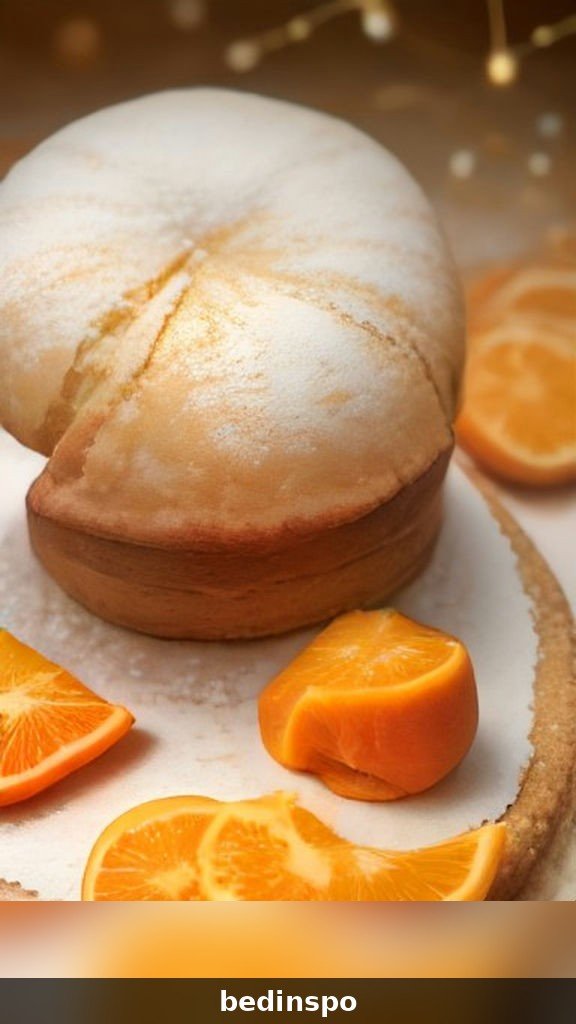
In Greece, the new year is celebrated with vasilopita, a sweet cake or bread baked with a coin hidden inside. The cake is cut at midnight or on New Years Day, and whoever finds the coin in their slice is blessed with good luck for the whole year. The head of the household cuts the first piece for Christ, the second for the house, and then a piece for each family member, in order of age.
The tradition honors Saint Basil, whose feast day falls on January 1st, and it is one of the most cherished family rituals in Greek culture. The cake itself is fragrant with orange and vanilla, and the moment of cutting is full of suspense and laughter. To try it at home, bake a simple sweet bread, hide a clean wrapped coin inside, and cut it with ceremony. The lucky winner gets bragging rights — and, tradition says, a fortunate year.
15. Cleaning the House in China
In China, the Lunar New Year is the great celebration, and its most important preparation is a thorough house cleaning in the days before. Families sweep away dust, wash windows, and clear out clutter, believing that a clean home sweeps away bad luck and makes room for good fortune. The cleaning must be finished before New Years Day, because sweeping on the day itself is thought to sweep away the new year’s luck.
The celebration itself is a riot of color and sound: red lanterns, dragon dances, fireworks to scare away evil spirits, and red envelopes of money for children. Families gather for a reunion dinner, the most important meal of the year, and stay up late together to see out the old year. The cleaning tradition is a wonderful one to borrow for any New Year: clear your space, clear your mind, and welcome the year into a home that is ready for it.
16. Water Splashing in Thailand
Thailand’s New Year, Songkran, falls in April rather than January, but its traditions are so joyful they deserve a place in any list. Songkran is a water festival: streets fill with people splashing each other with water, a ritual that washes away the past year and blesses the new one. Water is poured gently over Buddha statues and over the hands of elders as a sign of respect, and everyone — young and old — ends the day soaked and laughing.
The festival is also a time for visiting temples, making merit, and spending time with family. People wear bright floral shirts, and the whole country turns into a celebration. The lesson of Songkran is simple and universal: the new year is a chance to be cleansed, refreshed, and renewed. Even a small water ritual — washing your hands together at midnight, or splashing a little water on your doorstep — can carry that spirit into a January celebration.
17. The Twelve Days of Christmas and Twelfth Night in England
In England, the Christmas season traditionally runs for twelve days, ending on Twelfth Night, January 5th, and the New Year sits at its heart. Old English customs include wassailing — singing door to door with a bowl of spiced cider — and the tradition of the first foot, shared with Scotland. In some villages, people still carry a flaming tar barrel through the streets or light a bonfire to drive away winter darkness.
The most famous English contribution to New Years Eve is Auld Lang Syne, the song written by Robert Burns that is now sung at midnight around the world. The words mean “for old time’s sake,” and the song is a toast to old friends and old days. Whether you sing it in London or in Los Angeles, it connects you to centuries of New Years Eves. To borrow the English tradition, learn the words, link arms with your friends at midnight, and sing it together — it never fails to move a room to tears.
18. Eating Round Foods and Lucky Noodles in Japan and Korea
Across East Asia, long noodles symbolize long life, and eating them at New Years is one of the most delicious traditions in the world. In Japan, families eat toshikoshi soba on New Years Eve — the long buckwheat noodles are easy to cut, which symbolizes letting go of the year’s hardships, and their length promises a long life. In Korea, tteokguk rice cake soup is eaten on New Years Day, and in China, long-life noodles are served at every celebration.
The noodles are more than a meal; they are a wish you can eat. Families slurp them together, laughing at the mess, and children are told not to bite the noodles short — the longer the noodle, the longer the life. To borrow this tradition, cook a simple noodle dish for your New Years Eve dinner, serve it with ceremony, and toast to a long, healthy year. It is a tradition that is easy, delicious, and full of meaning.
19. Dropping Objects at Midnight in the United States
America loves a midnight drop. New York has its crystal ball, but cities across the country have invented their own: a giant peach drops in Atlanta, a pickle descends in North Carolina, a Hershey’s Kiss falls in Hershey, Pennsylvania, and a huge wedge of cheese drops in Wisconsin. Each town chooses an object that represents its local pride, and thousands gather to watch it fall as the clock strikes twelve.
The tradition is playful, local, and wonderfully American — a celebration of community identity as much as of the new year. It began with the Times Square ball in 1907 and spread as towns looked for their own signature moment. If your town has a drop, go and see it; if it does not, invent one at home — drop a disco ball, a golden balloon, or a sparkling ornament from a ladder at midnight. The object matters less than the shared countdown and the cheer that follows.
20. Wearing White in Brazil and Beyond
In Brazil, wearing white on New Years Eve is almost a law of nature. Millions of people dress head to toe in white — a color that symbolizes peace, purity, and renewal — and gather on the beaches for Reveillon. The sight of two million people in white on Copacabana Beach, lit by fireworks, is one of the most beautiful images of the holiday anywhere in the world.
The tradition has spread far beyond Brazil, and white New Years parties are now popular in many countries. White is also worn in parts of Italy and other Latin American countries for the same reason: to start the year clean and peaceful. To borrow this custom, ask your guests to wear white to your party, and watch the room glow. It is simple, elegant, and deeply symbolic — a whole party dressed in hope.
21. The Strawberry and Champagne Toast in Russia
In Russia, New Years is the biggest holiday of the year — bigger than Christmas — and it is celebrated with a feast, a decorated tree called the yolka, and a visit from Ded Moroz, Grandfather Frost. The most beloved tradition is writing a wish on a piece of paper, burning it as the clock strikes twelve, dropping the ashes into a glass of champagne, and drinking it before the last chime fades. If you manage it, your wish is guaranteed to come true.
The ritual is frantic, funny, and deeply serious all at once, and families practice it with great concentration. The feast includes olivier salad, herring under a fur coat, and sparkling wine, and the celebration lasts until dawn. The wish-burning tradition is easy to borrow: write your wish, burn it safely in a fireproof dish, and toast to it. It is a dramatic, memorable way to send your hopes into the new year.
22. The Quiet Night in Iceland
Iceland celebrates New Years Eve with some of the most spectacular fireworks in the world, but the evening begins with something quieter: families gather to watch Aramótakaffi, the annual comedy show on television, and to share a meal together. Then, at midnight, the whole country seems to explode — fireworks are sold by rescue services as a fundraiser, and the sky over Reykjavik fills with light as neighbors light bonfires called brennur.
The bonfires are community gatherings, where people sing, tell stories, and watch the old year burn away in the flames. After the fireworks, many Icelanders go to parties that last until dawn, and the city feels like one big celebration. The combination of a cozy family evening and a wild public midnight is uniquely Icelandic, and it is a reminder that the new year can be both quiet and loud, both private and shared.
23. The Golden Pig and Lucky Charms in Germany and Austria
In Germany and Austria, New Years Eve is called Silvester, and it is celebrated with fireworks, fondue, and lucky charms. The most famous is the Glucksschwein, the lucky pig — small marzipan pigs are given as gifts, and pigs appear on cards, cakes, and decorations everywhere. Pigs symbolize prosperity and good fortune in German culture, and receiving one is a wish for a rich year ahead.
Another beloved custom is Bleigiessen, or lead pouring: molten lead is poured into cold water, and the shape it forms is read like a fortune, predicting the year ahead. Today, safer wax versions are used, but the game remains the same — a playful glimpse into the future. Families also watch the comedy sketch Dinner for One, a British sketch that has become a German New Years institution. To borrow the tradition, give your guests a small marzipan pig and toast to a lucky year.

24. The First Foot and the Coal in Scotland’s Neighbors
The first-footing tradition is not only Scottish — versions of it exist across northern England, Ireland, and the Isle of Man, each with its own local flavor. In some places, the first footer should carry a piece of coal for warmth, a loaf for food, and a coin for wealth, and must not speak until the gift is placed by the fire. In others, the first footer is expected to be a dark-haired stranger, because fair-haired visitors were once thought to bring bad luck.
The custom survives because it is fundamentally about generosity: the first person through the door brings gifts, not demands, and the household’s year is blessed by a neighbor’s kindness. It is a tradition that turns the simple act of visiting into a ceremony, and it reminds us that luck is something we bring to each other. If you borrow it, choose your first footer with care, prepare a small gift, and step through the door with a smile and a blessing.
25. A Global Midnight: Celebrating Every Time Zone
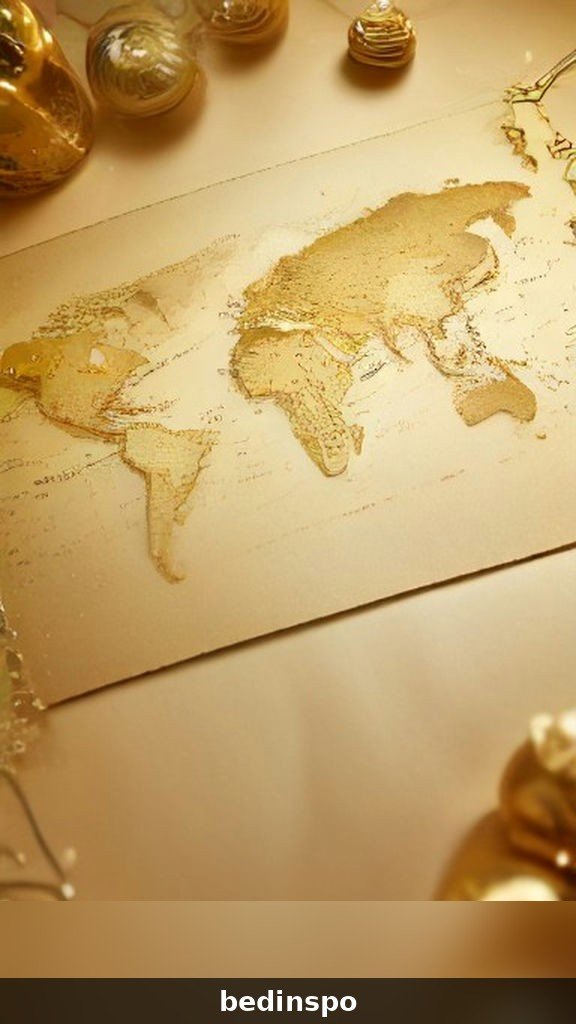
The most modern New Years tradition is also the most beautiful: celebrating the new year as it travels around the world. Because of time zones, the new year begins first in Kiribati, in the Pacific, and ends last in Hawaii and American Samoa — a journey of more than 26 hours. Families and friends now track the celebrations as they sweep across the globe, toasting Sydney at 8 a.m., London at 7 p.m., and New York at midnight, all from the same living room.
Some families hold a mini-countdown for each time zone, with a snack or a tradition from that country at each one. It is a wonderful way to teach children about geography, and a joyful reminder that the new year is not a single moment but a wave of hope that rolls around the planet. When your own midnight arrives, you are joining a celebration that has already been going for hours — and that will continue long after. The whole world is counting down with you.
Frequently Asked Questions
What is the most famous New Years Eve tradition in the world?
The Times Square ball drop in New York is the most watched, but the most widely practiced traditions are probably fireworks, the midnight toast, and the countdown itself, which appear in almost every country. Spain’s twelve grapes, Scotland’s first footing, and Japan’s temple bells are among the most distinctive and beloved local customs. Each one reflects what its culture values most, and all of them share the same hope: a fresh start.
Which countries celebrate New Years Eve first and last?
The island nation of Kiribati, in the Pacific Ocean, is the first place in the world to welcome the new year, followed by New Zealand and Australia. The last places are Hawaii and the islands of American Samoa, which celebrate nearly a full day later. Because of time zones, the new year takes more than 26 hours to travel around the planet, so the celebration is always happening somewhere.
Why do people eat grapes, lentils, and noodles on New Years Eve?
Foods with symbolic shapes are eaten for luck all over the world. Grapes in Spain represent the twelve months, lentils in Italy resemble coins and promise wealth, and long noodles in Japan and China symbolize a long life. Round foods in the Philippines attract money, and pork in many countries represents progress, because pigs root forward. These foods turn dinner into a wish you can eat.
What are some New Years traditions I can try at home?
Try Spain’s twelve grapes at midnight, Scotland’s first footing with a small gift, Brazil’s white clothing, or the Philippines’ twelve round fruits on your table. Write a wish on paper and burn it like they do in Russia, jump over seven waves in spirit, or bake a Greek vasilopita with a hidden coin. Most traditions need nothing more than a little preparation and a willing family, and borrowing one from another culture is a lovely way to honor the world.
Why do people wear red or white on New Years Eve?
Colors carry meaning in many cultures. Red is worn in Latin America and China for luck and love, white is worn in Brazil for peace and renewal, and gold is worn almost everywhere for prosperity. The colors are a way of dressing your hopes for the year ahead, and they make the celebration feel intentional. Choose a color that matches what you want most, and wear it proudly at midnight.
Is the new year celebrated on the same date everywhere?
No. While January 1st is the most common New Years Day, many cultures celebrate at other times: the Chinese Lunar New Year falls in January or February, the Jewish Rosh Hashanah is in autumn, and the Islamic New Year follows the lunar calendar. Thailand’s Songkran is in April, and the Hindu Diwali marks a new year for many. Each calendar has its own traditions, but all of them celebrate renewal, family, and hope.
Conclusion
From the twelve grapes of Spain to the temple bells of Japan, from the fireworks of Sydney to the bonfires of Iceland, the world welcomes the new year in a thousand different ways — and yet the feeling is the same everywhere. Every tradition in this guide is really about the same three things: letting go of the old year, blessing the new one, and doing it together with the people we love. The rituals differ, but the hope is universal.
So this New Years Eve, borrow a tradition or two from another corner of the world. Eat the grapes, jump the waves, wear the white, ring the bell, or simply raise a glass and sing Auld Lang Syne. The world is celebrating with you, one time zone at a time, and the new year is a gift we all share. Happy New Year, wherever you are — and may the year ahead be full of luck, love, and new beginnings.