7 Mistakes to Avoid When Designing a Small Bedroom
Designing a small bedroom can feel like a creative puzzle—every choice matters, from furniture placement to color selection. The 7 Mistakes to Avoid When Designing a Small Bedroom are often simple errors that unintentionally make your space feel tighter, darker, or more cluttered than it actually is. In 2026, small bedroom design is all about smart styling, visual balance, and multi-functional comfort rather than overcrowding the room with unnecessary pieces. When done right, even the smallest bedroom can feel airy, stylish, and incredibly cozy. The key is understanding what not to do just as much as what to do. Let’s explore the most common mistakes and how to easily fix them for a more open and beautiful space.
Overcrowding the Room with Too Much Furniture
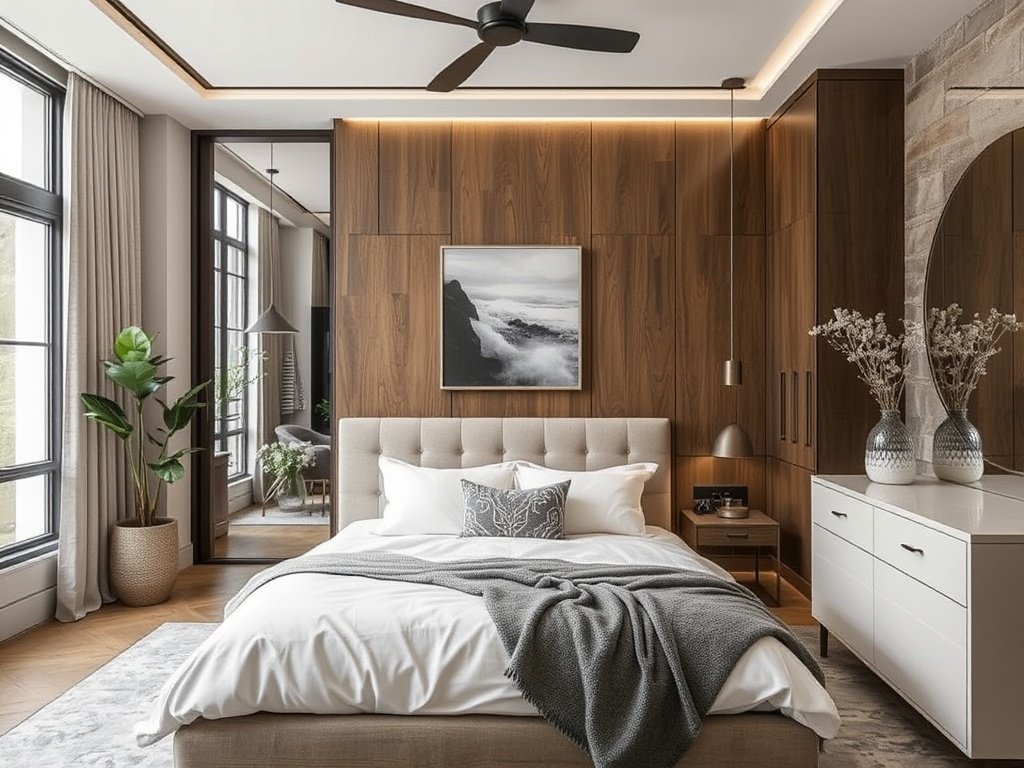
One of the biggest mistakes in small bedroom design is trying to fit too much furniture into a limited space. When every corner is filled, the room instantly feels cramped and difficult to move around in. Large wardrobes, extra chairs, or bulky décor pieces can overwhelm the layout. Instead of improving functionality, they often reduce comfort and flow. The better approach is to choose only essential furniture that truly serves a purpose. A bed, a compact nightstand, and smart storage are usually enough. Multi-functional furniture like storage beds or wall-mounted shelves can help save valuable floor space. Keeping the layout simple allows the room to feel more open and breathable.
Choosing Oversized or Bulky Furniture
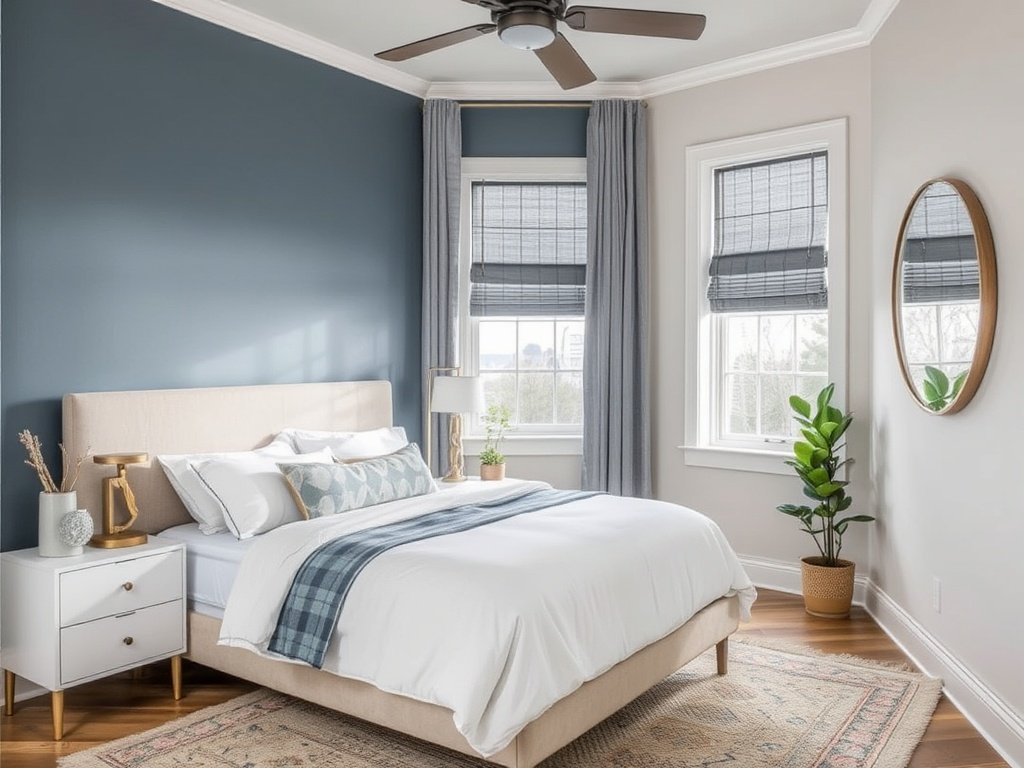
Another common mistake is selecting furniture that is too large for the scale of the room. A king-size bed in a compact bedroom, for example, can dominate the entire space and leave little room for anything else. Heavy, bulky furniture pieces also make the room feel visually dense and smaller than it really is. Instead, opt for sleek, low-profile designs that fit the proportions of the room. Light-colored furniture with slim legs can create a more open visual effect. Floating nightstands or wall-mounted storage are great space-saving alternatives. When furniture matches the scale of the room, everything feels more balanced and harmonious.
Poor Lighting That Makes the Room Feel Smaller
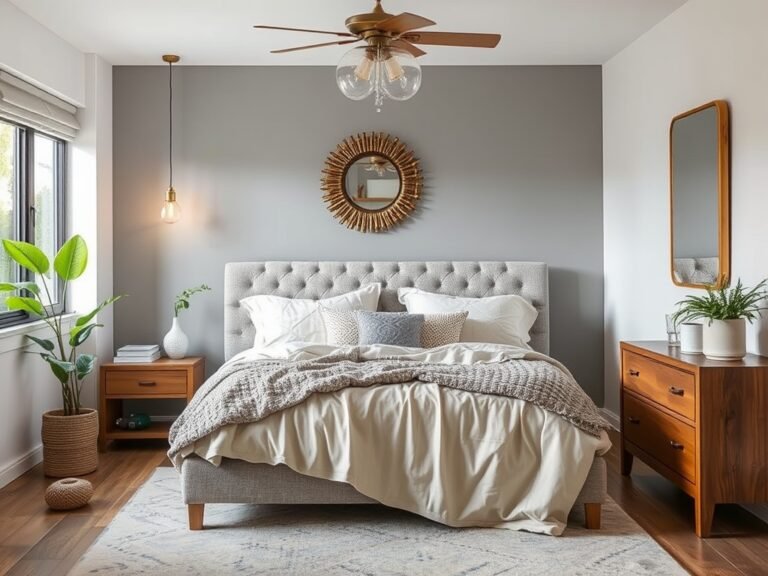
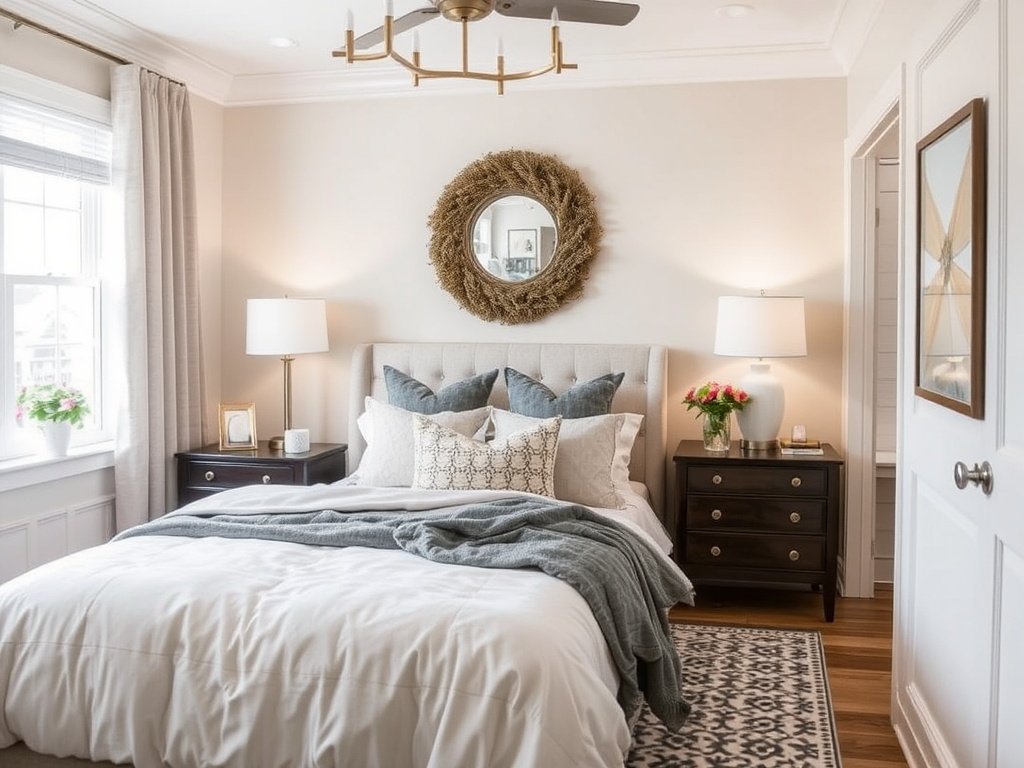
Lighting plays a huge role in how spacious a bedroom feels, yet it is often overlooked in small spaces. Relying on a single overhead light can make the room feel flat, harsh, and uninviting. Poor lighting also creates shadows that visually shrink the space. The fix is to use layered lighting that adds depth and warmth. Bedside lamps, wall sconces, and soft ambient lighting can completely transform the mood. Warm white bulbs help create a cozy yet open atmosphere. Even small additions like LED strips behind furniture can make a big difference. Good lighting instantly makes a small bedroom feel larger and more welcoming.
Ignoring Vertical Space for Storage
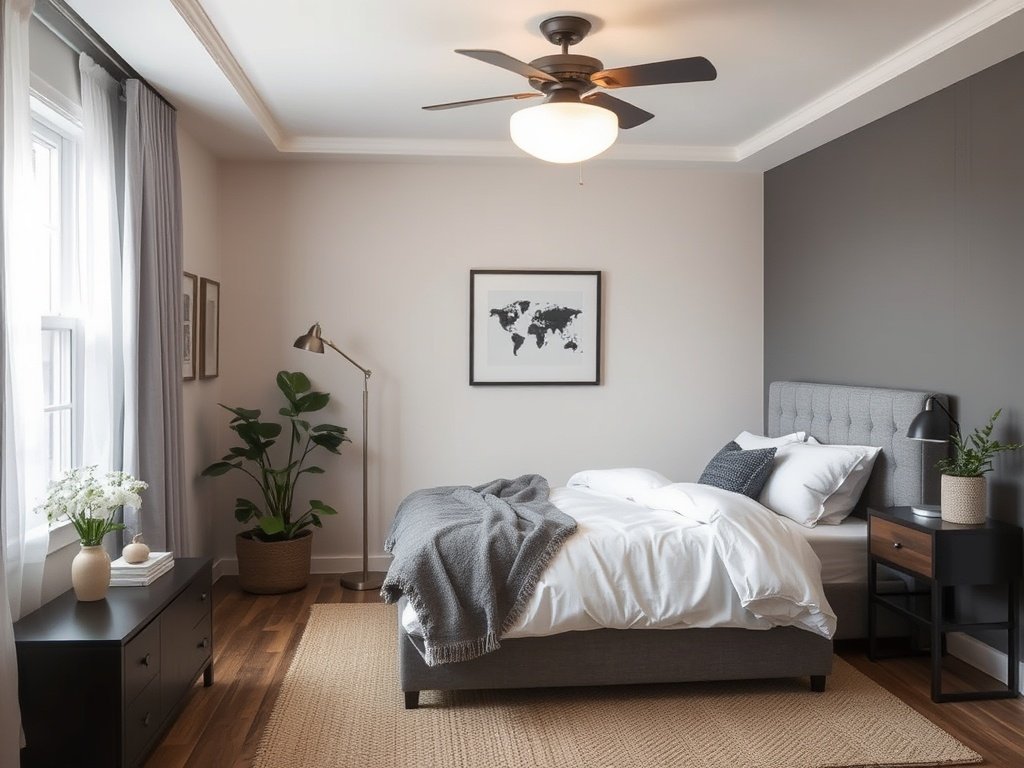
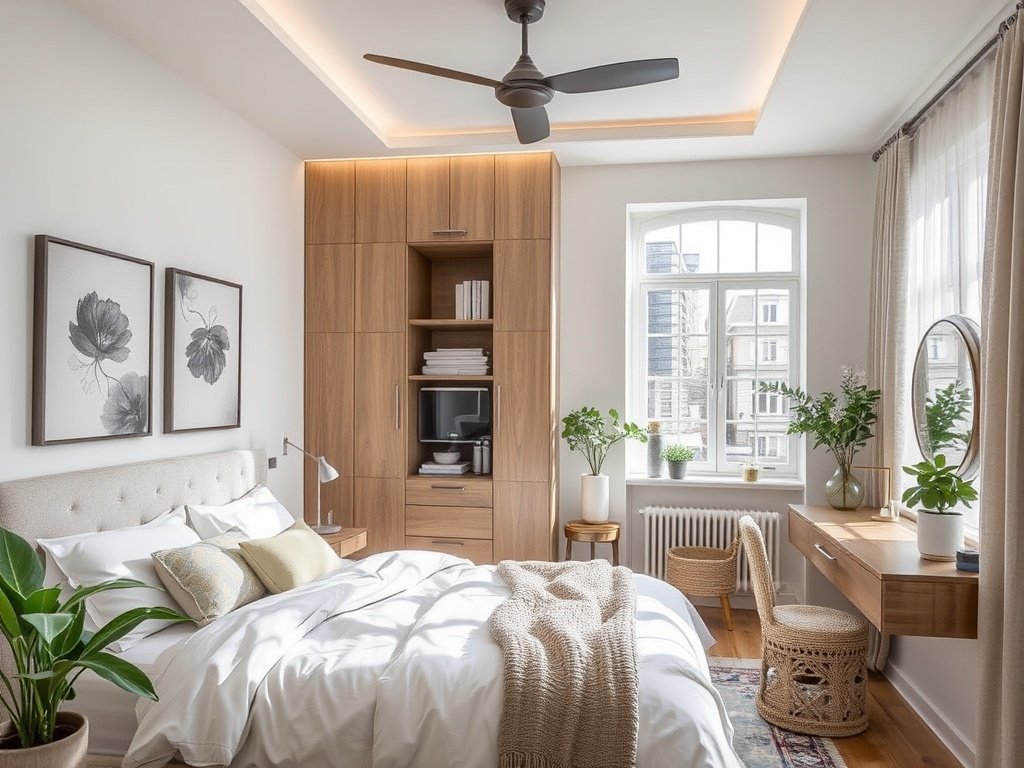
Many people focus only on floor space and forget how valuable vertical space can be in a small bedroom. This leads to unnecessary clutter and wasted storage potential. Walls often remain underutilized, leaving the room feeling disorganized. The solution is to think vertically by adding shelves, tall cabinets, or wall-mounted organizers. Vertical storage keeps the floor clear, which instantly makes the room feel more spacious. Hanging décor or storage above furniture also draws the eye upward, creating the illusion of height. This simple shift in thinking can completely change how functional your bedroom feels.
Using Dark Colors Without Balance
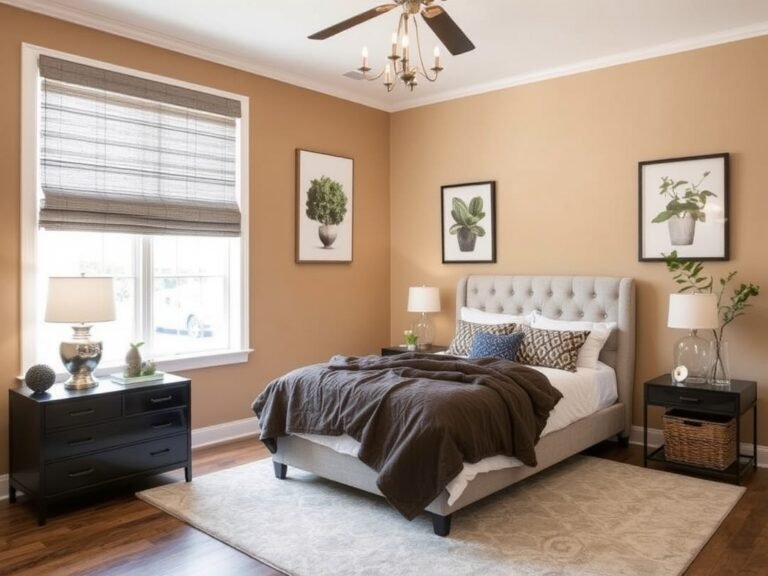
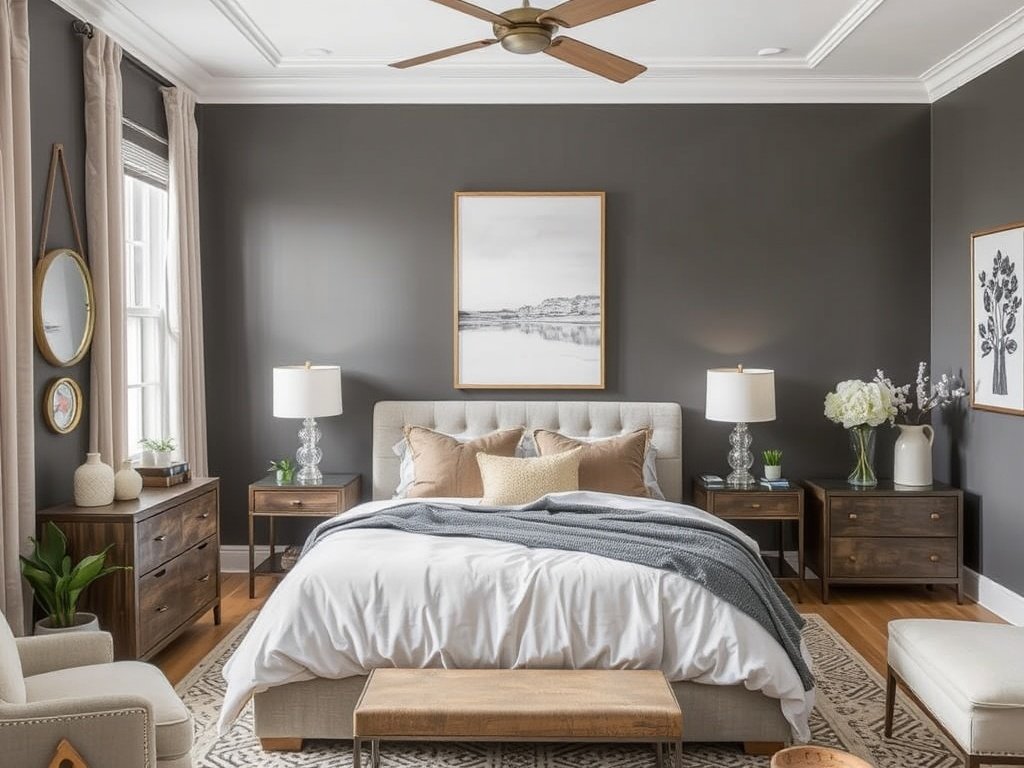
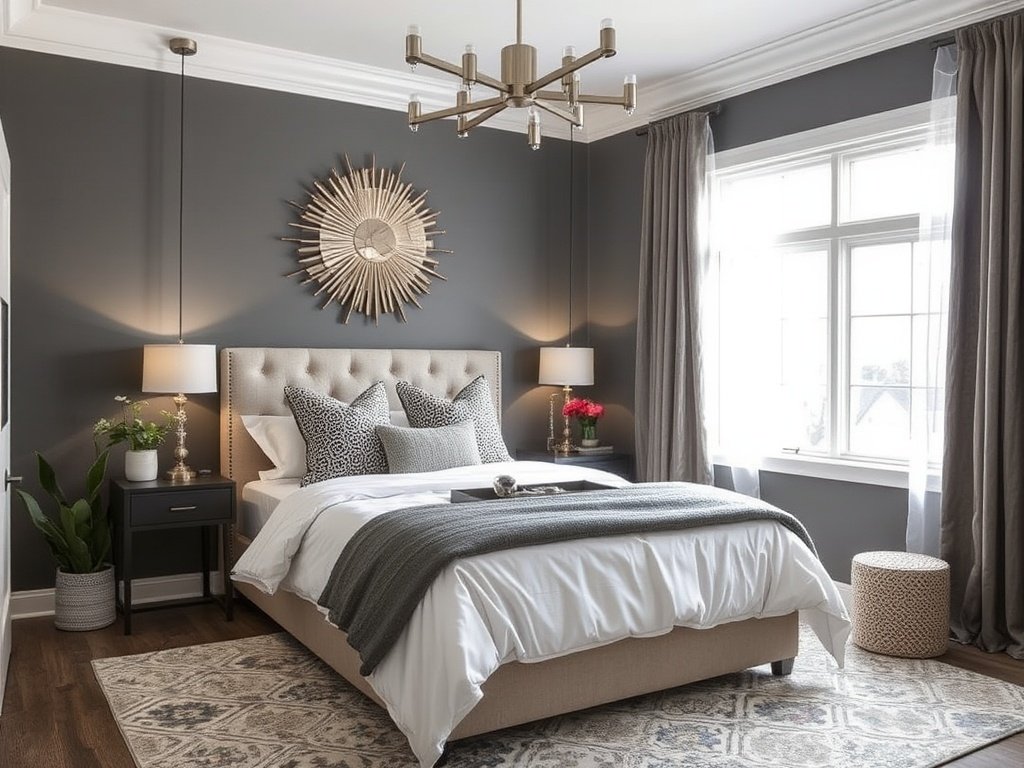
While dark colors can be beautiful and cozy, using them incorrectly in a small bedroom can make the space feel even smaller. Painting all walls in deep shades without balance can absorb light and reduce visual openness. This creates a heavy and enclosed feeling. However, this doesn’t mean dark colors should be avoided completely. The key is balance—pairing darker tones with lighter neutrals or reflective surfaces. Accent walls, soft lighting, and mirrors can help maintain brightness. When used thoughtfully, dark tones can actually add depth and elegance without shrinking the space.
Blocking Natural Light with Heavy Decor
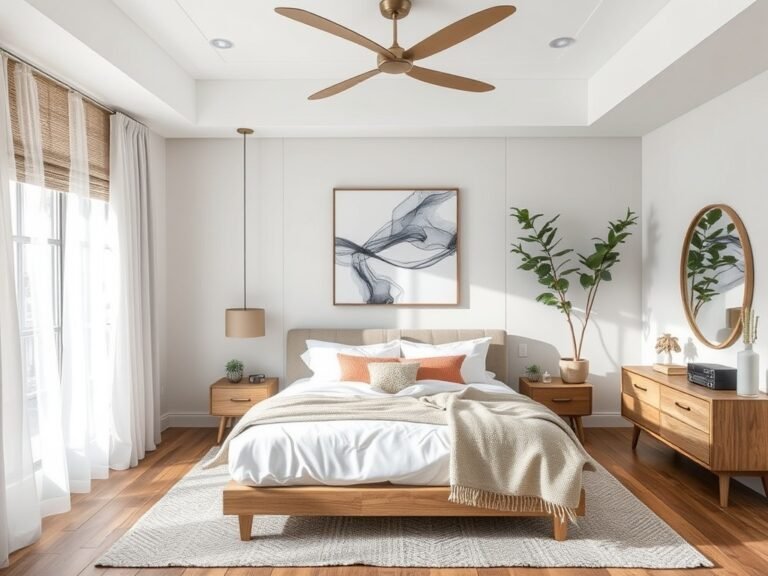
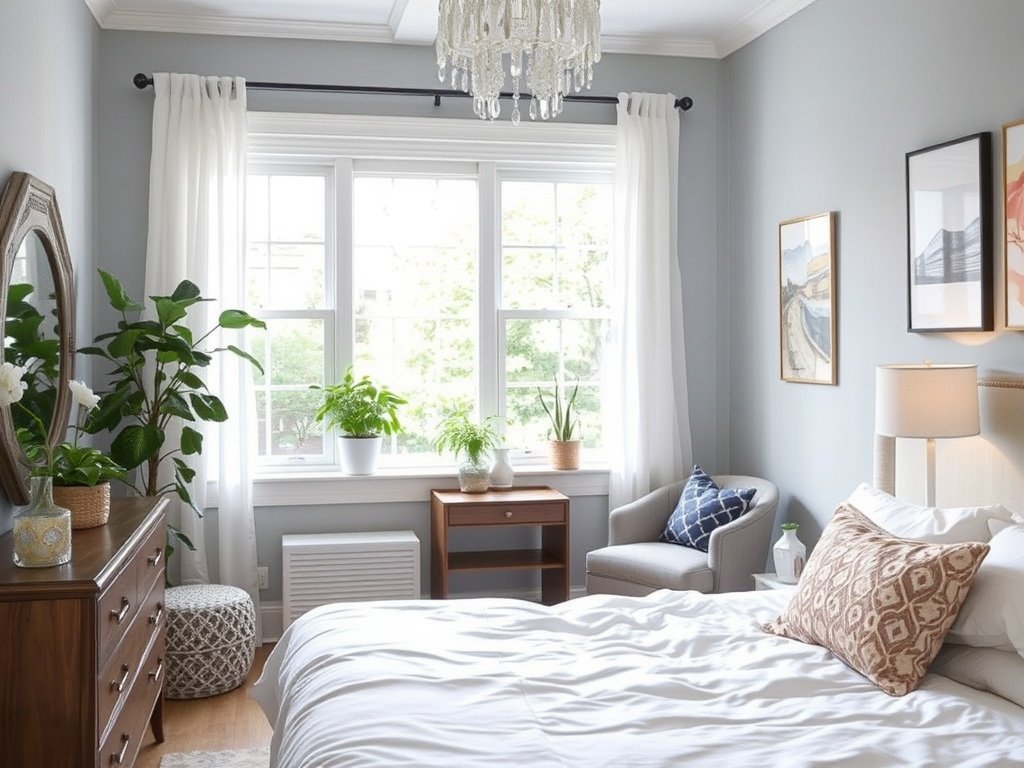
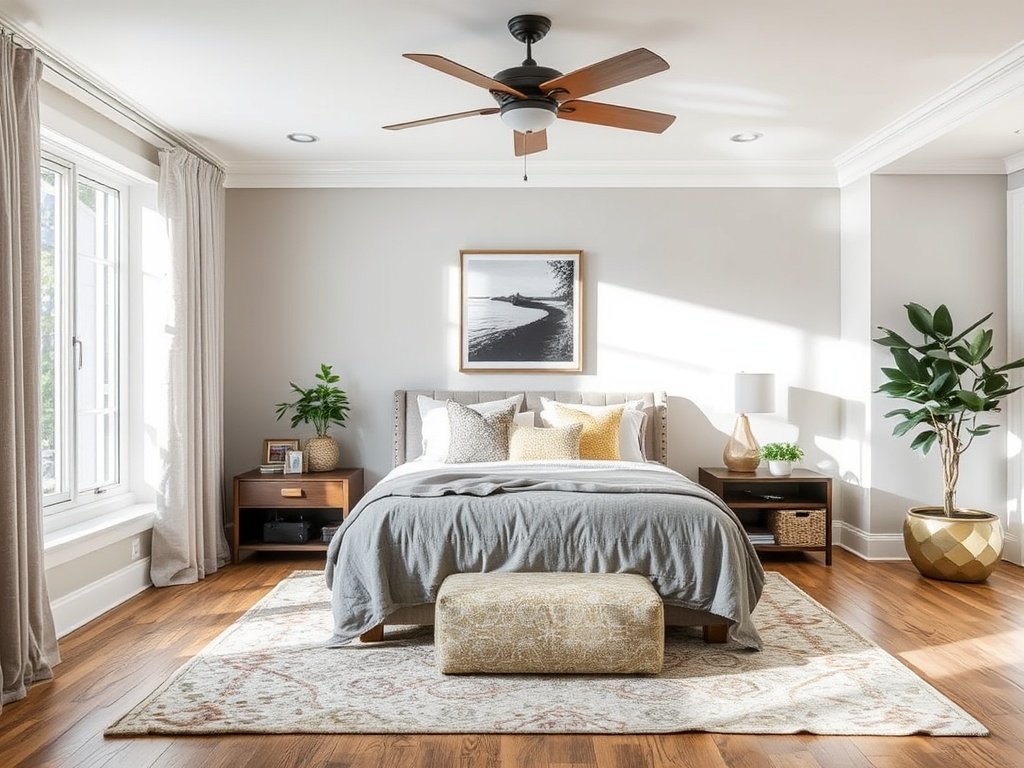
Natural light is one of the most powerful tools in small bedroom design, yet it is often blocked by heavy curtains or oversized furniture. When windows are covered too heavily, the room loses its brightness and feels more confined. Even the most stylish décor cannot compensate for a lack of natural light. The better approach is to use light, airy curtains such as sheer or linen fabrics. Keeping windows as open and unobstructed as possible allows sunlight to flow freely. Positioning furniture away from windows also helps maximize brightness. A well-lit room always feels larger and more inviting.
Over-Decorating Instead of Keeping It Simple
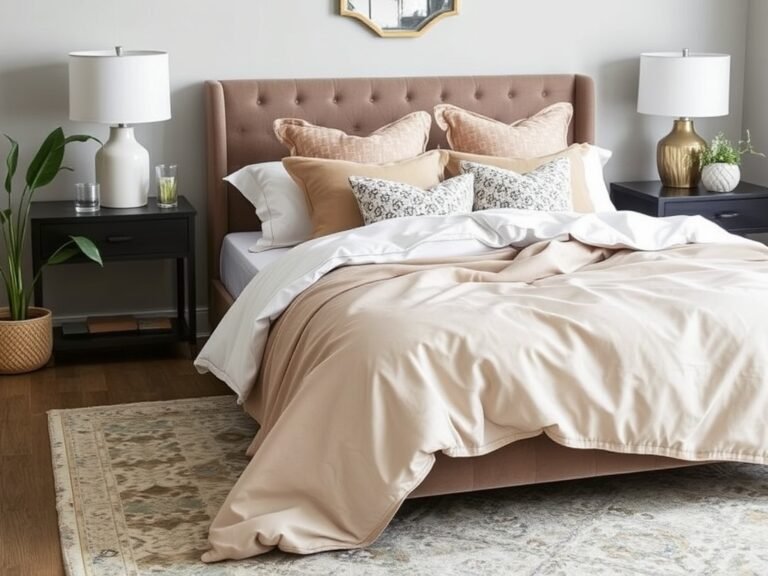
It’s easy to over-style a small bedroom in an attempt to make it look beautiful, but too many decorative items can quickly lead to visual clutter. Excess wall art, multiple patterns, and too many accessories can overwhelm the space. Instead of feeling cozy, the room starts to feel busy and chaotic. The solution is to embrace simplicity and choose décor with intention. A few carefully selected pieces can have a much stronger impact than many small ones. Keeping surfaces clean and styling minimal allows the room to breathe. In small bedrooms, less truly creates more elegance and calm.
Conclusion
Designing a small bedroom is all about balance, simplicity, and smart decision-making. The 7 Mistakes to Avoid When Designing a Small Bedroom highlight how small errors can have a big impact on the overall feel of your space. By avoiding overcrowding, choosing the right-sized furniture, improving lighting, and embracing minimal styling, you can completely transform your room. Even the tiniest bedroom can feel open, cozy, and beautifully designed when every element is intentional. The goal is not to make the room bigger, but to make it feel bigger and more comfortable. With the right approach, your small bedroom can become a peaceful, stylish retreat that feels just right.