14 Tiny Bedroom Ideas to Maximize Style, Space & Function
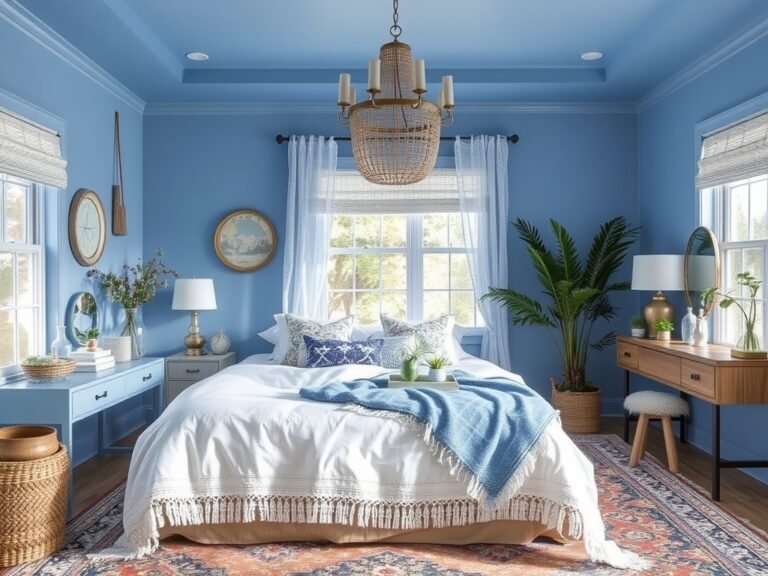
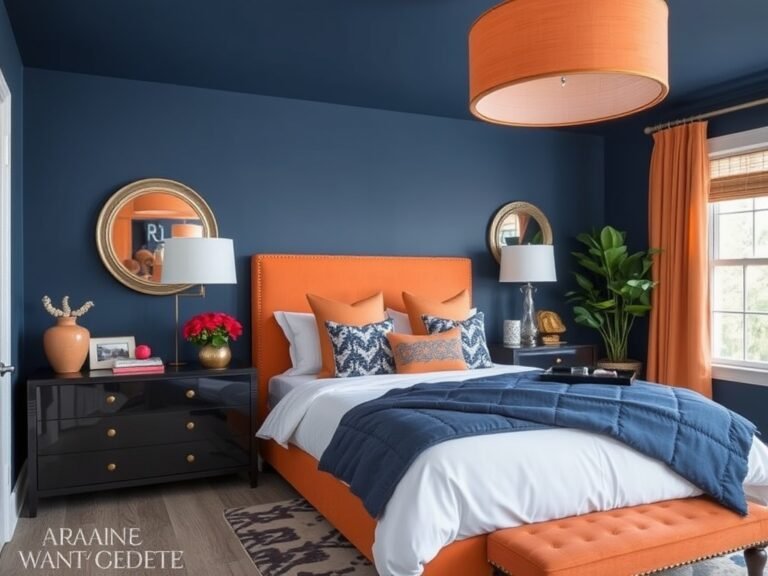
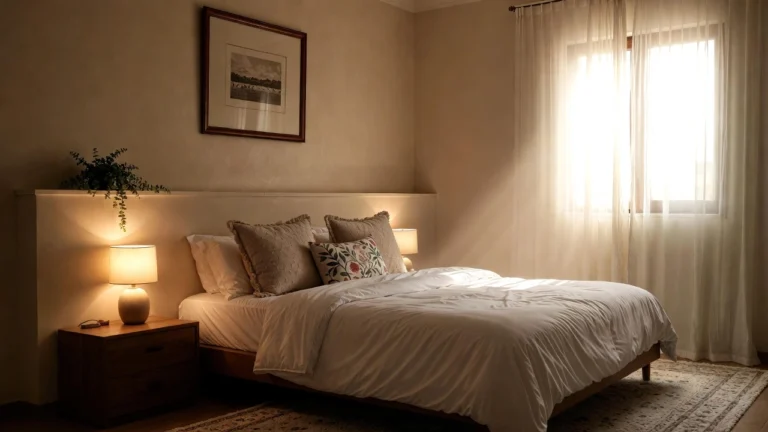
Designing a tiny bedroom can feel like a challenge, but with the right strategies, it can become one of the most stylish and functional spaces in your home. Small rooms require smart planning, creative storage solutions, and thoughtful decor choices to make every inch count. The goal is to balance practicality with aesthetics so the room feels open, organized, and inviting. Light colors, multi-functional furniture, and clever layouts can transform even the smallest bedroom into a comfortable retreat. By focusing on vertical space, minimizing clutter, and layering textures, you can create a space that feels larger than it actually is. Tiny bedrooms don’t have to compromise on style—they can be cozy, elegant, and highly efficient. These 14 ideas will help you maximize style, space, and function in your tiny bedroom effortlessly.
1. Use Light Colors to Open Up the Space
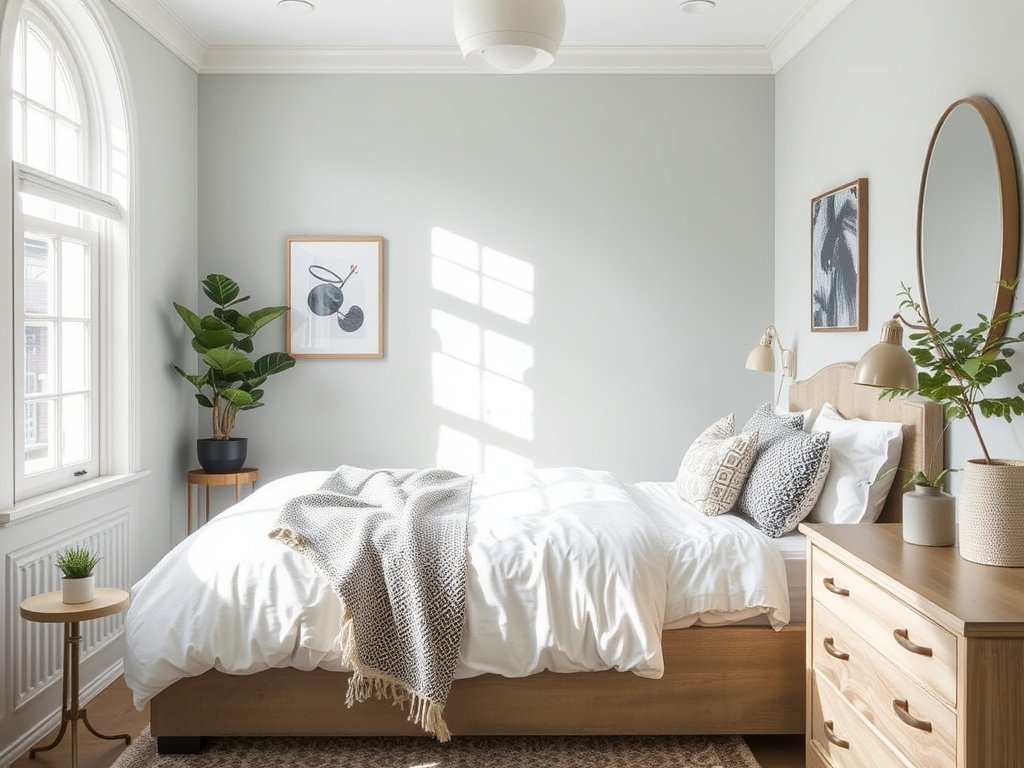
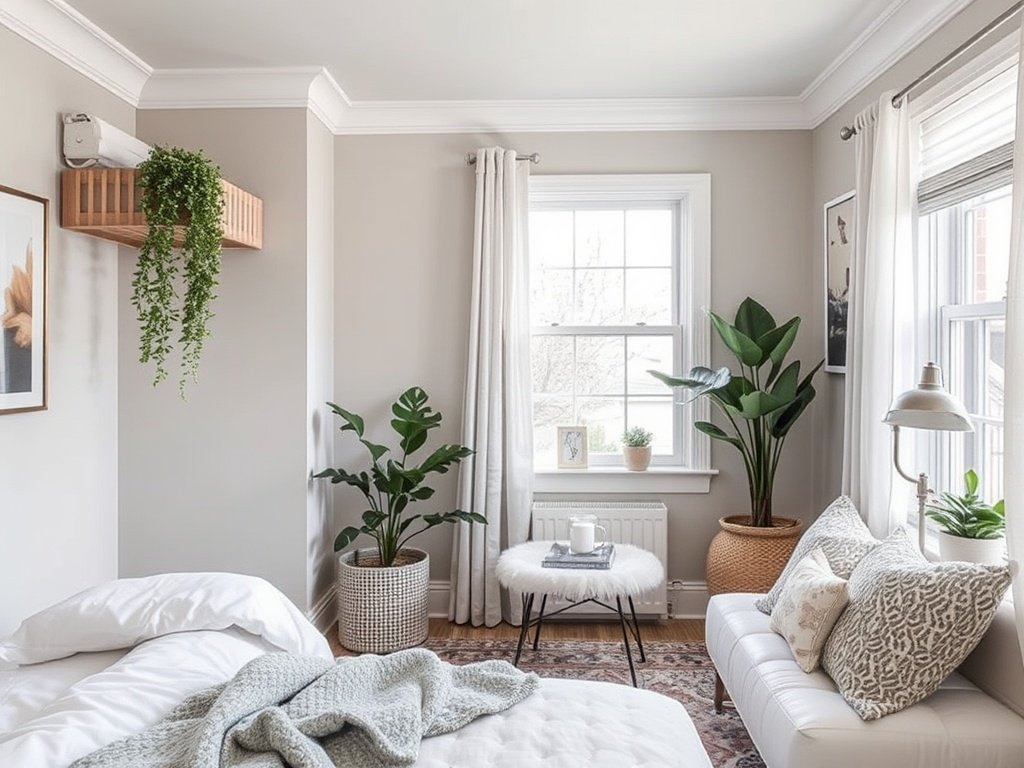
Light colors are one of the most effective ways to make a tiny bedroom feel larger and more open. Shades like white, cream, soft grey, and pastel tones reflect natural light, creating an airy and spacious atmosphere. These colors visually push the walls outward, reducing the feeling of confinement. Using a consistent light palette across walls, furniture, and bedding helps maintain cohesion. Adding subtle variations in tone prevents the room from looking flat. Light colors also create a calming environment, perfect for relaxation. Pairing them with natural textures adds warmth without heaviness. This approach ensures the room feels bright, inviting, and visually expanded.
2. Invest in Multi-Functional Furniture
Multi-functional furniture is essential for maximizing both space and usability in a tiny bedroom. Beds with built-in drawers, foldable desks, or storage ottomans help reduce clutter while increasing functionality. Each piece should serve more than one purpose to optimize limited space. Compact furniture with clean lines keeps the room visually light and uncluttered. Choosing pieces that blend seamlessly with the color palette enhances cohesion. Multi-functional designs allow the room to adapt to different needs, such as sleeping, working, or relaxing. This strategy ensures every item contributes to both style and practicality. It’s a smart way to make a small room highly efficient.

3. Utilize Vertical Space for Storage
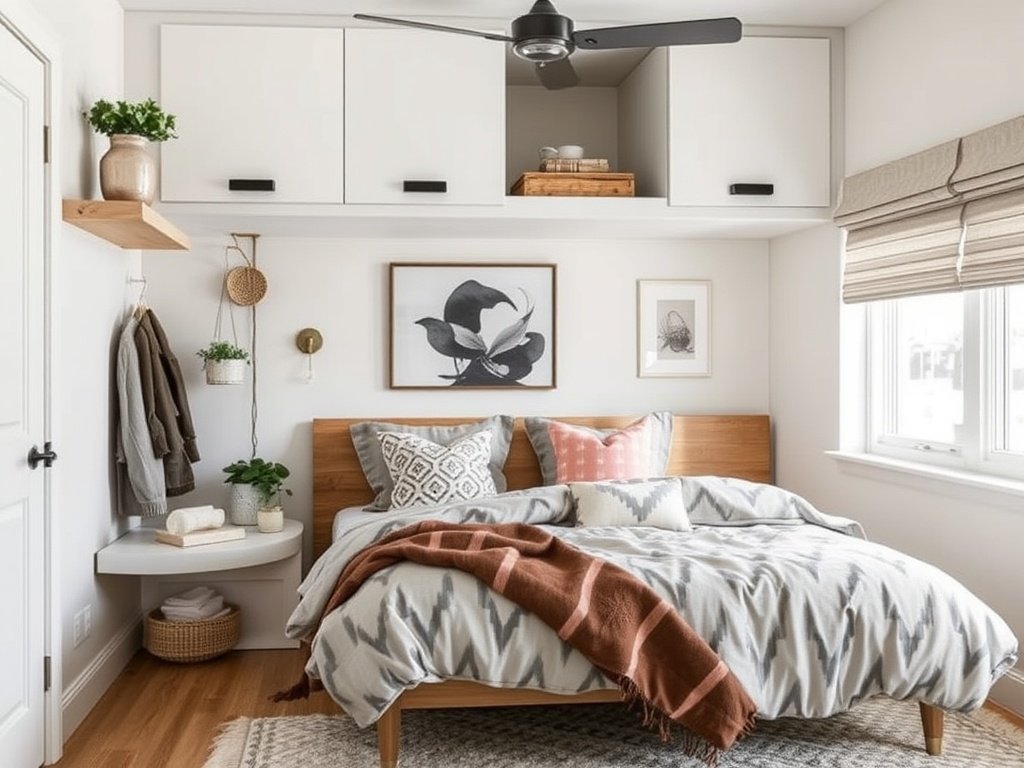
Vertical storage is key to making the most of a tiny bedroom. Wall-mounted shelves, tall cabinets, and hanging organizers free up valuable floor space. Using vertical space draws the eye upward, making the room appear taller and more open. Shelves can be used for books, decor, or everyday essentials, keeping them accessible yet organized. Hooks or pegboards add additional storage options without taking up space. Custom shelving around the bed or corners maximizes every inch. Vertical storage helps maintain a clean and clutter-free environment. It combines practicality with visual appeal, making the room feel more spacious.
4. Keep Furniture Minimal and Scaled
Choosing minimal and appropriately scaled furniture is essential in a tiny bedroom. Oversized pieces can overwhelm the space and make it feel cramped. Opt for slim profiles, clean lines, and compact designs that fit the room’s proportions. Keeping furniture minimal allows for better movement and flow. This approach also highlights textures and decor rather than crowding the space. Neutral or light-colored furniture blends seamlessly into the design. Carefully selecting each piece ensures the room remains functional and stylish. A well-balanced layout creates a sense of openness and comfort.

5. Use Mirrors to Create the Illusion of Space
Mirrors are a powerful tool for visually expanding a small bedroom. They reflect light and create the illusion of depth, making the room appear larger. Placing a mirror opposite a window maximizes natural light distribution. Full-length mirrors or mirrored furniture add both function and style. Decorative mirrors can also act as statement pieces. Using multiple smaller mirrors can create an interesting gallery effect. Mirrors enhance brightness and openness without taking up physical space. This simple addition significantly improves the room’s overall feel.

6. Opt for Light and Airy Window Treatments
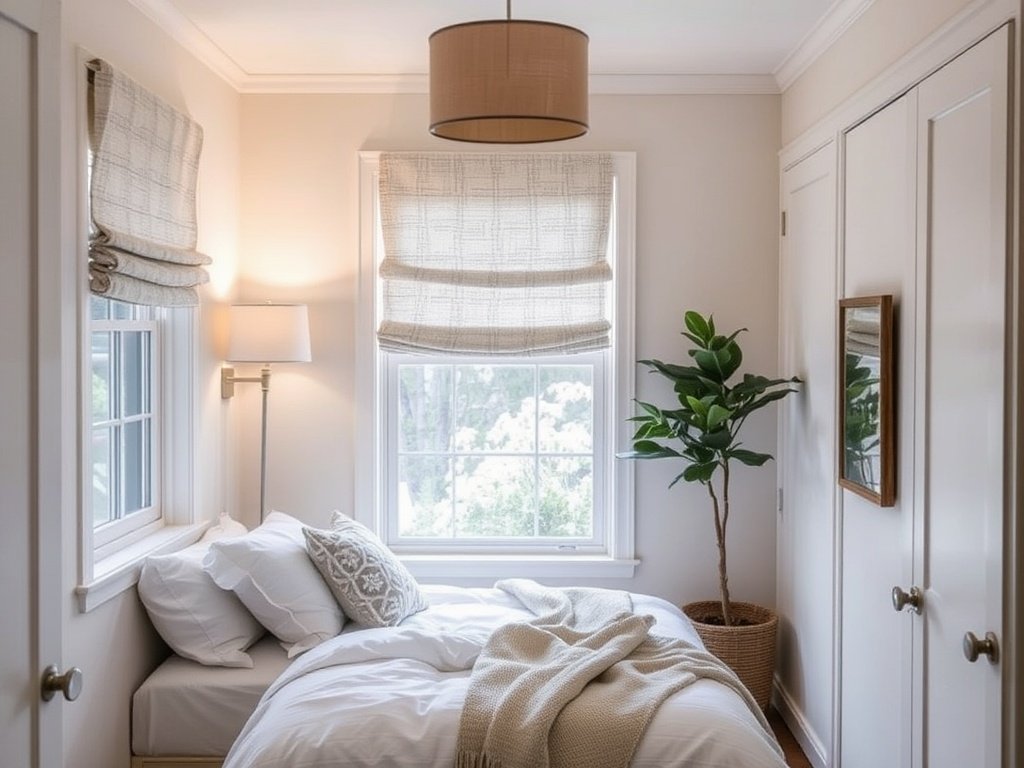
Window treatments play a significant role in how spacious a room feels. Sheer curtains or light-colored blinds allow natural light to filter through, maintaining brightness. Avoid heavy drapes that can make the room feel enclosed and dark. Hanging curtains high and wide can make windows appear larger. Light fabrics create a soft, breezy atmosphere that enhances openness. Minimal window treatments keep the focus on natural light. This approach ensures the room feels airy, fresh, and visually expanded. It also contributes to a relaxing and inviting ambiance.
7. Incorporate Smart Storage Solutions
Smart storage solutions help keep a tiny bedroom organized and clutter-free. Under-bed storage, built-in cabinets, and hidden compartments maximize space efficiently. Storage baskets, bins, or organizers can keep smaller items tidy. Using furniture with concealed storage maintains a clean aesthetic. Labeling or categorizing items improves accessibility and organization. Thoughtful storage prevents the room from feeling overcrowded. It ensures everything has its place while maintaining style. Smart storage is essential for balancing functionality with visual appeal.

8. Add Layered Lighting for Depth
Layered lighting enhances both functionality and ambiance in a tiny bedroom. Combining overhead lights, bedside lamps, and accent lighting creates depth and flexibility. Warm lighting makes the space feel cozy and inviting. Wall-mounted or hanging lights save valuable surface space. Dimmer switches allow you to adjust brightness for different moods. Proper lighting highlights textures and decor elements. Layered lighting ensures the room is well-lit without feeling harsh. It contributes to both practicality and style.

9. Use Rugs to Define and Add Warmth
Rugs can define areas within a tiny bedroom while adding warmth and texture. Light-colored or neutral rugs maintain an open feel while enhancing comfort. Placing a rug under the bed anchors the furniture and adds structure. Layering rugs can create visual interest without overwhelming the space. Soft materials provide comfort underfoot and enhance coziness. Rugs also help tie together different design elements. This addition improves both aesthetics and functionality. It makes the room feel complete and inviting.

10. Keep Decor Minimal but Meaningful
Minimal decor ensures the room remains uncluttered while still reflecting your personality. Choose a few meaningful pieces, such as artwork, photos, or decorative items. Keeping decor cohesive with the color palette maintains harmony. Avoid overcrowding surfaces with too many objects. Rotating decor occasionally can refresh the space. Thoughtful placement enhances visual appeal without adding clutter. Minimal decor allows the room’s design elements to shine. It creates a clean, stylish, and relaxing environment.

11. Add Floating Furniture to Save Space
Floating furniture, such as wall-mounted desks or shelves, frees up floor space and creates a modern look. This design choice makes the room feel less crowded and more open. Floating nightstands or storage units add functionality without bulk. Keeping the floor visible enhances the sense of space. This approach works especially well in extremely small bedrooms. It combines practicality with a sleek aesthetic. Floating furniture helps maintain a clean and organized layout. It contributes to both efficiency and style.
12. Incorporate Vertical Decor Elements
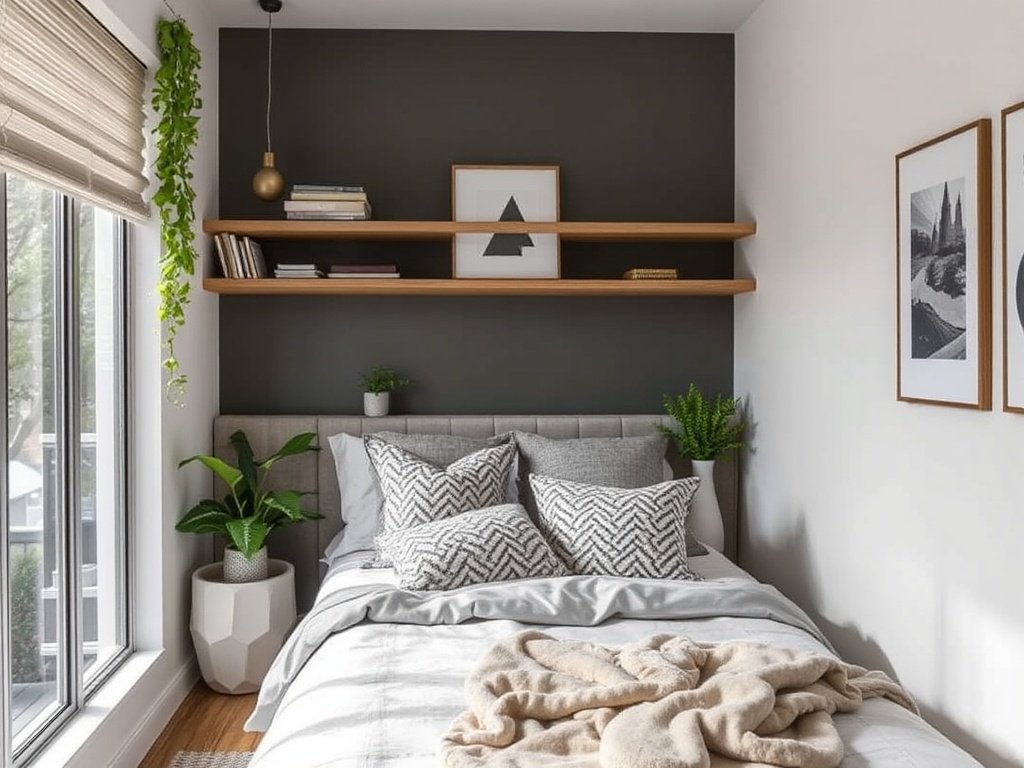
Vertical decor elements draw the eye upward, making the room feel taller. Tall artwork, vertical stripes, or hanging decor can enhance this effect. Arranging decor vertically creates visual balance and interest. This technique prevents the room from feeling flat or cramped. It also complements vertical storage solutions. Choosing lightweight decor ensures the space remains airy. Vertical elements add style without occupying floor space. They contribute to a visually expanded and well-designed room.
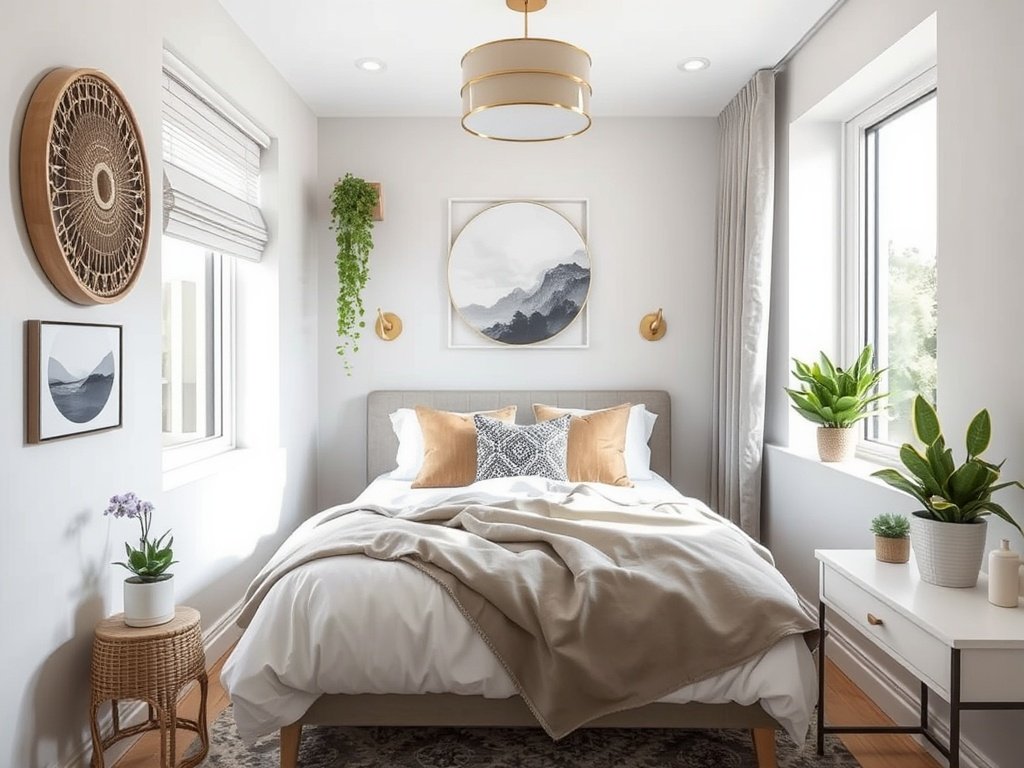
13. Choose a Cohesive Color Palette
A cohesive color palette ties the entire room together and enhances visual harmony. Sticking to a limited range of colors prevents the space from feeling busy. Light or neutral tones can be paired with subtle accent colors for interest. Consistency across walls, furniture, and decor creates a seamless look. This approach makes the room feel more organized and spacious. A well-chosen palette enhances both style and comfort. It ensures the design feels intentional and balanced.
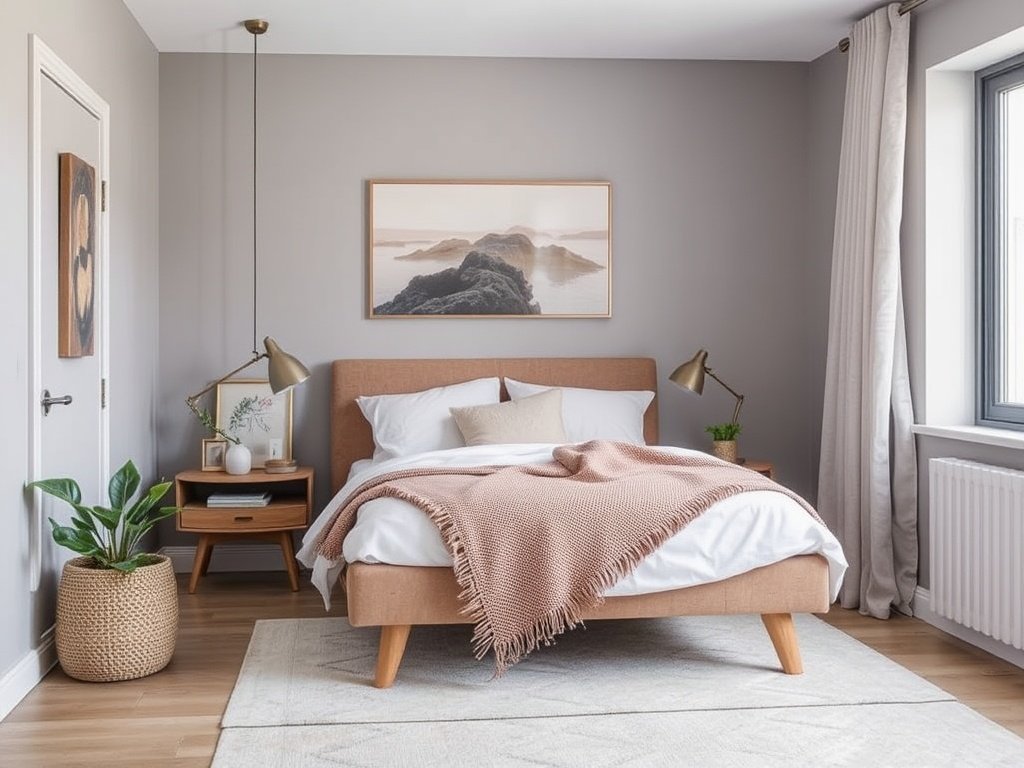
14. Keep the Room Clean and Clutter-Free
Maintaining a clean and clutter-free space is essential for maximizing a tiny bedroom’s potential. Too many items can quickly make the room feel cramped and overwhelming. Regular decluttering ensures the space remains functional and relaxing. Organized storage solutions keep essentials out of sight. Open surfaces allow light and design elements to stand out. A tidy room enhances both visual appeal and comfort. Simplicity creates a calm and inviting atmosphere. Keeping the room clean ensures it remains a stylish and efficient retreat.

Final Thoughts
Tiny bedrooms can be transformed into stylish and functional spaces with the right approach. By using light colors, smart storage, minimal furniture, and thoughtful decor, you can maximize both space and style. Each of these 14 ideas shows how to make the most of limited square footage without sacrificing comfort or aesthetics. With careful planning and creativity, even the smallest bedroom can feel spacious, organized, and beautifully designed.